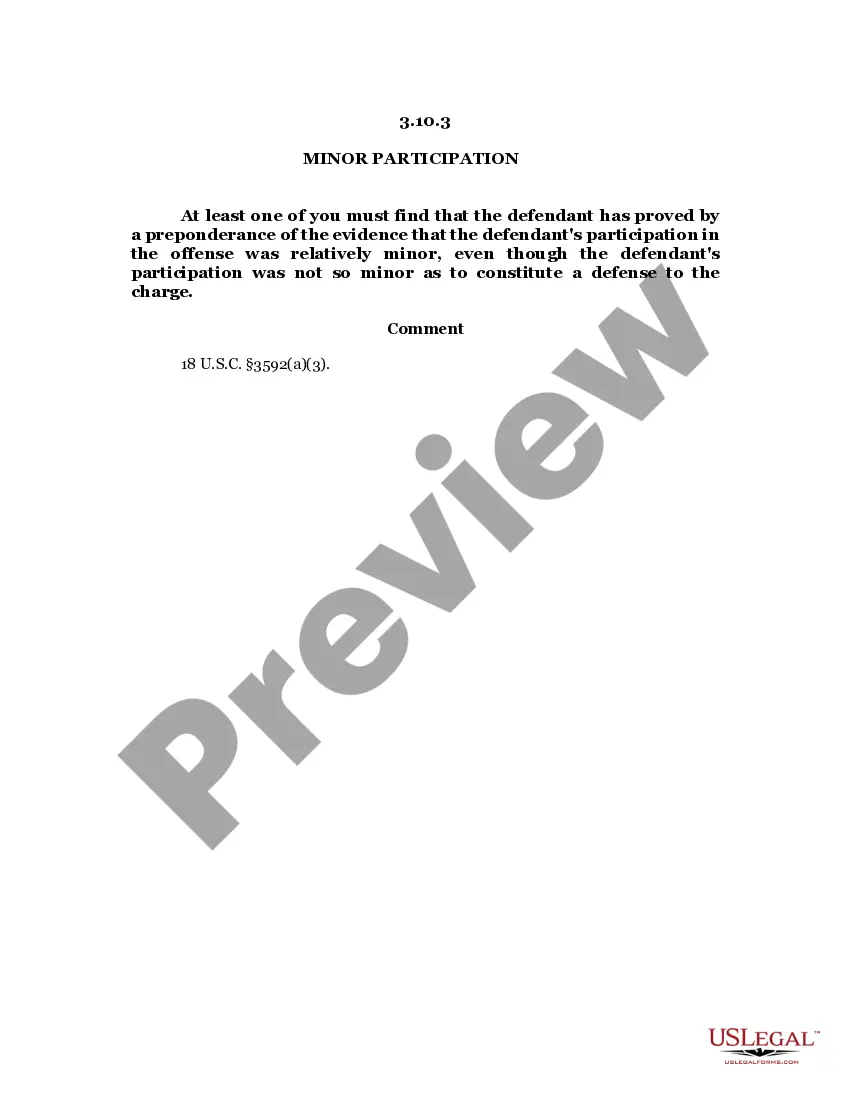
MINOR PARTICIPATION
Overview of this form
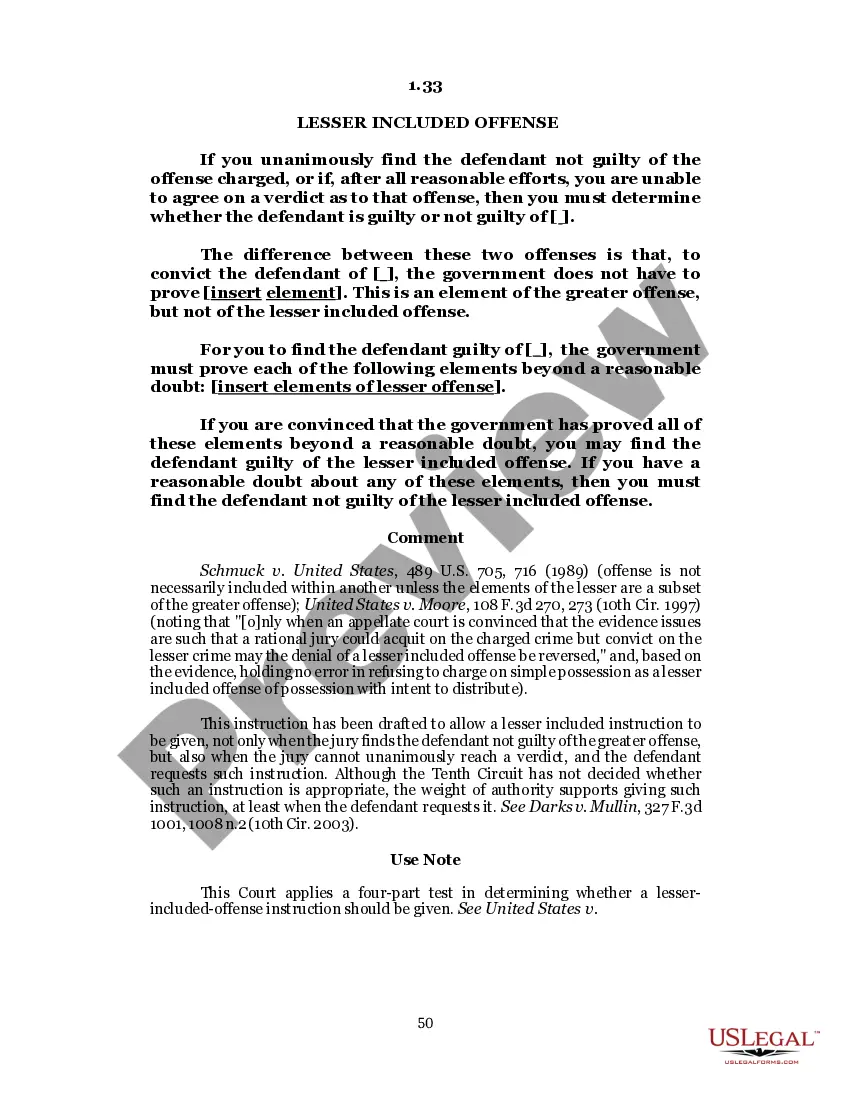
The Minor Participation form is a legal document used to establish a defendant's lesser role in an offense during court proceedings. This form allows a defendant to demonstrate that their participation, while not negligible, was relatively minor, which may impact sentencing or legal consequences. It differs from other defense forms by focusing specifically on the degree of involvement rather than claiming innocence or total defense against the charges.
Key parts of this document
- Defendant's assertion: A statement asserting that the defendant's role was minor in the context of the crime.
- Required standard: The defendant must prove by a preponderance of the evidence that their participation was relatively minor.
- Contextual relevance: Clarification on how this minor participation does not absolve the defendant but may be considered in sentencing.
- Citation of legal authority: References relevant legal statutes that support the use of this form, such as 18 U.S.C. §3592(a)(3).
Situations where this form applies
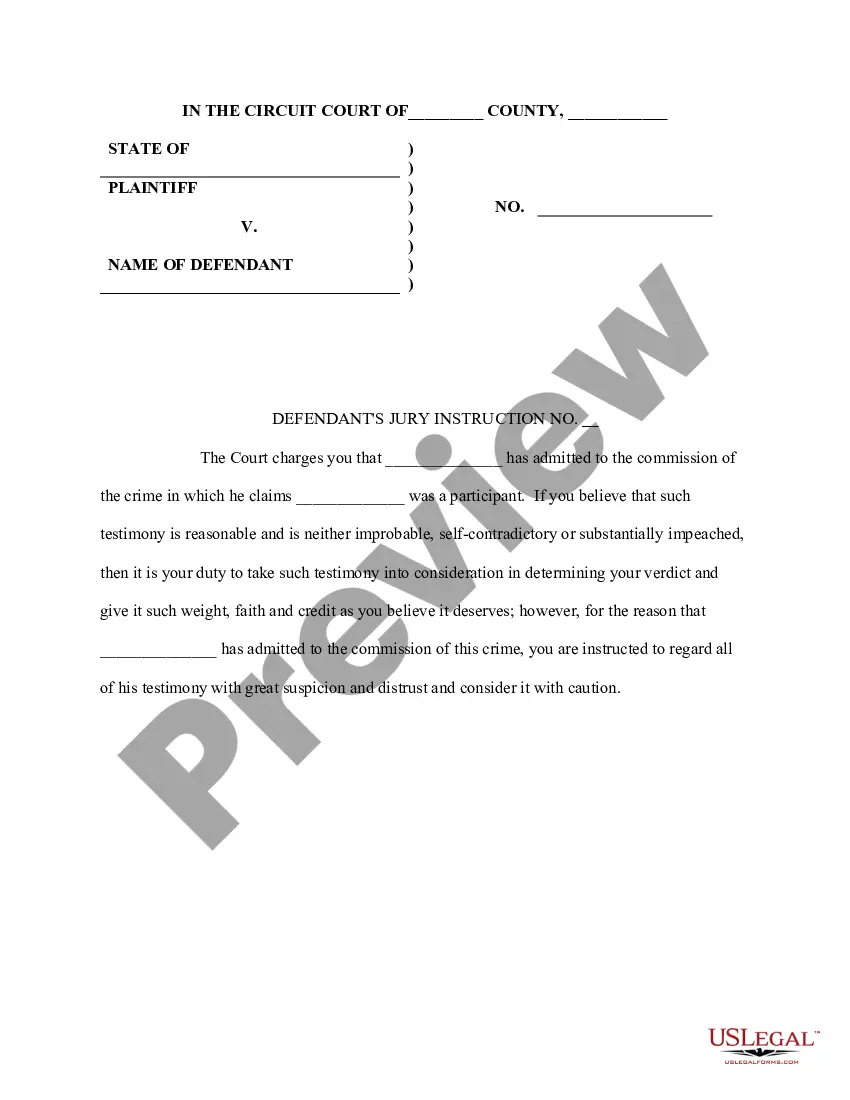
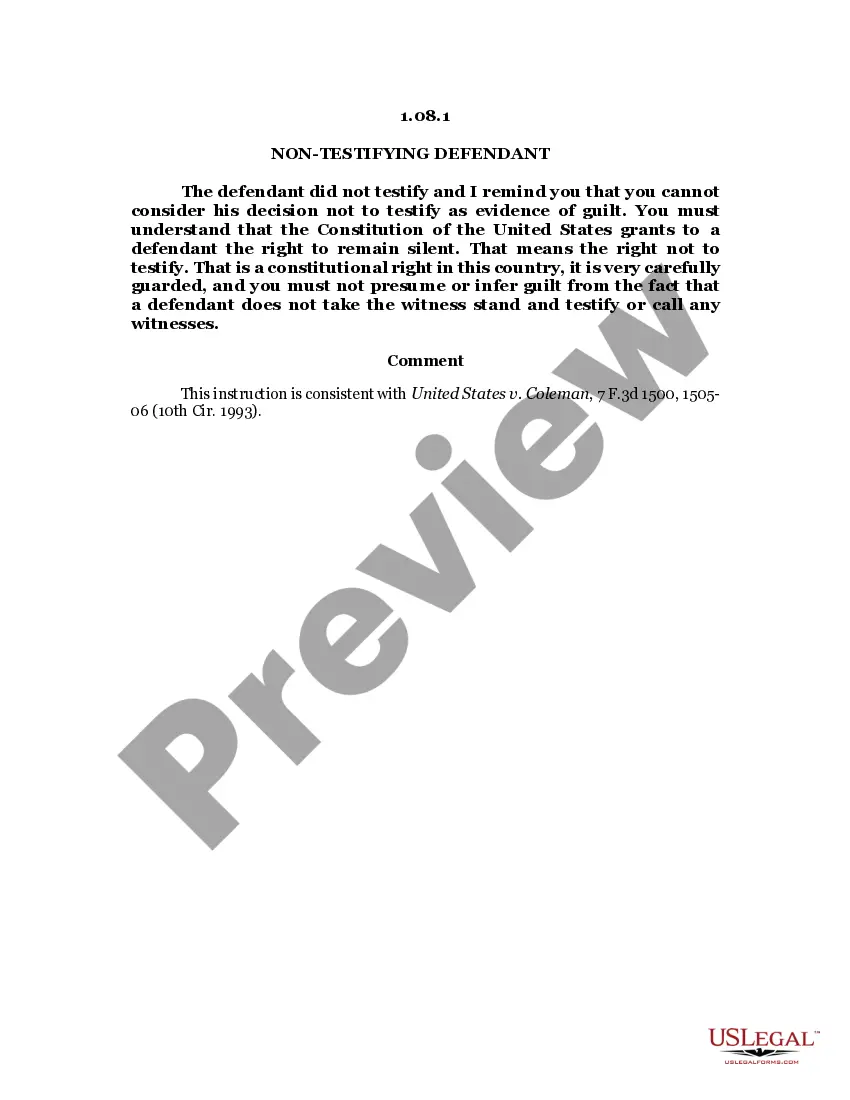
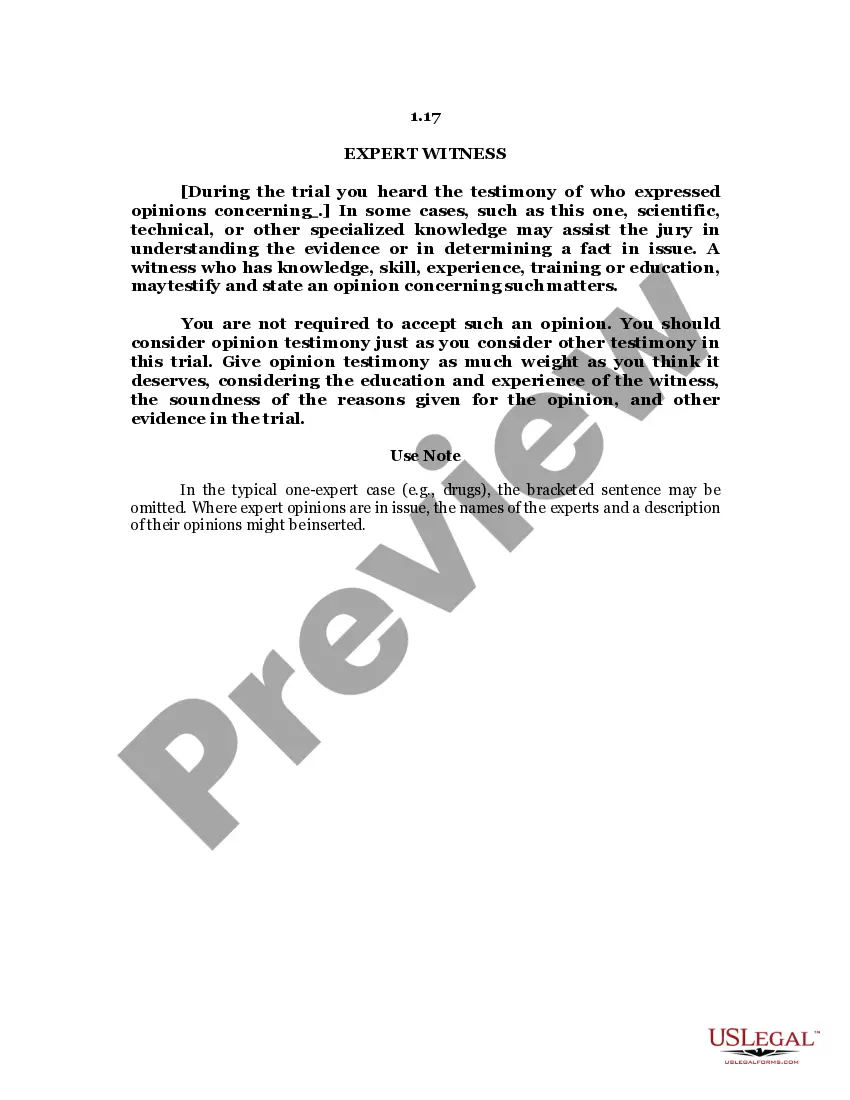
This form is typically used during criminal trials when a defendant wishes to argue that their involvement in the offense was not significant enough to warrant the same penalties as co-defendants. It may be relevant in cases where the defendant played a supporting or passive role in the crime, thereby minimizing their culpability.
Intended users of this form
- Defendants in criminal trials seeking to reduce their potential sentencing.
- Individuals charged with offenses where their level of participation is in question.
- Legal representatives advising clients on how to articulate their role in an offense.
Completing this form step by step
- Identify the defendant: Clearly state the name and relevant details of the defendant involved.
- Describe involvement: Provide a brief outline of the defendant's actions related to the offense.
- Evidence submission: Gather and attach any supporting evidence that establishes the minor role in the crime.
- Sign and date: Ensure that the form is signed and dated appropriately to validate the submission.
Is notarization required?
This form does not typically require notarization unless specified by local law. However, having a notary present can add an extra layer of validity to the document in certain jurisdictions.
Get your form ready online
Our built-in tools help you complete, sign, share, and store your documents in one place.
Make edits, fill in missing information, and update formatting in US Legal Forms—just like you would in MS Word.
Download a copy, print it, send it by email, or mail it via USPS—whatever works best for your next step.
Sign and collect signatures with our SignNow integration. Send to multiple recipients, set reminders, and more. Go Premium to unlock E-Sign.
If this form requires notarization, complete it online through a secure video call—no need to meet a notary in person or wait for an appointment.
We protect your documents and personal data by following strict security and privacy standards.

Make edits, fill in missing information, and update formatting in US Legal Forms—just like you would in MS Word.

Download a copy, print it, send it by email, or mail it via USPS—whatever works best for your next step.

Sign and collect signatures with our SignNow integration. Send to multiple recipients, set reminders, and more. Go Premium to unlock E-Sign.

If this form requires notarization, complete it online through a secure video call—no need to meet a notary in person or wait for an appointment.

We protect your documents and personal data by following strict security and privacy standards.
Avoid these common issues
- Failing to provide sufficient evidence to support the claim of minor participation.
- Not adhering to the jurisdiction's requirements for presenting the form.
- Inaccurate or incomplete descriptions of the defendant's involvement.
Why complete this form online
- Convenience: Access the form from anywhere and complete it at your convenience.
- Editability: Easily make necessary changes before final submission.
- Reliability: Ensure accuracy with professionally drafted documents created by licensed attorneys.
Looking for another form?

Form popularity
FAQ
Legally, children are not able to give true informed consent until they turn 18. So, before taking part in a clinical trial, they are asked for their assent. Assent means that they agree to take part. They may also dissent, which means they do not agree.
Parental permission protects the child from assuming unreasonable risks. Assent demonstrates respect for the child and his developing autonomy. In order to give meaningful assent, the child must understand that procedures will be performed, voluntarily choose to undergo the procedures, and communicate this choice.
California Family Code provides that a minor may, without parental consent, receive services related to sexual assault, pregnancy and pregnancy-related services, family planning, sexually transmitted diseases, drug and alcohol abuse, and outpatient mental health treatment and counseling.
Participants between the ages of 6 and 17 are asked to sign assent when taking part in any research project. If a child refuses to sign an assent form, the research cannot proceed even if consent has been granted by the child's guardian.
The IRB has the discretion to judge children's capacity to assent for all of the children to be involved in a proposed research activity, or on an individual basis.
Minor consent laws allow young people aged 12 and over to consent to certain services without parent or guardian involvement. Minors may consent to certain services related to sexual and reproductive health, mental health, and drug and alcohol treatment.
Thus, parents can provide informed consent only for themselves. Minors cannot provide informed consent unless they have been judged to be able to act as adults for that purpose (see the discussion below of emancipated and mature minors).
Assent means a minor's (e.g., child, youth, adolescent under the age of 18) affirmative agreement to participate in research (45 CFR 46.402(b)). To assent, the minor must actively demonstrate a continued willingness to participate in the research, and not just comply with participation directions.