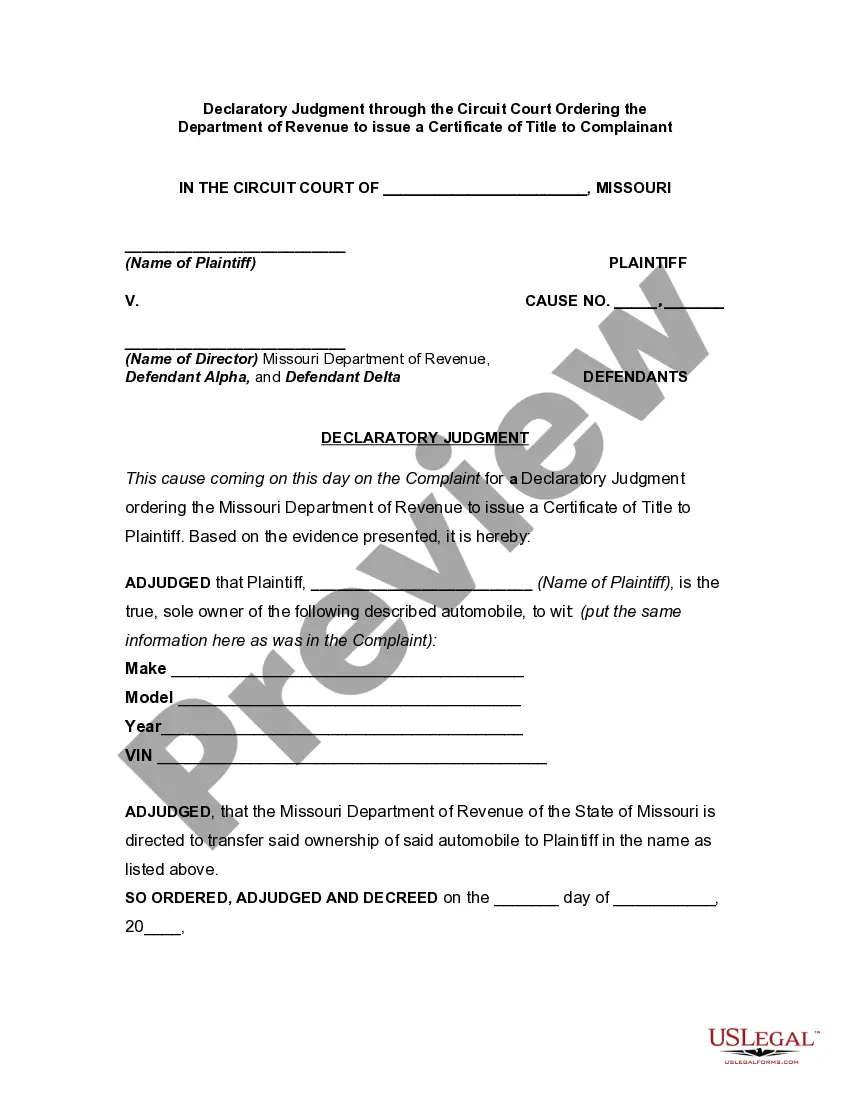
Declaratory Judgment Court Foreclosure
Description
Get your form ready online
Our built-in tools help you complete, sign, share, and store your documents in one place.
Make edits, fill in missing information, and update formatting in US Legal Forms—just like you would in MS Word.
Download a copy, print it, send it by email, or mail it via USPS—whatever works best for your next step.
Sign and collect signatures with our SignNow integration. Send to multiple recipients, set reminders, and more. Go Premium to unlock E-Sign.
If this form requires notarization, complete it online through a secure video call—no need to meet a notary in person or wait for an appointment.
We protect your documents and personal data by following strict security and privacy standards.

Make edits, fill in missing information, and update formatting in US Legal Forms—just like you would in MS Word.

Download a copy, print it, send it by email, or mail it via USPS—whatever works best for your next step.

Sign and collect signatures with our SignNow integration. Send to multiple recipients, set reminders, and more. Go Premium to unlock E-Sign.

If this form requires notarization, complete it online through a secure video call—no need to meet a notary in person or wait for an appointment.

We protect your documents and personal data by following strict security and privacy standards.
Looking for another form?





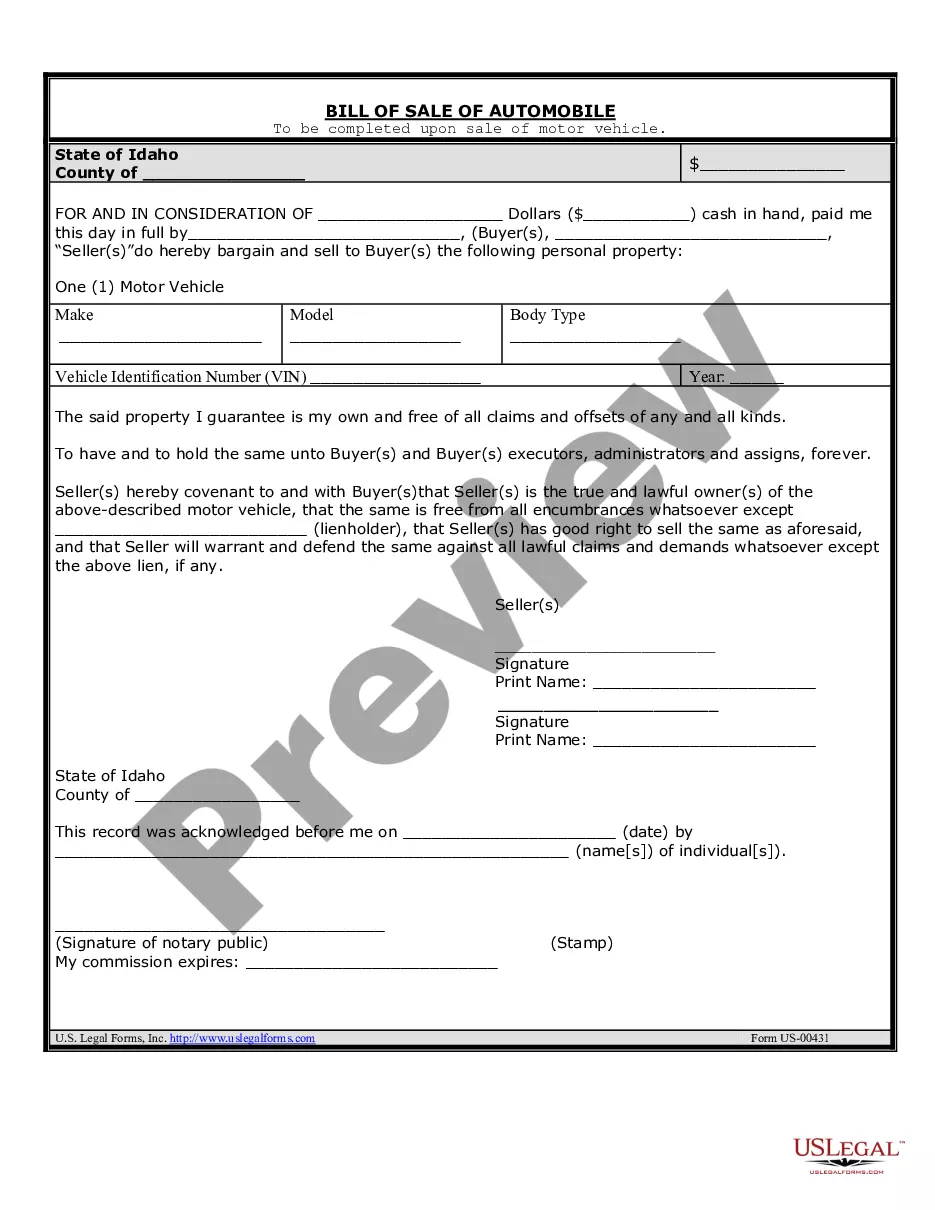


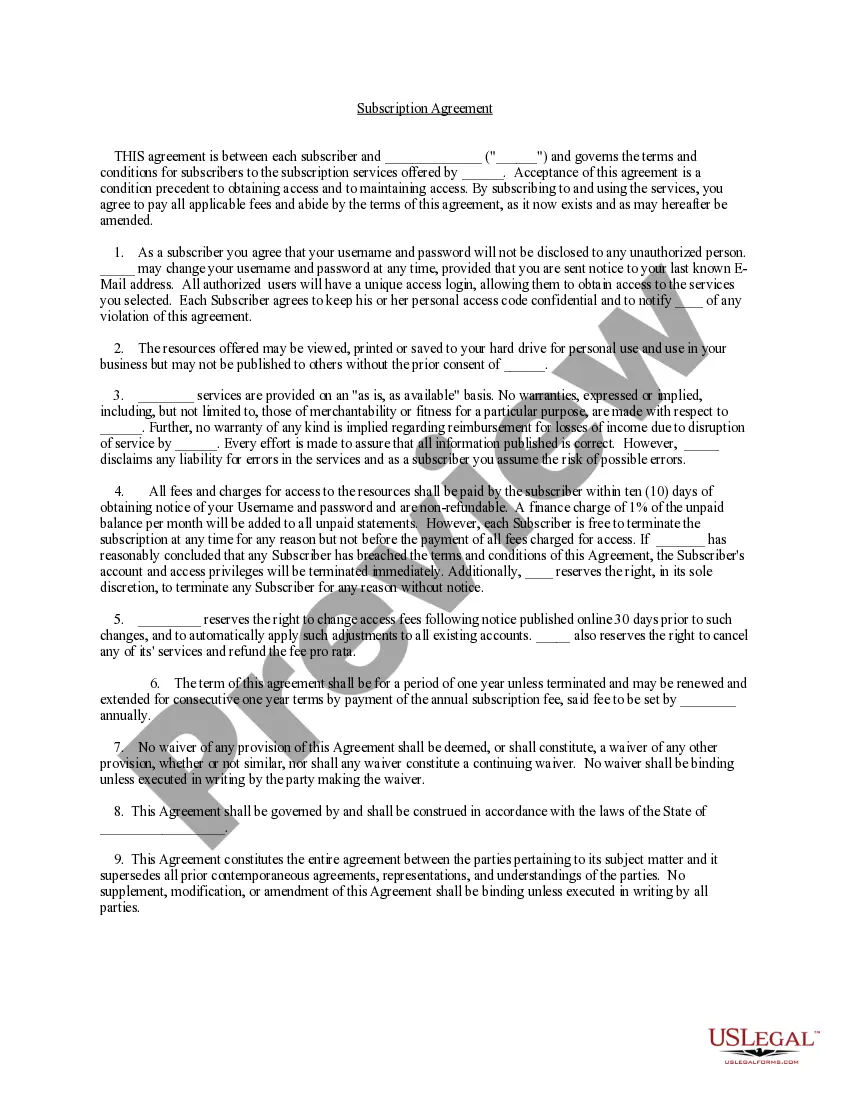

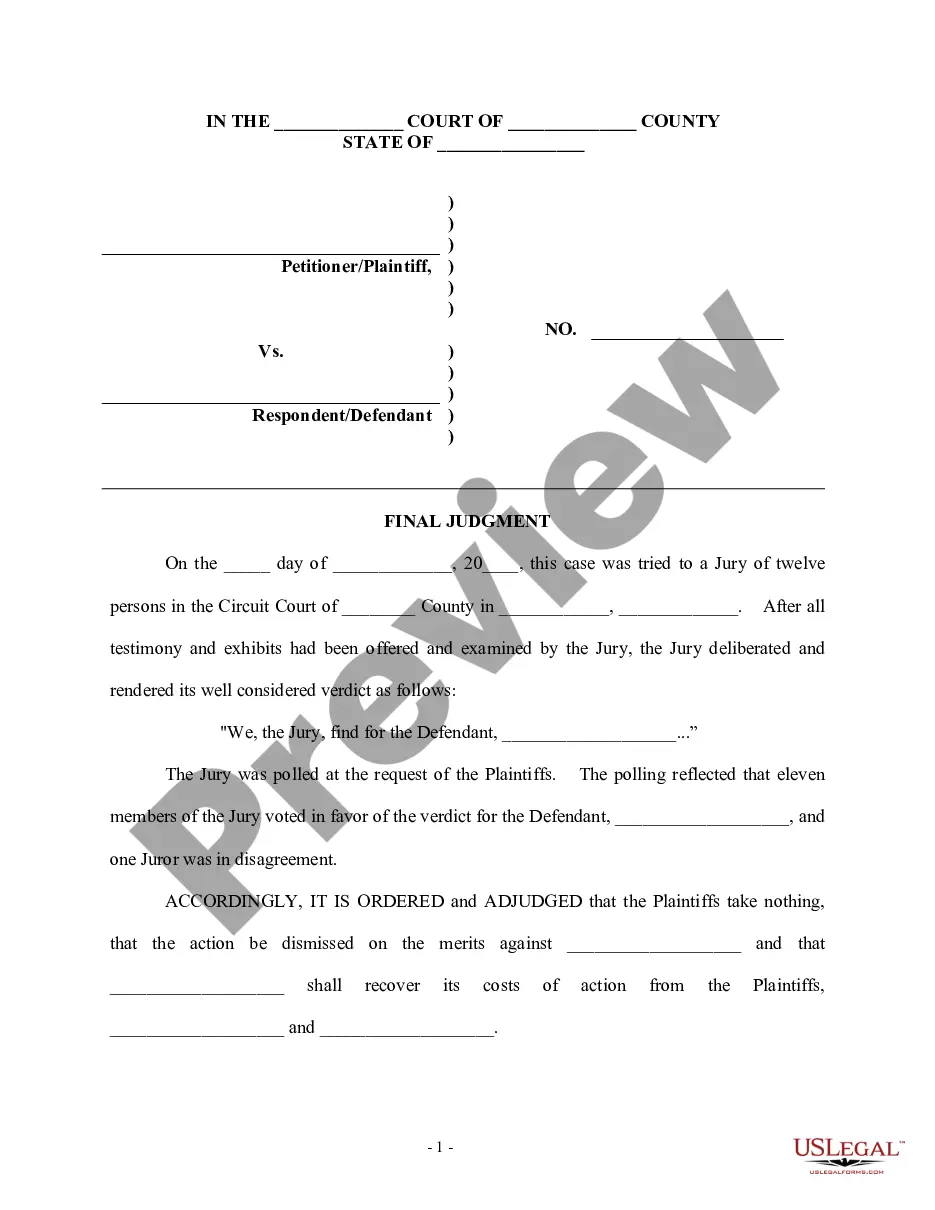
How to fill out Missouri Declaratory Judgment Through The Circuit Court Ordering The Department Of Revenue To Issue A Certificate Of Title To Complainant?
Managing legal papers and processes can be a lengthy addition to your entire day.
Declaratory Judgment Court Foreclosure and similar forms often require you to search for them and comprehend the best method to finish them correctly.
Thus, whether you are handling financial, legal, or personal issues, utilizing a comprehensive and efficient online library of forms at your disposal will prove beneficial.
US Legal Forms is the leading online platform for legal templates, offering over 85,000 state-specific forms along with numerous resources to assist you in swiftly completing your documents.
Simply Log In to your account, locate Declaratory Judgment Court Foreclosure, and obtain it instantly in the My documents section. You can also retrieve previously saved forms.
- Explore the repository of suitable documents available to you with a single click.
- US Legal Forms provides state- and county-specific forms accessible at any time for download.
- Protect your document management processes by using a top-quality service that enables you to prepare any form in a matter of minutes without extra or hidden costs.
Form popularity
FAQ
Yes, a declaratory judgment is binding on the parties involved once rendered by a court. This means that the court’s ruling in a declaratory judgment court foreclosure case will determine the rights and obligations of the parties, provided that the judgment is final. However, it’s essential to note that the binding nature depends on the jurisdiction and the specifics of the case. Consulting legal resources or platforms like USLegalForms can ensure you fully understand the implications of such judgments.
To pursue a declaratory judgment, a party must demonstrate a genuine dispute over a legal right or obligation. Additionally, the court must have jurisdiction over the case, and the requested judgment must be necessary to resolve the matter. This is crucial in scenarios involving declaratory judgment court foreclosure to ascertain the legality of foreclosure actions.
A declaratory judgment establishes legal rights and relationships without deciding the merits of a case, while a summary judgment resolves a case based on undisputed facts. In contexts like declaratory judgment court foreclosure, a declaratory judgment focuses on clarifying legal obligations, whereas summary judgment may end a case if one party is clearly entitled to win. Understanding this distinction can help individuals navigate their legal options effectively.
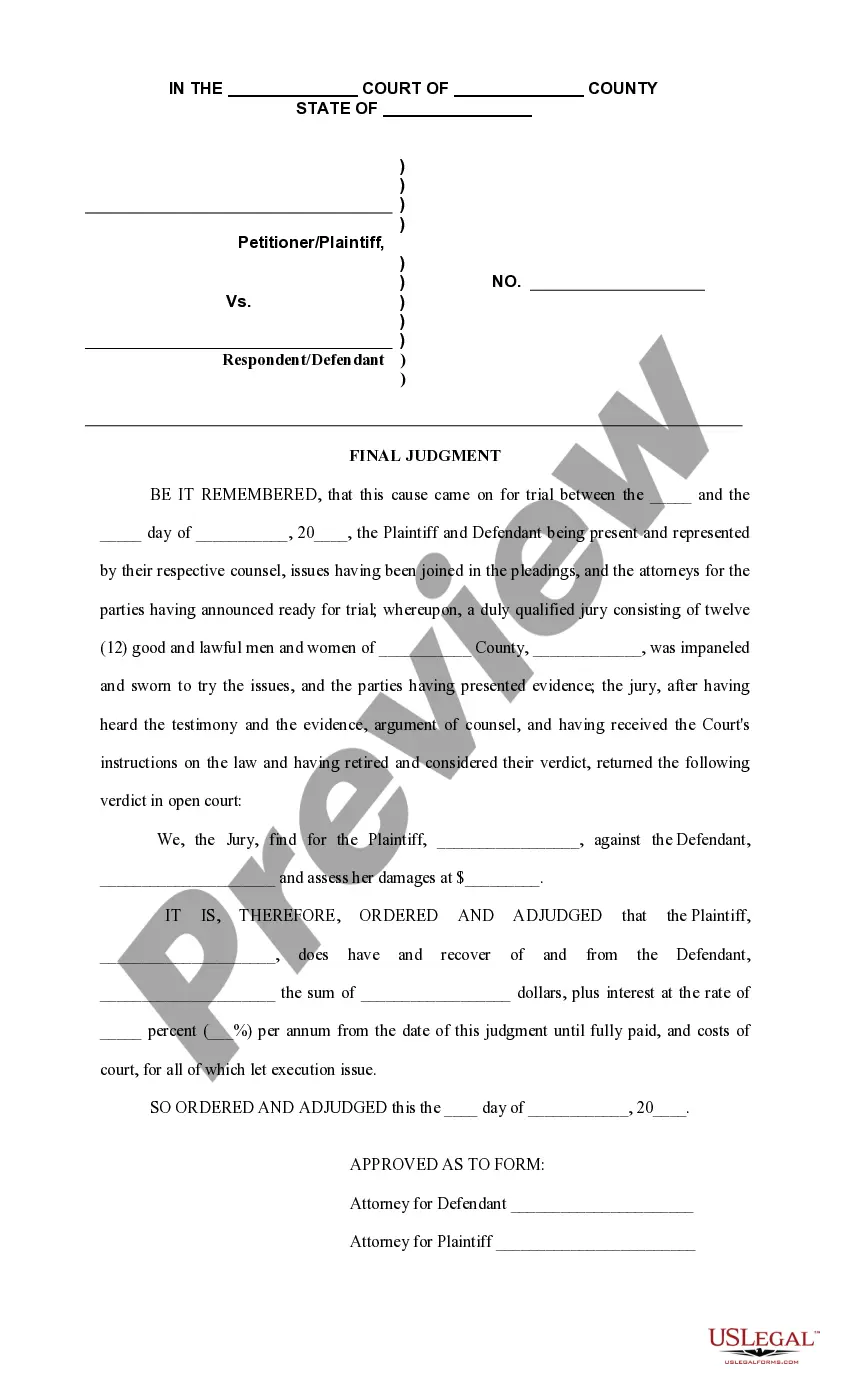
A declaratory judgment is a binding judgment from a court defining the legal relationship between parties and their rights in a matter before the court. When there is uncertainty as to the legal obligations or rights between two parties, a declaratory judgment offers an immediate means to resolve this uncertainty.
A declaratory judgment is typically requested when a party is threatened with a lawsuit but the lawsuit has not yet been filed; or when a party or parties believe that their rights under law and/or contract might conflict; or as part of a counterclaim to prevent further lawsuits from the same plaintiff (for example, ...
For example, a policyholder believes that their denied claim is unjust. As a result, they inform the insurer that they are considering a lawsuit to recover losses. The insurer seeks a declaratory judgment to clarify its rights and obligations with hopes of preventing the lawsuit.
The declaratory judgment plaintiffhas the burden of proving an actual controversy exists. 12 However, it is the declaratory judgment defendant who has the burden of proving patent infringement exists. That is, the burden of proving patent infringement is on the patentee, regardless of who brings the lawsuit.
For an actual controversy to be found, the plaintiff cannot be merely seeking advice from the court, but instead must show that the controversy between parties is substantial, immediate, and real and that the parties have adverse legal interests.