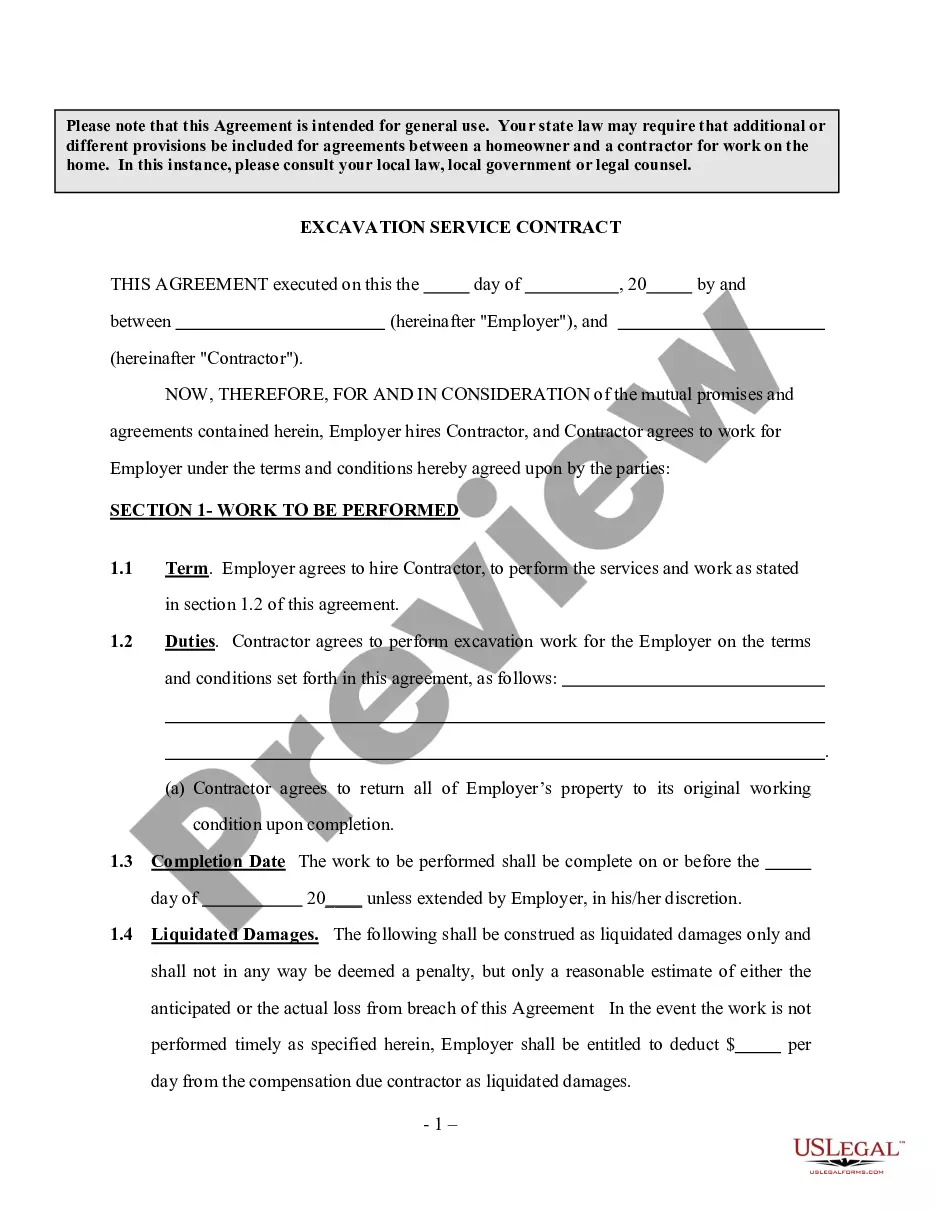
Contractor With Excavator
Description
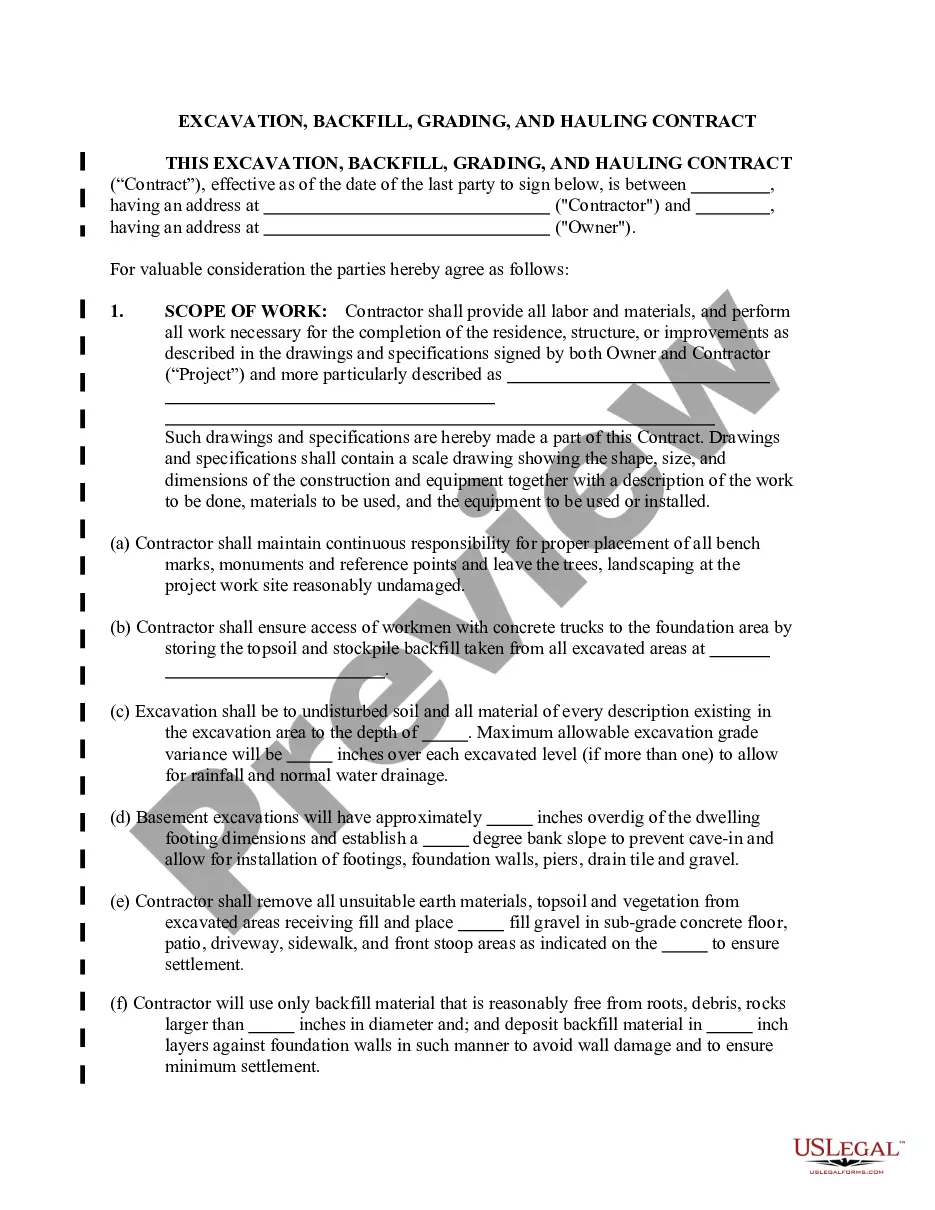
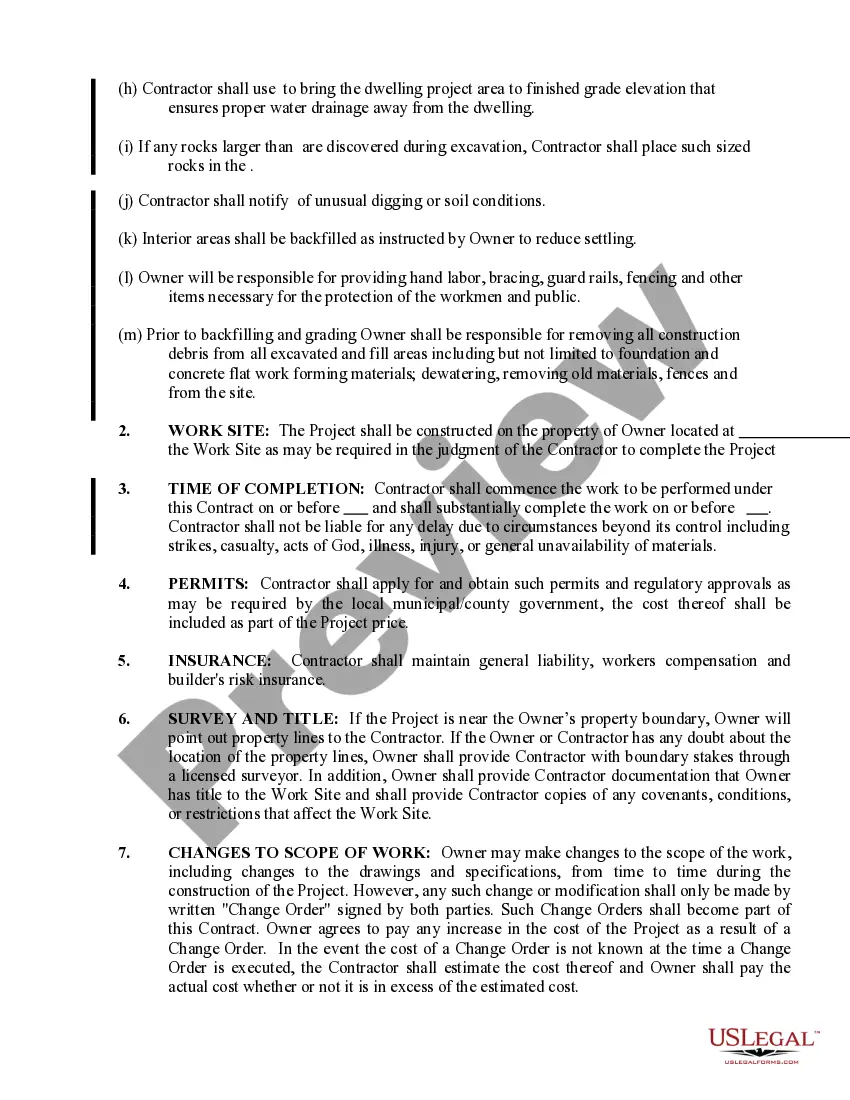
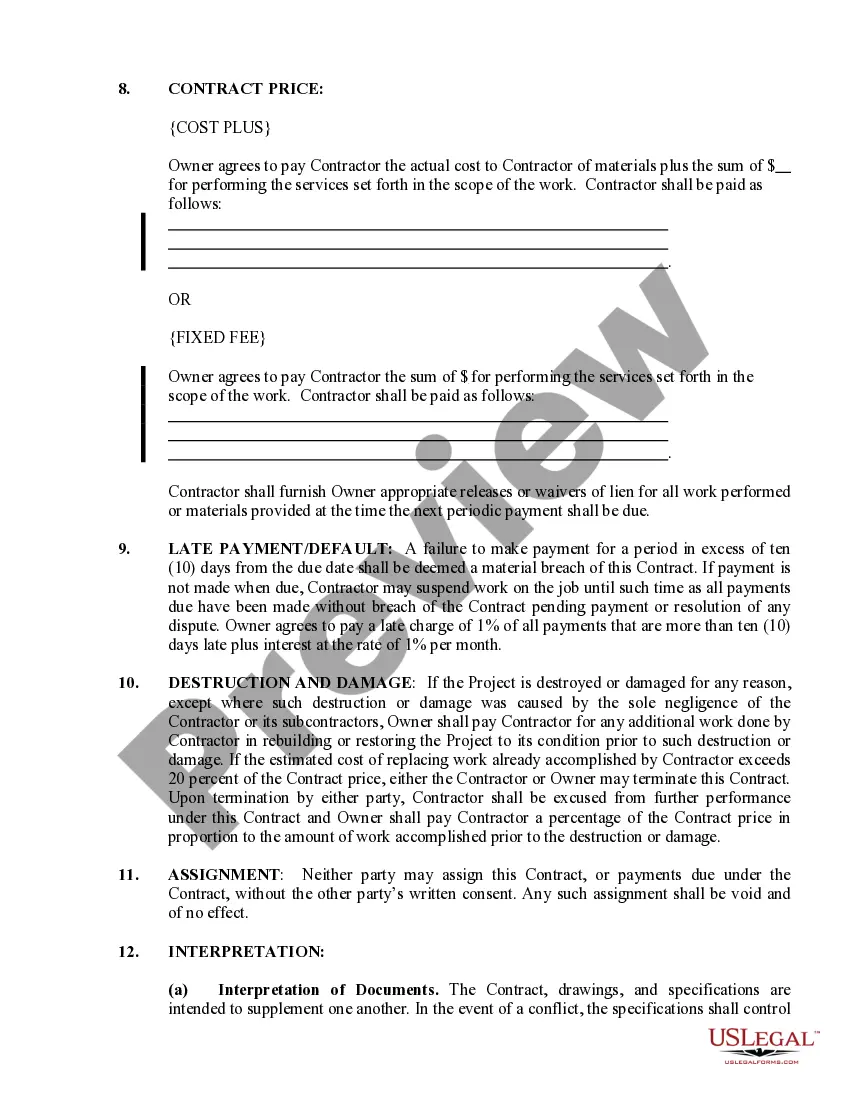
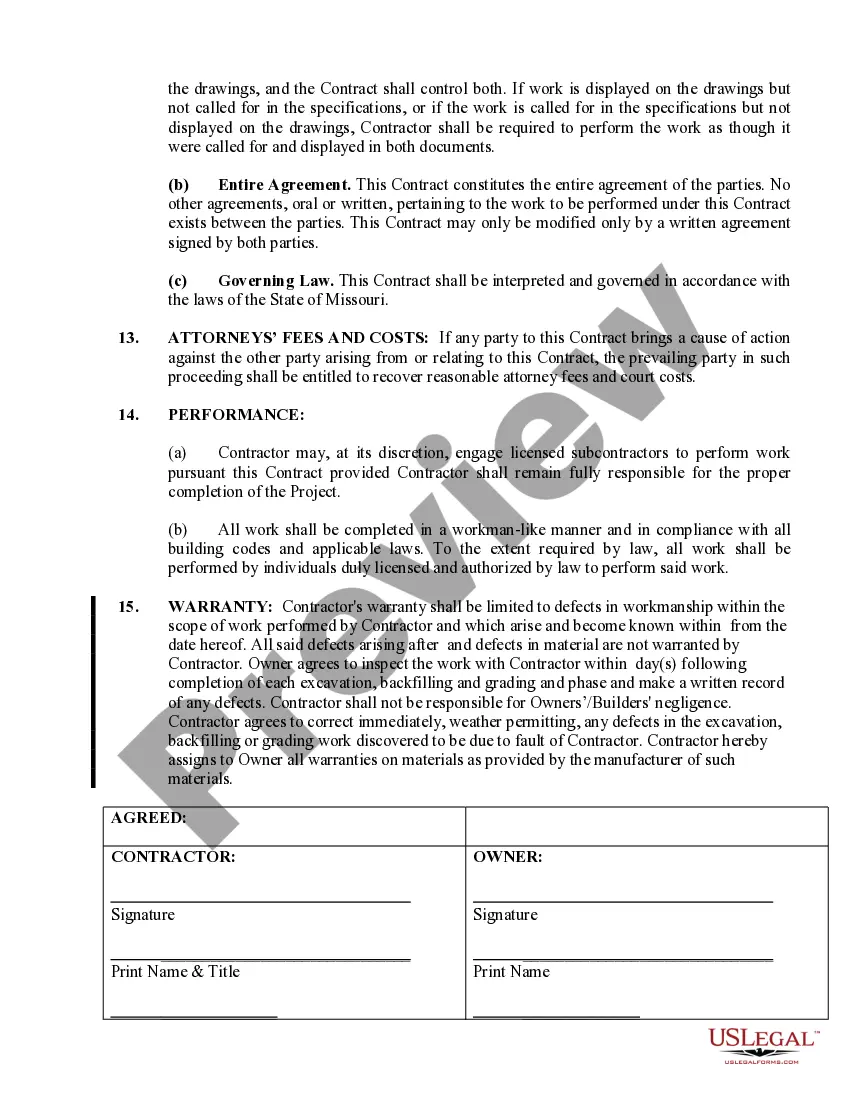
Get your form ready online
Our built-in tools help you complete, sign, share, and store your documents in one place.
Make edits, fill in missing information, and update formatting in US Legal Forms—just like you would in MS Word.
Download a copy, print it, send it by email, or mail it via USPS—whatever works best for your next step.
Sign and collect signatures with our SignNow integration. Send to multiple recipients, set reminders, and more. Go Premium to unlock E-Sign.
If this form requires notarization, complete it online through a secure video call—no need to meet a notary in person or wait for an appointment.
We protect your documents and personal data by following strict security and privacy standards.

Make edits, fill in missing information, and update formatting in US Legal Forms—just like you would in MS Word.

Download a copy, print it, send it by email, or mail it via USPS—whatever works best for your next step.

Sign and collect signatures with our SignNow integration. Send to multiple recipients, set reminders, and more. Go Premium to unlock E-Sign.

If this form requires notarization, complete it online through a secure video call—no need to meet a notary in person or wait for an appointment.

We protect your documents and personal data by following strict security and privacy standards.
Looking for another form?









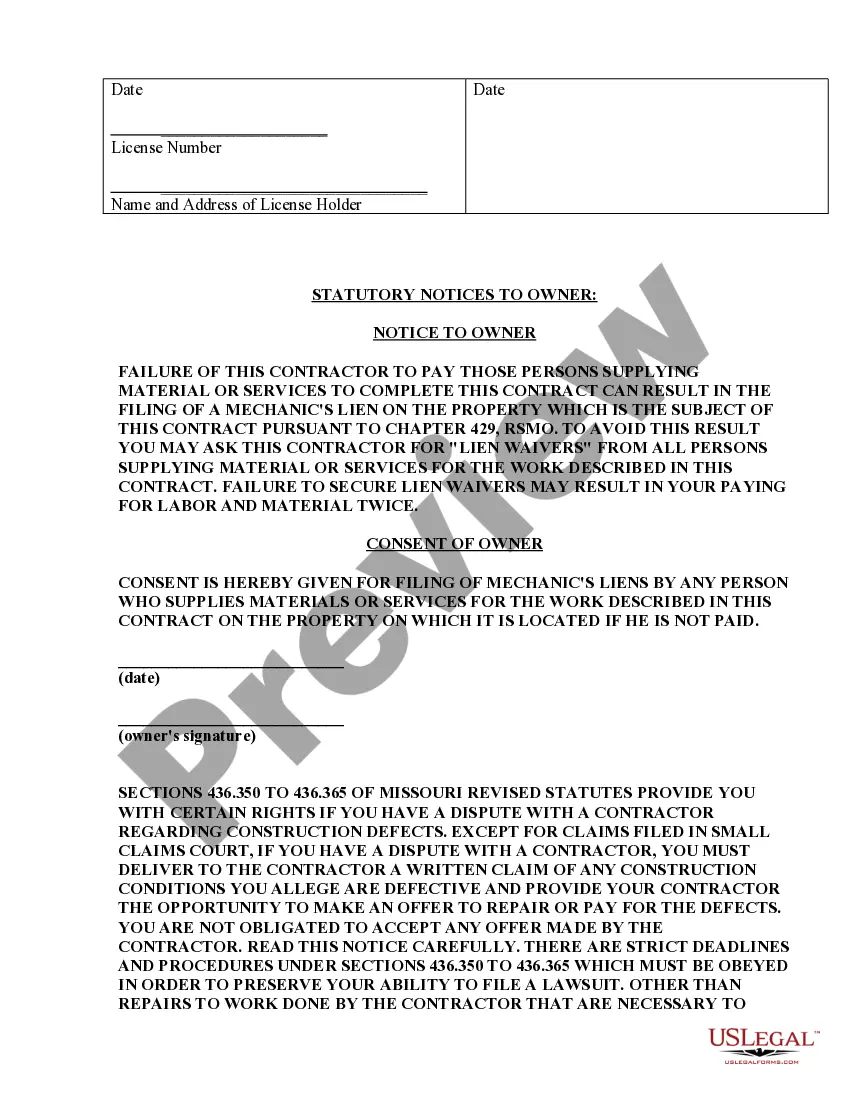
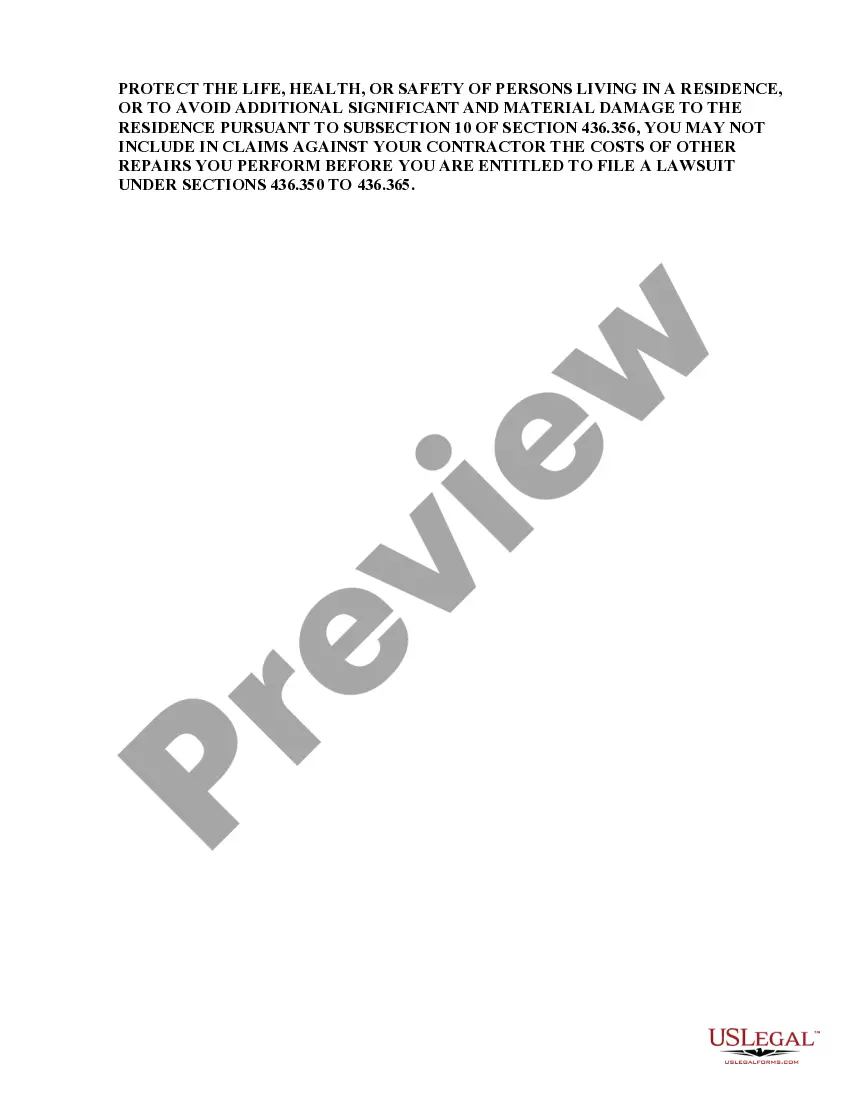
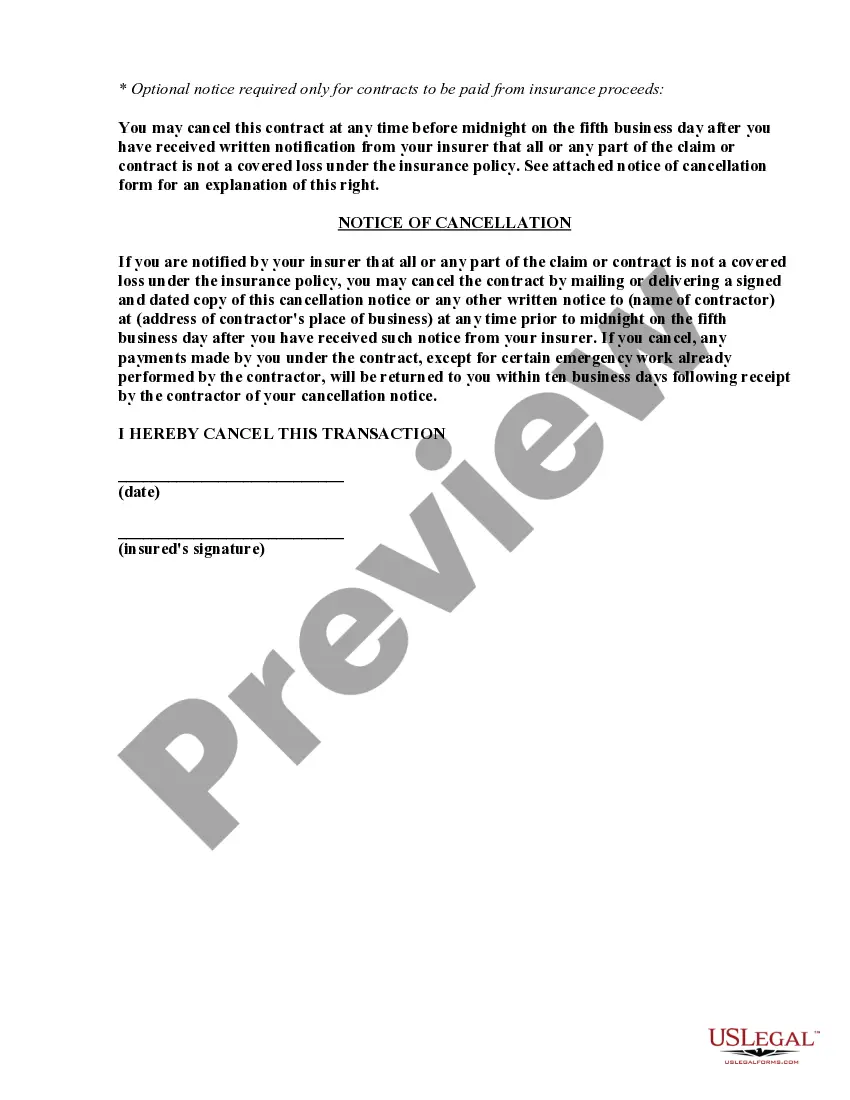
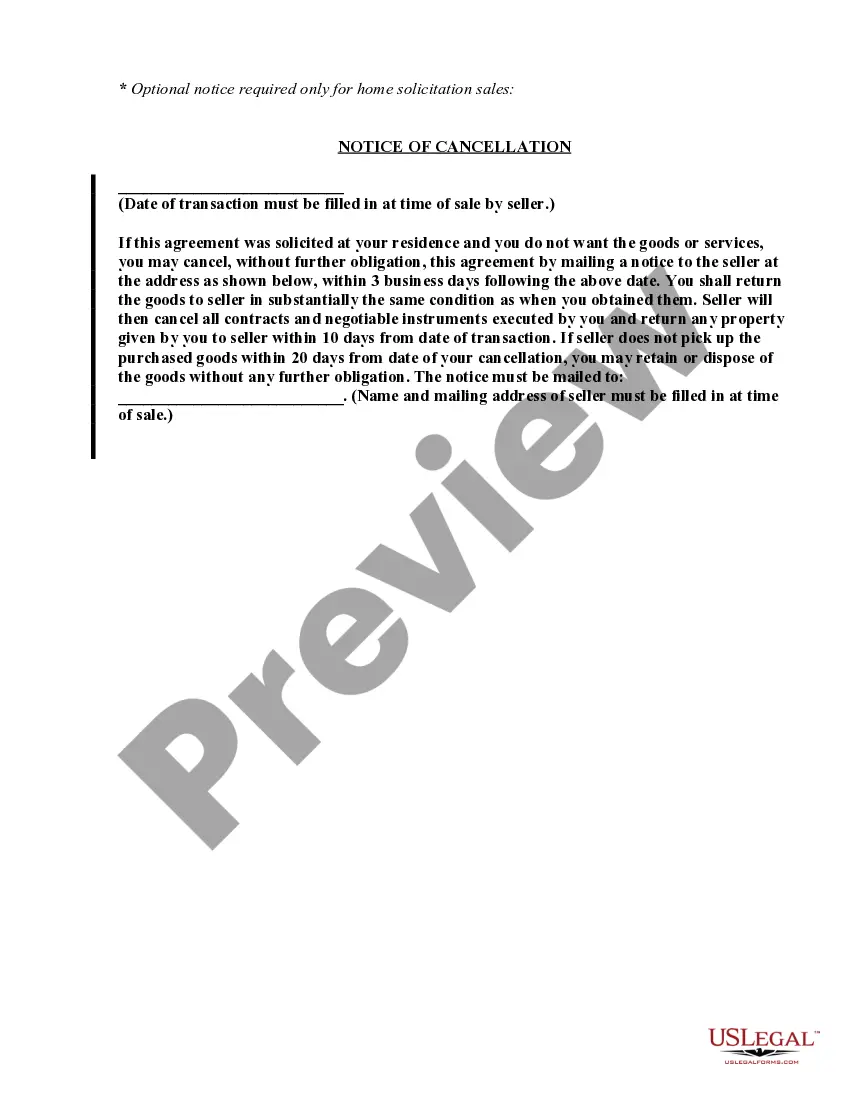
How to fill out Missouri Excavator Contract For Contractor?
When you need to complete Contractor With Excavator that adheres to your local state's regulations, there can be numerous choices to select from.
There's no necessity to scrutinize every document to verify it meets all the legal requirements if you are a US Legal Forms subscriber.
It is a trustworthy resource that can assist you in obtaining a reusable and current template on any subject.
Utilize the Preview mode to examine the form description if available.
- US Legal Forms is the largest online repository with a collection of over 85k ready-to-use documents for business and personal legal matters.
- All templates are verified to conform to each state's regulations.
- Therefore, when downloading Contractor With Excavator from our website, you can be assured that you possess a valid and up-to-date document.
- Acquiring the necessary template from our platform is very simple.
- If you already have an account, simply Log In to the platform, confirm your subscription is active, and save the chosen file.
- In the future, you can access the My documents section in your profile and maintain access to the Contractor With Excavator anytime.
- If this is your first experience with our library, please follow the instructions below.
- Browse the recommended page and ensure it meets your standards.
Form popularity
FAQ
Excavation is the process of moving things like earth, rock, or other materials with tools, equipment, or explosives. It includes earthwork, trenching, wall shafts, tunneling, and underground. Excavation has several critical purposes, including exploration, environmental restoration, mining, and construction.
So, the formula is: Ab = Wb Lb, where Wb and Lb are the width and length of the bottom of the excavation. At = Wt Lt, where Wt and Lt are the width and length of the top of the excavation. In our example, Wb = Lb = 5 and Wt = Lt = 15, so Ab = 5 5 = 25 and At = 15 15 = 225, and D = 5.
Size of Area and Accessibility. Excavators calculate costs based on the cubic yard of dirt moved or removed. The size of an area affects the cost of excavating. A small excavating job can cost about $100 per hour, but larger jobs can range between $1,500 and $5,000.
Excavators are typically used for digging excavations and for trenching purposes. Their versatility and effectiveness make them vital at construction sites in industries as varied as mining, forestry, construction, pipeline industries, and much more.
The cost of excavation is generally estimated by multiplying the total excavation volume to the excavation price per unit. For ex : Let us assume that you want to excavate a pit of size : 2 x 2 x 2 meter. The market price for excavation is 10$/cu. m.