Living Trust Taxes
Description



Get your form ready online
Our built-in tools help you complete, sign, share, and store your documents in one place.
Make edits, fill in missing information, and update formatting in US Legal Forms—just like you would in MS Word.
Download a copy, print it, send it by email, or mail it via USPS—whatever works best for your next step.
Sign and collect signatures with our SignNow integration. Send to multiple recipients, set reminders, and more. Go Premium to unlock E-Sign.
If this form requires notarization, complete it online through a secure video call—no need to meet a notary in person or wait for an appointment.
We protect your documents and personal data by following strict security and privacy standards.

Make edits, fill in missing information, and update formatting in US Legal Forms—just like you would in MS Word.

Download a copy, print it, send it by email, or mail it via USPS—whatever works best for your next step.

Sign and collect signatures with our SignNow integration. Send to multiple recipients, set reminders, and more. Go Premium to unlock E-Sign.

If this form requires notarization, complete it online through a secure video call—no need to meet a notary in person or wait for an appointment.

We protect your documents and personal data by following strict security and privacy standards.
Looking for another form?



How to fill out Minnesota Assignment To Living Trust?
- Start by visiting the US Legal Forms website. If you’re an existing user, simply log in to your account.
- Ensure your subscription is active. If it has lapsed, renew your plan to continue accessing a vast repository of form templates.
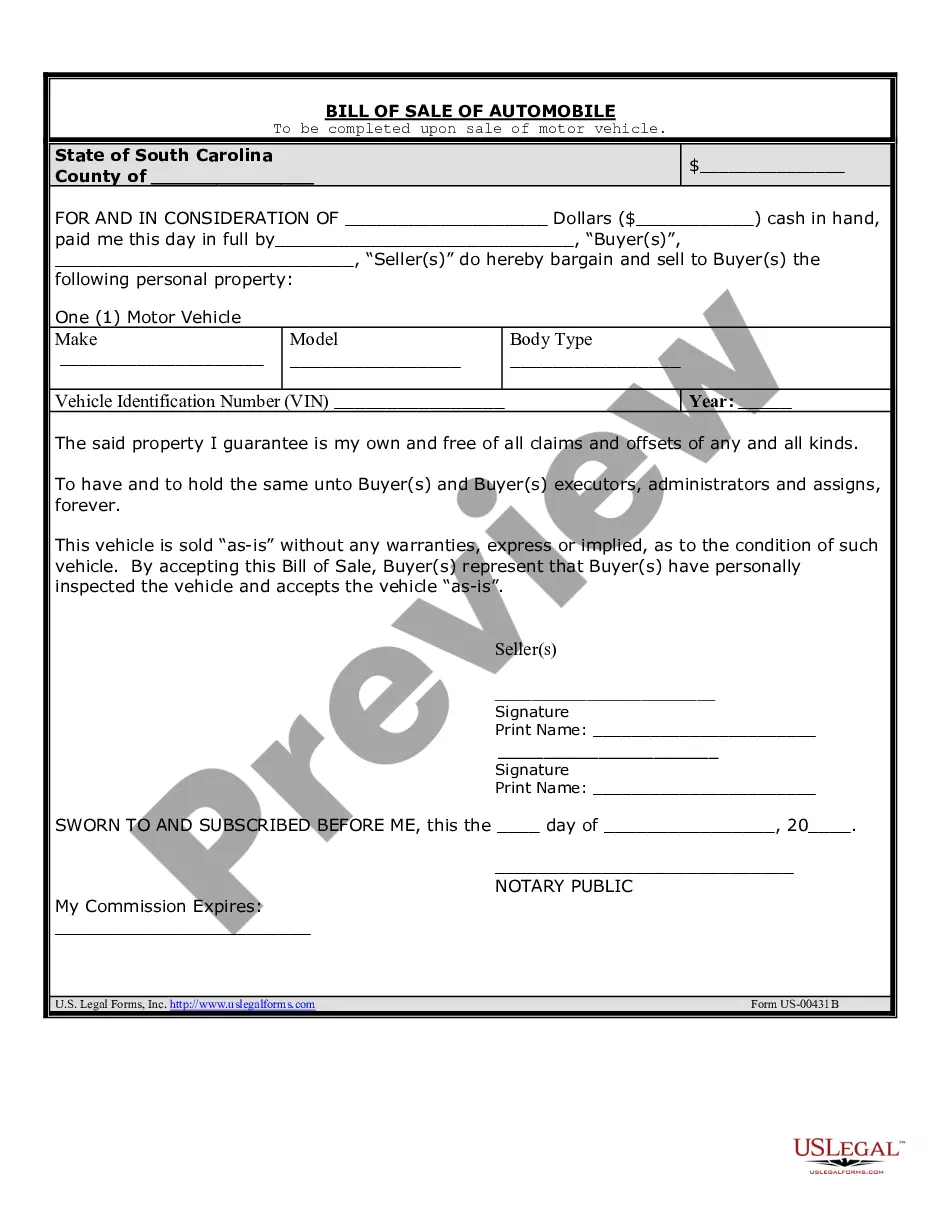
- Search for the living trust tax form. Utilize the Preview mode and read the form description to guarantee it matches your needs and is compliant with local regulations.
- If adjustments are needed, utilize the Search tab to locate the appropriate template. Confirm its suitability before proceeding.
- Select your chosen form and click on the Buy Now button. Choose a subscription plan that best fits your requirements and register an account for full access to the library.
- Complete your purchase by entering your payment details via credit card or PayPal.
- Download your completed form and save it to your device. Access your downloaded forms anytime from the My Forms section.
By following these steps, you’ll ensure that you have the correct documentation needed to handle living trust taxes effectively.
Don’t miss the chance to simplify your legal needs. Start utilizing US Legal Forms today for a seamless experience in managing your estate planning documents!
Form popularity
FAQ
Filing taxes for a living trust can be straightforward, depending on its structure. Generally, a revocable living trust does not require a separate tax return, as the income is reported on the grantor's return. However, if the trust generates income or is irrevocable, it may need to file its own tax return. Utilizing resources like US Legal Forms can simplify this process by providing you with the necessary guidance and forms.
Wealthy individuals often use trusts to manage living trust taxes strategically, ensuring that their assets are sheltered from excessive taxation. By creating various types of trusts, they can take advantage of tax laws that favor the transfer of wealth. This approach not only preserves their estate but also benefits future generations through careful tax planning.
A trust can offer protection from living trust taxes by allowing assets to grow without incurring significant tax consequences during the trust's lifetime. By distributing income to beneficiaries, the trust effectively shifts the tax burden. This proactive strategy can minimize overall taxes and provide security for your assets.
There are specific provisions in the tax code that can create favorable conditions for living trust taxes. For example, certain irrevocable trusts can be structured to avoid estate taxes by removing assets from an individual’s estate. However, it's vital to consult with a tax expert to navigate these provisions correctly and capitalize on potential benefits.
One significant disadvantage of a trust, including living trust taxes, is setup and maintenance costs. Establishing a trust often requires legal assistance, which can incur fees. Furthermore, if not properly managed, the trust may not provide the intended tax benefits, leading to unexpected tax liabilities or complications.
Living trust taxes can be managed effectively because the income generated by some trusts is passed on to beneficiaries rather than taxed at the trust level. This structure allows individuals to report the income on their personal tax returns, potentially lowering their overall tax burden. Additionally, certain trusts may not generate taxable income until distribution occurs, creating further tax benefits.
The trustee holds the responsibility for filing a trust tax return. In the case of a living trust, the grantor often acts as the trustee while alive, making tax filing more straightforward. However, after the grantor's death, the successor trustee must ensure all living trust taxes are filed correctly. Utilizing platforms like uslegalforms can simplify this process, providing essential forms and guidance.
The IRS has recently enhanced its scrutiny of trusts to ensure compliance and transparency. New regulations emphasize the need for thorough reporting of trust income and distributions. As part of understanding living trust taxes, it's important to stay updated on these rules to avoid potential pitfalls. You can find helpful resources and tools on the uslegalforms platform to meet these requirements.
Trust taxes can be filed separately, especially when dealing with irrevocable trusts. These trusts typically require their own tax identification number and may need to file Form 1041. In contrast, living trusts usually do not need to file separately as they report income on the grantor's personal tax return. Recognizing these distinctions in living trust taxes is vital for accurate reporting.
The assets within a living trust do not count as income unless they generate revenue. For instance, rental properties or dividends from investments held in the trust can generate income that is taxable. Thus, it is essential to differentiate between the trust's assets and their income for tax purposes. These nuances in living trust taxes can greatly impact your financial planning.