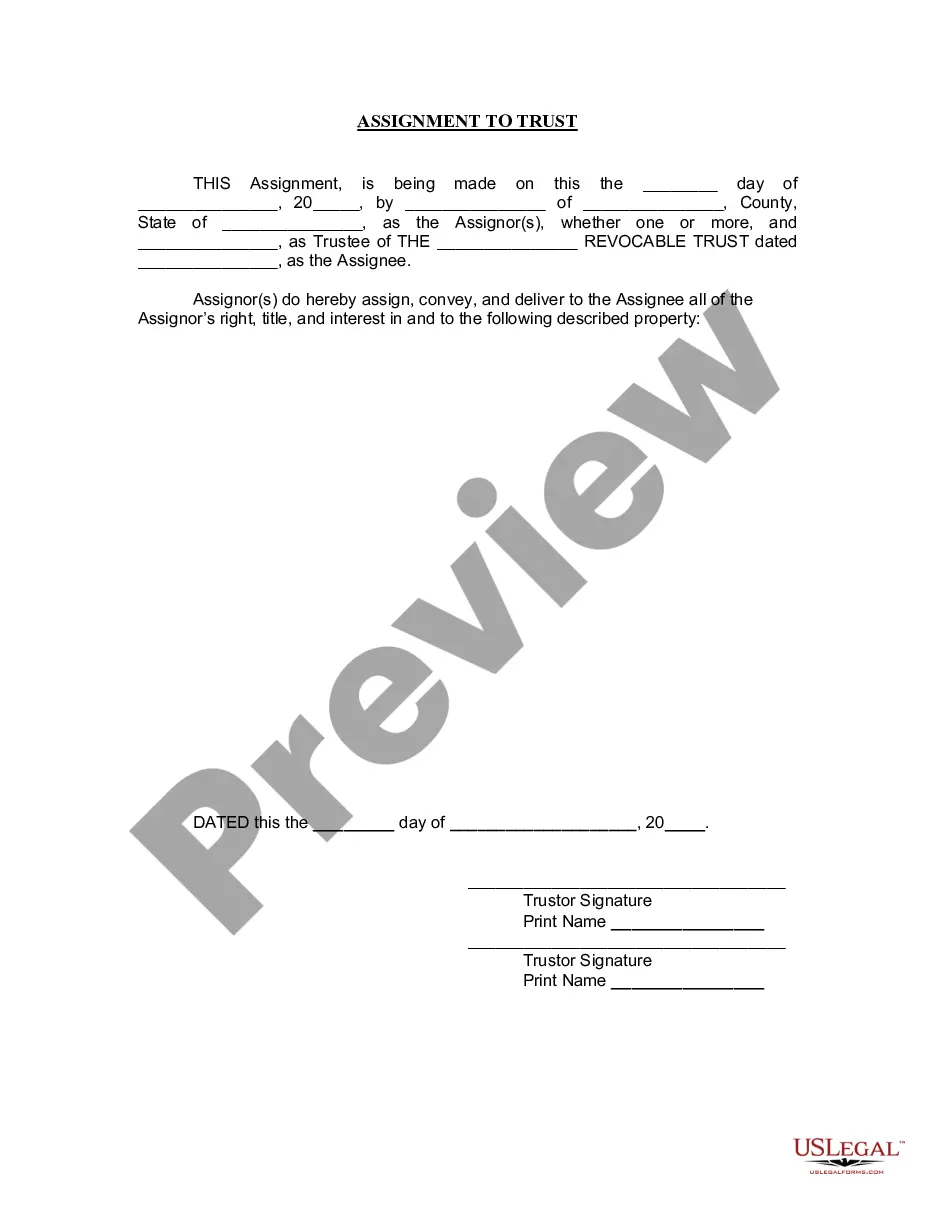
Living Trust Form Sample For A Family
Description

Get your form ready online
Our built-in tools help you complete, sign, share, and store your documents in one place.
Make edits, fill in missing information, and update formatting in US Legal Forms—just like you would in MS Word.
Download a copy, print it, send it by email, or mail it via USPS—whatever works best for your next step.
Sign and collect signatures with our SignNow integration. Send to multiple recipients, set reminders, and more. Go Premium to unlock E-Sign.
If this form requires notarization, complete it online through a secure video call—no need to meet a notary in person or wait for an appointment.
We protect your documents and personal data by following strict security and privacy standards.

Make edits, fill in missing information, and update formatting in US Legal Forms—just like you would in MS Word.

Download a copy, print it, send it by email, or mail it via USPS—whatever works best for your next step.

Sign and collect signatures with our SignNow integration. Send to multiple recipients, set reminders, and more. Go Premium to unlock E-Sign.

If this form requires notarization, complete it online through a secure video call—no need to meet a notary in person or wait for an appointment.

We protect your documents and personal data by following strict security and privacy standards.
Looking for another form?







How to fill out Minnesota Assignment To Living Trust?
- Log in to your US Legal Forms account. If you’ve used our service before, access your account and click the Download button to retrieve your living trust form sample. Ensure your subscription is current; if not, renew it based on your payment plan.
- Select and review the appropriate form. Utilize the Preview mode to verify that you have chosen the correct living trust form sample tailored for your family’s specific needs and jurisdiction.
- Search for additional templates if necessary. If you find discrepancies, utilize the Search tab to find the exact form that meets your requirements.
- Purchase the document. Click the Buy Now button and select a subscription plan. If you're new, you’ll need to create an account to access our extensive library.
- Complete your payment. Enter your credit card information or use your PayPal account to secure your subscription.
- Download your completed form. Save the living trust template to your device and access it anytime in the My Forms section of your profile.
Establishing a living trust can be overwhelming, but US Legal Forms streamlines the process with user-friendly resources. You’ll benefit from our vast collection of over 85,000 legally sound templates and the option to consult premium experts for assistance.
Start your journey toward comprehensive asset protection today. Visit US Legal Forms to find your living trust form sample and ensure peace of mind for your family.
Form popularity
FAQ
Filling out a living trust involves several steps, beginning with selecting the right living trust form sample for a family. You will need to provide details about your assets, beneficiaries, and the trust terms. After completing the form, ensure you sign it in front of a notary and follow any state-specific requirements. Finally, transferring your assets into the trust is crucial for it to function effectively.
Yes, if the trust generates taxable income, you will receive a 1099 form to report that income to the IRS. This form is crucial for both individual and trust tax filings. To better understand how income reporting works, explore a living trust form sample for a family. This will guide you through the necessary documentation and ensure that you meet all tax obligations.
One of the biggest mistakes parents make is failing to clearly define the purpose and terms of the trust. This can lead to confusion or conflicts among beneficiaries later on. Using a living trust form sample for a family can help you outline your trust's goals effectively. It’s vital to think through how to manage the trust and consider integrating family discussions in the planning process.
Yes, income generated from a family trust is generally taxable to the beneficiaries unless the trust is a grantor trust, where the grantor pays taxes on the income. Beneficiaries will receive a K-1 form that outlines their share of the income. To simplify this process and ensure clarity, you may refer to a living trust form sample for a family. This can help you understand how income distribution works within your family trust.
Recently, the IRS has introduced updates that impact how trusts are classified and taxed. These rules focus on transparency and require trusts to report income and distributions more explicitly. As the landscape of trust laws changes, looking at a living trust form sample for a family can help you stay compliant. Always consider seeking advice from a legal expert to understand how these rules affect your situation.
Filing taxes for a family trust involves using IRS Form 1041, where you report the trust's income, deductions, and distributions to beneficiaries. It’s essential to keep accurate records of all transactions and ensure that you allocate income appropriately among beneficiaries. If you are uncertain, using a living trust form sample for a family can guide you through the process. You may also want to consult a tax professional for detailed guidance.
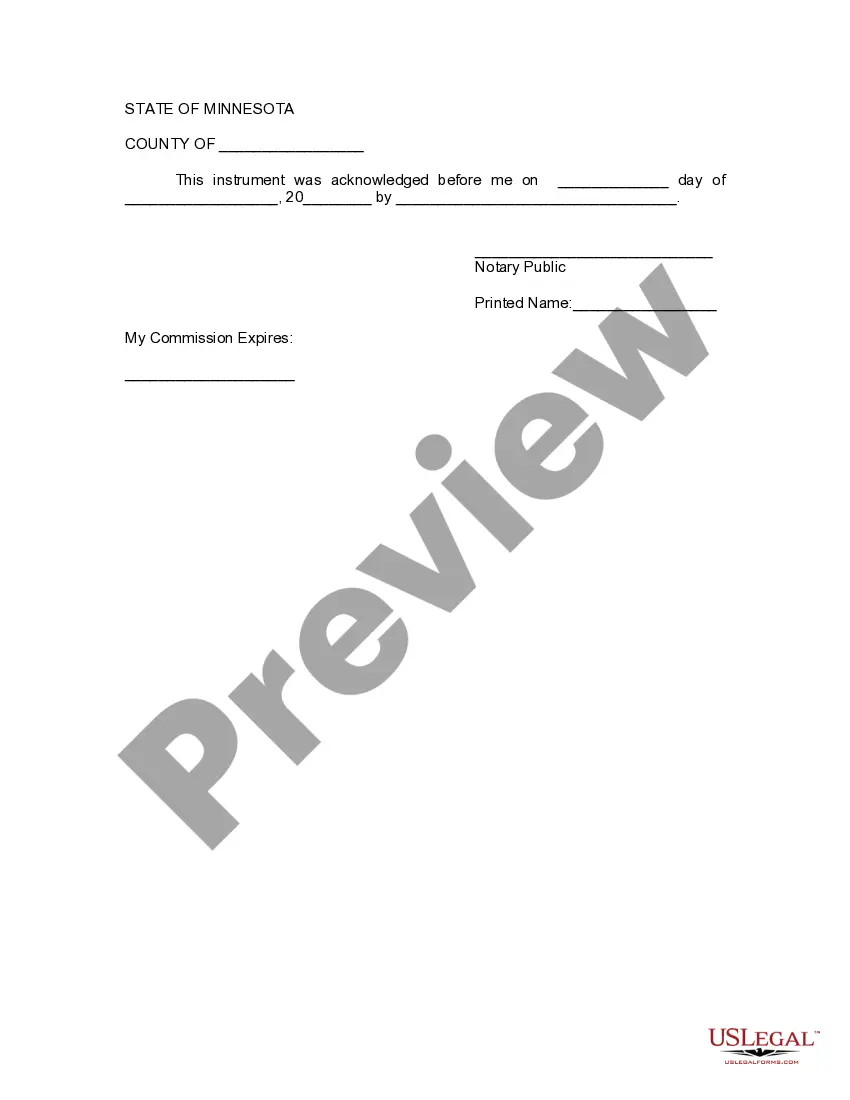
A family trust generally does not need to be notarized to be valid. However, having it notarized adds an extra layer of authenticity and can be beneficial if disputes arise. Many individuals choose to reference a living trust form sample for a family and consult platforms like USLegalForms for guidance on how to proceed with notarization and other formalities.
You can create your own certificate of trust as long as it includes the necessary information about the trust, such as the name of the trust, the trustee, and the powers granted. Many people find it helpful to refer to a living trust form sample for a family, which can guide you in creating a certificate that meets all legal criteria. USLegalForms can provide templates that simplify this task for you.
Yes, you can set up a trust fund by yourself. You will need to name the trust, appoint a trustee, and specify how the assets will be handled. Using a living trust form sample for a family can simplify this process significantly, providing you with a concrete base to ensure all legal standards are upheld.
To create a living trust by yourself, gather your assets and decide how you wish to distribute them. Use a living trust form sample for a family as a guide, ensuring you include necessary details like your name, trustee, and beneficiaries. Platforms like USLegalForms can provide valuable support by offering templates and instructions that make this process easier and more efficient.