Living Trust
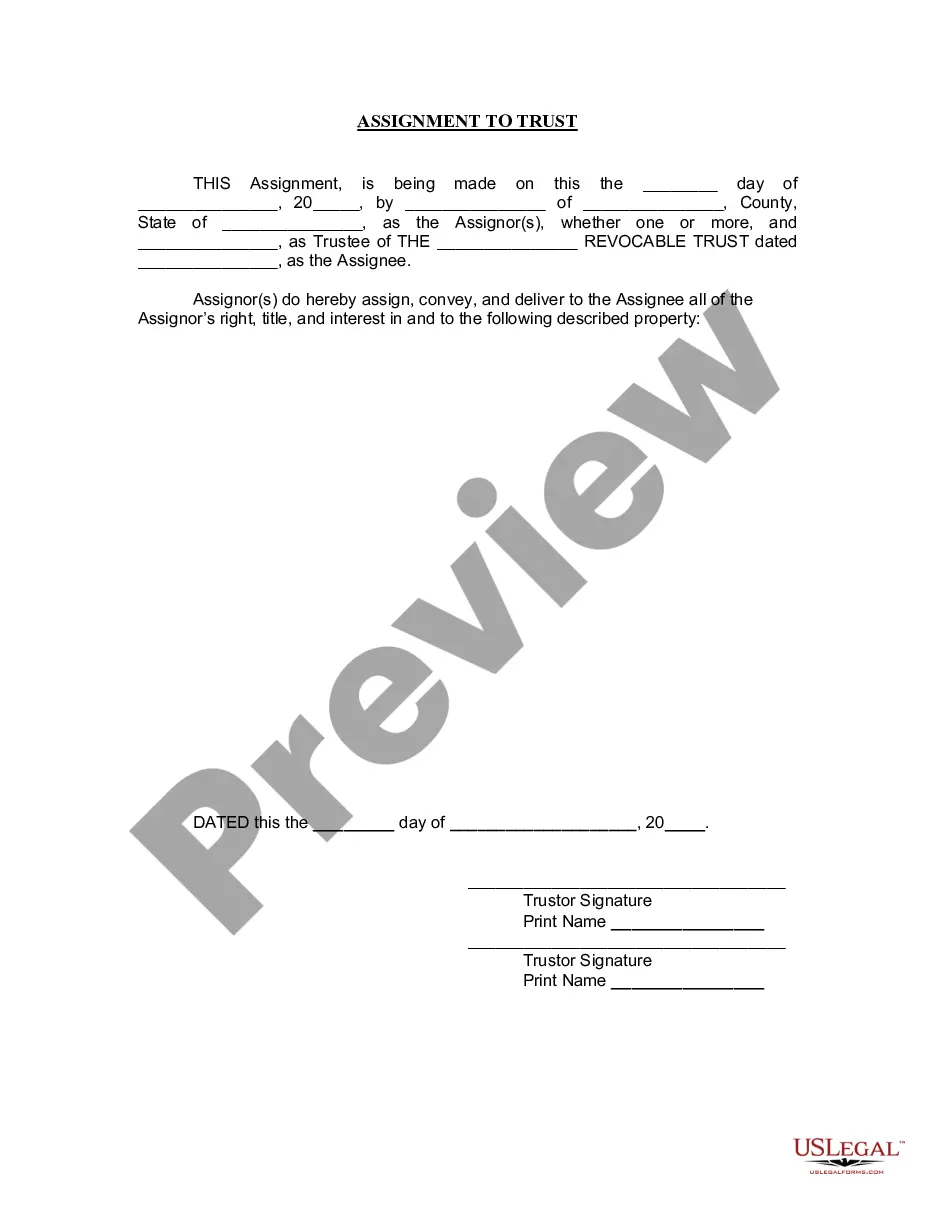
Description

Get your form ready online
Our built-in tools help you complete, sign, share, and store your documents in one place.
Make edits, fill in missing information, and update formatting in US Legal Forms—just like you would in MS Word.
Download a copy, print it, send it by email, or mail it via USPS—whatever works best for your next step.
Sign and collect signatures with our SignNow integration. Send to multiple recipients, set reminders, and more. Go Premium to unlock E-Sign.
If this form requires notarization, complete it online through a secure video call—no need to meet a notary in person or wait for an appointment.
We protect your documents and personal data by following strict security and privacy standards.

Make edits, fill in missing information, and update formatting in US Legal Forms—just like you would in MS Word.

Download a copy, print it, send it by email, or mail it via USPS—whatever works best for your next step.

Sign and collect signatures with our SignNow integration. Send to multiple recipients, set reminders, and more. Go Premium to unlock E-Sign.

If this form requires notarization, complete it online through a secure video call—no need to meet a notary in person or wait for an appointment.

We protect your documents and personal data by following strict security and privacy standards.
Looking for another form?




How to fill out Minnesota Assignment To Living Trust?
- If you're a returning user, simply log into your account and navigate to the form you need. Click the Download button to save it on your device, ensuring your subscription is active.
- For first-time users, begin by previewing the living trust form to verify it meets your requirements and complies with local regulations.
- If adjustments are needed, utilize the Search tab at the top to find the correct form that suits your needs.
- Choose your desired document and click on the Buy Now button to select your preferred subscription plan, which requires account registration.
- Complete your purchase by entering your payment method, either via credit card or PayPal account.
- Once your transaction is successful, download your living trust form and save it. You can access it later through the My documents section.
US Legal Forms empowers you with the tools necessary to create precise and legally sound living trust documents. With a robust collection of over 85,000 forms, you can trust that you're in good hands.
Don't wait to secure your assets—visit US Legal Forms today and take the first step toward establishing your living trust.
Form popularity
FAQ
Generally, you do not need to file your living trust with the court. A living trust is a private document and stays that way unless you decide to change it or dissolve it. However, it’s essential to ensure that your assets are correctly transferred into the trust. For a smoother process, you might consider using US Legal Forms to help with the necessary documentation and ensure everything is set up properly.
Placing your house in a living trust can come with some disadvantages. For instance, you may lose some control over the property, as it becomes an asset managed by the trust. Additionally, funding the trust can involve paperwork and potential costs. It's crucial to weigh these factors and consider consulting with a legal professional to understand how a living trust might impact your specific situation.
Filling out a living trust involves several straightforward steps. First, gather the necessary information about your assets, beneficiaries, and trustees. Next, use a reliable platform like US Legal Forms to access customizable templates for living trusts, ensuring you include all required details. Lastly, review your completed living trust carefully to ensure everything is accurate, and then sign it in front of a notary public to make it legally binding.
Deciding whether your parents should put their assets in a trust depends on their goals. A living trust can help avoid probate and maintain privacy, which is beneficial for many families. However, it is important for them to consult with a legal expert or use a tool like USLegalForms to understand their specific needs and ensure proper setup.
The downside of a living trust often lies in its setup and maintenance. While it can avoid probate, the initial legal fees can be higher compared to a will. Moreover, should your financial situation change, you may need to update the trust regularly to reflect your current assets and intentions.
One potential downfall of having a living trust is the misconception that it completely unfettered estate management. Trusts can require regular management and oversight to ensure compliance with legal standards. Additionally, without proper funding, a trust may not serve its intended purpose, which is why an outline of your assets is crucial.
A family trust, although useful, comes with some disadvantages. One major concern is the potential complexity during the distribution of assets, especially if the trust terms are not clear. Furthermore, family tensions can arise regarding the management and division of assets, which underscores the importance of clear communication.
The best way to set up a living trust involves several steps. Begin by identifying your assets, including properties and bank accounts, and then use a reliable platform like USLegalForms to draft the trust document. Finally, ensure you transfer your assets into the trust to ensure they are covered under its provisions.
While a living trust can offer many advantages, there are some downsides to consider. First, you may face initial setup costs, including legal fees. Additionally, a living trust does not provide the same tax benefits as other estate planning tools and may require ongoing maintenance to keep it updated with your assets.
Certain assets typically cannot be placed in a living trust. For example, assets like retirement accounts or life insurance policies may require special handling, as they often have designated beneficiaries. Additionally, personal property like cars or collectibles can complicate the trust process if not properly titled. To navigate these situations effectively, using resources from US Legal Forms can provide the necessary guidance on what you can include in your living trust.