Forma Trust
Description

Get your form ready online
Our built-in tools help you complete, sign, share, and store your documents in one place.
Make edits, fill in missing information, and update formatting in US Legal Forms—just like you would in MS Word.
Download a copy, print it, send it by email, or mail it via USPS—whatever works best for your next step.
Sign and collect signatures with our SignNow integration. Send to multiple recipients, set reminders, and more. Go Premium to unlock E-Sign.
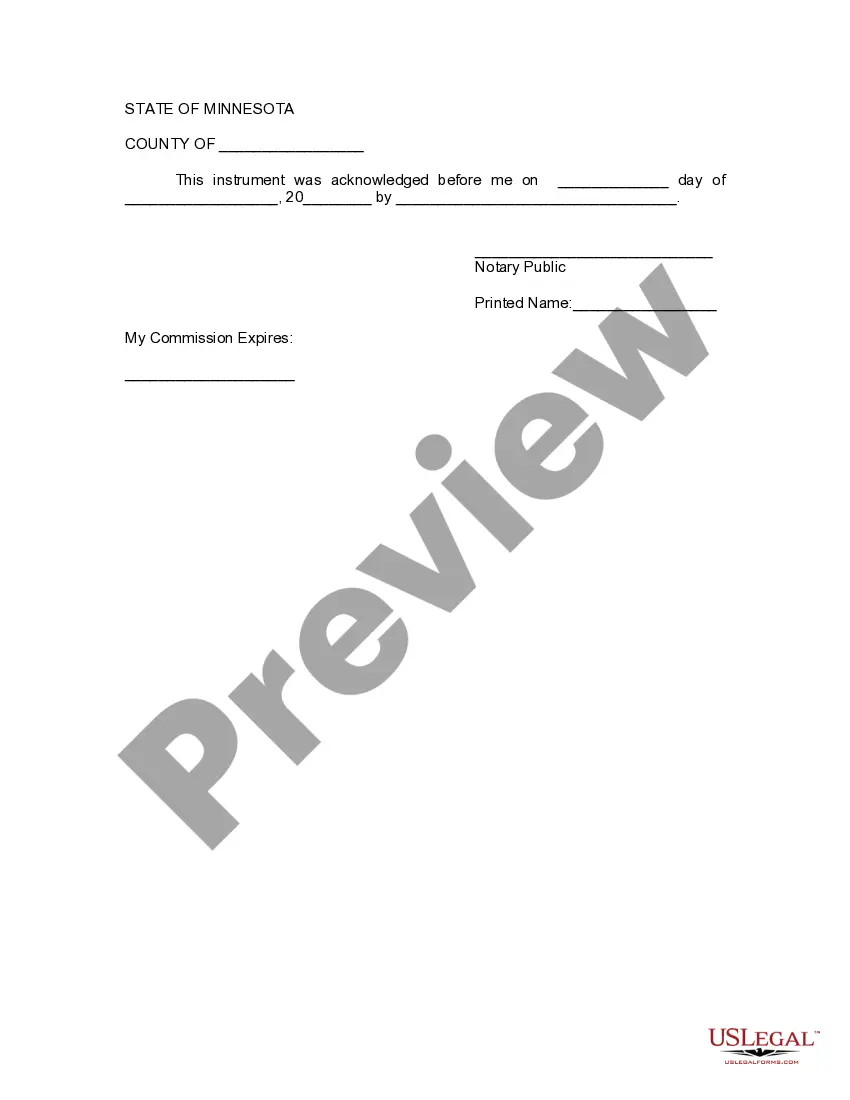
If this form requires notarization, complete it online through a secure video call—no need to meet a notary in person or wait for an appointment.
We protect your documents and personal data by following strict security and privacy standards.

Make edits, fill in missing information, and update formatting in US Legal Forms—just like you would in MS Word.

Download a copy, print it, send it by email, or mail it via USPS—whatever works best for your next step.

Sign and collect signatures with our SignNow integration. Send to multiple recipients, set reminders, and more. Go Premium to unlock E-Sign.

If this form requires notarization, complete it online through a secure video call—no need to meet a notary in person or wait for an appointment.

We protect your documents and personal data by following strict security and privacy standards.
Looking for another form?
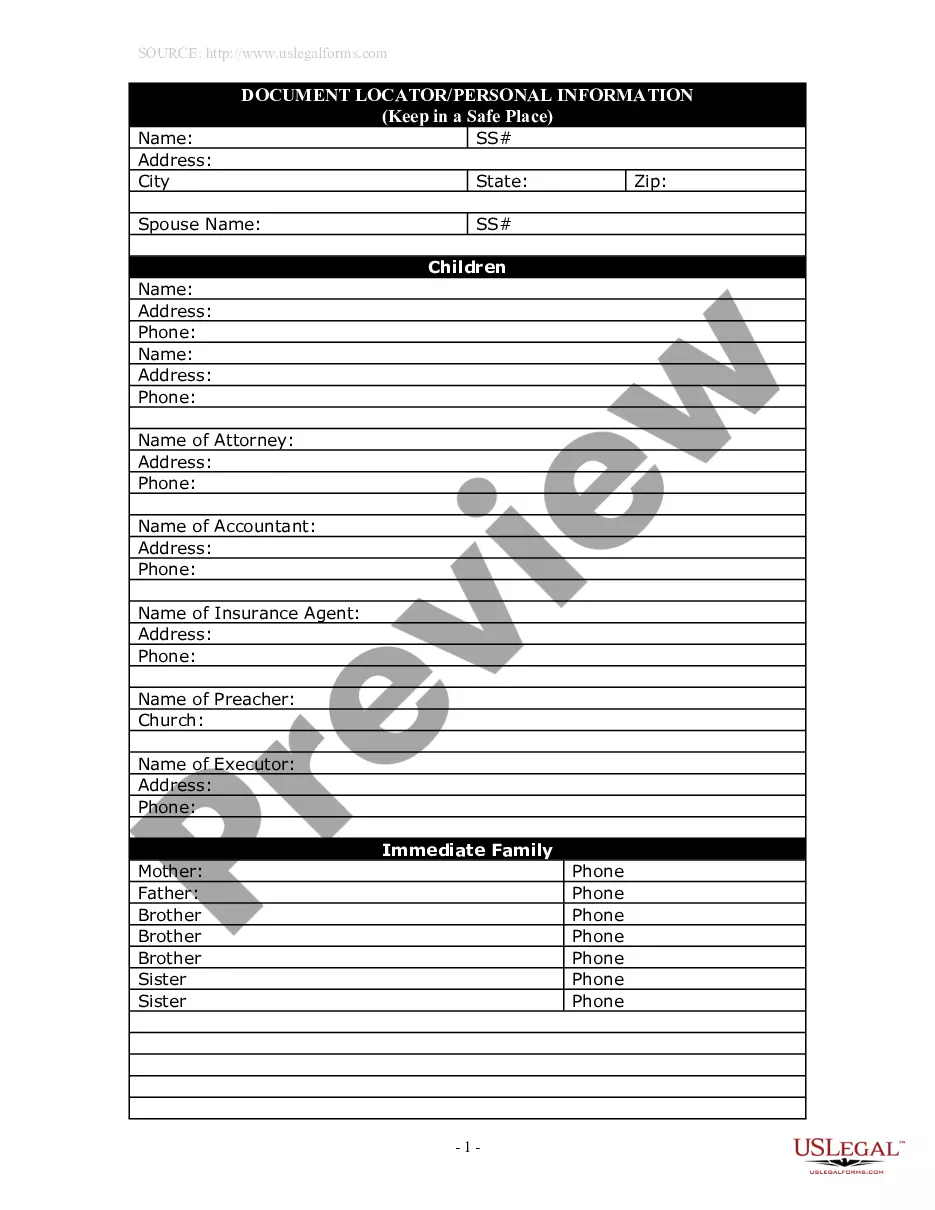
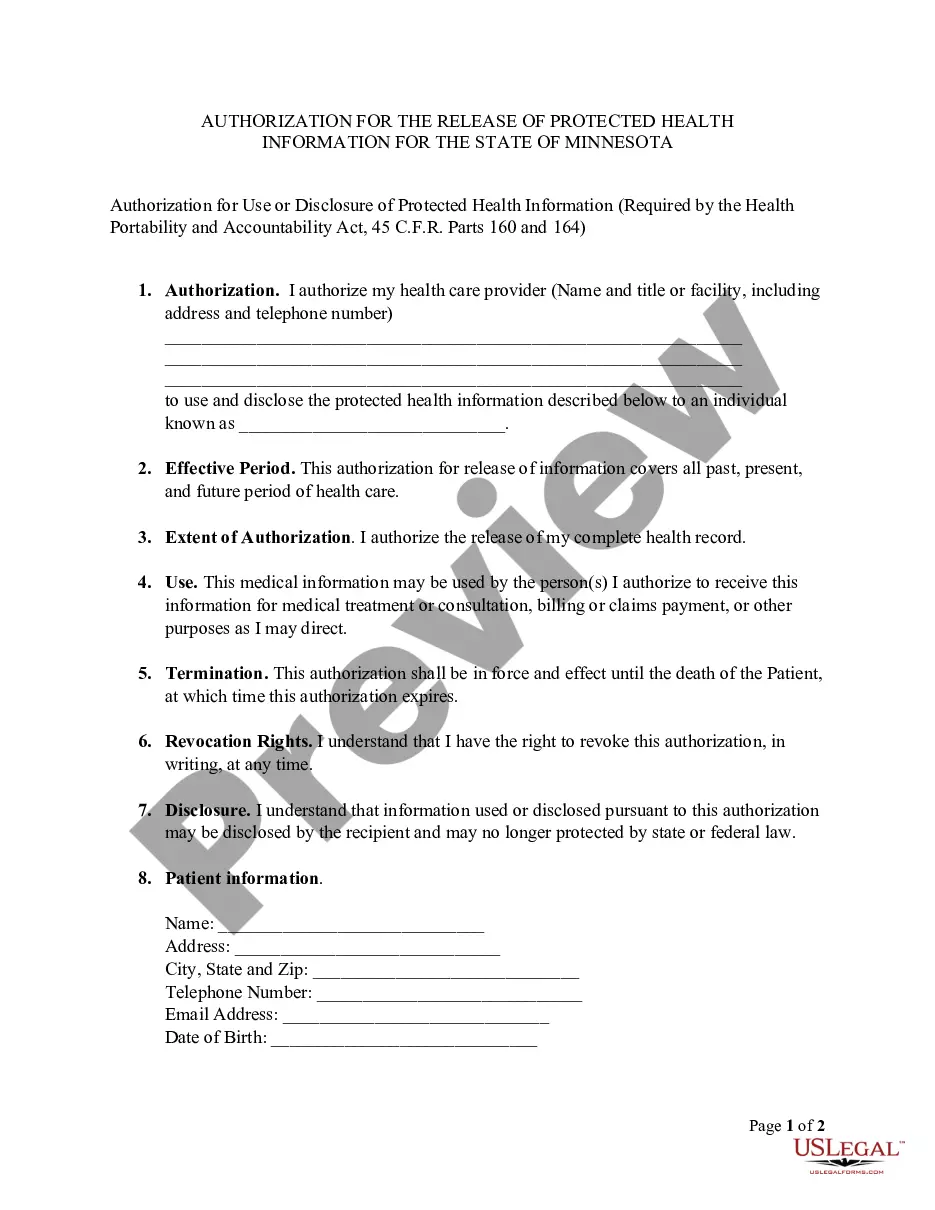
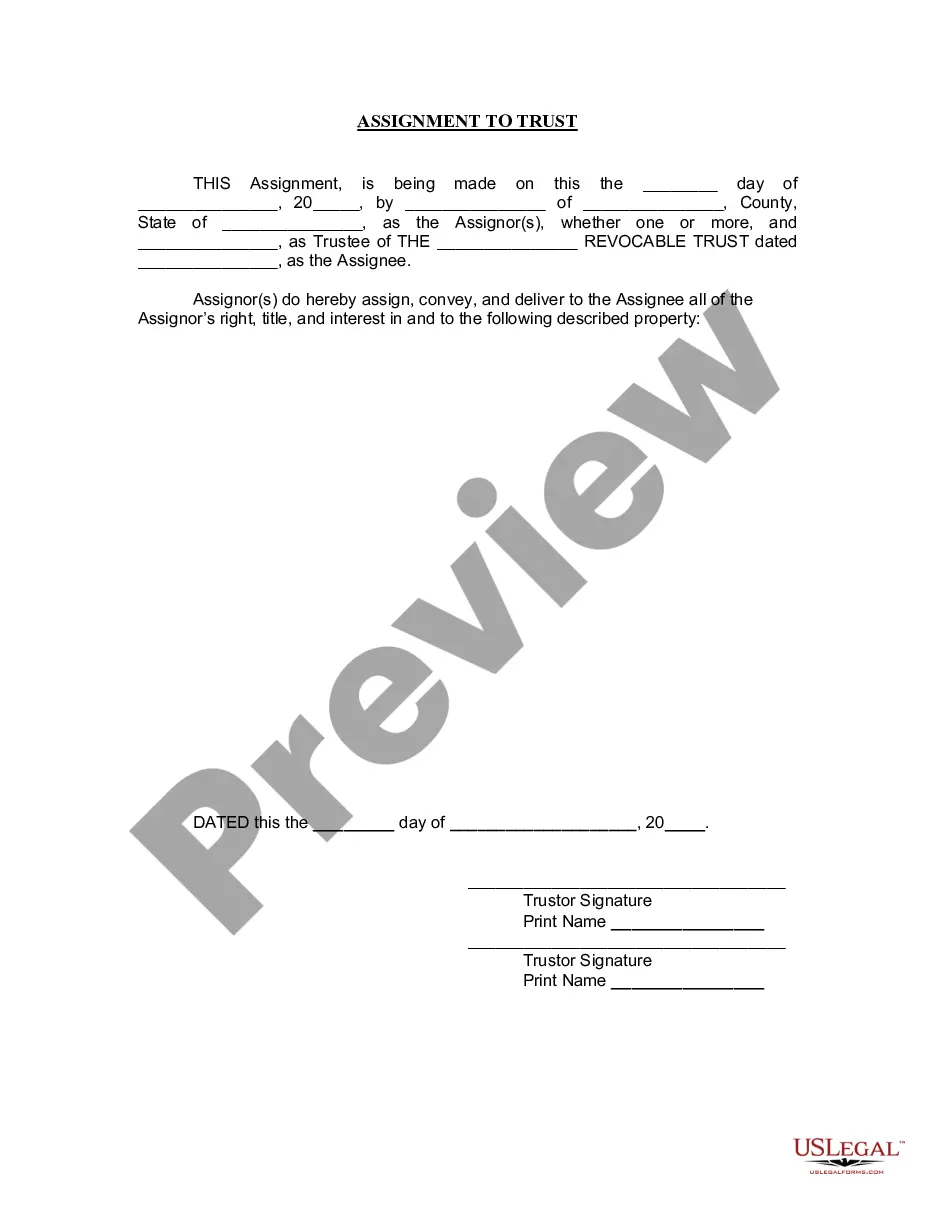
How to fill out Minnesota Assignment To Living Trust?
- If you're a returning user, log in to your account to access previously downloaded templates. Check your subscription status to ensure it remains active; renew as necessary.
- For first-time users, start by browsing the available forms. Utilize the Preview mode and descriptions to identify the right template that meets your requirements and complies with local laws.
- If you need a different form, use the Search tab to locate additional templates. Select one that fits your needs before proceeding.
- Purchase the required document by clicking the Buy Now button. You will be prompted to choose a subscription plan and create an account for full access to the resources.
- Complete your transaction by entering your payment details, either using a credit card or PayPal.
- Download your selected form and save it on your device. You can also find it later under the My Forms section of your profile.
In conclusion, US Legal Forms provides an extensive and versatile collection of legal documents, making it easier than ever to handle your legal needs efficiently. With Forma trust's user-friendly service, your legal documents are just a few clicks away.
Start your journey towards hassle-free legal documentation today by accessing US Legal Forms!
Form popularity
FAQ
To create a valid Forma trust, there are five key requirements: a clear intention to establish the trust, a designated trustee, an identifiable beneficiary, specific trust property, and a proper trust document. Ensuring these elements are in place is vital for the trust to be legally enforceable. You can easily access detailed templates and guidance on these requirements through UsLegalForms. This support helps you create a solid foundation for your trust.
With the proper guidance and resources, you can set up a trust quite quickly. A Forma trust can often be established in just a matter of days if you have the necessary information and documentation ready. Utilizing services like UsLegalForms allows you to access templates and instructions that can streamline the entire process. This efficiency ensures that you can protect your assets without unnecessary delay.
One significant mistake parents often make when creating a trust fund is failing to communicate their intentions clearly to their beneficiaries. When setting up a Forma trust, it’s crucial to articulate your goals and preferences so that your family understands the purpose. Neglecting this communication can lead to misunderstandings and conflict down the line. UsLegalForms can assist you in drafting a clear and comprehensive trust document that outlines your wishes.
Trust typically forms over time through shared experiences and consistent behaviors. In the context of a Forma trust, it’s essential to engage in transparent actions that foster confidence. While building interpersonal trust takes time, establishing a legal trust can be done efficiently. Our UsLegalForms website provides helpful templates to accelerate the creation of a reliable trust.
The effectiveness of a trust depends on the terms established within the trust document. Generally, a Forma trust becomes effective as soon as you formally establish it, following all legal requirements. This timing can vary based on the type of trust and specific circumstances. Working with experts from UsLegalForms can help clarify the steps necessary to ensure your trust is active promptly.
Building trust often depends on the nature of the relationship and the actions taken over time. When setting up a Forma trust, focus on consistent communication and fulfilling promises. Establishing trust is a gradual process, but using the right tools and strategies can expedite this journey. Platforms like UsLegalForms offer resources to help streamline this experience.
Someone might choose an irrevocable trust to safeguard their assets from taxes and creditors. Once assets are placed into a forma trust, the granter relinquishes ownership, which can provide significant estate planning benefits. Additionally, this type of trust can assist in Medicaid planning and ensure that your heirs receive their intended inheritance without interference.
To form a trust means to create a legal arrangement in which one party holds assets for the benefit of another. This process involves drafting legal documents that outline how assets will be managed and distributed. By establishing a forma trust, you gain control over your assets during your lifetime, while also ensuring that they are passed on according to your wishes after you are gone.
While there are many benefits to placing your house in a forma trust, a couple of disadvantages may arise. You may lose certain tax benefits tied to home ownership, and the process of transferring the property can involve costs and legal fees. It's essential to weigh these considerations against the advantages, so seeking professional advice is wise.
The primary difference between an ITF (In Trust For) and a forma trust lies in control and management. An ITF is a simple agreement where a designated person controls assets for another's benefit, whereas a forma trust establishes a legal entity that dictates how assets are managed and distributed long-term. Understanding these differences helps you choose the right path for your estate planning.