Trust Account With Lawyer
Description

Get your form ready online
Our built-in tools help you complete, sign, share, and store your documents in one place.
Make edits, fill in missing information, and update formatting in US Legal Forms—just like you would in MS Word.
Download a copy, print it, send it by email, or mail it via USPS—whatever works best for your next step.
Sign and collect signatures with our SignNow integration. Send to multiple recipients, set reminders, and more. Go Premium to unlock E-Sign.
If this form requires notarization, complete it online through a secure video call—no need to meet a notary in person or wait for an appointment.
We protect your documents and personal data by following strict security and privacy standards.

Make edits, fill in missing information, and update formatting in US Legal Forms—just like you would in MS Word.

Download a copy, print it, send it by email, or mail it via USPS—whatever works best for your next step.

Sign and collect signatures with our SignNow integration. Send to multiple recipients, set reminders, and more. Go Premium to unlock E-Sign.

If this form requires notarization, complete it online through a secure video call—no need to meet a notary in person or wait for an appointment.

We protect your documents and personal data by following strict security and privacy standards.
Looking for another form?







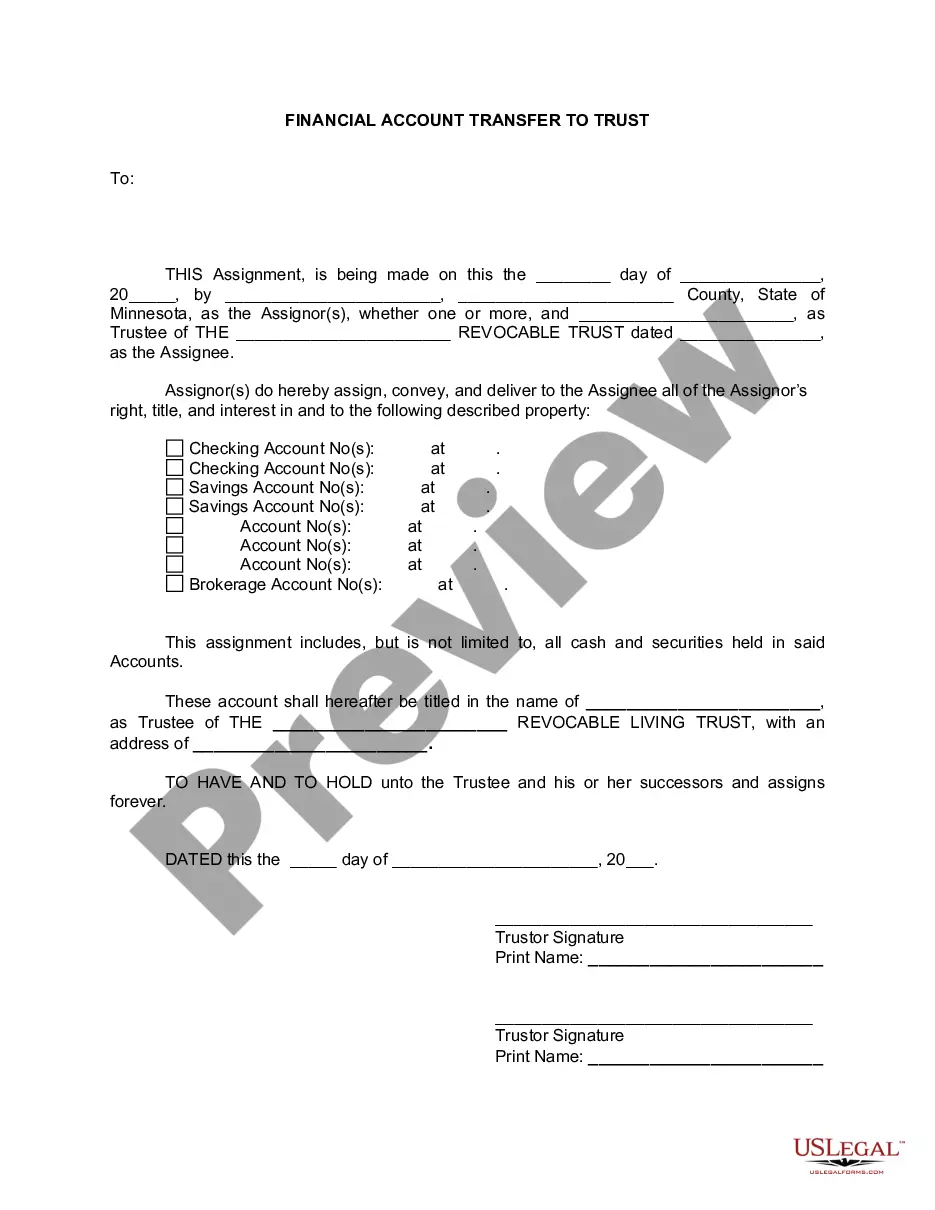
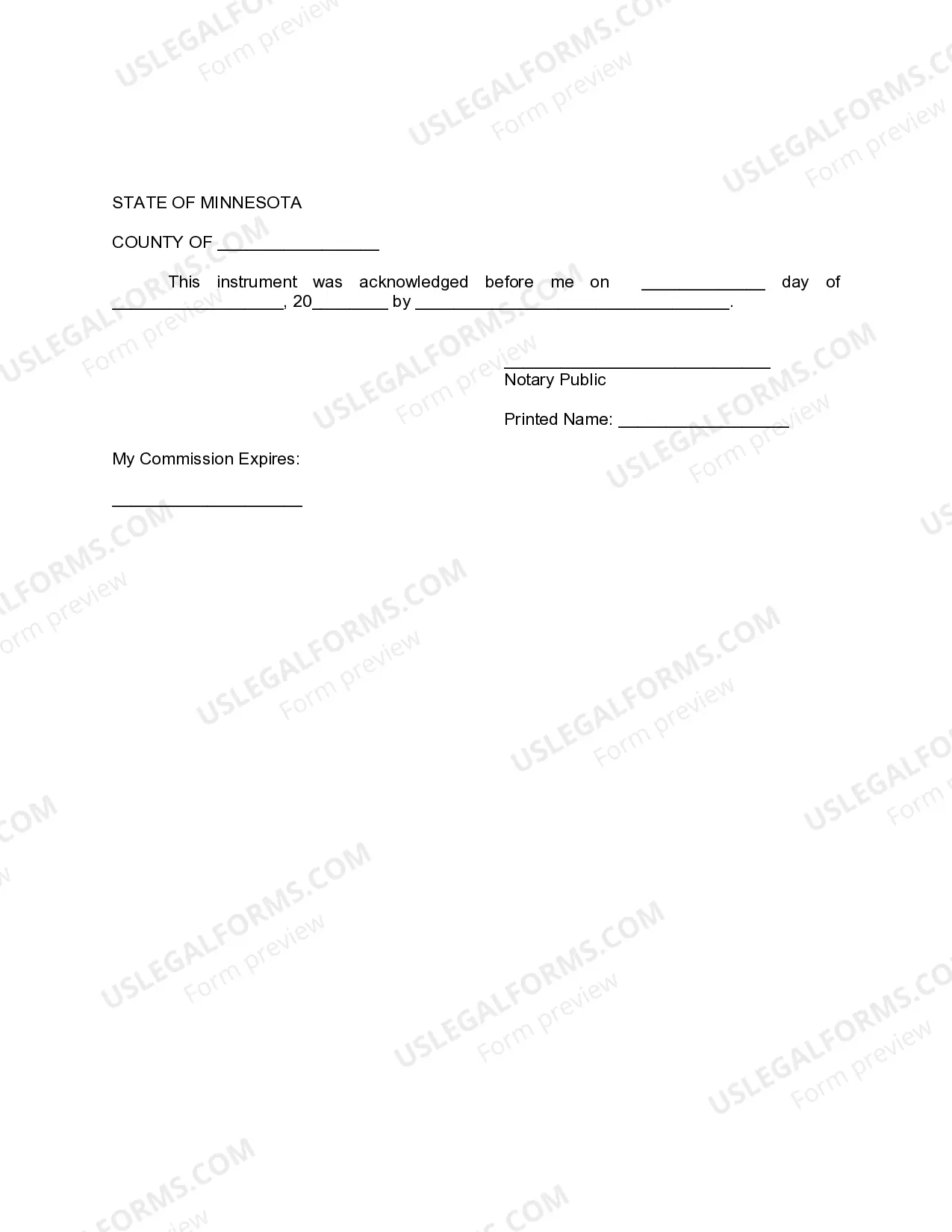
How to fill out Minnesota Financial Account Transfer To Living Trust?
- If you have previously registered, log in to your account. Make sure your subscription is active to download forms directly.
- For first-time users, start by reviewing the provided form preview and description to confirm it meets your local jurisdiction's requirements.
- If adjustments are needed, utilize the Search feature to locate alternative forms. Select the template that aligns with your needs.
- Proceed to purchase by clicking the Buy Now button and choosing your preferred subscription plan. An account registration is required for access.
- Complete your payment using either a credit card or PayPal account to finalize your subscription.
- Once the transaction is confirmed, download your form to your device. You can access it anytime through the My Forms section.
In conclusion, US Legal Forms empowers both individuals and attorneys to effortlessly navigate legal document processes. With a rich library of over 85,000 fillable forms, you can ensure effective legal compliance for your trust account.
Start your journey with US Legal Forms today and secure your legal needs with confidence!
Form popularity
FAQ
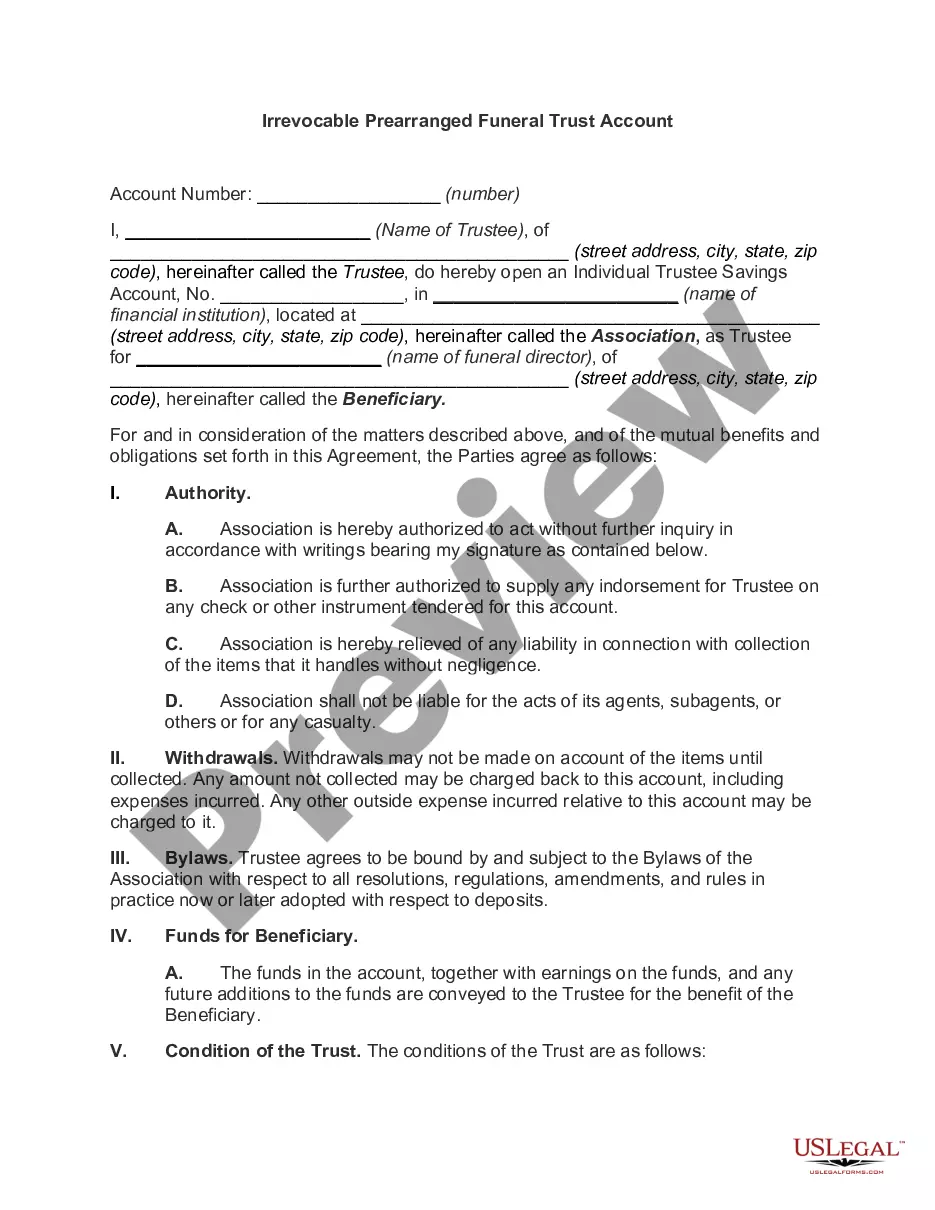
To fill out a trust fund, start by gathering all necessary information, including the purpose and beneficiaries of the trust. You will need to specify details of the trust account with a lawyer, such as account information and management instructions. It's essential to provide accurate record-keeping to ensure compliance with legal standards. For guidance, consider using US Legal Forms, which can simplify the process by providing templates and resources for proper documentation.
No, it is not against the law to have two bank accounts; in fact, it is encouraged for lawyers. Maintaining a trust account with a lawyer separates client funds from personal or operational finances, promoting ethical practices. This separation helps in meeting regulatory requirements and protects the client's interests. Using two accounts is a standard practice to ensure transparency and accountability in handling client funds.
To perform an accounting for a trust, it’s crucial to track all incoming and outgoing funds. Start by documenting all client deposits into the trust account with a lawyer, followed by recording all disbursements. Ensure that all transactions are categorized accurately to reflect the funds' current status. Regularly review the account to ensure compliance with legal requirements and to maintain transparency.
Having a separate bank account for clients and brokers helps delineate client funds from operational funds. This is essential for maintaining trust in the attorney-client relationship. A trust account with a lawyer ensures that client funds remain safeguarded, while also clarifying the financial obligations and responsibilities of the lawyer. This separation reduces confusion and enhances accountability.
Typically, lawyers do not need a separate trust account for each client. Instead, they can manage multiple client funds within a single trust account, provided they maintain accurate and detailed records for each client's funds. This practice helps ensure transparency while simplifying account management for the attorney. Using a trust account with a lawyer enhances the overall efficiency of client fund management.
To write a check to an attorney's trust account, begin by addressing the check to the attorney or the law firm, ensuring you include the specific trust account details. Clearly indicate the amount in both numbers and words, and note the purpose of the payment in the memo section. Make sure to keep a record of this transaction for your personal files, as this will help in tracking payments into the trust account with lawyer.
To open a bank account for a trust, first consult with your lawyer to determine the specific requirements based on your situation. You will typically need documentation outlining the trust's structure, purposes, and beneficiaries, along with valid identification. Once prepared, visit a bank that offers trust accounts, and provide the necessary paperwork to set up your account with a lawyer's assistance.
Trust accounting for law firms involves tracking funds held in trust accounts with lawyers. The process requires meticulous record-keeping to ensure that all transactions are accurately documented. This system allows both clients and lawyers to know the status of trust funds, ensuring compliance with legal and ethical standards. By using a reliable platform like US Legal Forms, law firms can simplify their trust accounting processes.