Limited Liability Company Llc Business Definition
Description
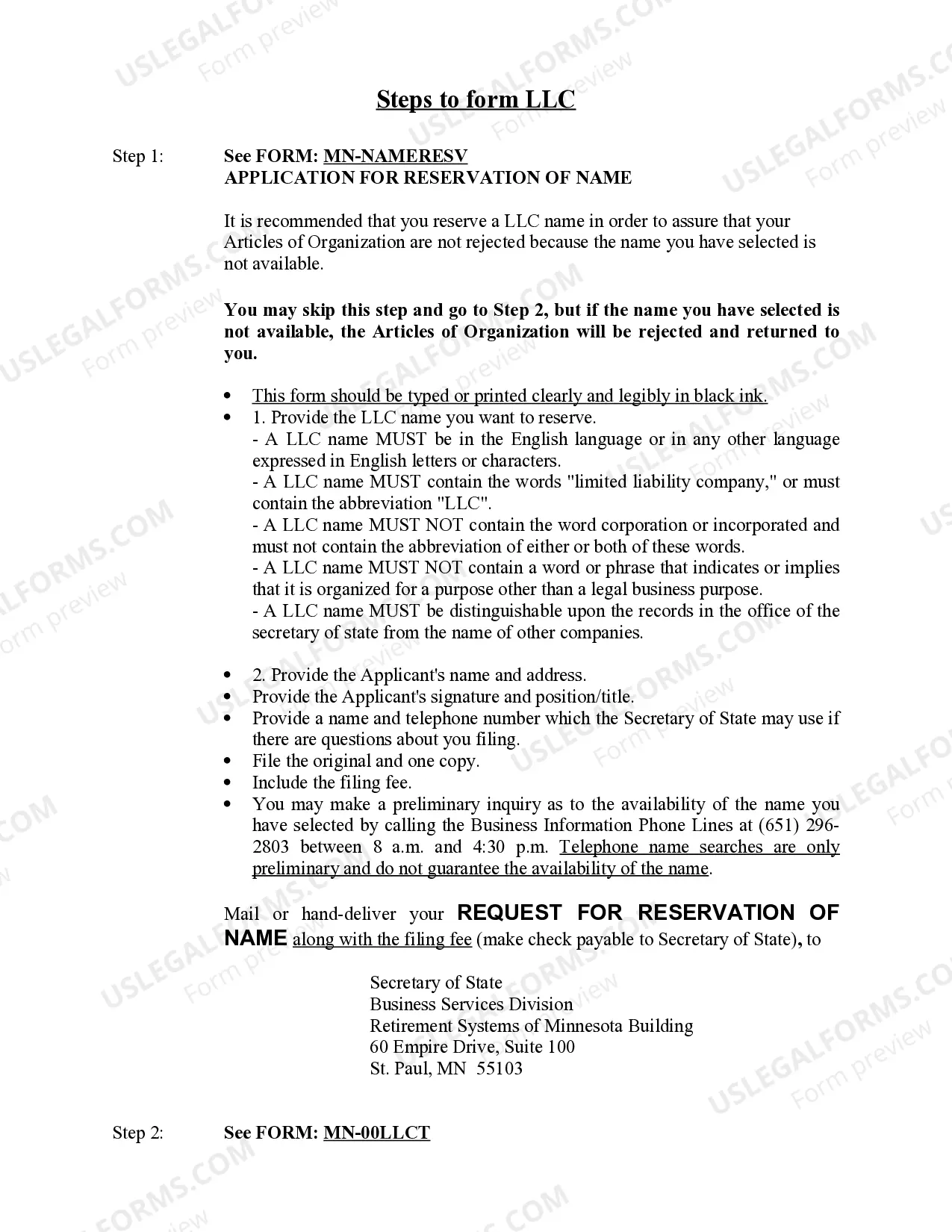
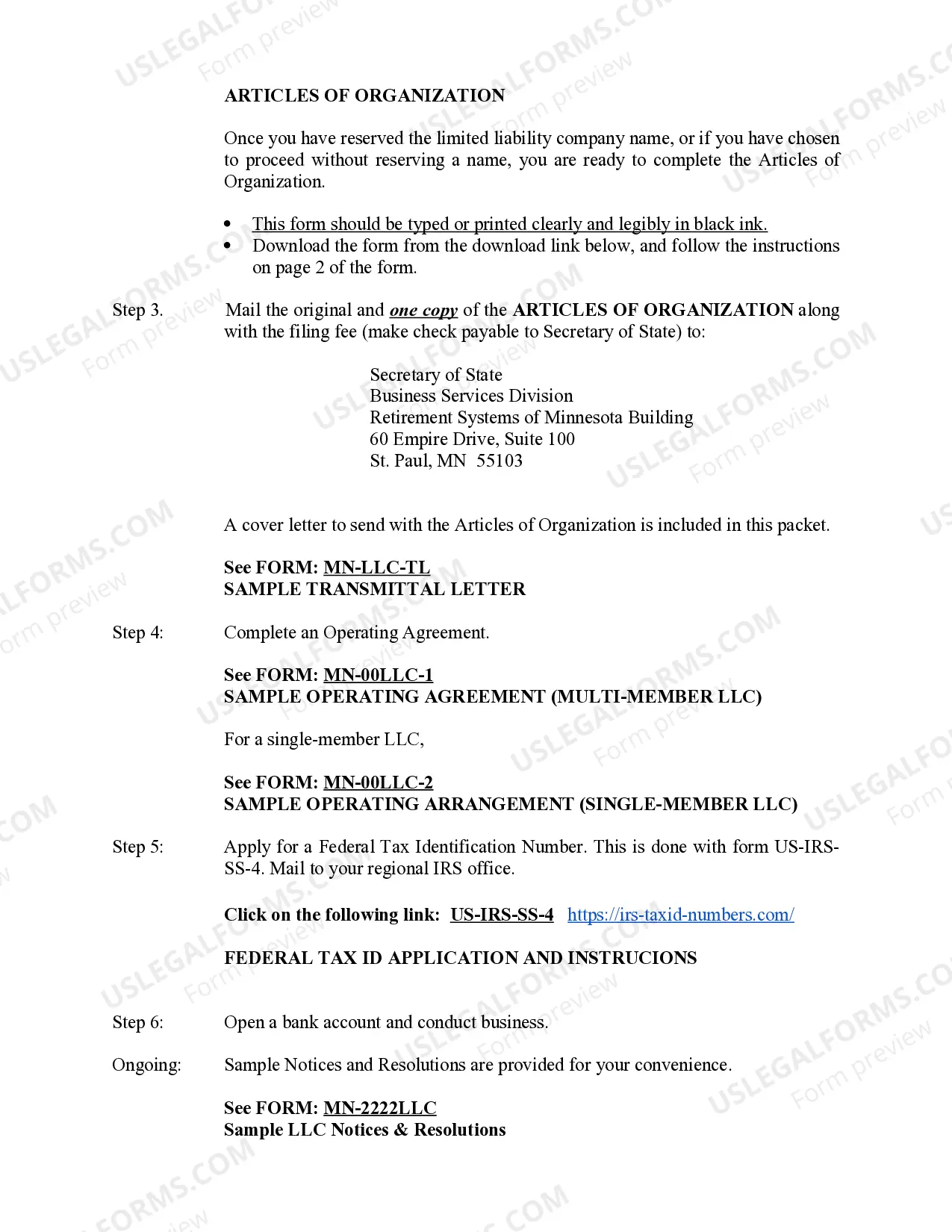

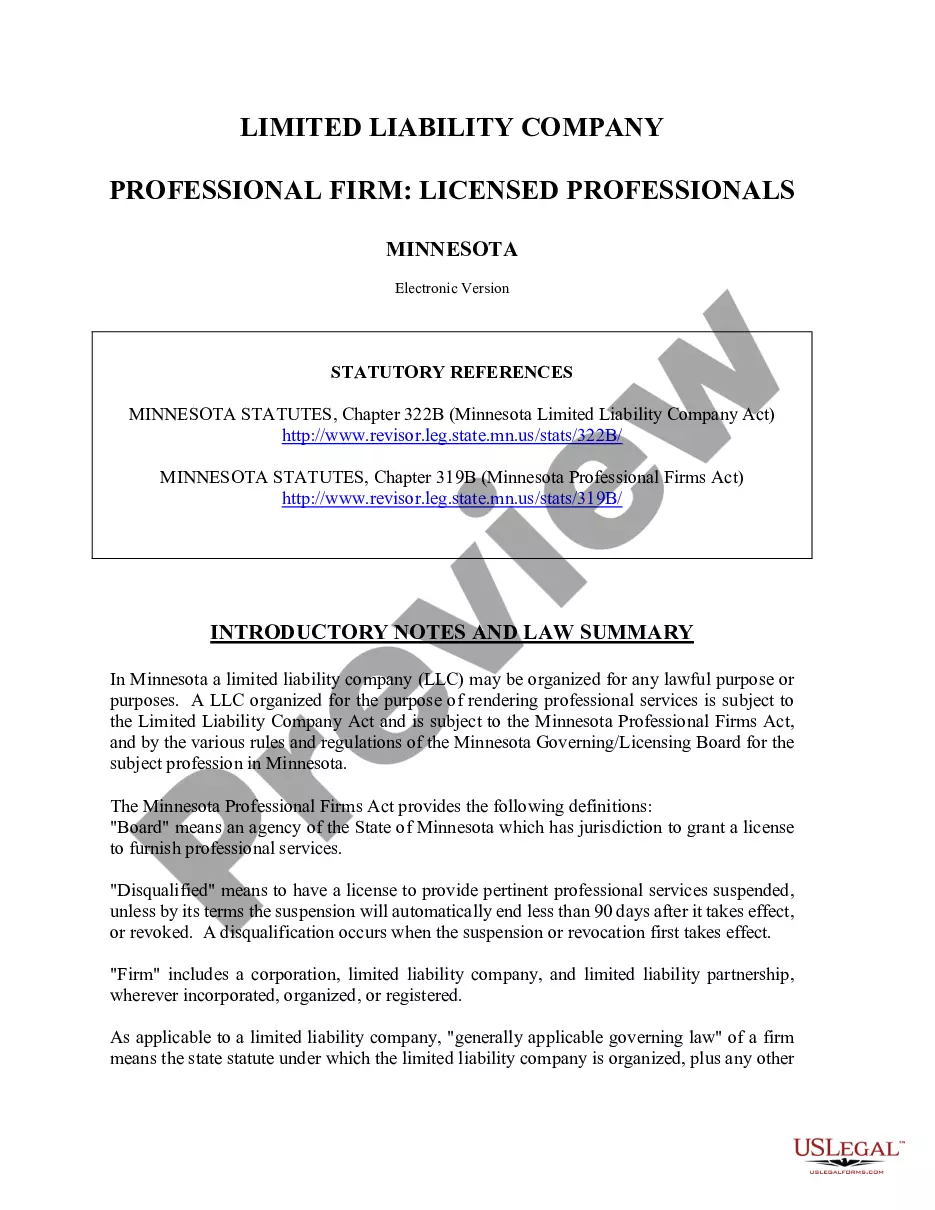
Get your form ready online
Our built-in tools help you complete, sign, share, and store your documents in one place.
Make edits, fill in missing information, and update formatting in US Legal Forms—just like you would in MS Word.
Download a copy, print it, send it by email, or mail it via USPS—whatever works best for your next step.
Sign and collect signatures with our SignNow integration. Send to multiple recipients, set reminders, and more. Go Premium to unlock E-Sign.
If this form requires notarization, complete it online through a secure video call—no need to meet a notary in person or wait for an appointment.
We protect your documents and personal data by following strict security and privacy standards.

Make edits, fill in missing information, and update formatting in US Legal Forms—just like you would in MS Word.

Download a copy, print it, send it by email, or mail it via USPS—whatever works best for your next step.

Sign and collect signatures with our SignNow integration. Send to multiple recipients, set reminders, and more. Go Premium to unlock E-Sign.

If this form requires notarization, complete it online through a secure video call—no need to meet a notary in person or wait for an appointment.

We protect your documents and personal data by following strict security and privacy standards.
Looking for another form?









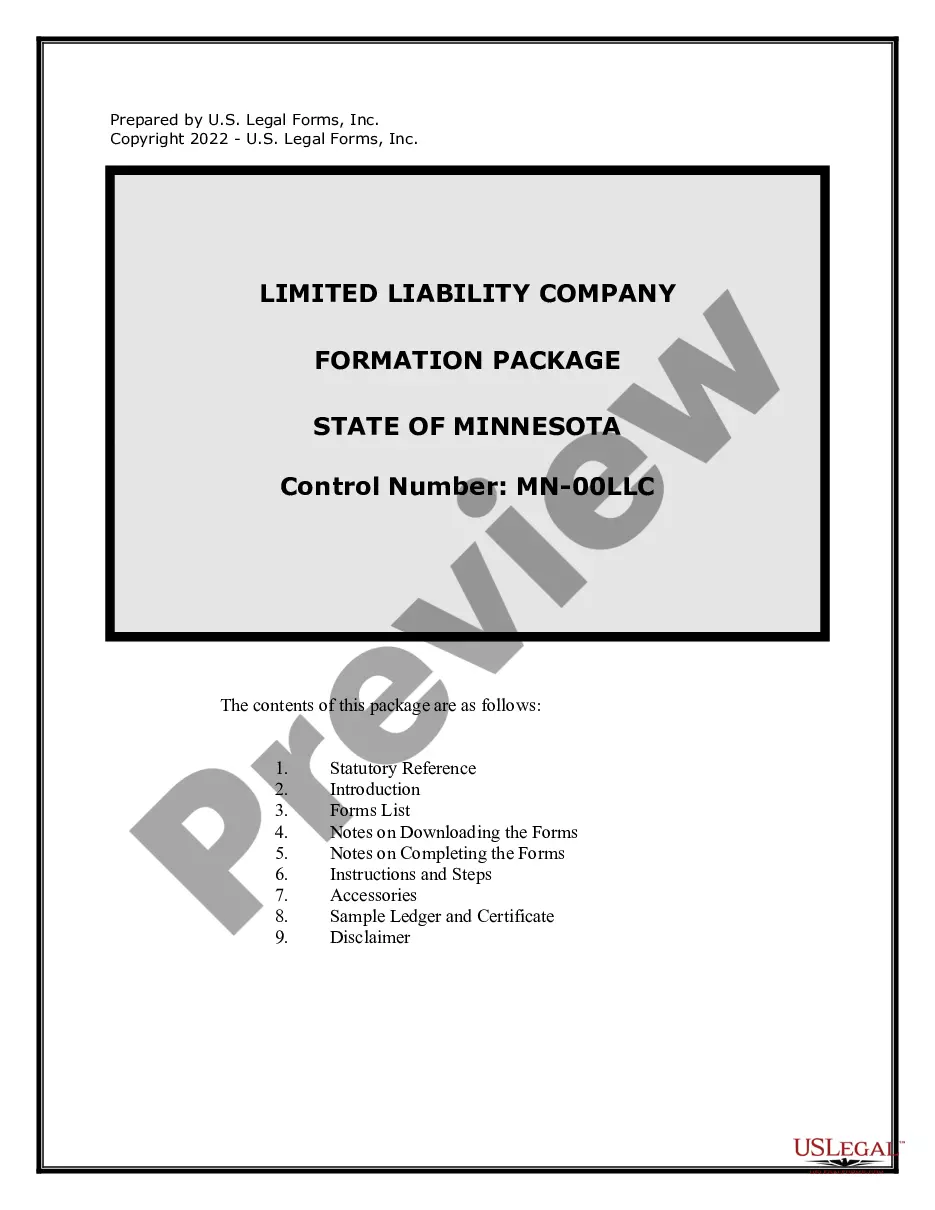
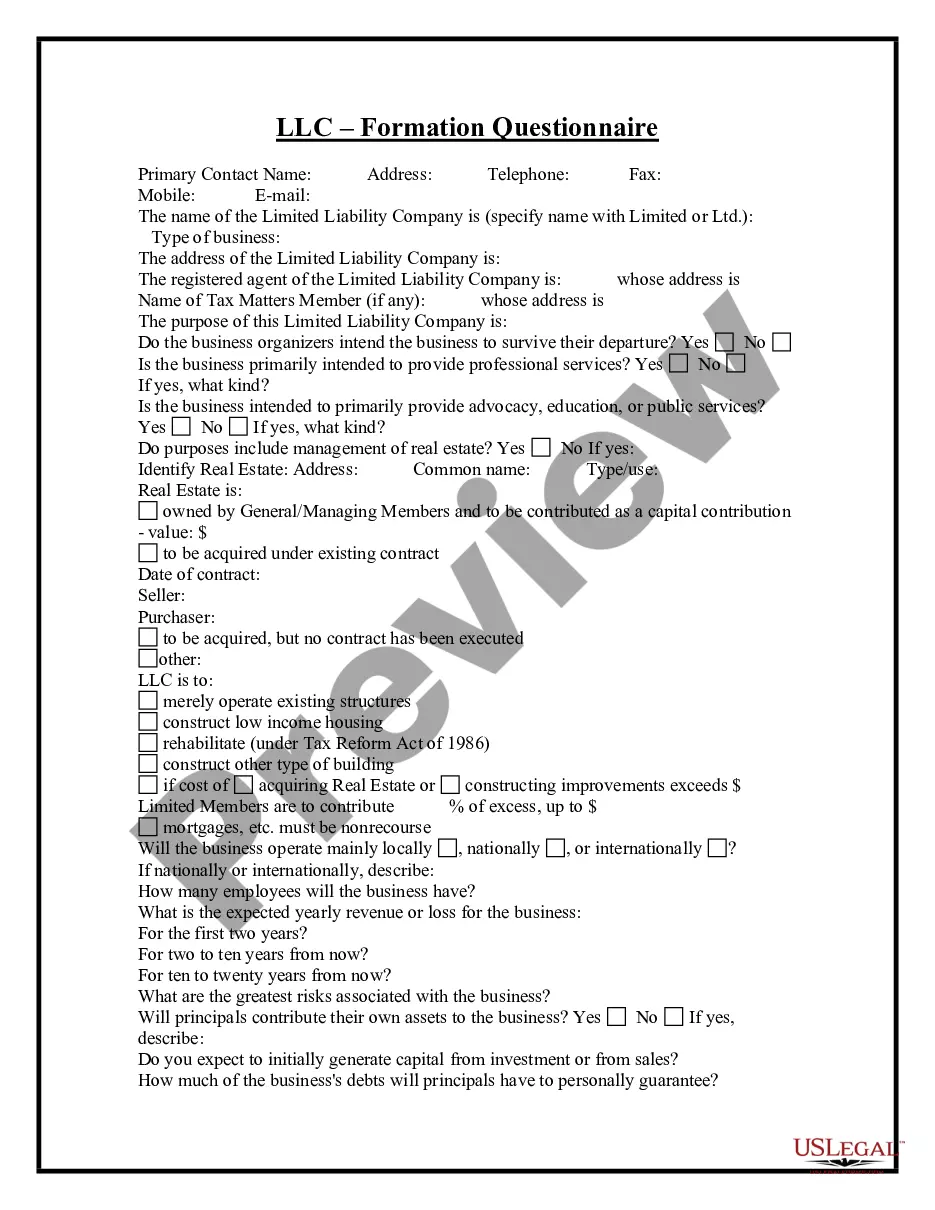
How to fill out Minnesota Limited Liability Company LLC Formation Package?
- Begin by logging in to your US Legal Forms account if you are an existing user. Ensure your subscription is active to access the required form template.
- If you're new to the service, check the Preview mode and read the form description to confirm it meets your needs and complies with local jurisdiction.
- If needed, utilize the Search tab for other templates. Ensure that the document aligns perfectly with your requirements before proceeding.
- To proceed, select the Buy Now button and choose a suitable subscription plan. Registration is required to unlock access to the full library.
- Complete your purchase by entering your credit card information or opting for PayPal to secure your subscription.
- Finally, download the form to your device, allowing you to complete it at your convenience. You can revisit it anytime from the My Forms section in your profile.
In conclusion, US Legal Forms provides an extensive library with over 85,000 legal forms, making it a valuable resource for individuals and legal professionals alike. This platform not only streamlines the acquisition of legal documents but also offers access to expert advice for precision.
Start your journey toward a well-formed LLC today by visiting US Legal Forms for more information.
Form popularity
FAQ
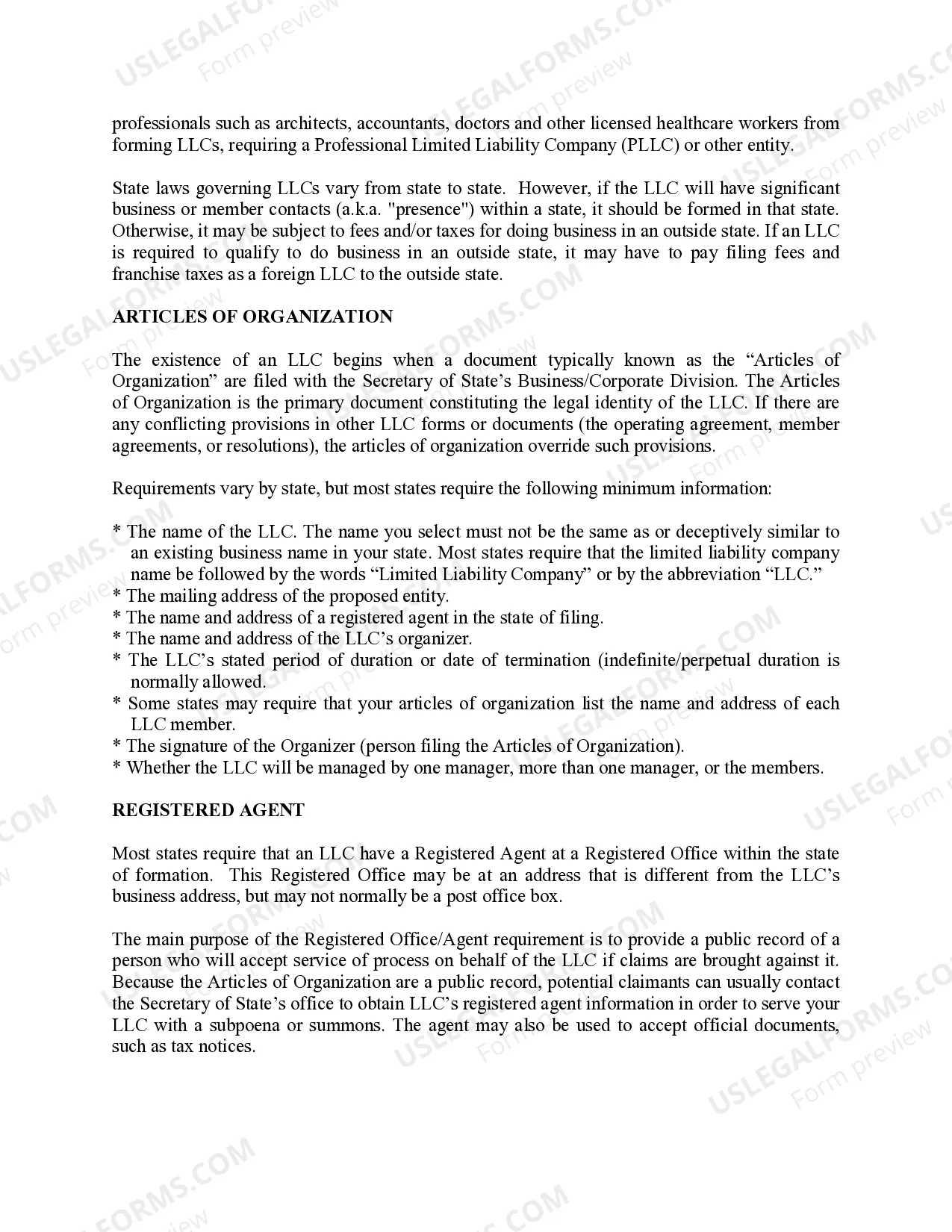
To fill for an LLC, follow your state's specific guidelines to submit the Articles of Organization. Typically, you will provide details about your business structure, ownership, and registered agent. It is essential to double-check all information for accuracy before submission. If you need a reliable guide, the uslegalforms platform can assist you by providing forms and detailed instructions to make the filing process smoother.
Writing an LLC example starts with deciding on a unique business name, which often includes 'LLC' at the end. For instance, you could write 'Example Business LLC'. This name must comply with state regulations and not resemble existing businesses. Defining your limited liability company LLC business definition also involves specifying your business activities to clearly convey your purpose in any official documentation.
Yes, you can file your LLC by yourself. Many states allow business owners to complete the necessary paperwork online, making the process straightforward. However, it's crucial to understand the specific requirements in your state to ensure compliance. If you prefer assistance or need guidance, the uslegalforms platform can provide valuable resources to help you navigate the filing process.
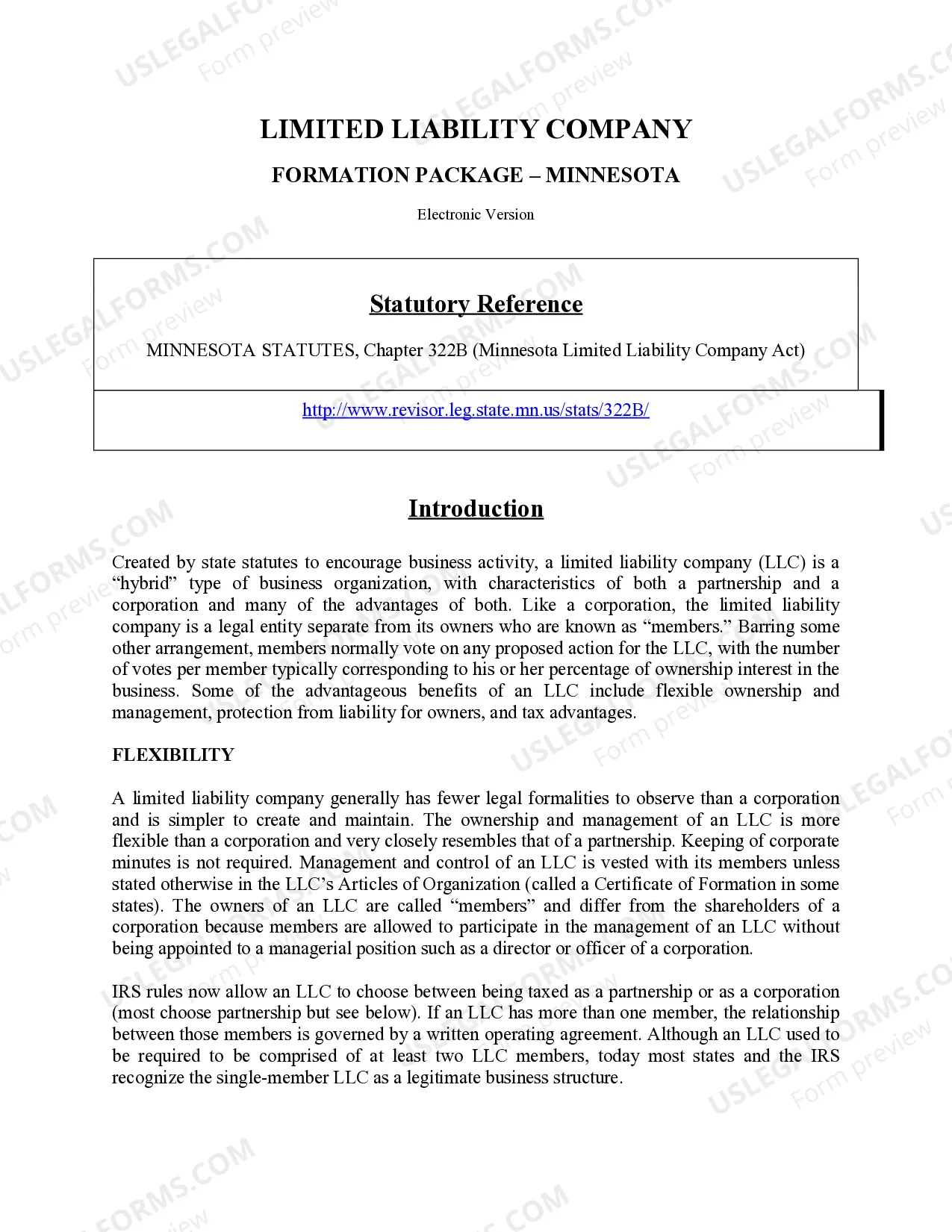
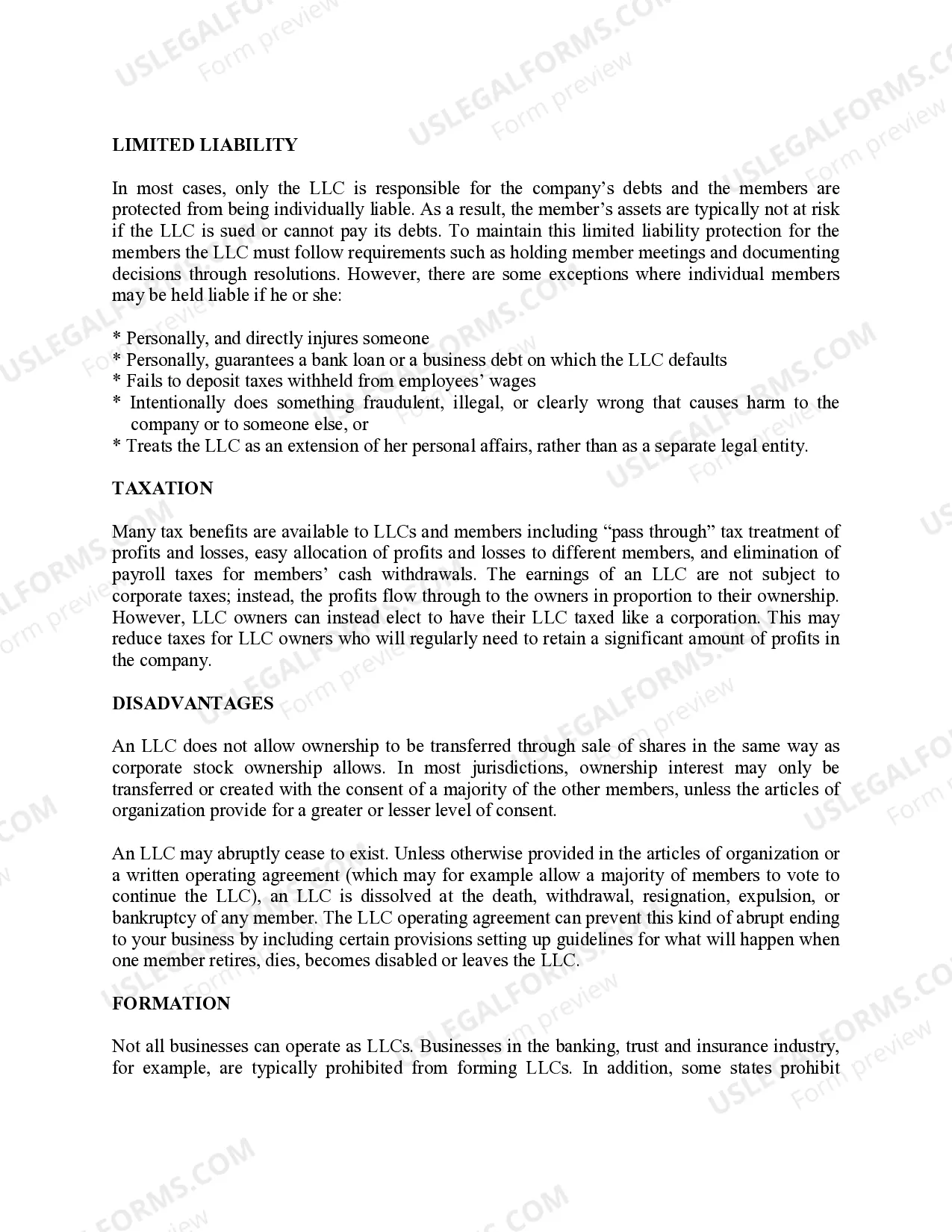
A limited liability company (LLC) is a legal structure that combines the benefits of both a corporation and a sole proprietorship. It provides personal liability protection for its owners, meaning they are not personally responsible for business debts. This structure allows for flexible management and pass-through taxation, making it an attractive option for many new business owners. Understanding the limited liability company LLC business definition helps you make informed decisions about your business structure.
If you own an LLC, you are typically referred to as a member. The term 'member' denotes your ownership role within the Limited Liability Company structure. Depending on the LLC's organization, you may also act as a manager or a managing member. This distinction emphasizes your role in steering the business and making crucial decisions.
A business can be any commercial activity, while a Limited Liability Company (LLC) is a specific form of business organization. An LLC provides legal benefits, such as limiting personal liability, whereas a general business may not offer such protections. Therefore, choosing an LLC can enhance your business's credibility and security, making it an appealing option for many entrepreneurs.
Yes, owning a Limited Liability Company (LLC) often classifies you as self-employed. As an LLC owner, you engage directly in the business activities and are responsible for its profits and losses. While this entails certain tax obligations, it also grants you control and flexibility over your work. It's a suitable option for many individuals looking to establish their own business while enjoying legal protection.
Certainly, having an LLC signifies that you own a business. The Limited Liability Company structure legally defines your business and protects your personal assets. This means that if your business faces legal issues or debts, your personal belongings are generally safe. Therefore, when you operate as an LLC, you are indeed the owner of a formal business entity.
The term 'business' is a broad concept that can refer to any type of commercial activity, while a Limited Liability Company (LLC) is a specific legal structure within that. An LLC combines elements of a corporation and a partnership, offering personal liability protection while allowing for flexible management. Thus, the primary distinction lies in the legal protections and organizational structure that an LLC provides to its members.
Yes, owning a Limited Liability Company (LLC) does mean you own a business. An LLC is a legal structure that provides personal liability protection to its owners, known as members. This means your personal assets are protected from business debts and liabilities. In essence, an LLC offers the benefits of both partnership and corporation, making it a popular choice for many business owners.