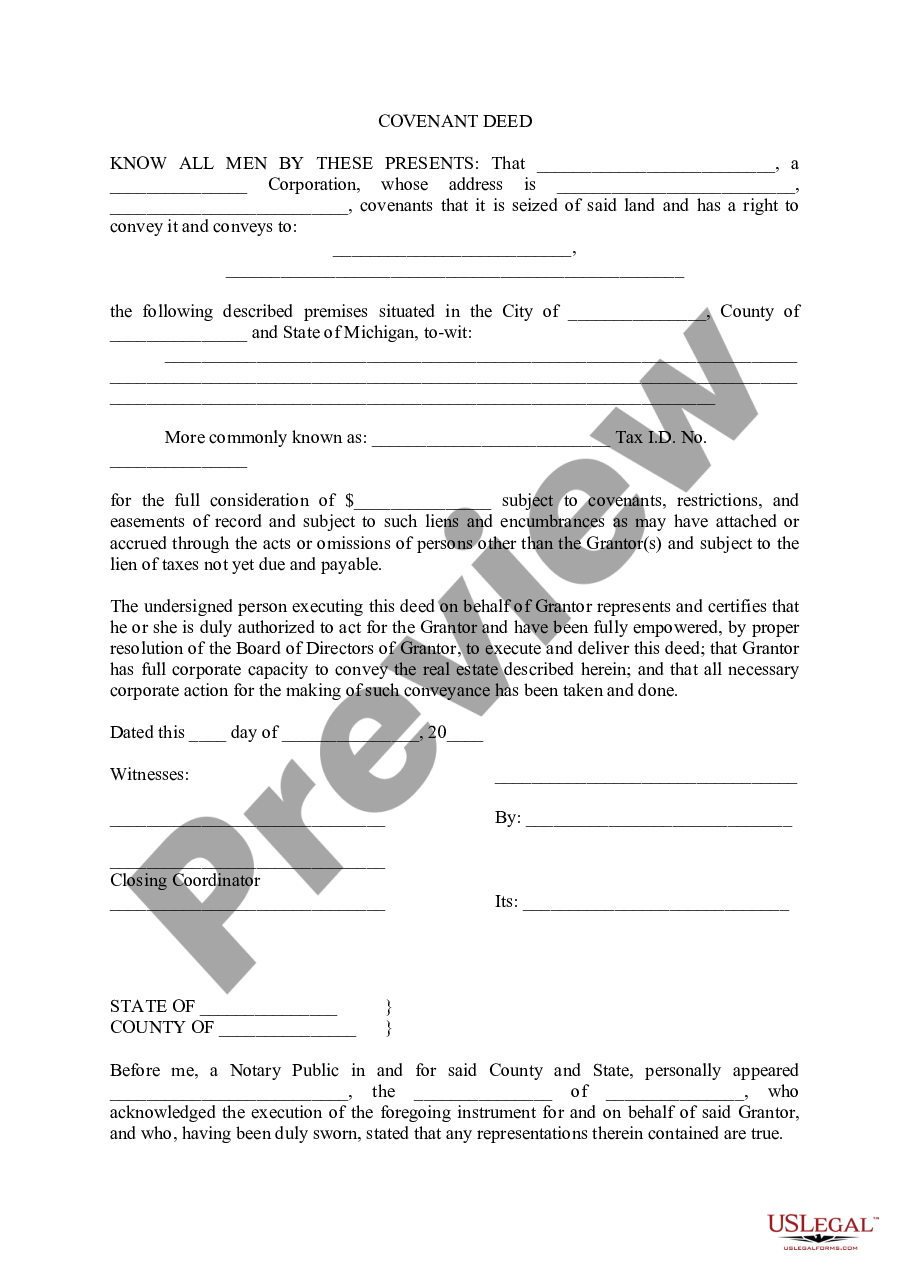
Deed Covenant Run With The Land
Description
Get your form ready online
Our built-in tools help you complete, sign, share, and store your documents in one place.
Make edits, fill in missing information, and update formatting in US Legal Forms—just like you would in MS Word.
Download a copy, print it, send it by email, or mail it via USPS—whatever works best for your next step.
Sign and collect signatures with our SignNow integration. Send to multiple recipients, set reminders, and more. Go Premium to unlock E-Sign.
If this form requires notarization, complete it online through a secure video call—no need to meet a notary in person or wait for an appointment.
We protect your documents and personal data by following strict security and privacy standards.

Make edits, fill in missing information, and update formatting in US Legal Forms—just like you would in MS Word.

Download a copy, print it, send it by email, or mail it via USPS—whatever works best for your next step.

Sign and collect signatures with our SignNow integration. Send to multiple recipients, set reminders, and more. Go Premium to unlock E-Sign.

If this form requires notarization, complete it online through a secure video call—no need to meet a notary in person or wait for an appointment.

We protect your documents and personal data by following strict security and privacy standards.
Looking for another form?


How to fill out Michigan Covenant Deed?
Dealing with legal paperwork and procedures can be a lengthy addition to your entire day.
Deed Covenant Run With The Land and similar forms typically require you to search for them and comprehend how to fill them out correctly.
Therefore, whether you are managing financial, legal, or personal issues, having a comprehensive and useful online directory of forms readily available will be immensely beneficial.
US Legal Forms is the leading online platform for legal templates, boasting over 85,000 state-specific forms and a variety of resources that will assist you in completing your documents swiftly.
Is this your first time using US Legal Forms? Sign up and create a free account in a few minutes, and you’ll gain access to the form directory and Deed Covenant Run With The Land. Then, follow the steps below to complete your form: Ensure you have located the correct form by utilizing the Preview feature and reviewing the form description. Select Buy Now when ready, and choose the monthly subscription plan that suits your requirements. Click Download then complete, sign, and print the form. US Legal Forms has twenty-five years of experience helping users manage their legal documents. Find the form you need today and enhance any process effortlessly.
- Explore the directory of pertinent documents accessible to you with just a click.
- US Legal Forms provides you with state- and county-specific forms available for download at any time.
- Streamline your document management processes with a premium service that enables you to assemble any form within minutes without additional or hidden charges.
- Simply Log In to your account, locate Deed Covenant Run With The Land and download it immediately from the My documents section.
- You can also access forms that you have downloaded previously.
Form popularity
FAQ
Yes, real covenants can run with the land under the right conditions. These covenants can impose restrictions or requirements on property use that persist through changes in ownership. This legal framework serves to protect the interests of both current and future property owners. To learn more about how real covenants operate and how a deed covenant runs with the land, consider using resources from USLegalForms for detailed guidance.
A covenant running with the land refers to a promise or restriction that is attached to a parcel of land and is enforceable against future owners. This means that the obligations or benefits of the covenant continue to apply regardless of who owns the property. This legal mechanism helps preserve community standards and property values, making it vital for anyone involved in real estate to grasp the implications of a deed covenant that runs with the land.
Yes, a covenant can run with the land if it meets specific legal requirements. For a covenant to run with the land, it must be in writing, intended to benefit or burden the land, and the parties involved must intend for it to bind future owners. This legal concept is crucial for property owners to understand, as it affects how land can be used and developed. You can explore resources on how a deed covenant runs with the land through platforms like USLegalForms.
A covenant that runs with the land is a legal agreement that binds future property owners to certain obligations or restrictions. Essentially, it means that the rights and duties established by the covenant are not just limited to the original parties involved but extend to anyone who later owns the property. This ensures that the property maintains its intended use and value over time. Understanding how a deed covenant runs with the land can help you make informed decisions when purchasing or developing real estate.
Creating a covenant that runs with the land requires careful drafting of the agreement to include specific language that clearly states the intent to bind future owners. It is important to define the terms and conditions that will govern the use of the property. Additionally, you should record the covenant with the appropriate local authority to ensure it is enforceable. Using US Legal Forms can simplify this process by providing templates and guidance to ensure your deed covenant runs with the land.
To complete a deed of covenant, you must first clearly outline the obligations and rights of the parties involved. Both parties need to sign the document in the presence of a witness to ensure its validity. After that, you should record the deed with the local land registry to establish its enforceability. This process ensures that the deed covenant runs with the land, binding future owners to the terms.
A covenant that runs with a land is a covenant that transfers when ownership of the attached land transfer. The future owner of the property subject to a covenant that runs with the land is bound by that covenant.
In order for a covenant to run with the land, however, two primary elements must be established: 1) the parties to the covenant intended it to run with the land, and 2) the covenant ?touches and concerns? the land (i.e. it must closely relate to the land, its use, or its enjoyment).
Running with the land refers to easements and other rights that remain with property even after being transferred. For example, if a property has an easement that runs with land to cross over the neighboring land, a person who buys the property could also cross the neighboring land.