Quiet Enjoyment Maryland For Tenants
Description
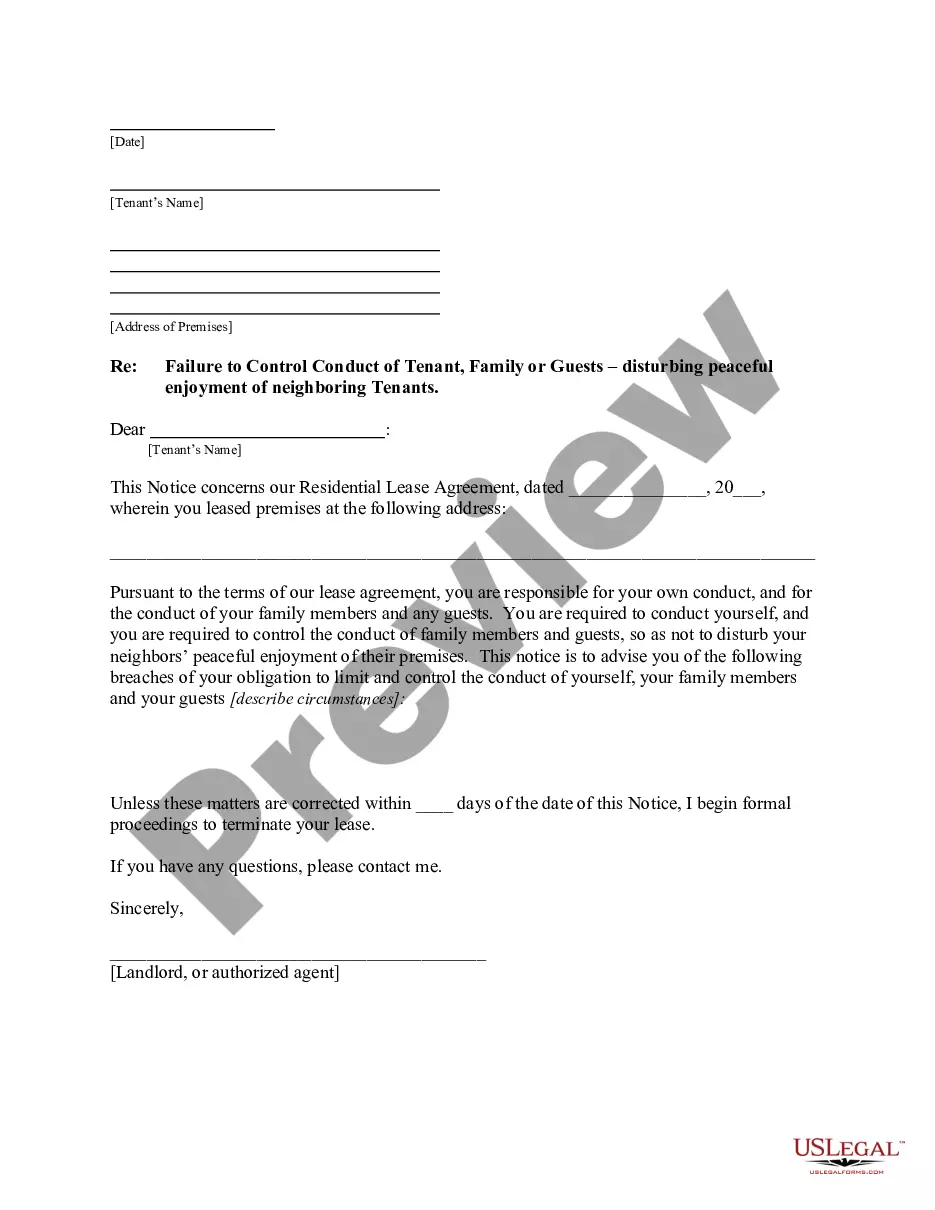




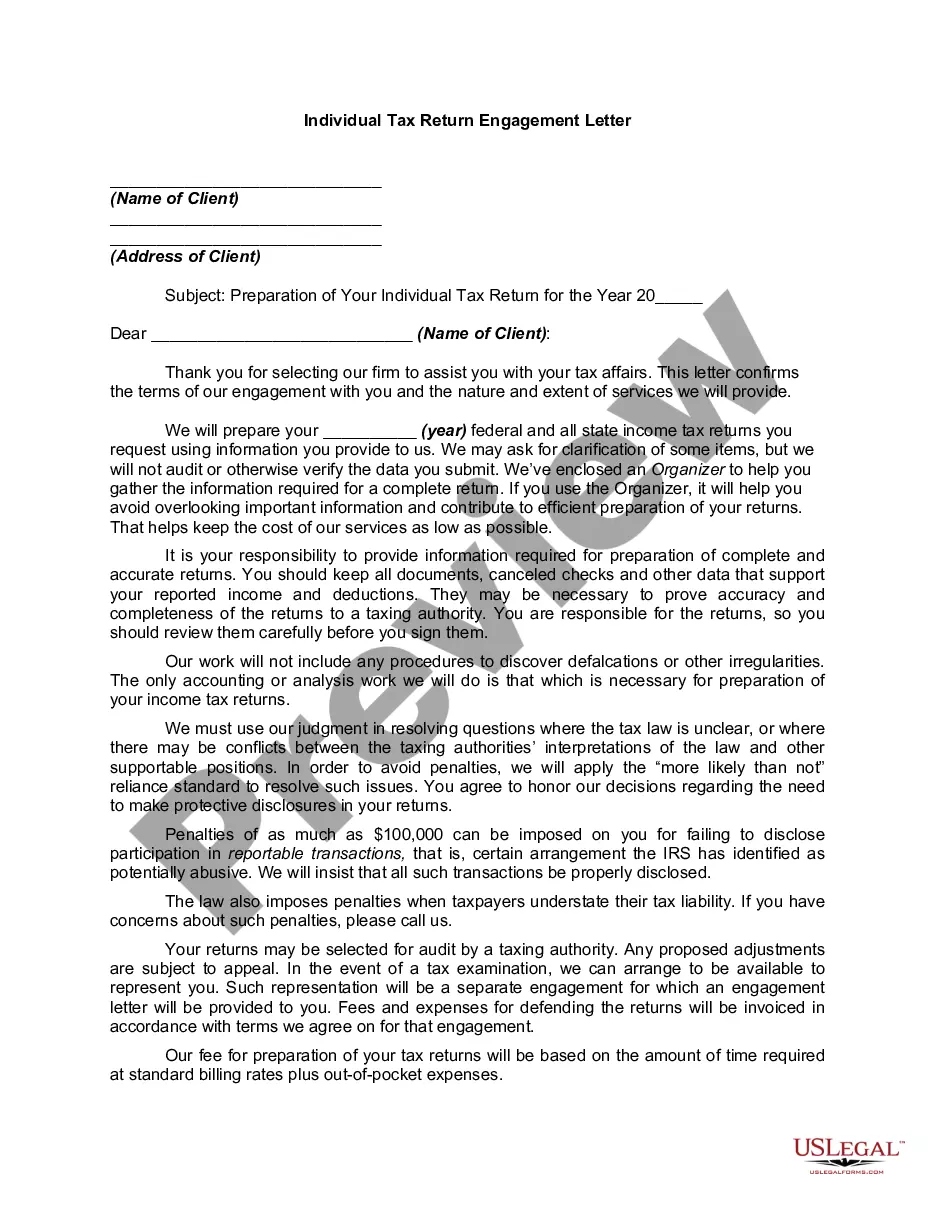


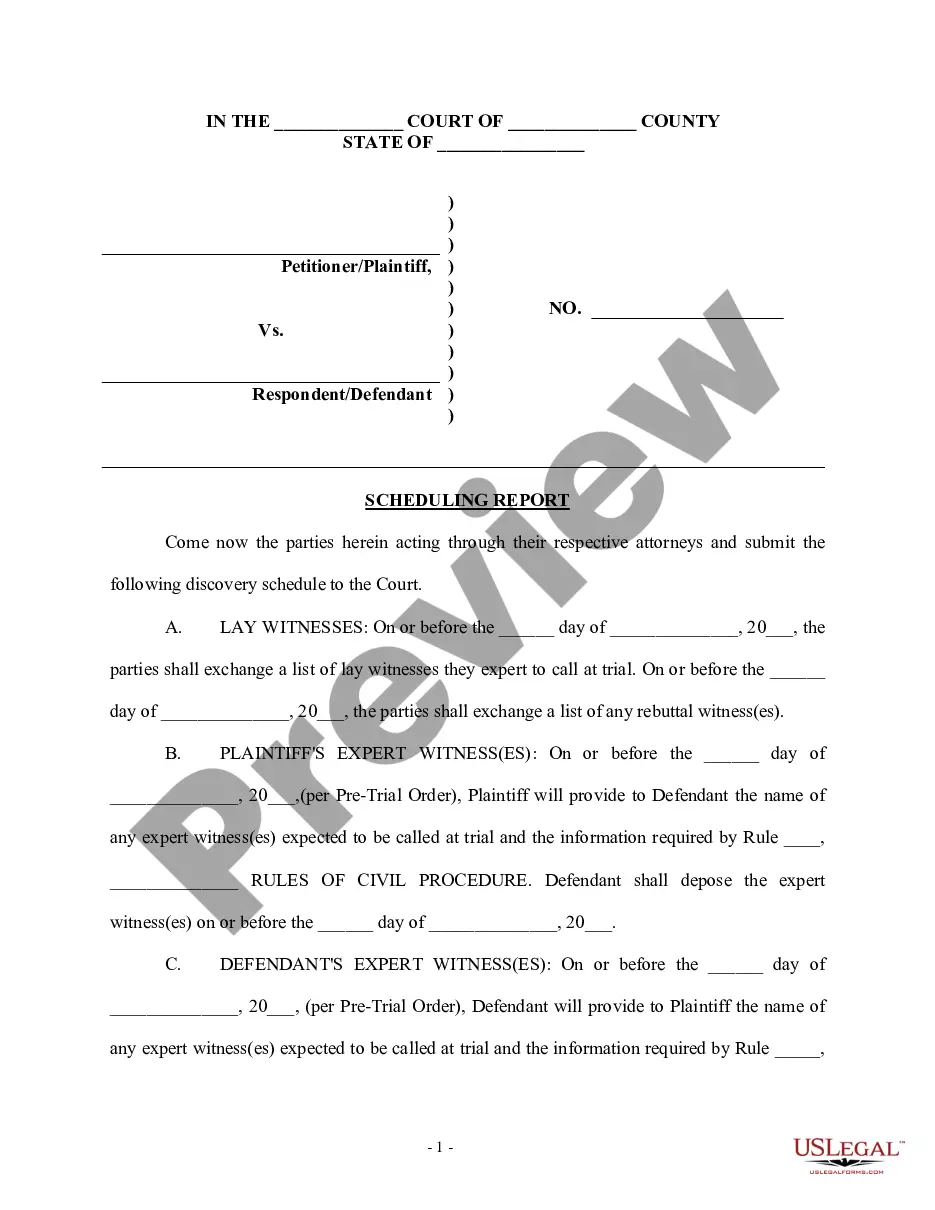
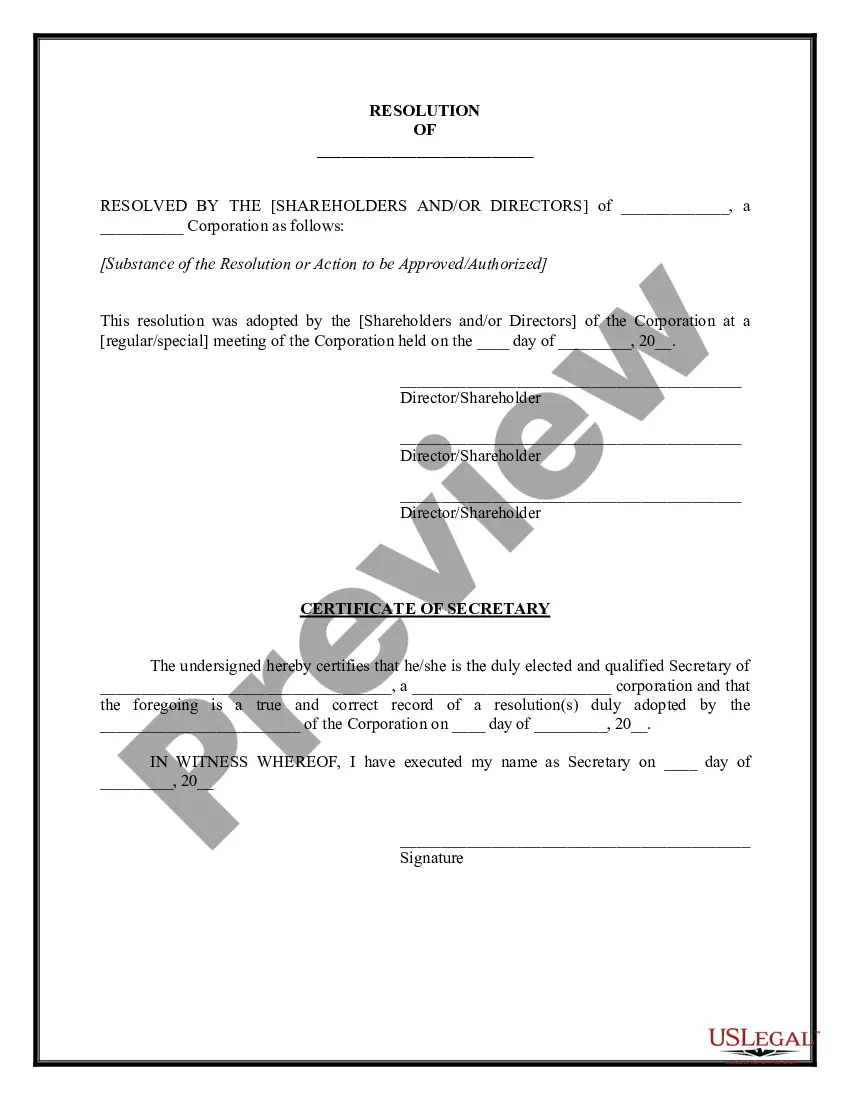
How to fill out Maryland Letter From Landlord To Tenant As Notice To Tenant Of Tenant's Disturbance Of Neighbors' Peaceful Enjoyment To Remedy Or Lease Terminates?
Accessing legal document examples that adhere to federal and local regulations is essential, and the internet provides numerous alternatives to select from.
However, what is the benefit of spending time searching for the suitable Quiet Enjoyment Maryland For Tenants example online if the US Legal Forms digital library already has such templates gathered in one location.
US Legal Forms is the premier online legal directory with over 85,000 customizable templates created by attorneys for any professional and personal scenario. They are straightforward to navigate with all documents categorized by state and intended usage. Our experts stay current with legislative changes, ensuring that you can trust your form to be current and compliant when obtaining a Quiet Enjoyment Maryland For Tenants from our site.
- Review the template using the Preview function or through the text description to confirm it fits your requirements.
- Search for another example using the search feature at the top of the page if necessary.
- Click Buy Now once you've located the right document and select a subscription plan.
- Create an account or Log In and complete the payment via PayPal or a credit card.
- Choose the format for your Quiet Enjoyment Maryland For Tenants and download it.
Form popularity
FAQ
Breach of Covenant of Quiet Enjoyment This means a landlord must guarantee that: (1) Tenant can take possession of the property at the beginning of the lease term; and (2) That the landlord will not disturb tenant's possession of the property.
What should I do if I believe my landlord has violated the Consumer Protection Act? call the Attorney General office, toll-free, 888-743-0023; file a ?Landlord/Tenant Complaint? with the Maryland Attorney General; or. review the Attorney General's frequently asked questions page.
If you're having a dispute, you may be able to get assistance from the Mediation Unit of the Maryland Office of the Attorney General. They will help resolve disputes between a landlord and tenant. You can file a landlord/tenant complaint online or call the Maryland Attorney General.
If Tenant shall perform all of the covenants and agreements herein required to be performed by Tenant, Tenant shall, subject to the terms of this Lease, at all times during the Lease Term, have peaceful and quiet enjoyment of the Premises against any person claiming by, through or under Landlord.
So, a tenant has a right to quiet enjoyment regardless of whether the lease specifically speaks to it or not. This is otherwise known as an implied covenant of quiet enjoyment.