Planning Will Attorney With The Department
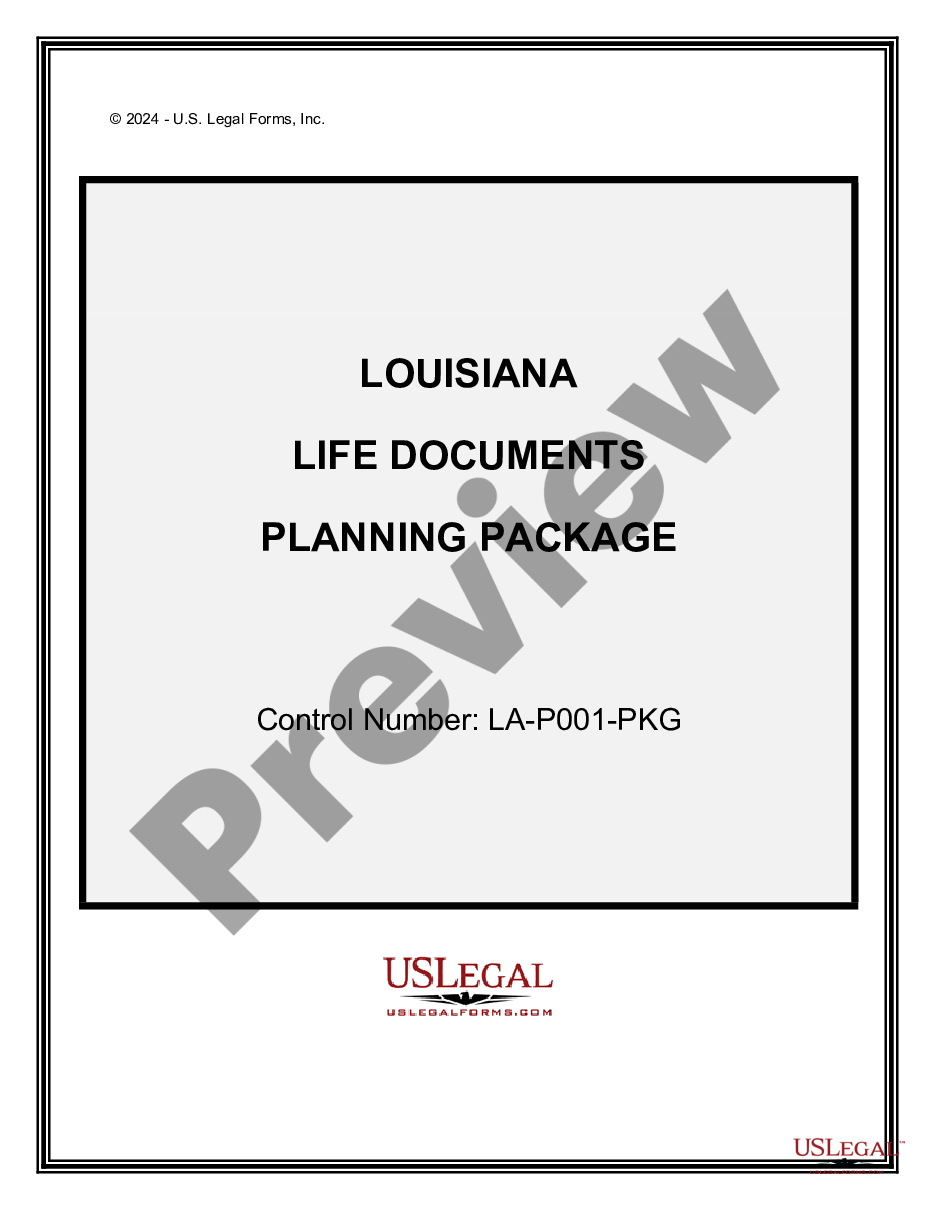
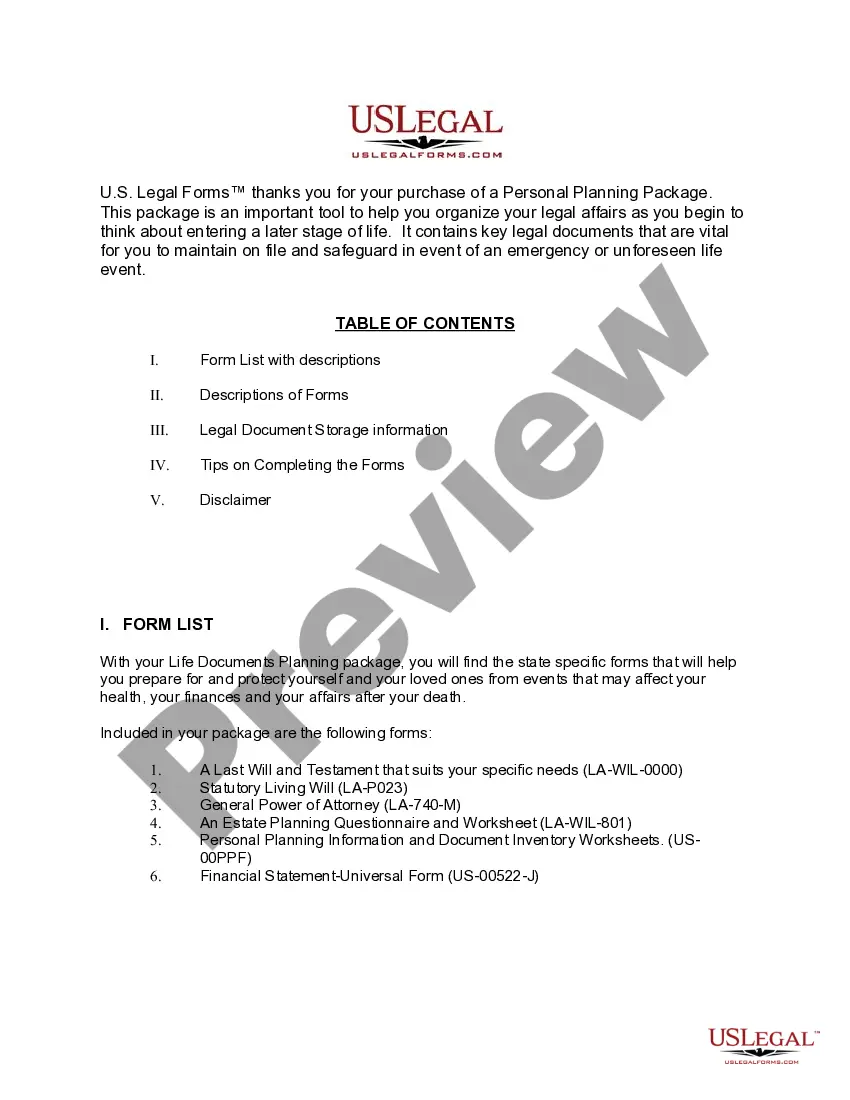
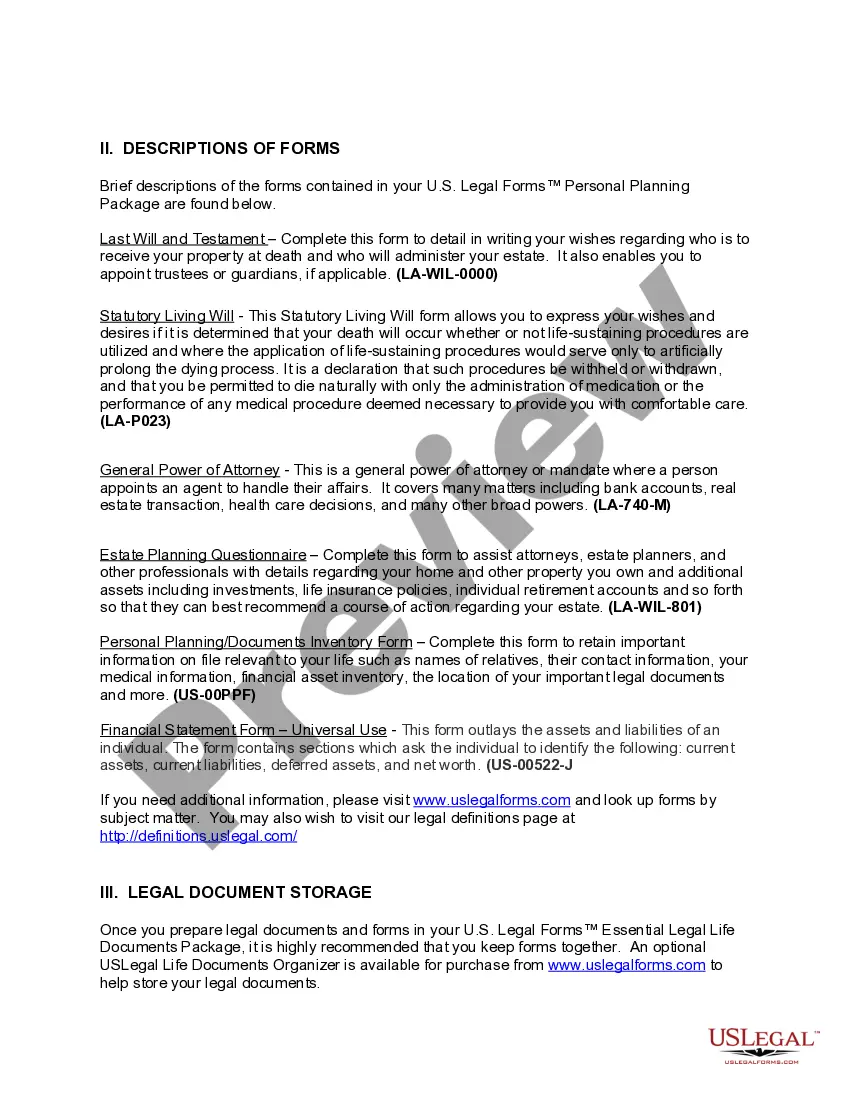
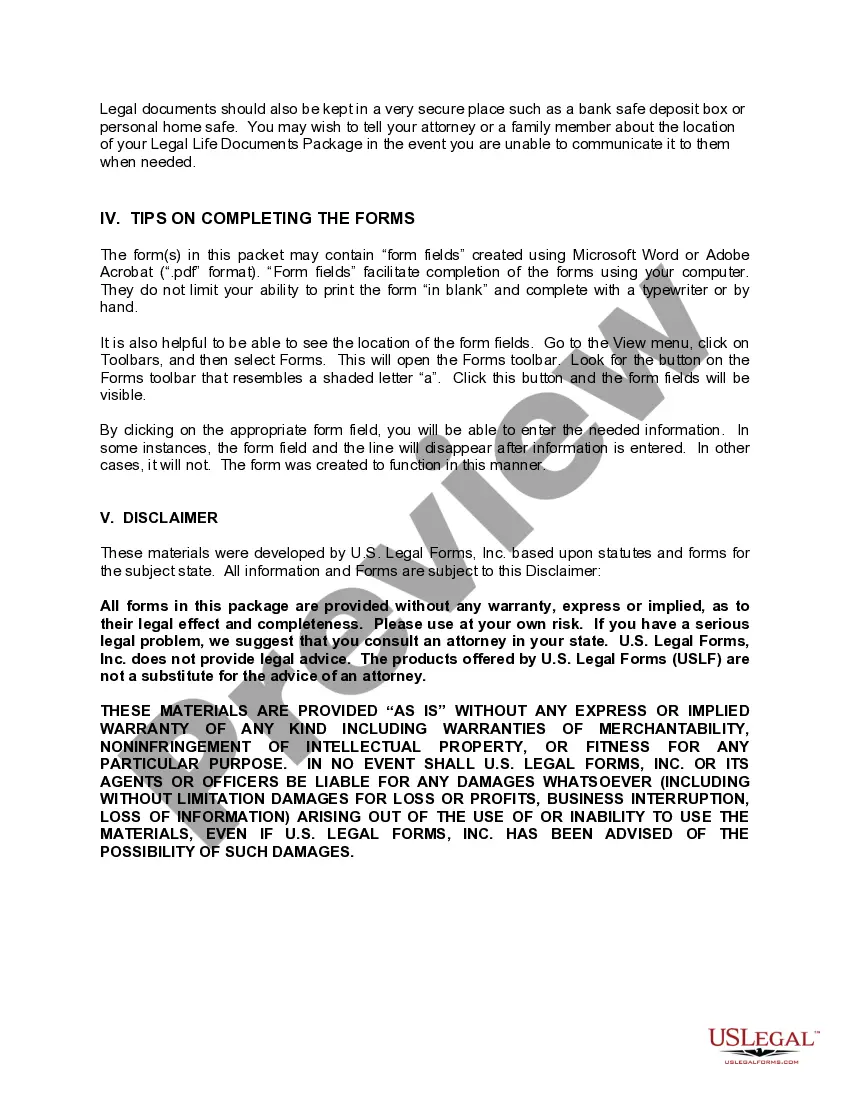
Description
Get your form ready online
Our built-in tools help you complete, sign, share, and store your documents in one place.
Make edits, fill in missing information, and update formatting in US Legal Forms—just like you would in MS Word.
Download a copy, print it, send it by email, or mail it via USPS—whatever works best for your next step.
Sign and collect signatures with our SignNow integration. Send to multiple recipients, set reminders, and more. Go Premium to unlock E-Sign.
If this form requires notarization, complete it online through a secure video call—no need to meet a notary in person or wait for an appointment.
We protect your documents and personal data by following strict security and privacy standards.

Make edits, fill in missing information, and update formatting in US Legal Forms—just like you would in MS Word.

Download a copy, print it, send it by email, or mail it via USPS—whatever works best for your next step.

Sign and collect signatures with our SignNow integration. Send to multiple recipients, set reminders, and more. Go Premium to unlock E-Sign.

If this form requires notarization, complete it online through a secure video call—no need to meet a notary in person or wait for an appointment.

We protect your documents and personal data by following strict security and privacy standards.
Looking for another form?








How to fill out Louisiana Life Documents Planning Package, Including Will, Power Of Attorney And Living Will?
- If you have previously used US Legal Forms, log in to your account to access your purchased templates. Ensure your subscription is active; if not, renew it according to your payment plan.
- For first-time users, start by checking the form preview and description. Confirm that you have selected the right template that aligns with your state laws and requirements.
- If you find it necessary, utilize the Search tab to locate other templates that might better suit your needs. Ensure they are accurate before proceeding.
- Click the Buy Now button to choose your preferred subscription plan. You'll need to create an account to access the extensive library of legal forms.
- Make your payment by entering your credit card details or selecting PayPal for subscription purchase.
- Download your chosen template and save it to your device. You can also access it later anytime you need through the My Forms menu in your profile.
In conclusion, US Legal Forms empowers you to navigate the legal landscape confidently. By following these straightforward steps, you can acquire the necessary documents to secure your future effectively.
Don't wait any longer—get started today by accessing the wealth of resources available at US Legal Forms!
Form popularity
FAQ
A planning will attorney with the department is crucial for creating a legally sound will. They specialize in estate planning and understand the nuances of state laws that govern wills. This expertise ensures that your wishes are clearly documented and legally binding. By choosing a knowledgeable attorney, you can avoid potential disputes and ensure that your assets are distributed according to your desires.
The planning process is vital for ensuring your estate is managed according to your desires. Begin by evaluating your current financial landscape and making a list of your assets. Next, determine your primary objectives for your estate. In this phase, selecting a trusted planning will attorney with the department can simplify the complexities. Then, draft your legal documents, and ensure to revisit your plan for any necessary adjustments over time.
When approaching estate planning, it helps to identify seven essential steps. Start with gathering all relevant financial information, including assets and debts. Next, reflect on your personal goals and wishes for your estate distribution. You then choose beneficiaries who align with your intentions. A planning will attorney with the department can construct tailored documents. After drafting, ensure you review these plans periodically for changes in your life circumstances.
The estate planning process includes crucial steps to secure your assets. First, assess your financial situation to understand what you own. Next, consider your goals and wishes for your estate. Third, choose your beneficiaries wisely. After that, select a planning will attorney with the department to guide you. Following this, draft essential documents such as wills and trusts. Lastly, review and update your plan regularly to ensure it meets your current needs.
In Tennessee, the process of probating a will involves several steps, starting with the filing of the will in the local probate court. A planning will attorney with the department can guide you through this procedure, helping you manage notifications to heirs and creditors. It also includes validating the will and settling the estate. Legal assistance can simplify this complex process and help resolve challenges effectively.
One of the biggest mistakes with wills is failing to keep it updated. Life changes, such as marriage, divorce, or the birth of a child, can impact your estate planning. A planning will attorney with the department can help you review and update your will as needed. Regular updates ensure that your wishes reflect your current circumstances and intentions.
An attorney does not usually file a will during your lifetime; it typically gets filed after your passing. The planning will attorney with the department can assist your executor with the filing process during probate. They help ensure that all legal requirements are met and can streamline the transition of your estate. Having legal guidance can help prevent disputes and misunderstandings.
Yes, you can write your own will in Kentucky. However, it is recommended to consult with a planning will attorney with the department to ensure that your will meets all legal requirements. A properly drafted will can help avoid complications during probate and ensure that your wishes are honored. Additionally, legal advice can provide peace of mind knowing your will is crafted correctly.
Typically, the original copy of a will is kept by the planning will attorney with the department or the individual who created it. This ensures that the document is secure and available when it's needed. In some cases, individuals choose to store their wills in a safe deposit box or with a trusted family member. Regardless of the choice, knowing where your will is located is crucial for the probate process.
The 5 by 5 rule refers to a provision in some trusts that allows beneficiaries to withdraw up to $5,000 or 5% of the trust's value each year without penalty. This strategy can provide flexibility and access to funds for beneficiaries while still preserving the overall trust structure. If you're unsure how to implement this rule in your estate plan, consulting a planning will attorney with the department can help clarify your options and optimize your estate plan.