Louisiana Trusts And Estates
Description
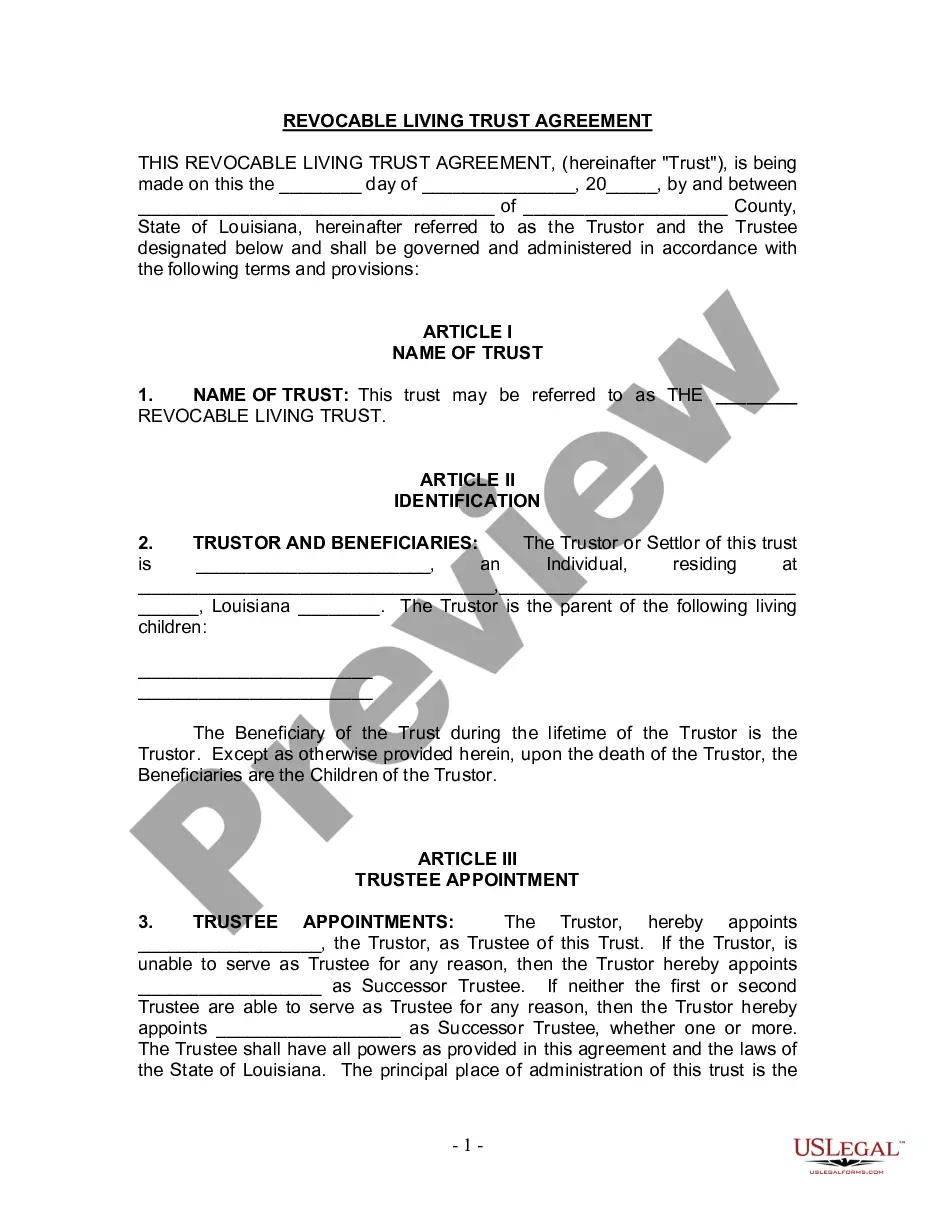
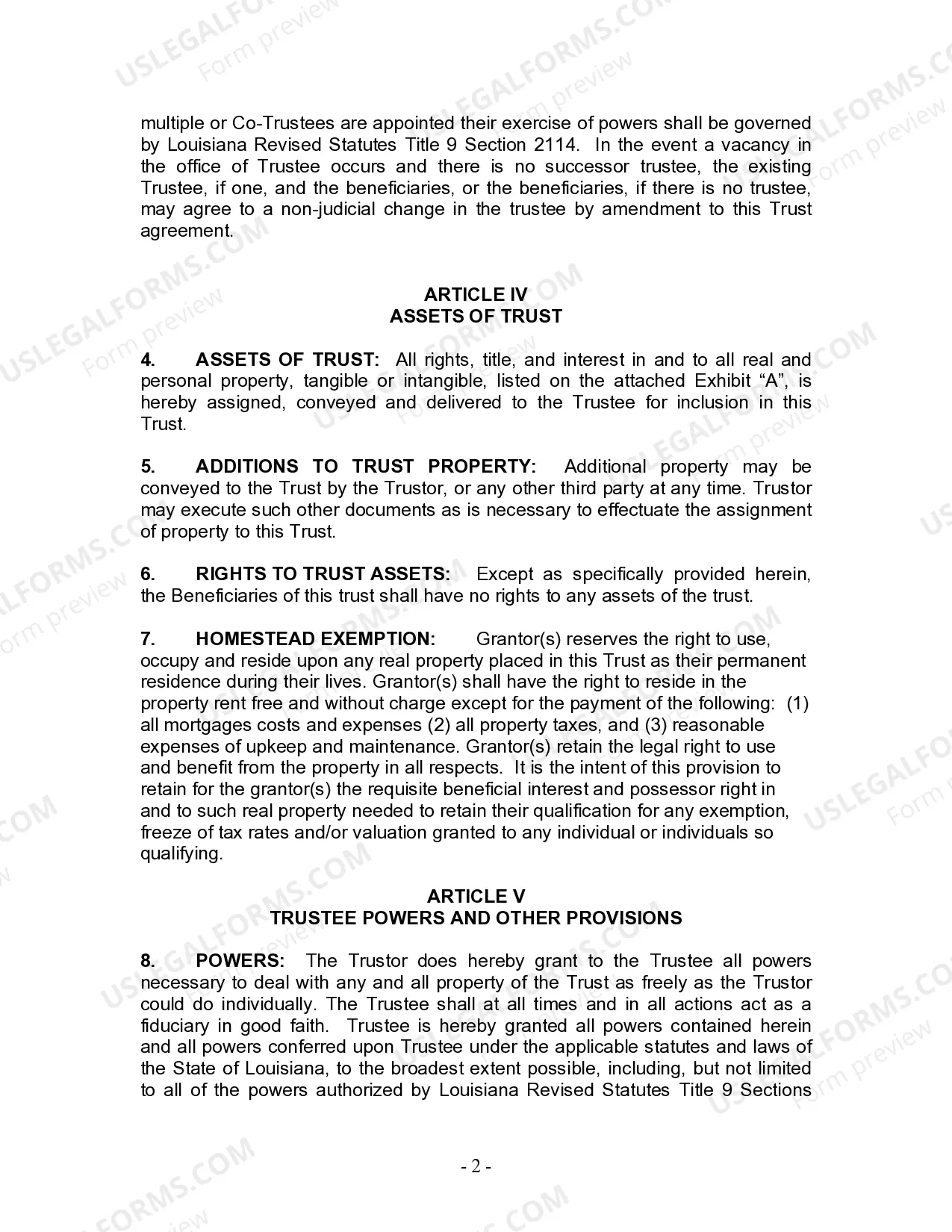
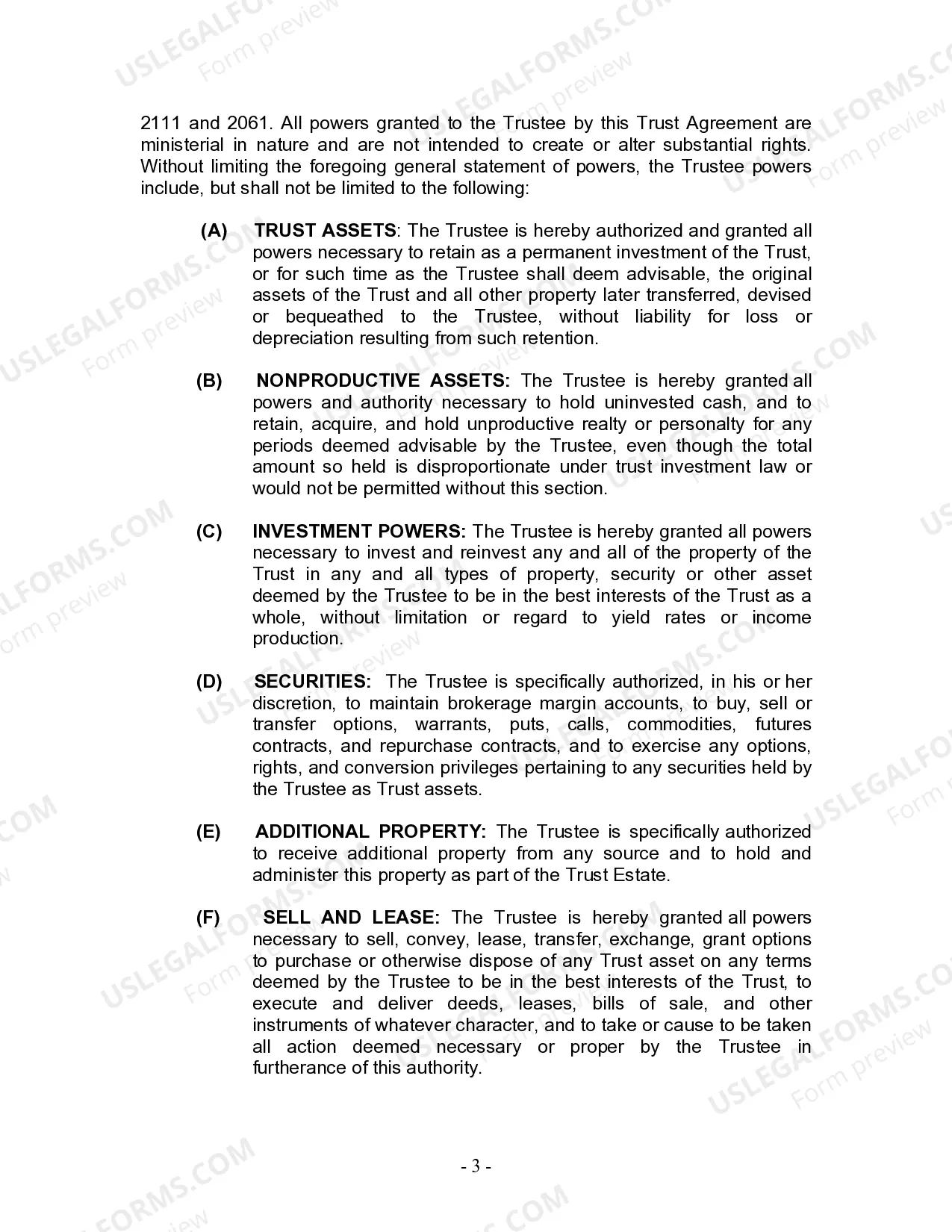
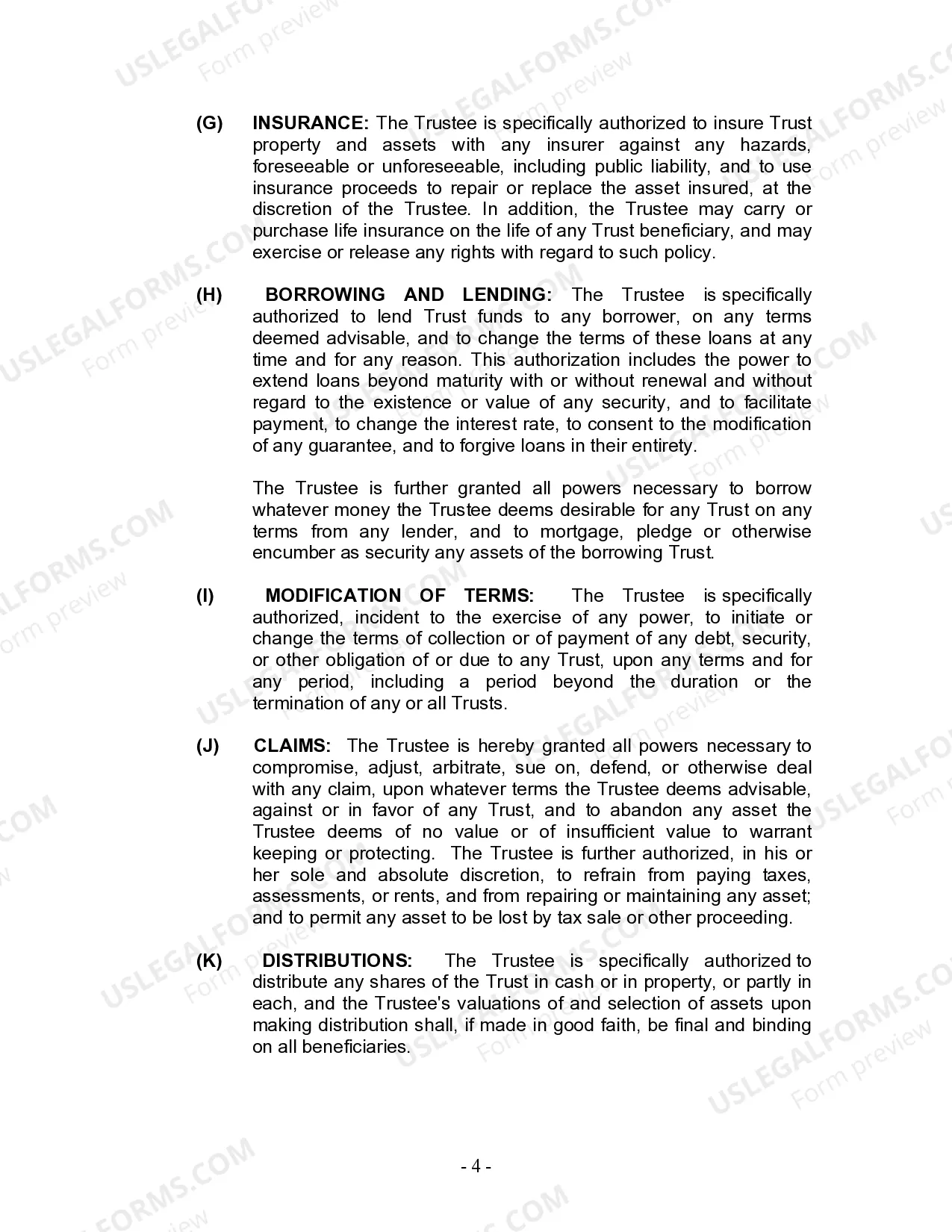



Get your form ready online
Our built-in tools help you complete, sign, share, and store your documents in one place.
Make edits, fill in missing information, and update formatting in US Legal Forms—just like you would in MS Word.
Download a copy, print it, send it by email, or mail it via USPS—whatever works best for your next step.
Sign and collect signatures with our SignNow integration. Send to multiple recipients, set reminders, and more. Go Premium to unlock E-Sign.
If this form requires notarization, complete it online through a secure video call—no need to meet a notary in person or wait for an appointment.
We protect your documents and personal data by following strict security and privacy standards.

Make edits, fill in missing information, and update formatting in US Legal Forms—just like you would in MS Word.

Download a copy, print it, send it by email, or mail it via USPS—whatever works best for your next step.

Sign and collect signatures with our SignNow integration. Send to multiple recipients, set reminders, and more. Go Premium to unlock E-Sign.

If this form requires notarization, complete it online through a secure video call—no need to meet a notary in person or wait for an appointment.

We protect your documents and personal data by following strict security and privacy standards.
Looking for another form?


Form popularity
FAQ
Not all trusts are required to file a Form 1041, which is the income tax return for estates and trusts. Typically, only irrevocable trusts, or those that generate income during the tax year, must file this form. Understanding your specific trust and its implications on your taxes is crucial for compliance with Louisiana trusts and estates. Consider utilizing the USLegalForms platform for tailored resources to understand your filing requirements.
Whether to file your trust as an estate depends on the specific circumstances surrounding your Louisiana trusts and estates. Generally, a trust does not need to be filed as an estate unless it involves certain complexities or has generated taxable income. Consulting a legal expert can clarify your obligations, ensuring that you remain compliant with Louisiana laws. The USLegalForms platform offers helpful resources to navigate these decisions.
To file a trust in Louisiana, begin by drafting a trust agreement that outlines the terms and intentions of the trust. Next, you will need to fund the trust by transferring assets into it. After that, it's crucial to maintain proper documentation to ensure compliance with Louisiana trusts and estates law. If you need guidance, consider using the USLegalForms platform to access templates and legal resources that simplify this process.
Yes, a beneficiary can earn income from a trust or estate in Louisiana. The trustee manages the trust assets and may distribute income generated from investments, property, or other sources to the beneficiaries according to the trust's terms. By understanding Louisiana trusts and estates and working with platforms like USLegalForms, you can ensure that all income distributions are handled efficiently and in compliance with state laws.
In Louisiana, the duration of a trust depends on the terms specified in the trust document, but generally, a trust can last for up to 30 years. This duration aligns with Louisiana law, which aims to balance the interests of both beneficiaries and the long-term objectives of the trust. Utilizing services like USLegalForms can help you navigate the intricacies of Louisiana trusts and estates and create a trust that meets your needs.
Forming a trust in Louisiana involves several key steps. First, you must identify the assets you wish to place in the trust. Next, you need to create a trust document that outlines the terms of the trust, including the beneficiaries and the trustee responsibilities. With resources like USLegalForms, you can easily access templates and guidance tailored to Louisiana trusts and estates, ensuring you set up your trust correctly.
A trust in Louisiana typically involves three parties: the grantor, the trustee, and the beneficiaries. The grantor creates the trust and designates what assets will be included. The trustee manages the trust on behalf of the beneficiaries, ensuring that the trust's terms are followed according to Louisiana trusts and estates laws. Consulting resources like US Legal Forms can simplify this process.
Yes, one of the significant advantages of establishing Louisiana trusts and estates is that it can help avoid probate. When assets are placed in a trust, they do not go through the probate process upon the grantor's death, allowing for quicker distribution to beneficiaries. This can save time and reduce costs associated with settling an estate.
One downside of putting assets in a trust is the loss of direct control over those assets. Once assets are transferred, they no longer belong to the grantor, which can impact financial decisions. Additionally, creating and maintaining a trust can involve legal complexities, which is where platforms like US Legal Forms can provide valuable guidance.
Trust funds come with certain risks, including the possibility of mismanagement. If the trustee does not act in the best interest of the beneficiaries, it can lead to disputes. Moreover, the trust could be subject to legal challenges if there are unclear terms or expectations outlined within the Louisiana trusts and estates framework.
