Living Trust Louisiana
Description
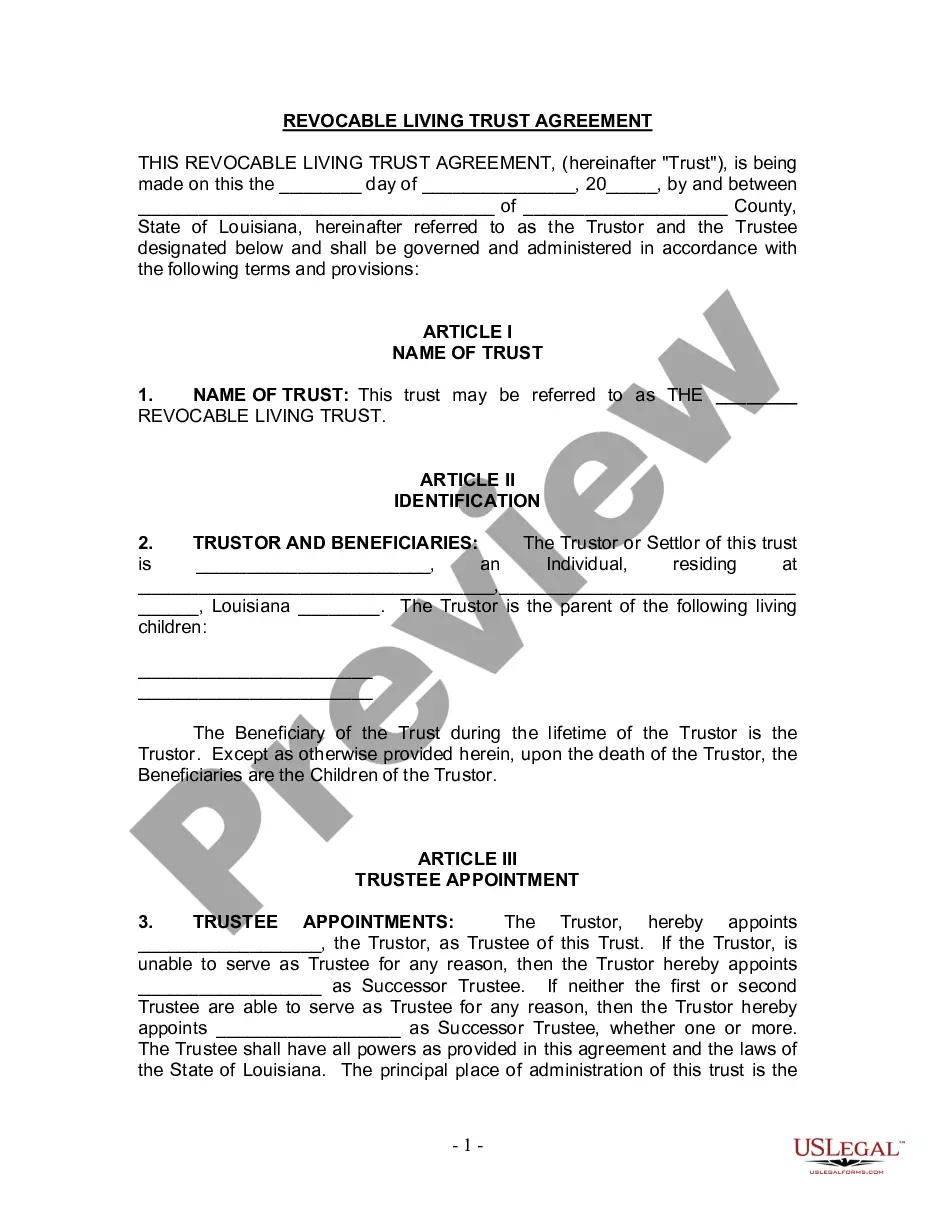
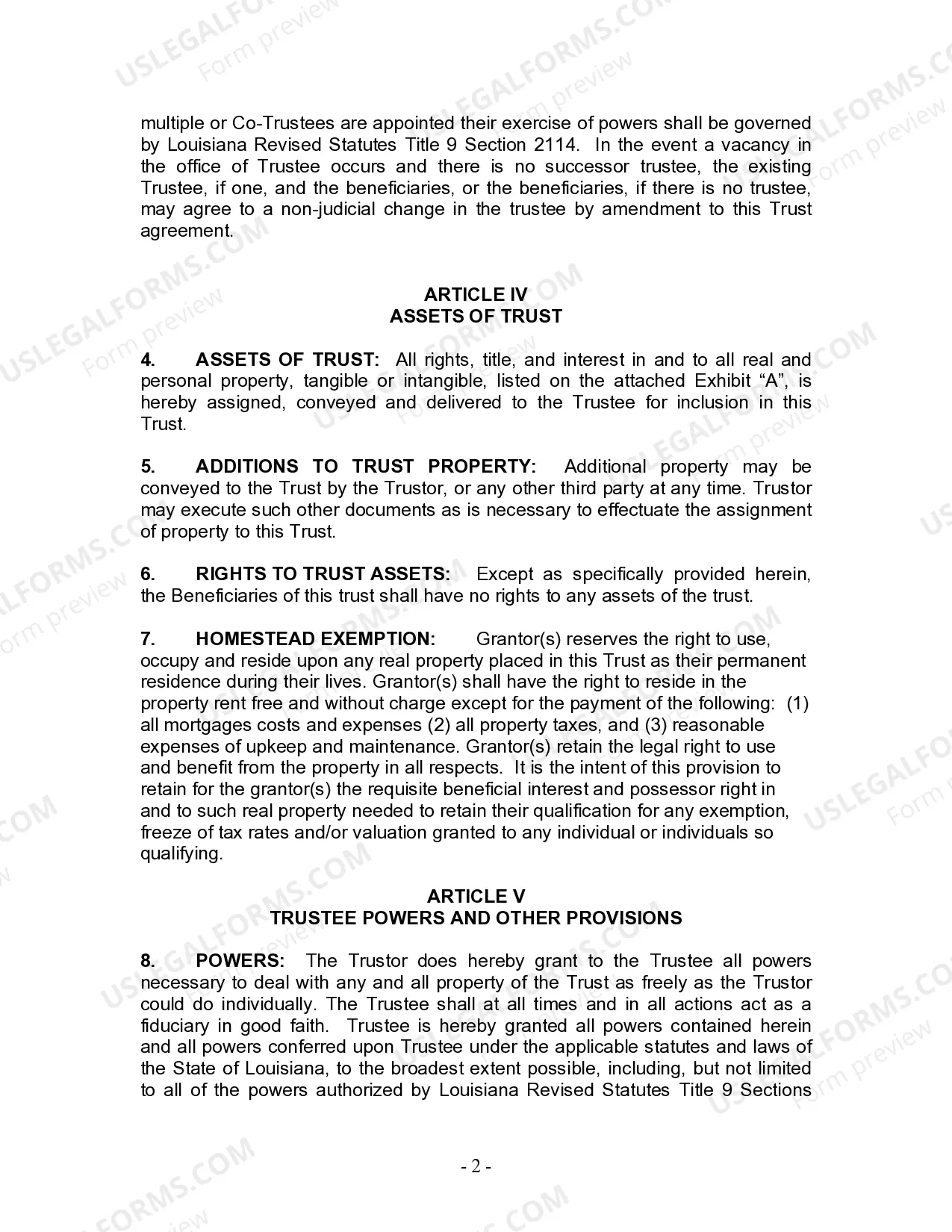
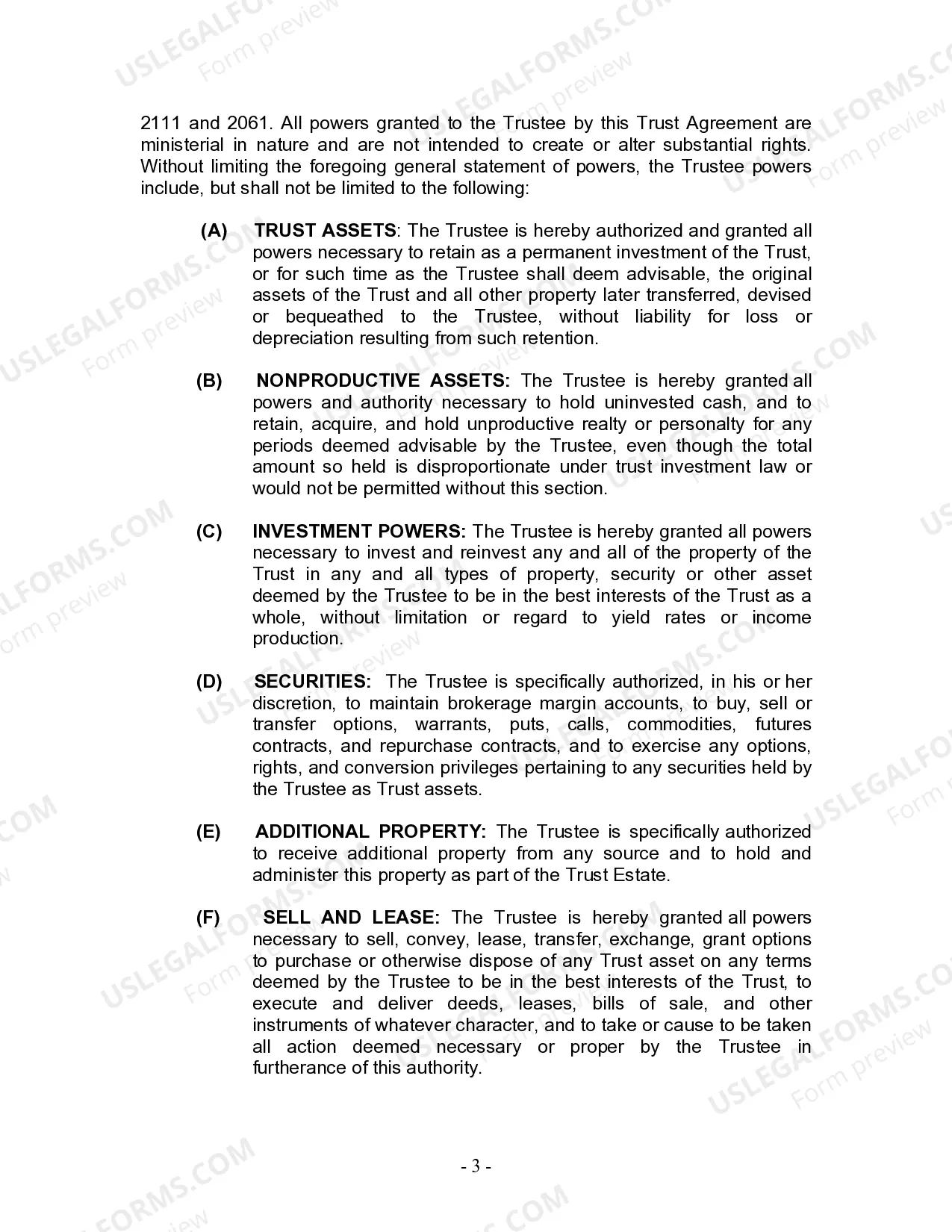
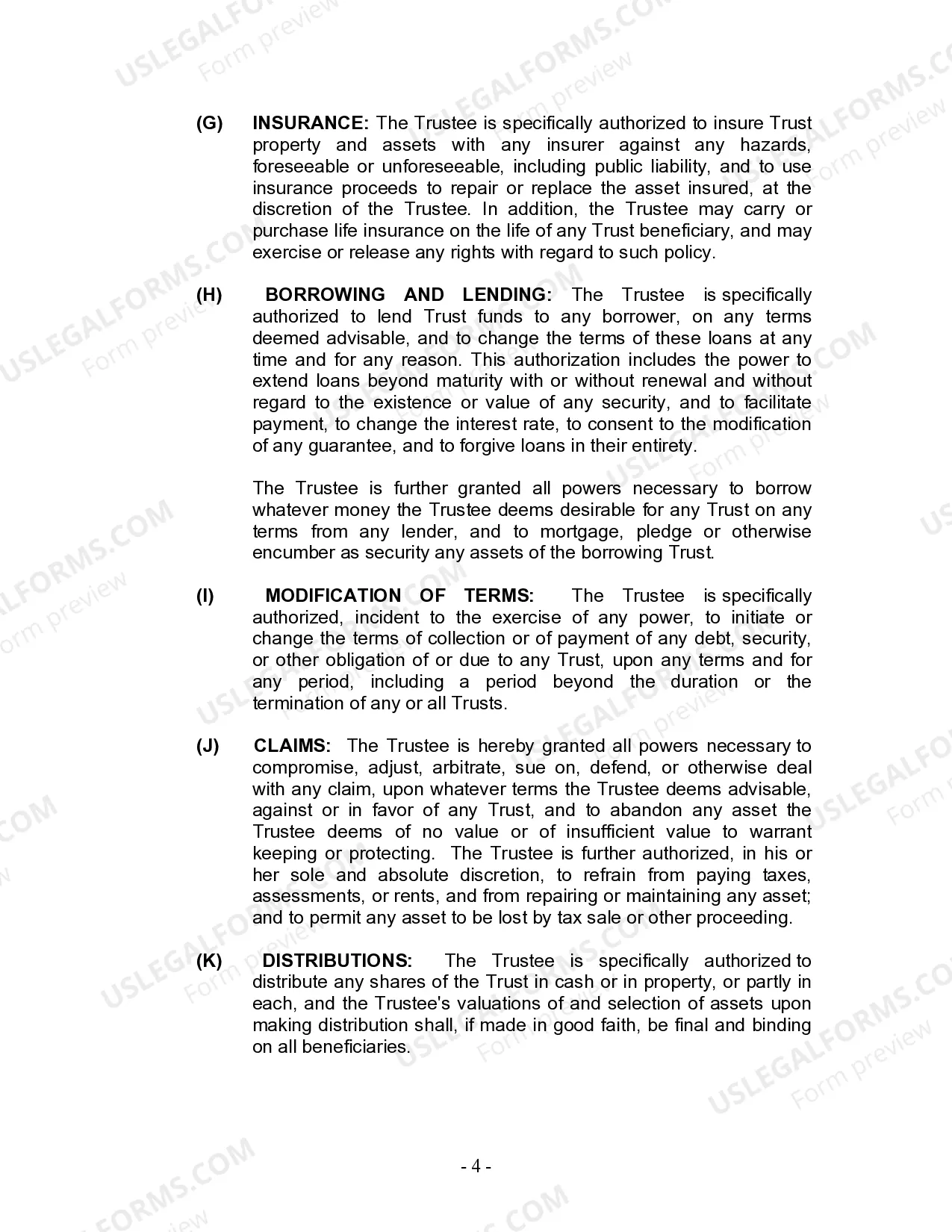
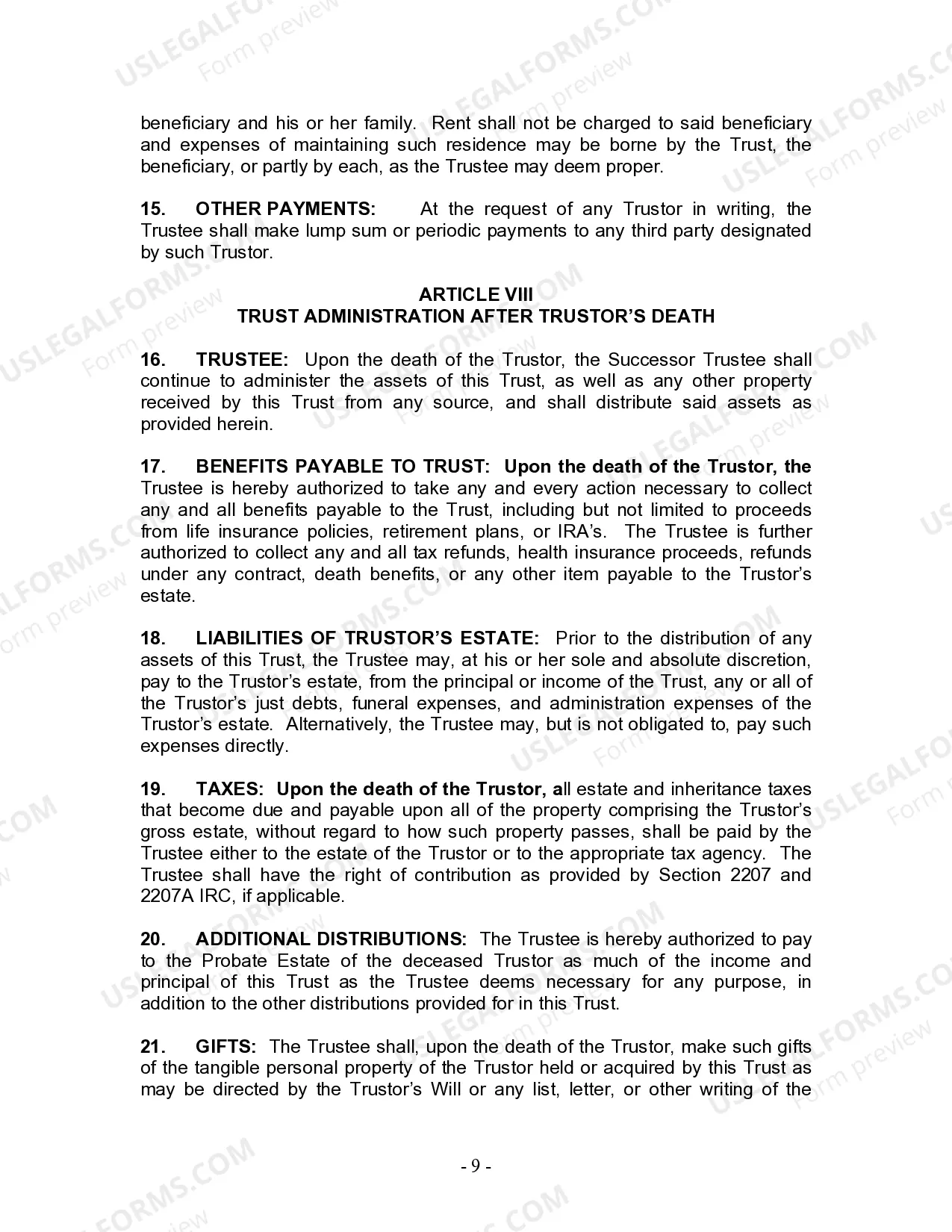
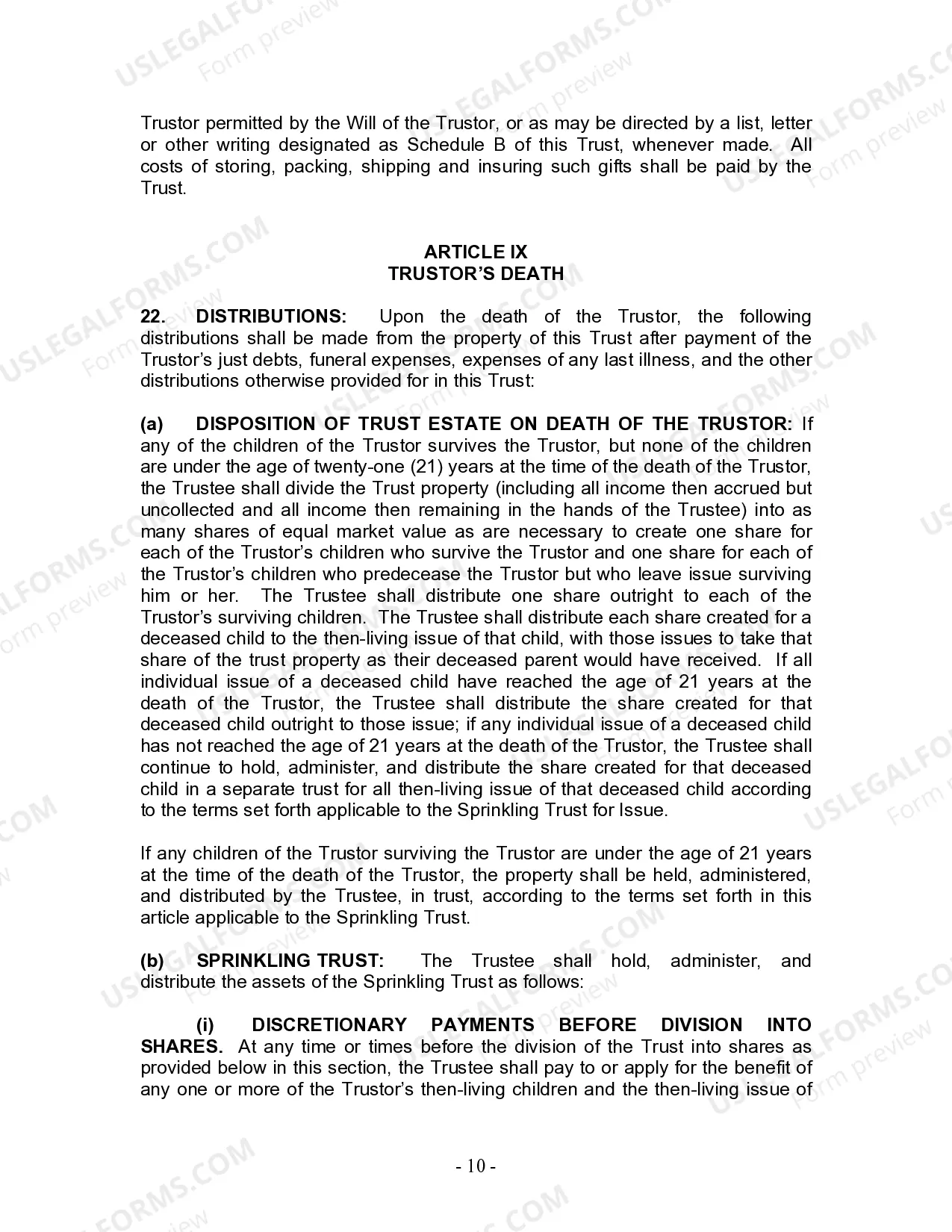



Get your form ready online
Our built-in tools help you complete, sign, share, and store your documents in one place.
Make edits, fill in missing information, and update formatting in US Legal Forms—just like you would in MS Word.
Download a copy, print it, send it by email, or mail it via USPS—whatever works best for your next step.
Sign and collect signatures with our SignNow integration. Send to multiple recipients, set reminders, and more. Go Premium to unlock E-Sign.
If this form requires notarization, complete it online through a secure video call—no need to meet a notary in person or wait for an appointment.
We protect your documents and personal data by following strict security and privacy standards.

Make edits, fill in missing information, and update formatting in US Legal Forms—just like you would in MS Word.

Download a copy, print it, send it by email, or mail it via USPS—whatever works best for your next step.

Sign and collect signatures with our SignNow integration. Send to multiple recipients, set reminders, and more. Go Premium to unlock E-Sign.

If this form requires notarization, complete it online through a secure video call—no need to meet a notary in person or wait for an appointment.

We protect your documents and personal data by following strict security and privacy standards.
Looking for another form?

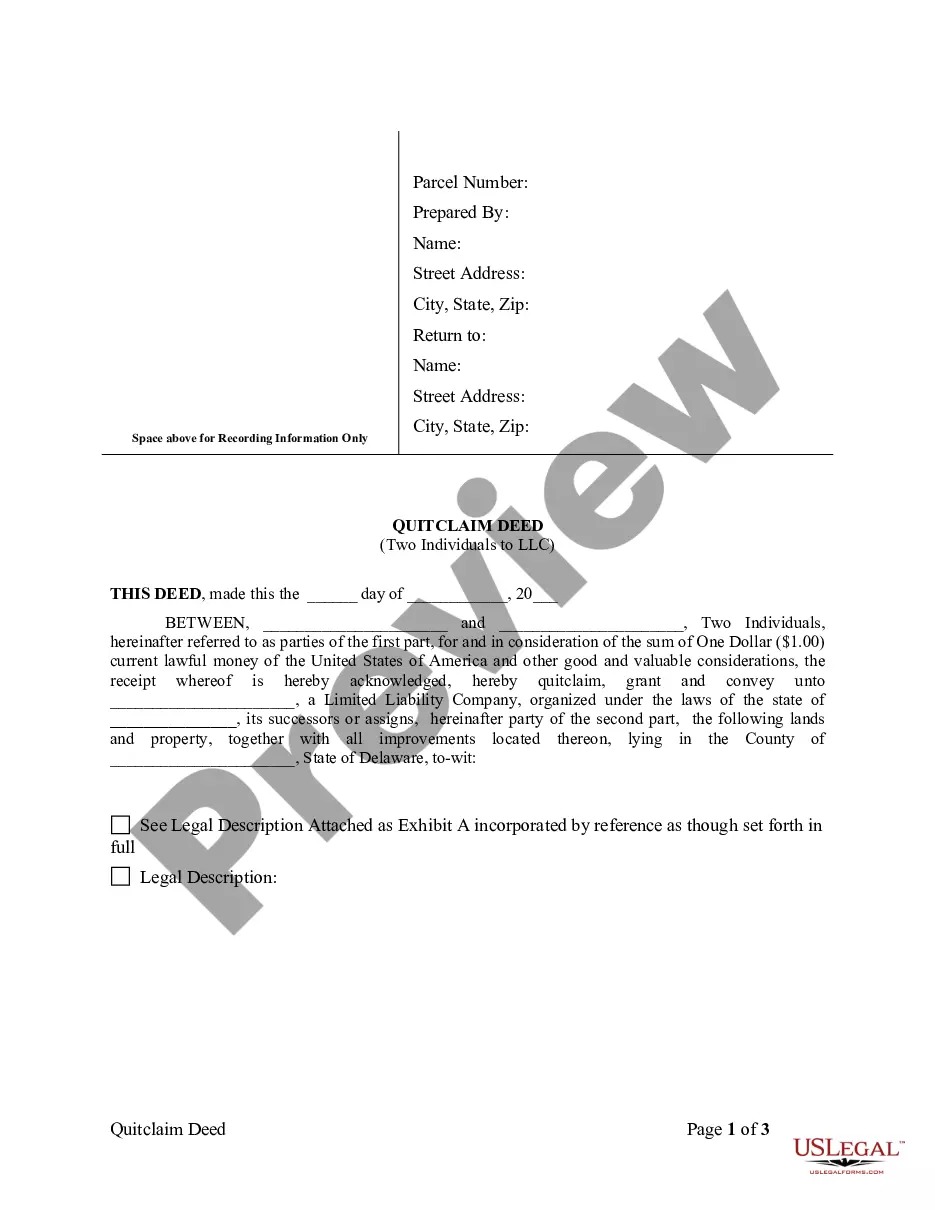

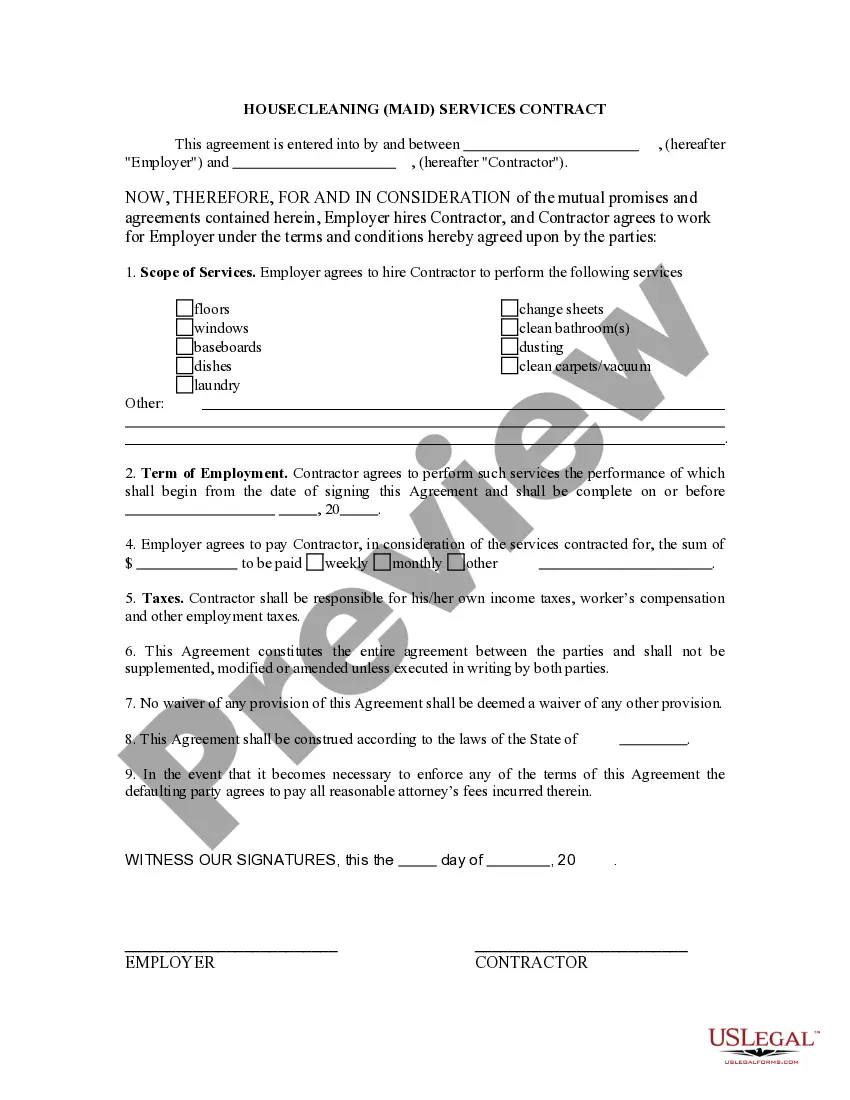




Form popularity
FAQ
Certain assets are typically not suitable for inclusion in a living trust, such as retirement accounts and life insurance policies, unless properly structured. Additionally, vehicles and certain personal belongings can pose challenges when placed in a trust. It is advisable to consult with a legal expert or use resources from uslegalforms to determine which assets are best kept outside your living trust in Louisiana.
One of the biggest mistakes parents make when setting up a trust fund is not being clear about their wishes for asset distribution. Failing to communicate can lead to confusion and conflicts among beneficiaries. Additionally, parents often overlook the need to review and update the trust regularly to reflect life changes. Utilizing services like uslegalforms can help you avoid these pitfalls by providing structured guidance and resources.
In Louisiana, a living trust does not need to be filed with the court, which offers more privacy and control. However, certain assets, like real estate, may require additional steps, such as recording a deed. This allows for clear ownership and management. Engaging with experts through platforms like uslegalforms can help clarify what needs to be recorded to ensure your living trust functions as intended.
To transfer your assets into a living trust, you will need to retitle them in the name of the trust. This includes real estate, bank accounts, and investments, among others. It is important to follow specific procedures for different asset types, ensuring everything aligns with the living trust’s terms. If you need guidance on this, uslegalforms provides useful resources that can help you navigate this process smoothly.
Creating a living trust in Louisiana requires you to draft the trust document according to state laws. Start by detailing your assets, beneficiaries, and appointing a trustee. It's essential to ensure clarity in the terms to avoid future disputes. Utilizing resources from uslegalforms can greatly assist you in this process, simplifying the steps involved in establishing a living trust in Louisiana.
Filling out a living trust involves several key steps. First, you will need to provide your personal information and details about the beneficiaries. Next, specify how you want your assets distributed and name a trustee to manage the trust. For a seamless experience, you might consider using platforms like uslegalforms that offer comprehensive guides and templates for creating a living trust in Louisiana.
Putting your house in a trust may have a few disadvantages to consider. First, there are costs associated with setting up and maintaining the trust. Additionally, if the trust does not have the right provisions, you could affect your ability to claim certain tax benefits. However, many find that the advantages outweigh the drawbacks, especially when planning for the future with a living trust in Louisiana.
While a revocable trust provides flexibility, certain assets may not belong in it. For example, retirement accounts like IRAs or 401(k)s often have specific beneficiary designations, making them unsuitable for a trust. Additionally, assets that require title transfer, such as vehicles, may involve extra steps if added to a living trust in Louisiana. Always consult with your estate planning advisor to determine the best placement for each asset.
To establish a living trust in Louisiana, start by clearly defining your assets and goals for the trust. You can either consult an attorney specializing in estate planning or use a reliable online platform like US Legal Forms to create your trust document. After drafting the trust, you must fund it by transferring your assets into the trust’s name. This process will ensure that your wishes are carried out smoothly and according to Louisiana laws.
A living trust in Louisiana functions by allowing you to place your assets into the trust during your lifetime. You retain control over these assets while you are alive, and you can modify or revoke the trust at any time. Upon your passing, the assets are distributed to your beneficiaries without the need for probate, simplifying the transfer process. This makes a living trust an effective estate planning tool in Louisiana.