Legal Standing
Description
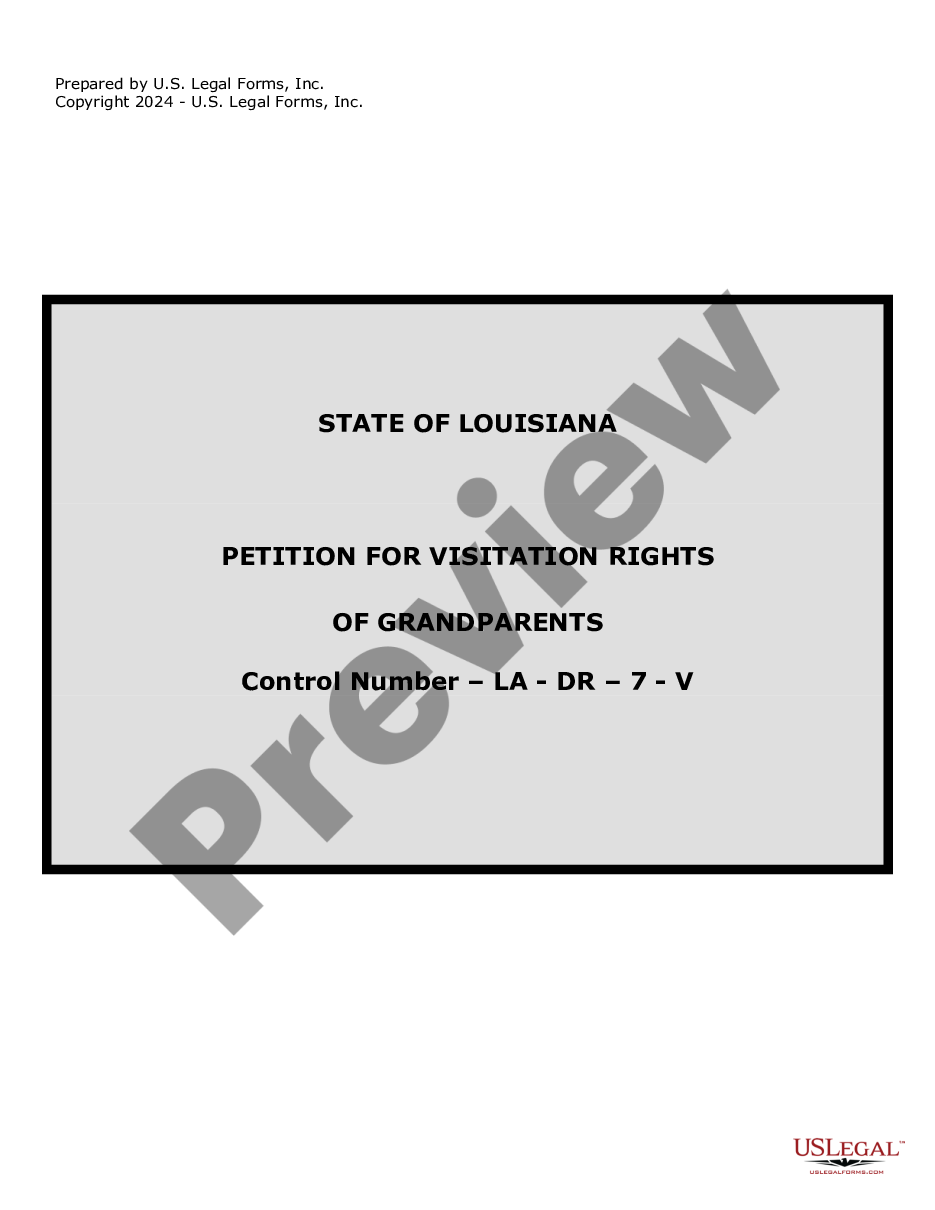
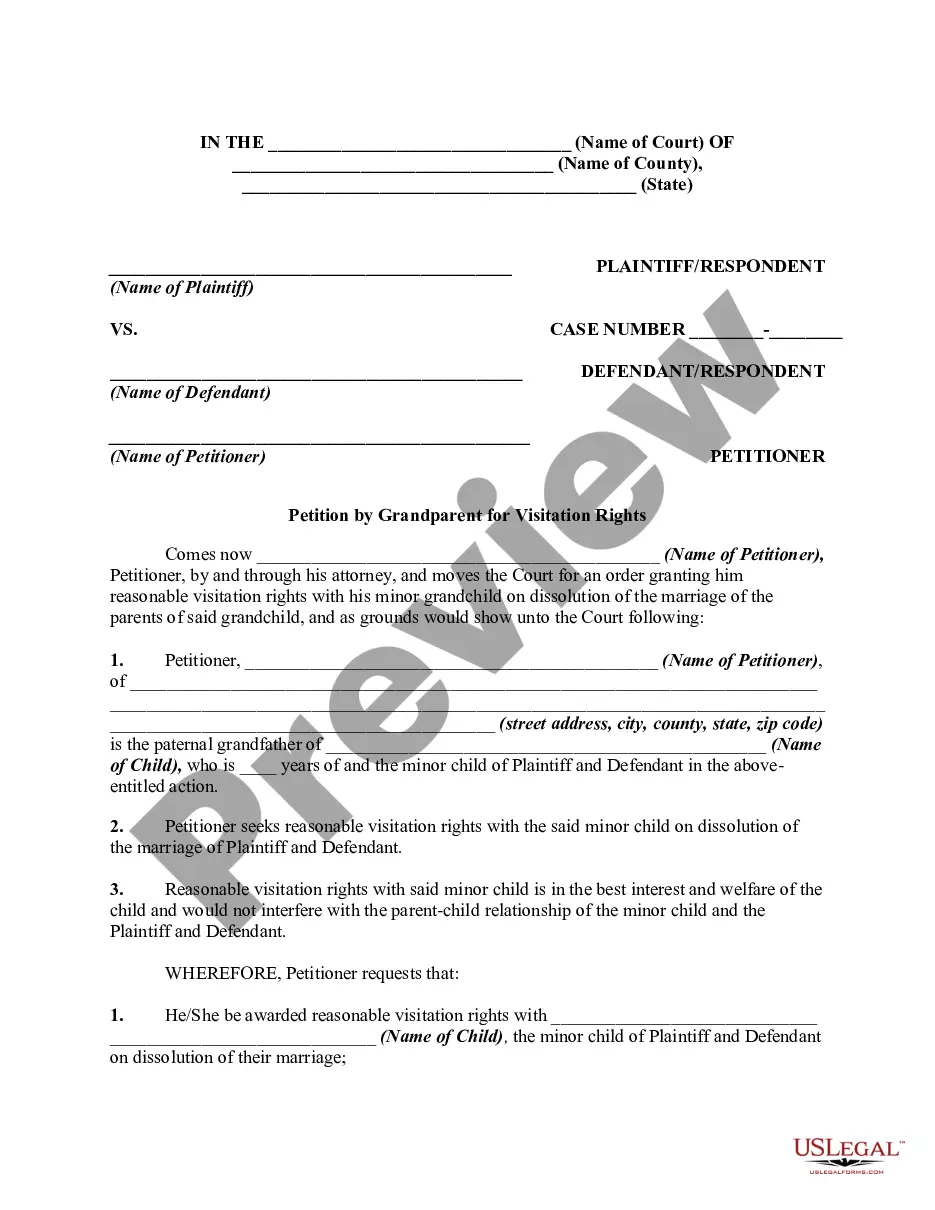
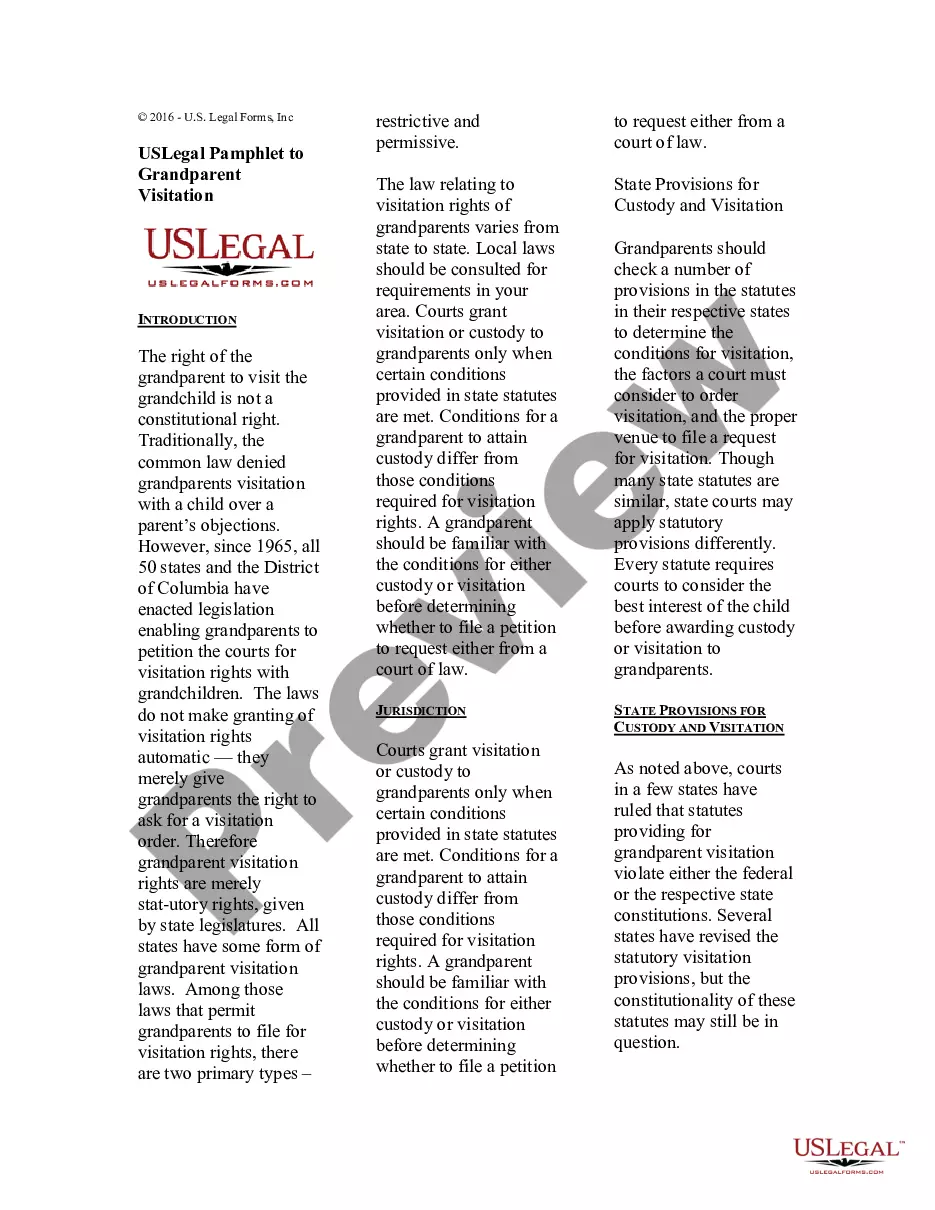
Get your form ready online
Our built-in tools help you complete, sign, share, and store your documents in one place.
Make edits, fill in missing information, and update formatting in US Legal Forms—just like you would in MS Word.
Download a copy, print it, send it by email, or mail it via USPS—whatever works best for your next step.
Sign and collect signatures with our SignNow integration. Send to multiple recipients, set reminders, and more. Go Premium to unlock E-Sign.
If this form requires notarization, complete it online through a secure video call—no need to meet a notary in person or wait for an appointment.
We protect your documents and personal data by following strict security and privacy standards.

Make edits, fill in missing information, and update formatting in US Legal Forms—just like you would in MS Word.

Download a copy, print it, send it by email, or mail it via USPS—whatever works best for your next step.

Sign and collect signatures with our SignNow integration. Send to multiple recipients, set reminders, and more. Go Premium to unlock E-Sign.

If this form requires notarization, complete it online through a secure video call—no need to meet a notary in person or wait for an appointment.

We protect your documents and personal data by following strict security and privacy standards.
Looking for another form?

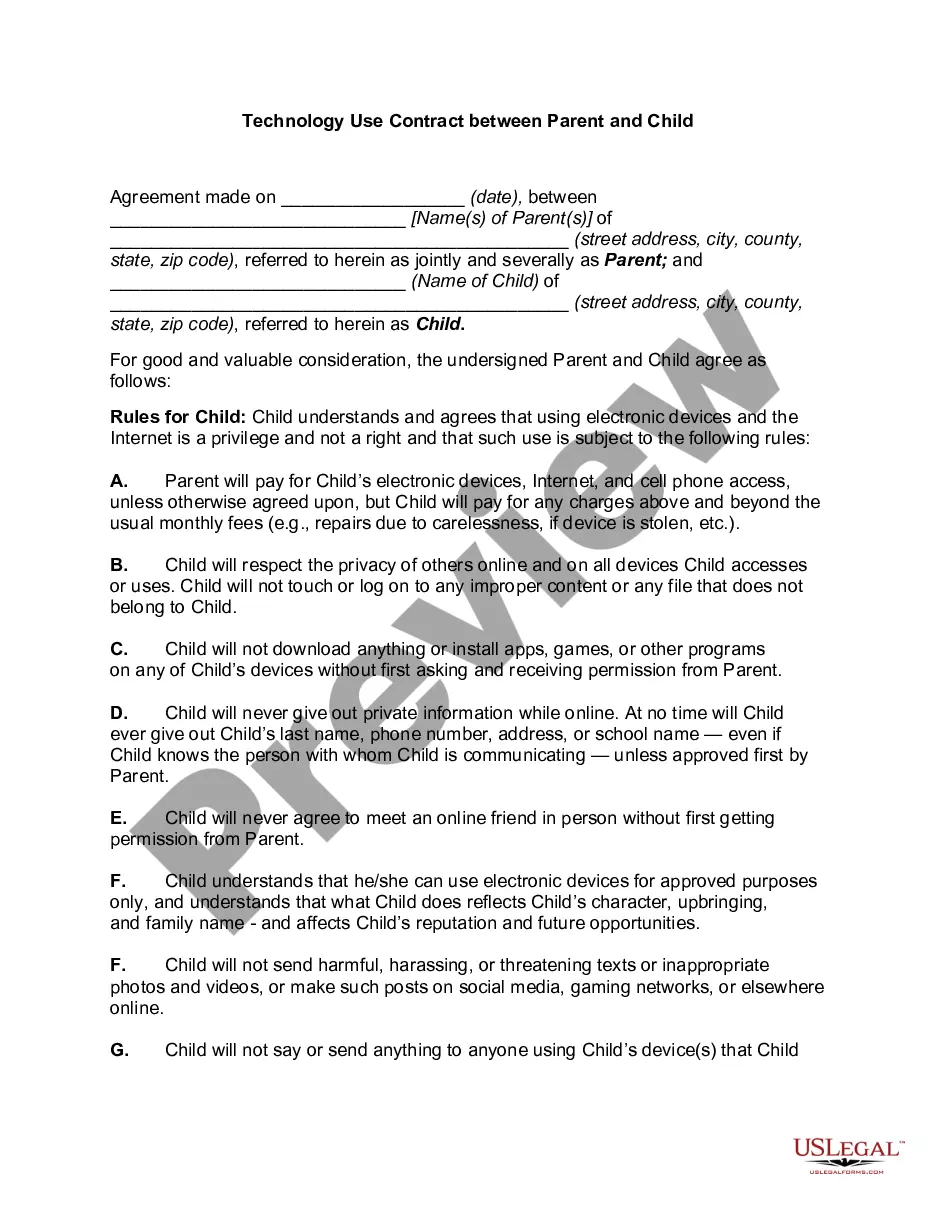




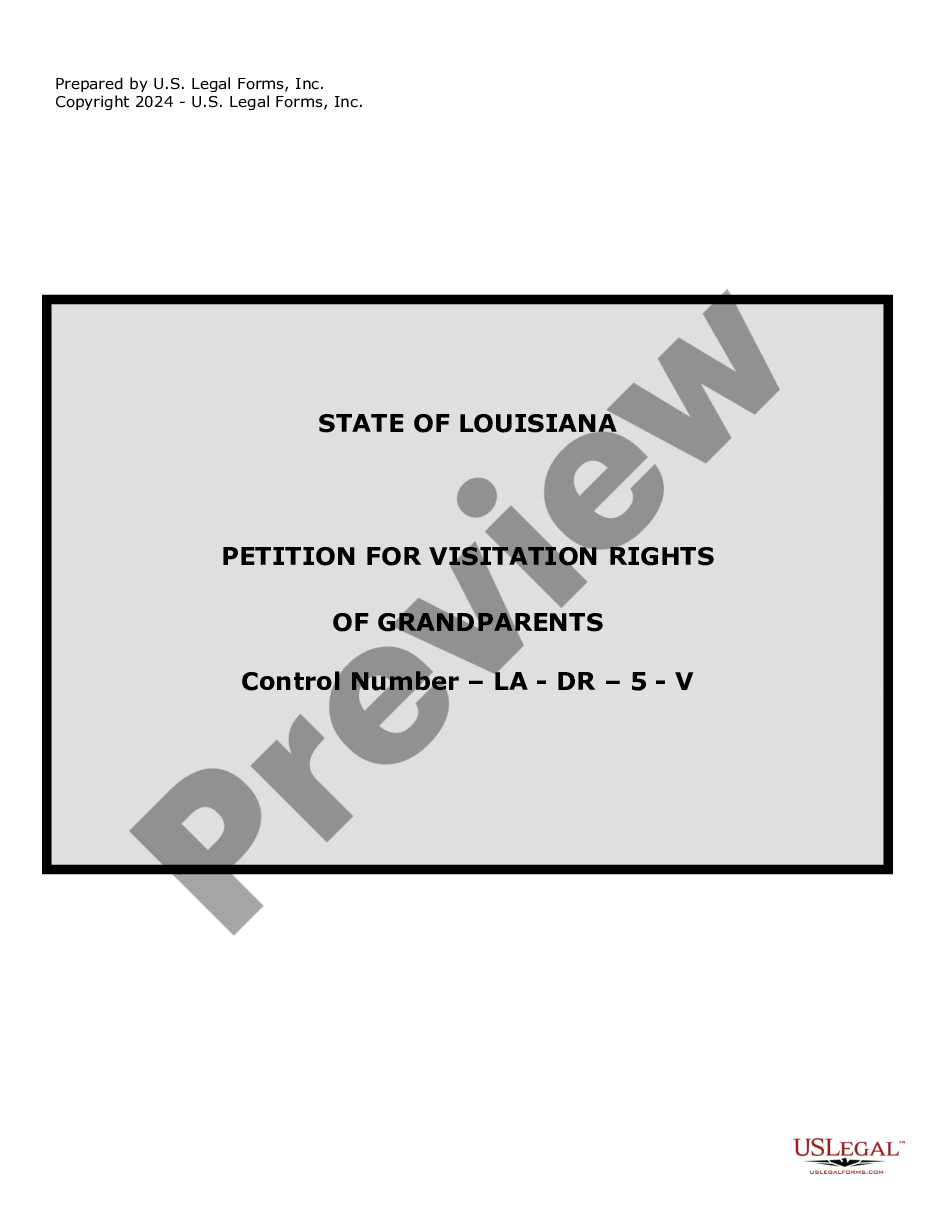
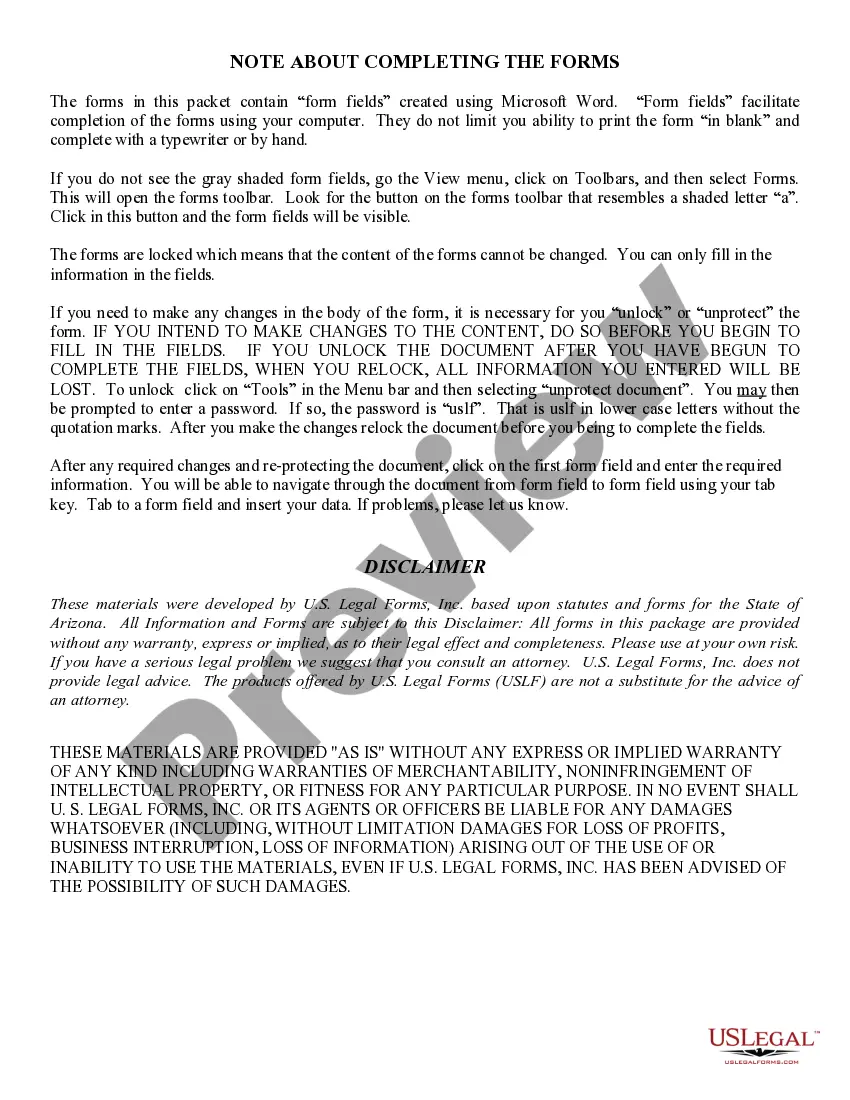
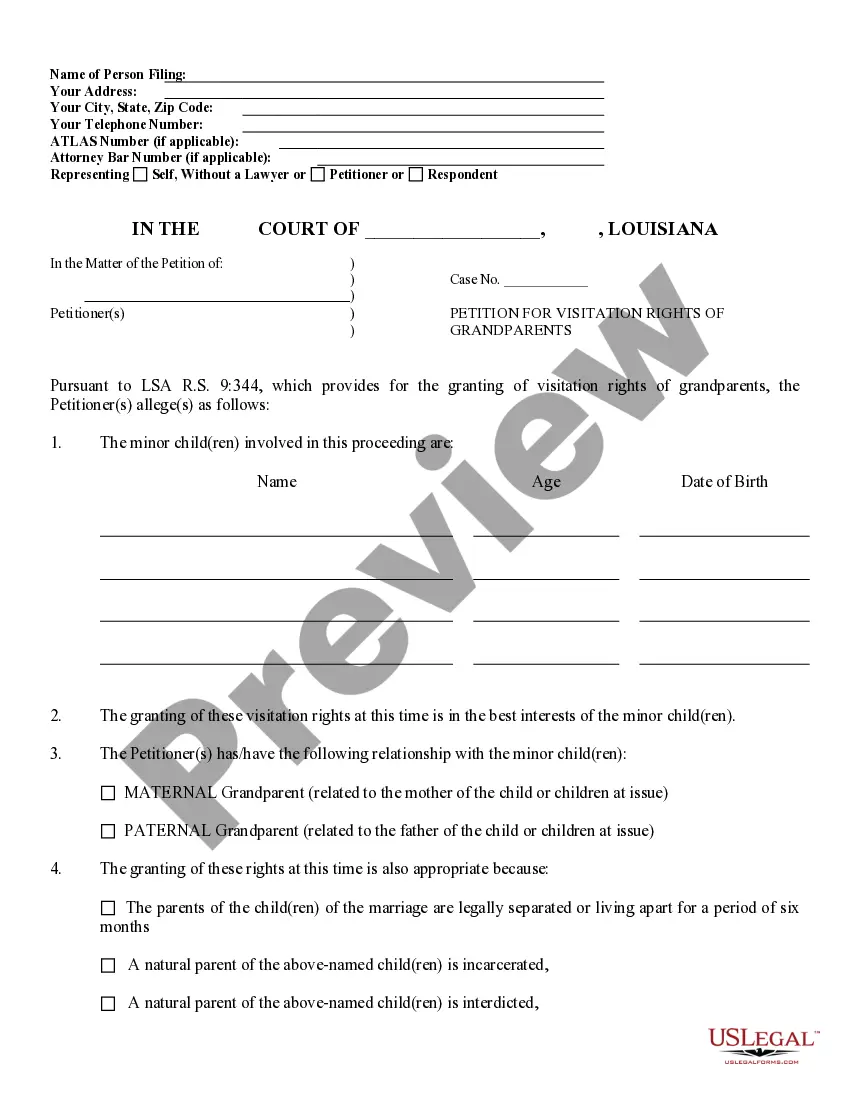
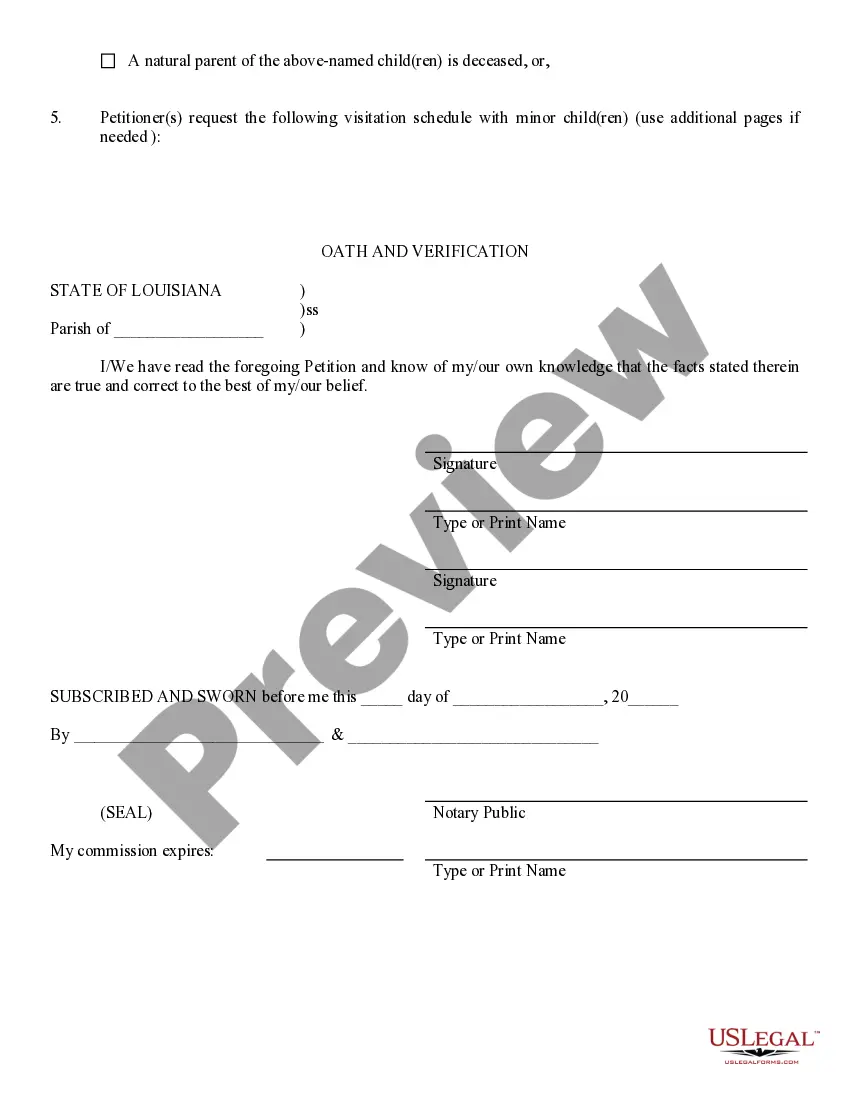
How to fill out Louisiana Petition For Visitation Rights Of Grandparents?
- Log in to your account if you are a returning user. Make sure your subscription is active; renew it if necessary to access all features.
- Explore the preview mode and read the form descriptions carefully. Confirm that the selected template meets your specific needs and complies with your local jurisdiction.
- If you don’t find the right form, utilize the search feature to locate alternative templates that might better suit your requirements.
- Proceed to purchase your chosen document by clicking the Buy Now button, selecting your desired subscription plan, and creating an account if you haven't already.
- Complete your transaction securely using credit card or PayPal to finalize the subscription.
- Once your purchase is confirmed, download the form and save it to your device. You can access it anytime through the 'My Forms' section in your profile.
By following these steps, you can efficiently manage your legal documents and ensure they're crafted to meet legal requirements. With over 85,000 customizable forms at your disposal, US Legal Forms makes the task simple and effective.
Get started today and empower yourself with the right legal resources. Visit US Legal Forms to explore your options!
Form popularity
FAQ
Good legal standing indicates that an individual or organization complies with all relevant laws and regulations. This status is essential for conducting legal activities or pursuing claims within the court system. Achieving good legal standing shows that you have fulfilled all necessary requirements, paving the way for a smoother legal process. Platforms like uslegalforms can help you ensure that you maintain good legal standing.
Formal legal standing is a specific recognition by the court that grants a person or entity the right to participate in a legal action. It often involves satisfying certain criteria set by law or precedent. Establishing formal legal standing ensures that your case is heard and considered. If you are unsure of your standing, seeking guidance through platforms like uslegalforms can be very beneficial.
A standing order legal typically involves a court directive that remains in effect until it is modified or canceled by the court. This type of order can relate to financial arrangements, such as automatic payments, or ongoing legal obligations. It helps individuals manage their legal responsibilities efficiently. Always ensure you comprehend the terms of a standing order to avoid potential issues.
Legal standing refers to the ability of a person or entity to demonstrate a vested interest in a legal matter. It establishes whether an individual has the right to bring a lawsuit or participate in a court case. This means you must show that you are directly affected by the issue at hand. Understanding legal standing is crucial for effectively navigating the legal system.
Legal standing generally comes in three forms: individual, organizational, and statutory standing. Individual standing arises when an individual demonstrates personal injury from an action. Organizational standing occurs when an organization can show that its members have experienced harm. Statutory standing depends on whether a statute provides a right to sue, allowing certain individuals or groups to bring forth legal action based on the law.
To establish legal standing, a plaintiff must meet three crucial requirements. They must show they have experienced an injury in fact, which is a concrete and particularized harm. Next, they need to illustrate that the injury is fairly traceable to the challenged action of the defendant. Finally, the plaintiff must prove that it is likely the court can provide a remedy for the injury, thereby justifying their legal standing.
Legal standing refers to a party's ability to demonstrate sufficient connection to a challenge or harm in order to pursue judicial relief. Essentially, it provides the legal authority for individuals or entities to bring a case to court. Without proper legal standing, the court may dismiss the case, so understanding this concept is pivotal for anyone considering legal action.
Legal standing in law consists of three essential elements. First, the individual must demonstrate injury, meaning they have suffered a specific harm. Second, there must be a causal connection between that injury and the conduct of the opposing party. Lastly, the claim should be redressable, indicating that the court can provide a remedy that alleviates the injury.
The three requirements for legal standing are having a concrete injury, a direct connection between that injury and the action being challenged, and the ability for the court to provide a remedy. This principle ensures that only those genuinely impacted by legal issues can assert their claims in court. Gaining clarity on these requirements can empower you in your legal endeavors.
Good standing refers to the status of an organization, indicating it has met all legal requirements to operate. To maintain good standing, organizations must fulfill state regulations, file necessary reports, and remain compliant with local laws. Ensuring good standing is vital for accessing various legal rights and benefits, which is where USLegalForms can provide invaluable guidance.