Grandparents Baby
Description
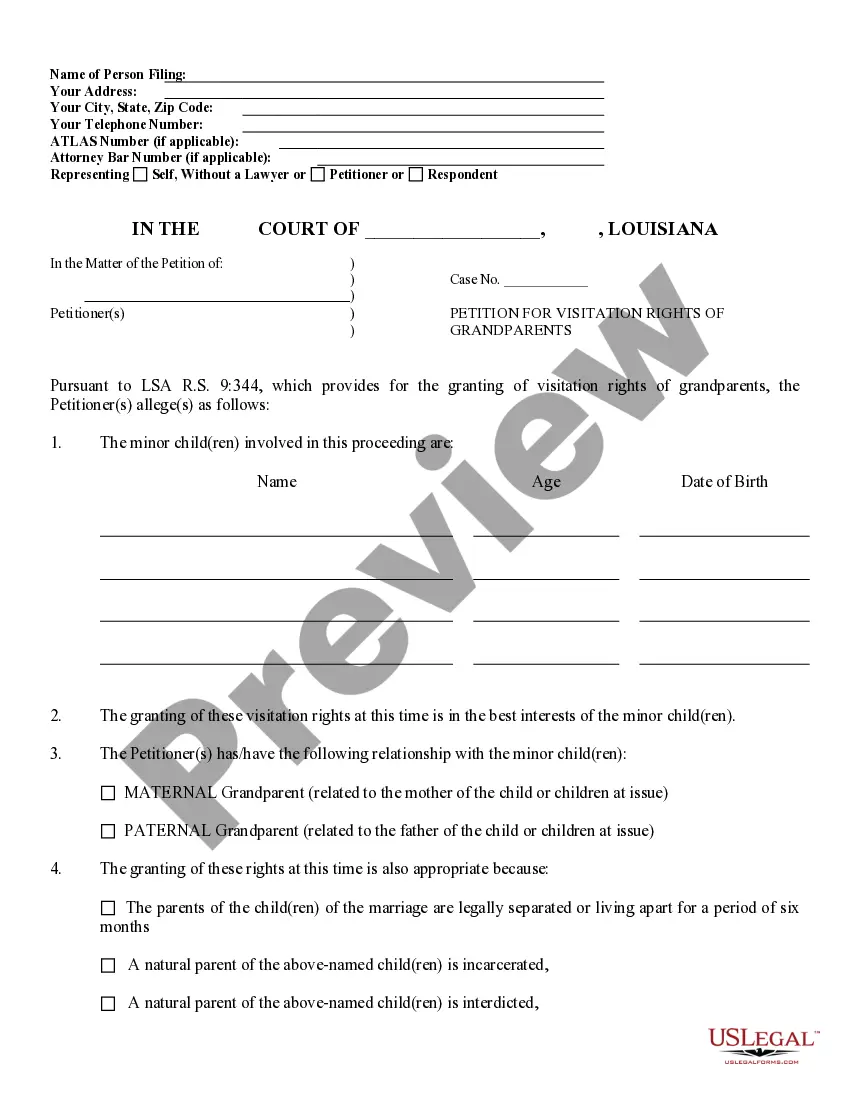
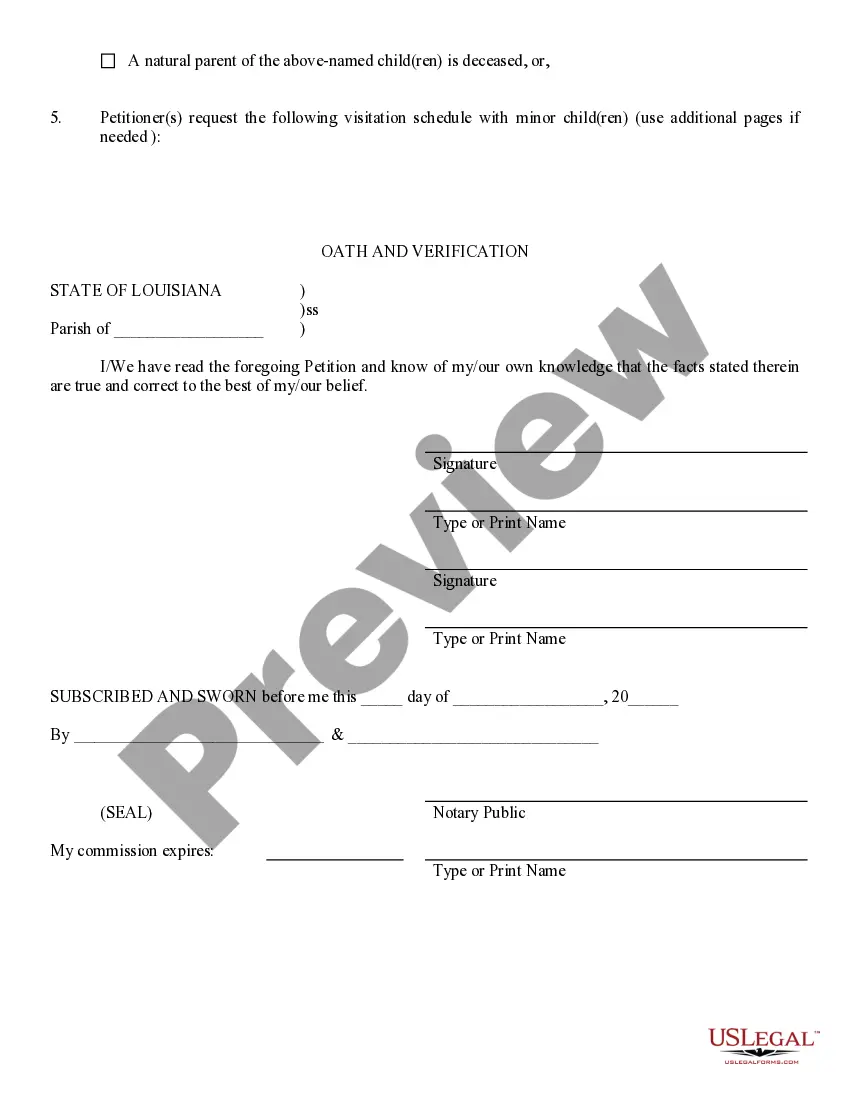
Get your form ready online
Our built-in tools help you complete, sign, share, and store your documents in one place.
Make edits, fill in missing information, and update formatting in US Legal Forms—just like you would in MS Word.
Download a copy, print it, send it by email, or mail it via USPS—whatever works best for your next step.
Sign and collect signatures with our SignNow integration. Send to multiple recipients, set reminders, and more. Go Premium to unlock E-Sign.
If this form requires notarization, complete it online through a secure video call—no need to meet a notary in person or wait for an appointment.
We protect your documents and personal data by following strict security and privacy standards.

Make edits, fill in missing information, and update formatting in US Legal Forms—just like you would in MS Word.

Download a copy, print it, send it by email, or mail it via USPS—whatever works best for your next step.

Sign and collect signatures with our SignNow integration. Send to multiple recipients, set reminders, and more. Go Premium to unlock E-Sign.

If this form requires notarization, complete it online through a secure video call—no need to meet a notary in person or wait for an appointment.

We protect your documents and personal data by following strict security and privacy standards.
Looking for another form?






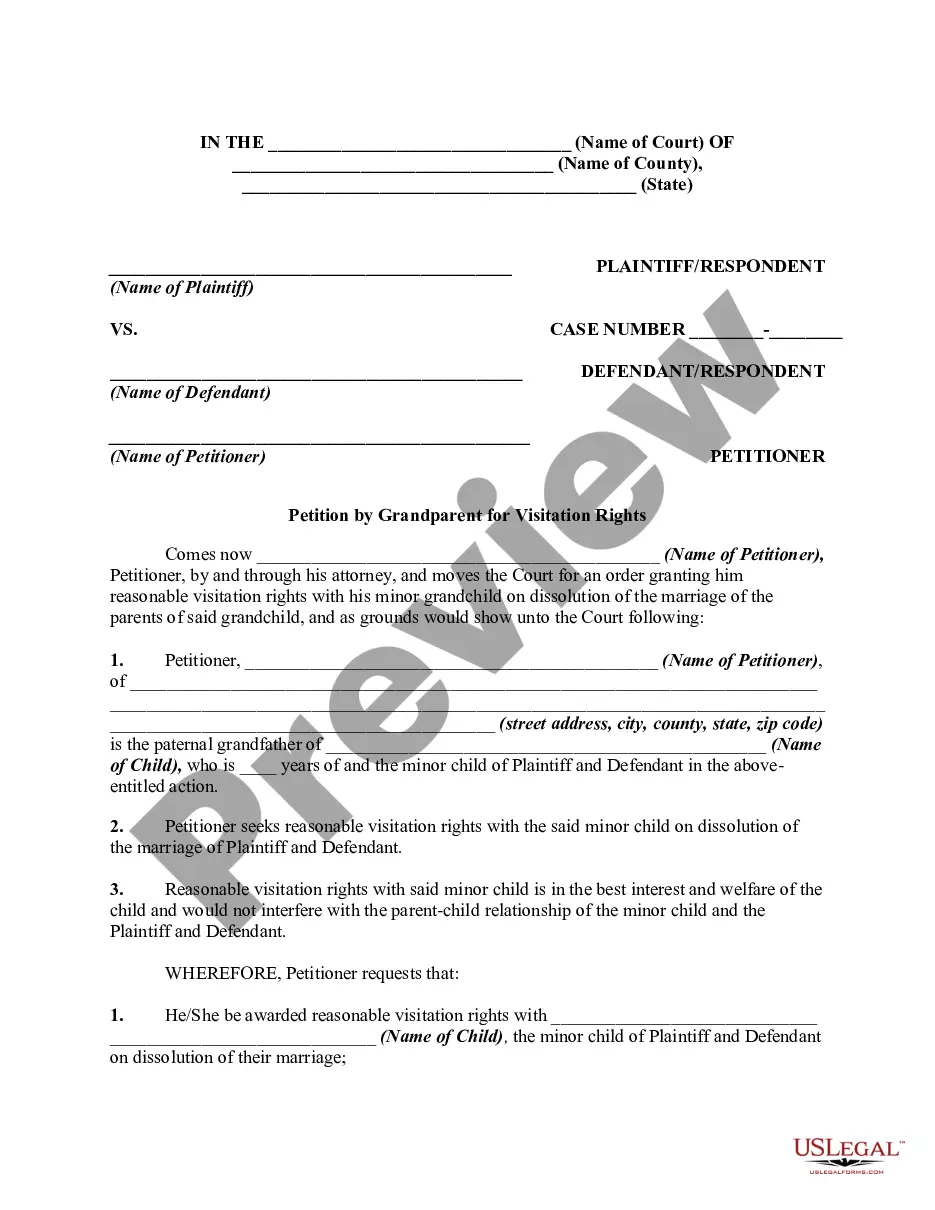
How to fill out Louisiana Petition For Visitation Rights Of Grandparents?
- If you are a returning user, log in to your account and download the required form by clicking the Download button. Ensure your subscription is active; if not, renew it based on your payment plan.
- For new users, begin by reviewing the Preview mode and form description. Confirm that you have selected the correct document that aligns with your needs and complies with your local jurisdiction.
- If the initial template is unsuitable, use the Search tab to find a more appropriate one. When you find the right template, proceed to the next step.
- Purchase the document by clicking on the Buy Now button. Choose the subscription plan that best fits your requirements and create an account to unlock our full library.
- Complete your purchase by entering your credit card information or utilizing your PayPal account for payment.
- Download the form to your device and access it anytime via the My Forms menu where it will be stored.
In conclusion, US Legal Forms empowers you to take charge of legal matters efficiently and effectively. With a vast collection of over 85,000 forms and expert assistance available, you can confidently create legal documents that meet your needs. Start your journey today and secure your grandparents' rights with reliable legal documentation!
Don't wait—take advantage of US Legal Forms to ensure everything is in order for your family's future.
Form popularity
FAQ
Typically, grandparents may visit a newborn within the first few weeks, but this duration can depend on health circumstances and family preferences. Early visits are critical for building a strong family connection. Communicating openly with the parents ensures everyone feels comfortable and informed. If you are navigating these early visits, consider using resources like US Legal Forms to help with any legal questions or arrangements.
Newborns can often be introduced to close family members within the first few weeks after birth, considering their health status. It's essential to maintain a clean and safe environment during these interactions to protect the baby from illness. Gradual exposure to more people can occur as the baby grows stronger and develops their immune system. Grandparents should always check in with parents about appropriate visiting practices.
The golden rule for grandparents is to show love and support without crossing boundaries set by parents. Encouraging positive interactions fosters a nurturing environment for the grandchild. Remember, your role is to support your child's parenting decisions while creating enjoyable moments with your grandchild. Embrace this unique connection through shared experiences and open communication.
Yes, babies inherit genes from both parents and also receive genes from their grandparents. This genetic transfer contributes to various traits, like physical appearance and potential health conditions. While not all traits are directly visible, the influence of grandparents is significant in shaping a child's genetic makeup. If you have questions about family health history, consider discussing this with family members.
On average, grandparents might see their grandchildren a few times a month, but this varies widely by family dynamics. Some grandparents live nearby and have frequent visits, while others may be further away and connect through video calls. Regardless of the frequency, each interaction is valuable for strengthening relationships. As a grandparent, set aside time regularly to spend meaningful moments with your grandchildren.
Grandparents often can visit a newborn within the first few weeks after birth, depending on the health of both the baby and the parents. Early visits can help establish a connection between grandparents and the baby. It's important to follow the family's preferences regarding visits to ensure a comfortable experience. If you're a grandparent eager to meet your new grandchild, consider discussing a suitable time with the parents.
Typically, grandchildren begin to show less interest in their grandparents around the age of 8 to 12 years. However, this can vary significantly based on the quality of the relationship and the time spent together. Maintaining consistent interaction through shared activities can keep the bond strong. If you are a grandparent, be proactive in reaching out to your grandchildren, as their early years can define a lifelong relationship.
To announce you are going to be a grandma, consider hosting a family gathering or sending out personalized cards. You might share the news with a small gift that symbolizes your new role, such as a 'Grandma' coffee mug. This special announcement can create lasting memories as the family anticipates the arrival of the newest member.
Sharing your pregnancy at 7 weeks is a personal decision. Many choose to wait for various reasons, but if you feel comfortable, you can tell the grandparents. They can provide support and share in your excitement during this early stage of your pregnancy. Trust your instincts and consider their feelings when making this announcement.
To tell grandparents you're having a baby, create a thoughtful moment during a family gathering. Use casual conversation to lead into the announcement, or even prepare a fun surprise like a cake that reads, 'You're going to be grandparents!' This approach not only respects their role but also builds excitement about the upcoming addition to the family.