Real Estate Leasing
Description
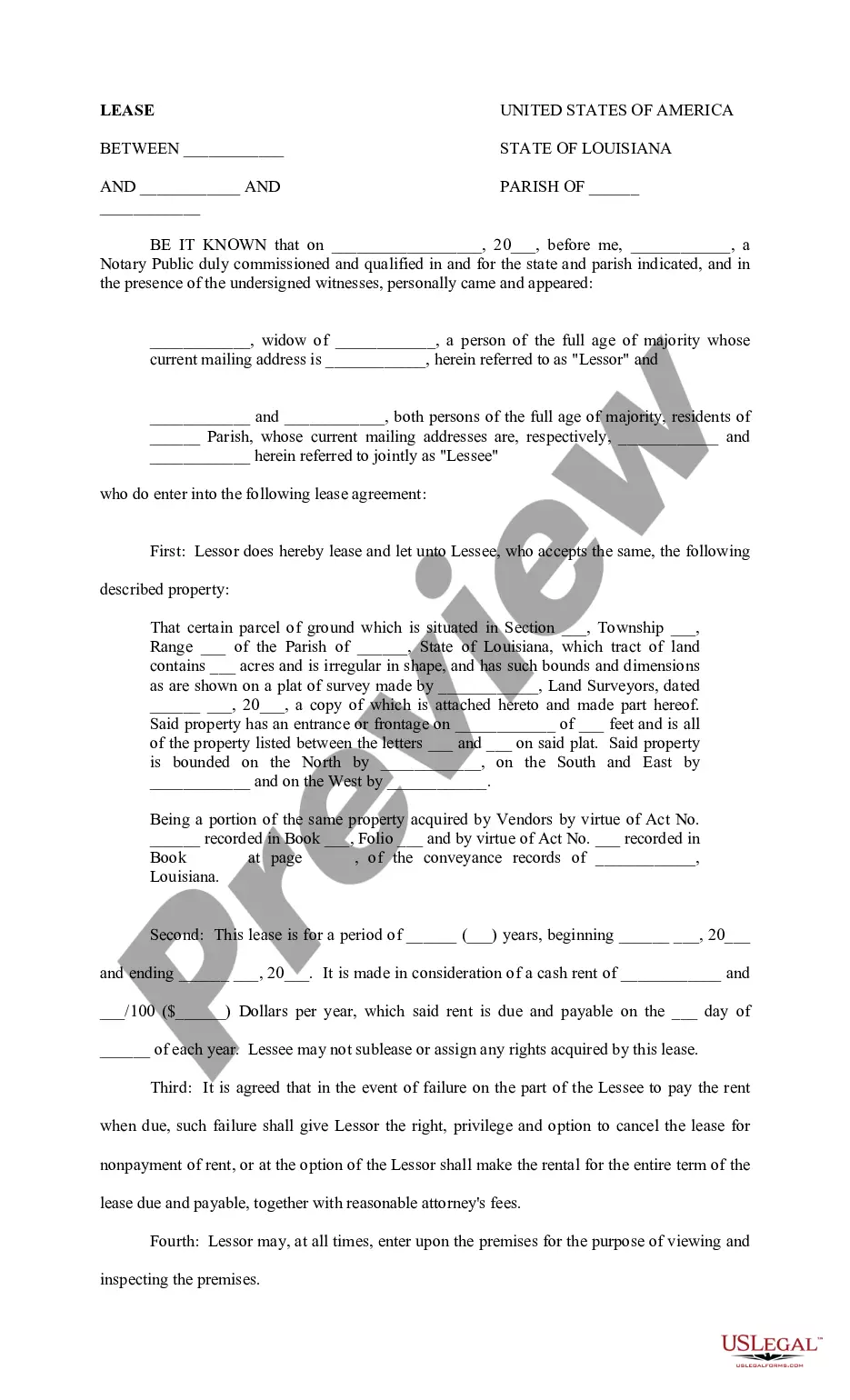
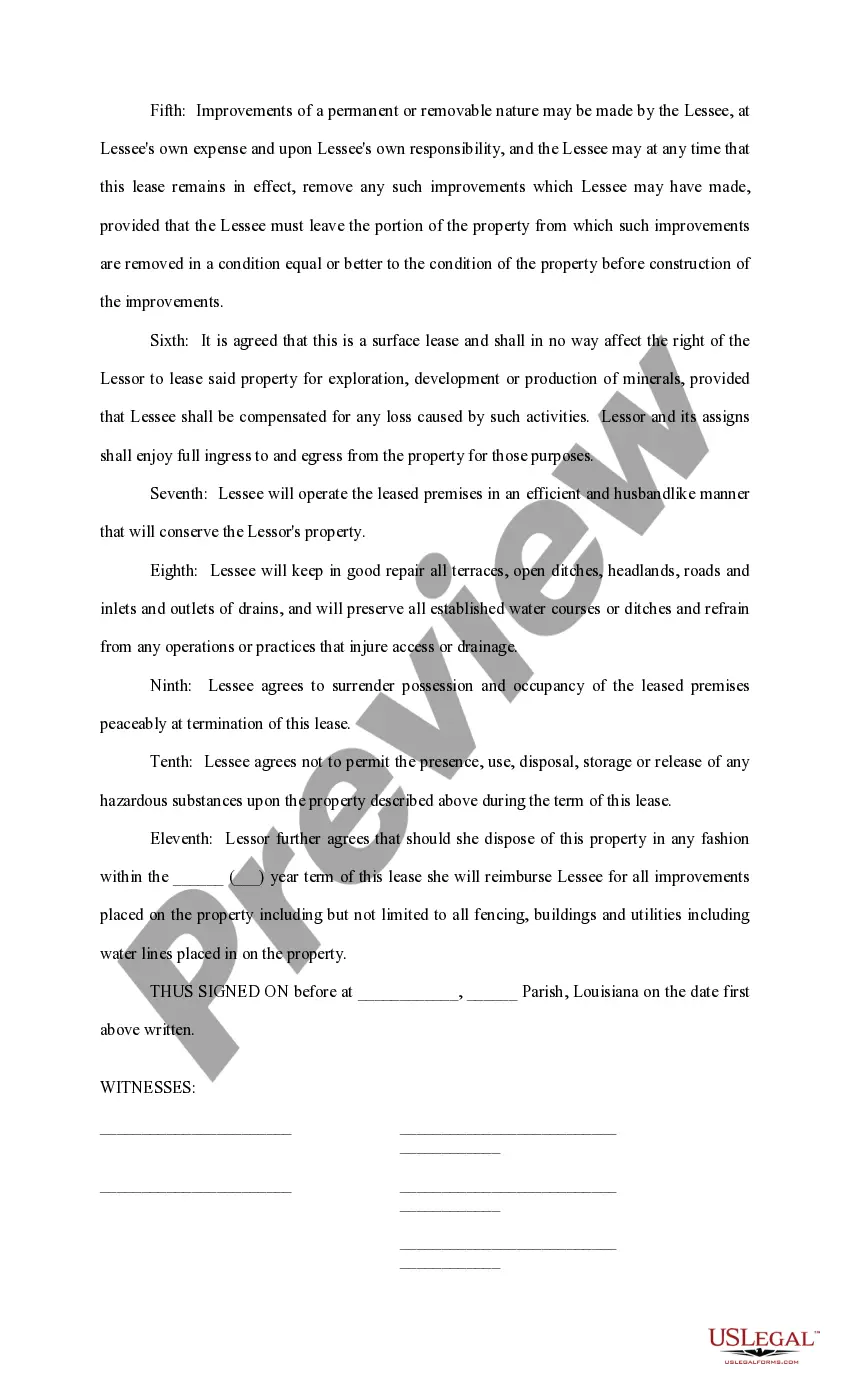
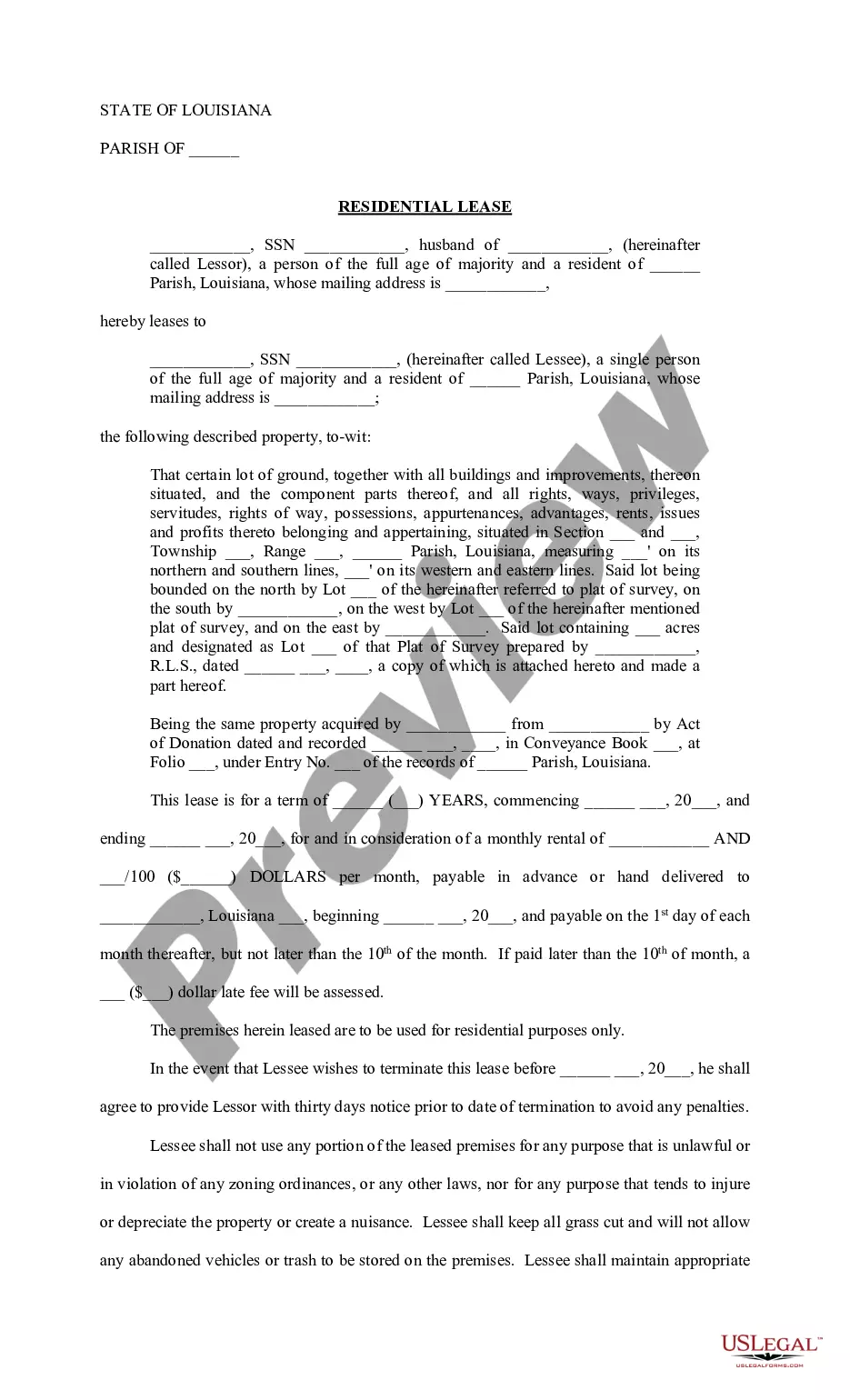
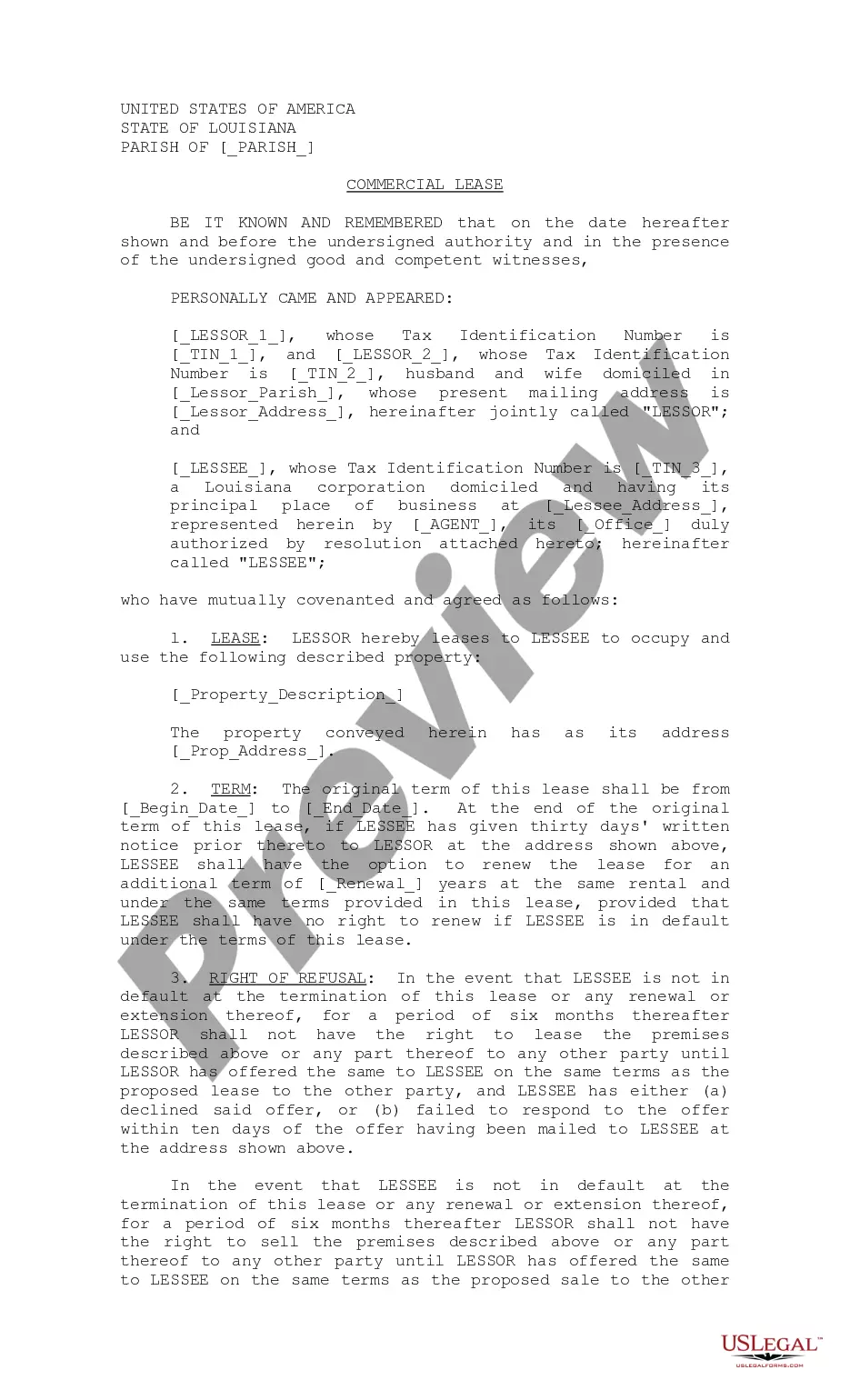
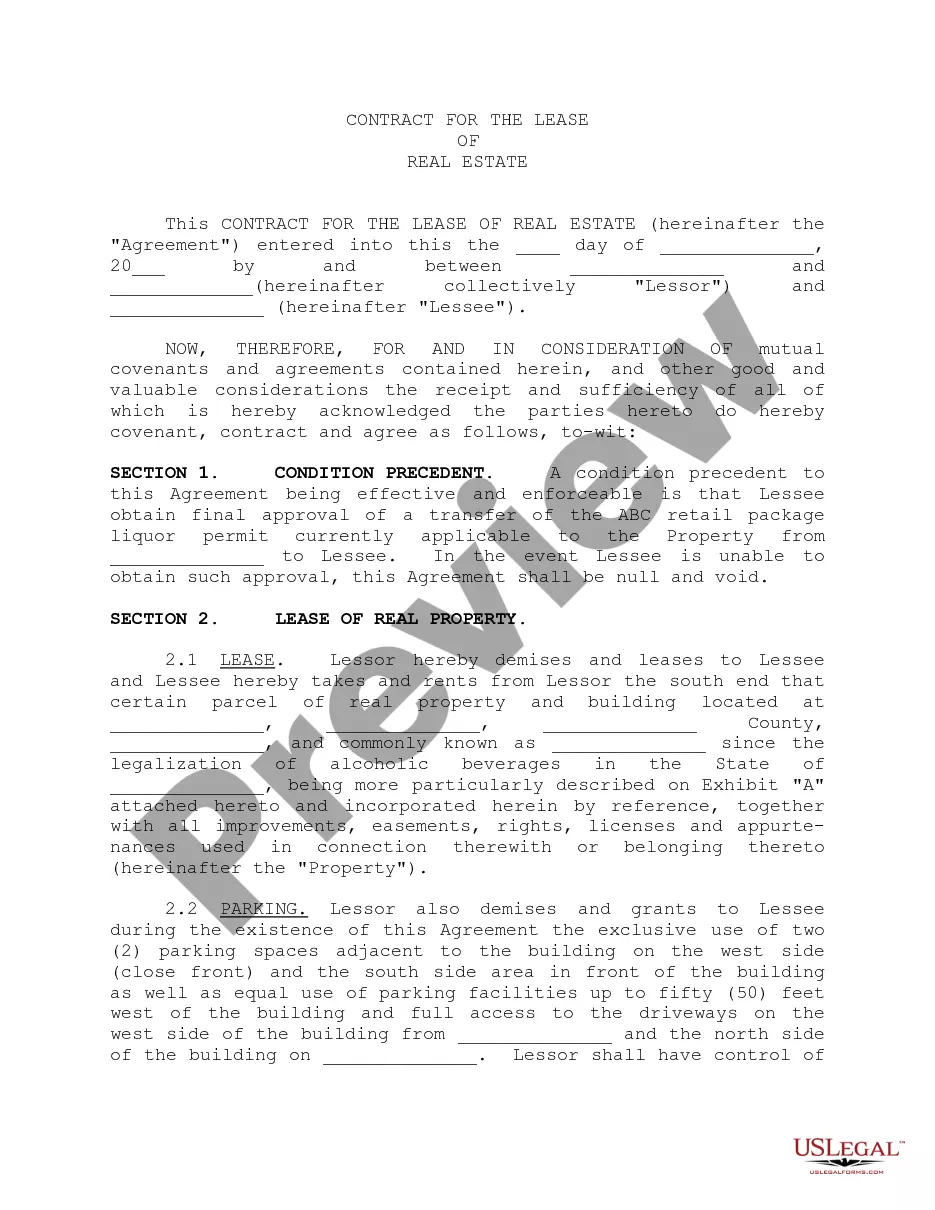
Get your form ready online
Our built-in tools help you complete, sign, share, and store your documents in one place.
Make edits, fill in missing information, and update formatting in US Legal Forms—just like you would in MS Word.
Download a copy, print it, send it by email, or mail it via USPS—whatever works best for your next step.
Sign and collect signatures with our SignNow integration. Send to multiple recipients, set reminders, and more. Go Premium to unlock E-Sign.
If this form requires notarization, complete it online through a secure video call—no need to meet a notary in person or wait for an appointment.
We protect your documents and personal data by following strict security and privacy standards.

Make edits, fill in missing information, and update formatting in US Legal Forms—just like you would in MS Word.

Download a copy, print it, send it by email, or mail it via USPS—whatever works best for your next step.

Sign and collect signatures with our SignNow integration. Send to multiple recipients, set reminders, and more. Go Premium to unlock E-Sign.

If this form requires notarization, complete it online through a secure video call—no need to meet a notary in person or wait for an appointment.

We protect your documents and personal data by following strict security and privacy standards.
Looking for another form?








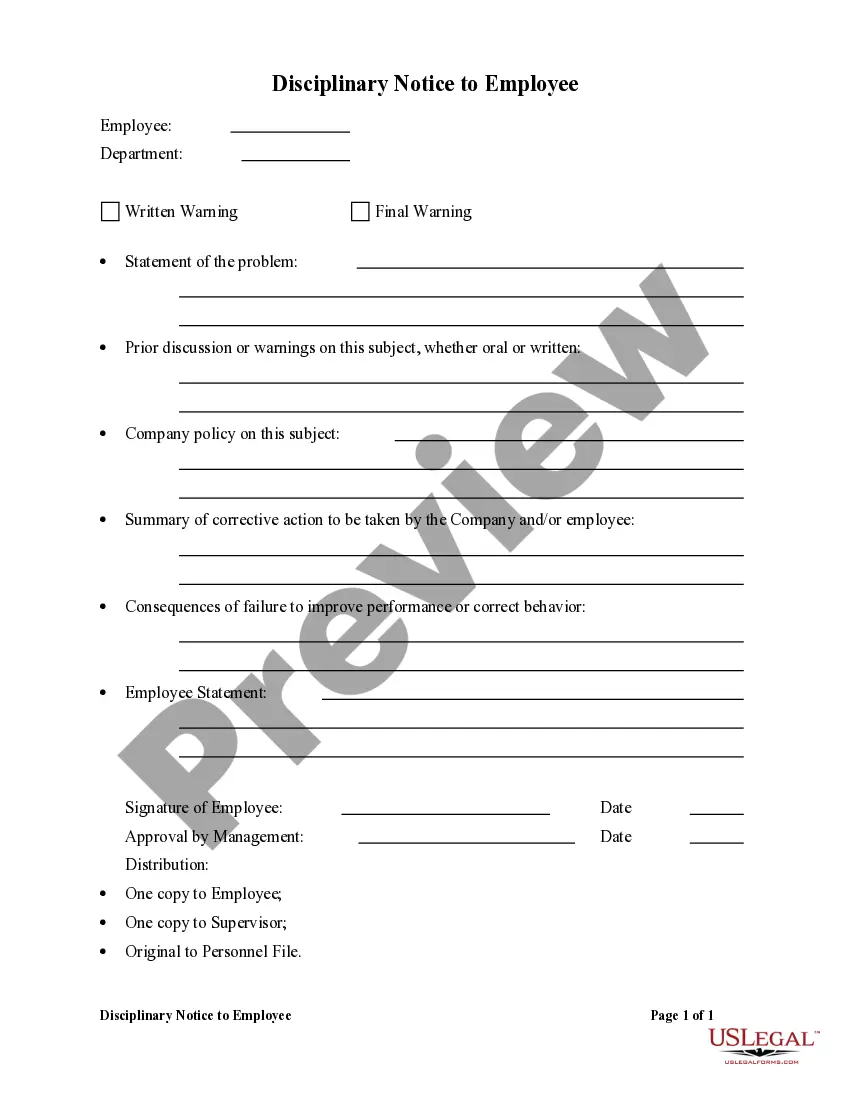

How to fill out Louisiana Real Estate Lease?
- Ensure you have an active subscription. If you're a returning user, log in to access your account and download the desired template. If your subscription has expired, make sure to renew it based on your payment plan.
- Browse the form library. If you're new to US Legal Forms, first check the Preview mode and form descriptions to find the right document that aligns with your specific leasing needs and complies with local regulations.
- Use the Search tab for additional options. If the initial choice doesn't meet your requirements, you can search for other templates until you find the perfect one.
- Purchase your chosen document. Click on the Buy Now button, select your preferred subscription plan, and create an account to unlock the vast library of resources.
- Complete your purchase. Enter your payment information using either a credit card or PayPal to finalize your subscription.
- Download your form. Once purchased, save the template to your device and access it anytime via the My Forms section of your profile.
By following these steps, you'll empower yourself to effectively manage your real estate leasing needs with the assistance of US Legal Forms. This platform features an extensive online library with over 85,000 legal forms and packages, ensuring you'll find what you need.
Take advantage of the expert support available to ensure your documents are accurate and legally compliant. Start today and simplify your legal processes!
Form popularity
FAQ
In some cases, yes, you can claim rental expenses on your state taxes, depending on local laws. If you use a portion of your home for business, for example, you might be eligible for certain deductions. However, it’s crucial to check your state's specific requirements. Understanding these regulations helps you maximize opportunities in real estate leasing.
If you fail to report rental income, you may face legal repercussions, including fines or audits from the IRS. Although many look for loopholes, the reality is that all rental income must be reported. Engaging in real estate leasing requires transparency to maintain compliance. Doing so not only keeps you safe but also aligns with best practices in property management.
Yes, owning rental property can offer various tax advantages. Expenses such as mortgage interest, property taxes, and maintenance can often be deducted. When you navigate the world of real estate leasing, these deductions can significantly reduce your taxable income. Taking advantage of these benefits is crucial for maximizing your investment's potential.
The 2% rule is not necessarily outdated, but its applicability depends on evolving real estate markets. While it remains a useful benchmark for many investors, some may find better insights from alternative metrics in today's landscape. It is important to stay informed on current market conditions and to adapt your strategies when engaging in real estate leasing.
To secure a real estate lease, start by identifying the type of property you need and the location that suits your needs. Once you have found potential properties, you will typically need to submit an application and provide necessary documentation. Using platforms like uslegalforms can simplify the lease process, providing you with ready-to-use templates and legal guidance.
The realism of the 2% rule varies by market and property type. In highly competitive areas, achieving this benchmark may be challenging, making the goal more aspirational than practical. However, as you explore various neighborhoods and property types, you can find opportunities that align with the 2% rule, especially in real estate leasing scenarios.
To achieve $100,000 in your first year in real estate, focus on understanding the fundamentals of real estate leasing and sales. You should engage in networking and building relationships with potential clients and colleagues. Consider investing in real estate education, and always be ready to adapt your strategies based on market trends and feedback.
Whether leasing is better than renting largely depends on individual circumstances and preferences. Leasing provides long-term stability, which can be appealing for those who do not wish to move frequently. Conversely, renting can offer flexibility, allowing individuals to adapt their living situations easily. To find the best option for you, consider how real estate leasing aligns with your lifestyle and goals.
In real estate, leasing refers to an agreement where one party grants another the right to use a property for a specific period in exchange for payment. This legal agreement outlines the terms and responsibilities of both parties, creating a stable arrangement for occupants. Real estate leasing is a common method for individuals and businesses alike seeking a reliable place to reside or operate. Understanding this concept can aid your decision-making process.
Determining whether it is cheaper to rent or lease an apartment depends on various factors, including location and rental market conditions. Typically, leasing may provide lower monthly rates since you commit for a longer term. However, renting could be more economical in areas with high demand, where short-term costs are more competitive. Evaluate all your options and consider how real estate leasing fits into your budget.