Bail For Domestic Violence
Description

Get your form ready online
Our built-in tools help you complete, sign, share, and store your documents in one place.
Make edits, fill in missing information, and update formatting in US Legal Forms—just like you would in MS Word.
Download a copy, print it, send it by email, or mail it via USPS—whatever works best for your next step.
Sign and collect signatures with our SignNow integration. Send to multiple recipients, set reminders, and more. Go Premium to unlock E-Sign.
If this form requires notarization, complete it online through a secure video call—no need to meet a notary in person or wait for an appointment.
We protect your documents and personal data by following strict security and privacy standards.

Make edits, fill in missing information, and update formatting in US Legal Forms—just like you would in MS Word.

Download a copy, print it, send it by email, or mail it via USPS—whatever works best for your next step.

Sign and collect signatures with our SignNow integration. Send to multiple recipients, set reminders, and more. Go Premium to unlock E-Sign.

If this form requires notarization, complete it online through a secure video call—no need to meet a notary in person or wait for an appointment.

We protect your documents and personal data by following strict security and privacy standards.
Looking for another form?








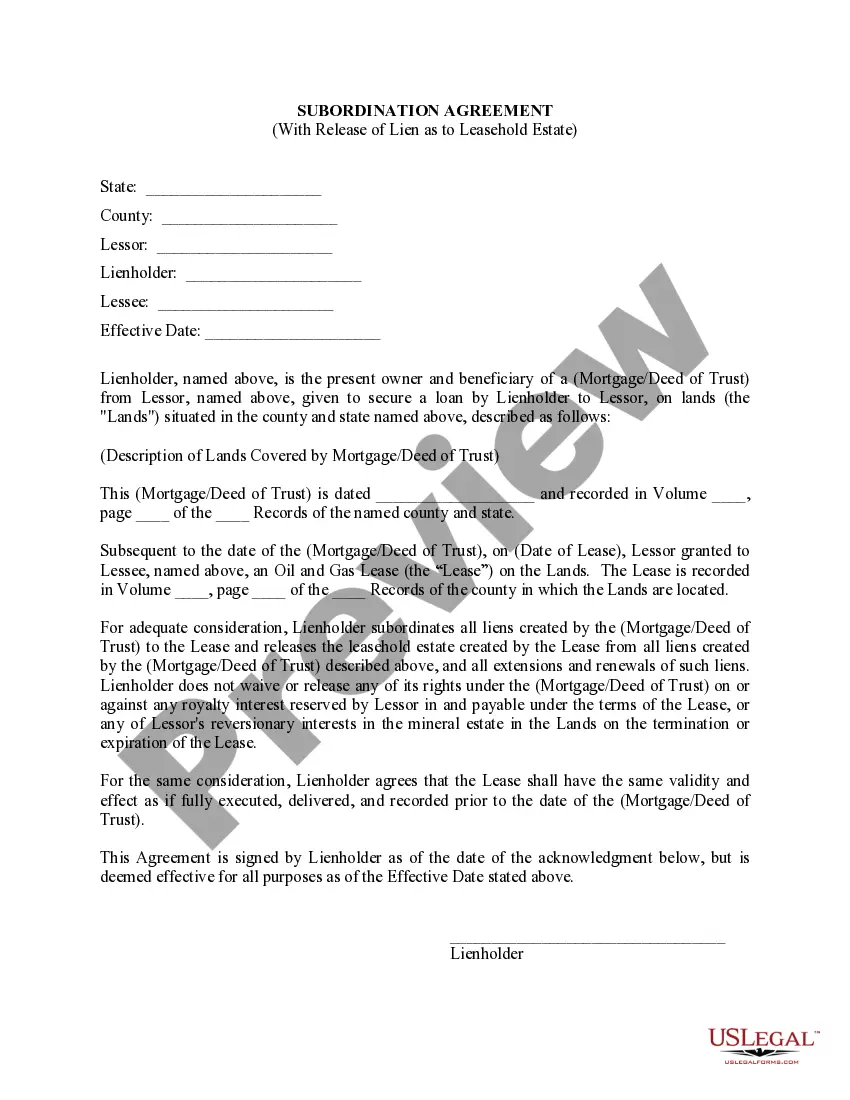
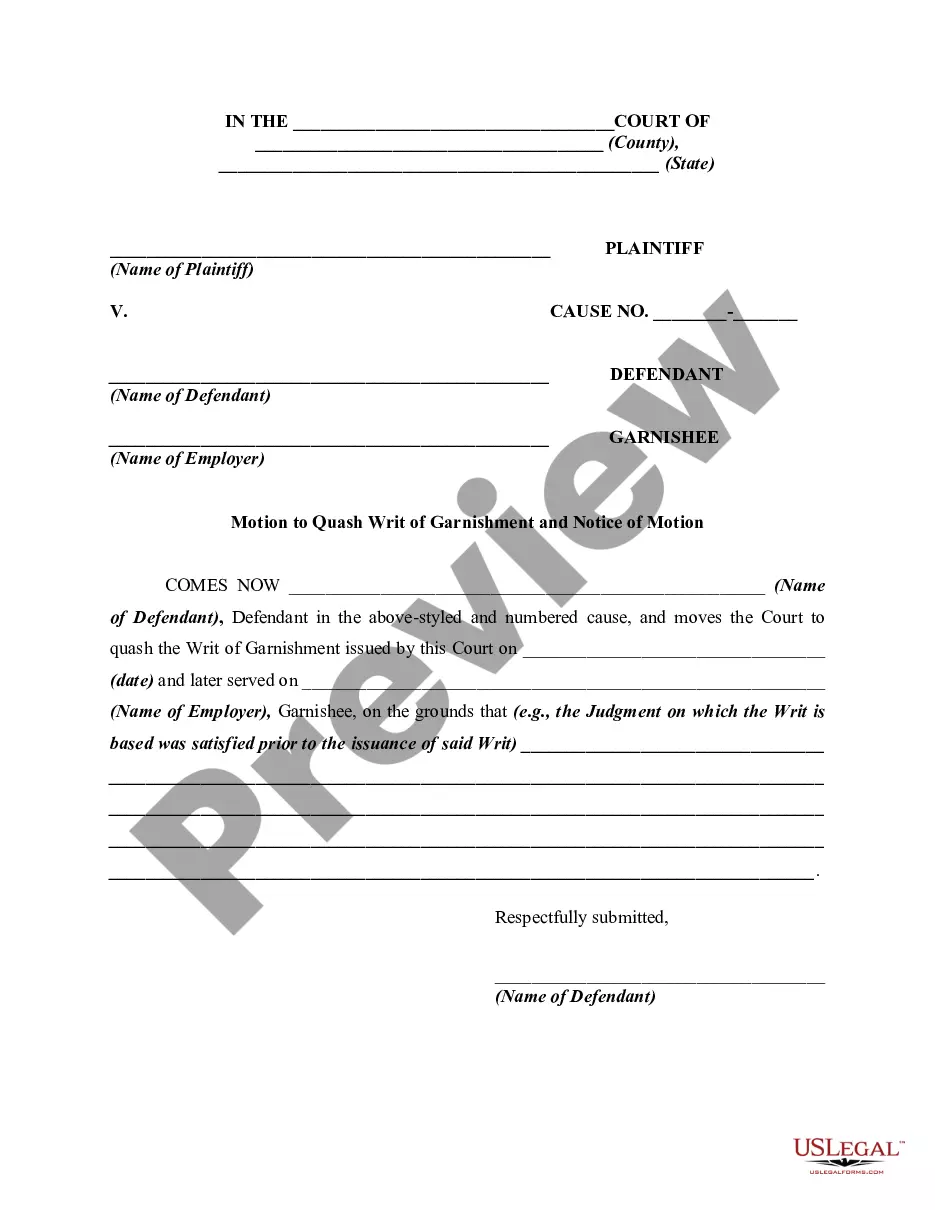
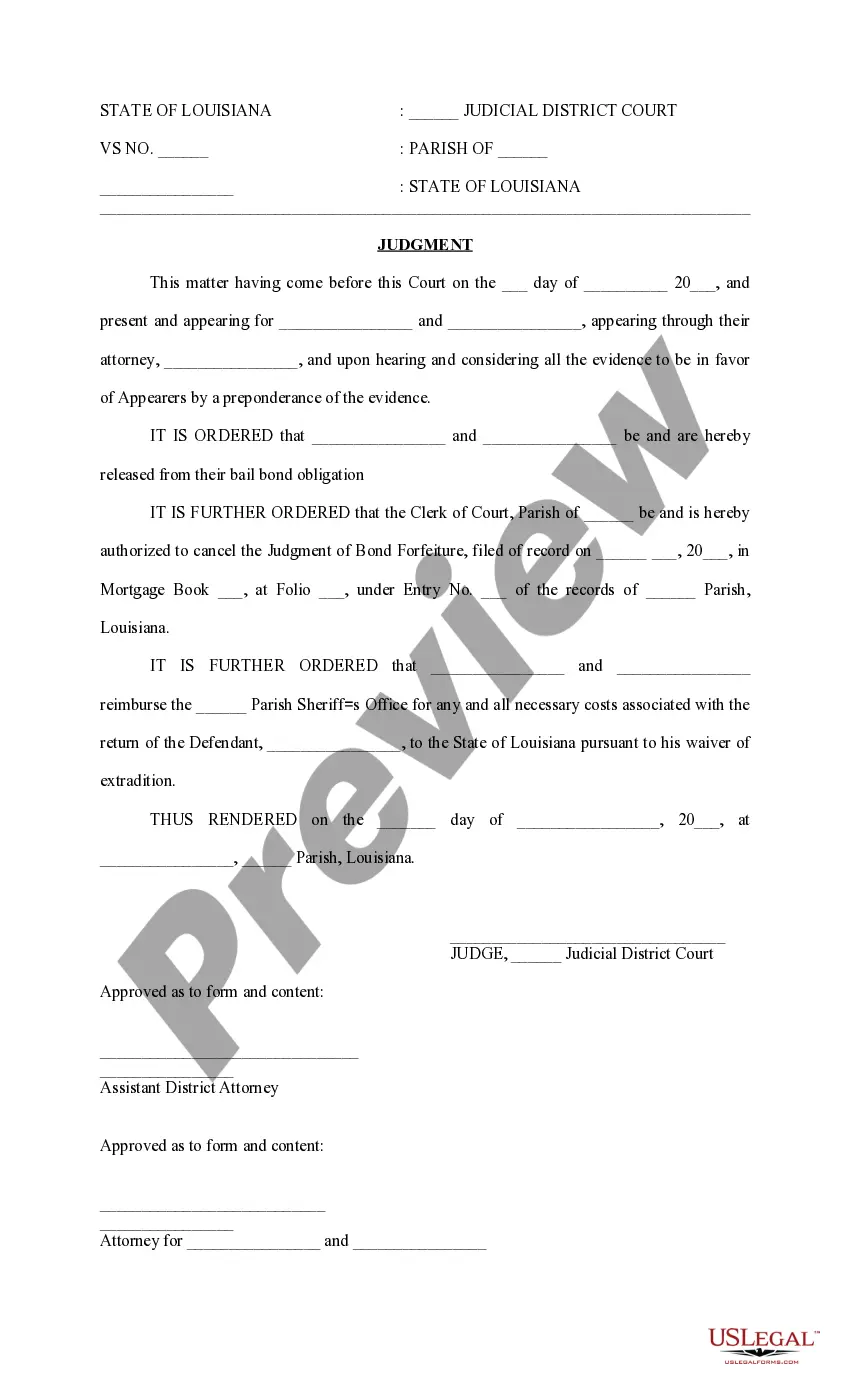
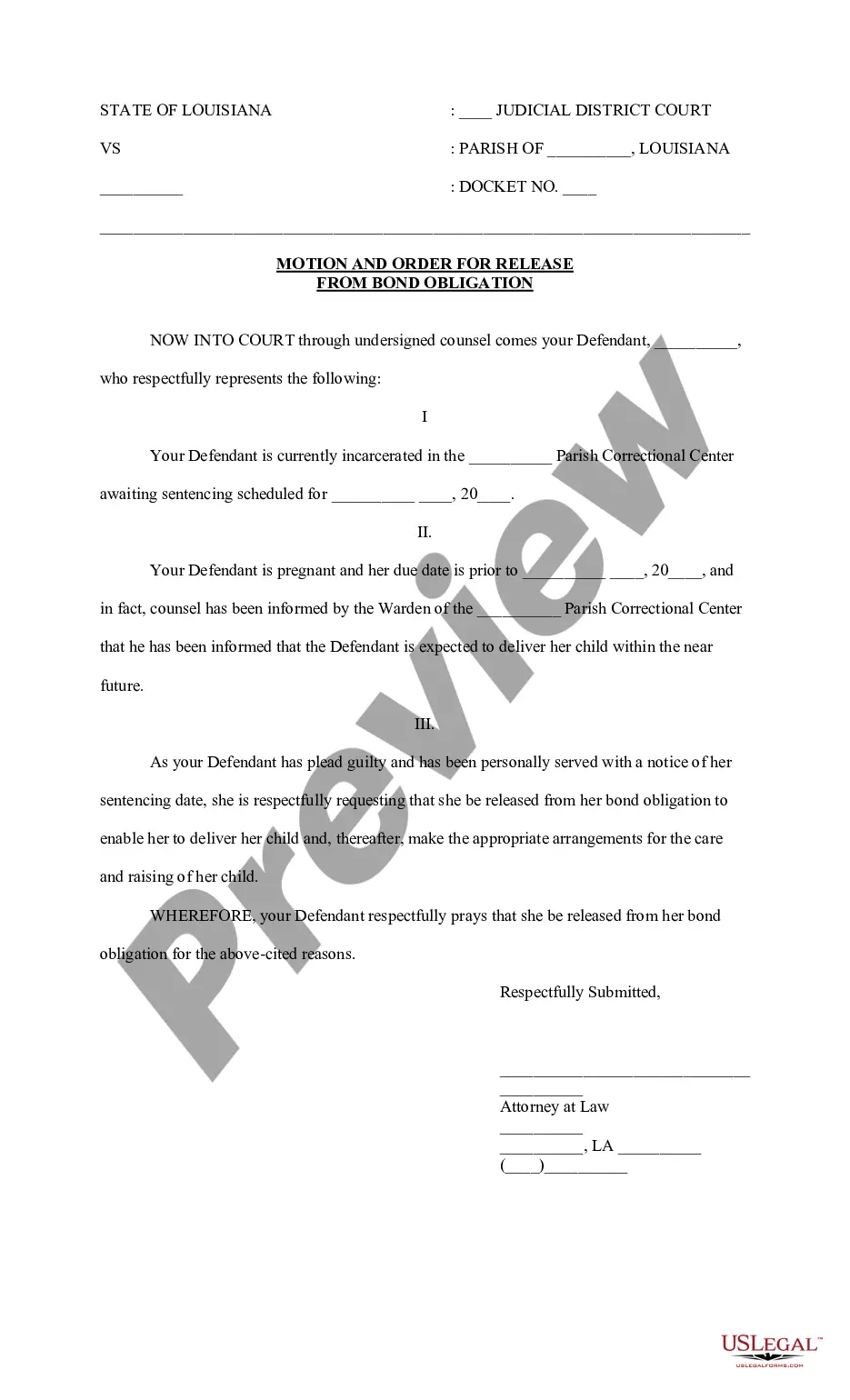
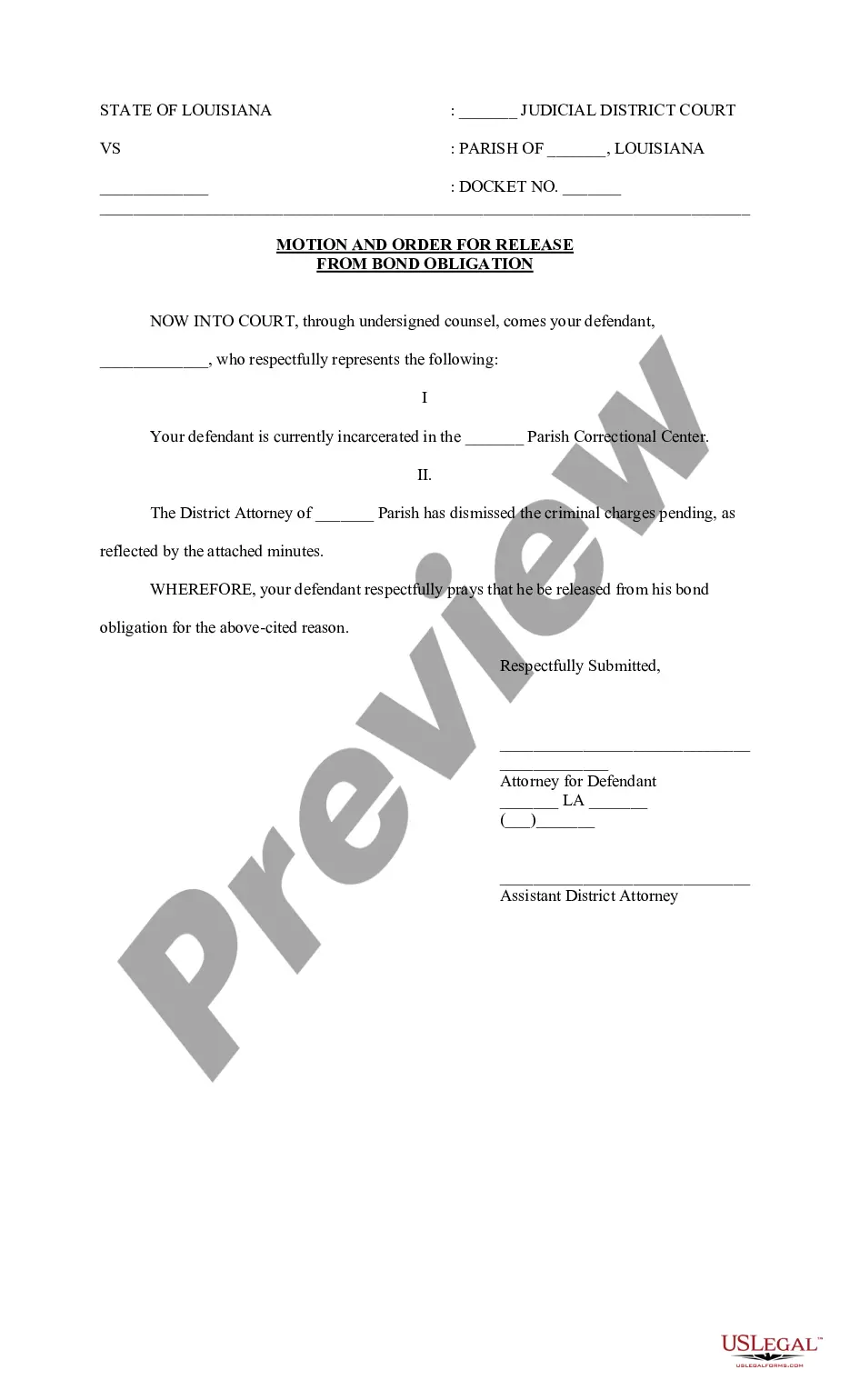
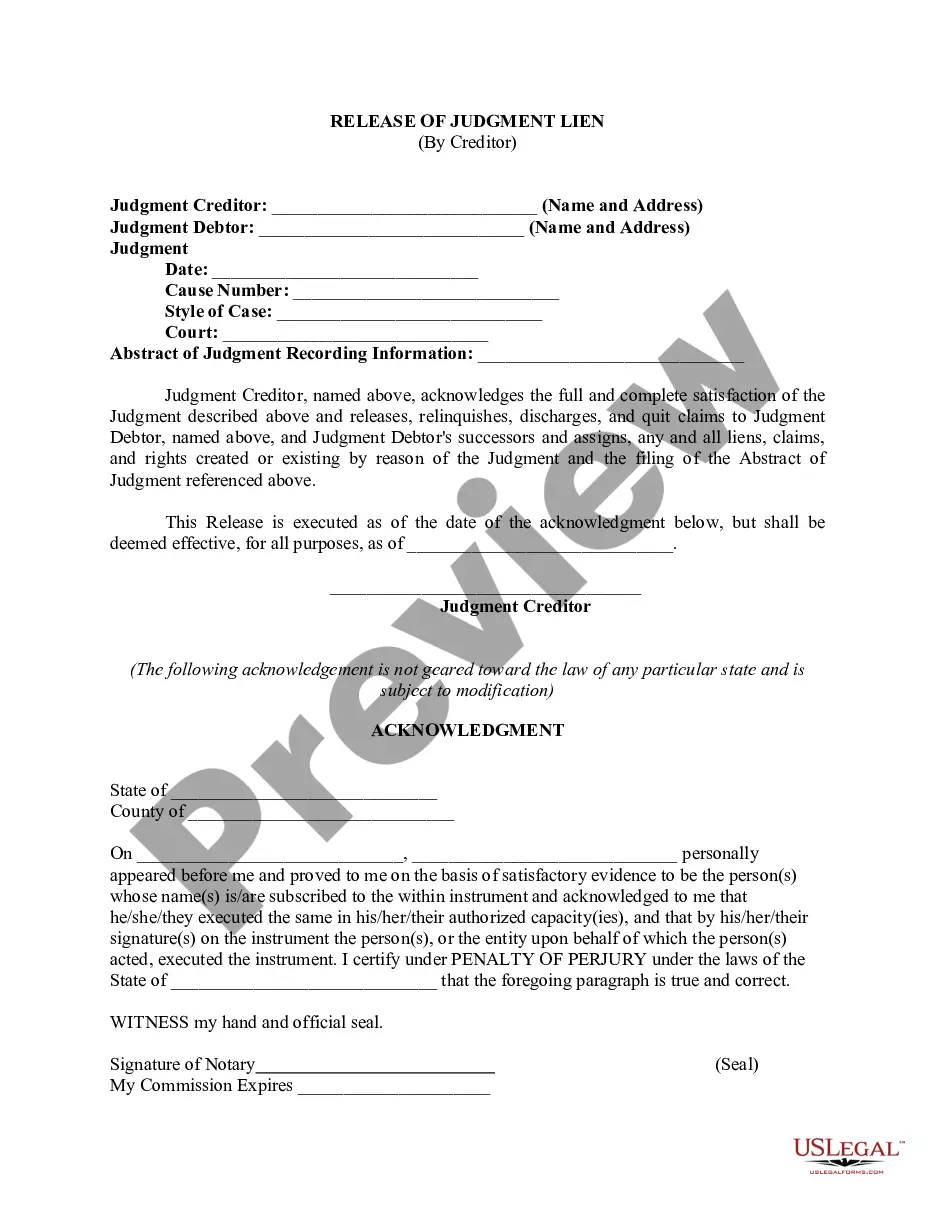
How to fill out Louisiana Judgment Of Release From Bail Bond Obligation?
- If you have an existing US Legal Forms account, log in and find the necessary form template. Confirm that your subscription is active; if it has lapsed, renew based on your payment plan.
- For first-time users, start by reviewing the form in Preview mode. Verify that it meets your requirements and adheres to local jurisdiction rules.
- If adjustments are necessary, use the search feature to find a more suitable template. Once you find the right form, proceed to the next step.
- Click the Buy Now button and choose your preferred subscription plan. Registration is required to access the legal library.
- Complete your purchase using your credit card or PayPal account.
- Download the form to your device for completion. You can also find it later in the My Forms section of your profile.
US Legal Forms not only provides a robust collection of over 85,000 legal documents but also connects users with premium experts for guidance, ensuring your paperwork is both precise and legally valid.
Take control of your legal journey today by utilizing US Legal Forms to access the necessary resources for your bail for domestic violence situation.
Form popularity
FAQ
In North Carolina, a domestic violence hold generally lasts from 24 to 48 hours, but can vary based on individual circumstances. This timeframe allows law enforcement to assess the situation and ensures victim safety. Understanding your legal options and how they relate to bail for domestic violence is essential. For additional support, US Legal Forms offers valuable resources and services.
The length of time someone stays in jail for domestic violence in North Carolina varies based on the circumstances of the case. If a person is arrested, they may be held until a bail hearing. The options for bail for domestic violence can significantly influence release times. Seeking assistance from legal experts can help expedite the process.
The new domestic violence law in North Carolina places greater emphasis on protecting victims. It expands the definition of domestic violence and enhances the tools available for law enforcement to respond effectively. Understanding these changes is vital, especially when dealing with bail for domestic violence situations. Legal resources like US Legal Forms can provide necessary documentation and guidance.
A domestic violence hold in North Carolina typically lasts for 24 to 48 hours. This period allows law enforcement to investigate the situation and ensures the safety of the victim. However, the duration can extend if additional legal actions occur. When navigating bail for domestic violence cases, it’s important to know your rights and options.
In North Carolina, domestic violence involves physical harm, threats, or intimidation towards a household member. Victims can seek legal protection, which may include restraining orders. In cases of arrest, understanding bail for domestic violence becomes crucial, as it allows the accused to secure temporary release until the court hearing. Legal assistance from platforms like US Legal Forms can simplify the process.
Conviction rates for domestic violence cases vary widely, but estimates suggest around 50% or more may result in a conviction. Factors such as the strength of evidence and legal representation play a significant role in these outcomes. It's essential to engage a skilled attorney who understands the intricacies of domestic violence cases. Utilizing platforms like uslegalforms can provide guidance on navigating the legal processes, including finding options for bail for domestic violence.
Most domestic violence cases can take several months to resolve, but timelines vary. Various factors influence this duration, such as court schedules and plea negotiations. Cases involving disputes over evidence or testimonies often take longer. Staying informed about your rights and options, including bail for domestic violence, can help you manage your expectations.
In some cases, if the victim does not appear in court, the prosecution may choose to drop charges. However, this depends on the case specifics and local laws. The state may still pursue the case without the victim's testimony. Navigating this process can be complex, and if you face charges, knowing how bail for domestic violence works is crucial.
The maximum sentence for domestic violence varies by state, but it can be severe. In many jurisdictions, offenders may face significant jail time or even felony charges. This varies based on circumstances, such as prior convictions or the severity of the incident. If you're concerned about bail for domestic violence, understanding potential penalties can be an essential step.
In North Carolina, domestic violence can result in misdemeanor charges for various actions, including assault or threats against a family member or household member. A misdemeanor in this context typically carries less severe penalties than felonies but can still have lasting consequences. Knowing the potential repercussions, including the option for bail for domestic violence, helps individuals make informed decisions during the legal process.