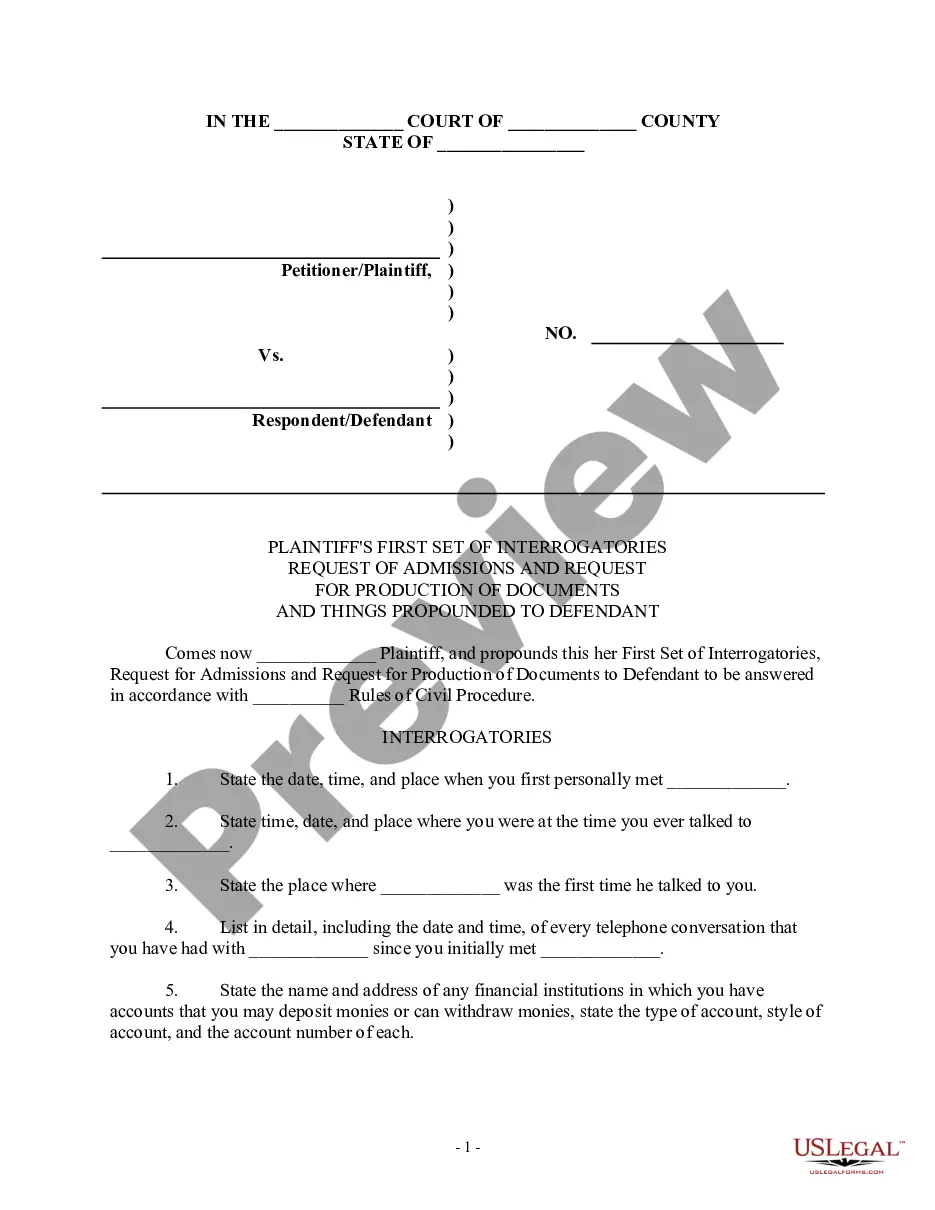
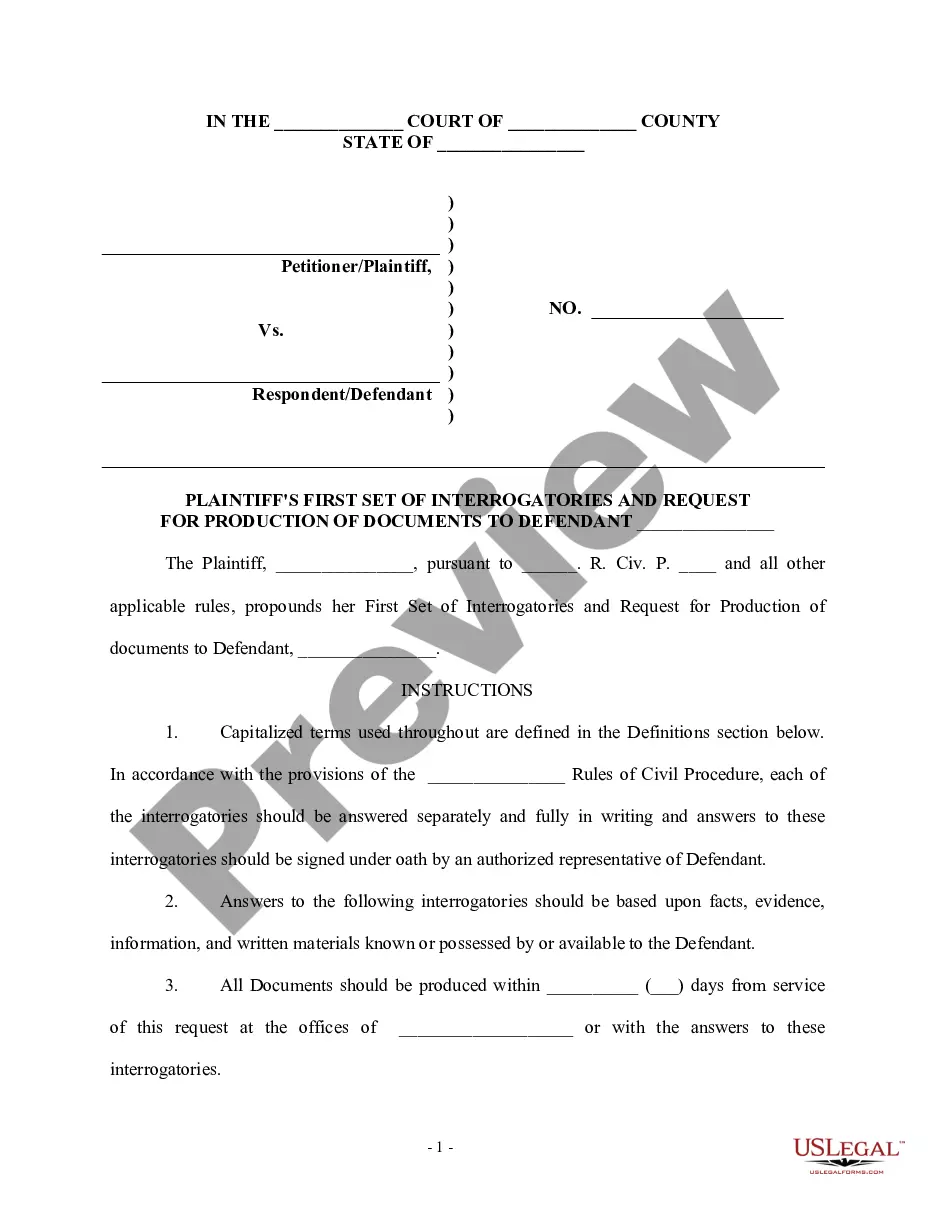
Request For Interrogatories Texas
Description
Get your form ready online
Our built-in tools help you complete, sign, share, and store your documents in one place.
Make edits, fill in missing information, and update formatting in US Legal Forms—just like you would in MS Word.
Download a copy, print it, send it by email, or mail it via USPS—whatever works best for your next step.
Sign and collect signatures with our SignNow integration. Send to multiple recipients, set reminders, and more. Go Premium to unlock E-Sign.
If this form requires notarization, complete it online through a secure video call—no need to meet a notary in person or wait for an appointment.
We protect your documents and personal data by following strict security and privacy standards.

Make edits, fill in missing information, and update formatting in US Legal Forms—just like you would in MS Word.

Download a copy, print it, send it by email, or mail it via USPS—whatever works best for your next step.

Sign and collect signatures with our SignNow integration. Send to multiple recipients, set reminders, and more. Go Premium to unlock E-Sign.

If this form requires notarization, complete it online through a secure video call—no need to meet a notary in person or wait for an appointment.

We protect your documents and personal data by following strict security and privacy standards.
Looking for another form?
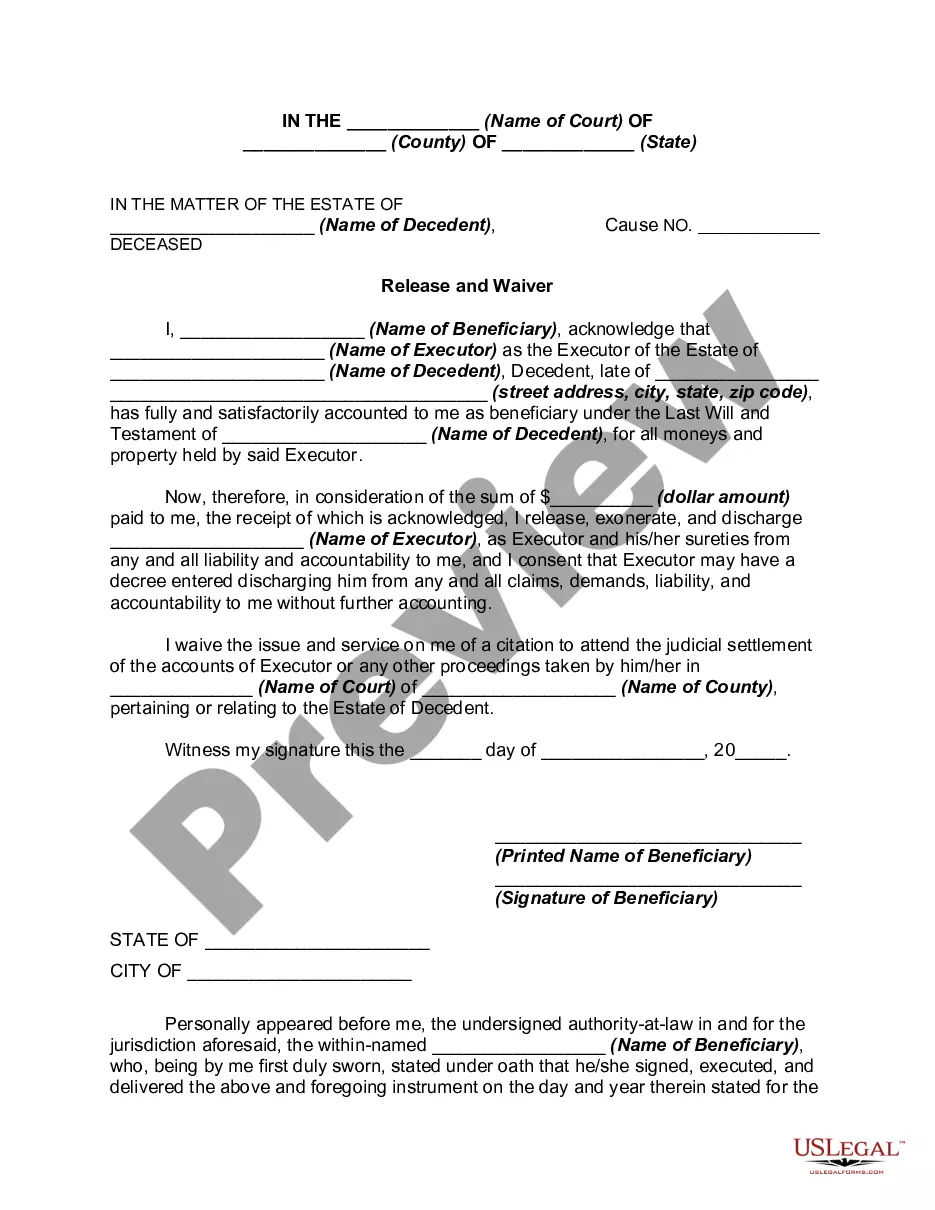
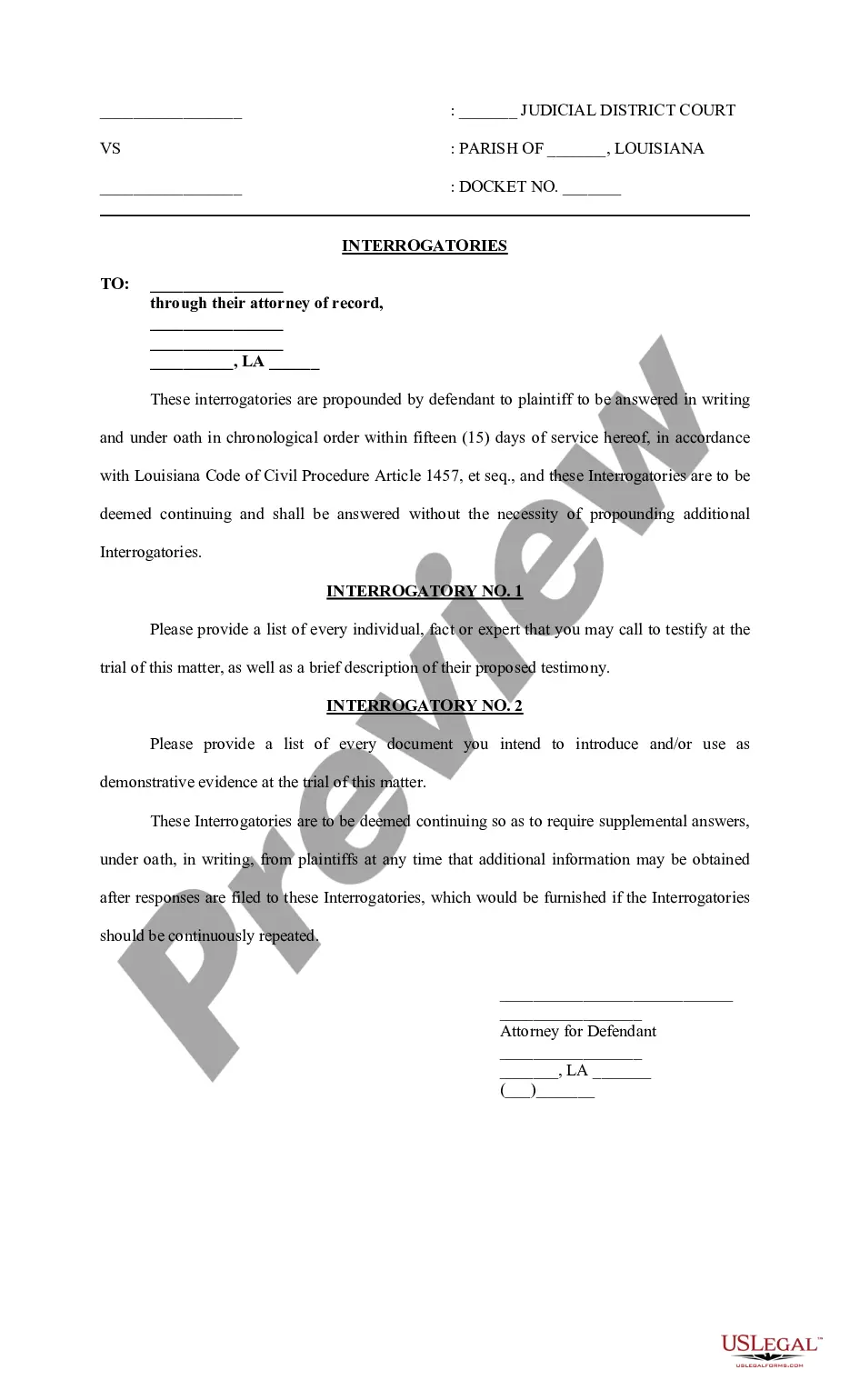
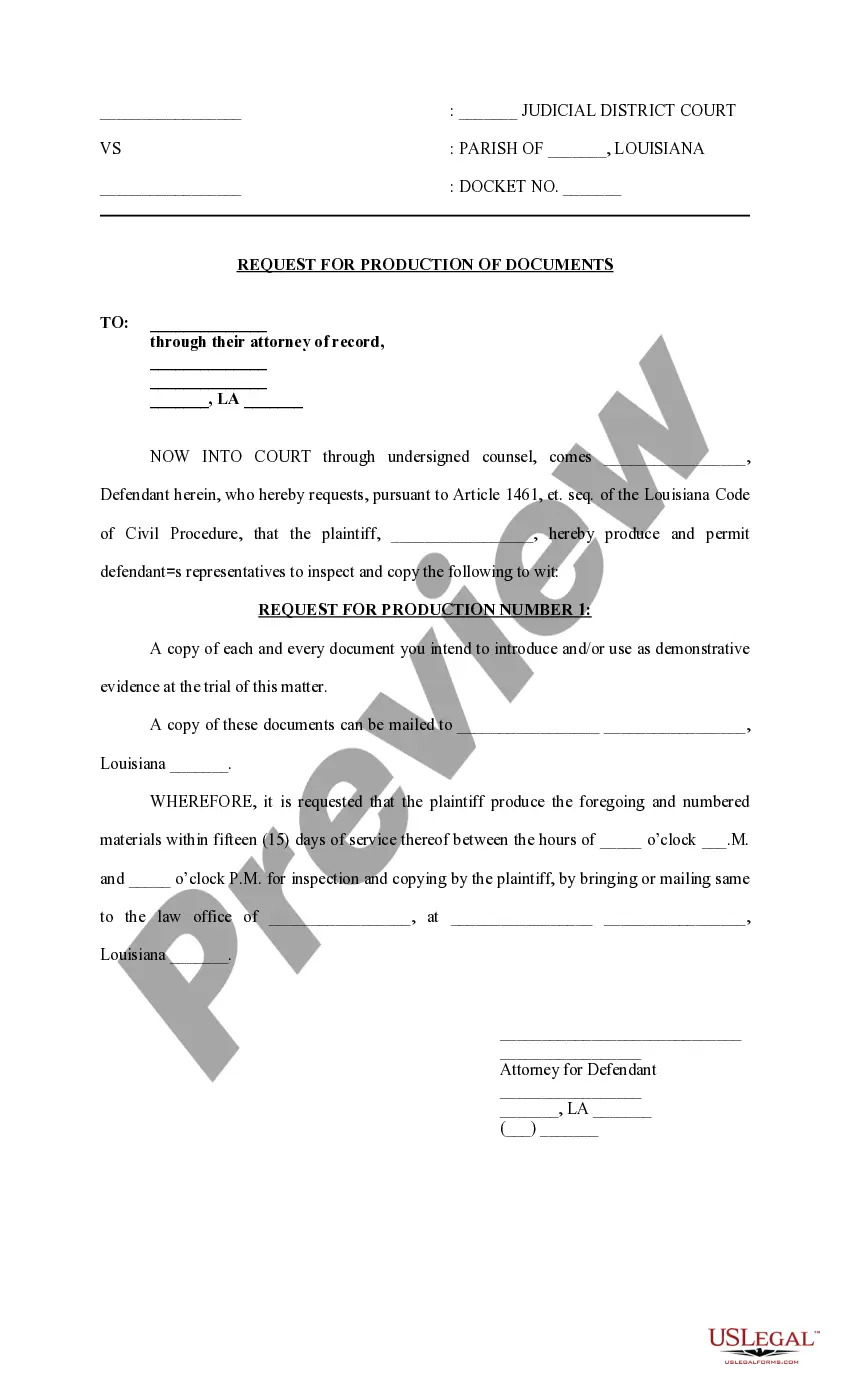
How to fill out Louisiana Defendant's Interrogatories To Plaintiff And Request For Production Of Documents?
- Visit the US Legal Forms website and log in to your existing account, ensuring your subscription is active.
- If you're new to our service, take a moment to browse the extensive library of over 85,000 legal forms to find the request for interrogatories template that fits your needs.
- Check the preview mode and description to confirm that the form meets your local jurisdiction requirements.
- If necessary, utilize the search tab to find an alternate template that may better suit your needs.
- Once you've selected the document, click on 'Buy Now' and choose your preferred subscription plan to proceed.
- Complete your purchase by entering your payment details or opting for PayPal.
- Finally, download the form to your device for easy access, and you can always find it later in the 'My Forms' section of your profile.
In conclusion, US Legal Forms simplifies the process of obtaining legal documents by providing a rich collection of templates and expert assistance. By following these steps, you can ensure your request for interrogatories is appropriately managed and filed.
Start your journey with US Legal Forms today and empower yourself with the tools to navigate your legal needs efficiently!
Form popularity
FAQ
In interrogatories, you cannot ask questions that are irrelevant, overly broad, or infringe on privileged information. Additionally, questions that harass or intimidate the other party are also prohibited. It’s important to craft your interrogatories thoughtfully to avoid objections. With US Legal Forms, you can find examples and guidelines for proper interrogatories that adhere to legal standards.
Good objections to written discovery involve being clear, concise, and legally sound. Identify the specific interrogatories or requests you are objecting to, and articulate your reasons directly and transparently. This clarity can prevent misunderstandings and maintains the integrity of the discovery process. US Legal Forms provides valuable resources to help you formulate strong objections.
To request discovery in Texas, you should issue written requests, including interrogatories, requests for production, or requests for admissions, to the opposing party. These requests must comply with the Texas Rules of Civil Procedure. It is essential to be clear and specific in your requests to avoid confusion. US Legal Forms offers helpful frameworks to ensure your discovery requests are effective.
Proper objections to interrogatories can include claims of privilege, irrelevance, or the requests being overly broad or burdensome. Clearly state each objection in your response and provide a valid reason for it. This helps protect your rights and ensures that the discovery process remains fair. Consider utilizing templates from US Legal Forms to formulate appropriate objections.
In Texas, you typically have 30 days to respond to interrogatories after you receive them. This time frame is crucial for ensuring compliance with court rules. If you require additional time, you may need to seek an extension from the court. Keeping track of deadlines with tools offered by US Legal Forms can simplify your process.
When denying interrogatories, you should clearly state in your written response that you are denying the requests. Be specific about the interrogatories you are denying and provide any necessary explanation. It's important to follow the rules outlined in the Texas Rules of Civil Procedure. Using resources from US Legal Forms can help you craft a well-structured denial.
To object to interrogatories in Texas, you must provide a written response that specifically states your grounds for objection. You should detail why the interrogatories are improper or burdensome. This response must be filed with the court and served to the opposing party. Utilizing platforms like US Legal Forms can streamline this process by providing templates and guidance tailored for your needs.
Interrogatories are primarily governed by the Texas Rules of Civil Procedure, particularly Rule 197. This rule provides guidance on how to formulate and respond to interrogatories effectively. Understanding these rules can prevent procedural missteps and help move your case forward. If you need assistance navigating these rules associated with requests for interrogatories in Texas, consider using US Legal Forms for resources and templates.
In Texas, the typical timeframe to respond to interrogatories is 30 days after service. However, if additional time is needed, parties can request an extension through mutual consent or via the court. Timely responses are crucial as they can greatly influence the flow of your case. Being aware of this timeline when dealing with requests for interrogatories in Texas ensures that you stay on track.
The Texas Rules of Civil Procedure govern interrogatories, specifically Rule 197. This rule outlines the requirements for serving, answering, and the permissible number of interrogatories. Generally, you're allowed to serve up to 25 written questions, which aim to clarify the facts of the case. Familiarizing yourself with this rule enhances your effectiveness in handling requests for interrogatories in Texas.