Petition Of Rights (1628)
Description
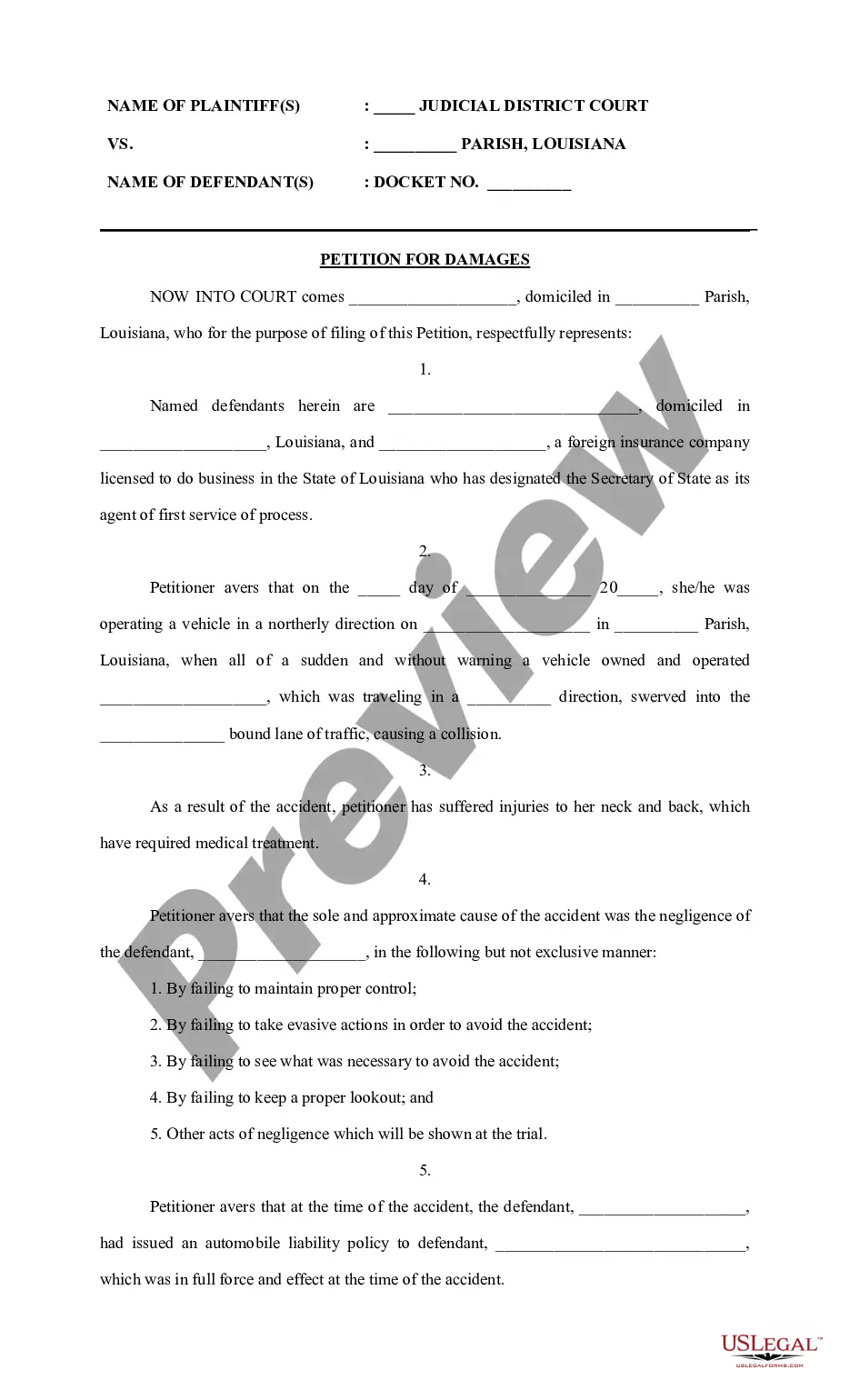
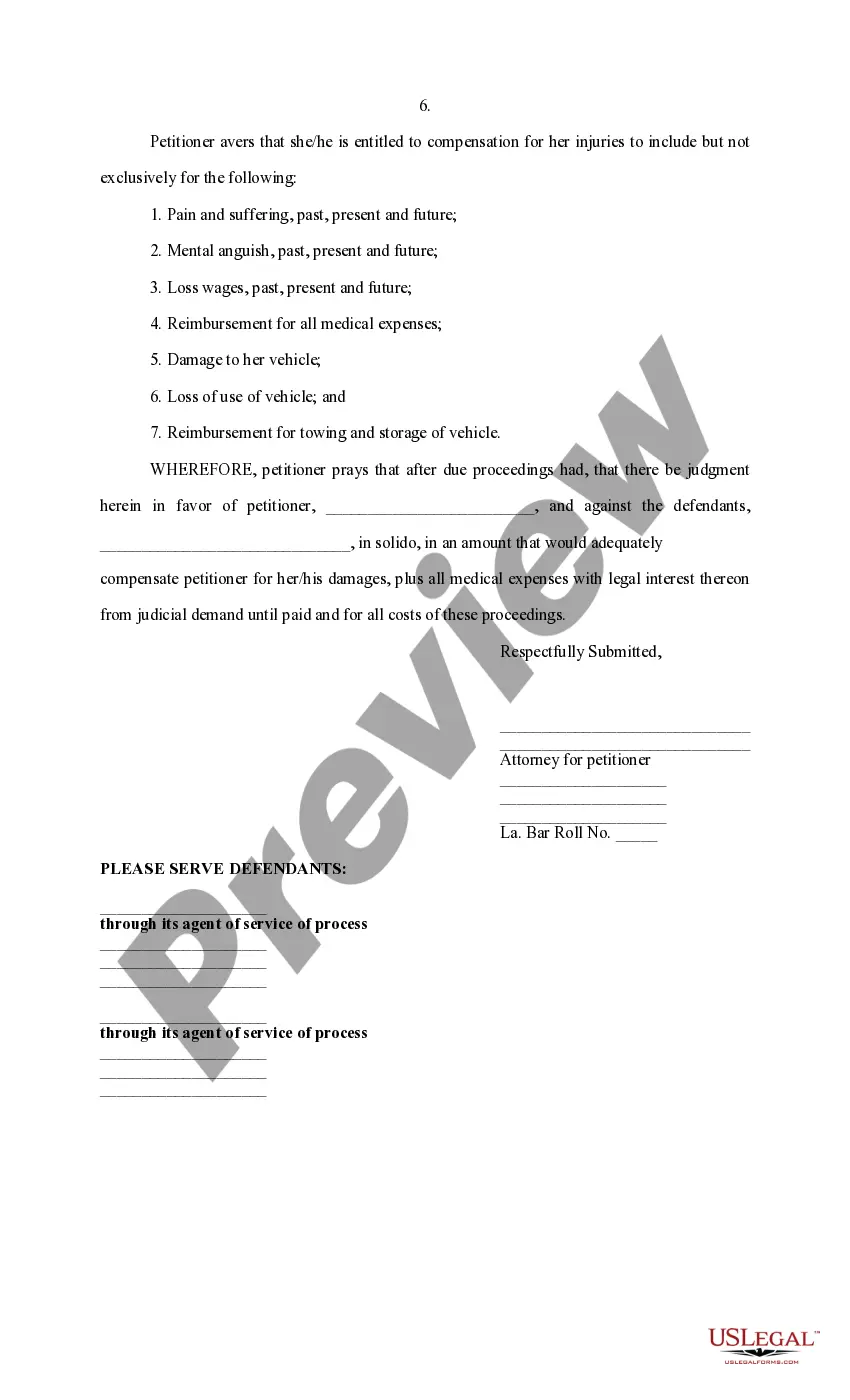
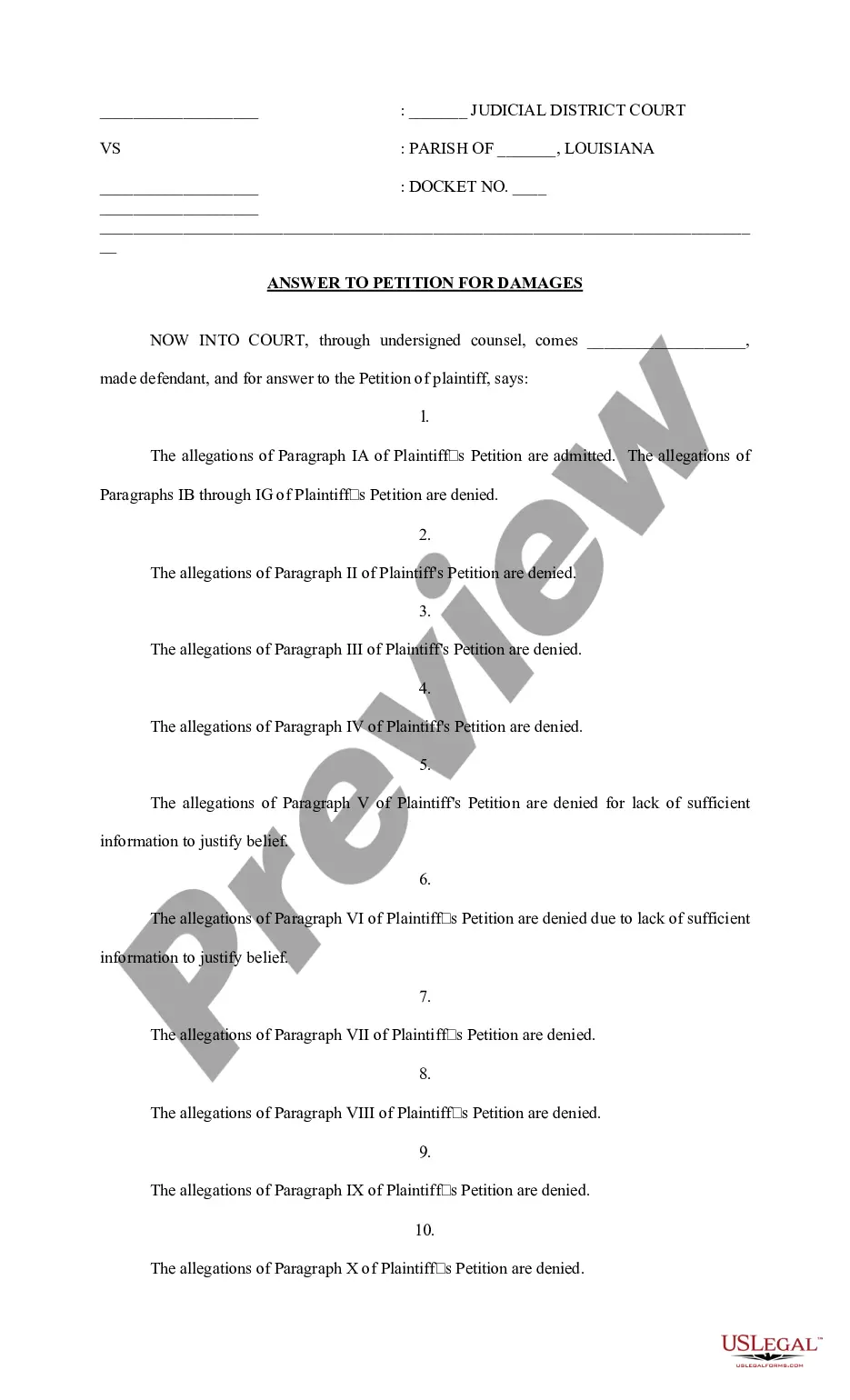
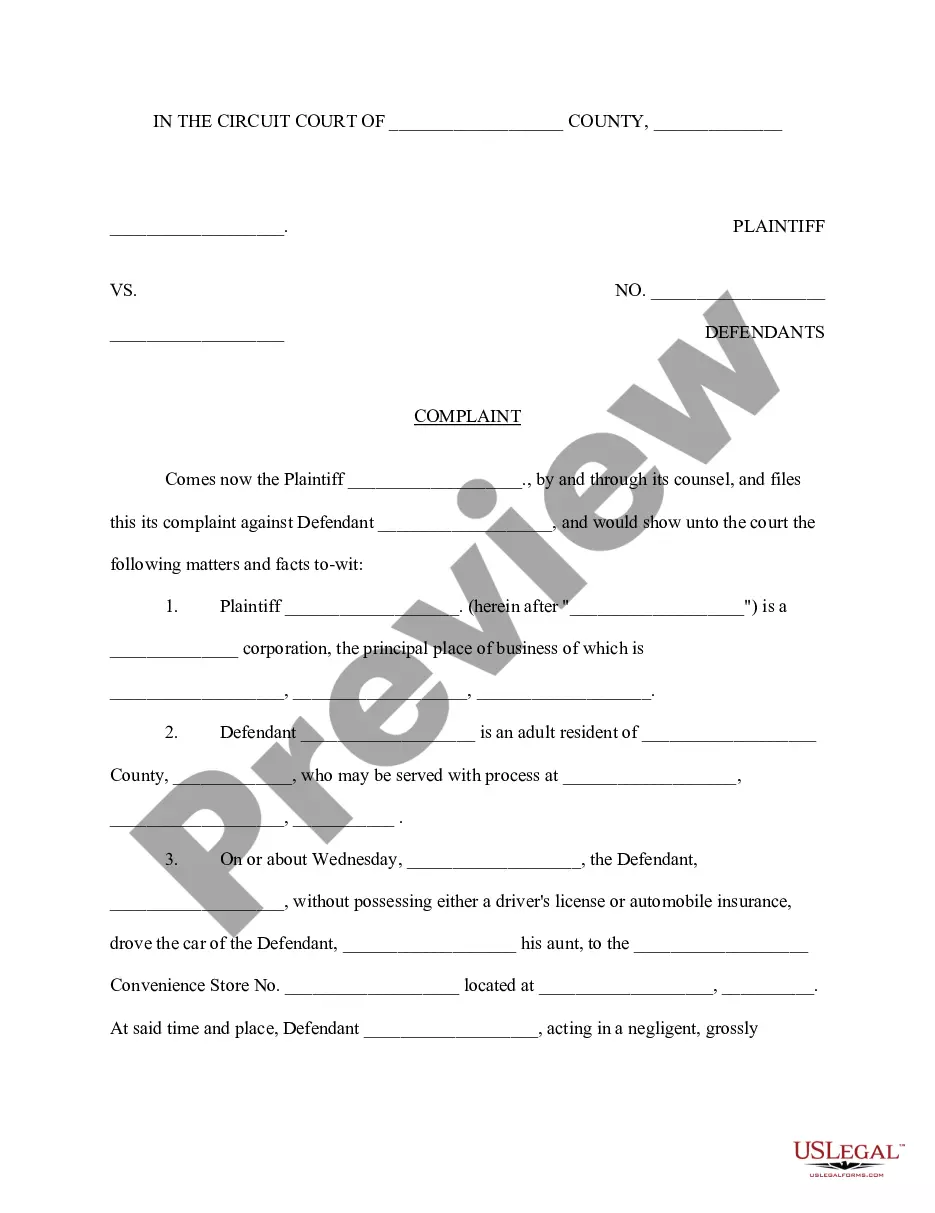
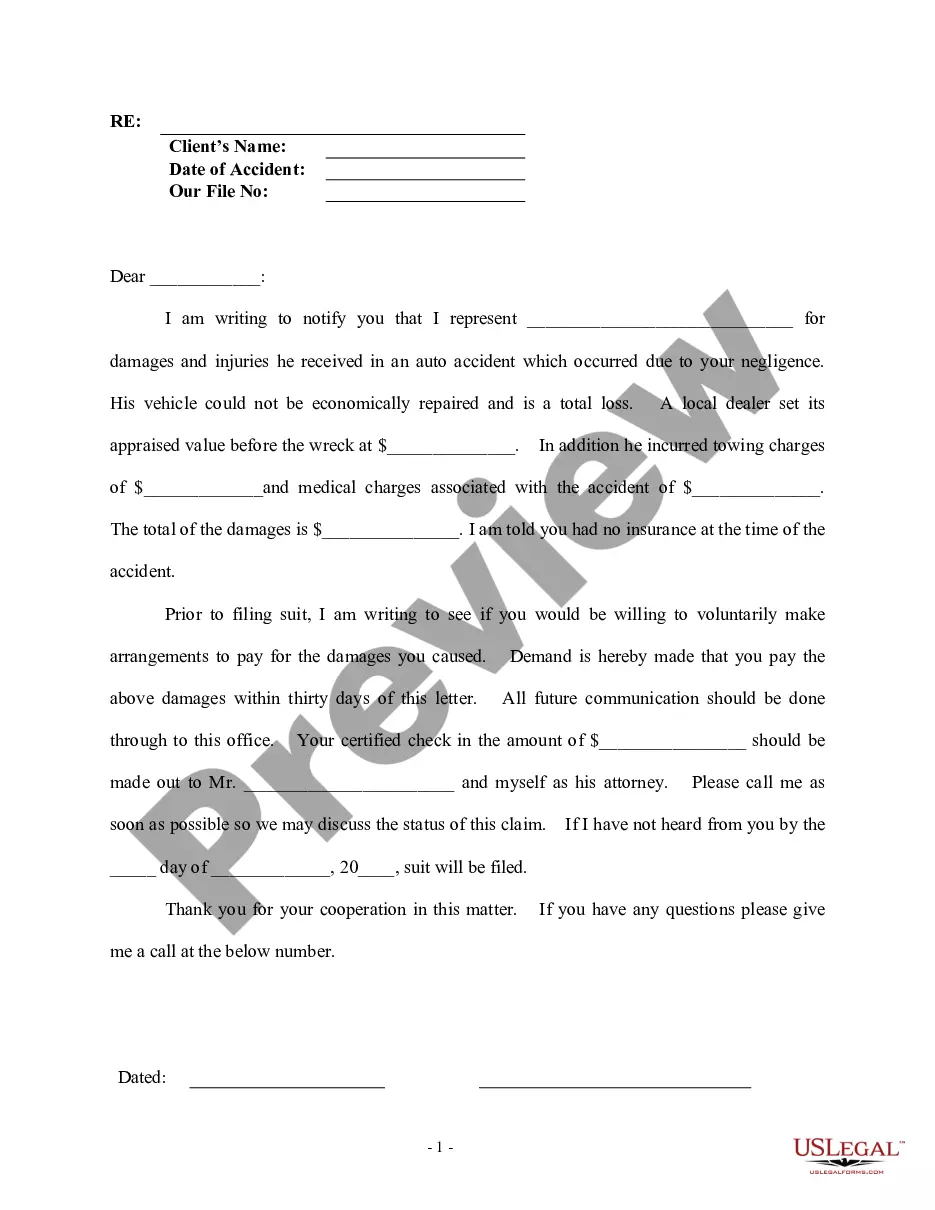
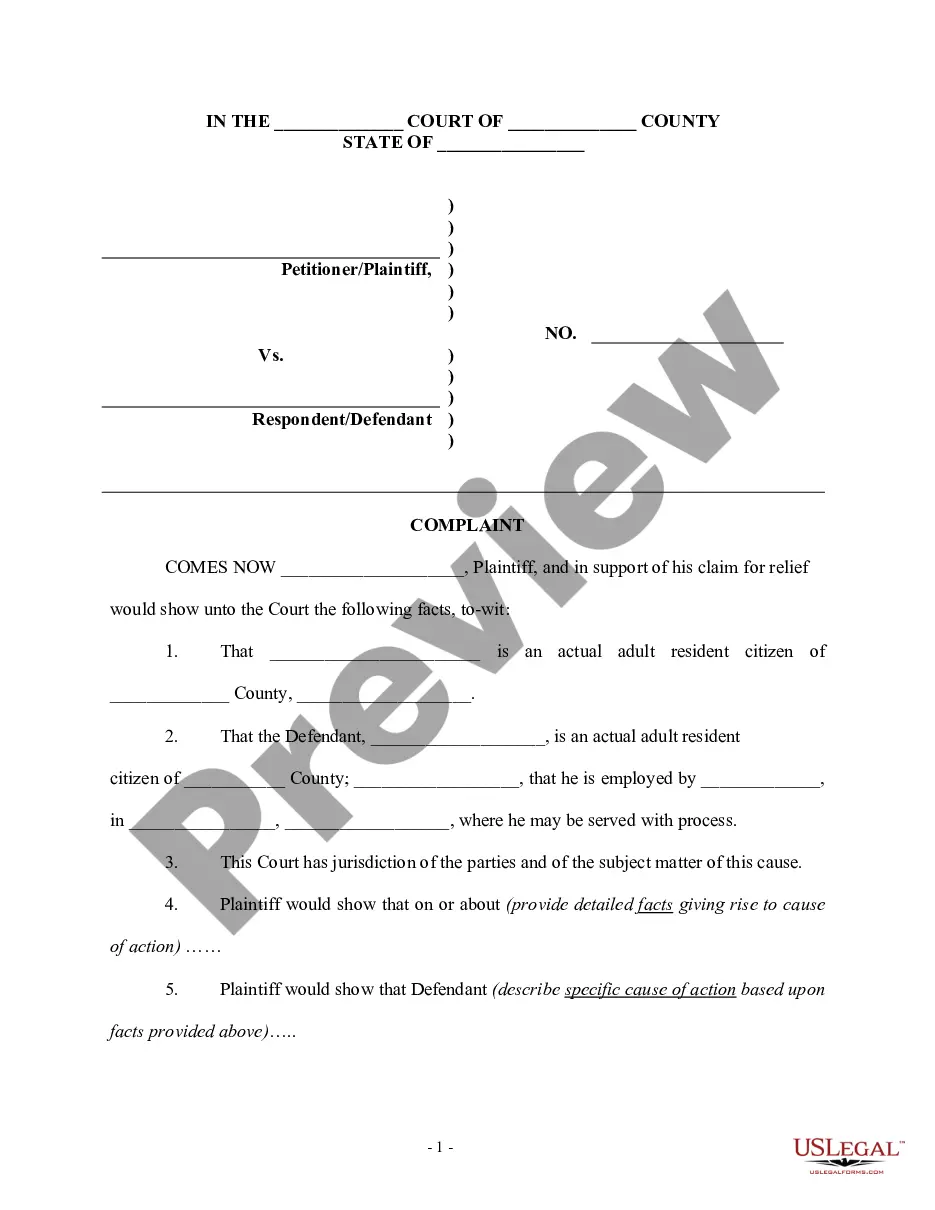
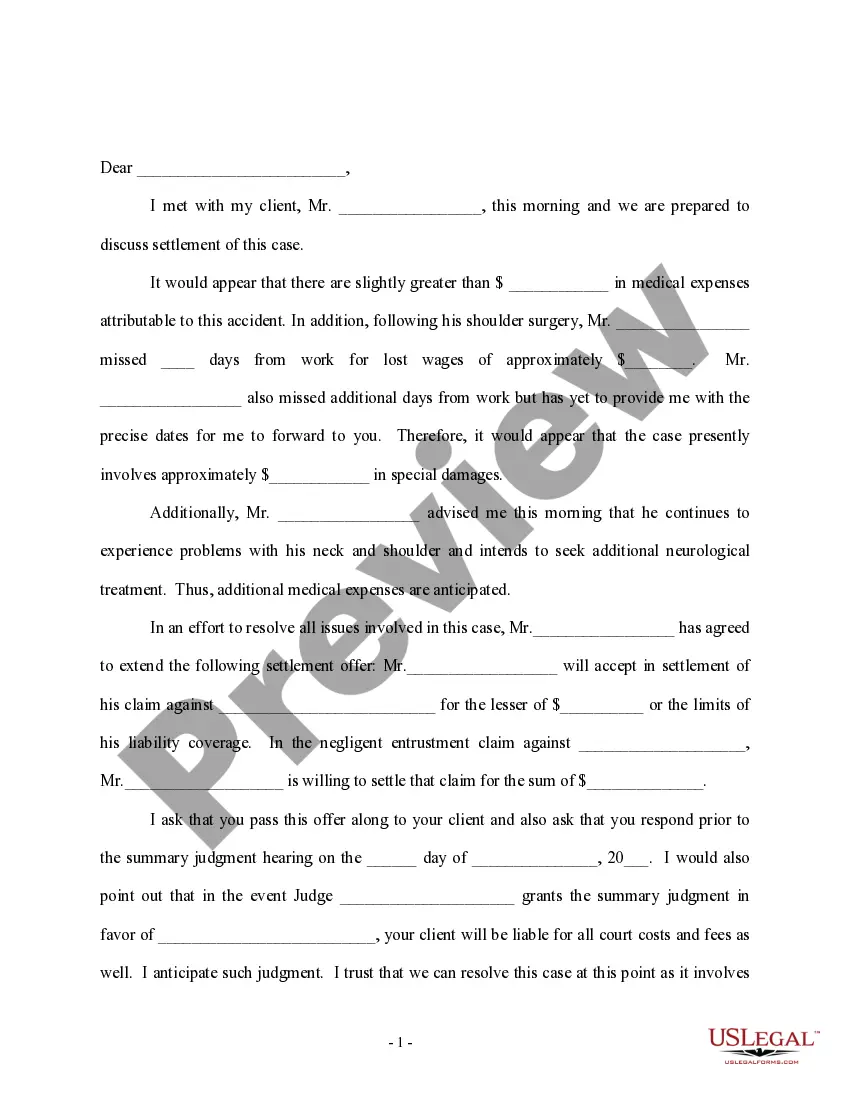
Get your form ready online
Our built-in tools help you complete, sign, share, and store your documents in one place.
Make edits, fill in missing information, and update formatting in US Legal Forms—just like you would in MS Word.
Download a copy, print it, send it by email, or mail it via USPS—whatever works best for your next step.
Sign and collect signatures with our SignNow integration. Send to multiple recipients, set reminders, and more. Go Premium to unlock E-Sign.
If this form requires notarization, complete it online through a secure video call—no need to meet a notary in person or wait for an appointment.
We protect your documents and personal data by following strict security and privacy standards.

Make edits, fill in missing information, and update formatting in US Legal Forms—just like you would in MS Word.

Download a copy, print it, send it by email, or mail it via USPS—whatever works best for your next step.

Sign and collect signatures with our SignNow integration. Send to multiple recipients, set reminders, and more. Go Premium to unlock E-Sign.

If this form requires notarization, complete it online through a secure video call—no need to meet a notary in person or wait for an appointment.

We protect your documents and personal data by following strict security and privacy standards.
Looking for another form?
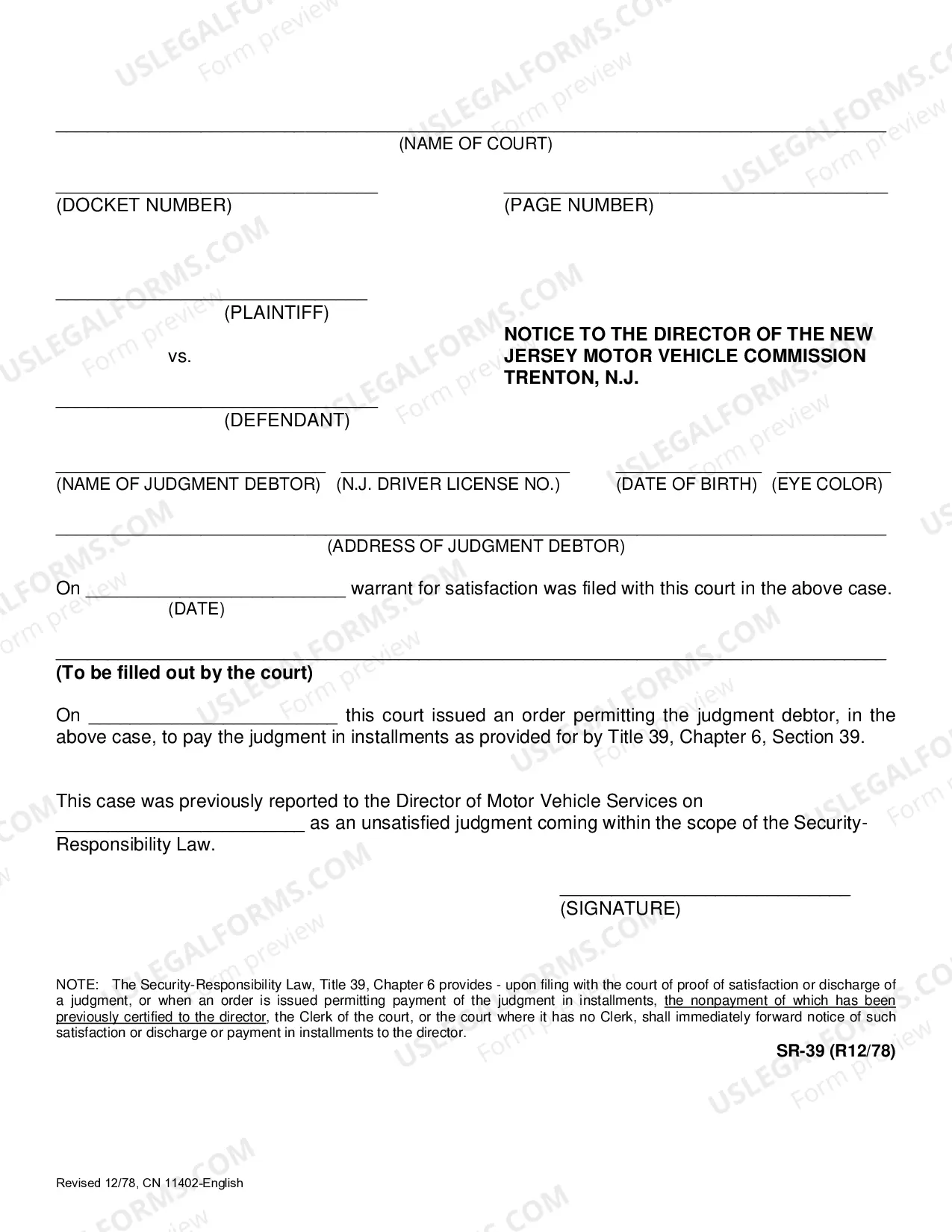
How to fill out Louisiana Petition For Damages?
- Sign in to your US Legal Forms account. If you're already a user, ensure your subscription is active by checking your account status.
- Browse the extensive library of legal forms. Use the search bar to find the specific form that meets your legal needs and check its description for accuracy.
- Select the form of your choice. If you need additional templates, keep searching until you find the perfect match for your requirements.
- Purchase the document. Click the Buy Now button and choose a subscription plan that suits your needs. You will need to create an account if you haven't already.
- Complete your payment. Use either a credit card or PayPal to finalize your subscription and gain immediate access to the forms.
- Download your document. Save the completed form to your device and also access it later in the My Forms section of your profile.
By following these steps, you can efficiently manage your legal documentation with ease and confidence. US Legal Forms empowers you with a robust collection of over 85,000 forms and access to expert assistance.
Start your journey toward seamless legal documentation today. Visit US Legal Forms and take control of your legal needs!
Form popularity
FAQ
The four basic principles of the Petition of Rights (1628) include: the need for parliamentary consent for taxation, the guarantee of due process, the protection against wrongful imprisonment, and the limitation of military authority during peacetime. These principles aimed to protect citizens from royal overreach and ensured that individual rights were safeguarded. They laid the groundwork for constitutional law that continues to shape society. Engaging with these concepts can empower you to advocate for your rights effectively.
The Petition of Rights (1628) is a pivotal document in early British constitutional history that challenged King Charles I’s authority. It outlined critical grievances, asserting that the monarch could not impose taxes without Parliament's approval, and included protections against arbitrary imprisonment and misuse of military power. This petition was instrumental in the struggle for civil liberties and has influenced modern legal frameworks. Exploring its history can enhance your understanding of legal rights today.
The four basic principles of the Petition of Rights (1628) include the prohibition of taxation without Parliament's consent, the right to due process, the protection against unlawful imprisonment, and the prevention of martial law in peacetime. These principles collectively aimed to curb the King's power and protect individual liberties. They marked a significant step towards the development of constitutional governance. Understanding these principles helps you appreciate the evolution of democratic rights.
One fundamental principle of the Petition of Rights (1628) is the concept of no taxation without representation. This principle asserts that the government cannot impose taxes on the people without their consent, typically expressed through Parliament. It emphasizes the need for government accountability and protection from arbitrary fiscal measures. By asserting this right, citizens sought to ensure their voices were heard in the financial decisions that affected their lives.
The right to petition, as founded in the Petition of Rights (1628), requires the government to be accessible and responsive to the concerns of its citizens. It mandates that individuals have the ability to communicate grievances without fear of punishment or censorship. Additionally, the government has a duty to consider these petitions seriously and provide a fair mechanism for addressing public concerns. This right fosters accountability and lays the groundwork for democratic engagement.
The Petition of Rights (1628) encapsulates four essential constitutional principles: the rule of law, individual liberties, the necessity of parliamentary consent for taxation, and protection from arbitrary imprisonment. These principles reinforce the idea that the government must operate within a legal framework, ensuring respect for citizens' rights. Furthermore, they advocate for a balanced relationship between the monarchy and its subjects. Understanding these principles is vital for appreciating their significance in the evolution of democratic governance.
The Petition of Rights (1628) required that the monarchy uphold the laws of England and respect the rights of citizens. This document mandated the king to obtain parliamentary approval before levying taxes or imposing martial law. Additionally, it stressed the importance of fair trials and the right to petition the government without fear of reprisal. These requirements highlighted the need for accountability and transparency in governance.
The Petition of Rights (1628) outlines critical legal principles that define the limits of governmental power. It emphasizes the protection of individual liberties, including the right to due process and the prohibition against unlawful detention. Moreover, it asserts that taxation without parliamentary consent is illegal, ensuring civic representation. This historical document fundamentally shaped constitutional law and laid the groundwork for modern human rights.
An example of a Petition of Rights is the one presented in 1628 to King Charles I by the English Parliament. This petition outlined several grievances, including issues related to unlawful taxation and arbitrary detention. It established a significant precedent for the legal accountability of the crown and is a crucial part of the legal history that continues to influence modern democratic practices.
The four main points of the Petition of Rights (1628) included: the prohibition of taxation without consent, the assertion against arbitrary imprisonment, the outlawing of martial law during peacetime, and the protection of property rights. Each of these points aimed to restrict the monarch's powers and reinforce the rights of individuals. This historic document was pivotal in shaping the relationship between the monarchy and the citizens.