Louisiana Punitive Damages
Description
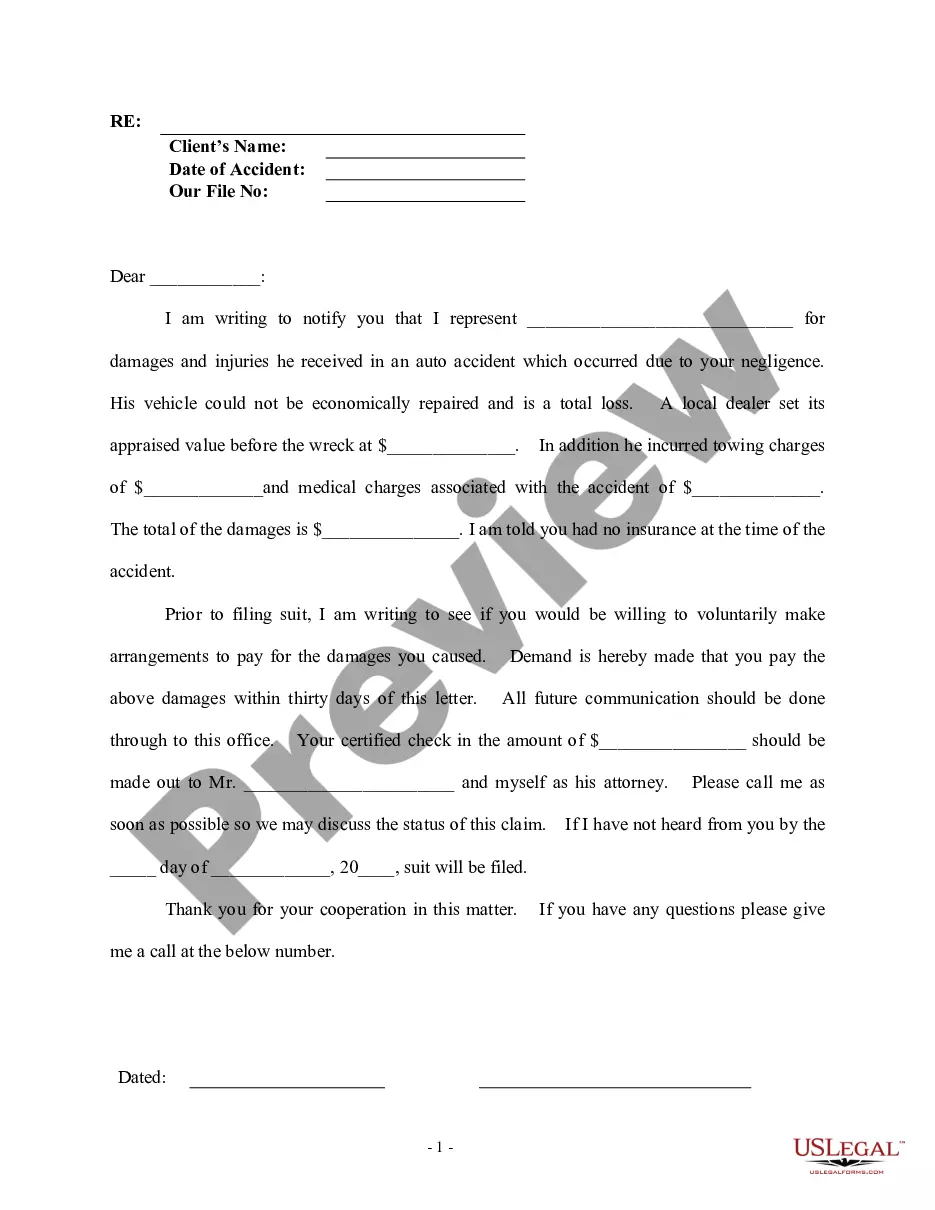
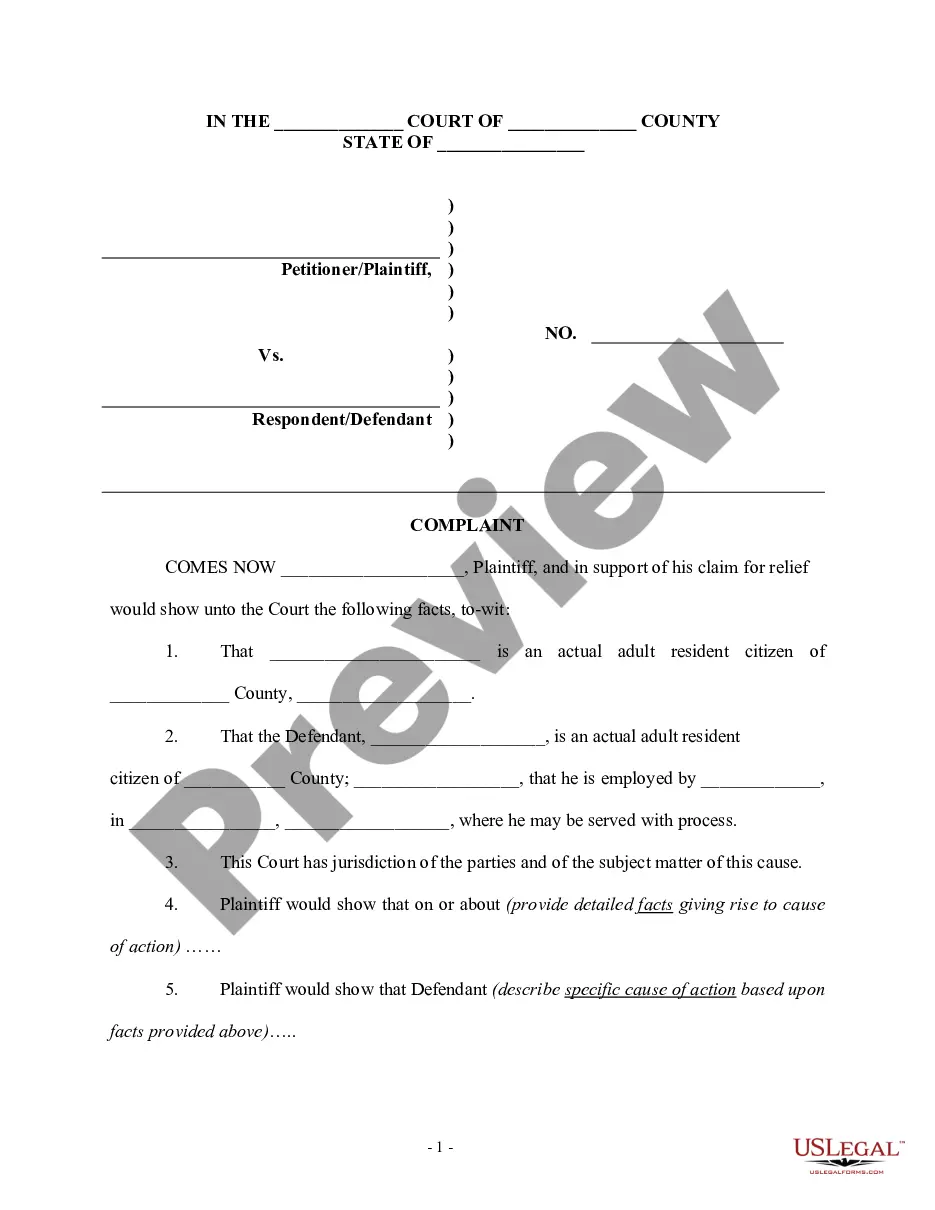
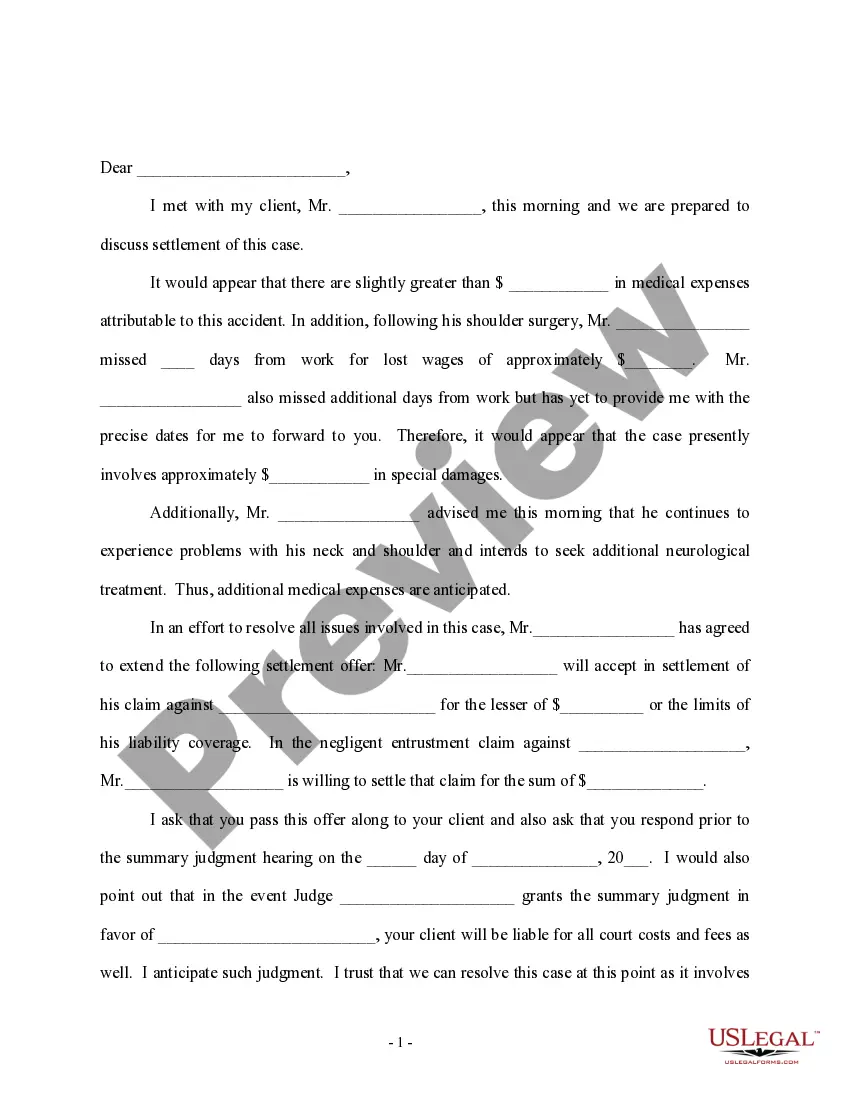
Get your form ready online
Our built-in tools help you complete, sign, share, and store your documents in one place.
Make edits, fill in missing information, and update formatting in US Legal Forms—just like you would in MS Word.
Download a copy, print it, send it by email, or mail it via USPS—whatever works best for your next step.
Sign and collect signatures with our SignNow integration. Send to multiple recipients, set reminders, and more. Go Premium to unlock E-Sign.
If this form requires notarization, complete it online through a secure video call—no need to meet a notary in person or wait for an appointment.
We protect your documents and personal data by following strict security and privacy standards.

Make edits, fill in missing information, and update formatting in US Legal Forms—just like you would in MS Word.

Download a copy, print it, send it by email, or mail it via USPS—whatever works best for your next step.

Sign and collect signatures with our SignNow integration. Send to multiple recipients, set reminders, and more. Go Premium to unlock E-Sign.

If this form requires notarization, complete it online through a secure video call—no need to meet a notary in person or wait for an appointment.

We protect your documents and personal data by following strict security and privacy standards.
Looking for another form?
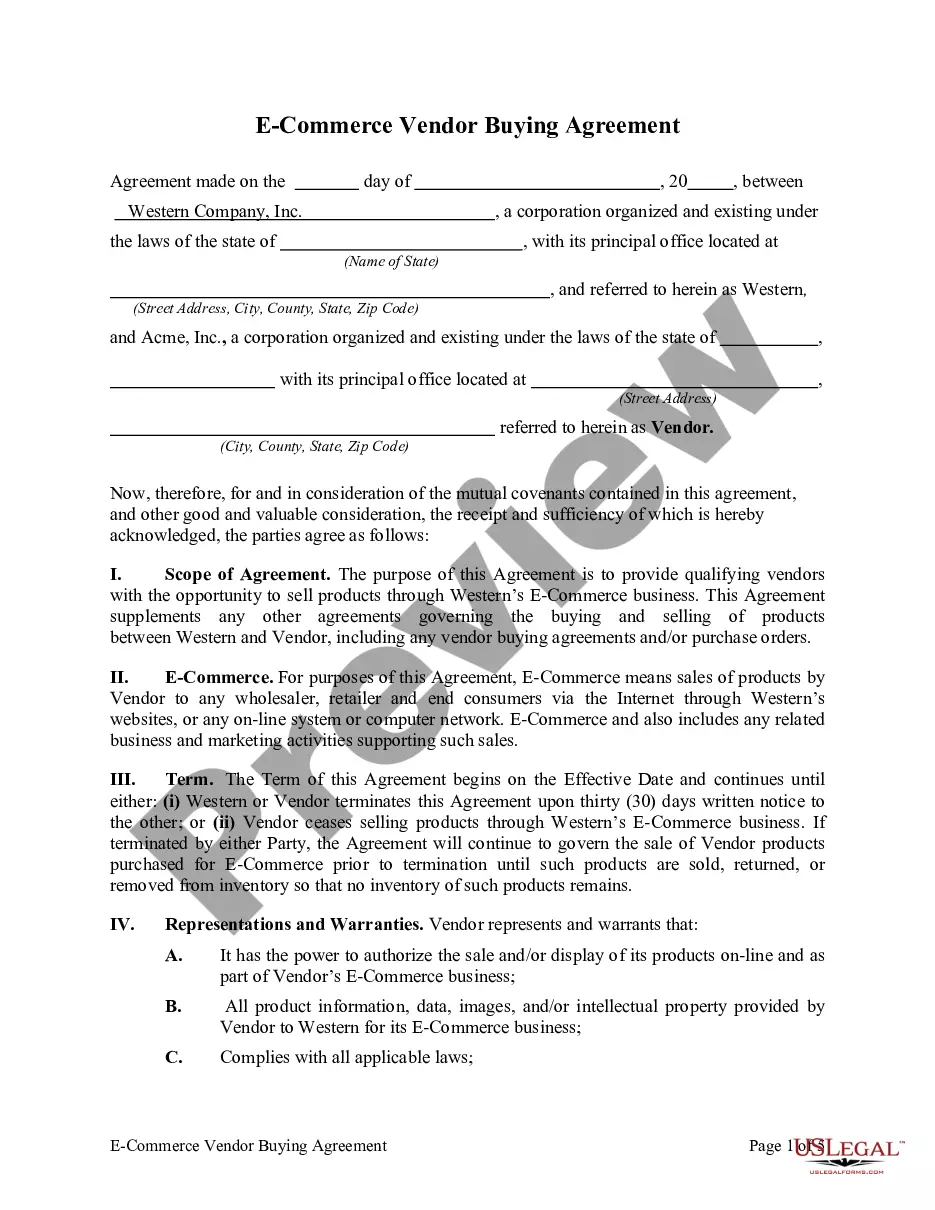








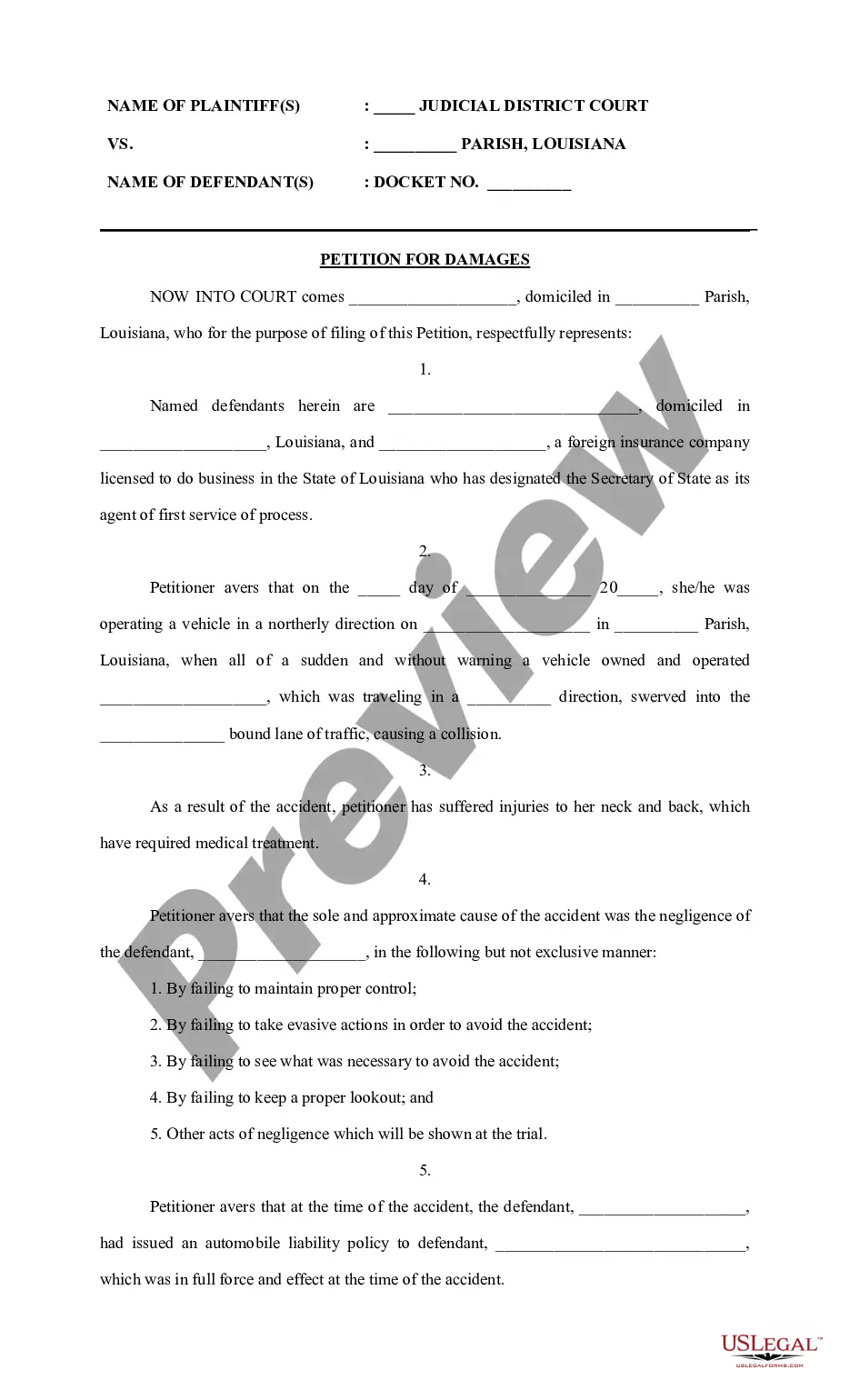
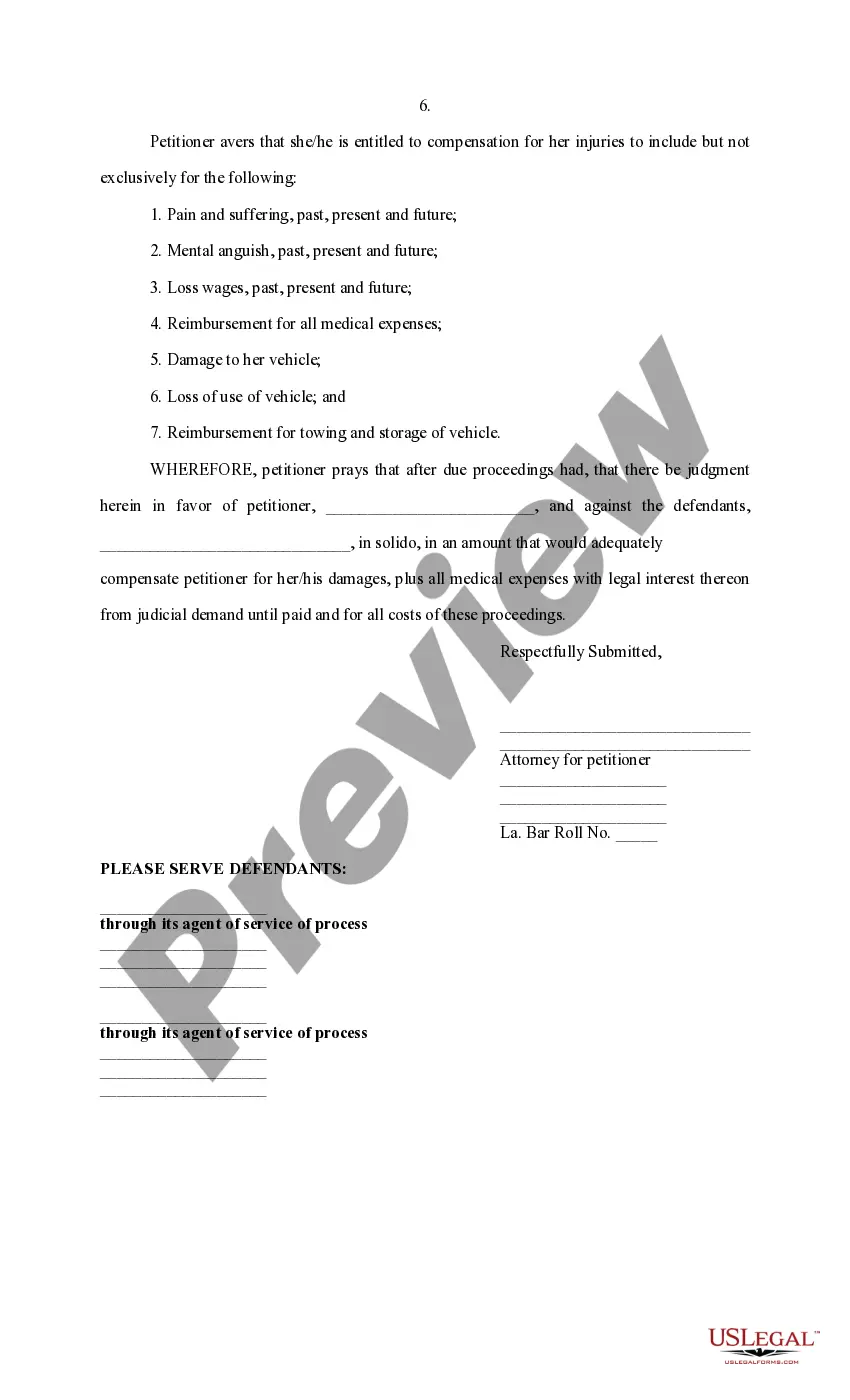
How to fill out Louisiana Petition For Damages?
- Log in to your US Legal Forms account if you're a returning user. Ensure your subscription is active before heading to the document library.
- Review the form description and Preview mode carefully. Double-check that the template meets your local jurisdiction's requirements.
- If the template doesn't fit your needs, utilize the Search function to look for alternative forms that may better serve your purpose.
- Select and purchase the desired form by clicking the Buy Now button. Choose the subscription that suits your legal needs.
- Complete the payment process by providing your credit card information or using PayPal.
- Download the form to your device and access it anytime through the My Forms section in your account.
US Legal Forms empowers you to efficiently manage your legal documentation needs. Their robust collection ensures you have more options than competitors, with over 85,000 easy-to-edit legal forms at your fingertips.
Start streamlining your legal process today! Visit US Legal Forms and gain access to the resources you need for effective legal documentation.
Form popularity
FAQ
Examples of punitive punishment in the context of Louisiana punitive damages include financial penalties levied against a defendant for actions like extreme recklessness or malicious behavior. For instance, if a company knowingly sells a defective product that injures consumers, the court may impose punitive damages to discourage similar future conduct. Such judgments signal that society will not tolerate serious misconduct. If you believe you have a case, consider using US Legal Forms to guide you in filing for Louisiana punitive damages.
Punitive damages in Louisiana are awarded in specific cases, primarily to punish the defendant's wrongful behavior and deter future misconduct. These cases often involve intentional wrongdoing, gross negligence, or actions that are particularly harmful. Examples include cases of fraud, willful misconduct, or egregious negligence that results in significant harm. Engaging with a qualified attorney can help you determine if your situation warrants a claim for Louisiana punitive damages.
In Louisiana, punitive damages generally are not recoverable in small claims court. This is because small claims courts handle cases with limited financial stakes, typically under a certain dollar amount. If you seek punitive damages, you may need to proceed with a regular civil case instead. Consulting with a legal expert can help you understand your options for pursuing Louisiana punitive damages.
A sample of punitive damages in the context of Louisiana punitive damages may involve a case where a defendant's actions were especially harmful or reckless. For instance, if someone is injured due to another party's egregious negligence, the court may award punitive damages to punish the wrongdoer and deter similar behavior in the future. These damages go beyond mere compensation for the victim's losses; they serve to uphold justice and encourage responsible conduct. For those seeking more clarity on punitive damages, the US Legal Forms platform provides valuable resources to help you understand your rights and the legal process.
Example cases of Louisiana punitive damages often involve severe negligence or intentional harm, such as cases of drunk driving, medical malpractice, and fraud. For instance, if a corporation knowingly sells a defective product that causes harm, victims may pursue punitive damages. Highlighting these examples can clarify the legal boundaries of punitive damages claims. You can also use platforms like USLegalForms to access resources that help you understand these scenarios better.
Yes, you can claim punitive damages in Louisiana if you can prove that the defendant acted with intent or gross negligence. It is important to demonstrate that their actions were not just harmful but also showed a reckless disregard for your rights. Consulting with a legal professional can help you assess the strength of your case. They can guide you through the intricacies of the law and clarify your eligibility.
When you decide to ask for Louisiana punitive damages, your attorney will help you outline your request in the legal complaint. Your request should include specific details about the defendant's behavior and how it harmed you. Clearly articulating the basis for your punitive damages claim is vital. Seeking legal guidance ensures you cover all necessary points effectively.
To seek Louisiana punitive damages, you must file a lawsuit against the responsible party. In your complaint, clearly state your claim and provide evidence showing their wrongful conduct. After initiating the lawsuit, your attorney can help you navigate the legal process, including gathering necessary documentation and preparing for court. Remember, you have the right to pursue additional damages if the circumstances warrant it.
When pursuing Louisiana punitive damages, you need compelling evidence to prove the defendant's malicious intent or gross negligence. Relevant evidence can include witness testimonies, expert opinions, and any documentation showing prior misconduct. It is essential to build a robust case that highlights the wrongful behavior of the defendant. This documentation will reinforce your claim and support the need for punitive damages.
In Louisiana, there is no strict cap on punitive damages, but they must be proportionate to the harm suffered. Courts typically evaluate the severity of the defendant's misconduct and the harm to the victim when deciding the amount. Therefore, it is crucial to present your case effectively to justify your claim for punitive damages. Engaging a legal professional can help you determine an appropriate figure.