Letter To Increase Rent For Tenant
Description
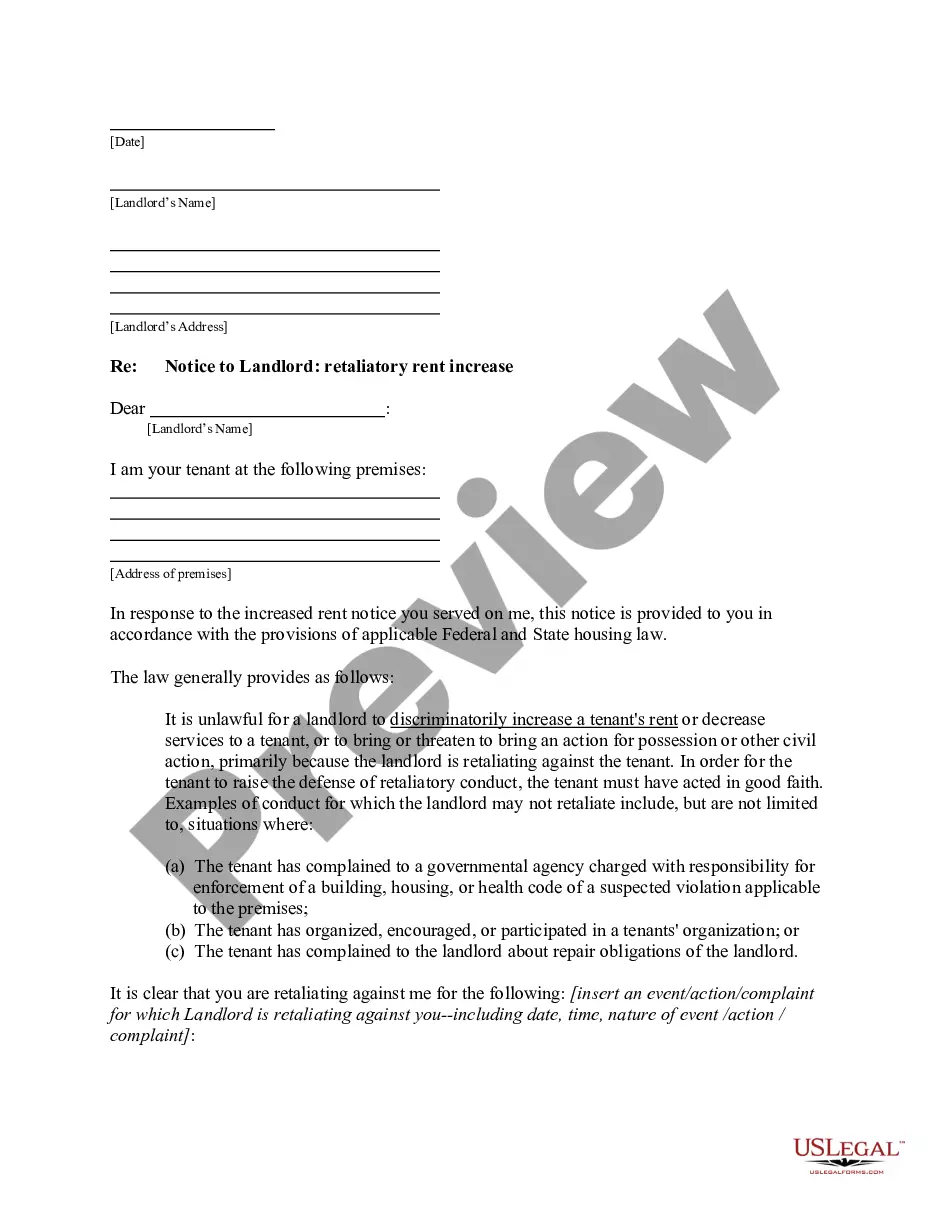
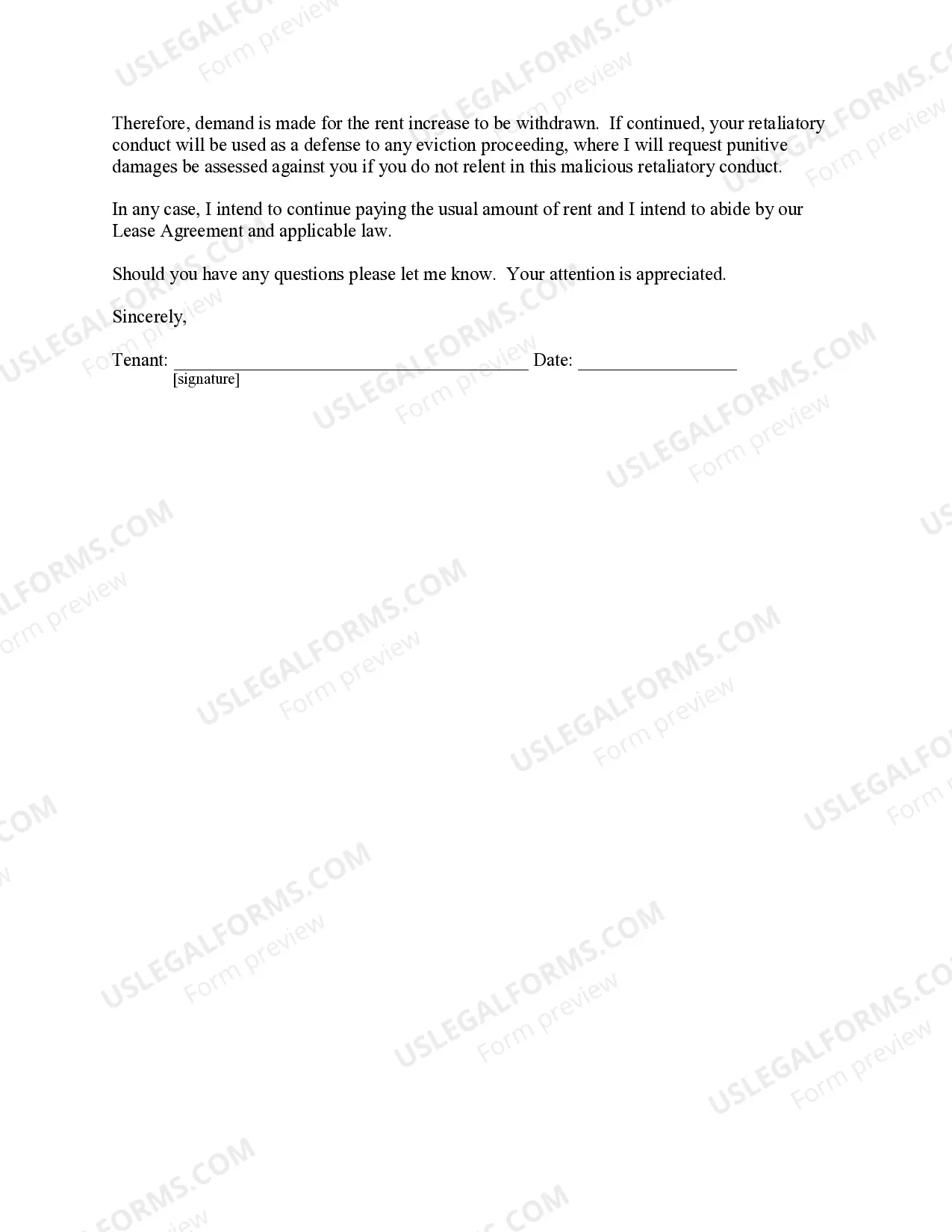

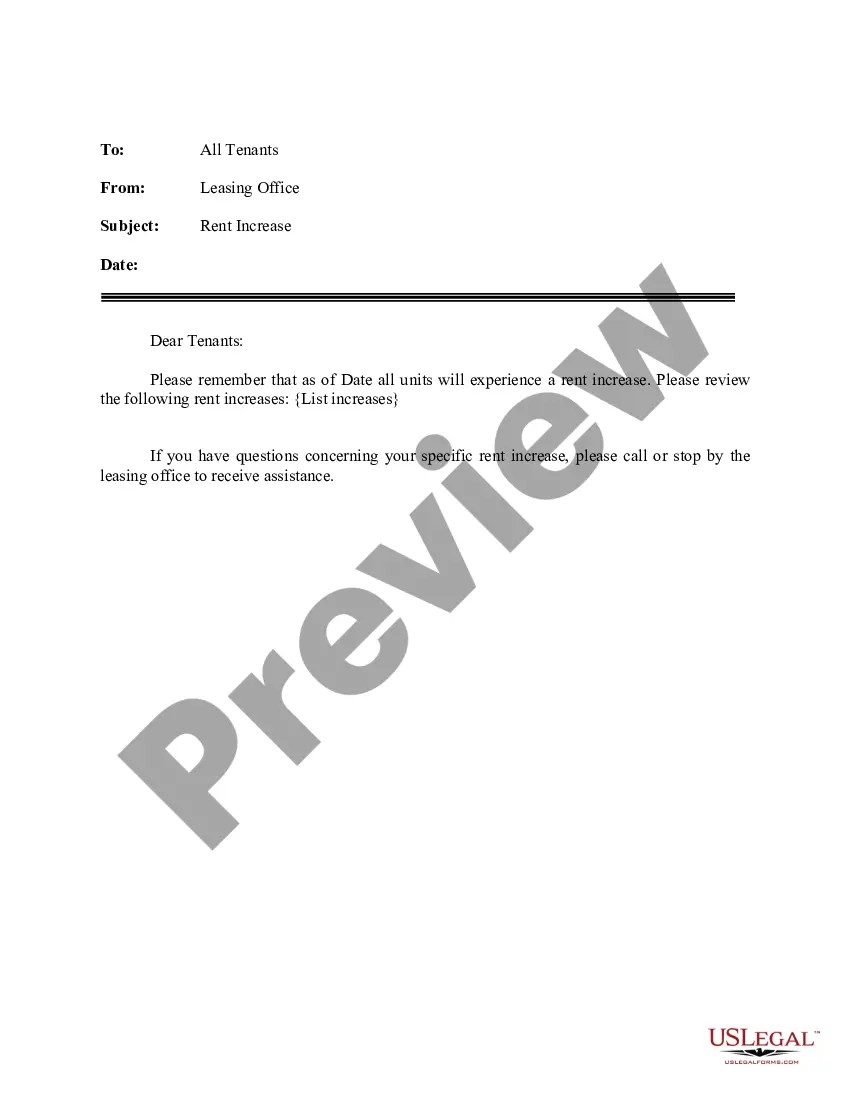


Get your form ready online
Our built-in tools help you complete, sign, share, and store your documents in one place.
Make edits, fill in missing information, and update formatting in US Legal Forms—just like you would in MS Word.
Download a copy, print it, send it by email, or mail it via USPS—whatever works best for your next step.
Sign and collect signatures with our SignNow integration. Send to multiple recipients, set reminders, and more. Go Premium to unlock E-Sign.
If this form requires notarization, complete it online through a secure video call—no need to meet a notary in person or wait for an appointment.
We protect your documents and personal data by following strict security and privacy standards.

Make edits, fill in missing information, and update formatting in US Legal Forms—just like you would in MS Word.

Download a copy, print it, send it by email, or mail it via USPS—whatever works best for your next step.

Sign and collect signatures with our SignNow integration. Send to multiple recipients, set reminders, and more. Go Premium to unlock E-Sign.

If this form requires notarization, complete it online through a secure video call—no need to meet a notary in person or wait for an appointment.

We protect your documents and personal data by following strict security and privacy standards.
Looking for another form?










How to fill out Louisiana Letter From Tenant To Landlord Containing Notice To Landlord To Withdraw Retaliatory Rent Increase?
- Log in to your US Legal Forms account. If you have not used our services before, create an account to access our resources.
- Browse the extensive library or use the search function to find the 'Letter to Increase Rent for Tenant' template that matches your needs.
- Review the template in Preview mode to ensure it complies with local laws and is appropriate for your situation.
- Complete your purchase by selecting your preferred subscription plan, then provide payment details using a credit card or PayPal.
- Download the completed form directly to your device from the 'My Forms' section for easy access and editing.
Using US Legal Forms allows you to simplify the process of creating legal documents with access to a robust library and expert assistance. This makes it easier to ensure that your legal communications, such as rent increase notices, are professionally crafted and valid.
Start your journey toward hassle-free legal documentation today. Visit US Legal Forms and take advantage of our comprehensive form collection!
Form popularity
FAQ
To inform a tenant about a rent increase, crafting a clear and respectful message is key. Start by stating the new rental amount and the effective date, followed by reasons for the increase. Providing a sample Letter to increase rent for tenant can help convey your message professionally, ensuring both parties understand the changes and any next steps.
The allowable rent increase can vary significantly based on local laws and agreements between parties. In many areas, there is a legal limit on percentage increases to ensure affordability for tenants. It’s wise to check state regulations or consult professionals. You can use a Letter to increase rent for tenant to express the intended amount transparently.
When notifying a tenant about a rent increase, it’s beneficial to communicate openly and provide a rationale for the change. You can talk about rising property costs or improvements made to enhance their living experience. Consider offering a Letter to increase rent for tenant as a formal notice to clarify the details and make the transition smoother.
The maximum amount a landlord can increase your rent often depends on local laws and regulations. For instance, some states cap rent increases at a certain percentage annually. It's essential to consult your local housing authority guidelines. If you're unsure, using a Letter to increase rent for tenant can help formalize the process.
Under California law, a landlord typically cannot raise rent more than 10% within a 12-month period, with some exceptions in certain cities. This limit includes both statewide regulations and local ordinances that may apply. When notifying your tenant, use a Letter to increase rent for tenant that outlines the reasons for the increase while staying within the legal framework. US Legal Forms offers resources to help you craft a proper notice that meets state regulations.
In Sacramento, the maximum amount a landlord can increase rent depends on local regulations. Generally, landlords may raise rent by 5% plus the local rate of inflation, capped at 10% in any given year. Therefore, when drafting a Letter to increase rent for tenant, ensure you comply with these limits to protect yourself legally. If you have further questions, consider using US Legal Forms for guidance on creating a compliant letter.
To write a letter refusing a rent increase, begin by clearly stating your intention to contest the increase. Include reasons for your refusal, such as financial hardship or market conditions. Express a willingness to discuss the matter further. This communication can help lay the groundwork for negotiation and understanding, enhancing your landlord-tenant relationship.
When addressing a landlord about a proposed rent increase, express your concern and ask for clarification on the reason behind the increase. You might also want to mention your understanding of market conditions, while being respectful. This conversation can open avenues for negotiation. If needed, you may follow up with a formal 'Letter to increase rent for tenant' to summarize your discussion.
Yes, tenants in Ontario can negotiate rent increases with their landlords. It's encouraged to discuss any concerns regarding the rent rise openly and respectfully. Engaging in dialogue may lead to a mutually beneficial agreement. Use a diplomatic approach, possibly supplemented by a 'Letter to increase rent for tenant' to document the negotiation process.
Writing a rent increase letter is straightforward. Start by addressing your tenant and clearly state the new rent amount and effective date. Be sure to include a brief explanation for the increase, such as rising property costs. A well-structured 'Letter to increase rent for tenant' can help maintain positive communication.