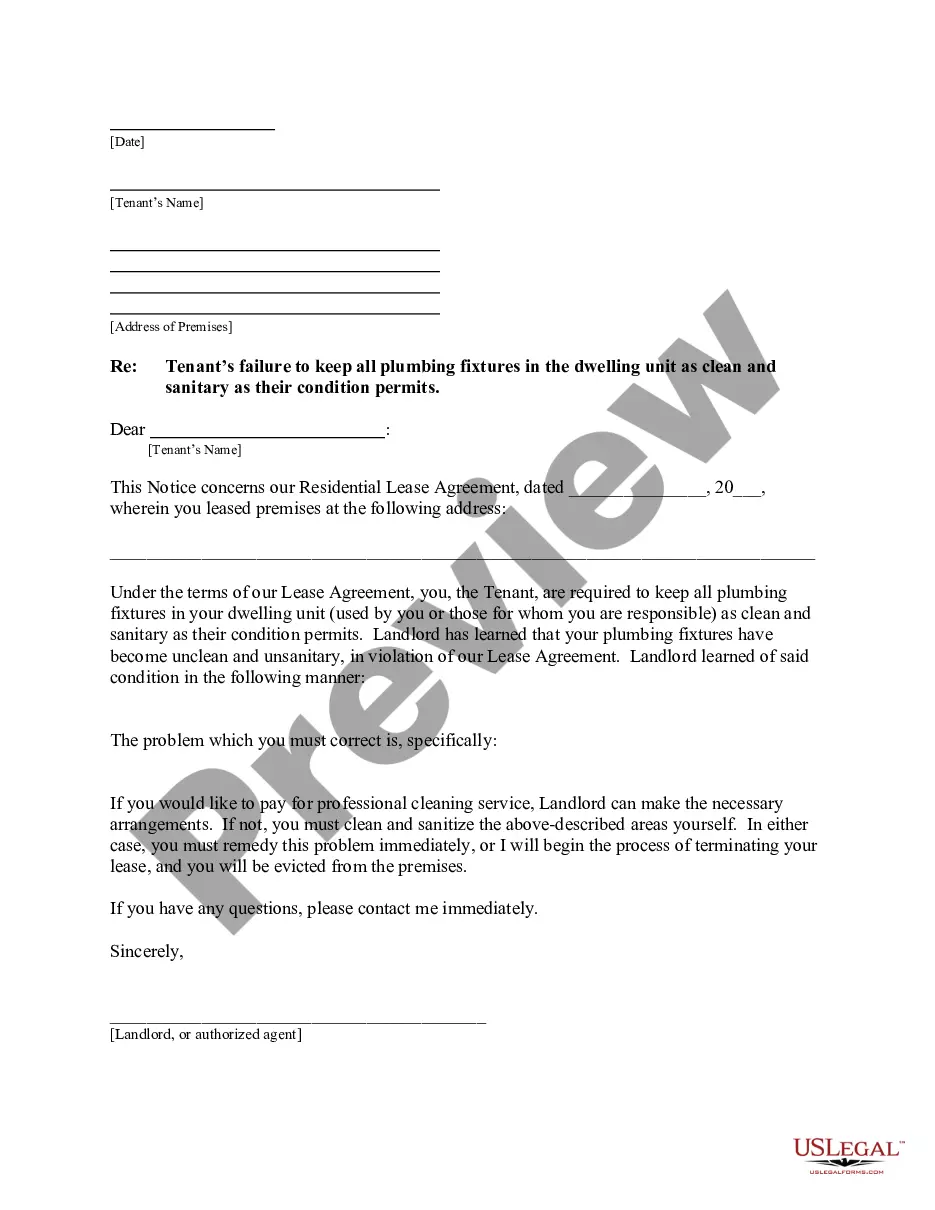
Tenant Failure Plumbing For The Water
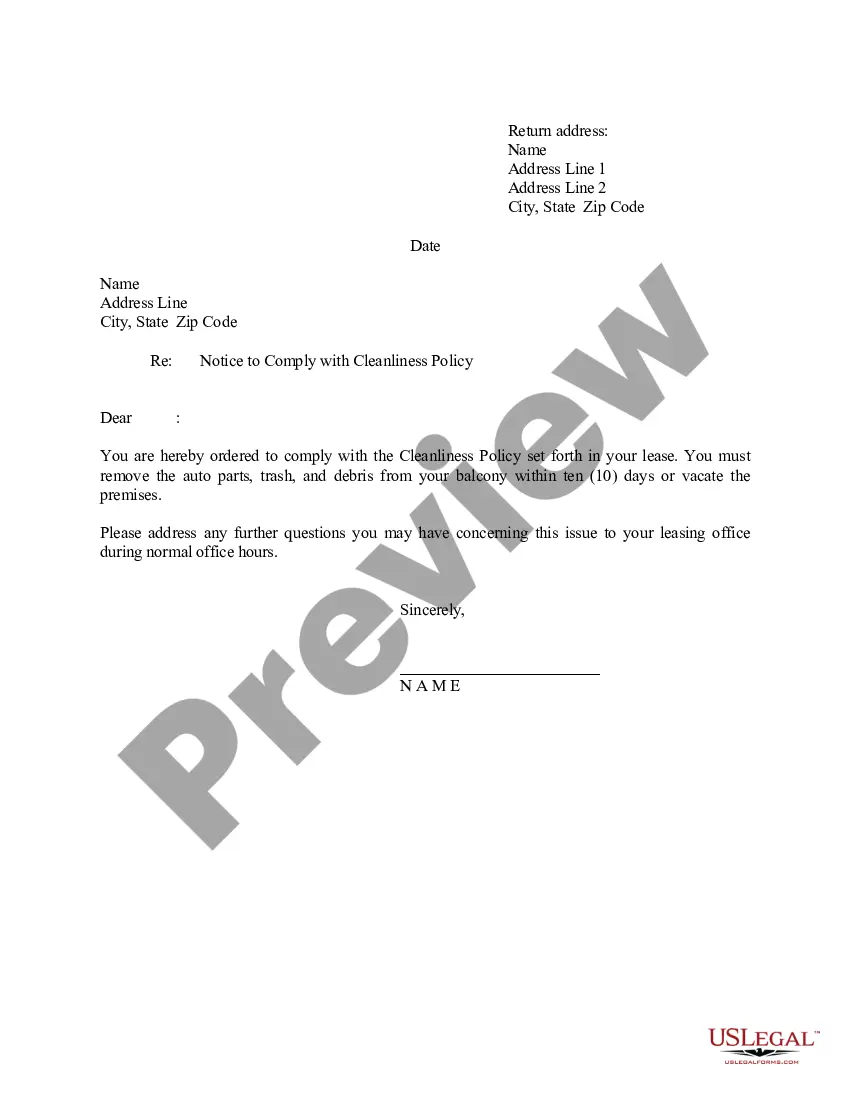
Description


Get your form ready online
Our built-in tools help you complete, sign, share, and store your documents in one place.
Make edits, fill in missing information, and update formatting in US Legal Forms—just like you would in MS Word.
Download a copy, print it, send it by email, or mail it via USPS—whatever works best for your next step.
Sign and collect signatures with our SignNow integration. Send to multiple recipients, set reminders, and more. Go Premium to unlock E-Sign.
If this form requires notarization, complete it online through a secure video call—no need to meet a notary in person or wait for an appointment.
We protect your documents and personal data by following strict security and privacy standards.

Make edits, fill in missing information, and update formatting in US Legal Forms—just like you would in MS Word.

Download a copy, print it, send it by email, or mail it via USPS—whatever works best for your next step.

Sign and collect signatures with our SignNow integration. Send to multiple recipients, set reminders, and more. Go Premium to unlock E-Sign.

If this form requires notarization, complete it online through a secure video call—no need to meet a notary in person or wait for an appointment.

We protect your documents and personal data by following strict security and privacy standards.
Looking for another form?




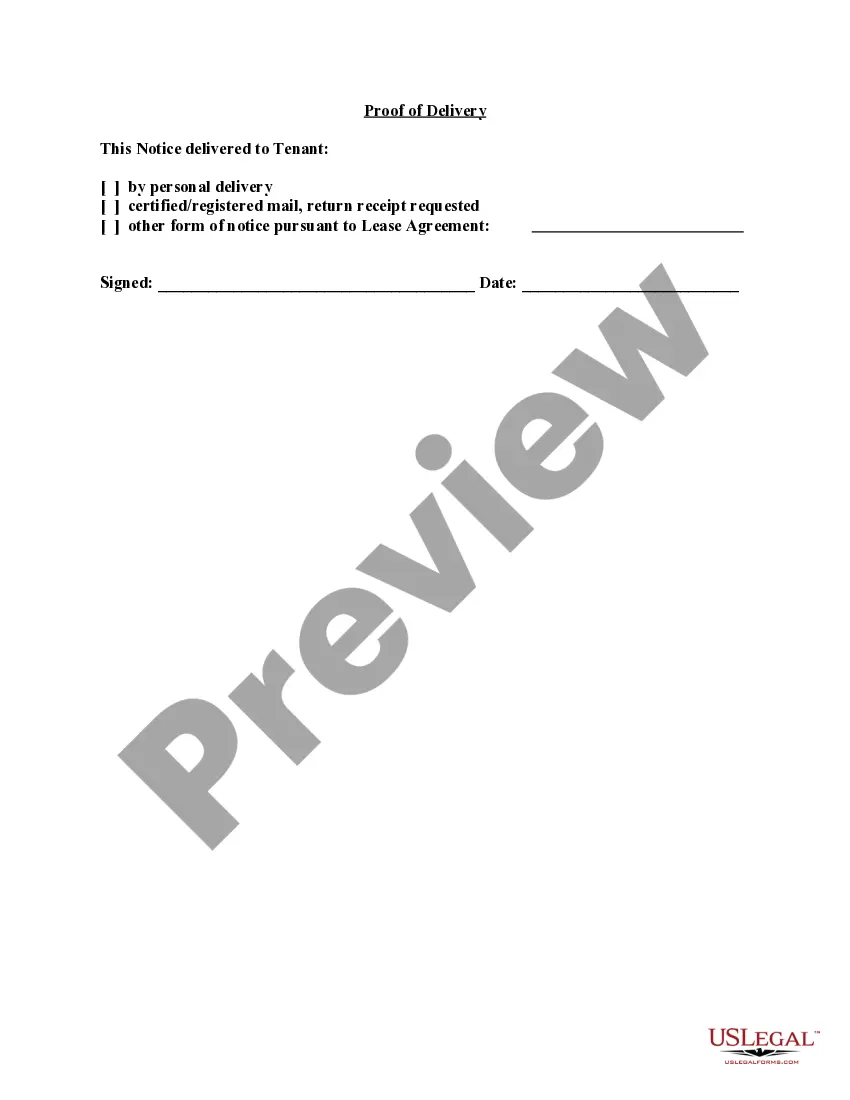
How to fill out Kentucky Letter From Landlord To Tenant For Failure To Keep All Plumbing Fixtures In The Dwelling Unit As Clean As Their Condition Permits - Remedy Or Lease Terminates?
- If you are a returning user, log in to your US Legal Forms account and navigate to the needed template. Ensure your subscription is current; if not, renew as per your payment plan.
- Review the Preview mode and description of the form to confirm it meets your specific local legal requirements.
- If necessary, search for alternative templates using the Search tab for accuracy in your legal documentation.
- Proceed to purchase by clicking the Buy Now button, selecting your preferred subscription plan, and registering for an account if this is your first visit.
- Complete your purchase with your credit card or PayPal to activate your subscription.
- Download the template onto your device; it will also be accessible later in your My documents section.
US Legal Forms empowers both individuals and attorneys, providing a robust library of over 85,000 editable legal forms and packages. This extensive collection surpasses competitors, ensuring you find the right documents at the best value.
With access to premium experts for assistance, you can complete forms with confidence, ensuring your legal documents are accurate and compliant. Get started with US Legal Forms today to simplify your legal needs.
Form popularity
FAQ
Landlord neglect occurs when a landlord fails to maintain the property or meet legal responsibilities, such as addressing tenant failure plumbing for the water. This includes ignoring reports of severe plumbing issues or other essential repairs. A neglected property can lead to hazardous living conditions and can significantly impact tenants' quality of life. Tenants should be proactive in documenting neglect and understanding their rights.
In Texas, landlords must make necessary repairs within a reasonable period after receiving notice from the tenant. This typically means addressing urgent plumbing concerns—such as tenant failure plumbing for the water—within a few days. Non-urgent repairs may allow for a longer response time. Ultimately, timely and transparent communication can lead to faster resolutions.
Texas law states that landlords have a reasonable amount of time to address plumbing issues after being notified by tenants. This time frame typically ranges from a few days to two weeks, depending on the severity of the problem. If the plumbing issue relates to tenant failure plumbing for the water, it often requires swift action. Tenants should document the issue and communicate effectively with their landlords.
In Texas, uninhabitable living conditions arise when a rental property lacks essential utilities, such as water, heating, or plumbing. When it comes to tenant failure plumbing for the water, the absence of properly functioning water systems can make a home unsafe. Landlords must ensure their properties meet basic health and safety standards. If significant plumbing issues persist, tenants have the right to seek assistance.
Landlords in Georgia have a reasonable timeframe to address various problems, including serious concerns like tenant failure plumbing for the water. Depending on the issue's urgency, they may have 7 to 30 days to resolve it. If they do not meet these timelines, tenants should explore their rights and potential recourse. Remember, using resources from USLegalForms can help you navigate this process more effectively.
In Georgia, the timeframe for landlords to fix issues typically depends on the severity of the problem. For critical issues like tenant failure plumbing for the water, landlords must act promptly, often within 7 days. For less urgent repairs, the timeline may extend to 30 days. Understanding these timelines is important for tenants seeking resolution.
If your landlord fails to address necessary repairs, including issues related to tenant failure plumbing for the water, you have several options. First, document the problem and notify your landlord in writing, giving them a reasonable time to respond. If the landlord remains unresponsive, you can seek assistance from local housing authorities or consider legal action. Platforms like USLegalForms can provide helpful resources and templates for dealing with such situations.
In Georgia, uninhabitable living situations may arise when essential services are lacking. This includes severe plumbing issues such as tenant failure plumbing for the water, which affects access to clean water. Additionally, a lack of heating, pest infestations, or structural hazards can contribute to an unlivable space. Tenants have the right to safe and healthy living conditions, and addressing these issues is crucial.
Yes, no running water is considered an emergency in an apartment setting. It directly relates to tenant failure plumbing for the water and can impede daily living activities. Landlords are expected to act swiftly to rectify situations causing loss of water. If you encounter this issue, do not hesitate to reach out to your landlord to expedite a resolution.
Typically, tenants are not responsible for major plumbing issues, especially if they are not caused by tenant negligence. Landlords usually handle significant repairs, including tenant failure plumbing for the water. However, minor repairs related to a tenant's misuse may fall on the tenant. It's crucial to communicate with your landlord about plumbing issues to clarify responsibilities clearly.