Legal Child
Description
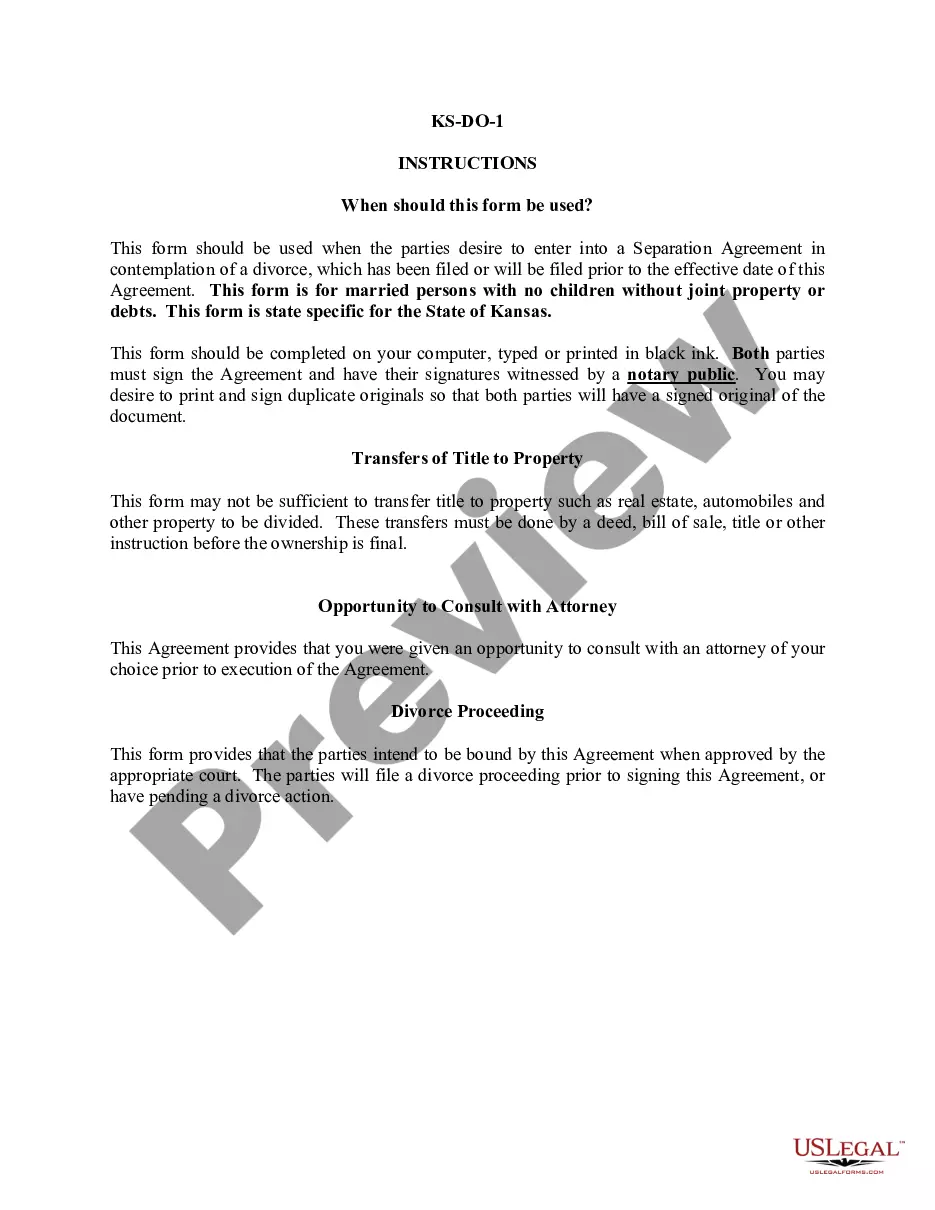
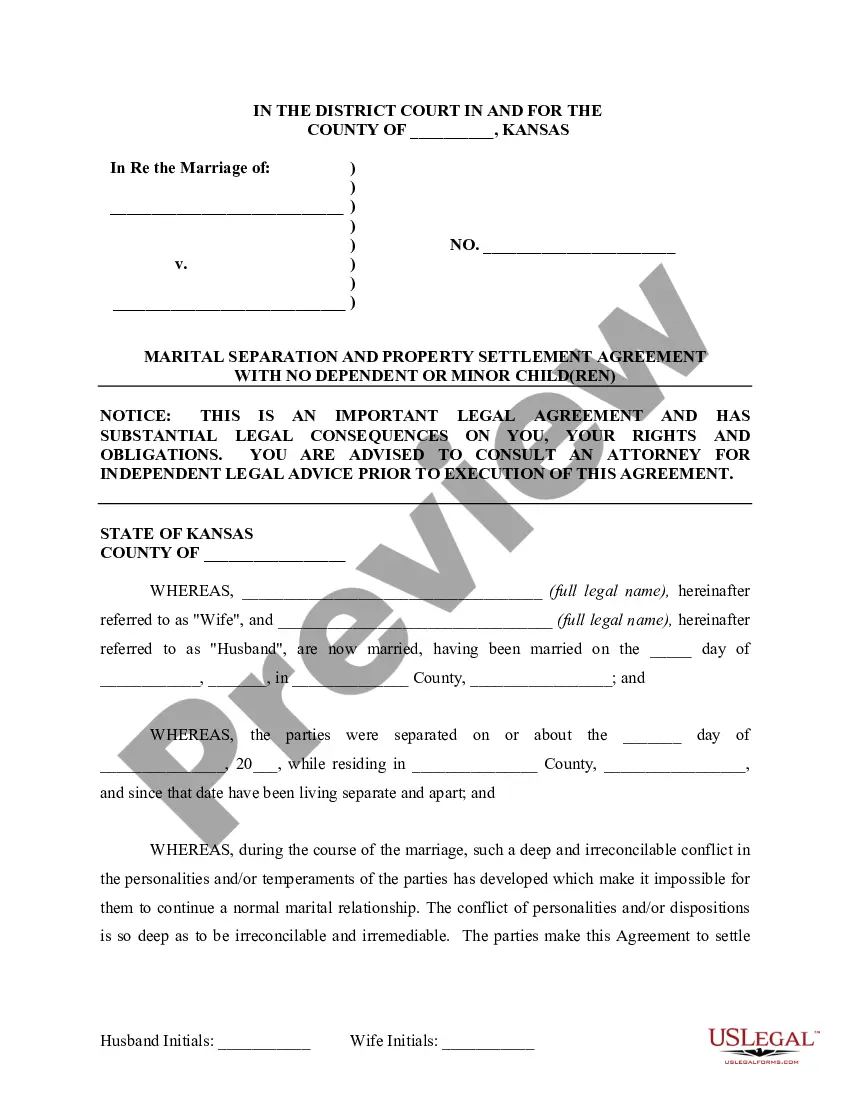
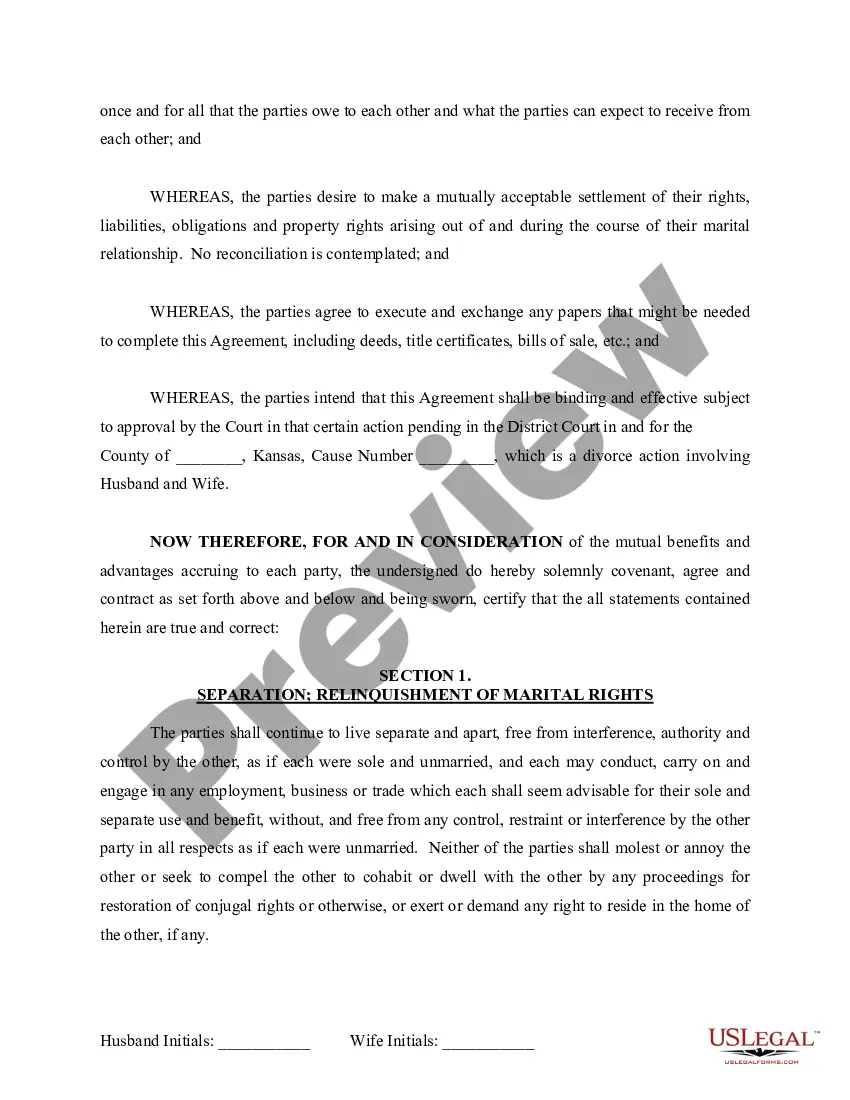
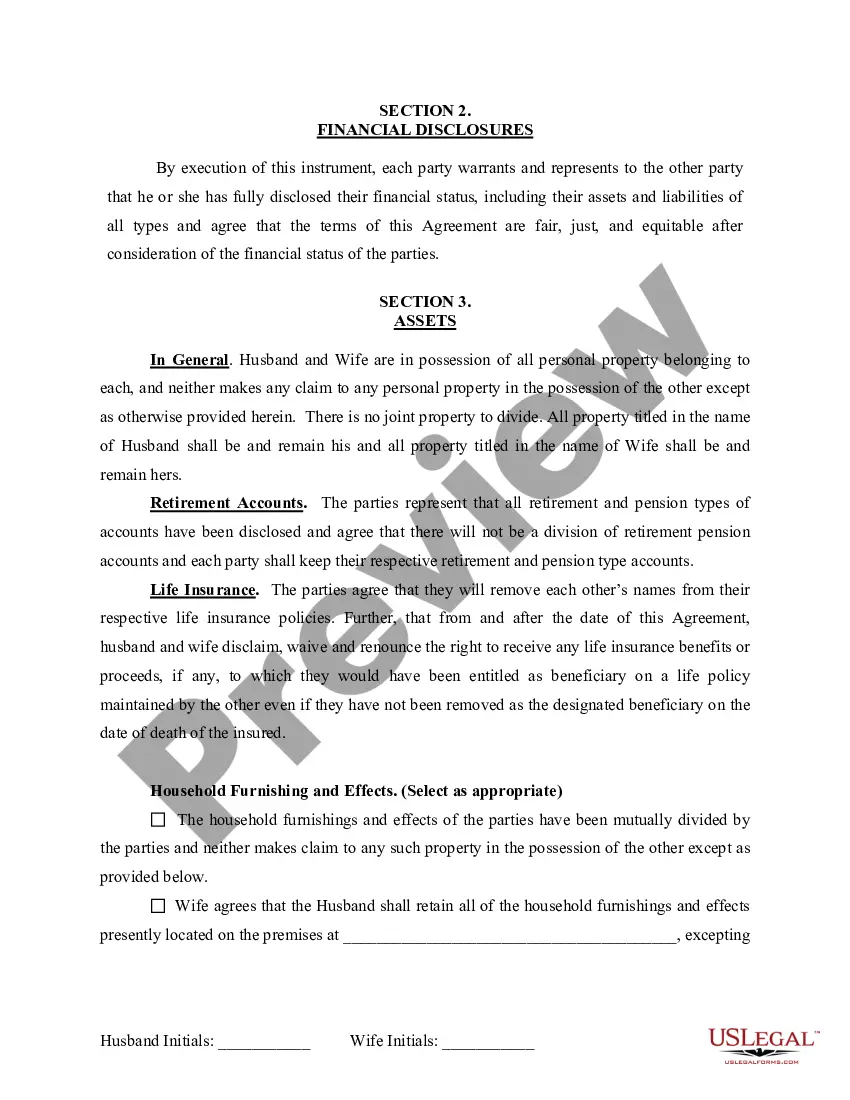

Get your form ready online
Our built-in tools help you complete, sign, share, and store your documents in one place.
Make edits, fill in missing information, and update formatting in US Legal Forms—just like you would in MS Word.
Download a copy, print it, send it by email, or mail it via USPS—whatever works best for your next step.
Sign and collect signatures with our SignNow integration. Send to multiple recipients, set reminders, and more. Go Premium to unlock E-Sign.
If this form requires notarization, complete it online through a secure video call—no need to meet a notary in person or wait for an appointment.
We protect your documents and personal data by following strict security and privacy standards.

Make edits, fill in missing information, and update formatting in US Legal Forms—just like you would in MS Word.

Download a copy, print it, send it by email, or mail it via USPS—whatever works best for your next step.

Sign and collect signatures with our SignNow integration. Send to multiple recipients, set reminders, and more. Go Premium to unlock E-Sign.

If this form requires notarization, complete it online through a secure video call—no need to meet a notary in person or wait for an appointment.

We protect your documents and personal data by following strict security and privacy standards.
Looking for another form?








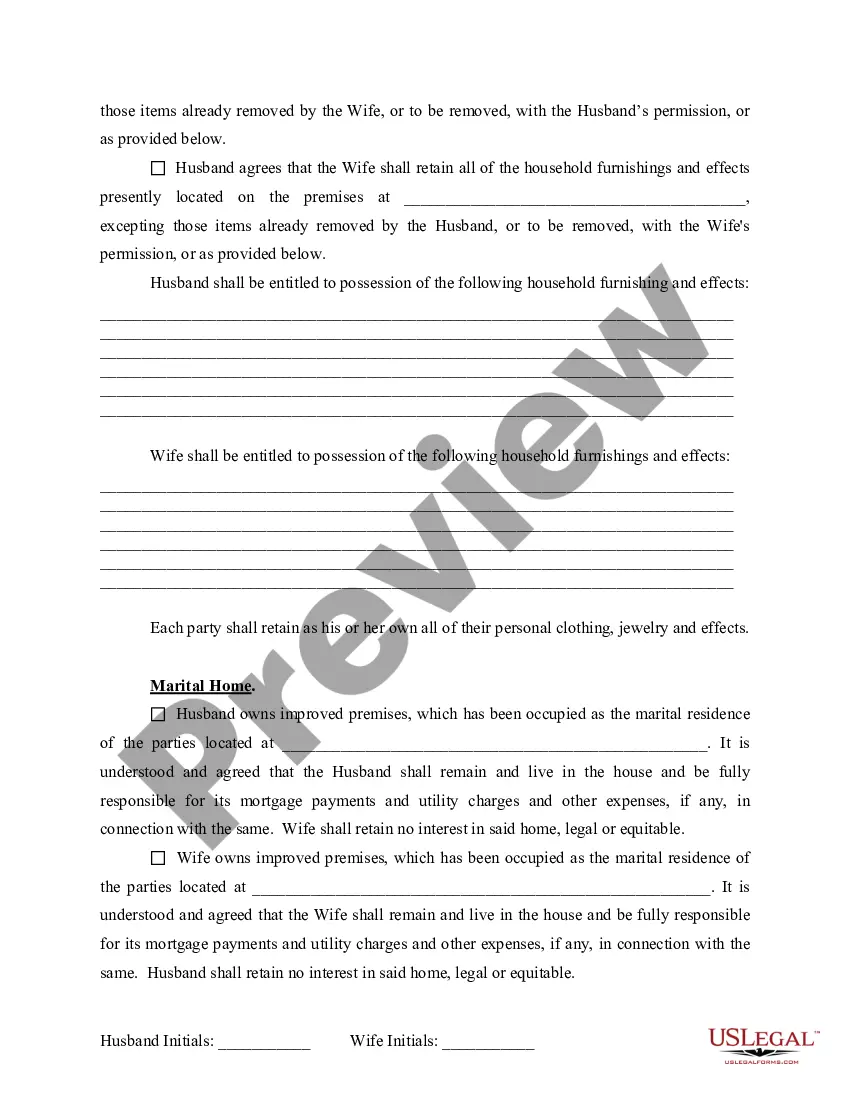
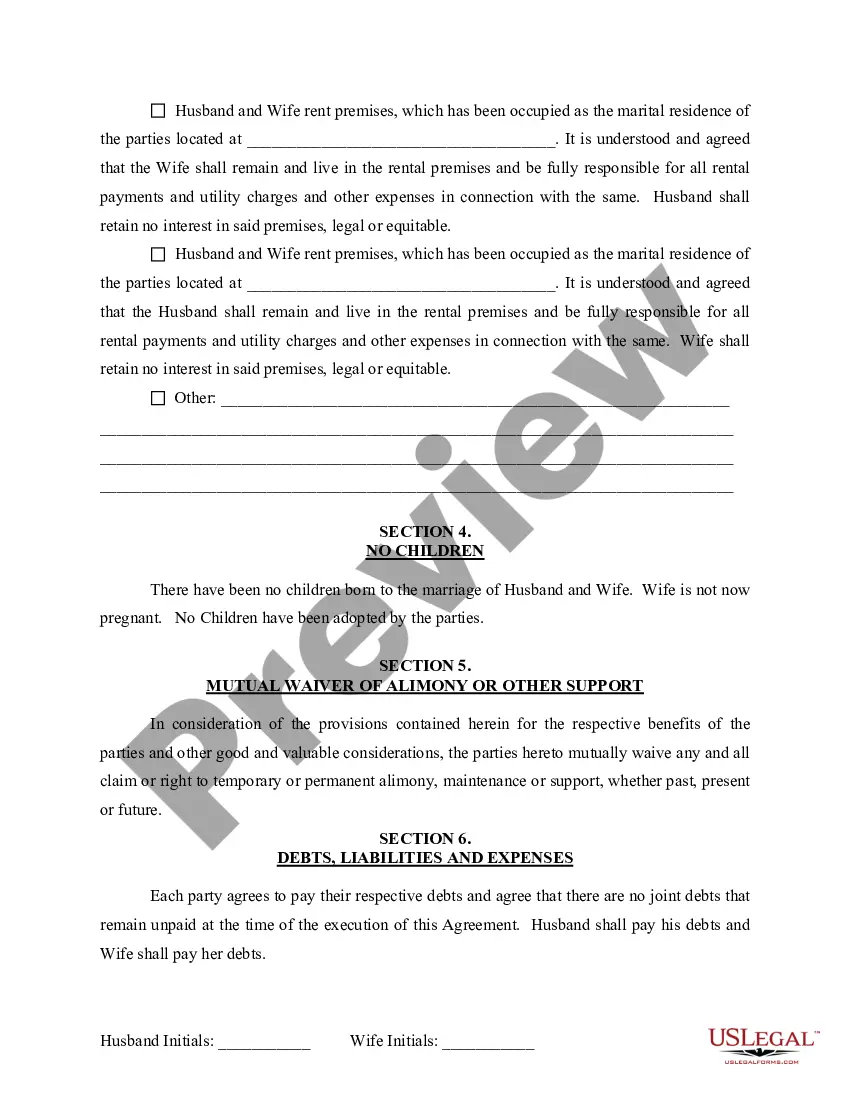
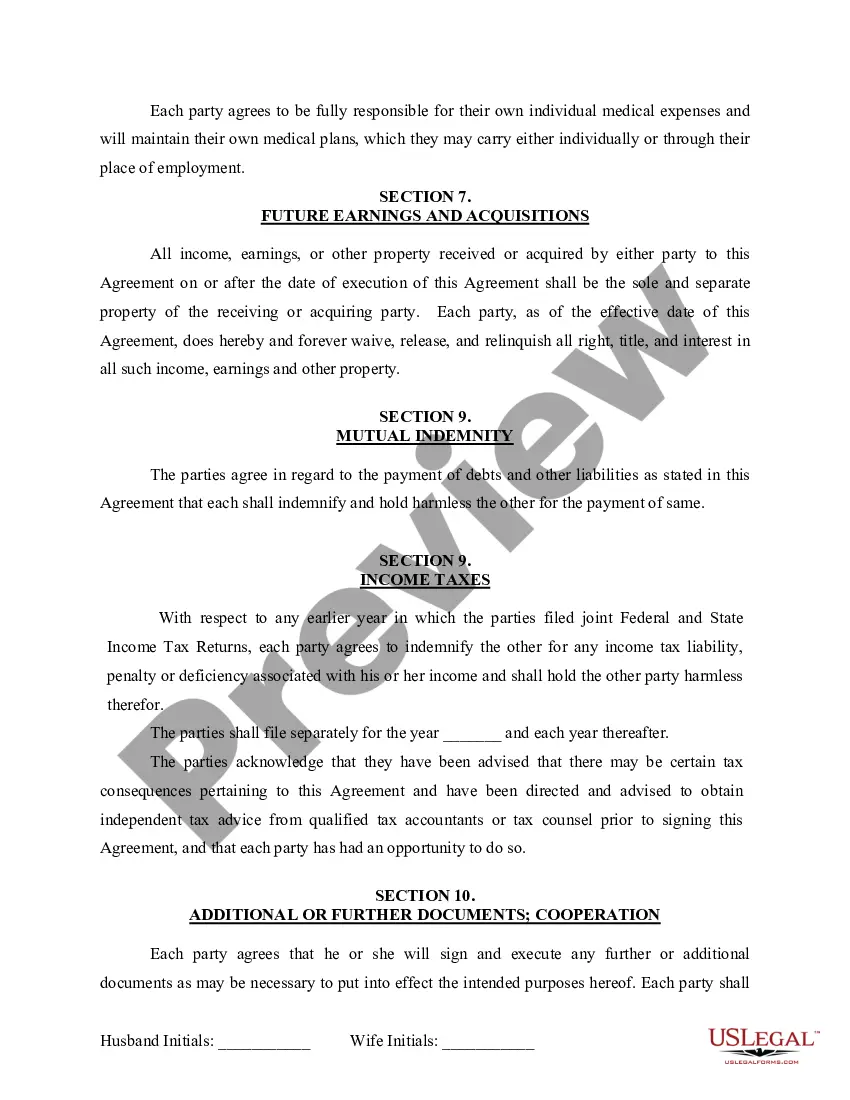
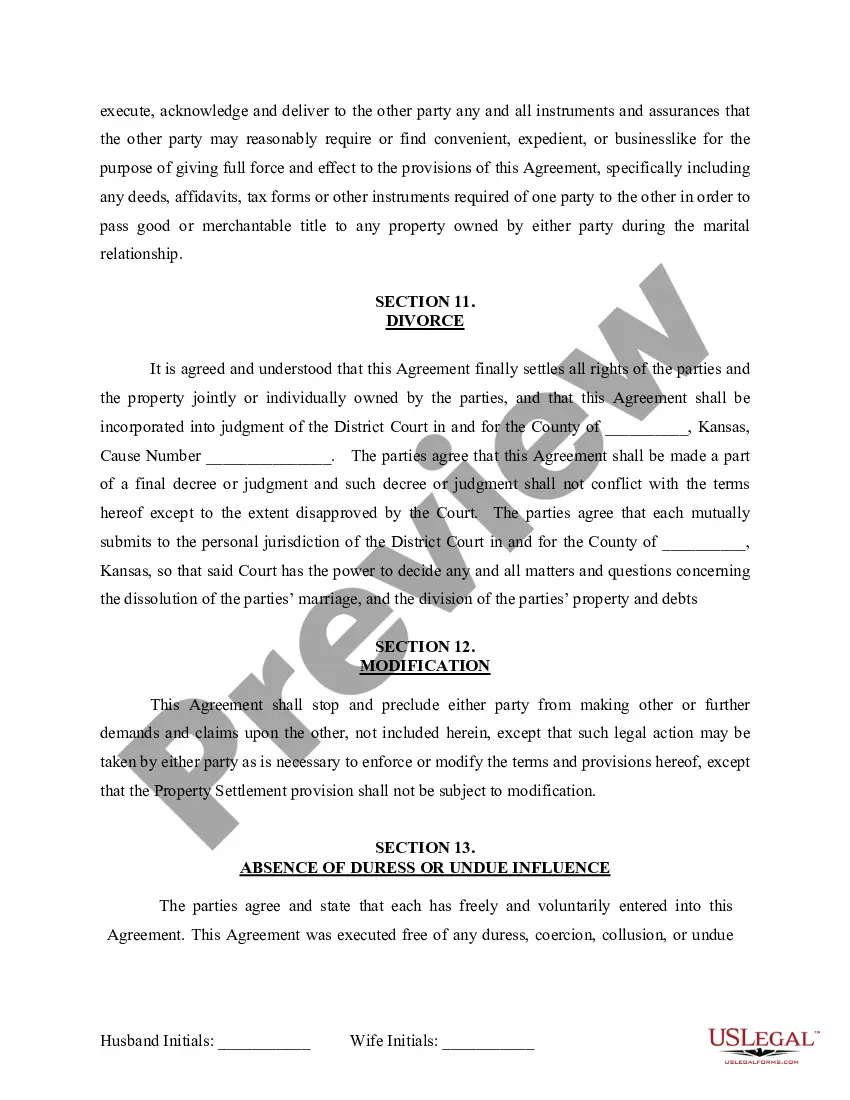
How to fill out Kansas Marital Legal Separation And Property Settlement Agreement For Persons With No Children, No Joint Property Or Debts Where Divorce Action Filed?
- If you already have an account with US Legal Forms, log in to access your profile and select the required legal child form. Ensure your subscription is active; renew if necessary.
- For new users, start by examining the form previews and descriptions. Make sure you select a legal child form that aligns with your requirements and is compliant with your jurisdiction.
- If the available form doesn't meet your needs, utilize the Search feature to find a different option that fits your criteria.
- Once you've selected the appropriate form, click 'Buy Now' and choose a subscription plan that works best for you. You'll need to create an account to connect to the form library.
- Proceed to checkout by entering your payment information. You can opt for credit card payment or use a PayPal account.
- Finally, download your legal child form. Save the document to your device to fill it out and access it anytime via the My Forms section.
With US Legal Forms, you gain access to a more extensive collection of forms than many competitors, coupled with support from premium experts for form completion. This ensures you create legally sound documents.
Start your journey towards hassle-free legal documentation today with US Legal Forms. Visit their website to explore the vast resources available!
Form popularity
FAQ
To write a custody support letter, you should begin by stating your relationship to the legal child and your reasons for supporting custody arrangements. Emphasize the positive impact of these arrangements on the legal child’s well-being and future. Be specific about your experiences and observations that highlight the importance of your involvement. Utilizing resources like USLegalForms can provide you with a structured approach to crafting an effective support letter.
Writing a good affidavit for child custody requires you to declare facts that support your case regarding your legal child. Start by introducing yourself, your relationship with the legal child, and the reasons for your custody request. Present clear, factual statements, and avoid subjective opinions to enhance credibility. USLegalForms offers templates that can simplify this process and ensure you include all necessary details.
When writing a letter to court for custody, begin with your contact information and the court's address. State the case number, if applicable, and clearly articulate your request regarding the custody of your legal child. Include supporting facts that demonstrate your suitability as a guardian for your legal child, while ensuring the letter is respectful and concise. For templates and legal guidance, consider using USLegalForms for assistance.
To write a legal letter for child custody, start by clearly stating your intention to request custody of your child. Detail the reasons why this arrangement benefits your legal child, such as stability or safety. Be sure to include pertinent information about your relationship with your legal child and any past custody agreements. Utilizing USLegalForms can guide you in crafting a professional letter tailored to your specific situation.
Statistically, a notable percentage of mothers—around 80%—often receive full custody in legal child cases. This trend reflects societal views on caregiving roles, though it may vary by case and jurisdiction. Every situation is different, and presenting a balanced case focused on your child's needs can influence decisions. Resources like uSlegalforms can aid in preparing relevant documentation to support your claim.
Navigating a 50/50 custody arrangement can bring its challenges for both parents and legal child. While it allows for shared parenting, it requires effective communication and cooperation between parents. Conflicts may arise regarding scheduling and decision-making for the child. Employing a collaborative approach can ease transitions and ensure your child remains at the center of your efforts.
Custody decisions for legal children hinge on what is in the child's best interest. Often, the parent who has been the primary caregiver during the relationship has an advantage. However, both parents have an opportunity to present their cases. Leveraging resources, like uSlegalforms, can help you compile the necessary documents to advocate effectively for custody.
Full custody is typically awarded to the parent who can best demonstrate a stable environment for the legal child. Courts often consider factors such as the primary caregiver during the marriage, the parent's ability to provide financial support, and continuity of care. If you want to pursue full custody, having a plan that prioritizes your child's needs is crucial. Documenting your involvement can also strengthen your case.
The outcome of custody battles in legal child cases depends on various factors. Courts focus on the child's well-being, rather than on which parent seeks custody more aggressively. Each case is unique, and presenting clear evidence of your suitability as a parent can improve your chances. Engaging legal help can assist you in navigating the complex landscape of custody hearings.
In legal child custody matters, both mothers and fathers have equal rights. Courts prioritize the best interest of the child when determining custody. Factors such as the child’s age, health, and emotional needs can influence custody decisions. It's essential to present a strong case that highlights your commitment to being a supportive parent.