Equitable Or Equal
Description
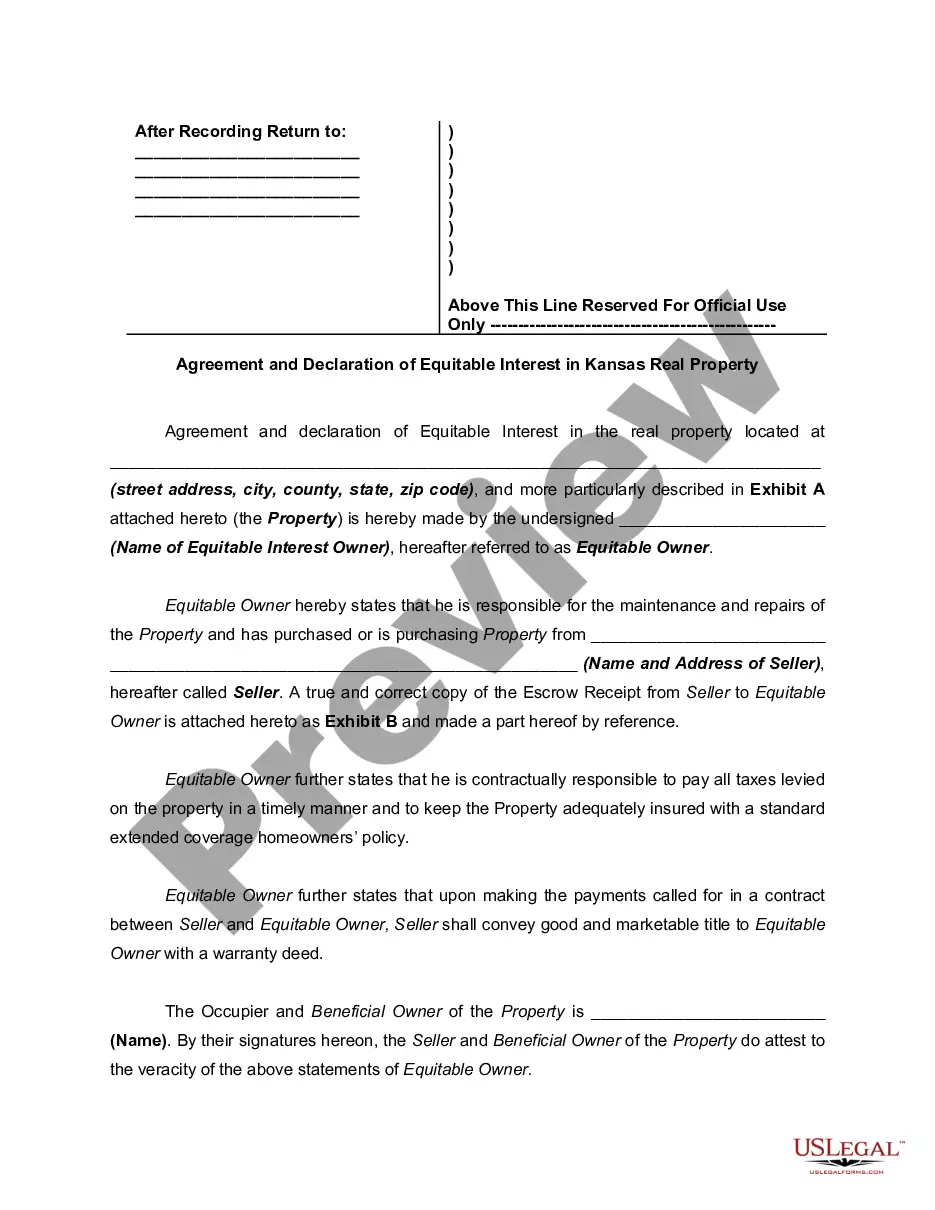
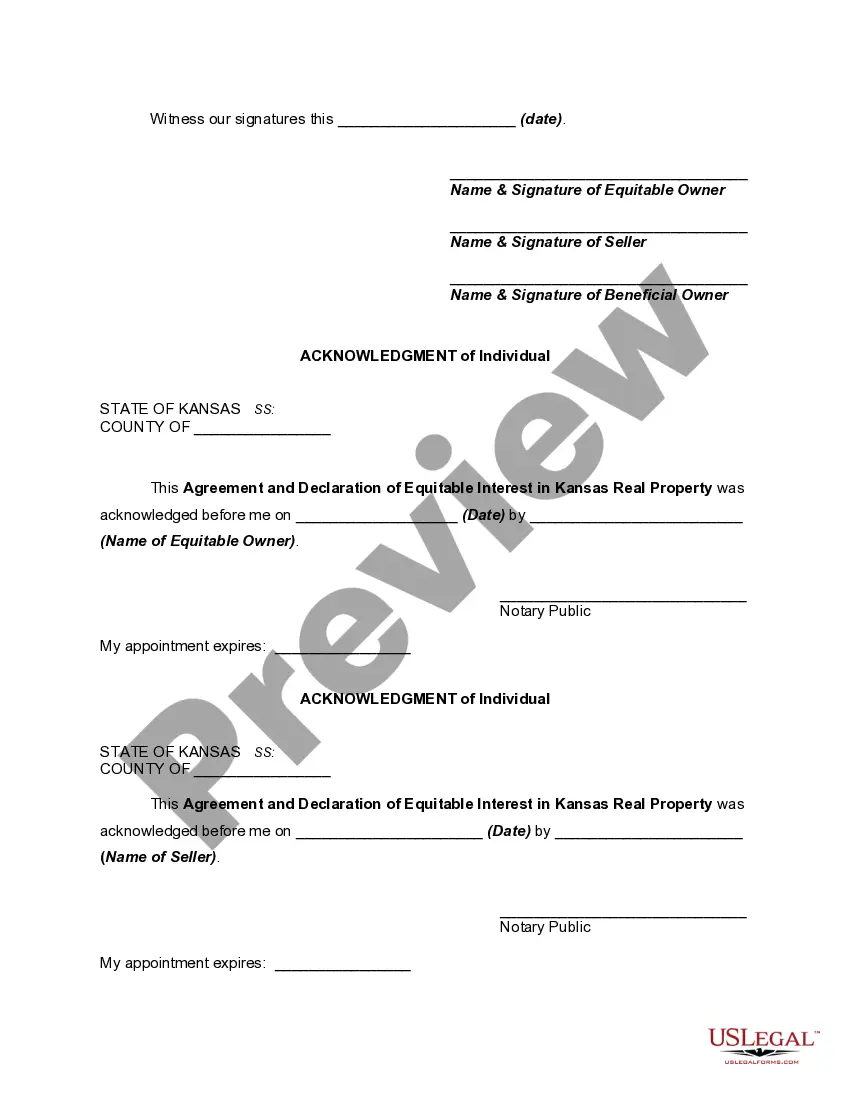
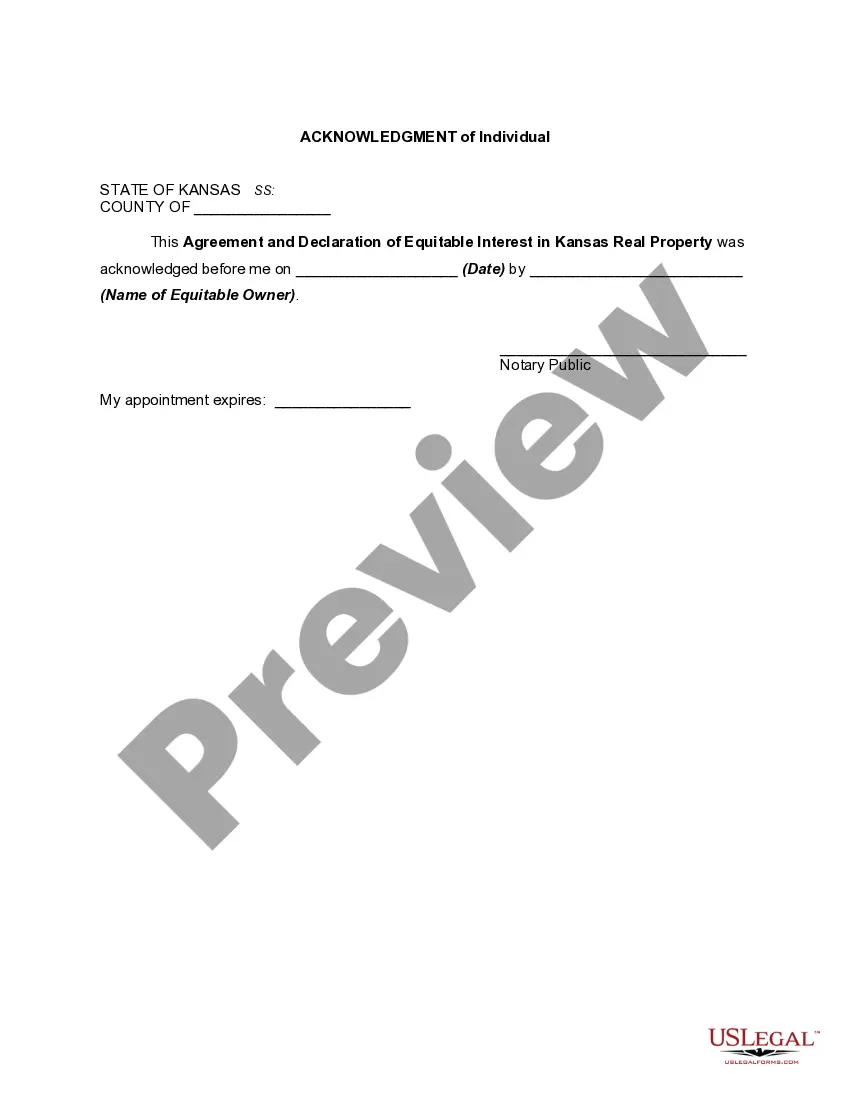

Get your form ready online
Our built-in tools help you complete, sign, share, and store your documents in one place.
Make edits, fill in missing information, and update formatting in US Legal Forms—just like you would in MS Word.
Download a copy, print it, send it by email, or mail it via USPS—whatever works best for your next step.
Sign and collect signatures with our SignNow integration. Send to multiple recipients, set reminders, and more. Go Premium to unlock E-Sign.
If this form requires notarization, complete it online through a secure video call—no need to meet a notary in person or wait for an appointment.
We protect your documents and personal data by following strict security and privacy standards.

Make edits, fill in missing information, and update formatting in US Legal Forms—just like you would in MS Word.

Download a copy, print it, send it by email, or mail it via USPS—whatever works best for your next step.

Sign and collect signatures with our SignNow integration. Send to multiple recipients, set reminders, and more. Go Premium to unlock E-Sign.

If this form requires notarization, complete it online through a secure video call—no need to meet a notary in person or wait for an appointment.

We protect your documents and personal data by following strict security and privacy standards.
Looking for another form?

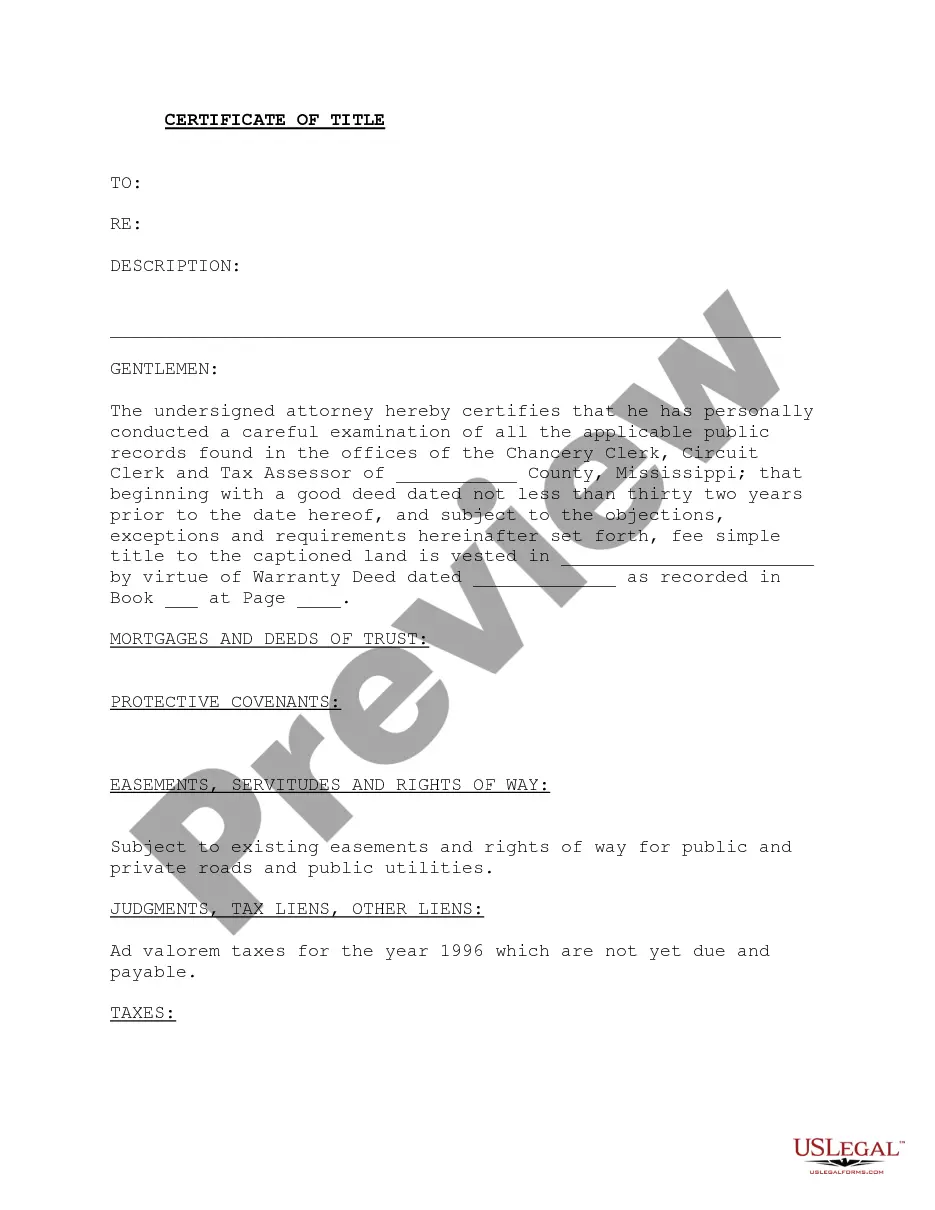





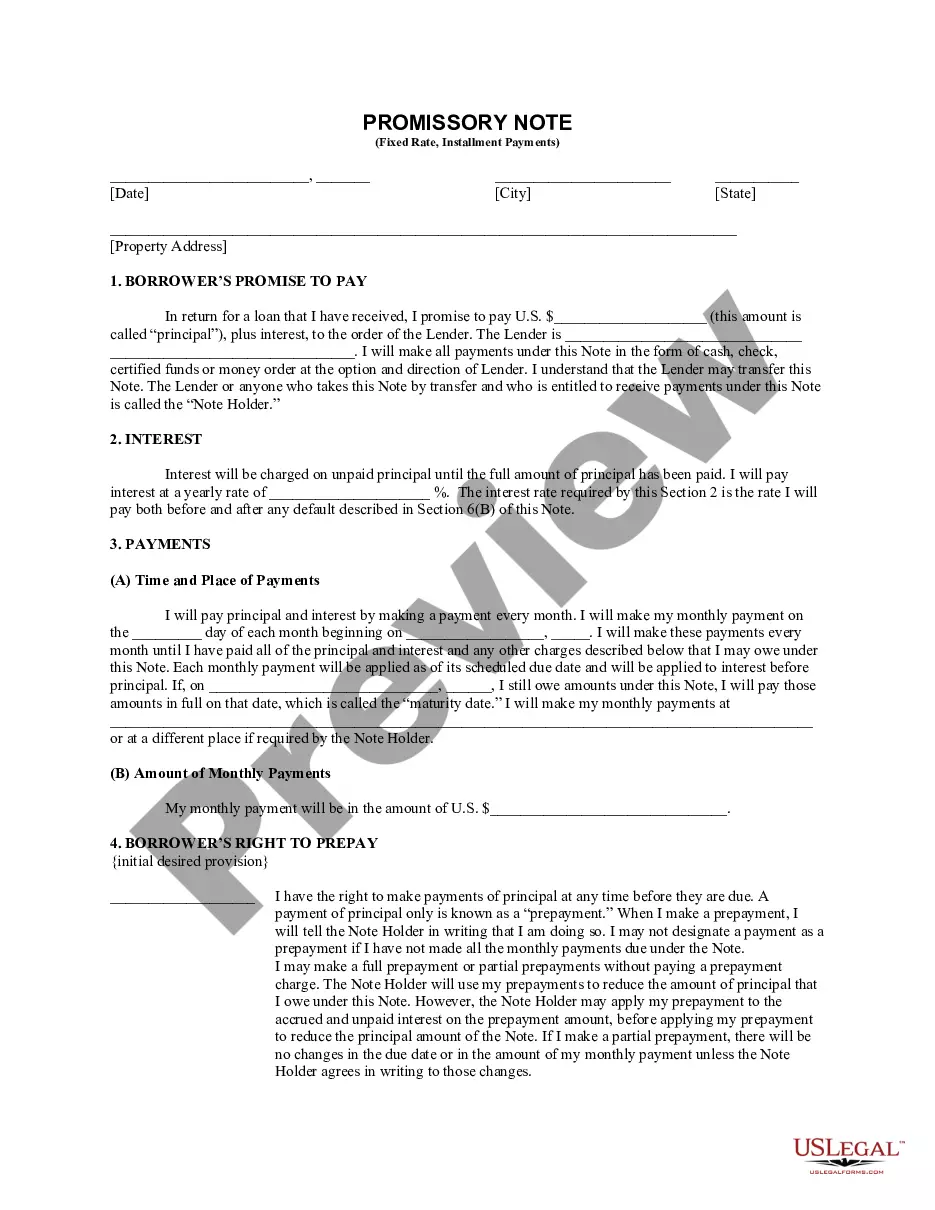


How to fill out Agreement And Declaration Of Equitable Interest In Kansas Real Property?
Identifying a go-to location to obtain the latest and suitable legal documents is half the challenge of managing red tape.
Finding the appropriate legal paperwork requires accuracy and careful consideration, which is why it is crucial to acquire samples of Equitable Or Equal solely from trustworthy resources, like US Legal Forms.
Eliminate the stress involved with your legal documentation. Browse the extensive US Legal Forms library where you can discover legal samples, assess their relevance to your situation, and download them instantly.
- Make use of the library navigation or search tool to find your document.
- Access the form's details to ensure it meets the stipulations of your area and state.
- Open the form preview, if available, to verify that the template is what you need.
- Continue your search and find the suitable document if the Equitable Or Equal does not meet your requirements.
- If you are confident about the form’s applicability, download it.
- When you are a registered user, click Log in to verify and access your chosen templates in My documents.
- If you do not yet have an account, click Buy now to acquire the form.
- Choose the payment plan that suits your needs.
- Proceed with the registration to finalize your order.
- Complete your transaction by selecting a payment option (credit card or PayPal).
- Choose the document format for downloading Equitable Or Equal.
- Once you have the form on your device, you can alter it using the editor or print it out to complete it manually.
Form popularity
FAQ
Examples of equitable claims include requests for the division of assets based on contributions, seeking a change in alimony agreements based on financial status, or asking for exclusive rights to a family business. Each claim aims to ensure fairness in the division of resources and responsibilities during divorce. It’s about creating resolutions that honor both partners' sacrifices. When considering equitable claims, understanding your rights is essential.
The 10 10 10 rule for divorce encourages individuals to evaluate life decisions through three time frames: ten minutes, ten months, and ten years. This framework allows you to consider immediate feelings, practical short-term impacts, and long-term outcomes when navigating divorce. The goal is to help you make more equitable choices ensuring your future is equitable and bright. This reflection can lead to healthier decisions.
An example of an equitable claim might involve a spouse seeking a share of their partner’s retirement benefits based on years of marital contributions. Instead of merely splitting assets, the claim focuses on achieving a fair outcome recognizing the non-tangible contributions made during the marriage. This approach ensures both parties are treated equitably. It highlights the importance of recognizing each individual’s sacrifices.
An equity claim refers to a request for a fair outcome in a legal dispute, usually concerning property or financial rights. This type of claim aims to achieve equitable relief rather than just monetary compensation. By recognizing the specific needs and contributions of each party, equity claims ensure that justice prevails in complex situations. It emphasizes fairness in difficult circumstances.
A legal claim usually seeks a specific remedy or compensation through traditional law, while an equitable claim focuses on fairness and seeks non-monetary relief. Legal claims may include monetary damages, whereas equitable claims might involve injunctions or specific performance. Understanding this difference is crucial for navigating divorce proceedings effectively. It helps individuals select the best path for resolution.
Equitable refers to fairness and justice in the distribution of resources, rights, or obligations. For example, dividing marital assets based on each partner's contributions versus simply splitting everything equally exemplifies an equitable approach. This means recognizing the unique circumstances that may justify a disproportionate division. It ensures both parties receive what they truly deserve.
Moving out during a divorce can be a significant mistake because it may weaken your legal claim to the marital home. Courts often consider the residence during the divorce, and leaving could imply you are forfeiting your rights. Additionally, it may make it challenging to assert equitable claims regarding property division. Staying put can help protect your interests.
Equal distribution divides resources uniformly among parties, ensuring everyone gets the same share. In contrast, equitable distribution considers individual circumstances, providing resources based on need and fairness. Choosing equitable distribution often results in more satisfactory outcomes for all parties involved. At US Legal Forms, we help our users navigate these concepts effectively through tailored legal documents.
Equal means providing the same level or amount, while unequal signifies a lack of balance in distribution. Essentially, if one party receives more or less than another, that situation is considered unequal. Recognizing whether a situation is equal or unequal can help individuals make informed decisions. US Legal Forms can provide templates and information to help clarify these terms in legal contexts.
The difference between equal and equitable lies in how fairness is achieved. Equal treatment provides everyone with the same resources or opportunities, no matter their starting point. On the other hand, equitable treatment adjusts resources or opportunities to ensure fair outcomes for individuals based on their specific needs. For people seeking clarity, US Legal Forms offers resources to understand these concepts further.