Employment Letter For Employee
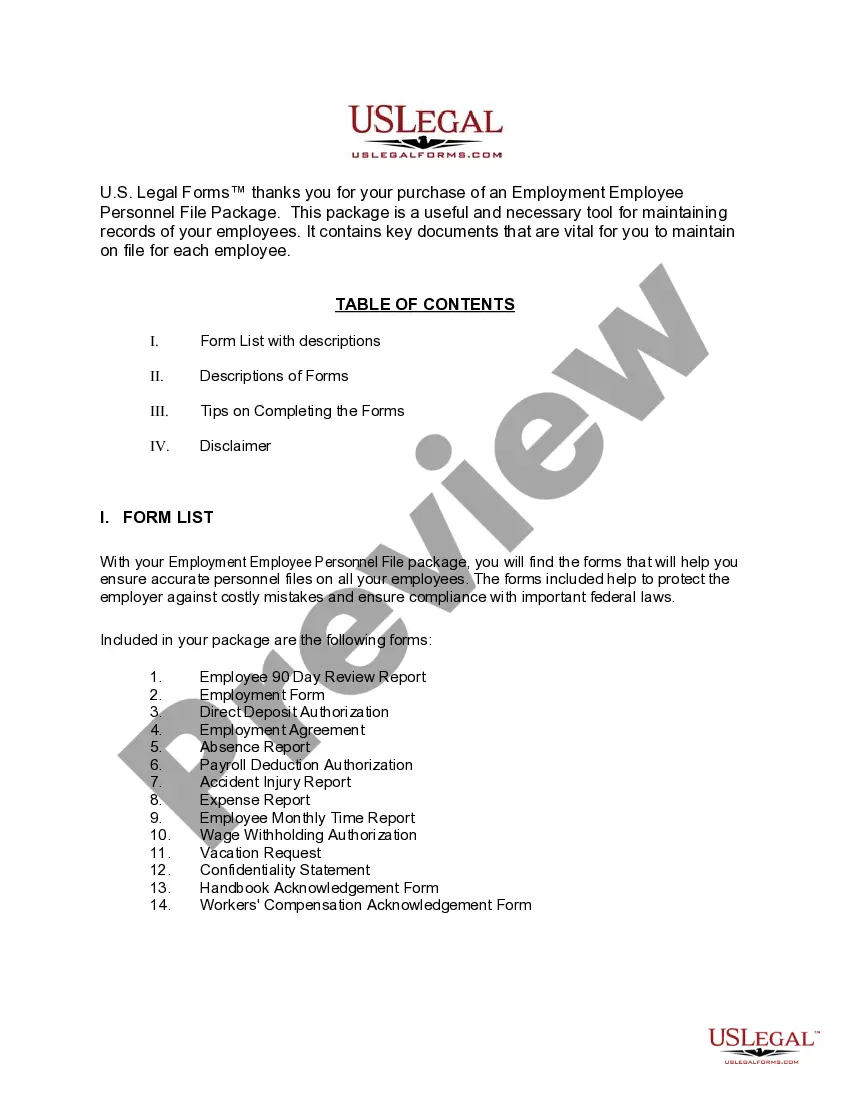
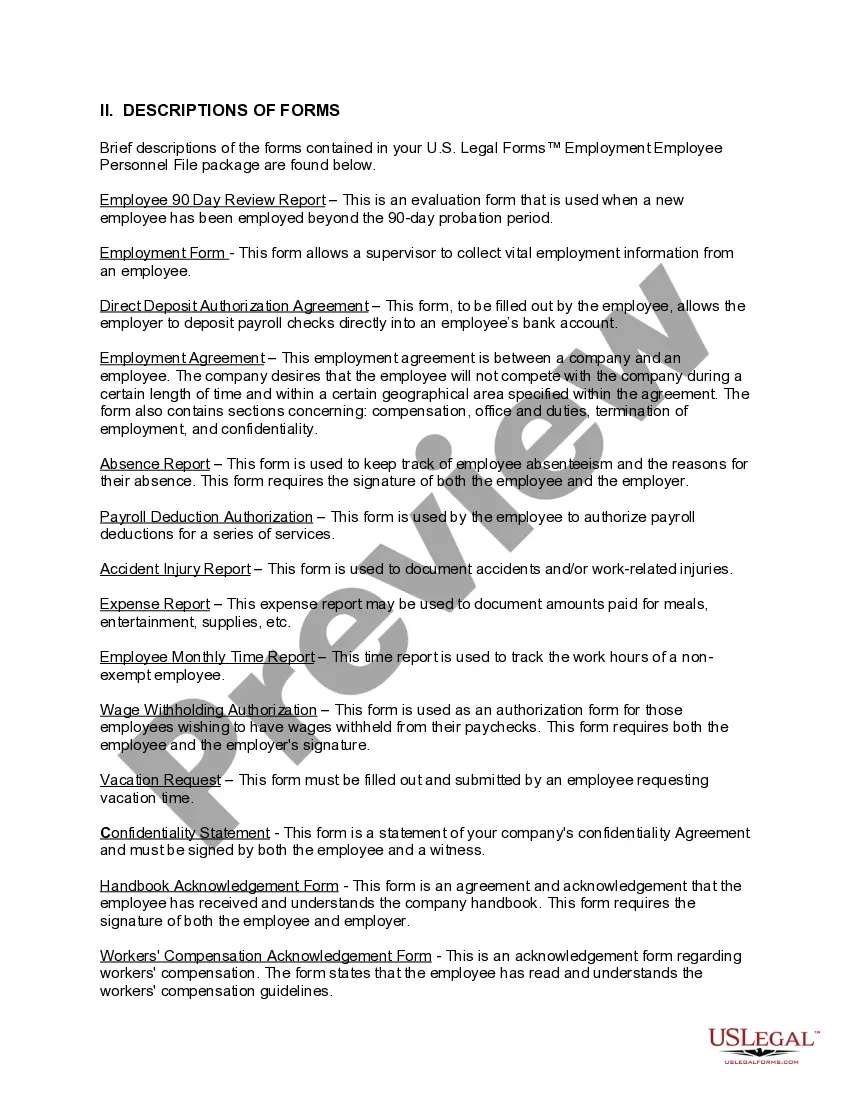
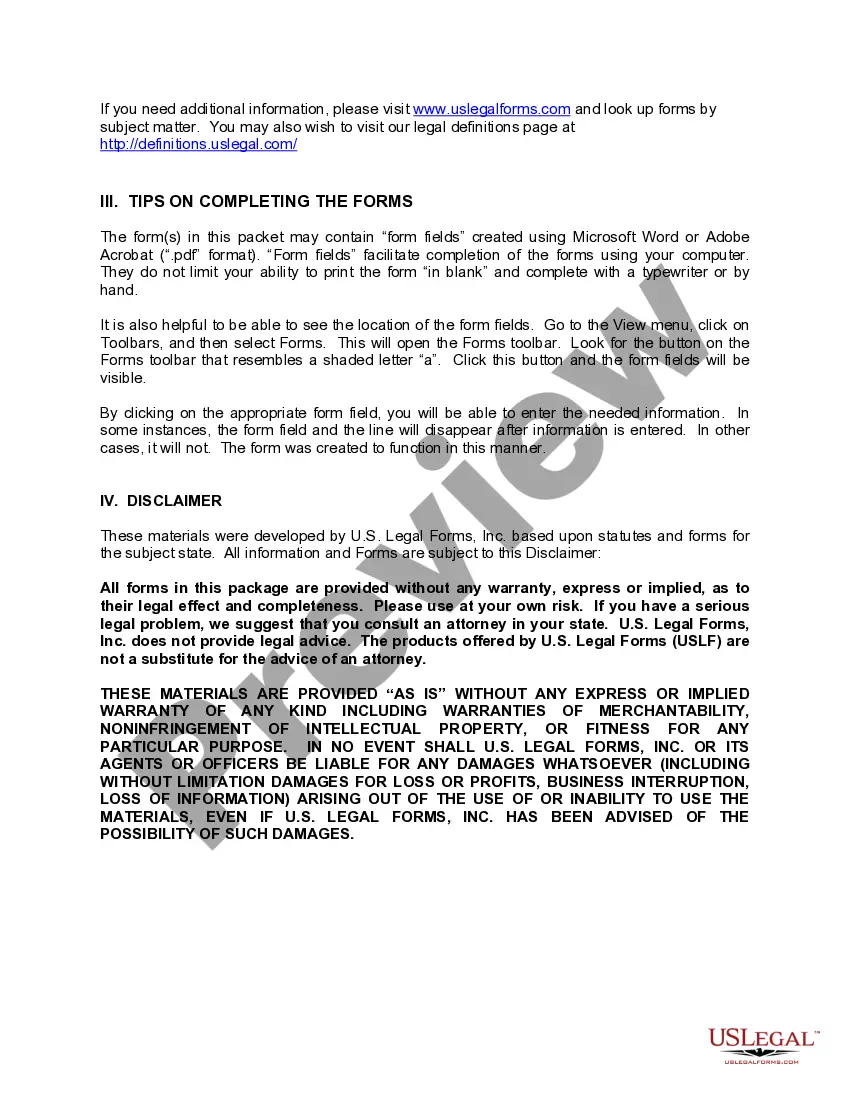
Description
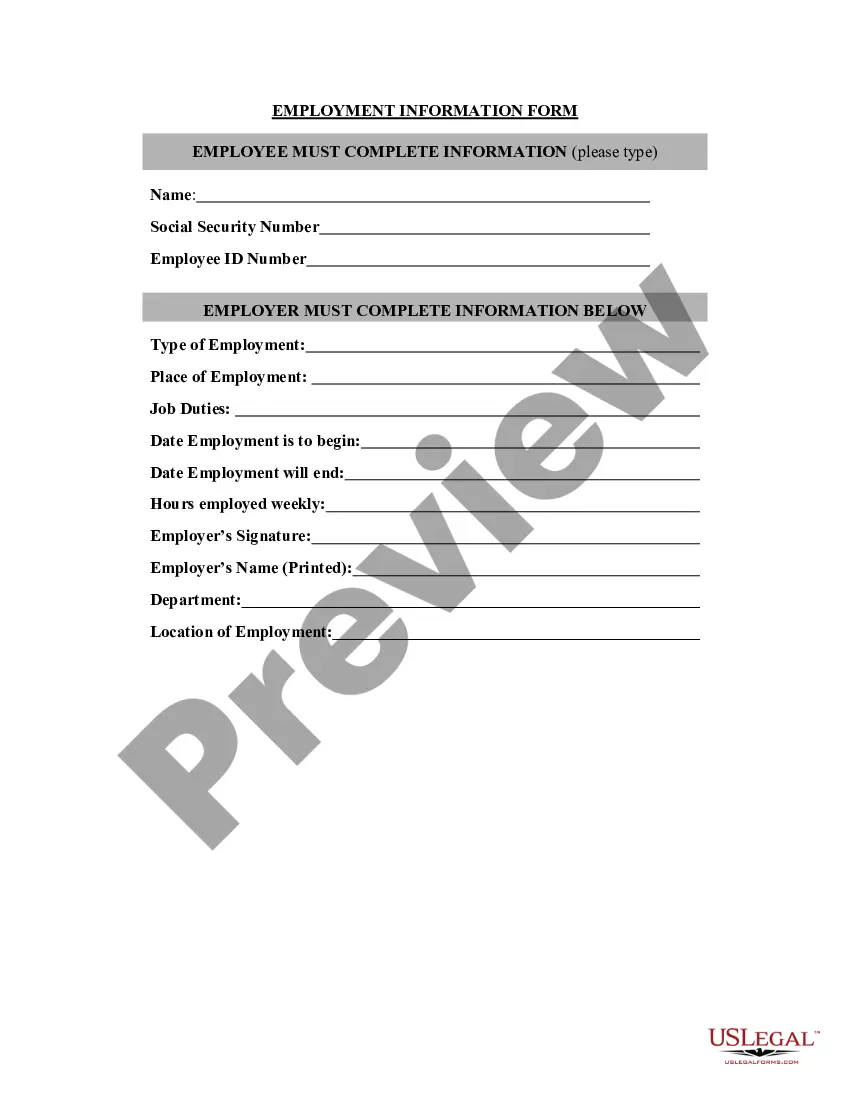
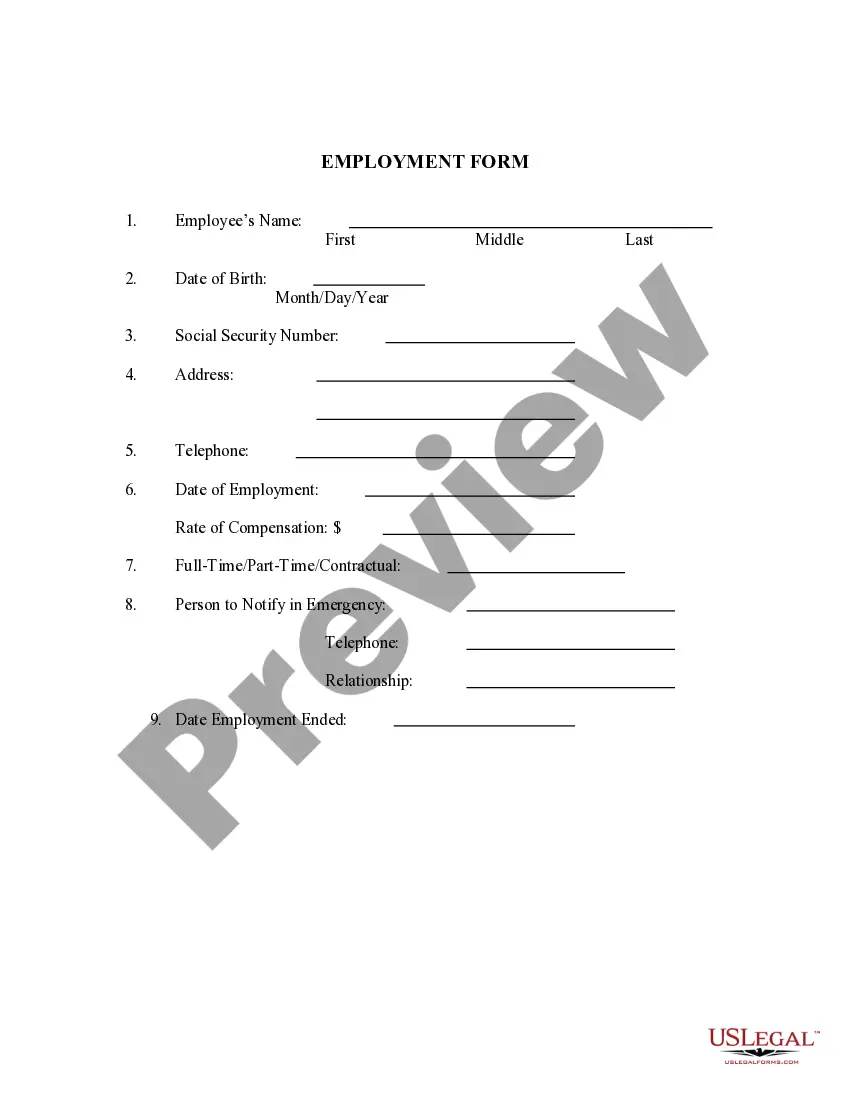
Get your form ready online
Our built-in tools help you complete, sign, share, and store your documents in one place.
Make edits, fill in missing information, and update formatting in US Legal Forms—just like you would in MS Word.
Download a copy, print it, send it by email, or mail it via USPS—whatever works best for your next step.
Sign and collect signatures with our SignNow integration. Send to multiple recipients, set reminders, and more. Go Premium to unlock E-Sign.
If this form requires notarization, complete it online through a secure video call—no need to meet a notary in person or wait for an appointment.
We protect your documents and personal data by following strict security and privacy standards.

Make edits, fill in missing information, and update formatting in US Legal Forms—just like you would in MS Word.

Download a copy, print it, send it by email, or mail it via USPS—whatever works best for your next step.

Sign and collect signatures with our SignNow integration. Send to multiple recipients, set reminders, and more. Go Premium to unlock E-Sign.

If this form requires notarization, complete it online through a secure video call—no need to meet a notary in person or wait for an appointment.

We protect your documents and personal data by following strict security and privacy standards.
Looking for another form?








Form popularity
FAQ
A verification letter is designed to confirm specific details about an individual's employment. This letter typically includes aspects such as job title, salary, and employment duration. Effective verification letters play a crucial role in conveying trustworthy information to third parties, thereby supporting the importance of an employment letter for employee.
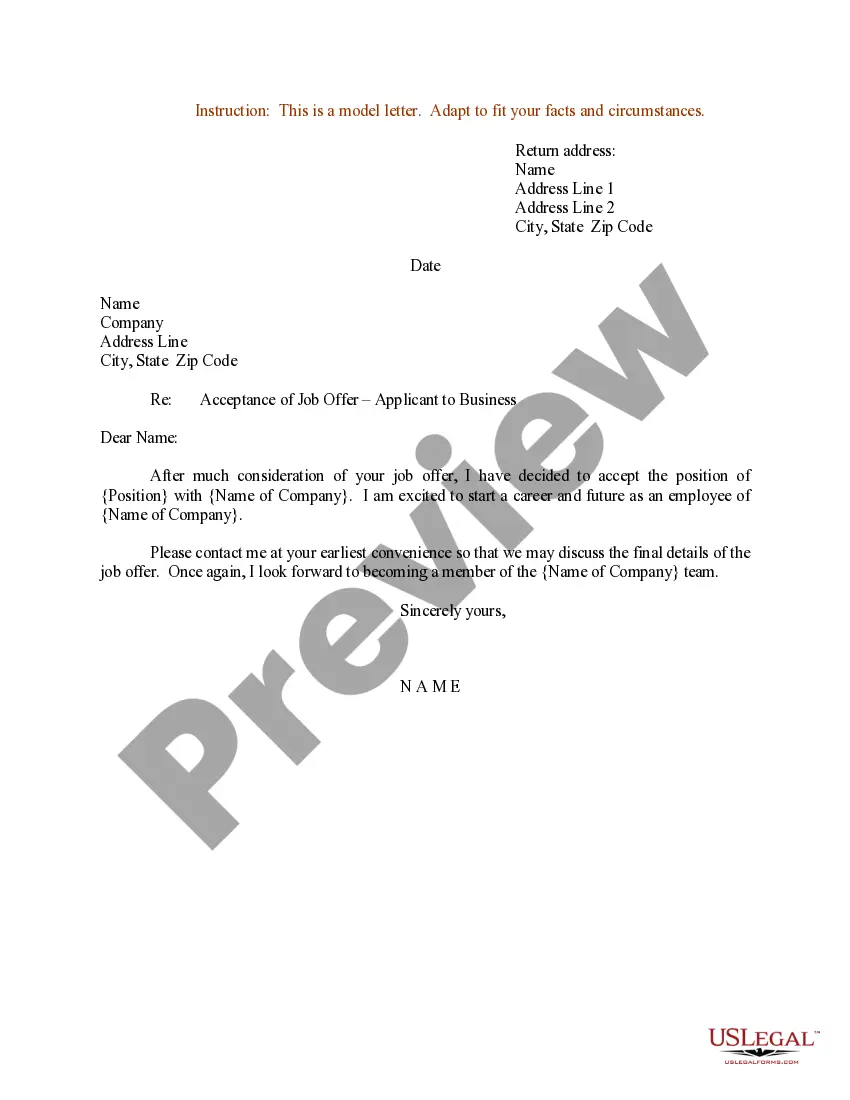
The letter of employment serves multiple purposes, including verifying an employee's job status and providing assurance to external parties that the individual is indeed employed. These letters are often requested for loans, leases, or job applications. In essence, crafting an effective employment letter for employee helps maintain transparency and trust between employers and third parties.
To write a proof of work letter, begin with a professional header that includes your company's contact information. Clearly state the purpose of the letter and include specific details such as the employee’s name, job title, and duration of employment. It’s essential to confirm their role and responsibilities within the organization to enhance the credibility of the letter.
An employment confirmation letter is a document that verifies an employee's job details. This letter typically outlines the person's role, the duration of employment, and any other relevant information. It acts as an official acknowledgment of the employment status, further reinforcing the legitimacy of an employment letter for employee.
Writing an employment letter to an employee involves clear communication and specific details. Start with a professional greeting, followed by a concise statement about the employment arrangement. Include pertinent details such as job title, responsibilities, and any relevant salary information, ensuring that the letter is clear and appropriately structured.
A proof of employment letter serves as a formal document that validates an individual’s current employment status. It is often required by lenders, landlords, or other institutions to confirm employment before approving requests, such as loans or housing applications. Essentially, this employment letter for employee showcases vital information, including the job title, salary, and employment duration.
An employment letter is issued to confirm that an individual works for or has worked for an organization, outlining their position and duration of employment. In contrast, an experience letter focuses more on the skills, contributions, and accomplishments of the employee during their time at the company. Understanding this distinction is important when you need to produce an employment letter for an employee versus an experience letter for future job applications.
A formal letter to an employee should maintain a professional tone throughout. Start with a proper salutation, and then clearly state the purpose of the letter, whether it is a notification, recognition, or formal communication. Using a structured format enhances clarity, and if you're creating an employment letter for an employee, clearly articulate their role, tenure, and any other vital details to prevent misunderstandings.
When writing a letter of employment for a staff member, start by including the date and your company's details. Clearly state the employee's name, job title, and the duration of their employment. Ensure you also mention their responsibilities briefly to provide context. This organized approach makes your employment letter for an employee useful for future reference.
A simple letter of employment should include the employee's name, position, and employment dates clearly. Begin the letter with a formal greeting, then state that the individual is employed with your organization, detailing their role and responsibilities briefly. This kind of employment letter for an employee serves as a formal acknowledgment of their job status and can be a valuable addition to their professional documents.
