Unfair Competition With Examples In Riverside
Description

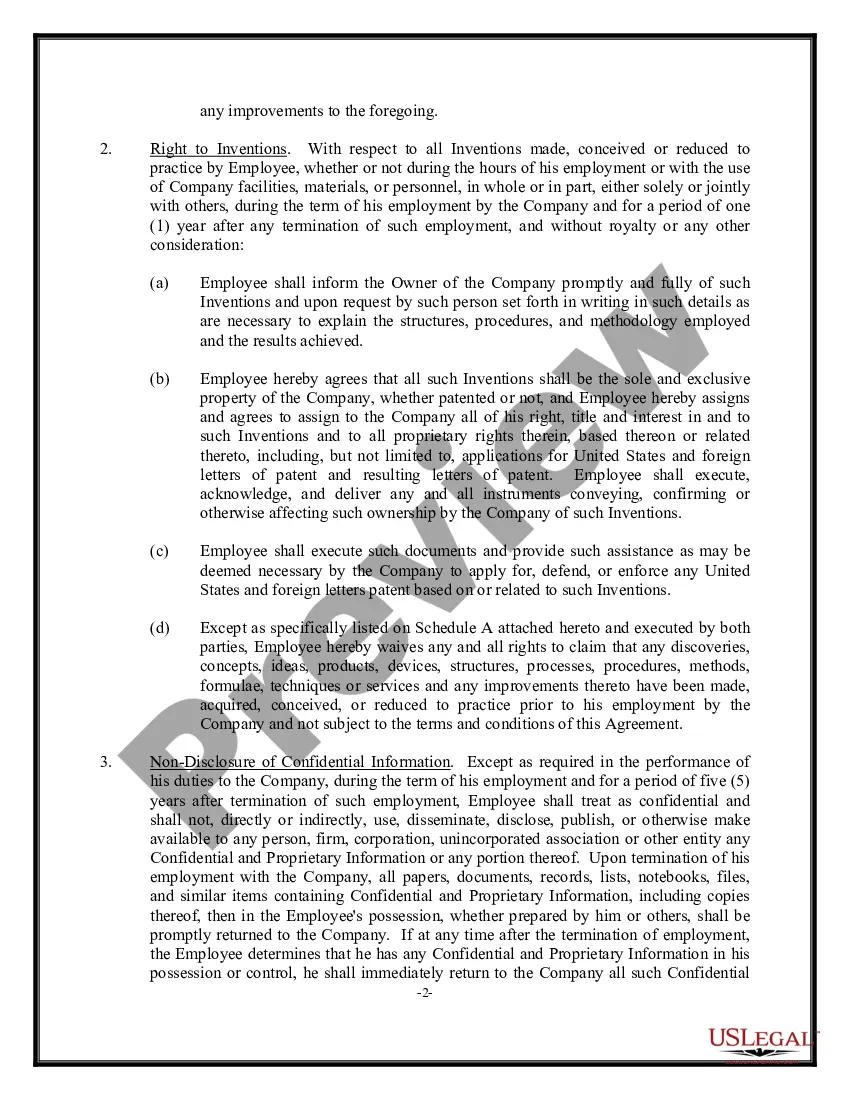
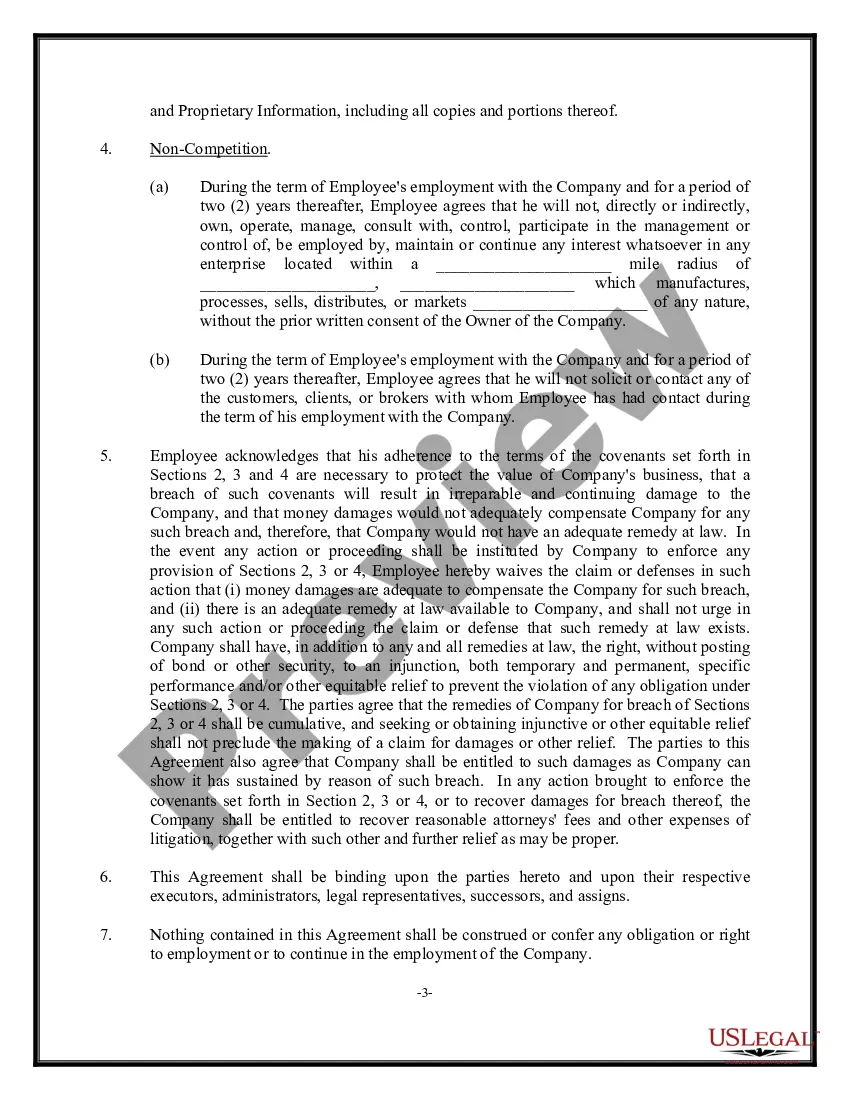
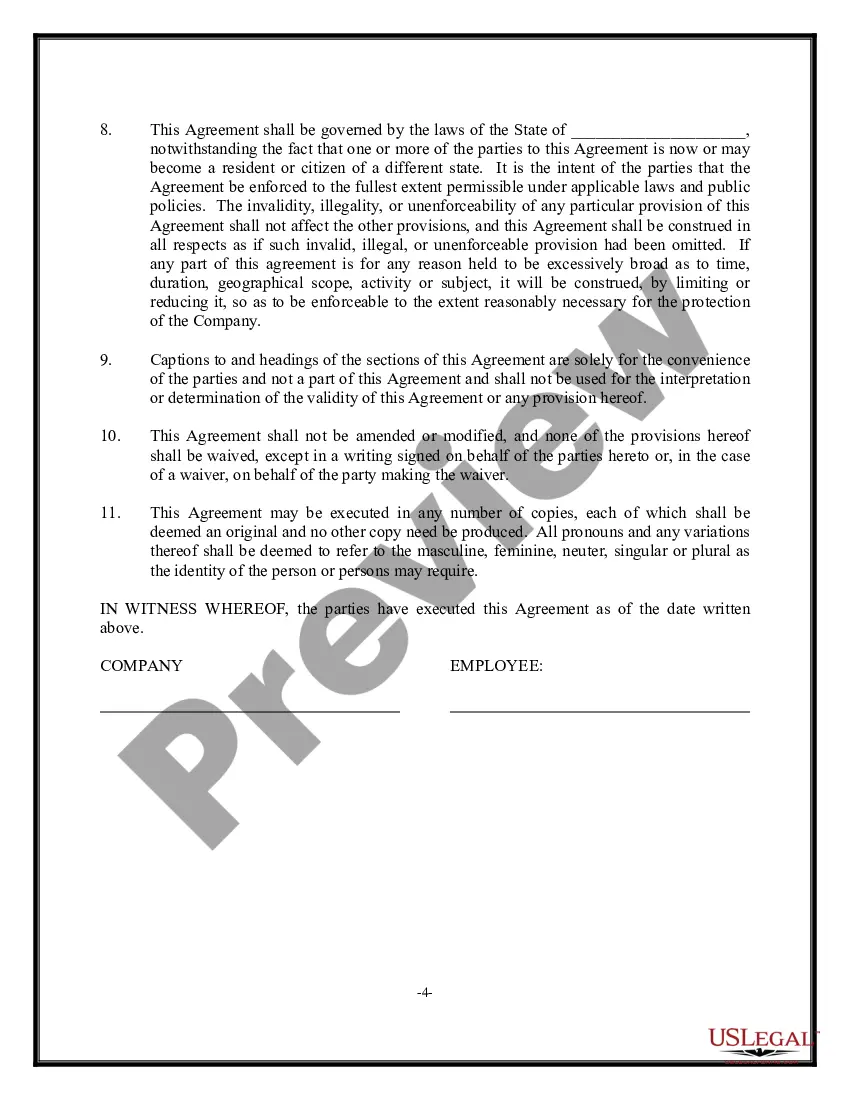
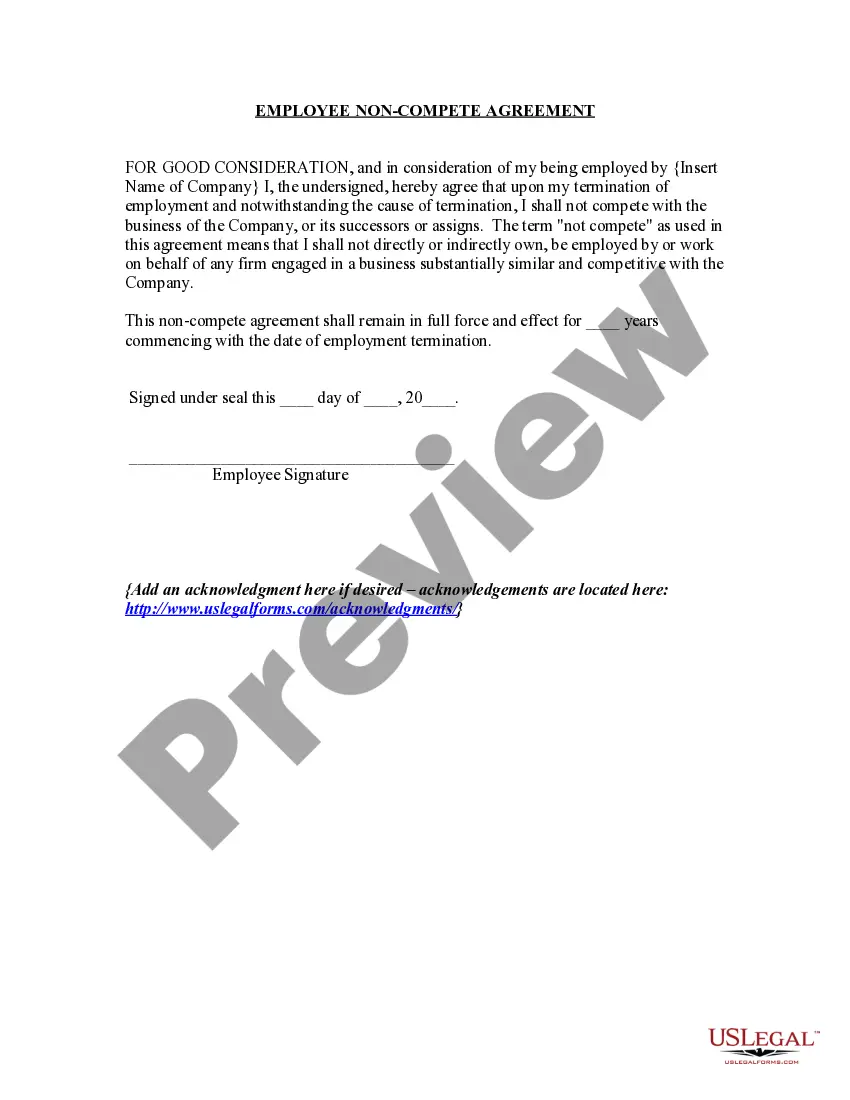
Get your form ready online
Our built-in tools help you complete, sign, share, and store your documents in one place.
Make edits, fill in missing information, and update formatting in US Legal Forms—just like you would in MS Word.
Download a copy, print it, send it by email, or mail it via USPS—whatever works best for your next step.
Sign and collect signatures with our SignNow integration. Send to multiple recipients, set reminders, and more. Go Premium to unlock E-Sign.
If this form requires notarization, complete it online through a secure video call—no need to meet a notary in person or wait for an appointment.
We protect your documents and personal data by following strict security and privacy standards.

Make edits, fill in missing information, and update formatting in US Legal Forms—just like you would in MS Word.

Download a copy, print it, send it by email, or mail it via USPS—whatever works best for your next step.

Sign and collect signatures with our SignNow integration. Send to multiple recipients, set reminders, and more. Go Premium to unlock E-Sign.

If this form requires notarization, complete it online through a secure video call—no need to meet a notary in person or wait for an appointment.

We protect your documents and personal data by following strict security and privacy standards.
Looking for another form?

Form popularity
FAQ
Unfair competition is conduct by a market participant which gains or seeks to gain an advantage over its rivals through misleading, deceptive, dishonest, fraudulent, coercive or unconscionable conduct in trade or commerce.
Generally, unfair competition consists of two elements: First, there is some sort of economic injury to a business, such as loss of sales or consumer goodwill. Second, this economic injury is the result of deceptive or otherwise wrongful business practice.
One example of bad competition is bullying. Bullying is a form of competition where the bully seeks to dominate and control others through physical or emotional harm. The bully gains power by putting others down, and this creates a toxic environment where everyone suffers.
Two common examples of unfair competition are trademark infringement and misappropriation. The right to publicity is often invoked in misappropriation issues. Other practices that fall into the area of unfair competition include: False advertising.
These include: Performance enhancing drugs: When athletes turn to performance enhancing drugs such as steroids or human growth hormones, they gain an unfair advantage over others. Discrimination: Discrimination based race, gender, religion, ethnicity and other factors is illegal.
Two common examples of unfair competition are trademark infringement and misappropriation. The right to publicity is often invoked in misappropriation issues. Other practices that fall into the area of unfair competition include: False advertising.
The law describes “unfair competition” as any unlawful, unfair, or fraudulent business act or practice, or false, deceptive, or misleading advertising. To pursue lawsuits under California's unfair competition law, a consumer or business must prove suffering and financial or property losses due to an unfair practice.
Section 17200 includes five definitions of unfair competition: (1) an unlawful business act or practice; (2) an unfair business act or practice; (3) a fraudulent business act or practice; (4) unfair, deceptive, untrue, or misleading advertising; or (5) any act prohibited by Sections 17500-17577.5.
