Small Business Joint Venture Rules
Description
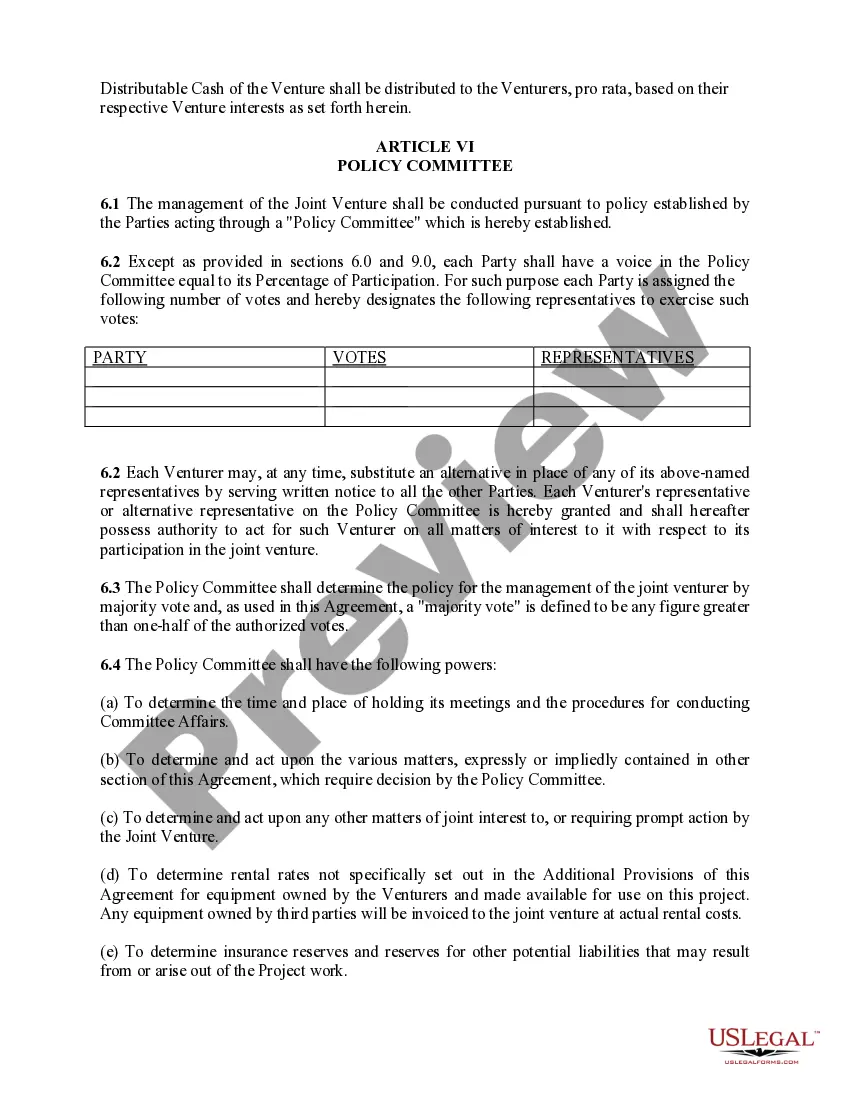
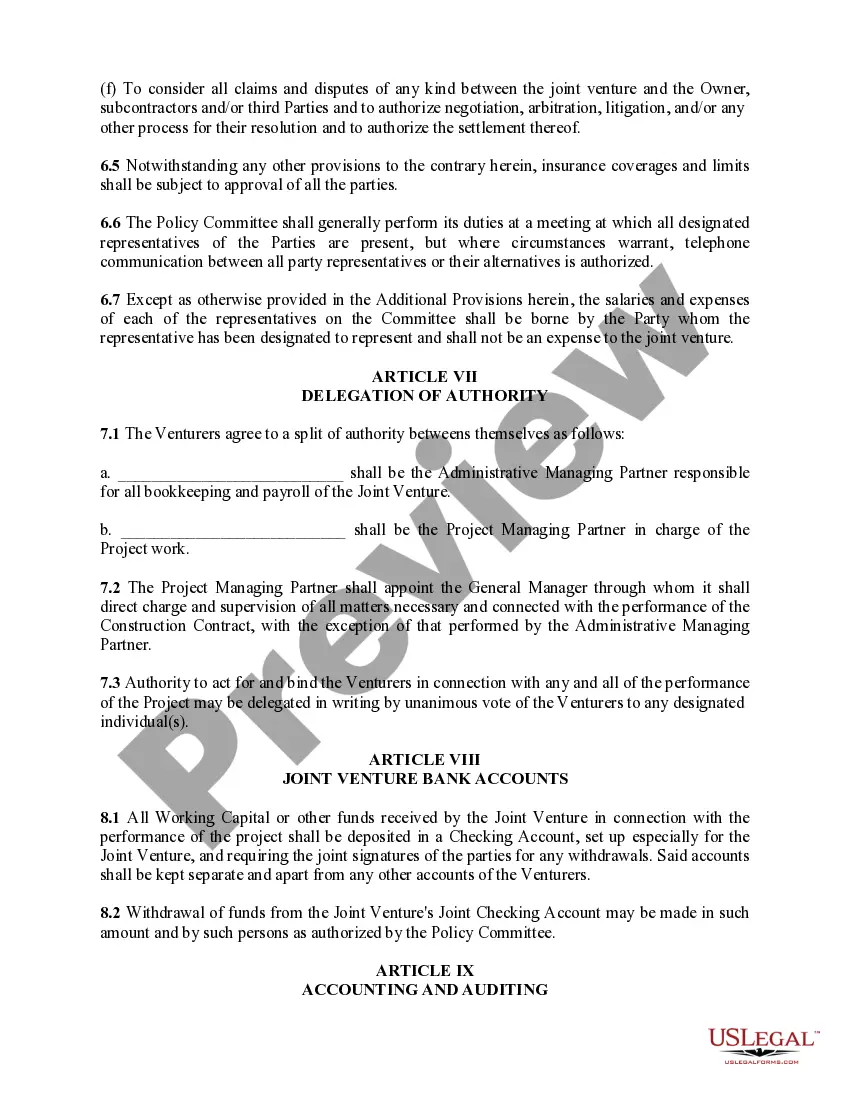
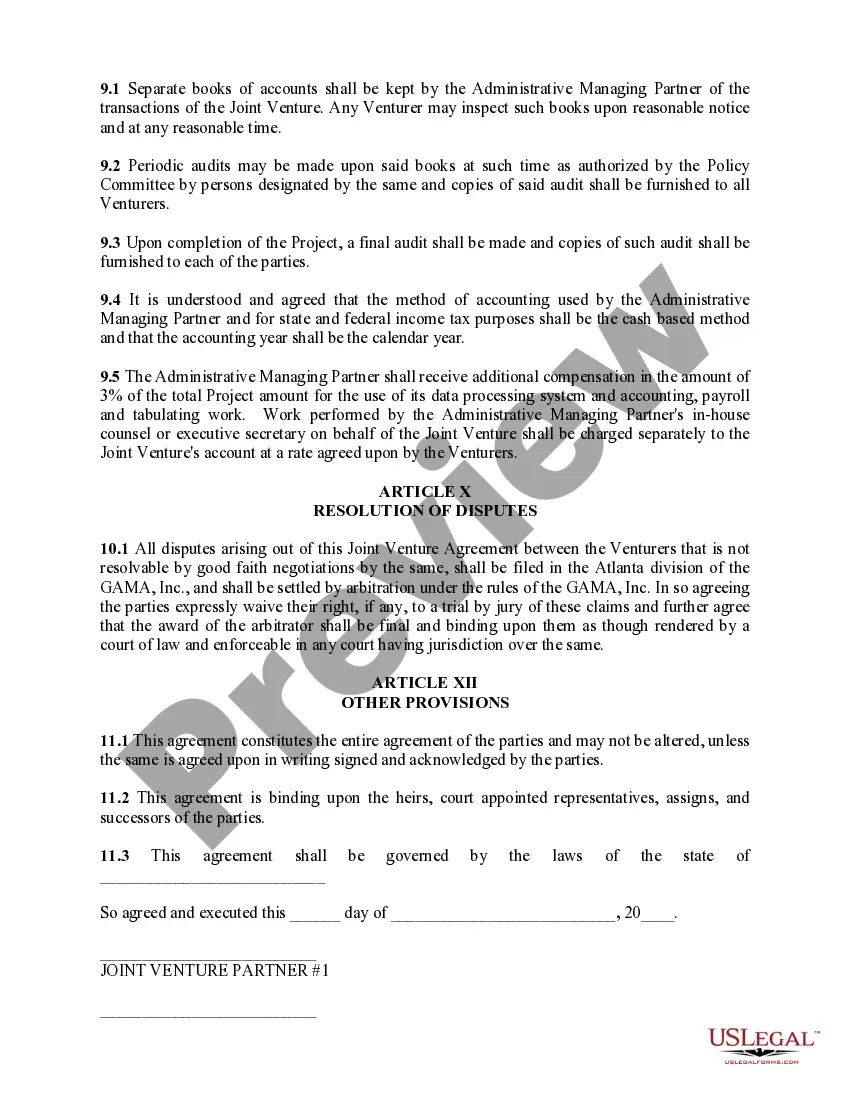

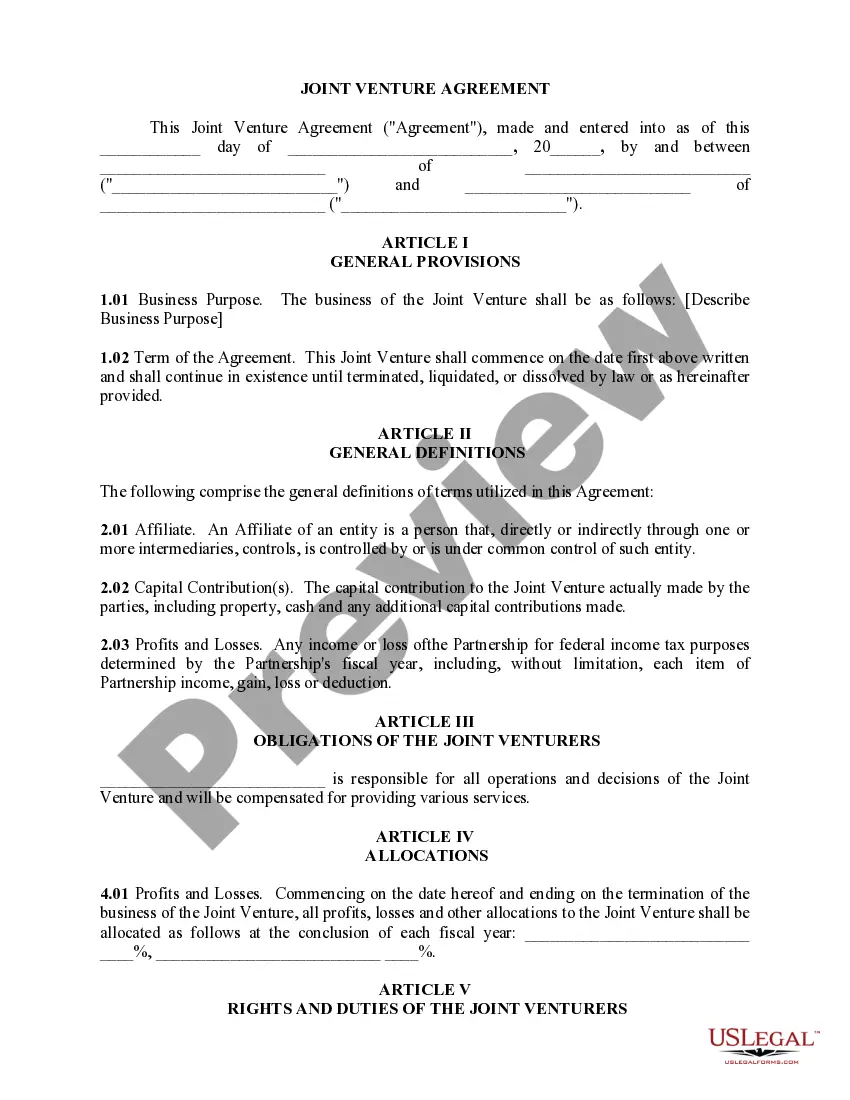
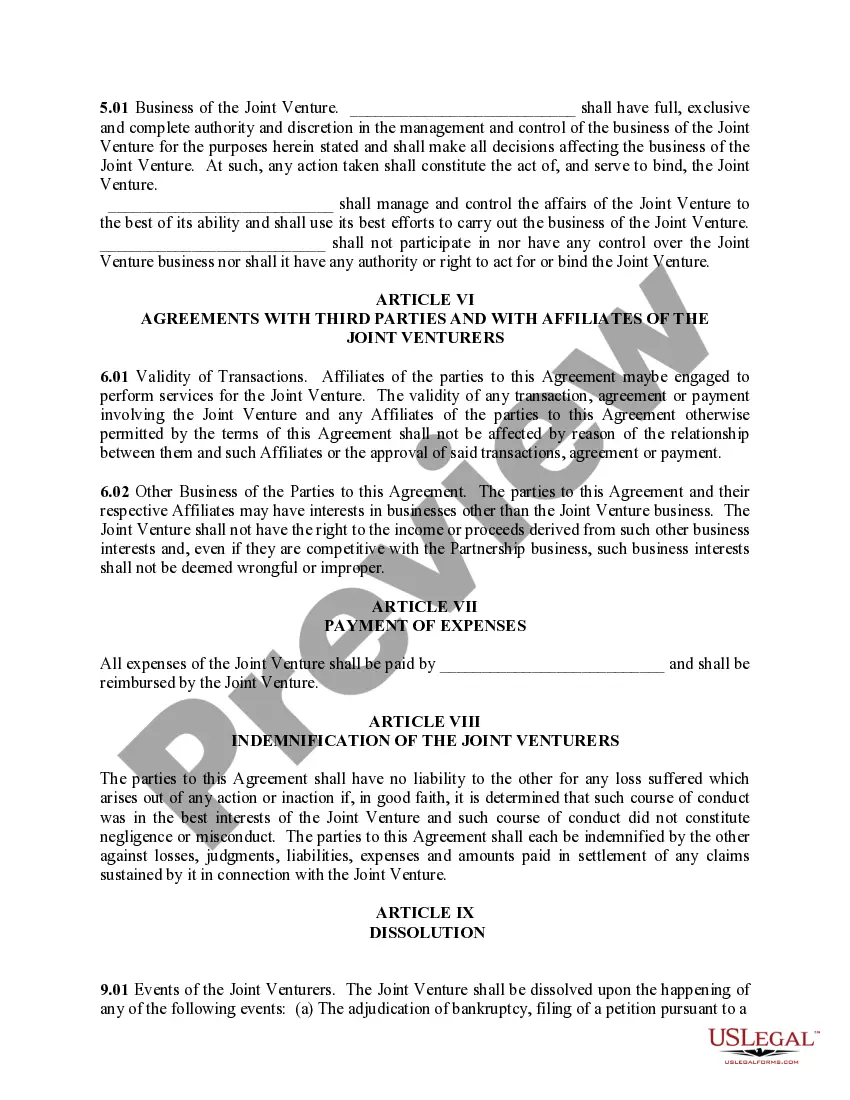

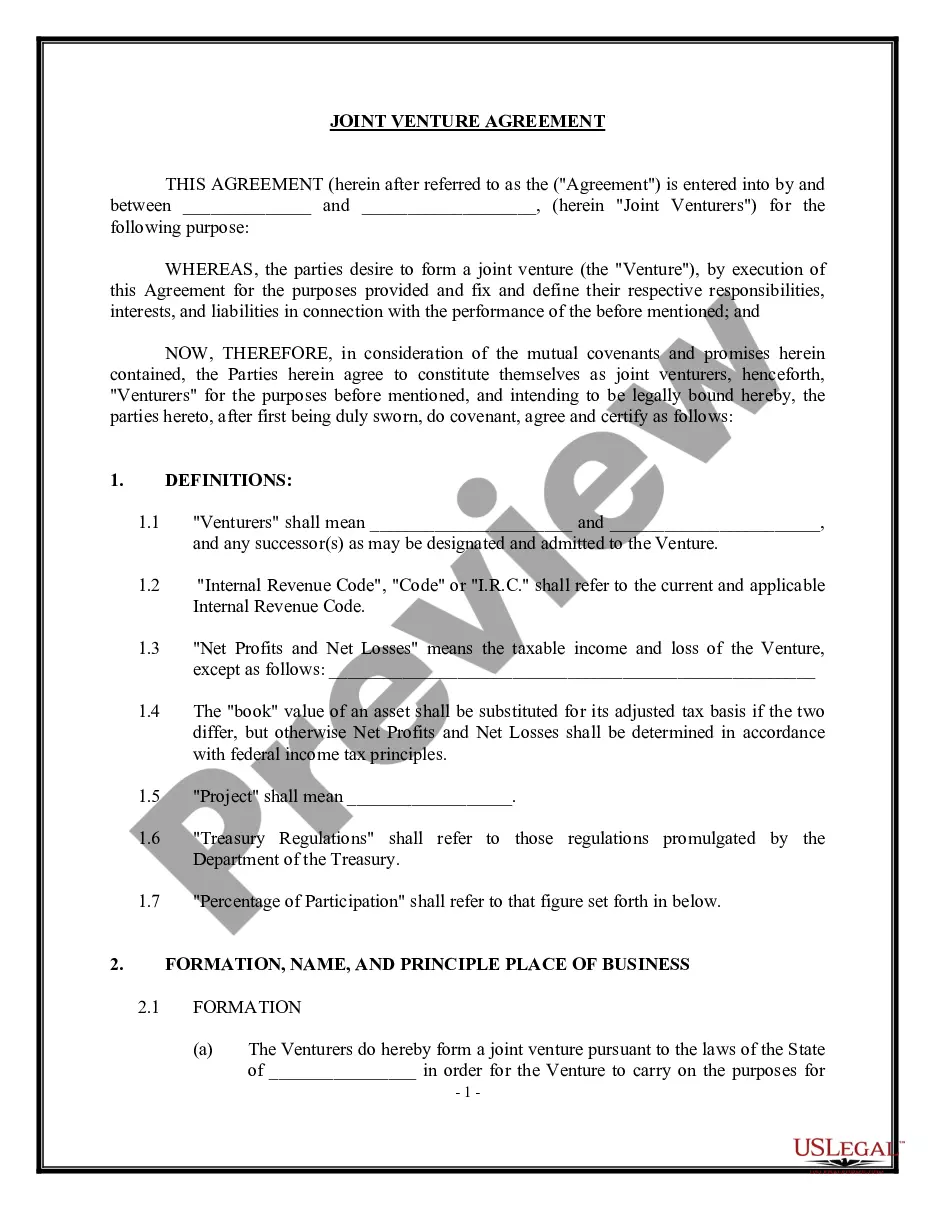
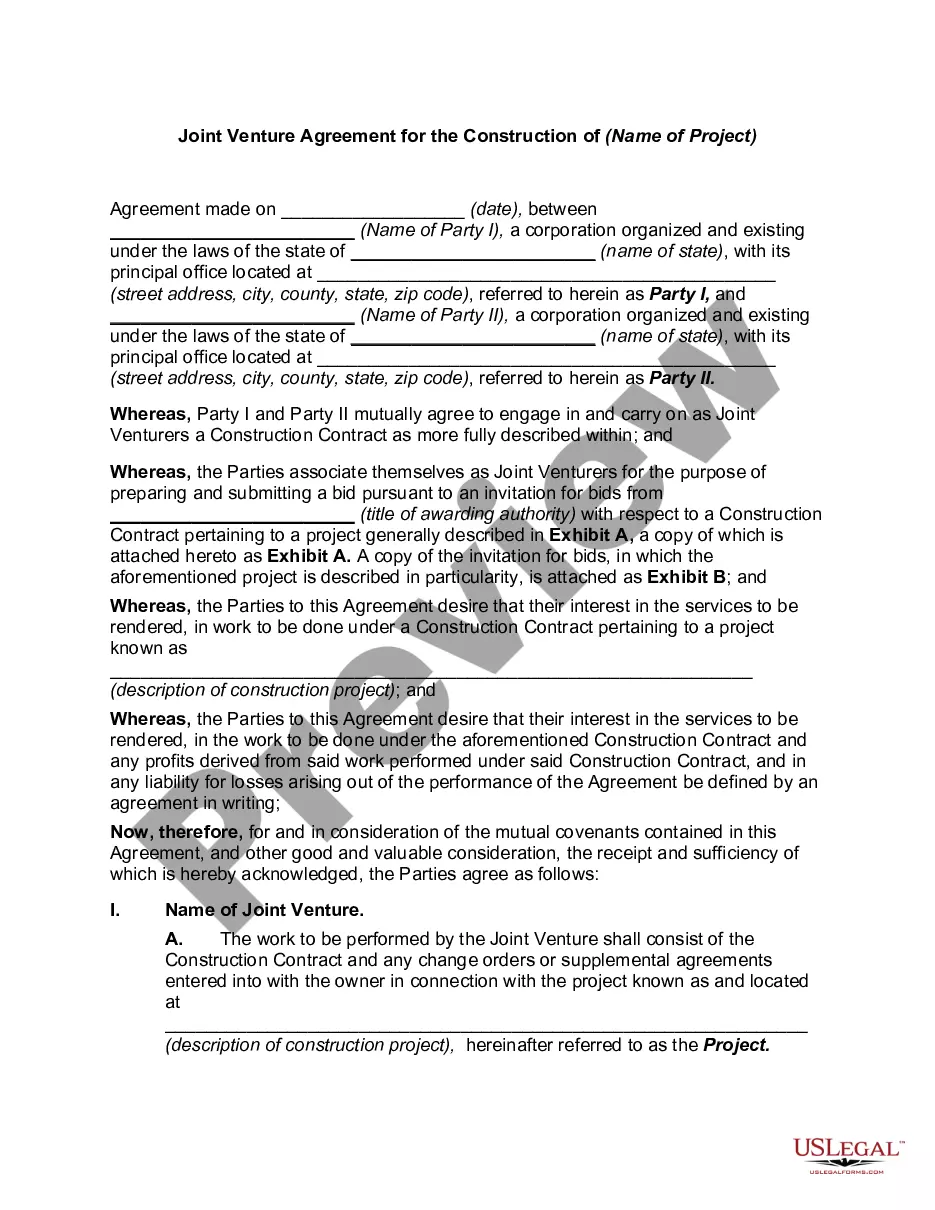
Get your form ready online
Our built-in tools help you complete, sign, share, and store your documents in one place.
Make edits, fill in missing information, and update formatting in US Legal Forms—just like you would in MS Word.
Download a copy, print it, send it by email, or mail it via USPS—whatever works best for your next step.
Sign and collect signatures with our SignNow integration. Send to multiple recipients, set reminders, and more. Go Premium to unlock E-Sign.
If this form requires notarization, complete it online through a secure video call—no need to meet a notary in person or wait for an appointment.
We protect your documents and personal data by following strict security and privacy standards.

Make edits, fill in missing information, and update formatting in US Legal Forms—just like you would in MS Word.

Download a copy, print it, send it by email, or mail it via USPS—whatever works best for your next step.

Sign and collect signatures with our SignNow integration. Send to multiple recipients, set reminders, and more. Go Premium to unlock E-Sign.

If this form requires notarization, complete it online through a secure video call—no need to meet a notary in person or wait for an appointment.

We protect your documents and personal data by following strict security and privacy standards.
Looking for another form?








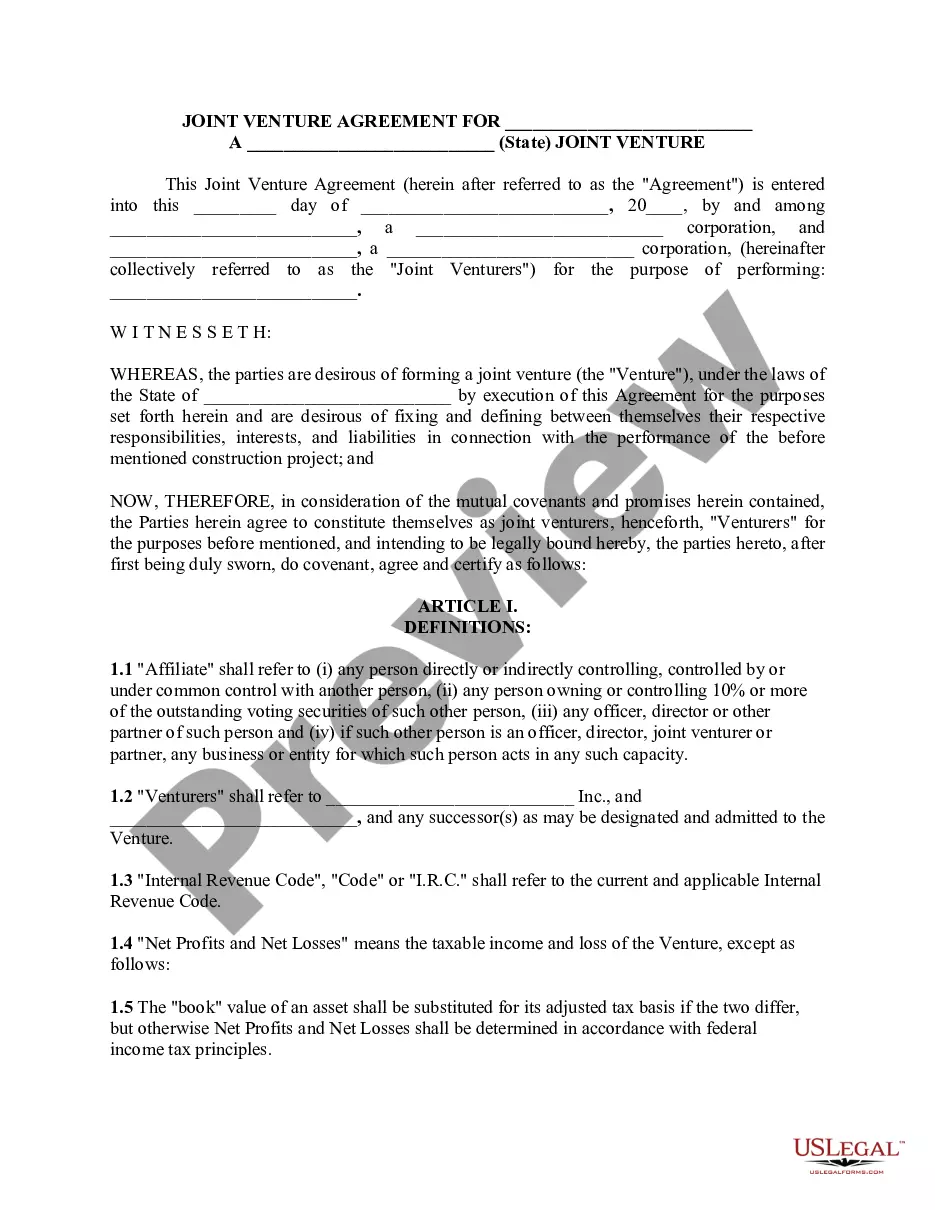
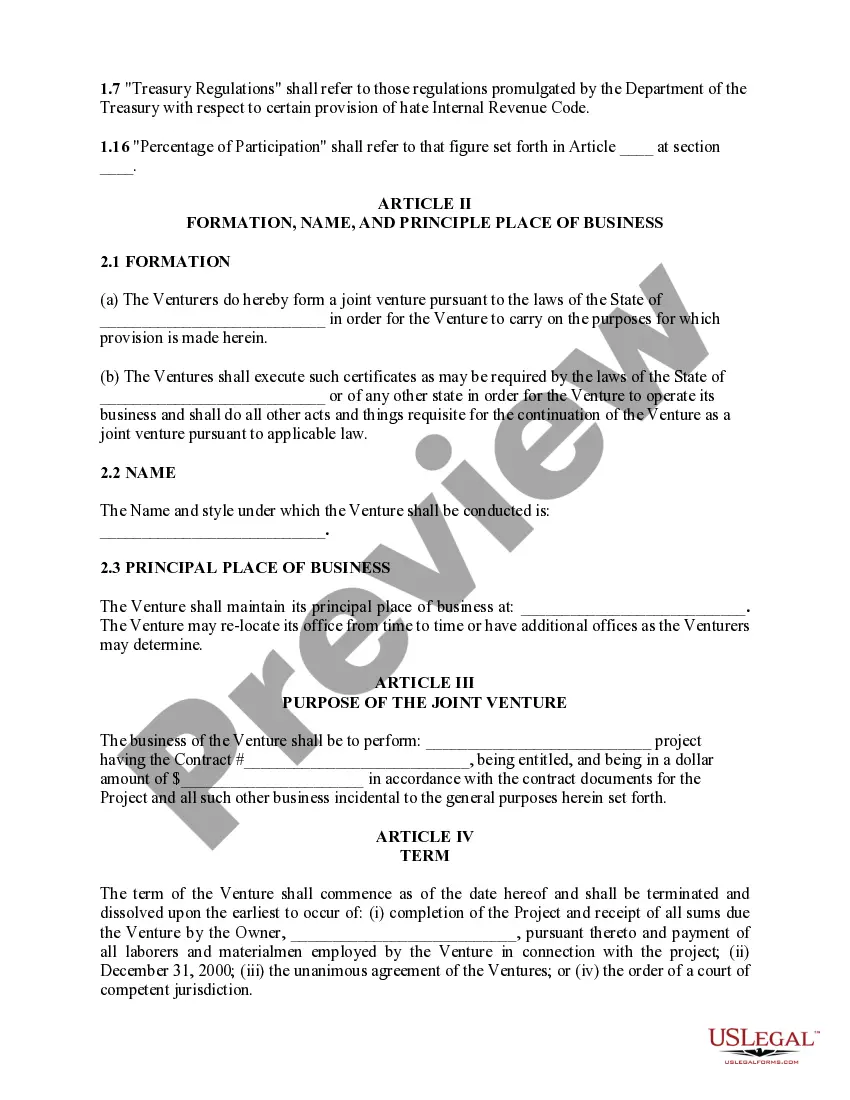
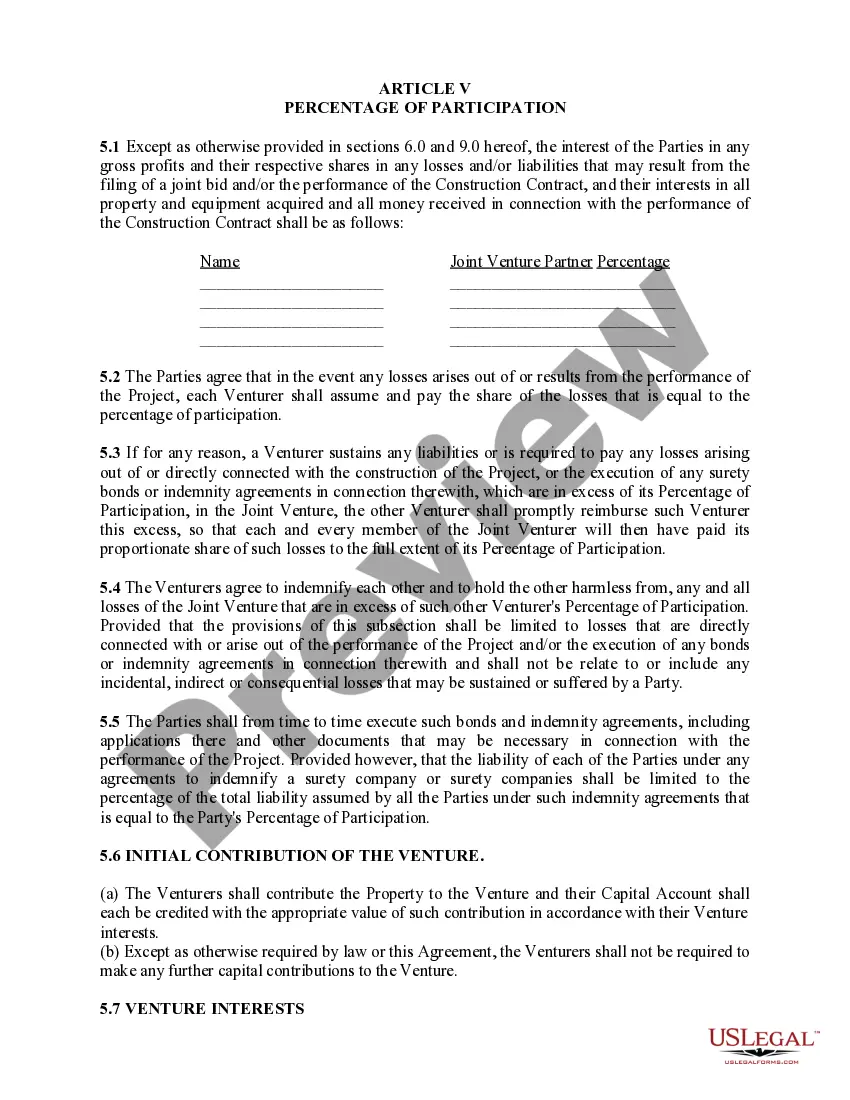
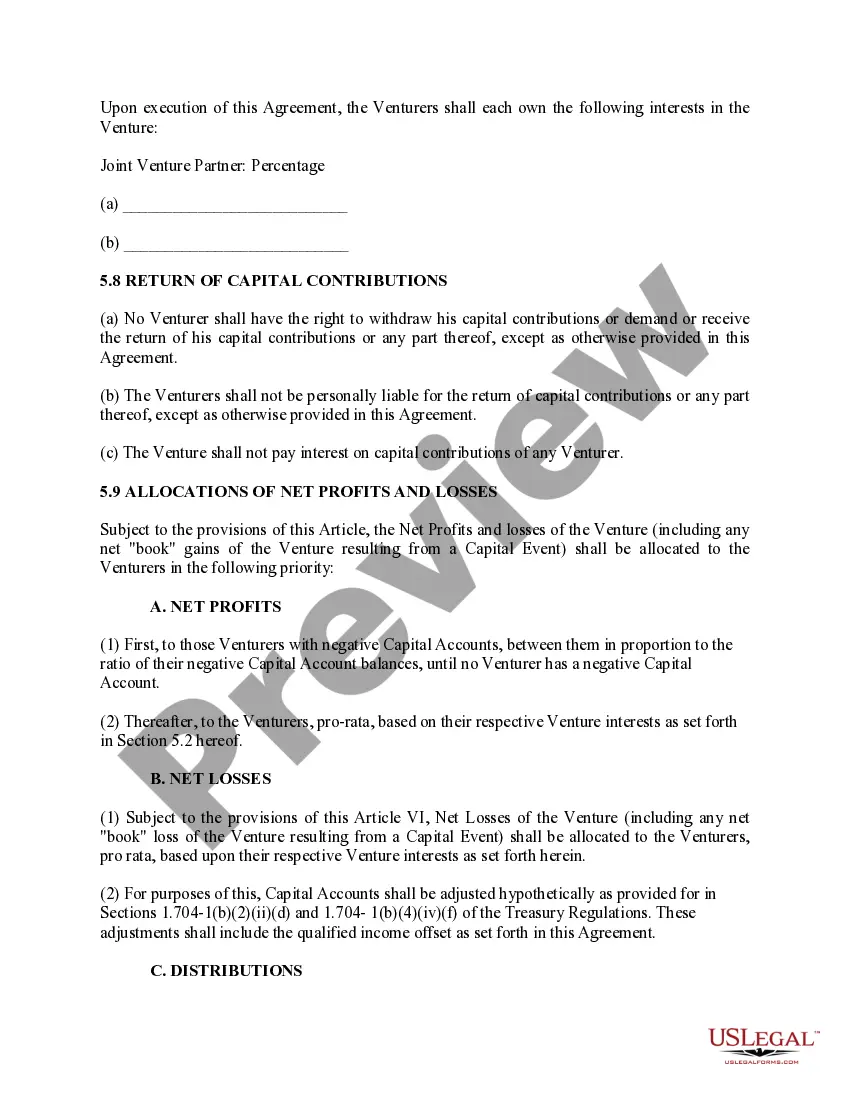
How to fill out Illinois Joint Venture Agreements - For A Construction Project Or General Business Venture?
Acquiring legal documents that comply with federal and local statutes is essential, and the web provides numerous alternatives to choose from.
However, what's the benefit of spending time searching for the appropriate Small Business Joint Venture Guidelines example online when the US Legal Forms digital library already consolidates such documents in one location.
US Legal Forms is the premier online legal repository with more than 85,000 editable templates created by attorneys for any business and personal situation.
Review the template using the Preview feature or through the text description to confirm it satisfies your needs.
- They are straightforward to navigate with all files categorized by state and intended use.
- Our specialists keep pace with legislative changes, ensuring your documents are current and in compliance when obtaining a Small Business Joint Venture Guidelines from our site.
- Acquiring a Small Business Joint Venture Guidelines is quick and easy for both existing and new users.
- If you already possess an account with an active subscription, Log In and download the document template you require in your desired format.
- If you are new to our platform, follow the instructions below.
Form popularity
FAQ
The lock-up period for joint ventures refers to the timeframe during which partners cannot sell their shares or withdraw from the venture. This period is essential for maintaining stability and trust among partners, as it ensures that everyone remains committed to the success of the joint venture. For small business owners, understanding the lock-up period is vital in accordance with the small business joint venture rules, as it protects investments and encourages long-term collaboration. Platforms like US Legal Forms can provide invaluable resources to help navigate these rules effectively.
The two-year rule for joint ventures pertains to how long certain joint venture agreements are typically expected to last. This rule often indicates that partners may need to maintain their collaborative efforts for at least two years to realize the intended benefits. Understanding this aspect is crucial for small businesses as it aligns with the small business joint venture rules that govern partnership commitments. By adhering to these rules, businesses can ensure a stable foundation for their joint ventures.
A joint venture is not always a 50/50 split; it can be structured in various ways depending on the contributions and agreements of the parties involved. While a 50/50 ownership can promote balance, other ratios may better reflect the parties' investments or expertise. Understanding small business joint venture rules allows you to choose the most suitable structure for your specific needs.
Rules for joint ventures vary, but they generally include guidelines on ownership structure, profit sharing, and operational responsibilities. It is essential to draft a comprehensive agreement that outlines these elements clearly. By learning small business joint venture rules, you can ensure a smooth partnership and minimize disputes.
The Small Business Administration (SBA) outlines five key requirements for a business to qualify as small. These include size standards based on employee count or revenue, a focus on domestic operations, independence from larger entities, and adherence to industry-specific criteria. Knowing these small business joint venture rules can help you determine if you meet the criteria for joint ventures and funding.
Profits in a joint venture are typically split according to the terms outlined in the joint venture agreement. This division can be based on ownership percentages, contributions, or other negotiated factors. Understanding small business joint venture rules will help you draft a fair and transparent profit-sharing structure.
The 2 year rule for joint ventures often refers to the period during which a joint venture must operate before the partners can dissolve it without penalties. This timeframe helps establish a clear operational history and shared goals. Knowing small business joint venture rules can guide you in planning the duration and objectives of your partnership.
The 40 rule in joint ventures usually refers to the requirement that at least 40% of the joint venture's ownership must be held by a small business. This is crucial for eligibility in various government contracts and programs. Familiarizing yourself with small business joint venture rules can ensure compliance and maximize opportunities.
A 60/40 joint venture is a partnership where one party holds a 60% stake, while the other holds 40%. This structure often reflects the level of investment, resources, or expertise each party brings to the table. Understanding small business joint venture rules can help you determine how to structure your agreement effectively.