Joint Venture In Business Class
Description
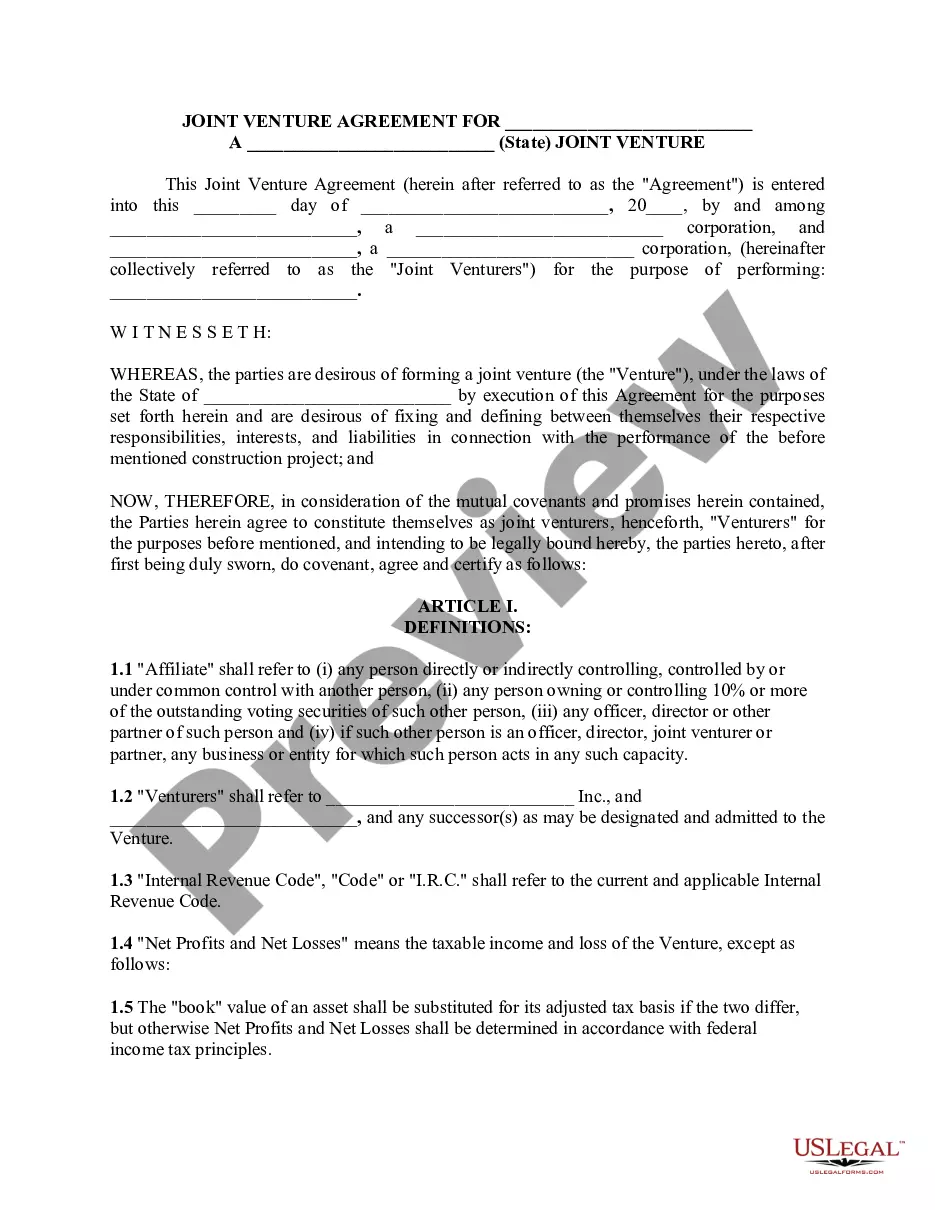
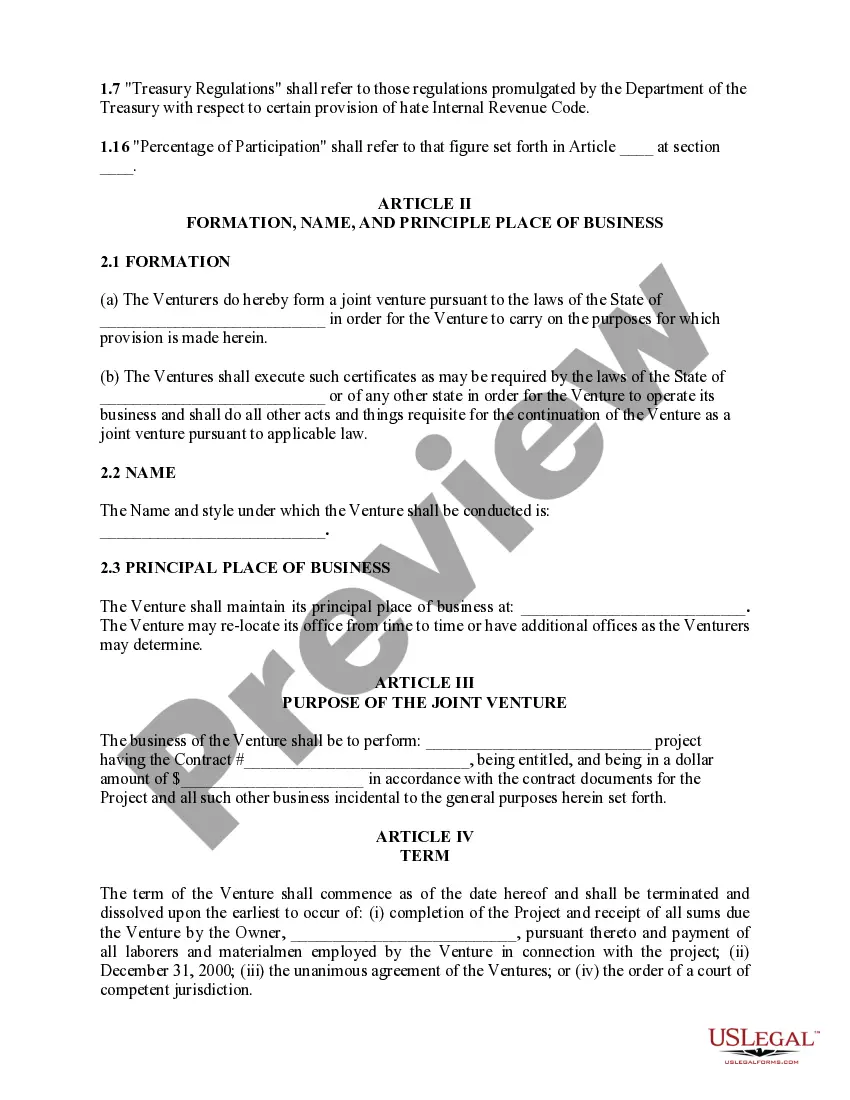
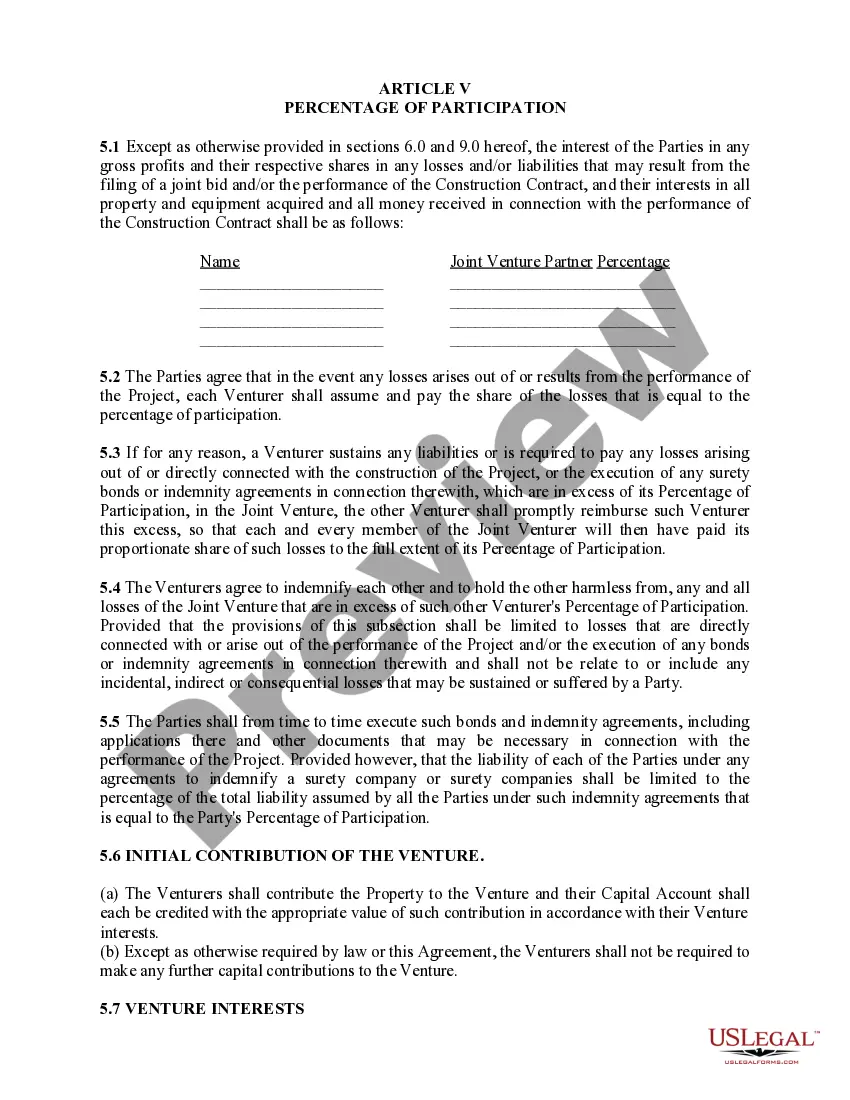
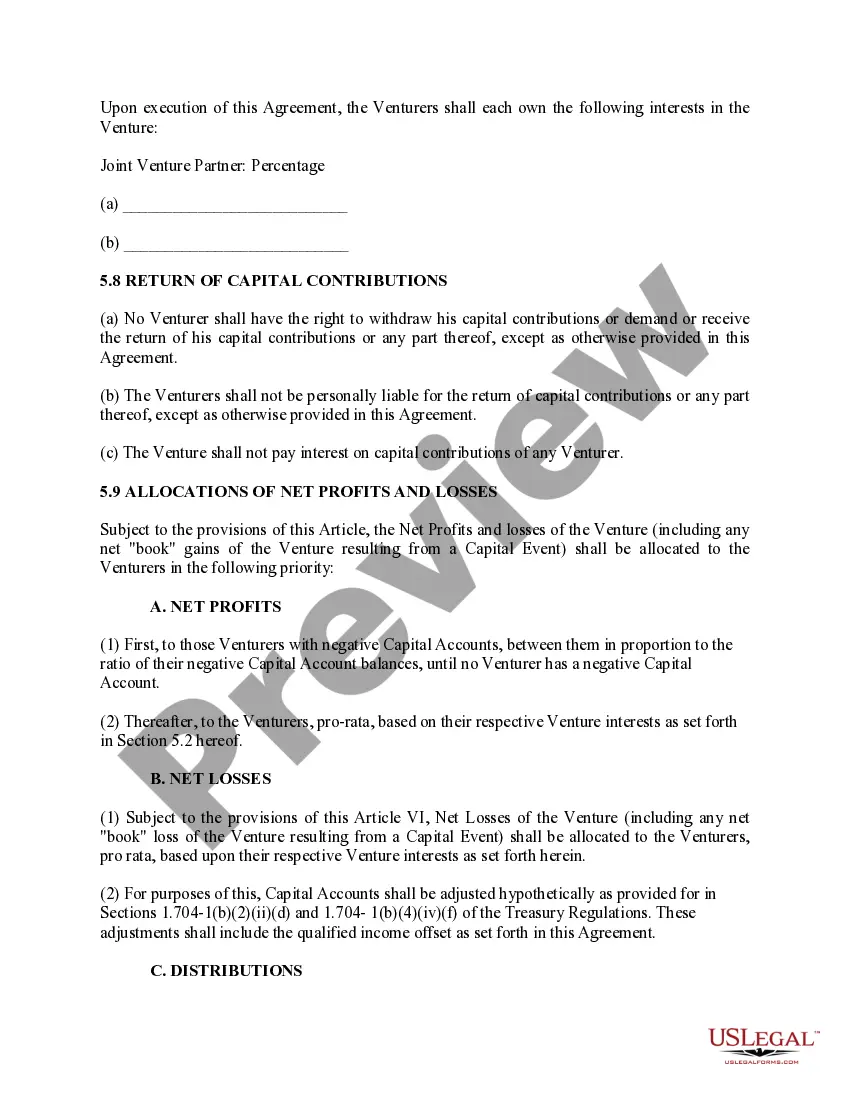

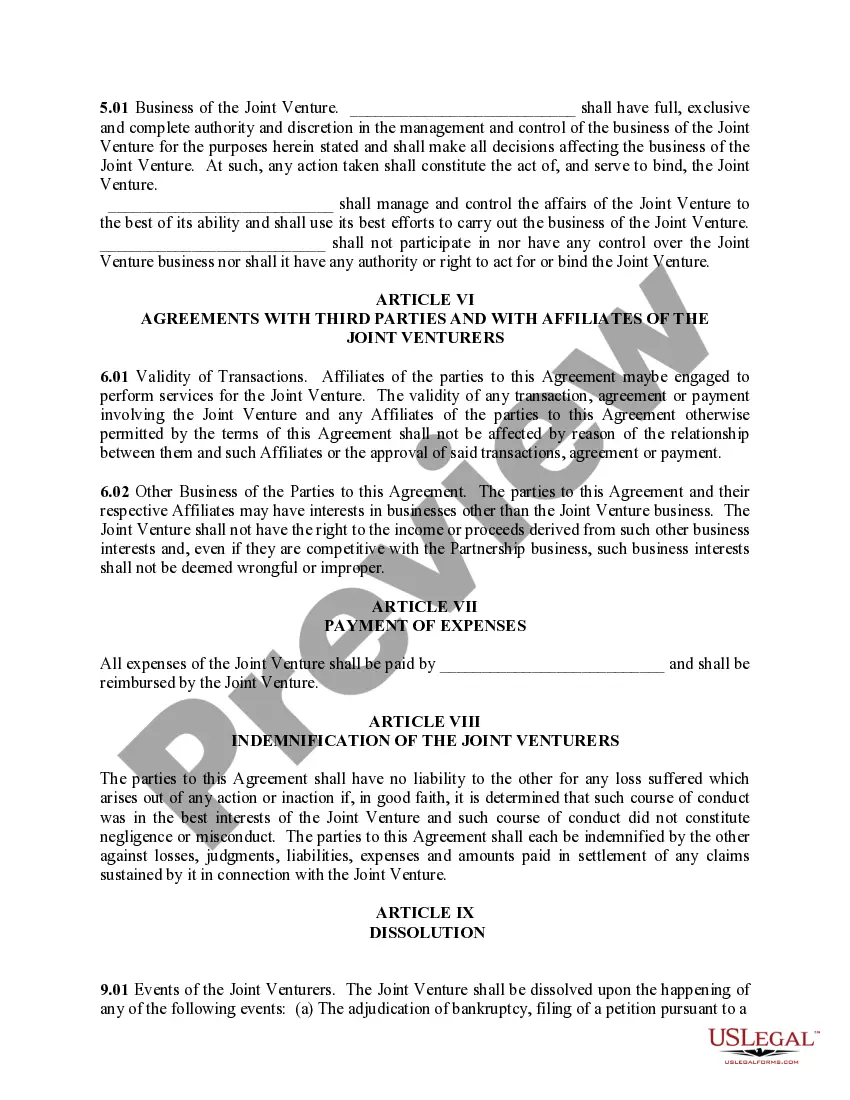

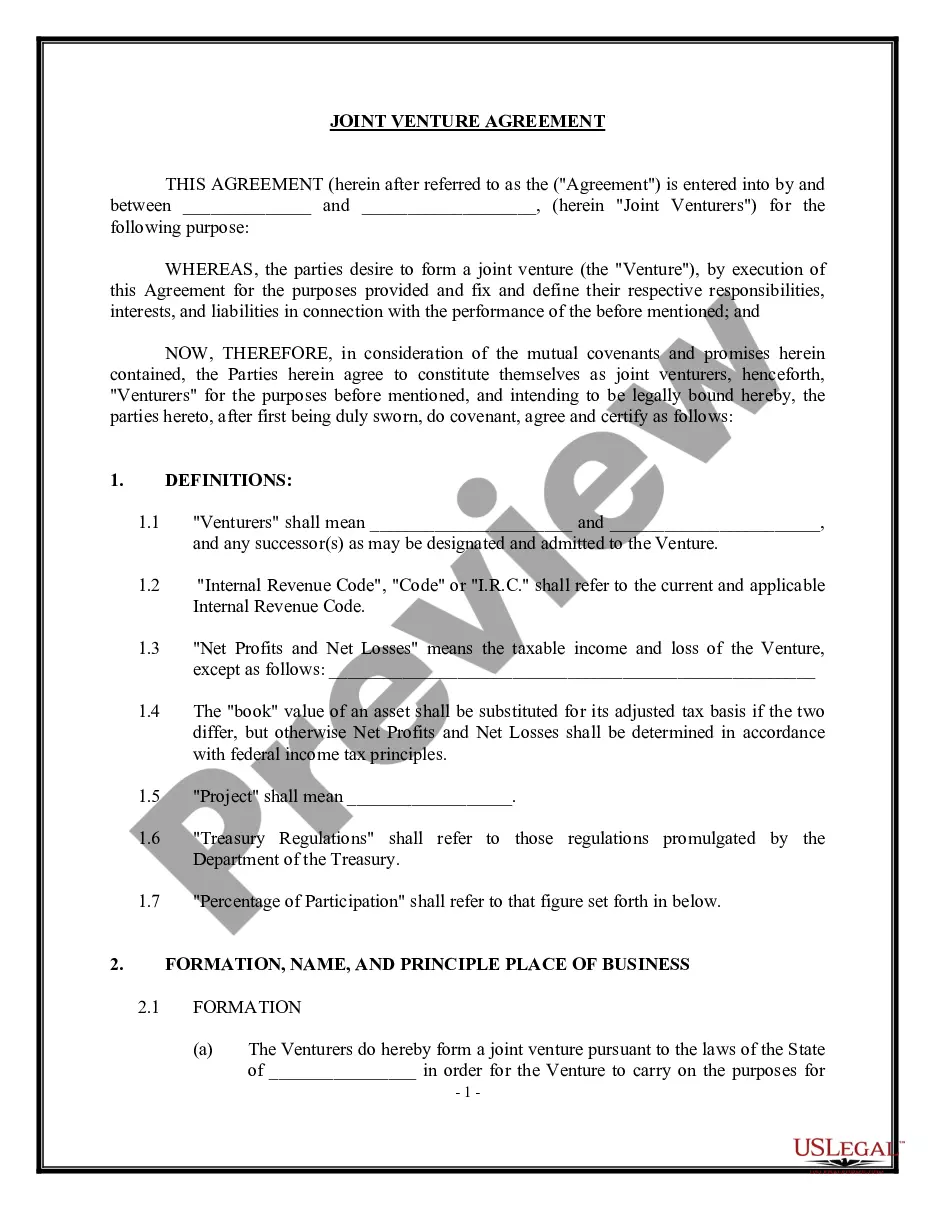
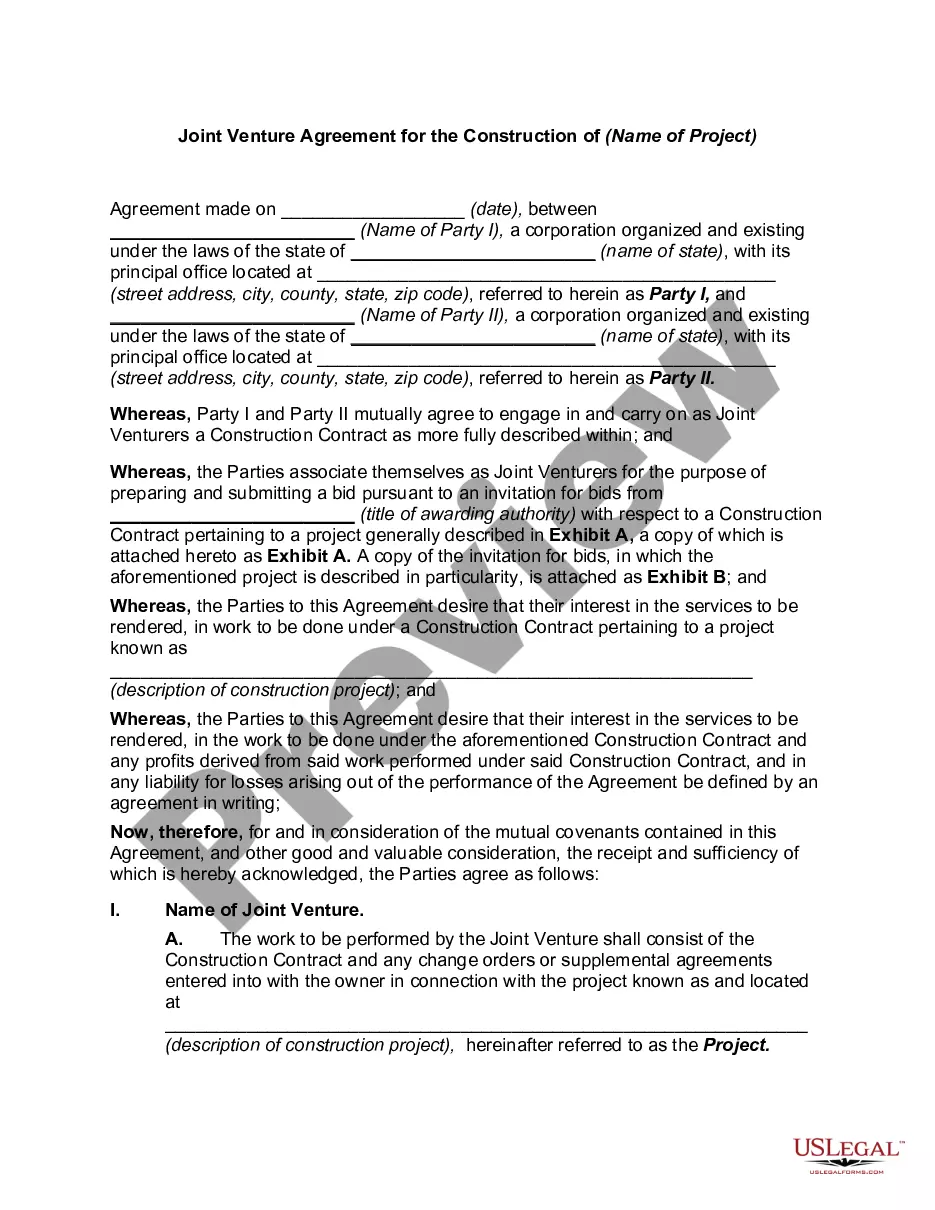
Get your form ready online
Our built-in tools help you complete, sign, share, and store your documents in one place.
Make edits, fill in missing information, and update formatting in US Legal Forms—just like you would in MS Word.
Download a copy, print it, send it by email, or mail it via USPS—whatever works best for your next step.
Sign and collect signatures with our SignNow integration. Send to multiple recipients, set reminders, and more. Go Premium to unlock E-Sign.
If this form requires notarization, complete it online through a secure video call—no need to meet a notary in person or wait for an appointment.
We protect your documents and personal data by following strict security and privacy standards.

Make edits, fill in missing information, and update formatting in US Legal Forms—just like you would in MS Word.

Download a copy, print it, send it by email, or mail it via USPS—whatever works best for your next step.

Sign and collect signatures with our SignNow integration. Send to multiple recipients, set reminders, and more. Go Premium to unlock E-Sign.

If this form requires notarization, complete it online through a secure video call—no need to meet a notary in person or wait for an appointment.

We protect your documents and personal data by following strict security and privacy standards.
Looking for another form?






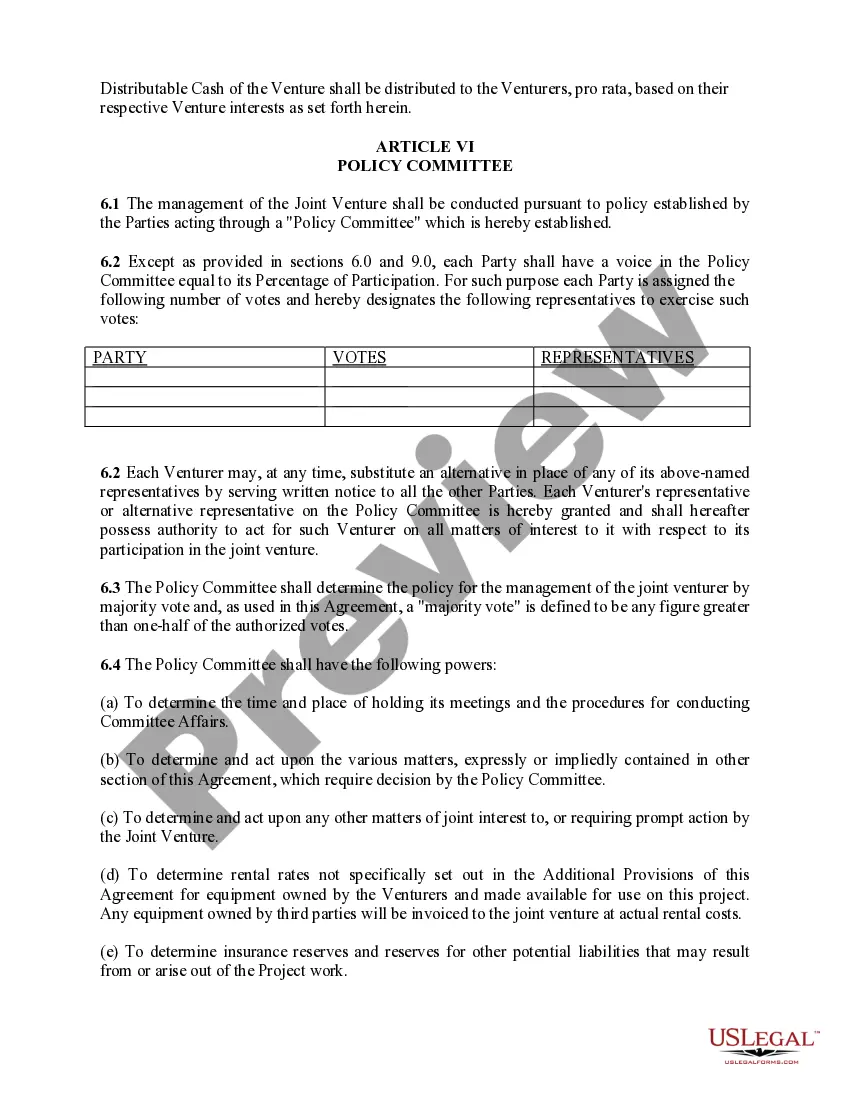
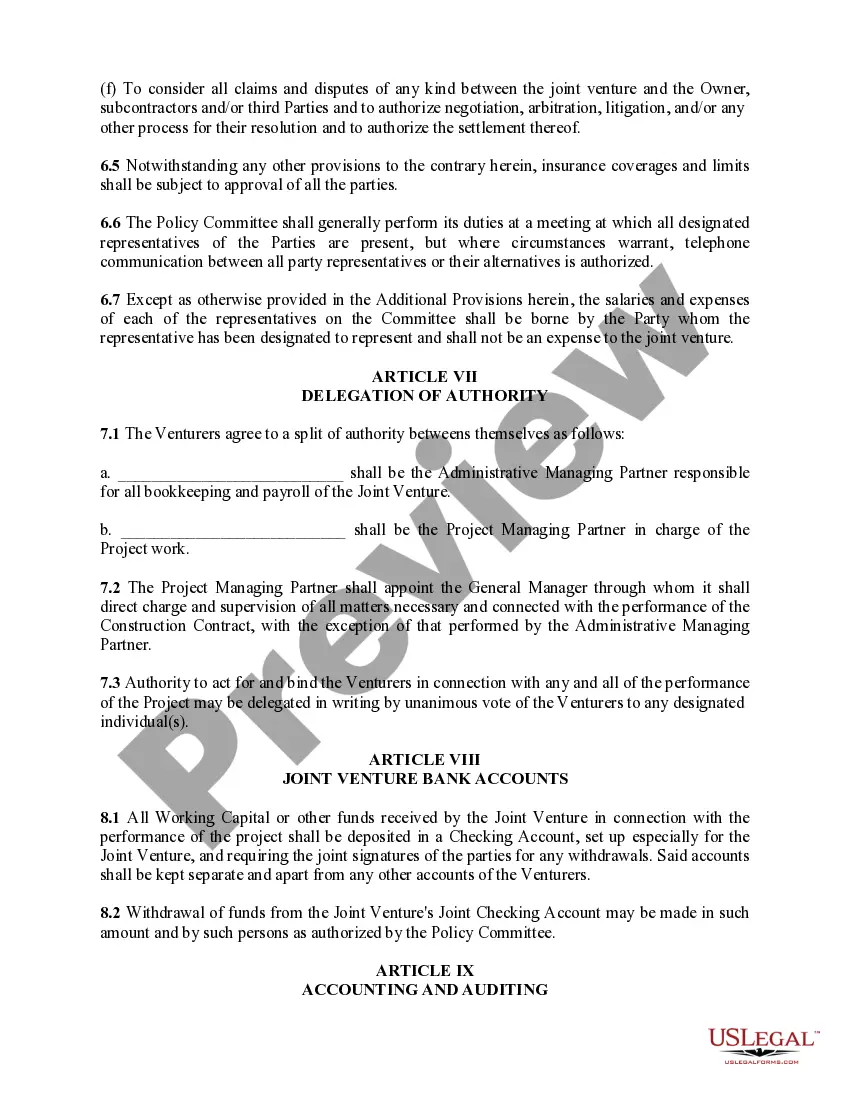
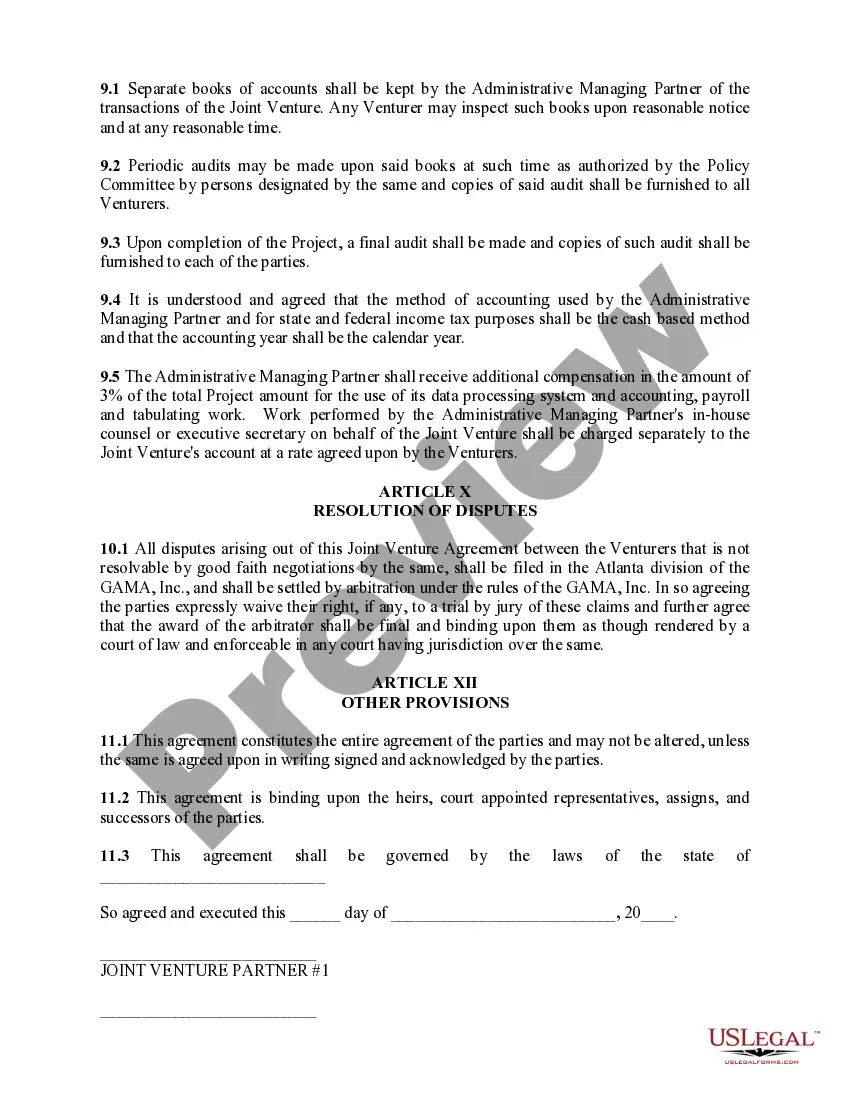
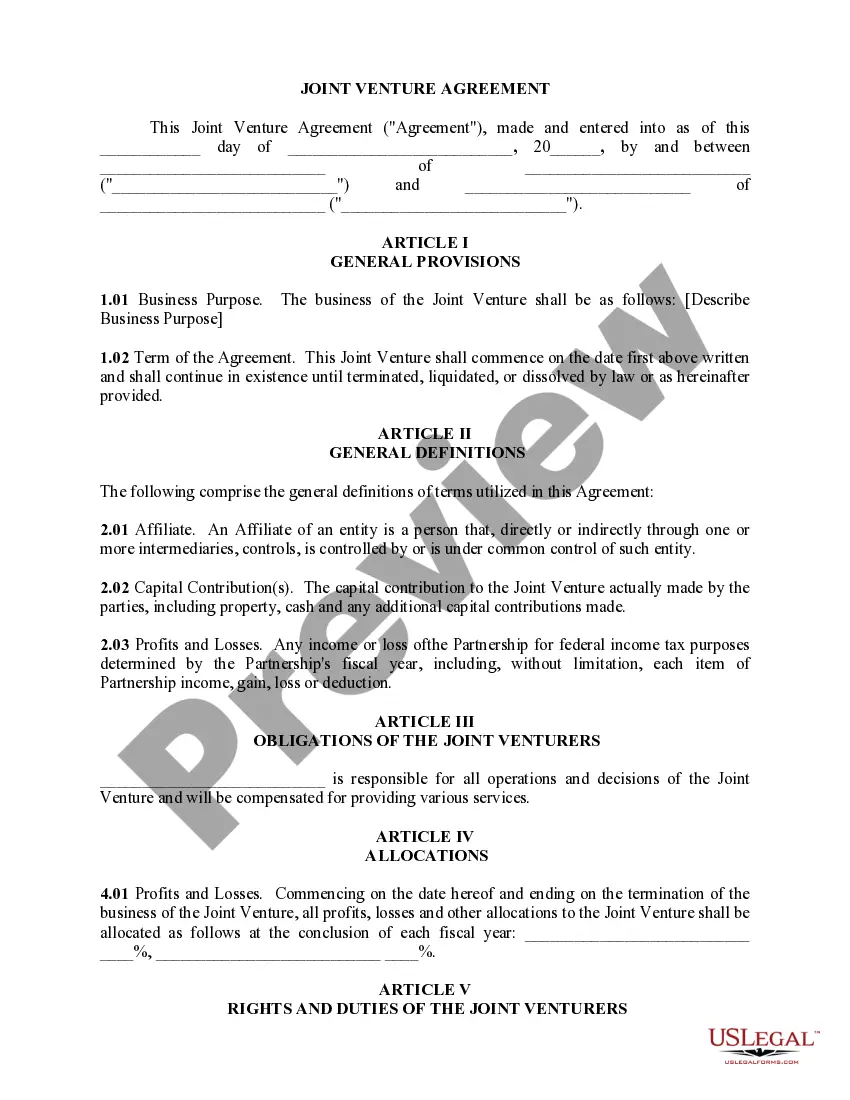
How to fill out Illinois Joint Venture Agreements - For A Construction Project Or General Business Venture?
Handling legal paperwork can be exasperating, even for seasoned professionals.
If you are interested in a Joint Venture In Business Class and lack the opportunity to dedicate time to find the right and current version, the procedures can be daunting.
With US Legal Forms, you can.
Access a variety of state- or county-specific legal and business documents. US Legal Forms addresses any requests you might have, ranging from personal to business paperwork, all in one location.
Here are the steps to follow after acquiring the form you desire: Review to ensure it is the correct form by previewing it and examining its details. Confirm that the template is recognized in your state or county. Click Buy Now when you are ready. Select a monthly subscription plan. Choose your preferred format, and Download, fill out, eSign, print, and send your document. Take advantage of the US Legal Forms online catalog, supported by 25 years of expertise and reliability. Improve your daily document management through a straightforward and user-friendly process today.
- Tap into a repository of articles, guides, and handbooks relevant to your circumstances and requirements.
- Conserve time and effort searching for the documents you need, and leverage US Legal Forms’ sophisticated search and Preview feature to find and obtain Joint Venture In Business Class.
- If you have a monthly subscription, Log In to your US Legal Forms account, look for the form, and obtain it.
- Check your My documents tab to view the documents you've downloaded previously and manage your folders as you see fit.
- If this is your first encounter with US Legal Forms, create an account and enjoy unrestricted access to all the platform's advantages.
- A comprehensive online form library can revolutionize the way anyone manages these circumstances effectively.
- US Legal Forms is a leader in the online legal forms sector, boasting over 85,000 state-specific legal templates available at any time.
- Utilize advanced tools to complete and manage your Joint Venture In Business Class.
Form popularity
FAQ
Structuring a business joint venture requires clear planning and communication between partners. Start by defining the purpose and goals of the joint venture, then outline each partner's contributions, responsibilities, and profit-sharing arrangements. It is vital to create a solid joint venture agreement that details these aspects to prevent misunderstandings. Utilizing resources from US Legal Forms can aid you in crafting a comprehensive agreement that meets legal requirements and protects your interests.
The 40 rule for joint ventures refers to a principle where partners agree on sharing profits and losses in a specific ratio, usually 40% for one partner and 60% for the other. This structure ensures that contributions and risks are fairly balanced between the parties involved. Understanding this rule is crucial for creating a successful joint venture in business class, as it can help manage expectations and responsibilities effectively.
Filing a joint venture in business class involves several key steps. First, you need to draft a joint venture agreement that outlines the roles, responsibilities, and contributions of each party. Next, you must register your joint venture with the relevant state authorities, ensuring compliance with local regulations. Using platforms like US Legal Forms can simplify this process by providing templates and guidance tailored to your specific needs.
When you explore joint ventures in business class, you will come across four main types: contractual joint ventures, equity joint ventures, cooperative joint ventures, and limited joint ventures. Each type has its unique structure and purpose, allowing businesses to collaborate effectively. Contractual joint ventures focus on agreements without forming a separate entity, while equity joint ventures involve creating a new company where both parties share ownership. Understanding these types helps you choose the best approach for your business goals.
The four types of partnerships are general partnerships, limited partnerships, limited liability partnerships, and joint ventures. General partnerships involve all partners sharing responsibilities and liabilities, while limited partnerships restrict some partners' liabilities. Limited liability partnerships protect partners from personal liability, and joint ventures serve as temporary collaborations for specific projects. Understanding these structures is essential for navigating the business landscape.
The four types of joint ventures include contractual joint ventures, equity joint ventures, limited joint ventures, and cooperative joint ventures. Contractual joint ventures involve agreements without forming a separate entity, while equity joint ventures create a new business entity. Limited and cooperative joint ventures focus on specific projects or shared resources. Each type offers unique benefits, depending on the goals of the partners.
In business studies, a joint venture is a strategic alliance where two or more businesses come together for a specific project. This collaboration allows them to leverage each other's strengths while minimizing risk. Understanding joint ventures is crucial for students, as it illustrates practical applications of business theories and strategies.
A joint venture in business class often involves two companies collaborating to achieve a common goal. For instance, when a tech firm and an automotive company partner to develop electric vehicles, they create a joint venture. This arrangement allows both companies to share resources, expertise, and risks, enhancing their market position.
To form a joint venture in business class, start by finding a suitable business partner who shares your vision. Next, draft a comprehensive agreement that specifies the purpose of the joint venture, each party's contributions, and management structure. After finalizing the agreement, register the joint venture with the necessary state agencies and ensure compliance with all legal requirements. Utilizing a platform like uslegalforms can simplify the process of drafting and managing your joint venture agreement.
Yes, two LLCs can form a joint venture in business class. This collaboration allows both entities to pool their resources and expertise for a specific project or goal. It is essential for the LLCs to create a joint venture agreement that clearly defines the terms, responsibilities, and profit-sharing arrangements to ensure a smooth partnership.