Non-resident Landlord
Description
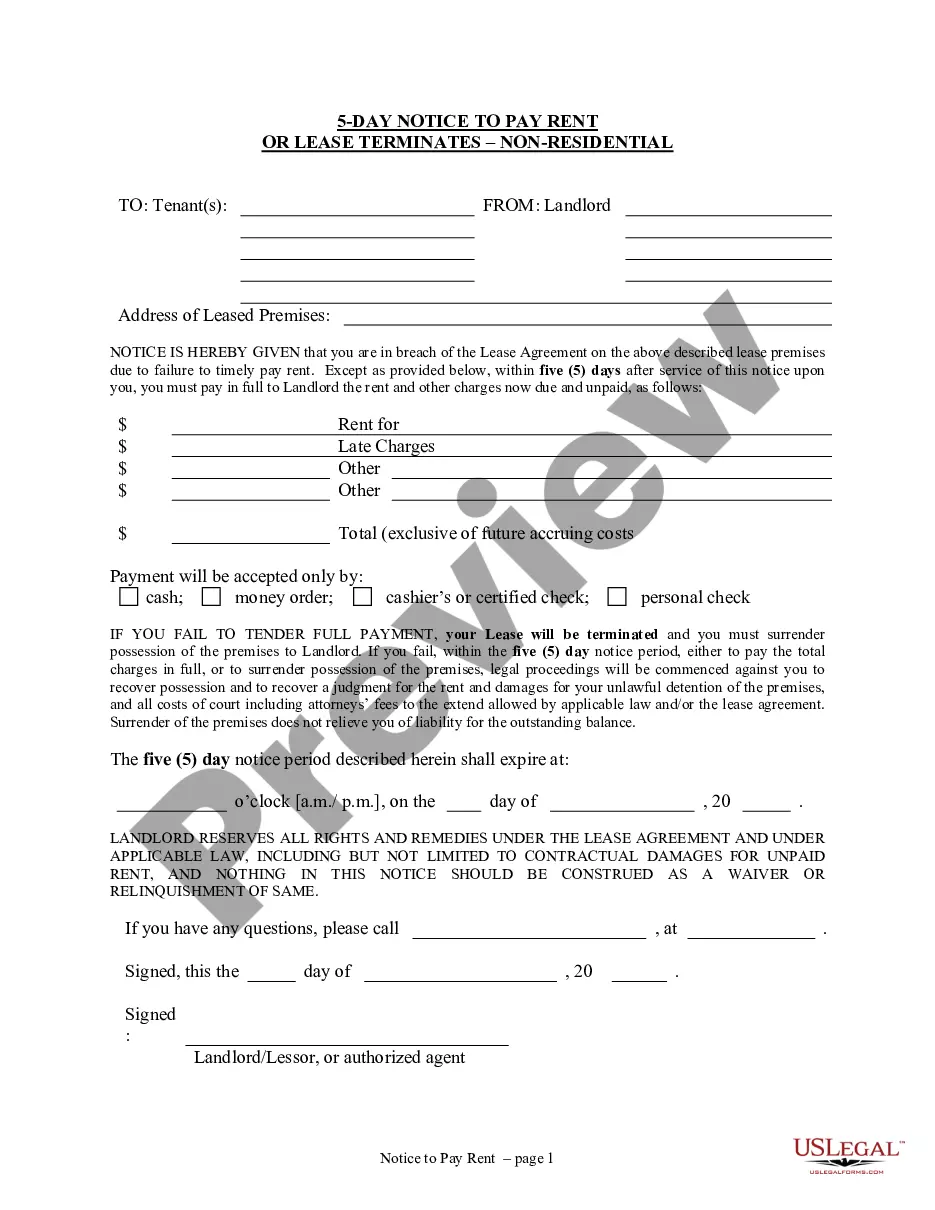
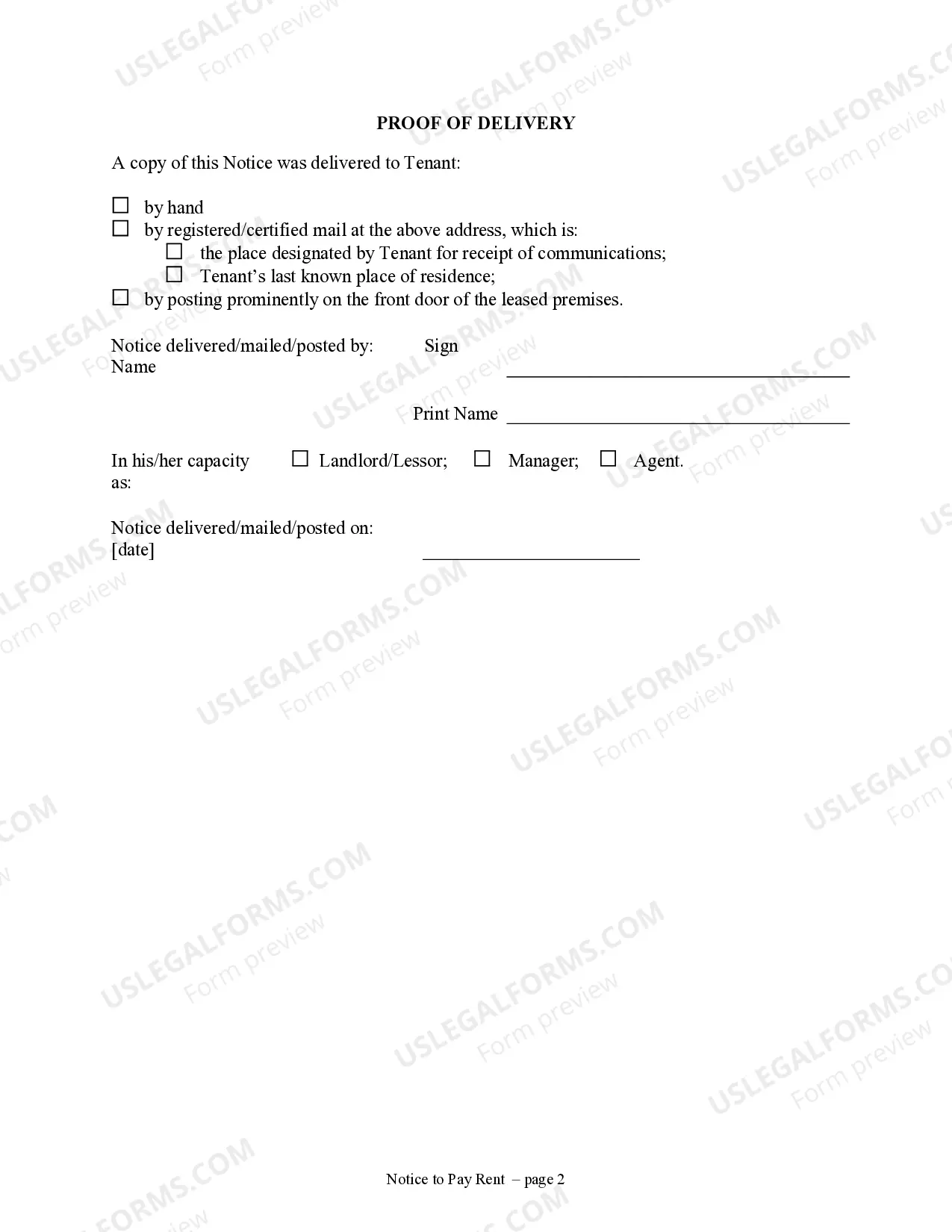
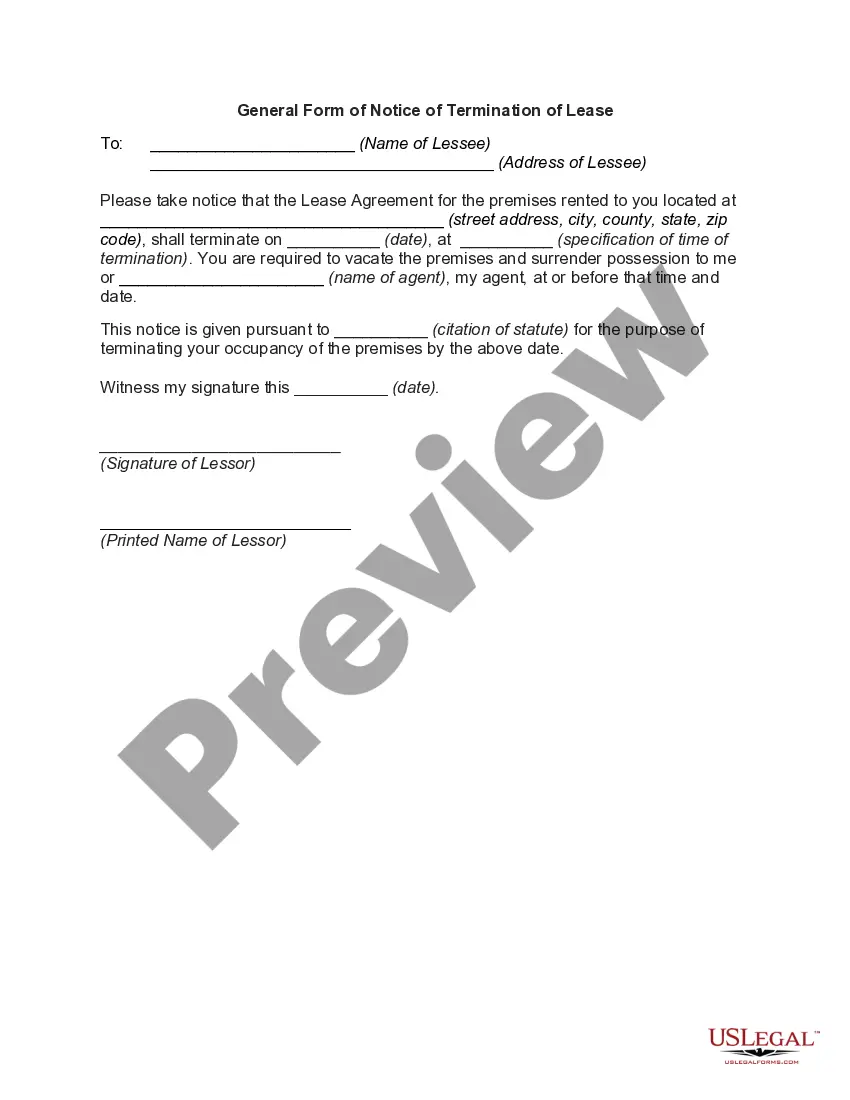

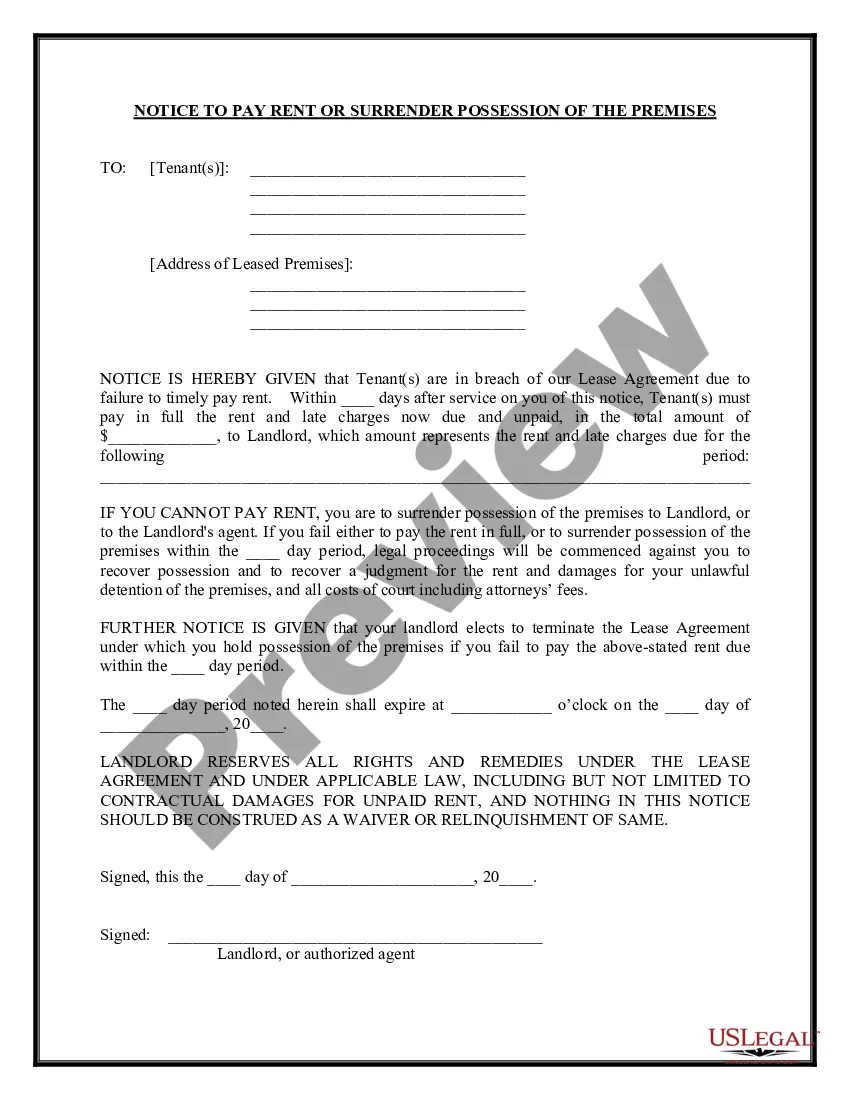
Get your form ready online
Our built-in tools help you complete, sign, share, and store your documents in one place.
Make edits, fill in missing information, and update formatting in US Legal Forms—just like you would in MS Word.
Download a copy, print it, send it by email, or mail it via USPS—whatever works best for your next step.
Sign and collect signatures with our SignNow integration. Send to multiple recipients, set reminders, and more. Go Premium to unlock E-Sign.
If this form requires notarization, complete it online through a secure video call—no need to meet a notary in person or wait for an appointment.
We protect your documents and personal data by following strict security and privacy standards.

Make edits, fill in missing information, and update formatting in US Legal Forms—just like you would in MS Word.

Download a copy, print it, send it by email, or mail it via USPS—whatever works best for your next step.

Sign and collect signatures with our SignNow integration. Send to multiple recipients, set reminders, and more. Go Premium to unlock E-Sign.

If this form requires notarization, complete it online through a secure video call—no need to meet a notary in person or wait for an appointment.

We protect your documents and personal data by following strict security and privacy standards.
Looking for another form?






How to fill out Illinois 5 Day Notice To Pay Rent Or Lease Terminates - Nonresidential Or Commercial?
- If you are a returning user, log in to your account and ensure your subscription is active. If needed, renew your plan.
- If you are new to US Legal Forms, start by checking the Preview mode for form descriptions to select the appropriate template that aligns with your jurisdiction requirements.
- Should you find any discrepancies, use the search feature to explore additional templates until you find the correct one.
- Click 'Buy Now' after selecting your document and choose a subscription plan. You will need to create an account to access the library's resources.
- Complete your payment using your credit card or PayPal account to finalize your subscription.
- Download your chosen form and save it to your device. You'll also find it accessible in the My Forms section of your account at any time.
Utilizing US Legal Forms not only saves time but also assures you that your legal documents are accurately crafted. With expert assistance available, you can ensure your documents meet all legal requirements.
Take charge of your property management today. Visit US Legal Forms to get started!
Form popularity
FAQ
To determine if you are a resident or non-resident alien, assess your immigration status and the time you've spent in the U.S. If you possess a green card or meet the substantial presence test, you are likely a resident alien. If not, and you are earning income from U.S. sources as a non-resident landlord, you may fall under the non-resident category, impacting your tax filing.
Having a work visa does not automatically classify you as a resident alien. If you are in the U.S. on a temporary work visa and do not meet the substantial presence test, you are likely a non-resident alien. This classification as a non-resident landlord means specific tax obligations that you should address promptly.
A nonresident alien qualifies if they are not a U.S. citizen or resident alien and do not meet the green card or substantial presence tests. This means they typically spend fewer than 183 days in the U.S. over a three-year period. If you are a non-resident landlord, understanding this classification can significantly impact your tax responsibilities.
Yes, you can file IRS Form 1040NR electronically, but not all tax software supports this form. To file electronically as a non-resident landlord, check for software that specifically caters to non-resident tax obligations. Alternatively, using services such as US Legal Forms can help guide you through the electronic filing process.
resident is typically someone who does not meet the criteria for residency, which include having a green card or fulfilling the residency tests. Nonresidents often maintain ties to their home country while earning income in another country, such as the United States. If you qualify as a nonresident landlord, make sure you comply with relevant tax regulations to avoid penalties.
resident alien is an individual who is not a citizen or permanent resident of the United States and does not meet the green card or substantial presence tests. This classification often applies to foreign individuals earning income from U.S. sources, such as nonresident landlords collecting rent. Understanding your classification is essential for accurate tax filing and compliance.
To file as a non-resident landlord, you need to complete IRS Form 1040NR. This form allows you to report your income and expenses from rental properties located in the United States. Additionally, ensure you have all necessary documentation, such as the associated income and expenses related to your property. Using platforms like US Legal Forms can make this process more straightforward.
Non-resident income is generally taxed at a flat rate based on the source of the income, such as rental properties. This means that if you earn income from U.S. sources, it may be subject to taxation. For clarity and accurate reporting, non-resident landlords should consider using services like US Legal Forms to ensure compliance with tax regulations.
For reporting rental property income as a non-resident landlord, you'll typically need to fill out Form 1040-NR. This form allows you to declare your rental income and deduct related expenses. It's important to utilize resources like US Legal Forms, which can provide templates and additional guidance tailored to your specific needs.
Foreigners earning rental income in the U.S. are generally subject to the same 30% tax rate as non-resident landlords. This income needs to be reported on a U.S. tax return, and expenses related to the rental can often be deducted. Working with a tax advisor who understands your foreign status can help ensure compliance and optimize your tax obligations.