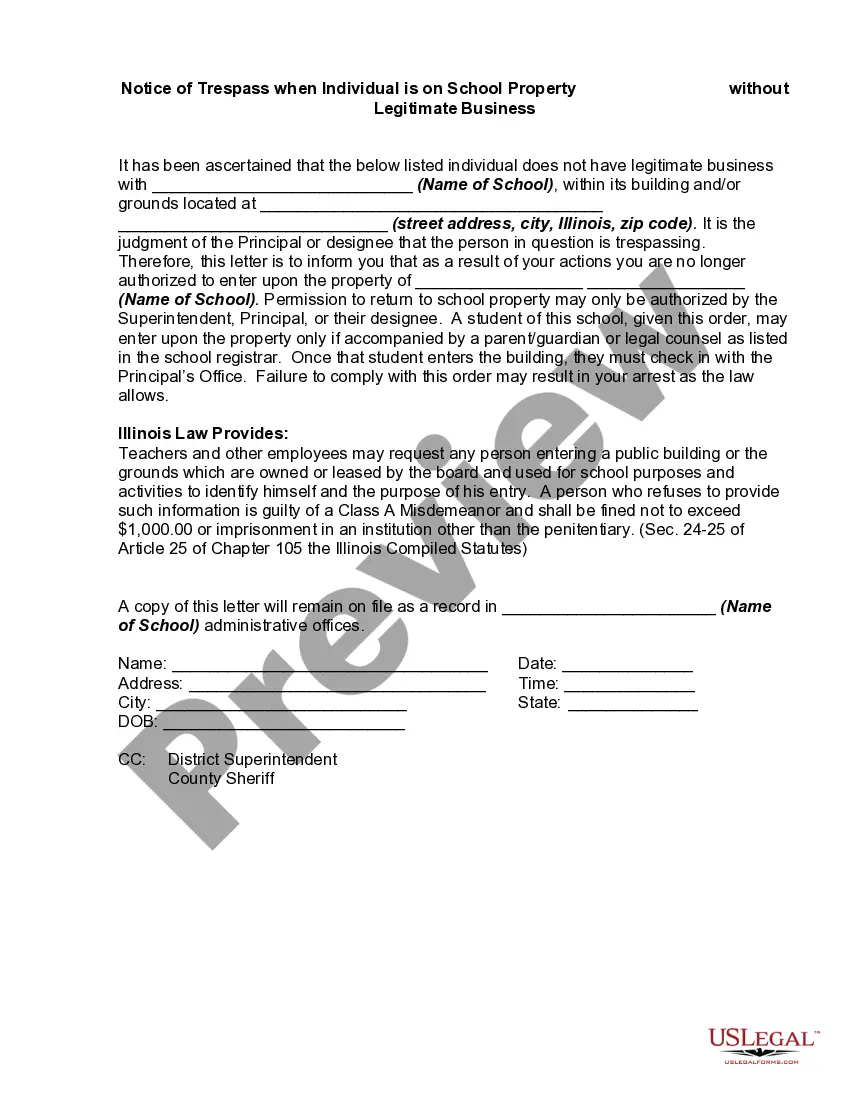
Illinois Trespass When Forgotten
Description
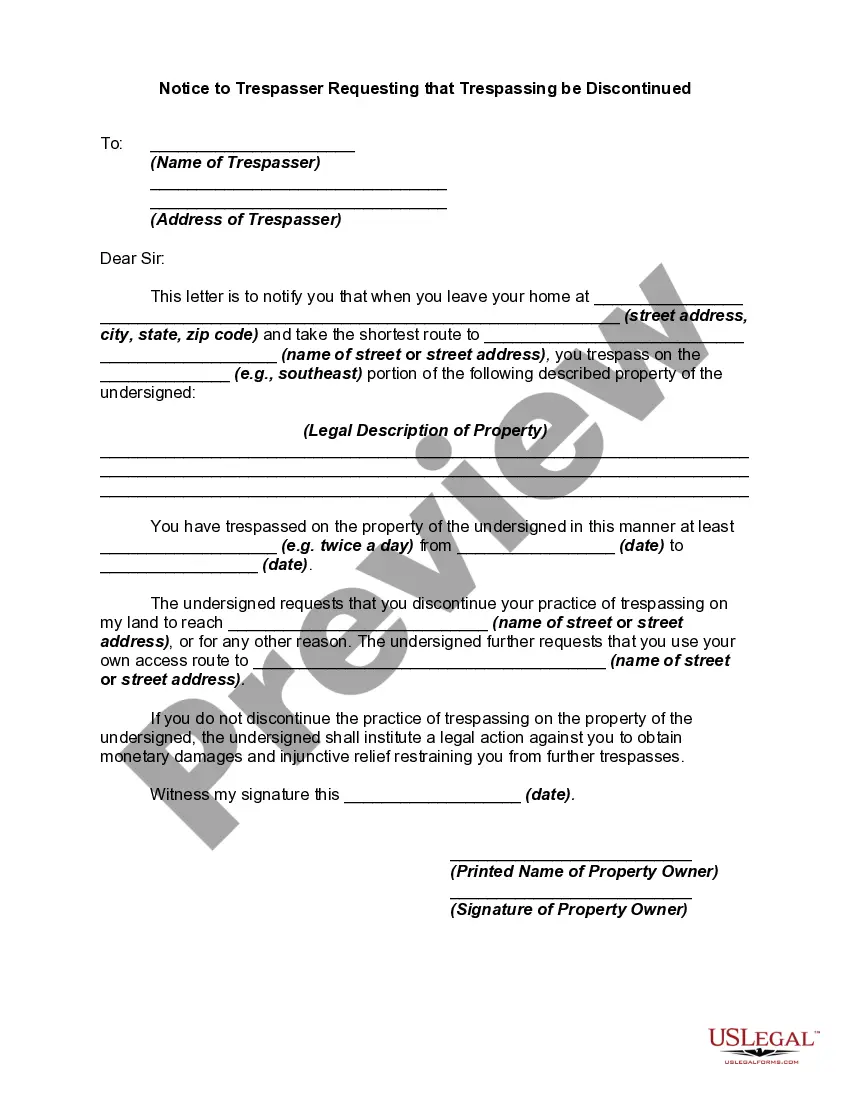
Get your form ready online
Our built-in tools help you complete, sign, share, and store your documents in one place.
Make edits, fill in missing information, and update formatting in US Legal Forms—just like you would in MS Word.
Download a copy, print it, send it by email, or mail it via USPS—whatever works best for your next step.
Sign and collect signatures with our SignNow integration. Send to multiple recipients, set reminders, and more. Go Premium to unlock E-Sign.
If this form requires notarization, complete it online through a secure video call—no need to meet a notary in person or wait for an appointment.
We protect your documents and personal data by following strict security and privacy standards.

Make edits, fill in missing information, and update formatting in US Legal Forms—just like you would in MS Word.

Download a copy, print it, send it by email, or mail it via USPS—whatever works best for your next step.

Sign and collect signatures with our SignNow integration. Send to multiple recipients, set reminders, and more. Go Premium to unlock E-Sign.

If this form requires notarization, complete it online through a secure video call—no need to meet a notary in person or wait for an appointment.

We protect your documents and personal data by following strict security and privacy standards.
Looking for another form?

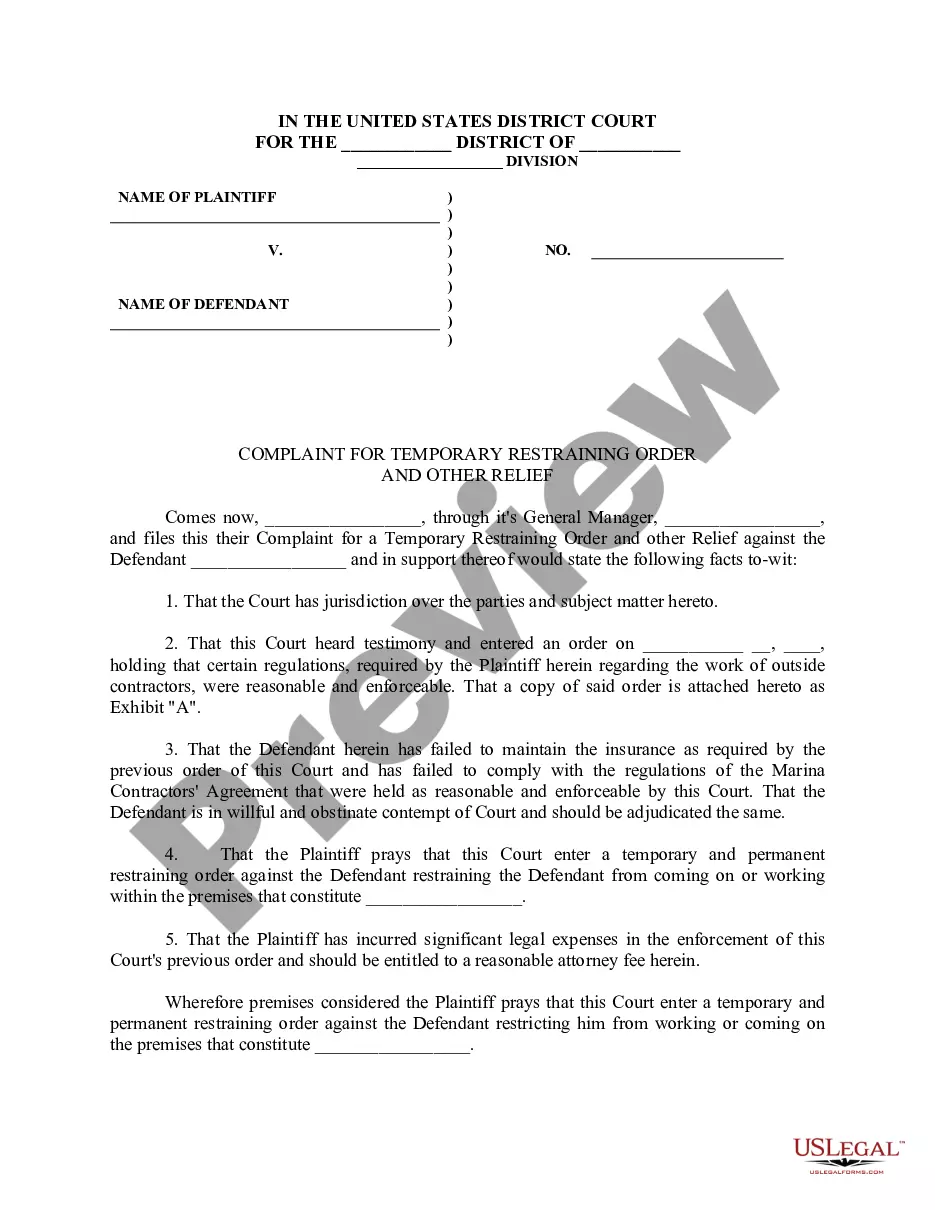

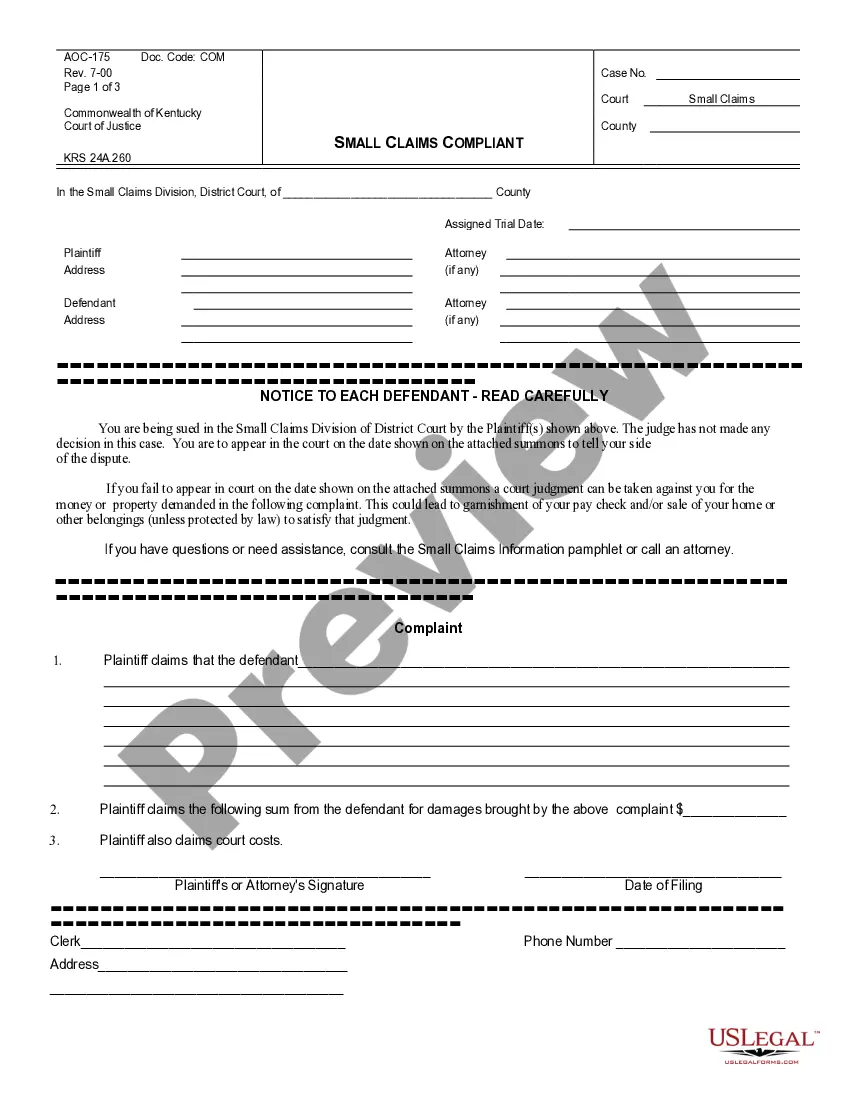
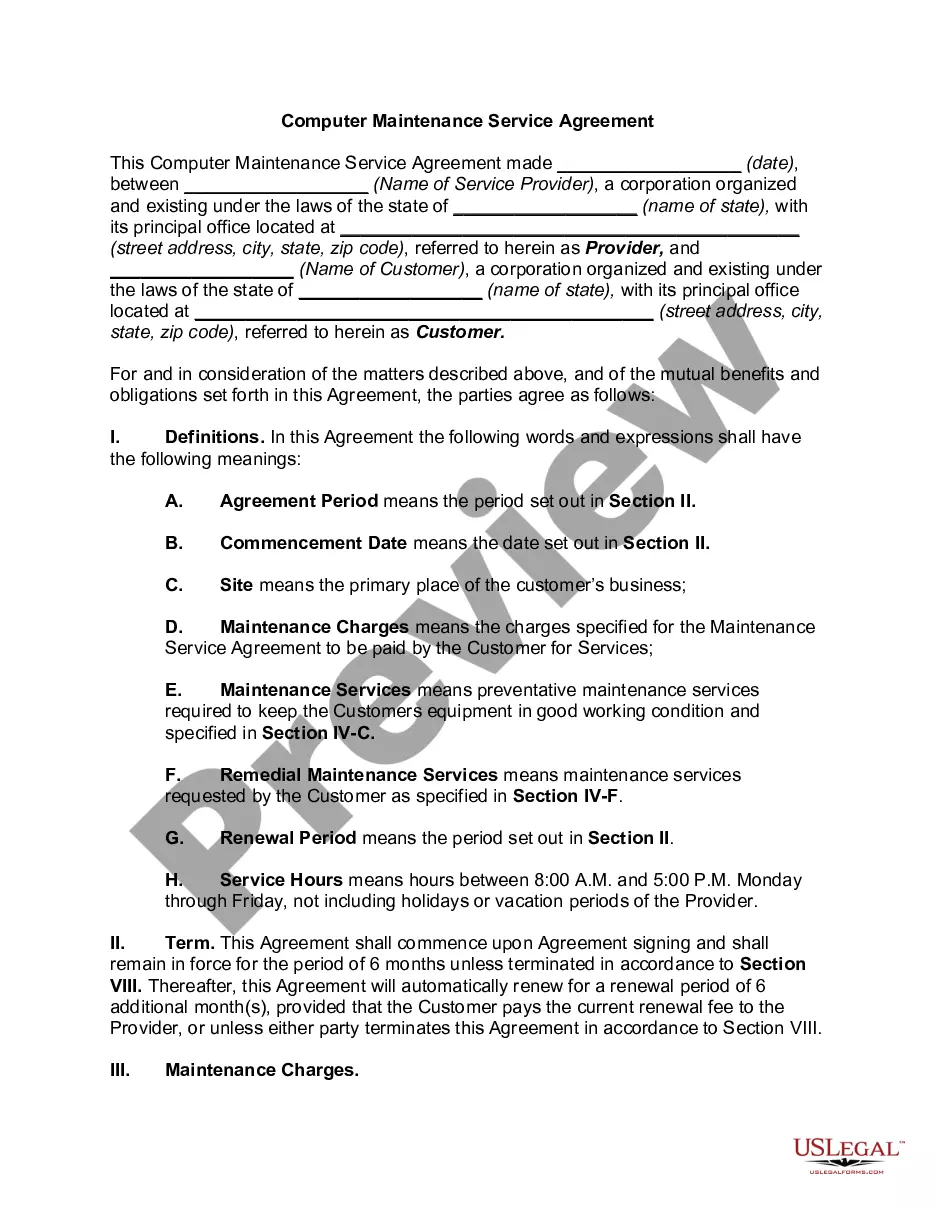
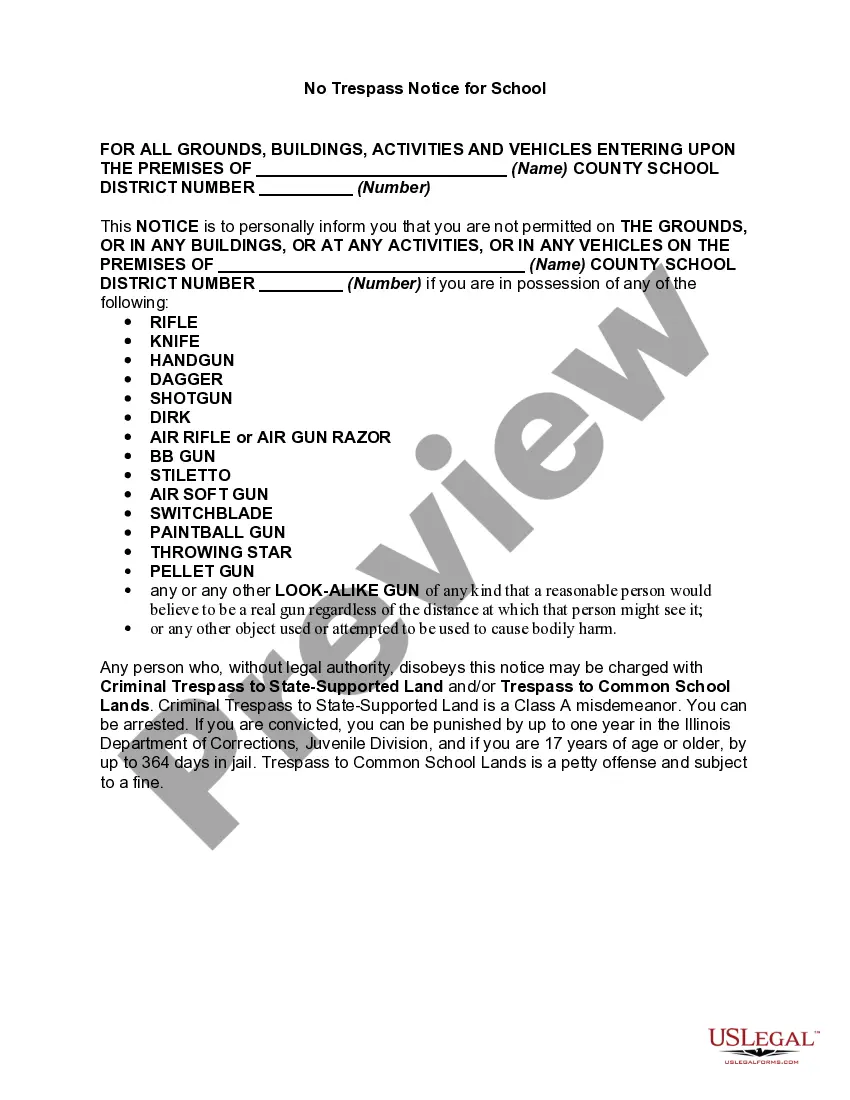
How to fill out Illinois Notice Of Trespass When Individual Is On School Property Without Legitimate Business?
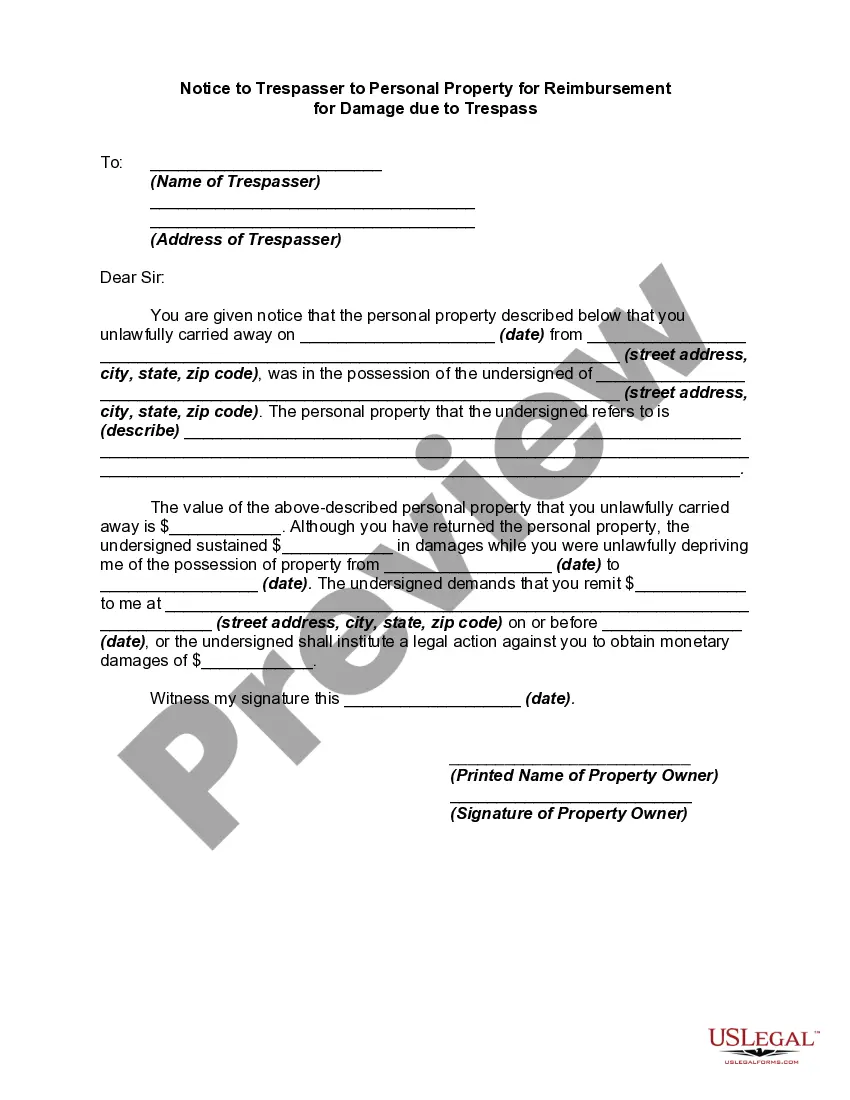
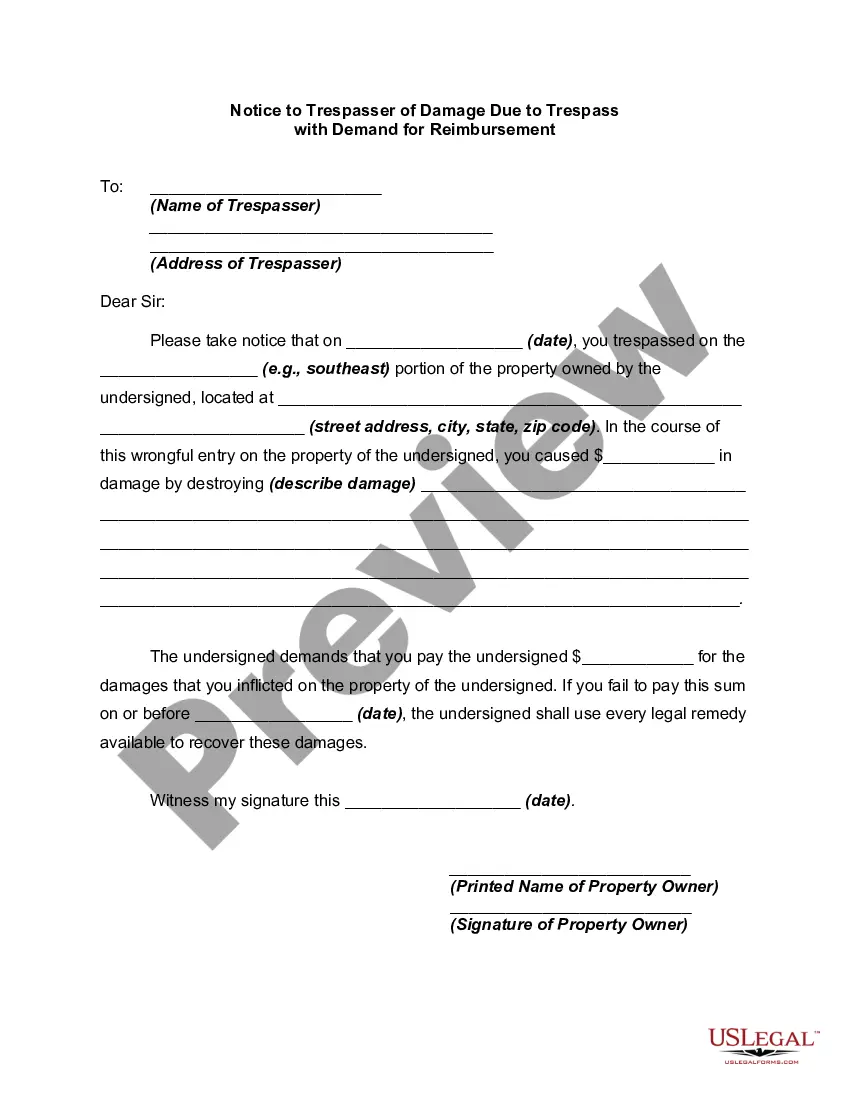
Using legal templates that comply with federal and state laws is essential, and the internet offers many options to pick from. But what’s the point in wasting time looking for the appropriate Illinois Trespass When Forgotten sample on the web if the US Legal Forms online library already has such templates collected in one place?
US Legal Forms is the greatest online legal catalog with over 85,000 fillable templates drafted by attorneys for any professional and personal situation. They are easy to browse with all documents arranged by state and purpose of use. Our experts keep up with legislative changes, so you can always be sure your form is up to date and compliant when obtaining a Illinois Trespass When Forgotten from our website.
Getting a Illinois Trespass When Forgotten is fast and simple for both current and new users. If you already have an account with a valid subscription, log in and save the document sample you require in the preferred format. If you are new to our website, adhere to the guidelines below:
- Take a look at the template utilizing the Preview feature or via the text description to make certain it meets your requirements.
- Browse for a different sample utilizing the search tool at the top of the page if needed.
- Click Buy Now when you’ve found the suitable form and opt for a subscription plan.
- Register for an account or log in and make a payment with PayPal or a credit card.
- Choose the right format for your Illinois Trespass When Forgotten and download it.
All documents you locate through US Legal Forms are reusable. To re-download and fill out earlier saved forms, open the My Forms tab in your profile. Benefit from the most extensive and simple-to-use legal paperwork service!
Form popularity
FAQ
Criminal Trespass to land is usually considered a Class B misdemeanor, punishable by a jail sentence of up to six months and a maximum fine of $1,500. However, it can be a Class A misdemeanor under circumstances such as entering or remaining on agricultural property, fields, barns, and orchards with a motor vehicle.
In legal terms, trespassing is defined as physically being on another person's property without permission. Property owners have the right to call the police and have trespassers arrested and charged if they are on their premises. Generally, trespassing is charged as a misdemeanor offense in Illinois.
(b) A property owner, a lessee, an agent of either the owner or lessee, or a performer or participant may use reasonable force to restrain a trespasser and remove him or her from the restricted area; however, any use of force beyond reasonable force may subject that person to any applicable criminal penalty.
Under the new amendment, an officer can arrest someone for trespassing if: The person poses a threat to the community or any person; Arrest is necessary because criminal activity persists after issuance of the citation; or. The accused has an obvious medical or mental health issue that poses a risk to their safety.
Trespass is an area of tort law broadly divided into three groups: trespass to the person, trespass to chattels, and trespass to land.