Iowa Living Trust For Property Management
Description

Get your form ready online
Our built-in tools help you complete, sign, share, and store your documents in one place.
Make edits, fill in missing information, and update formatting in US Legal Forms—just like you would in MS Word.
Download a copy, print it, send it by email, or mail it via USPS—whatever works best for your next step.
Sign and collect signatures with our SignNow integration. Send to multiple recipients, set reminders, and more. Go Premium to unlock E-Sign.
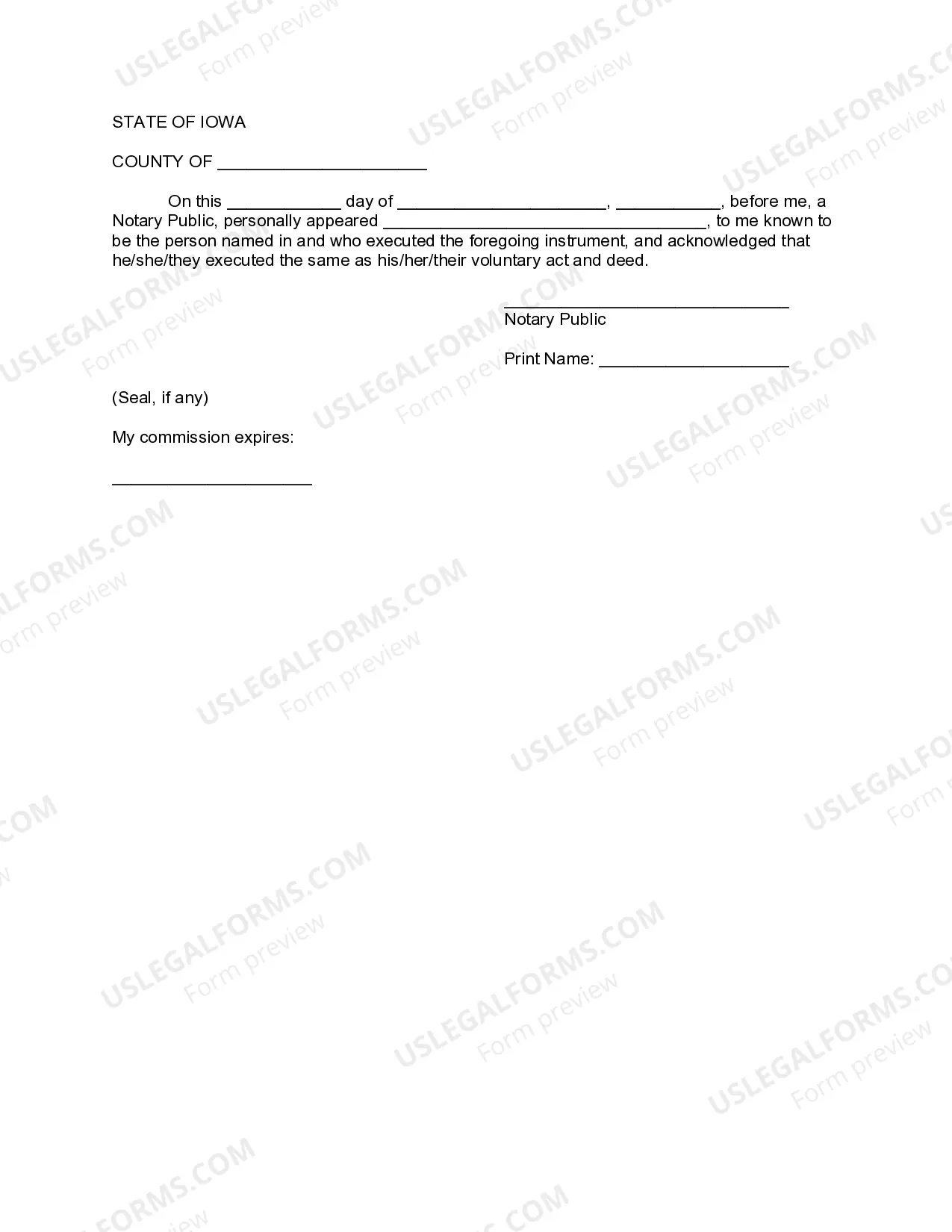
If this form requires notarization, complete it online through a secure video call—no need to meet a notary in person or wait for an appointment.
We protect your documents and personal data by following strict security and privacy standards.

Make edits, fill in missing information, and update formatting in US Legal Forms—just like you would in MS Word.

Download a copy, print it, send it by email, or mail it via USPS—whatever works best for your next step.

Sign and collect signatures with our SignNow integration. Send to multiple recipients, set reminders, and more. Go Premium to unlock E-Sign.

If this form requires notarization, complete it online through a secure video call—no need to meet a notary in person or wait for an appointment.

We protect your documents and personal data by following strict security and privacy standards.
Looking for another form?


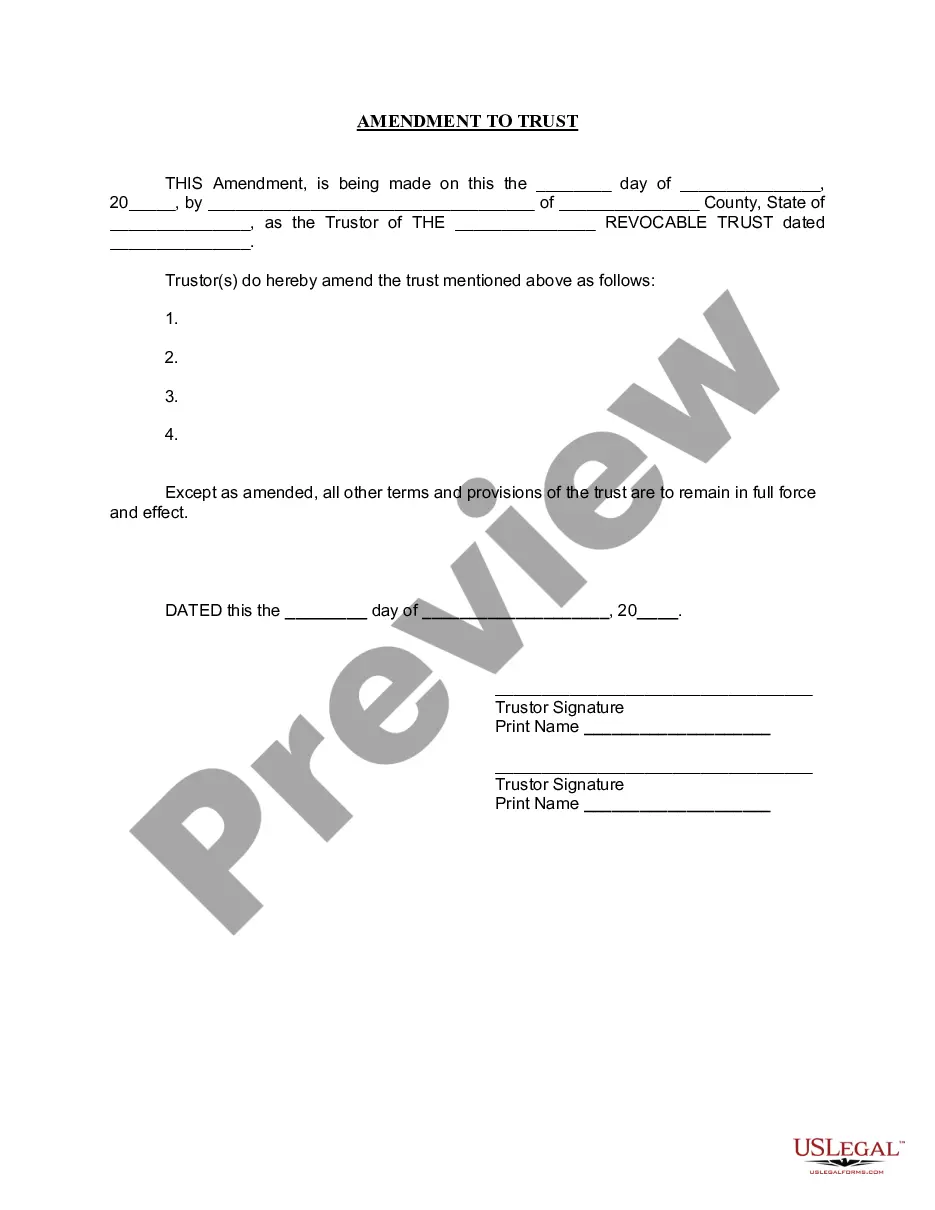
How to fill out Iowa Amendment To Living Trust?
- If you are a returning user, log in to access your account and download the necessary form template. Ensure your subscription is active; renew if it has expired.
- Review the available templates and preview options to confirm you've selected the appropriate living trust template that aligns with Iowa requirements.
- In case additional templates are needed, utilize the Search function at the top of the page to find suitable options. Proceed once you've identified the correct document.
- Select your desired subscription plan by clicking the Buy Now button and create an account if you are a new user.
- Complete your purchase by entering payment details or utilizing your PayPal account to secure your subscription.
- After your purchase, download the form directly to your device and access it anytime via the My Forms section. Note that you can also seek support from premium experts for document completion.
By following these steps, you can efficiently create your Iowa living trust for property management, allowing you to manage your assets with confidence.
Start your journey today and benefit from the extensive resources and expert support at US Legal Forms!
Form popularity
FAQ
Setting up an Iowa living trust for property management involves a few important steps. First, you should gather all relevant property documents and identify the assets you wish to place in the trust. Next, working with a legal professional or using a reliable online platform like US Legal Forms can help you draft the trust document correctly. Finally, you will need to transfer the ownership of the property to the trust, ensuring that your assets are managed according to your wishes.
A broker in Iowa has to deposit negotiable trust funds within three banking days of receipt. Timely deposits help maintain transparency and trust among all parties involved. Implementing an Iowa living trust for property management can facilitate smoother transactions and ensure funds are handled correctly. This practice also supports regulatory compliance and enhances financial management.
A property manager should keep tenant security deposits, rent payments, and maintenance funds in a trust account. These funds must be kept separate from the property manager's personal funds to ensure proper management and accountability. Utilizing an Iowa living trust for property management can enhance the organization and tracking of these funds. This approach helps protect both the property manager and the property owner's interests.
In Iowa, a property manager is required to deposit trust funds into a trust account managed by a licensed broker within five business days. This timeframe ensures that the funds remain secure and available for property-related expenses. Using a living trust for property management can further simplify this process and provide peace of mind for property owners. Additionally, it helps ensure compliance with Iowa regulations.
When a property is held in trust, it means that a trustee has legal ownership over the property, while the beneficiaries enjoy the benefits of that property. This arrangement allows for organized management of the property, as well as protection against potential legal challenges. By establishing an Iowa living trust for property management, property owners can ensure their assets are well-maintained and their intentions are honored.
A property management trust is a legal arrangement that allows a designated trustee to manage property on behalf of the beneficiaries. This type of trust simplifies the management process and offers protection for assets. Utilizing an Iowa living trust for property management helps property owners delegate responsibilities effectively while ensuring compliance with relevant laws and regulations.
The biggest mistake parents often make is failing to fund the trust properly after it’s established. An Iowa living trust for property management needs to have assets transferred into it to be effective. Without funding, the trust does not serve its purpose, and they may unintentionally leave their loved ones unprotected. Thus, completing this step with the help of a qualified expert is crucial.
One downside of placing assets in a trust is the loss of direct control over those assets for the individual who creates the trust. With an Iowa living trust for property management, while it provides a great way to protect and manage assets, the granularity of control shifts to the trust terms. Ensuring you understand these implications through professional advice is essential.
The main downfall of having a trust includes the initial setup costs and the time required for proper administration. An Iowa living trust for property management must be actively managed to reflect changes in family dynamics or asset values. Without continuous updates, it can become outdated and ineffective, which is why consulting with legal experts is recommended.
One disadvantage of a family trust is the potential complexity in its administration. An Iowa living trust for property management may require regular updates and could involve ongoing costs for maintenance and management. Furthermore, if not properly set up, it might not deliver the desired benefits. Thus, careful planning and professional guidance are essential.