Three Day Notice To Quit
Description


Get your form ready online
Our built-in tools help you complete, sign, share, and store your documents in one place.
Make edits, fill in missing information, and update formatting in US Legal Forms—just like you would in MS Word.
Download a copy, print it, send it by email, or mail it via USPS—whatever works best for your next step.
Sign and collect signatures with our SignNow integration. Send to multiple recipients, set reminders, and more. Go Premium to unlock E-Sign.
If this form requires notarization, complete it online through a secure video call—no need to meet a notary in person or wait for an appointment.
We protect your documents and personal data by following strict security and privacy standards.

Make edits, fill in missing information, and update formatting in US Legal Forms—just like you would in MS Word.

Download a copy, print it, send it by email, or mail it via USPS—whatever works best for your next step.

Sign and collect signatures with our SignNow integration. Send to multiple recipients, set reminders, and more. Go Premium to unlock E-Sign.

If this form requires notarization, complete it online through a secure video call—no need to meet a notary in person or wait for an appointment.

We protect your documents and personal data by following strict security and privacy standards.
Looking for another form?
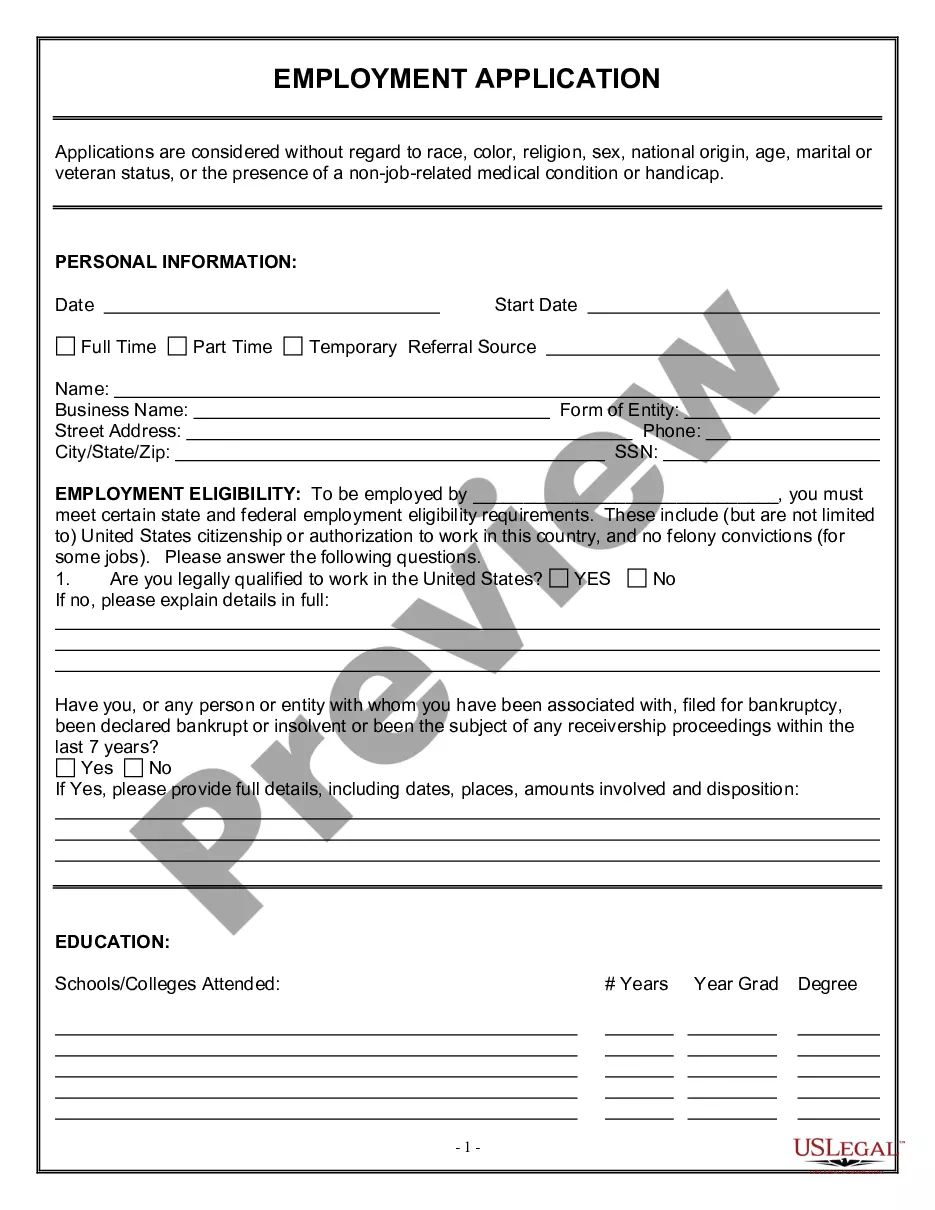

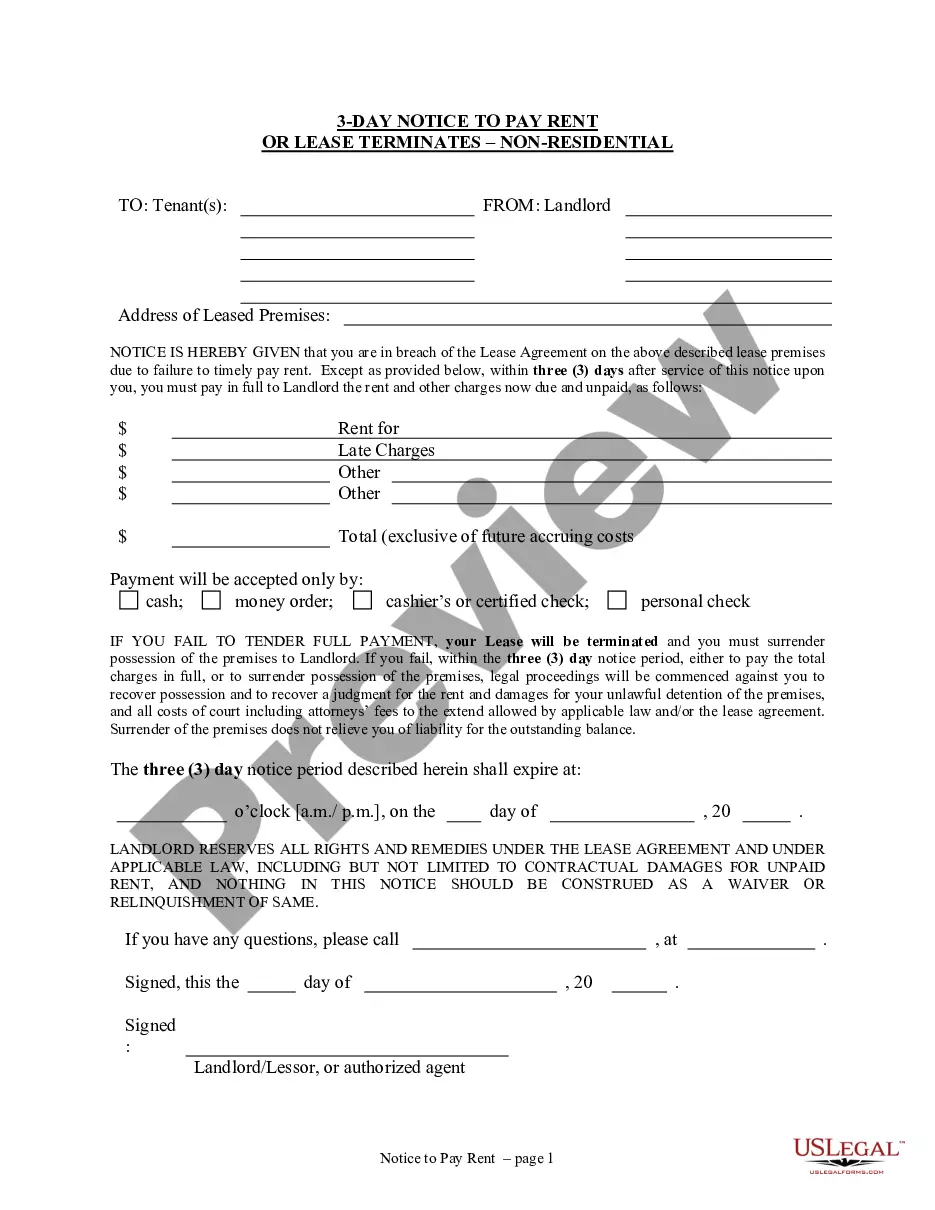
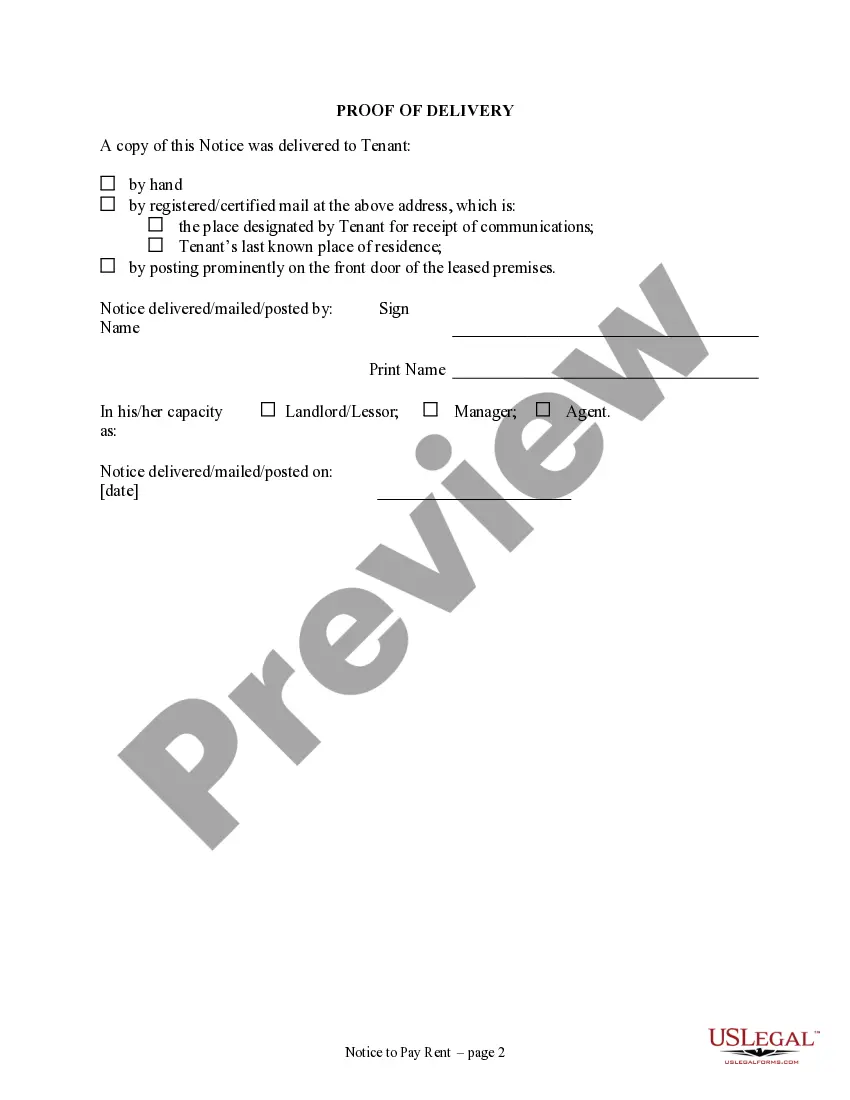
How to fill out Iowa 3 Day Notice To Pay Rent Or Lease Terminated For Nonresidential Or Commercial Property?
- Start by logging into your US Legal Forms account. If you're a returning user, access your profile and find the Download button for the three day notice to quit template.
- For first-time users, preview the available documents to confirm that the 'three day notice to quit' form aligns with your state-specific regulations.
- If the form is not suitable, utilize the search option to locate the correct notice template tailored to your needs.
- Upon finding the correct form, click 'Buy Now' to select a suitable subscription plan. Ensure you create an account for full access.
- Complete your purchase by entering your payment details via credit card or PayPal.
- Finally, download the completed form within your account. You can access it anytime via the 'My Forms' section.
In conclusion, US Legal Forms provides an extensive collection of legal documents, making it easier than ever to find and complete a three day notice to quit. With thousands of forms available and premium support, you can ensure your documents are legally sound and tailored to your needs.
Start your journey today by visiting US Legal Forms and experience the ease of obtaining your essential legal documents.
Form popularity
FAQ
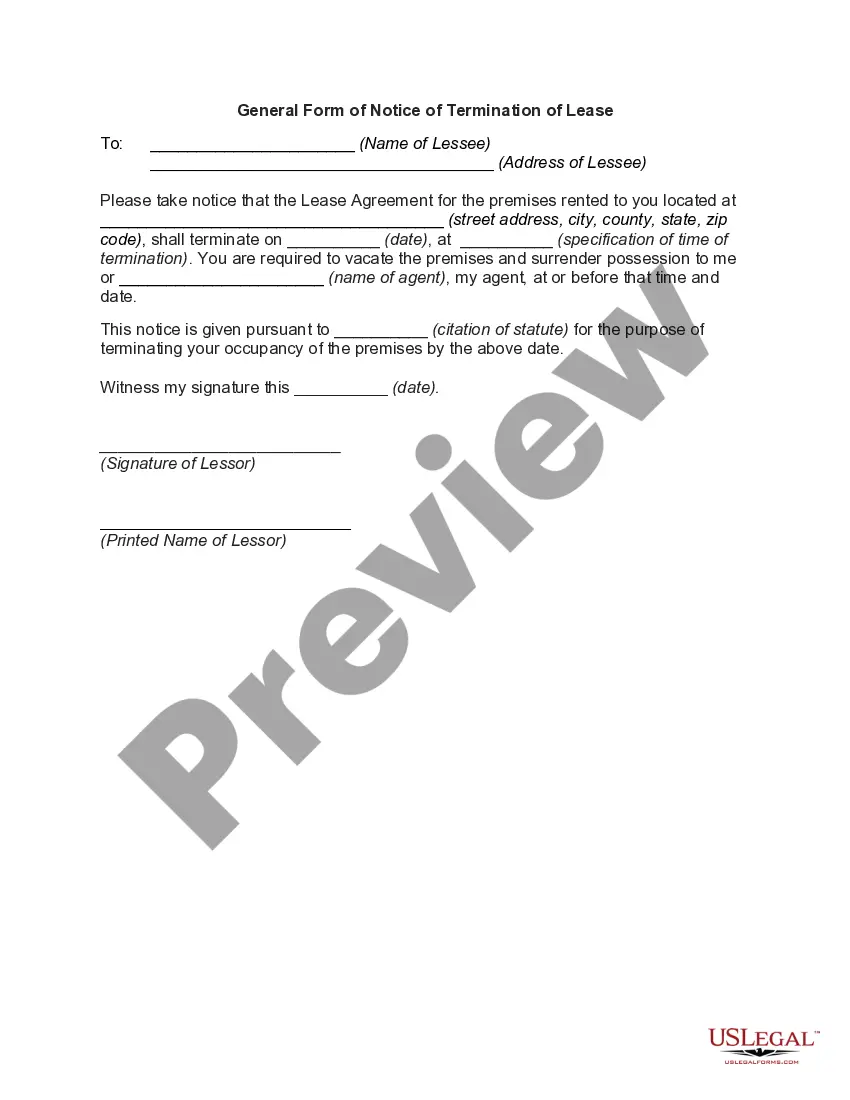
To write a short quit notice, begin by clearly stating the purpose of the notice, including the specific reason for termination. Include the date the notice is issued, the tenant's name, and the property address. Lastly, specify the compliance required and the deadline, ensuring that it adheres to regulations regarding the Three Day Notice to Quit. Platforms like US Legal Forms offer templates to simplify this process and ensure compliance.
In Ohio, several factors can void a Three Day Notice to Quit. For instance, if the notice is not properly served or contains incorrect information, it could be deemed invalid. Additionally, if a tenant takes steps to resolve the rent issue within the notice period, such as making payments, the eviction process may be halted. Understanding these nuances can help you effectively manage tenant situations.
In Georgia, the eviction process generally takes a minimum of seven days after serving a Three Day Notice to Quit. This notice informs the tenant that they must vacate the premises. If the tenant does not comply within the specified time frame, you can file for eviction in court. Keep in mind that delays might occur due to court schedules and legal requirements.
In Kansas, a tenant can face eviction proceedings relatively quickly after receiving a three day notice to quit. This notice is typically for significant lease violations, primarily non-payment of rent. If the tenant does not comply with the notice, the landlord can file for eviction, leading to potential court action. Staying informed about your rights in such situations can help you better prepare for any necessary actions.
In Pennsylvania, tenants are generally expected to provide notice before quitting a lease. However, if you receive a three day notice to quit, it can sometimes expedite the process for you. To avoid complications, it is wise to communicate with your landlord about your intentions. This way, you can minimize potential disputes or misunderstandings.
The notice to quit law in Pennsylvania mandates that landlords give tenants a written notification before initiating eviction proceedings. Typically, this begins with a three day notice to quit if rent is overdue. The notice must inform the tenant of the lease violation and provide time to resolve it. This law protects tenants' rights by ensuring they are informed and have an opportunity to act.
In Vermont, eviction rules require landlords to provide a written notice to quit before proceeding. Depending on the reason, the notice can vary from a three day notice to a longer period. This three day notice to quit is commonly used for non-payment of rent. Understanding these rules can help both landlords and tenants navigate the process effectively.
A notice to quit in Pennsylvania must clearly state the reason for the eviction and give tenants a specific timeframe to vacate the property. Generally, this is a three day notice to quit for violations such as non-payment of rent. The notice should also include details on how to remedy the situation, if applicable. This clarity helps tenants understand their rights and options.
In Pennsylvania, a landlord cannot evict you immediately. They must follow the legal process, which typically starts with a three day notice to quit. This notice informs you of the specific violation and gives you a short period to address the issue. If you do not comply, the landlord can then proceed to file for eviction.
To stop an eviction in Ohio, you can respond to the three day notice to quit by making the outstanding rent payment promptly. If you believe the notice is unjust, you can contest it in court, explaining your situation to a judge. Seeking legal advice could provide you with options depending on your circumstances. Using resources like US Legal Forms can help you navigate the laws regarding eviction and understand your rights.