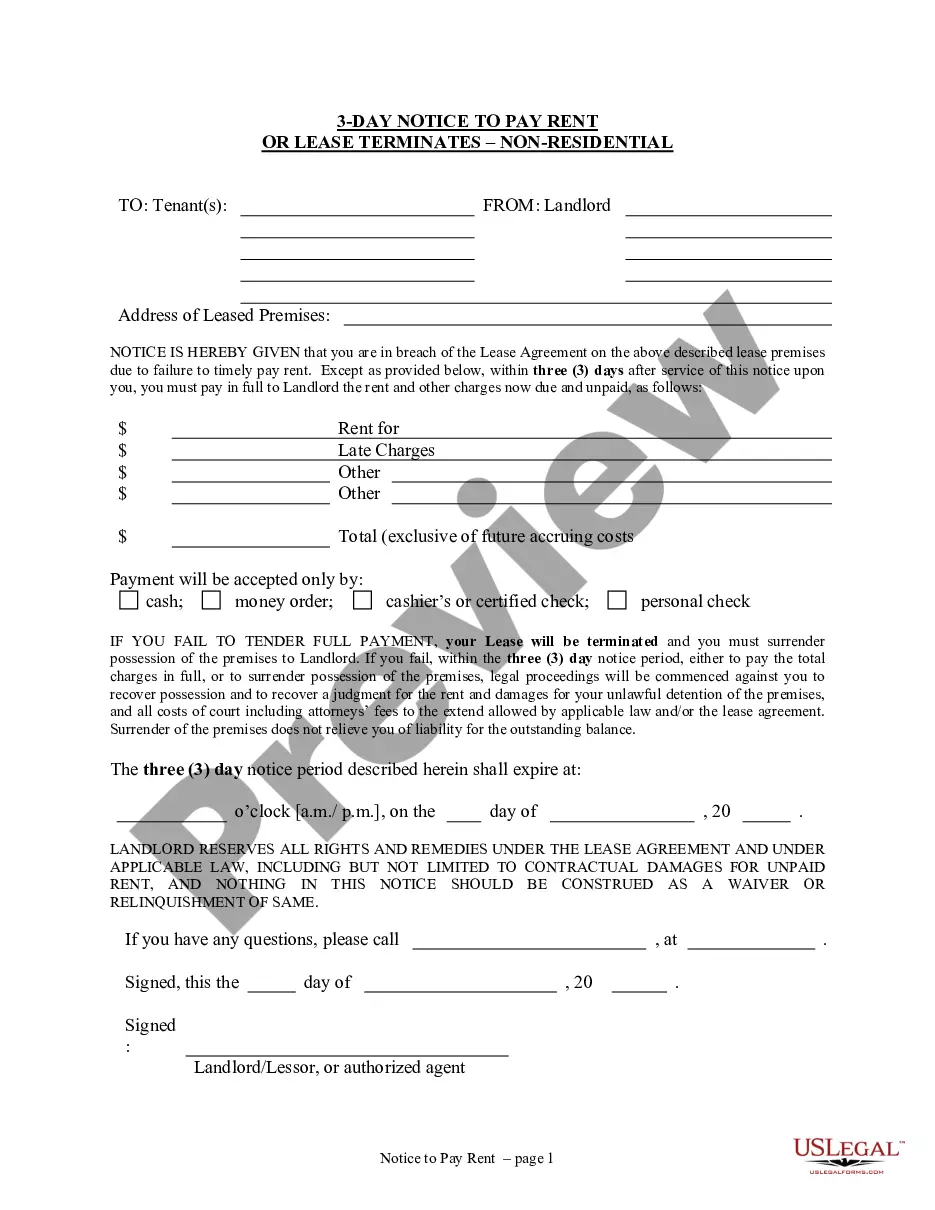
3 Day Notice On Friday
Description


Get your form ready online
Our built-in tools help you complete, sign, share, and store your documents in one place.
Make edits, fill in missing information, and update formatting in US Legal Forms—just like you would in MS Word.
Download a copy, print it, send it by email, or mail it via USPS—whatever works best for your next step.
Sign and collect signatures with our SignNow integration. Send to multiple recipients, set reminders, and more. Go Premium to unlock E-Sign.
If this form requires notarization, complete it online through a secure video call—no need to meet a notary in person or wait for an appointment.
We protect your documents and personal data by following strict security and privacy standards.

Make edits, fill in missing information, and update formatting in US Legal Forms—just like you would in MS Word.

Download a copy, print it, send it by email, or mail it via USPS—whatever works best for your next step.

Sign and collect signatures with our SignNow integration. Send to multiple recipients, set reminders, and more. Go Premium to unlock E-Sign.

If this form requires notarization, complete it online through a secure video call—no need to meet a notary in person or wait for an appointment.

We protect your documents and personal data by following strict security and privacy standards.
Looking for another form?


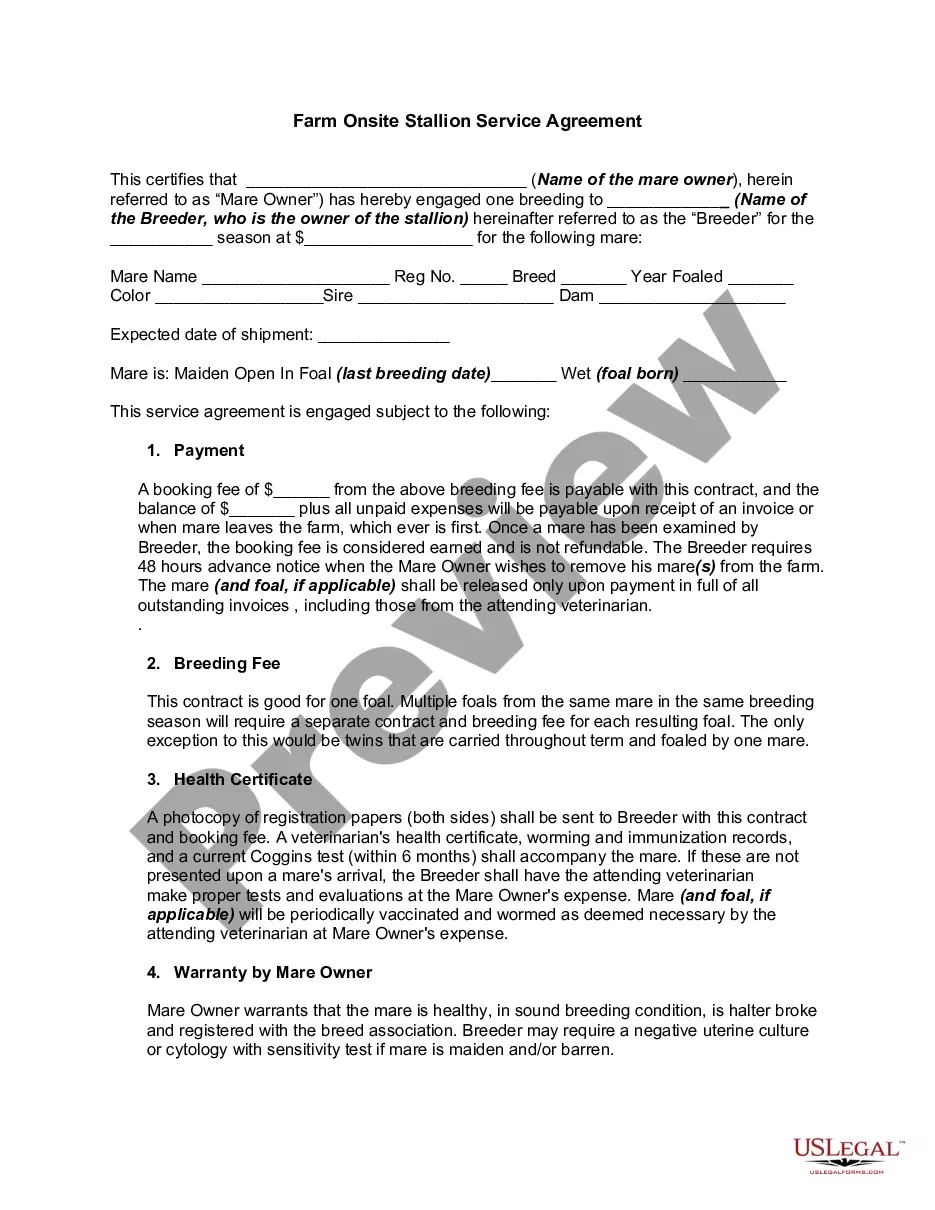
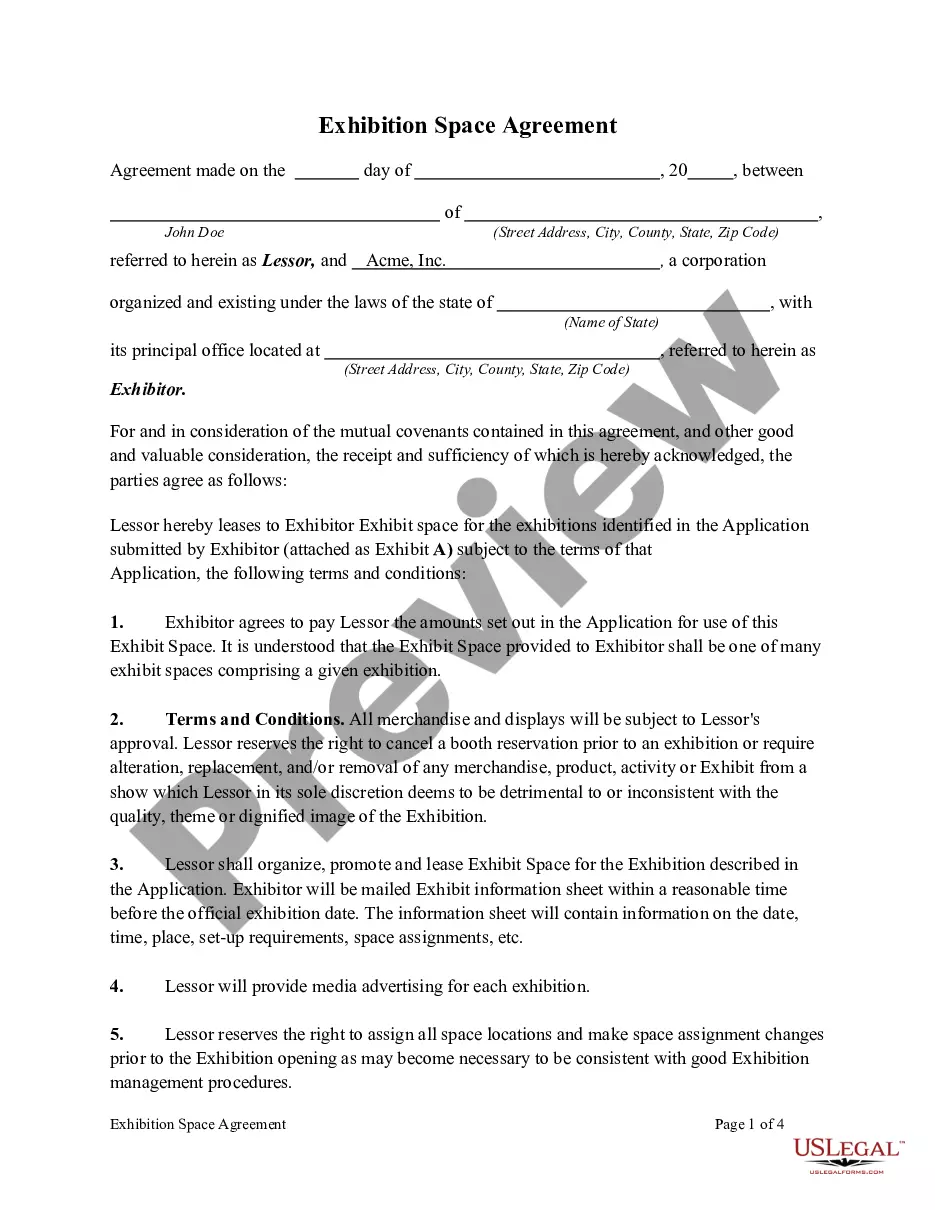





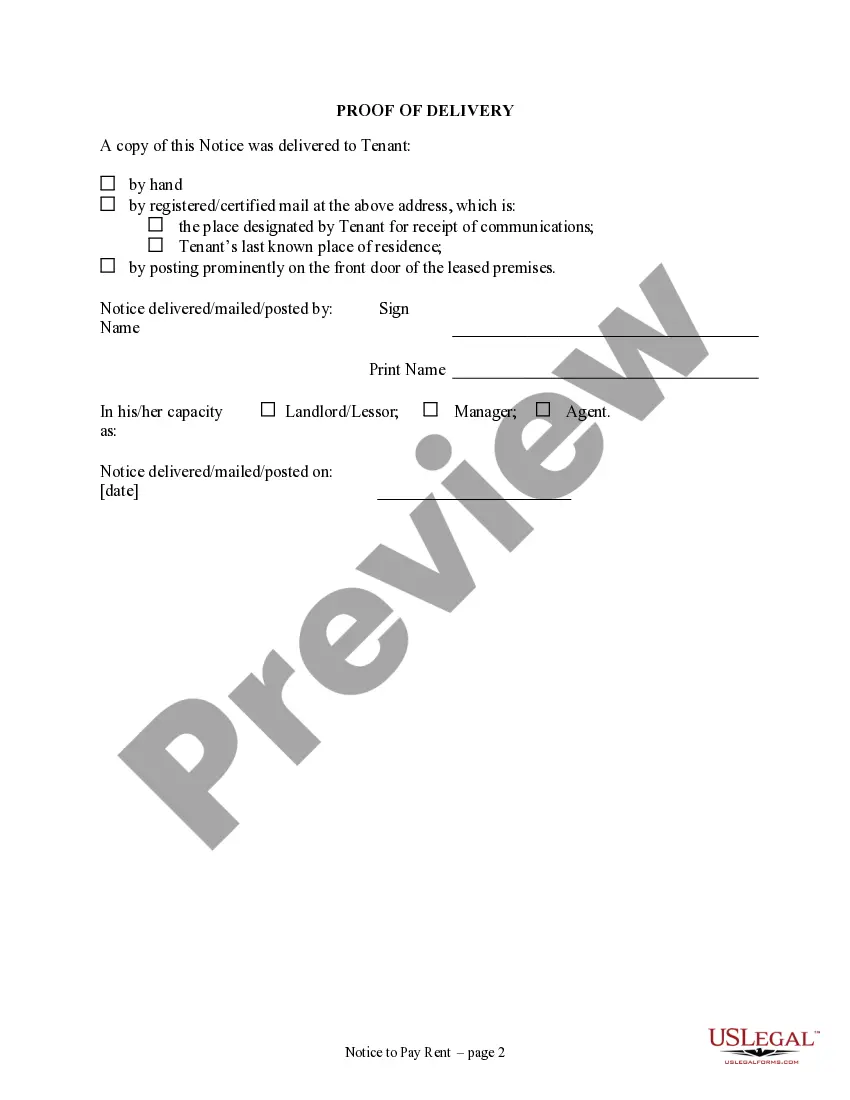
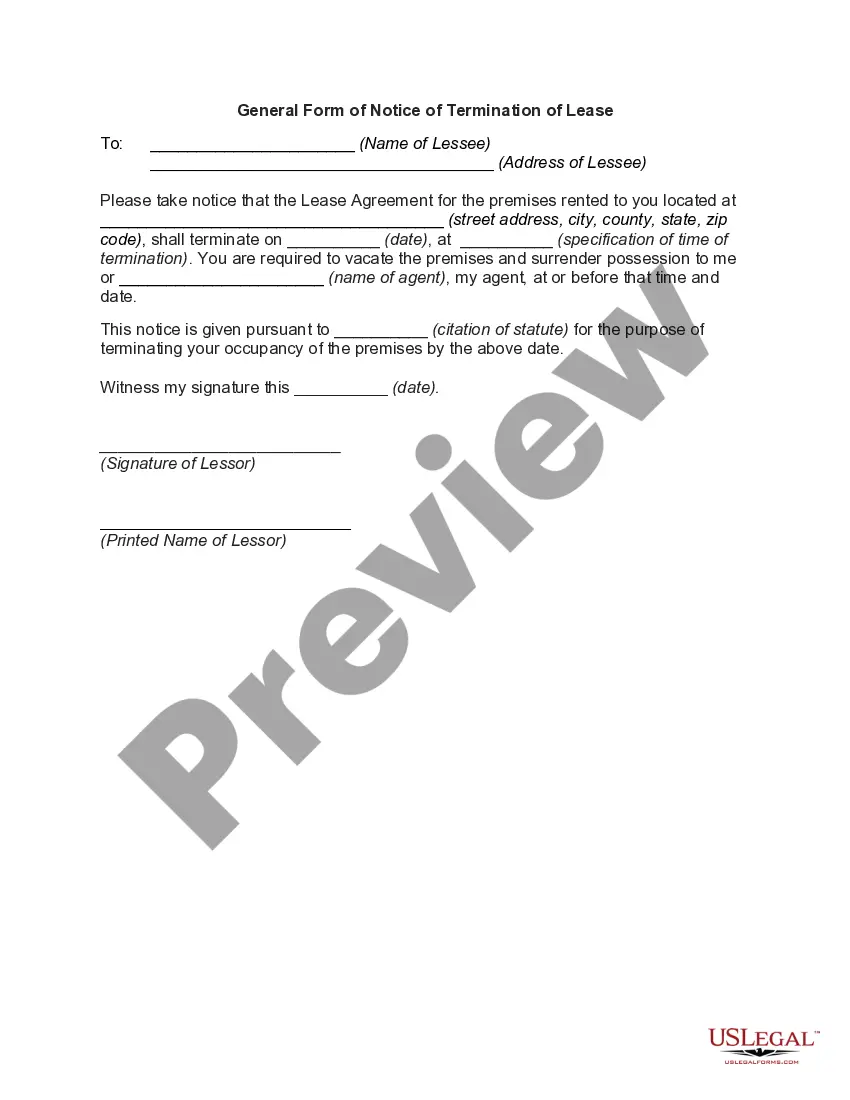
How to fill out Iowa 3 Day Notice To Pay Rent Or Lease Terminated For Nonresidential Or Commercial Property?
- Log in to your US Legal Forms account if you’re an existing user, or create a new account if this is your first time.
- Search for the '3 day notice' template using the search feature, ensuring it complies with your local jurisdiction requirements.
- Preview the selected document to confirm it meets your needs.
- If adjustments are necessary, utilize the library to find an alternative template before proceeding.
- Select the 'Buy Now' option and choose a subscription plan that suits your needs. Register your account for access.
- Complete your purchase by providing payment details through credit card or PayPal.
- Download your completed form and save it. You can access it anytime in the 'My Forms' section of your profile.
With these straightforward steps, you can efficiently complete and file a 3 day notice on Friday. US Legal Forms offers a vast collection of templates and resources, ensuring you never have to navigate the complexities of legal documentation alone.
Ready to get started? Visit US Legal Forms today and empower yourself with the legal forms you need.
Form popularity
FAQ
Vermont eviction laws require landlords to provide proper notice before beginning an eviction process. A common notice type is a 3 day notice on Friday for non-payment of rent. After serving the notice, a landlord may file for an eviction order in court if the tenant does not comply. Familiarizing yourself with these laws helps ensure that both landlords and tenants understand their rights and responsibilities.
In Vermont, a tenant usually must provide at least 30 days' notice if they plan to terminate a lease. If you receive a 3 day notice on Friday from your landlord regarding an eviction, it alters the typical requirements. Remember, adequate notice prevents misunderstandings and maintains good relations. For specific scenarios, check USLegalForms for tailored legal forms.
In Vermont, the eviction process typically takes at least 30 days from when the landlord serves a notice. This notice may be a 3 day notice on Friday for non-payment of rent. After the notice period, if necessary, the landlord must take the case to court, which can extend the timeline further. It’s crucial to understand these timeframes to prepare yourself adequately.
Yes, a landlord can cancel an eviction notice if the issue that prompted the notice is resolved, such as receiving overdue rent. If you receive a 3 day notice on Friday and promptly settle your dues, your landlord has the option to keep you as a tenant. Communicating directly with your landlord can often lead to a favorable outcome.
A three day notice in Ohio can be voided if it was improperly served or if it fails to include necessary information, such as the total amount owed. Tenants should carefully review the notice for inaccuracies. Using platforms like US Legal Forms can assist you in understanding the legal framework.
Tennessee recently implemented changes to its eviction laws. These changes focus on tenant rights and ensure proper notification, especially related to notices like the 3 day notice on Friday. Familiarizing yourself with these new laws can help you navigate potential eviction scenarios more effectively.
To stop an eviction in Ohio, tenants should address the underlying issue that led to the eviction notice. If you received a 3 day notice on Friday, consider paying the overdue rent immediately or negotiating a payment plan with your landlord. Legal resources, such as US Legal Forms, can guide you through your options.
Landlord harassment in Ohio occurs when a landlord attempts to interfere with a tenant's right to quiet enjoyment of their home. Common actions include frequent, unwanted visits, shutting off utilities, or threatening eviction without cause. If you receive a 3 day notice on Friday and believe it's unjustified, documenting the harassment can help protect your rights.
In Vermont, landlords must follow specific rules for eviction, including providing the tenant with proper notice, which often involves a 14-day notice for non-payment. Additionally, after delivering this notice, landlords must file an eviction lawsuit in court if the tenant does not comply. Understanding these rules ensures that your approach to eviction is respectful and legal. If drafting a notice or formulating a strategy is challenging, consider turning to US Legal Forms for tailored solutions.
A 3-day notice to quit for non-compliance in Ohio informs the tenant of a violation of lease terms, such as failing to maintain the property. Tenants must address this violation within three days or vacate the rental unit. This notice is crucial when attempting to enforce lease agreements and managing rental relationships. When drafting your 3 day notice on Friday, clarity will help avoid further complications.