Reserving Life Estate For Life
Description
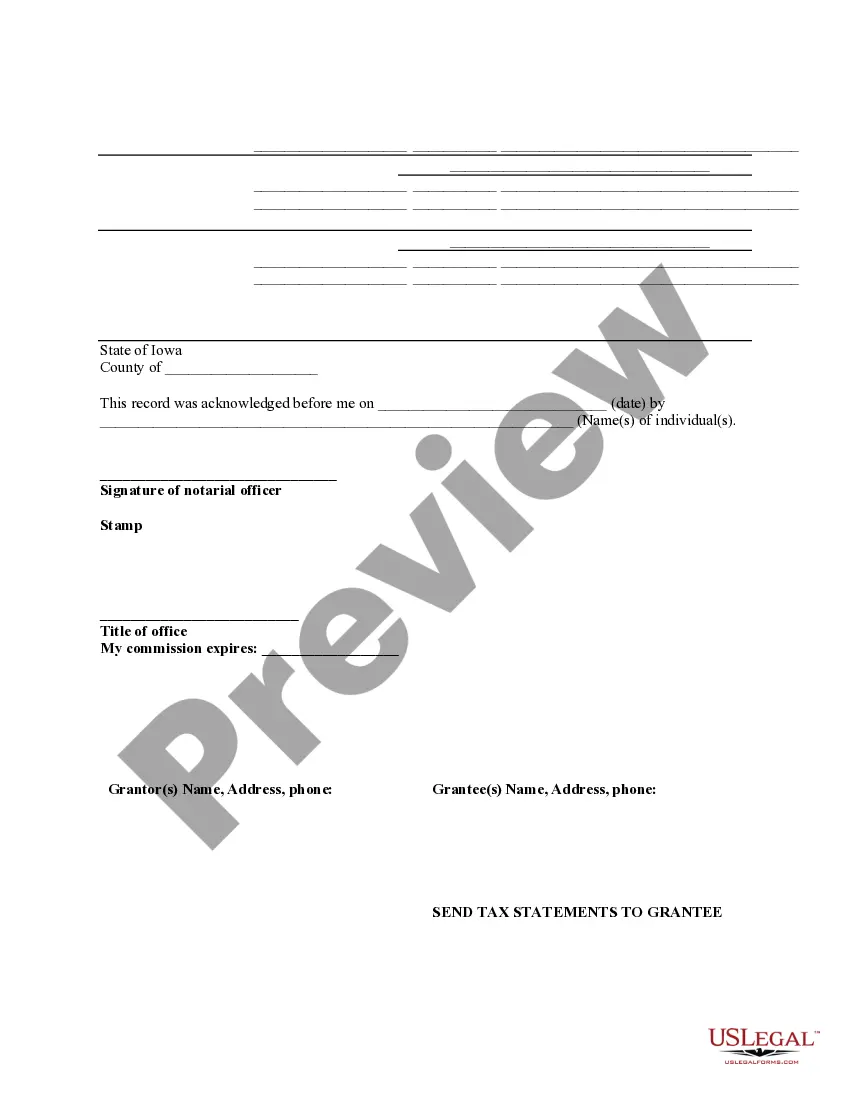
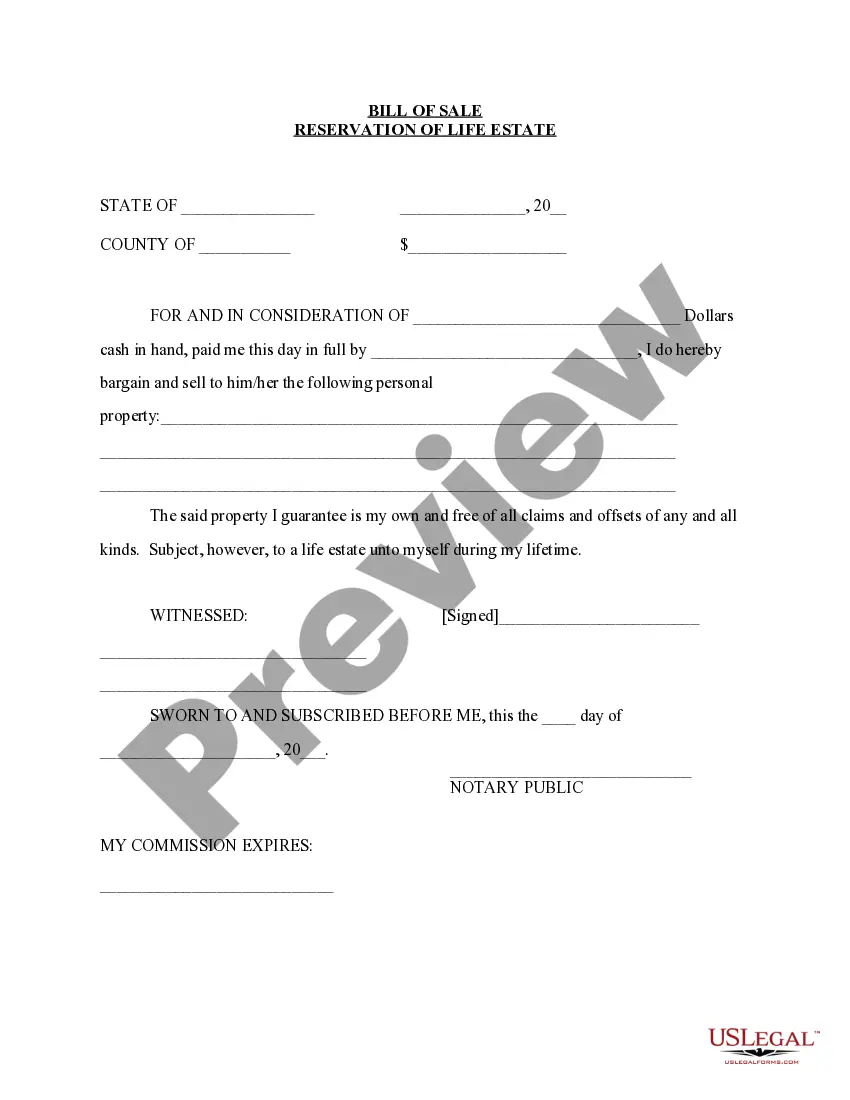

Get your form ready online
Our built-in tools help you complete, sign, share, and store your documents in one place.
Make edits, fill in missing information, and update formatting in US Legal Forms—just like you would in MS Word.
Download a copy, print it, send it by email, or mail it via USPS—whatever works best for your next step.
Sign and collect signatures with our SignNow integration. Send to multiple recipients, set reminders, and more. Go Premium to unlock E-Sign.
If this form requires notarization, complete it online through a secure video call—no need to meet a notary in person or wait for an appointment.
We protect your documents and personal data by following strict security and privacy standards.

Make edits, fill in missing information, and update formatting in US Legal Forms—just like you would in MS Word.

Download a copy, print it, send it by email, or mail it via USPS—whatever works best for your next step.

Sign and collect signatures with our SignNow integration. Send to multiple recipients, set reminders, and more. Go Premium to unlock E-Sign.

If this form requires notarization, complete it online through a secure video call—no need to meet a notary in person or wait for an appointment.

We protect your documents and personal data by following strict security and privacy standards.
Looking for another form?



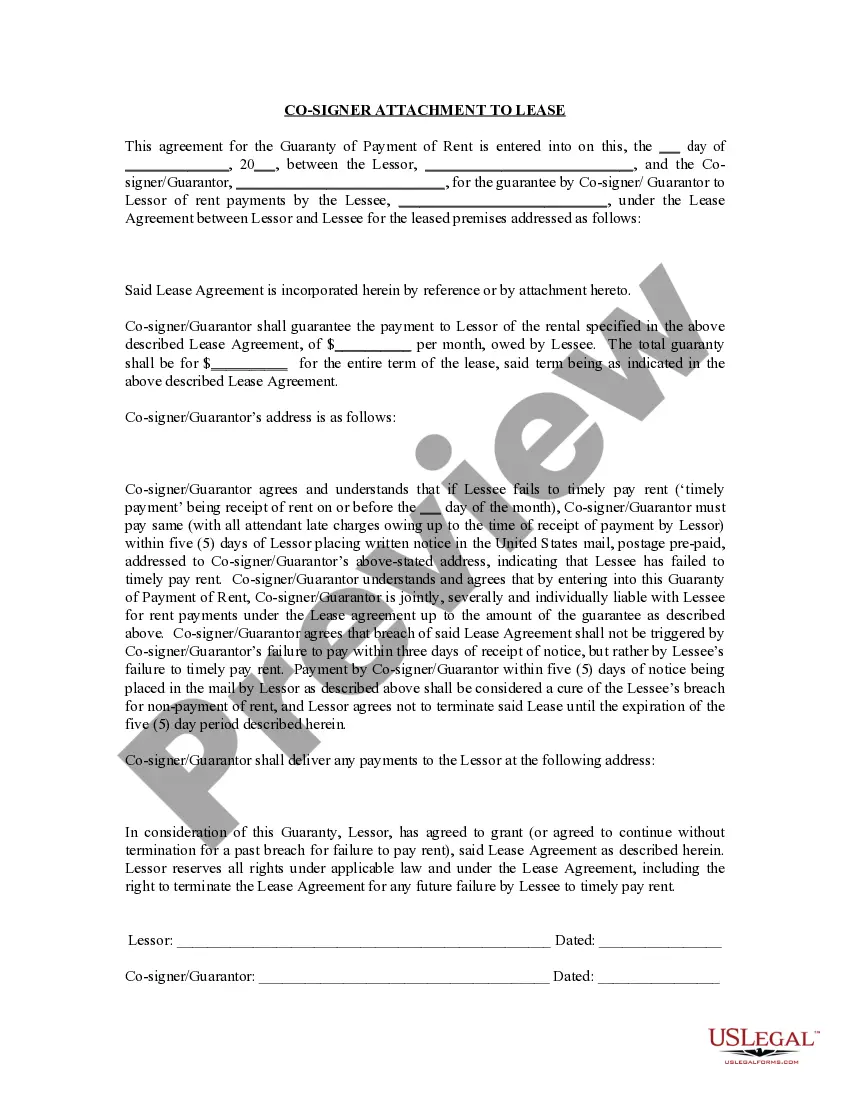
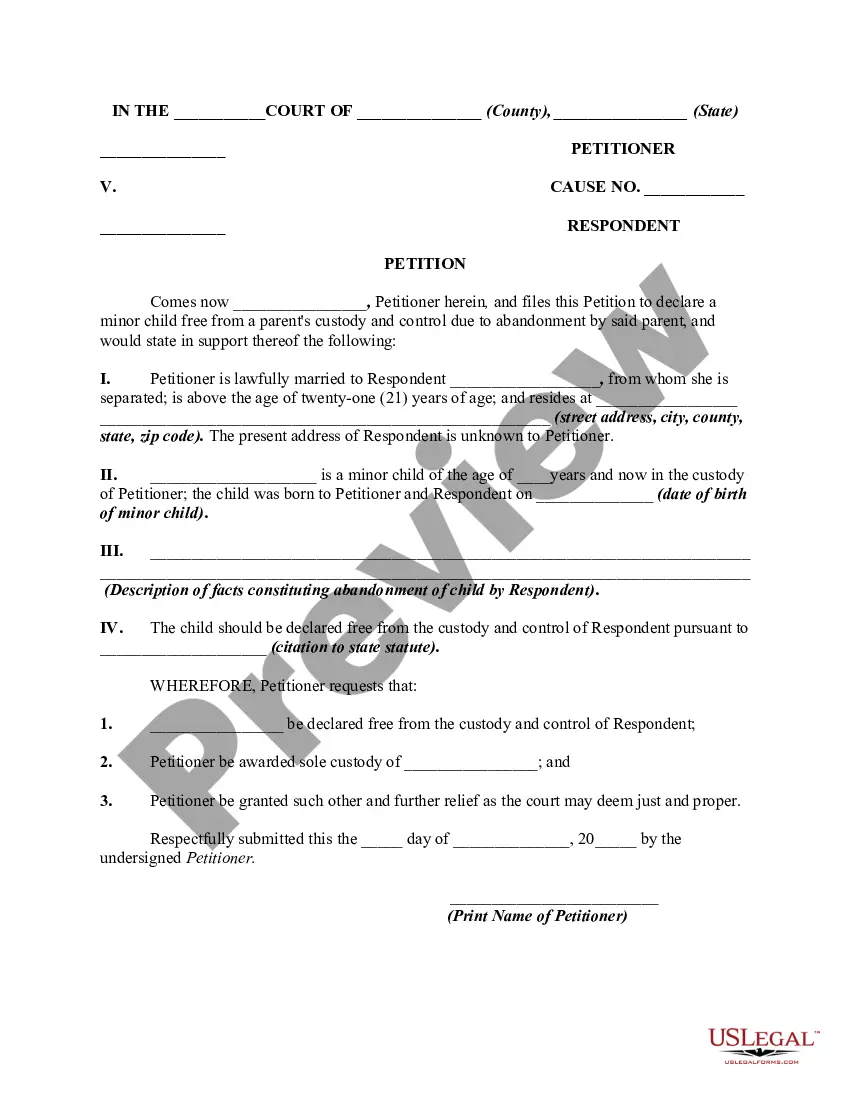



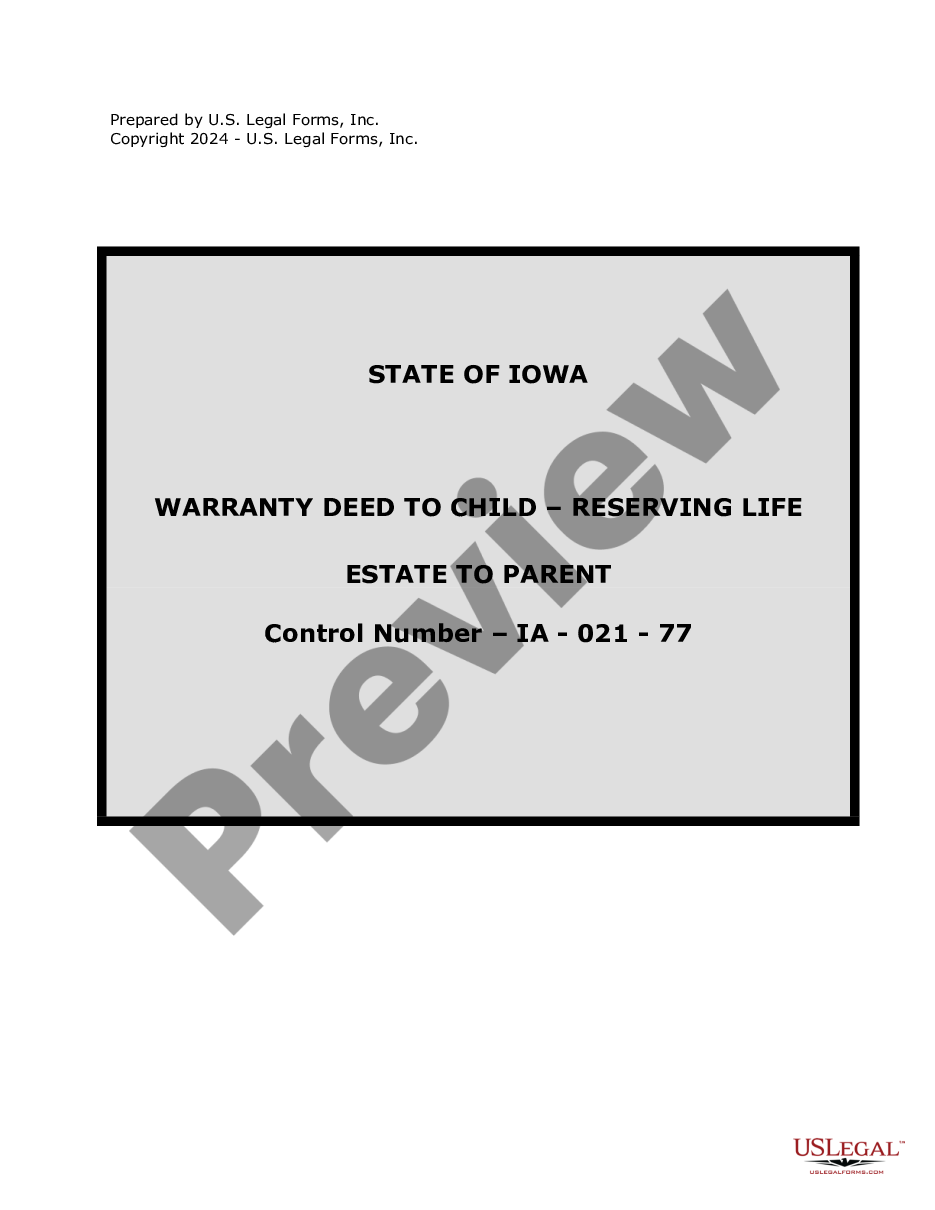
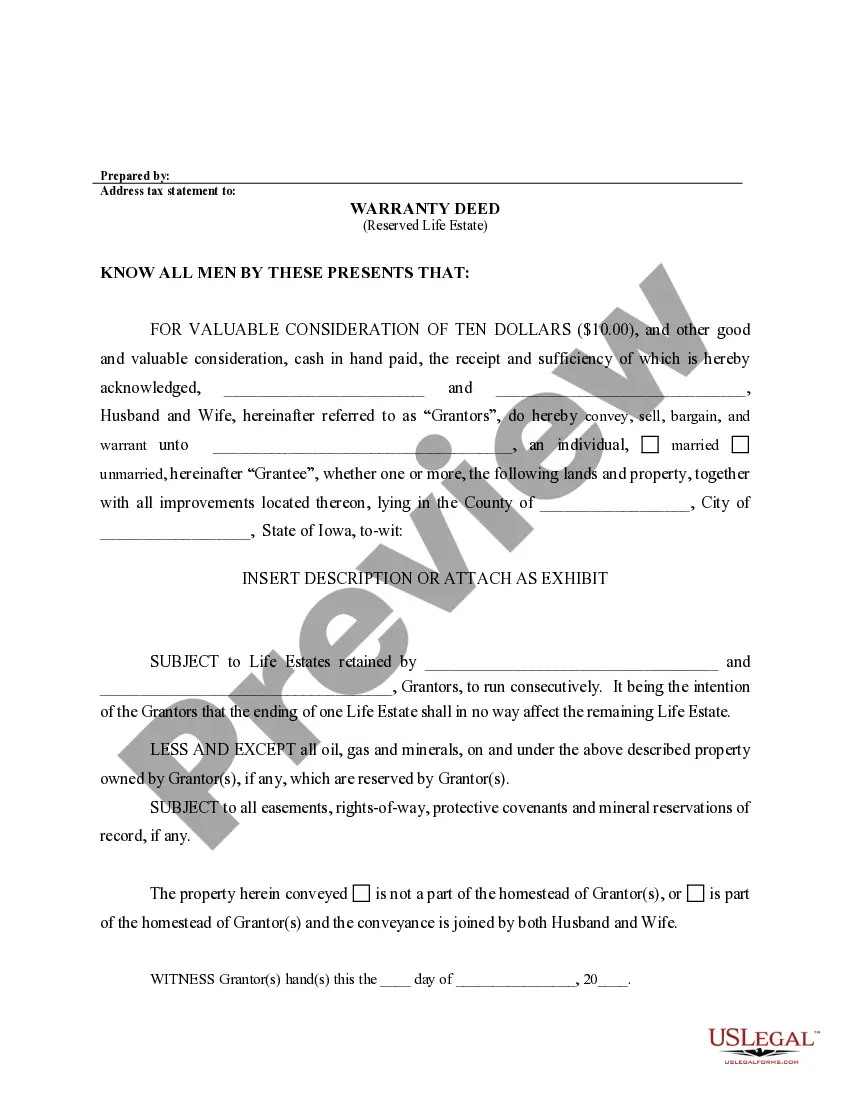
How to fill out Iowa Warranty Deed To Child Reserving A Life Estate In The Parents?
- Log in to your US Legal Forms account if you're a returning user. Ensure your subscription is active or renew it if necessary.
- For first-time users, visit the US Legal Forms website. Review the available document offerings to find a life estate template that suits your needs.
- Check the document preview and description to confirm it aligns with your local jurisdiction requirements. Use the Search tab to find an alternative if necessary.
- Once satisfied, click 'Buy Now' to choose your preferred subscription plan. You must create an account to access all resources.
- Provide your payment information to complete the purchase, either via credit card or PayPal.
- Download the completed form to your device. You can access it anytime in the 'My Forms' menu of your profile.
In conclusion, utilizing US Legal Forms simplifies the process of reserving a life estate for life. With a robust library of over 85,000 documents and expert assistance, you're equipped to create precise legal documents. Take control of your estate planning today and visit US Legal Forms for more information.
Start exploring your options now!
Form popularity
FAQ
Calculating the value of a life estate involves using a formula that considers the owner's age and the current interest rates. Typically, the value diminishes as the owner's age increases, reflecting life expectancy. This calculation impacts the property's overall value, especially when reserving a life estate for life. You can also find helpful calculators and guidance on US Legal Forms to assist you in determining an accurate value.
A life estate reserved means that an individual retains the right to use and benefit from a property for their lifetime while transferring ownership to another party. This arrangement ensures that the original owner can live in or use the property until they pass away. It is a strategic estate planning tool, and understanding its implications can help you make informed choices. For further clarity, consider exploring the resources available through US Legal Forms.
A life estate can provide some protection from nursing home costs, but it depends on your circumstances. Federal and state laws treat life estates differently, so it's essential to understand how reserving a life estate for life impacts eligibility for Medicaid and other benefits. To navigate these complexities, consider seeking advice from legal experts or using resources from US Legal Forms for tailored solutions.
Yes, you can take back a life estate, but it involves specific legal steps. Reserving a life estate for life allows the original owner certain rights, but transferring those rights back requires a formal agreement. You may need to consult with a legal professional to ensure a smooth process. Through platforms like US Legal Forms, you can find templates and guidance for handling these situations.
In Florida, a life estate means you hold the right to use the property for your lifetime, while the remainderman holds future ownership. This arrangement exemplifies the concept of Reserving life estate for life, where you live in the property without holding full ownership. After your passing, the property transfers automatically to the remainderman. Understanding these ownership structures is crucial for proper estate planning.
Yes, you can sell your house even if you have a life estate. However, the sale will only grant rights to the buyer for the duration of your life. This aspect of Reserving life estate for life can lead to potential complications, such as limitations on the buyer's rights after your passing. It's wise to work with a knowledgeable attorney or real estate agent to ensure your interests are protected.
In Florida, a person with a life estate can sell their interest in the property, but limitations exist. The life tenant can sell the right to use the property during their lifetime, but must typically obtain consent from the remainderman to transfer full ownership. This means that selling the property can be complicated and requires understanding the implications of Reserving life estate for life. Consulting a real estate expert can help navigate this process.
To create a life estate, you need specific language in your deed or will. Phrases like 'for the life of' or 'to A for life' clearly express the intention of Reserving life estate for life. This wording establishes that the individual holds the right to use the property during their lifetime, while ensuring a future interest for another party. Engaging with a legal professional can help ensure the proper language is used.
A deed reserving life estate is a legal document that allows the property owner to grant someone else the future interest in the property while retaining the right to use it during their lifetime. This type of deed ensures that you maintain control over the property while planning for its future. When using a deed reserving life estate for life, you can manage your assets strategically, providing for loved ones while ensuring your needs are met.
A life estate deed can limit your flexibility, as it ties up the property for the life of the individual holding the life estate. This arrangement may lead to conflicts with the remainderman regarding decisions about the property. As you navigate reserving life estate for life, understanding these potential drawbacks helps you make the best decision for your unique situation.