Hawaii Law For Tint
Description
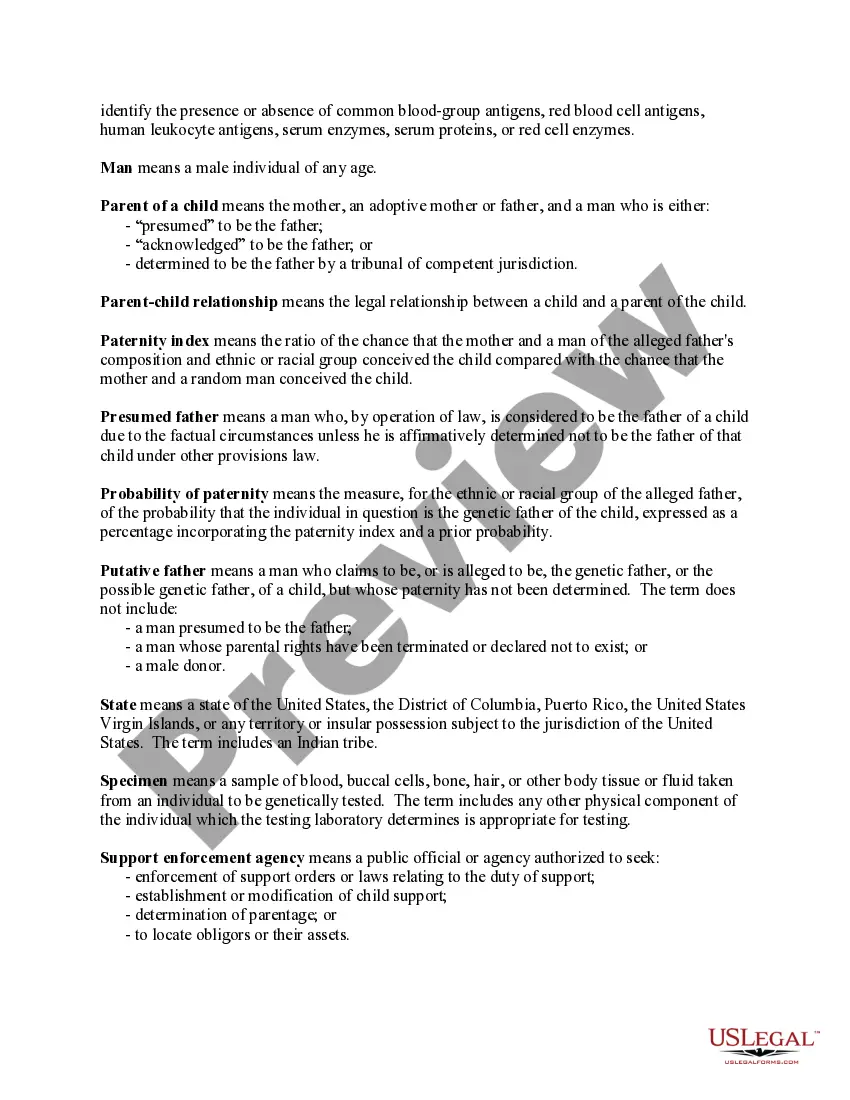
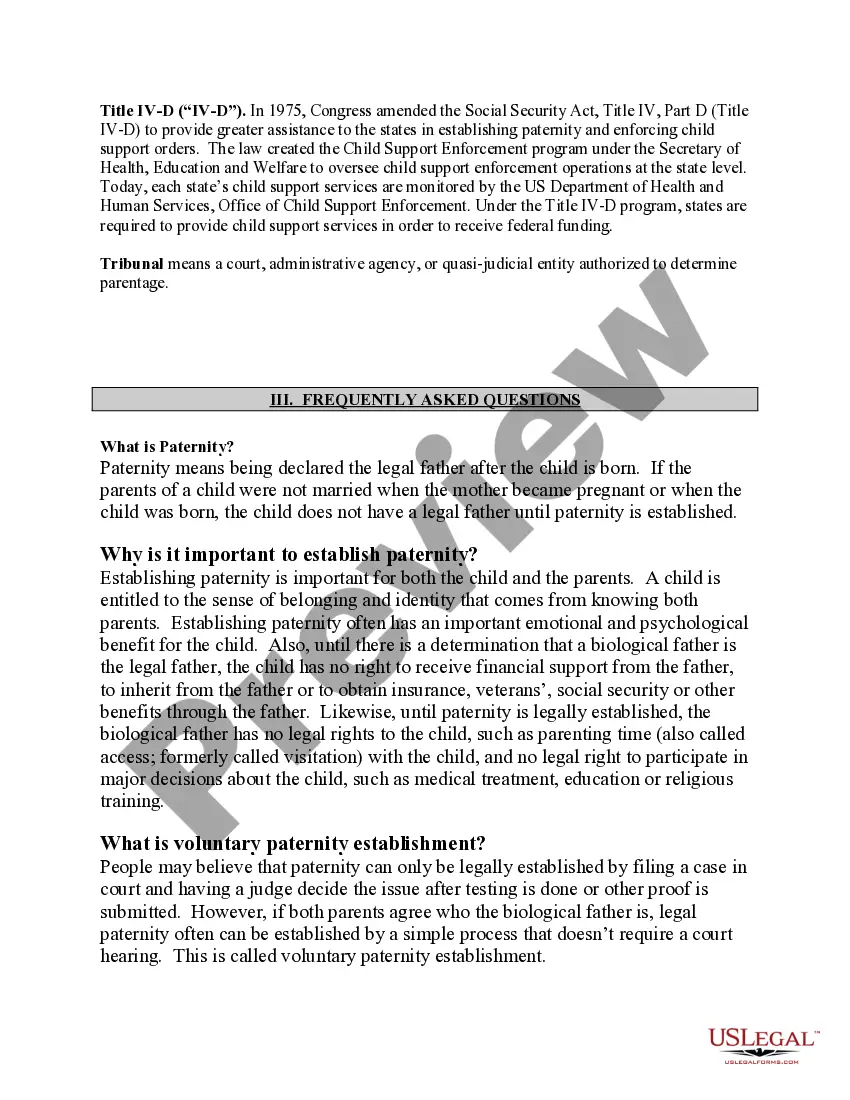
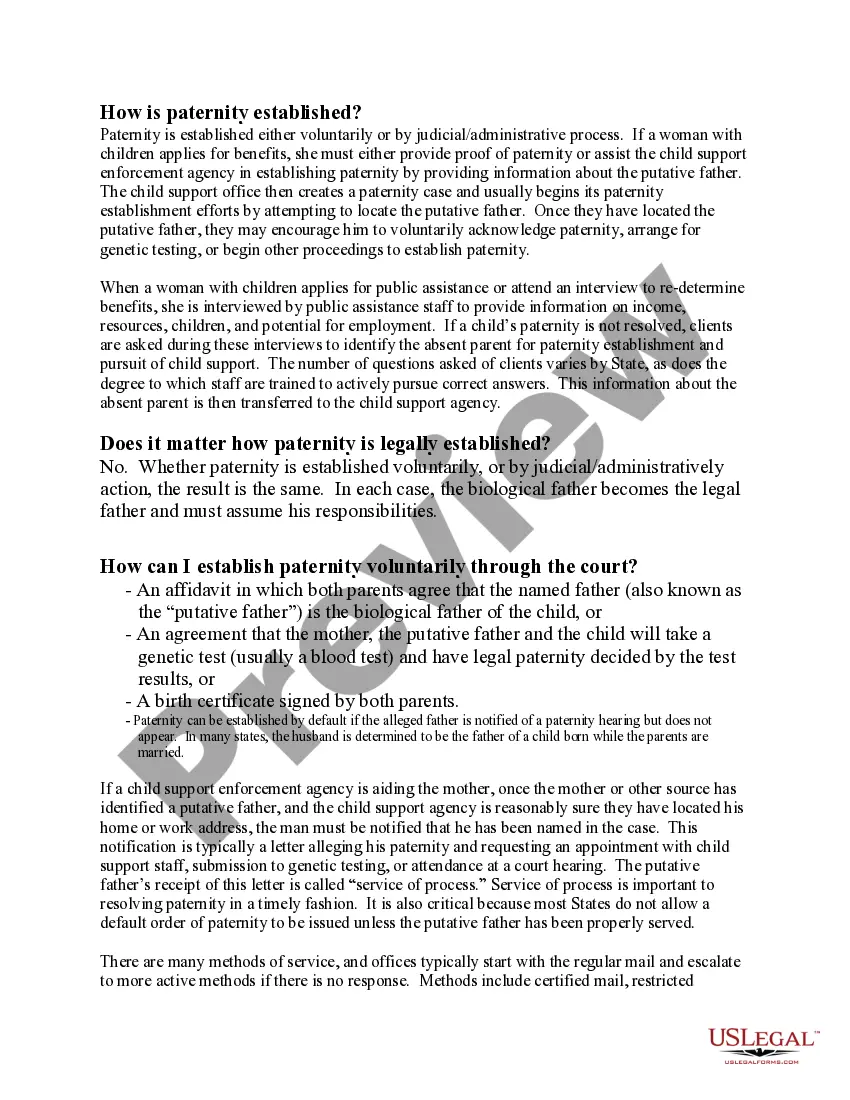
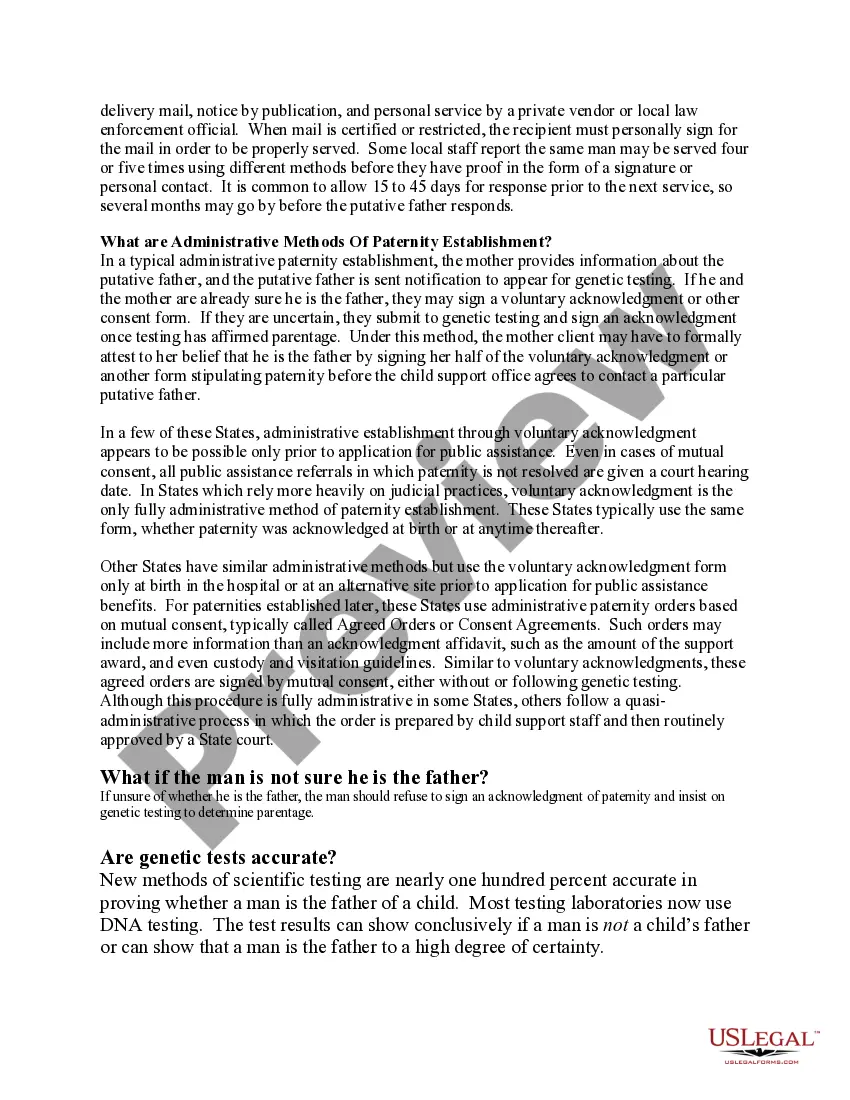

Get your form ready online
Our built-in tools help you complete, sign, share, and store your documents in one place.
Make edits, fill in missing information, and update formatting in US Legal Forms—just like you would in MS Word.
Download a copy, print it, send it by email, or mail it via USPS—whatever works best for your next step.
Sign and collect signatures with our SignNow integration. Send to multiple recipients, set reminders, and more. Go Premium to unlock E-Sign.
If this form requires notarization, complete it online through a secure video call—no need to meet a notary in person or wait for an appointment.
We protect your documents and personal data by following strict security and privacy standards.

Make edits, fill in missing information, and update formatting in US Legal Forms—just like you would in MS Word.

Download a copy, print it, send it by email, or mail it via USPS—whatever works best for your next step.

Sign and collect signatures with our SignNow integration. Send to multiple recipients, set reminders, and more. Go Premium to unlock E-Sign.

If this form requires notarization, complete it online through a secure video call—no need to meet a notary in person or wait for an appointment.

We protect your documents and personal data by following strict security and privacy standards.
Looking for another form?






How to fill out Hawaii Paternity Law And Procedure Handbook?
Managing legal papers and processes can be an extensive addition to your entire day.
Hawaii Law For Tint and similar forms typically necessitate that you look for them and figure out how to fill them out correctly.
As a result, whether you are tending to financial, legal, or personal issues, having a detailed and accessible online collection of forms readily available will greatly assist you.
US Legal Forms is the leading online platform for legal templates, boasting over 85,000 state-specific forms and various resources that will enable you to complete your documents with ease.
Simply Log In to your account, search for Hawaii Law For Tint and download it immediately in the My documents section. You can also access previously downloaded forms.
- Browse the library of relevant documents available with just one click.
- US Legal Forms provides you with state- and county-specific forms accessible at any moment for downloading.
- Protect your document management processes with a premium service that allows you to prepare any form in minutes without extra or concealed charges.
Form popularity
FAQ
A tint with a VLT value of 35 percent means that 35 percent of visible light will penetrate the window. The inverse of this figure, 65 percent in this case, is the amount of light blocked by the tint. In essence, the smaller the VLT percentage, the darker the tint.
In Hawaii, this percentage refers to percentage of visible light allowed in through the combination of film and the window. Windshield: Must allow more than 70% of light in. Front Side Windows: Must allow more than 35% of light in. Back Side Windows: Must allow more than 35% of light in.
What does 70% windshield tint look like? 70% tint for the most part is unnoticeable once installed.
A vehicle with a 35% tint will give you a darker, more appearance but is still very easy to see through. Many people like this tint because it creates a smooth, stylish look. If you're concerned about privacy, you may want a 20% tint. Although you can see through it from the outside if you're up close, it's difficult.
Hawaii does have leeway regarding tinting, McCullough said. The tint can be plus or minus 6% on the windows, except for the front windshield, he said. Any percentage is allowed for SUVs, trucks and vans on the rear windows, but the driver and passenger windows have to be at 35%, plus or minus 6%, McCullough said.