Hawaii Paternity Law and Procedure Handbook
Understanding this form
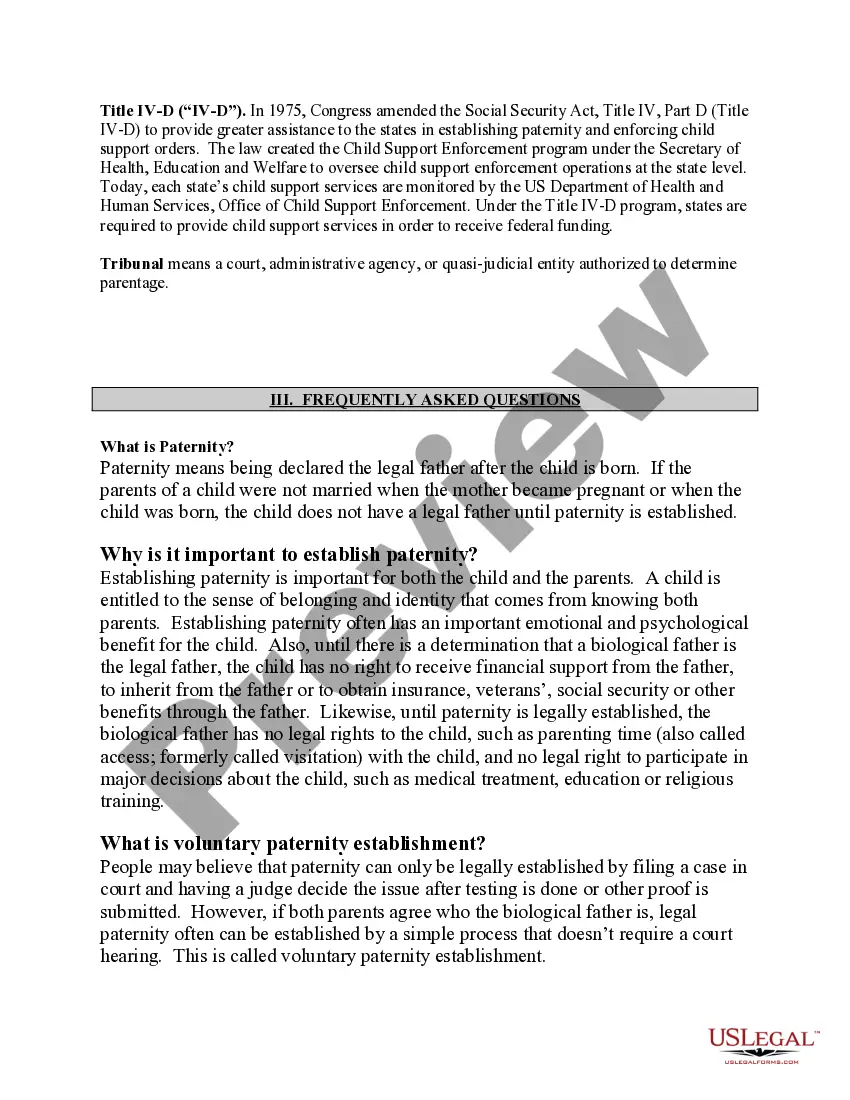
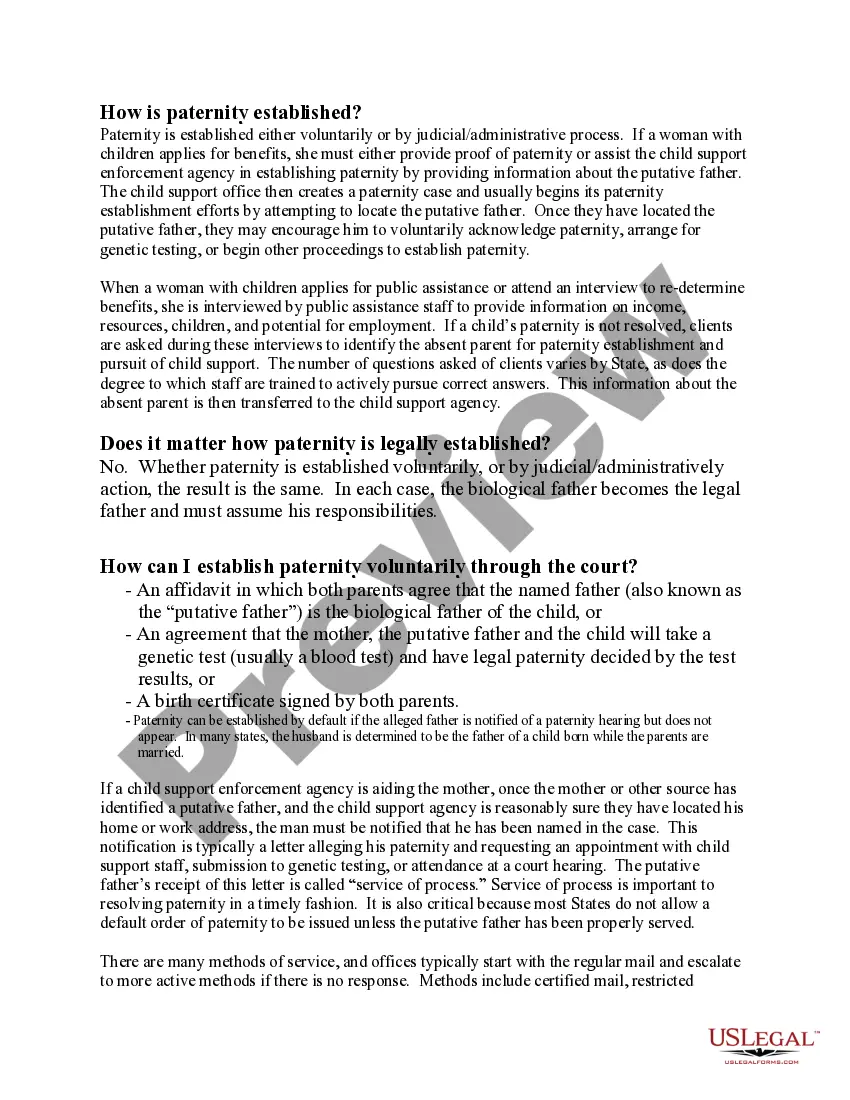
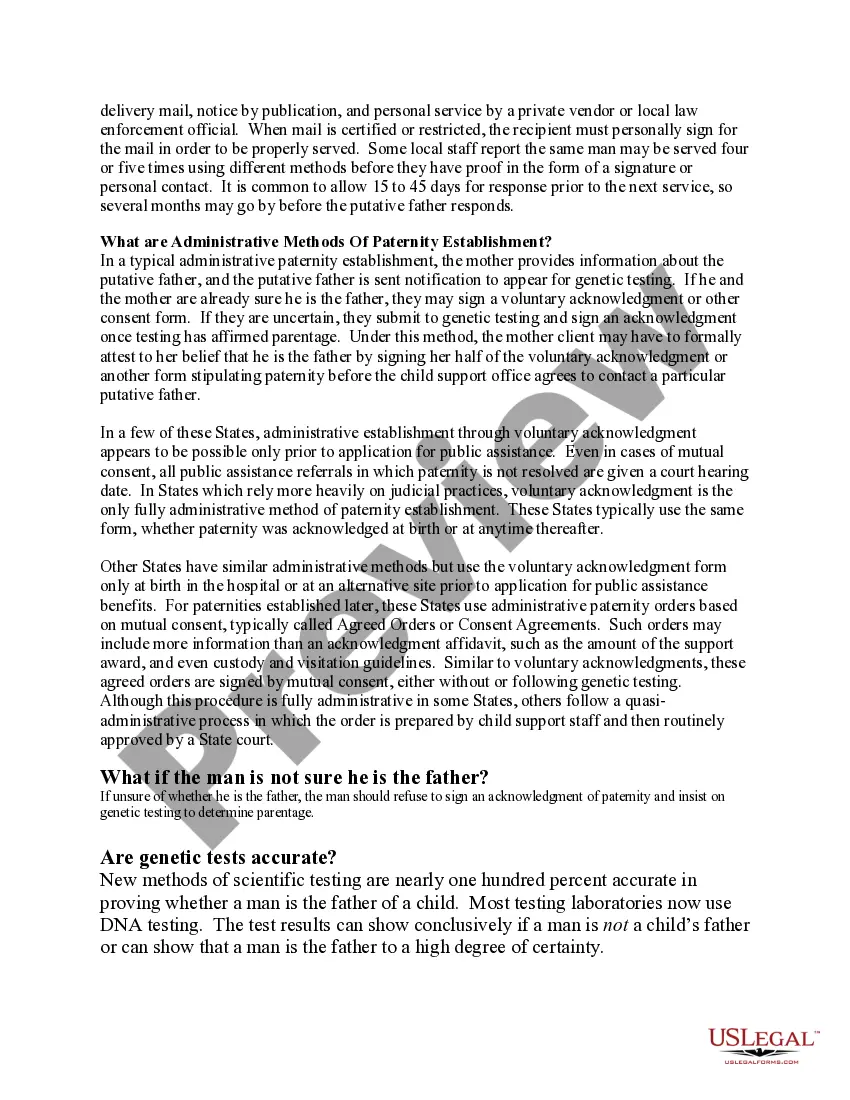
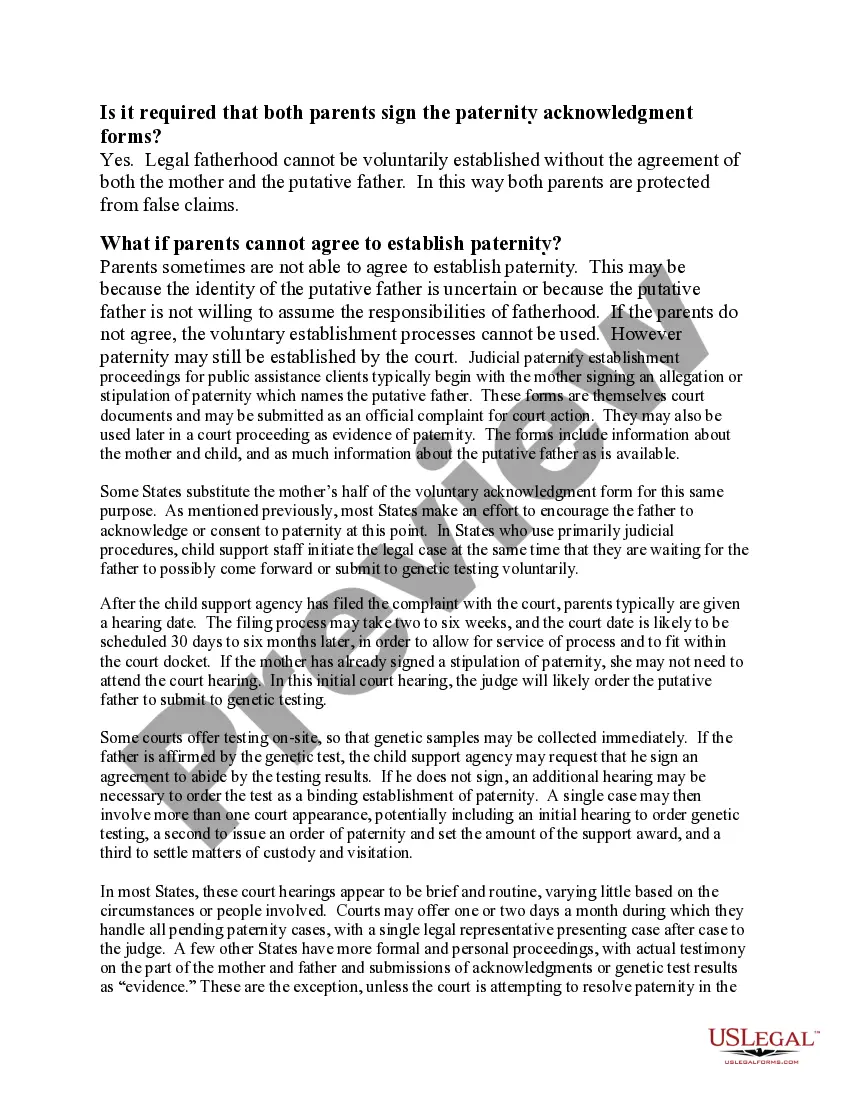
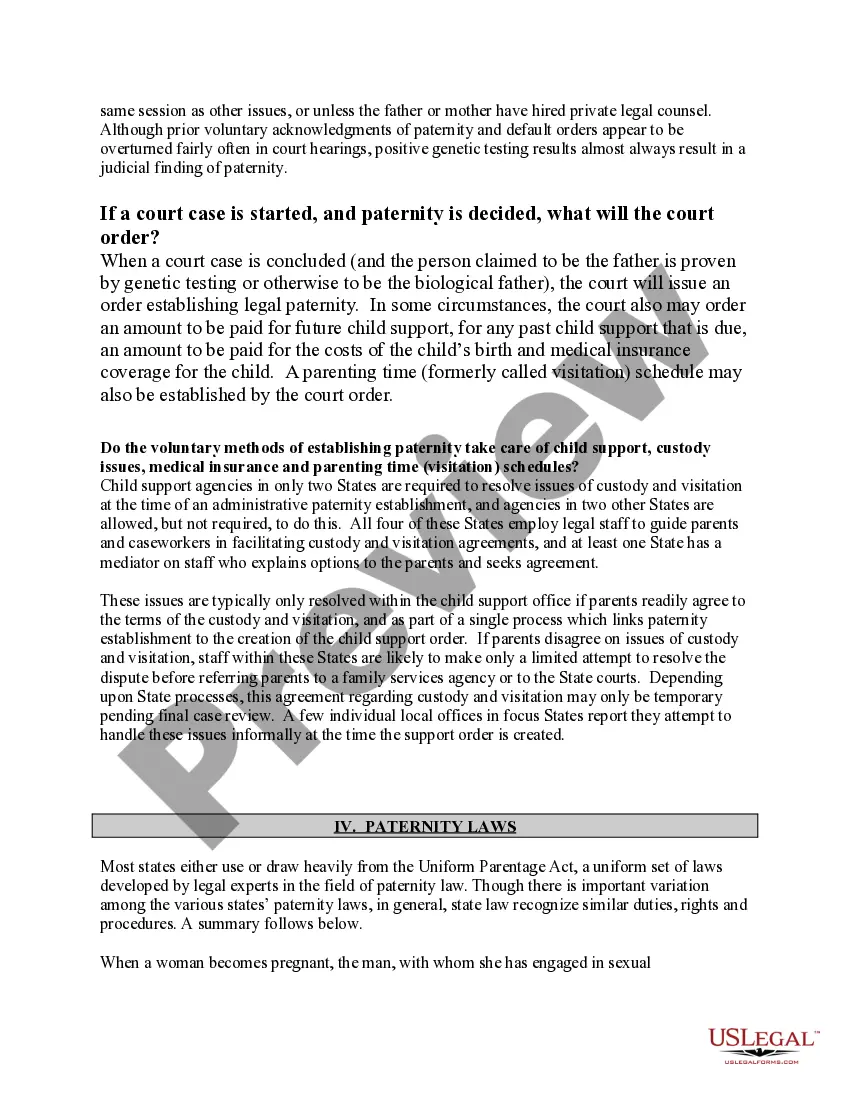
The Paternity Law and Procedure Handbook is a comprehensive guide designed to help unmarried parents understand the legal processes involved in establishing paternity. This handbook provides important state-specific resources, outlines relevant laws, and details procedures for both voluntary and court-established paternity, making it essential for those navigating this complex legal landscape. Unlike other legal forms, this handbook specifically addresses paternity establishment, providing a unique focus on the duties, rights, and responsibilities of both parents.
Main sections of this form
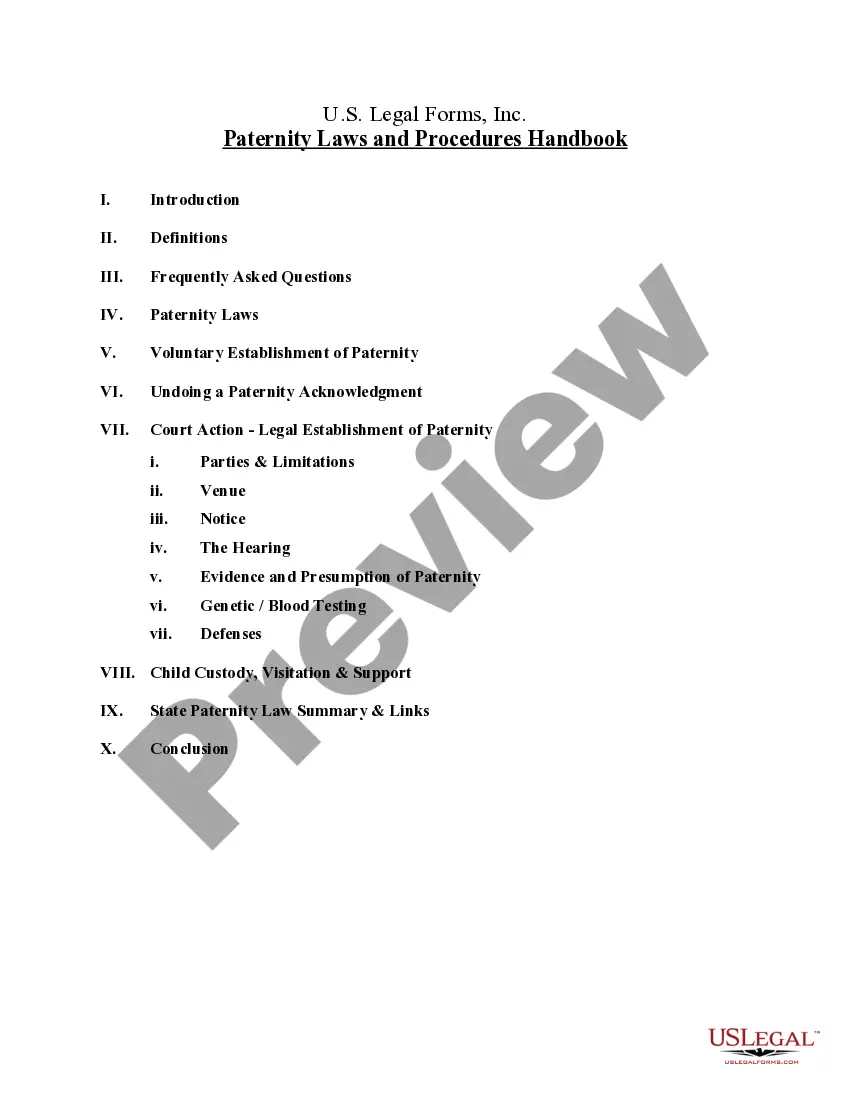
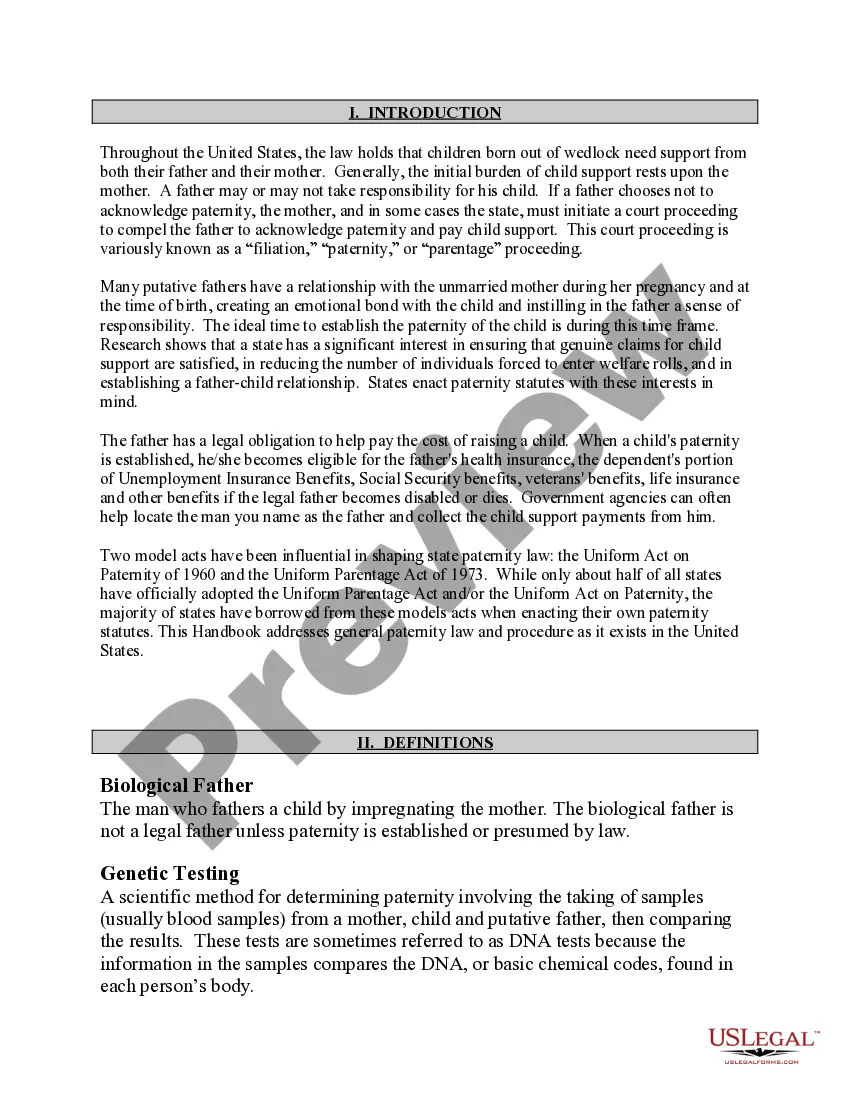
- Introduction to paternity laws and the importance of establishing paternity.
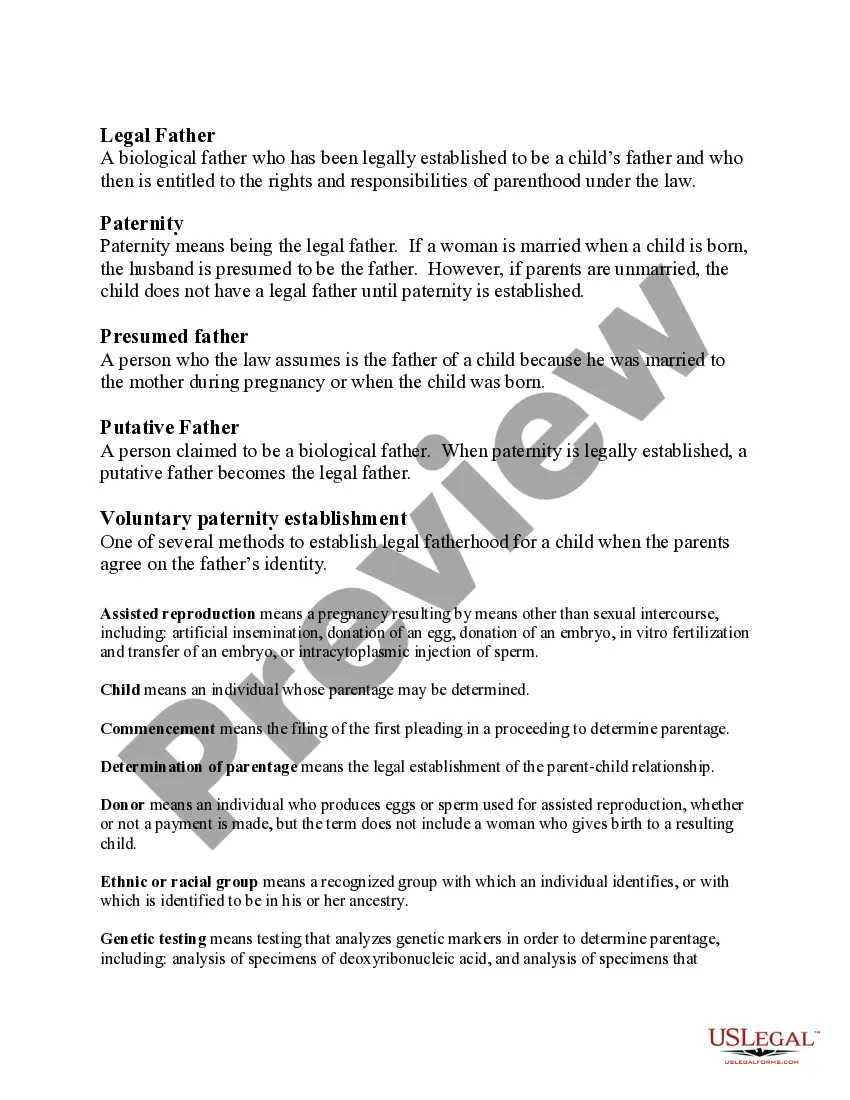
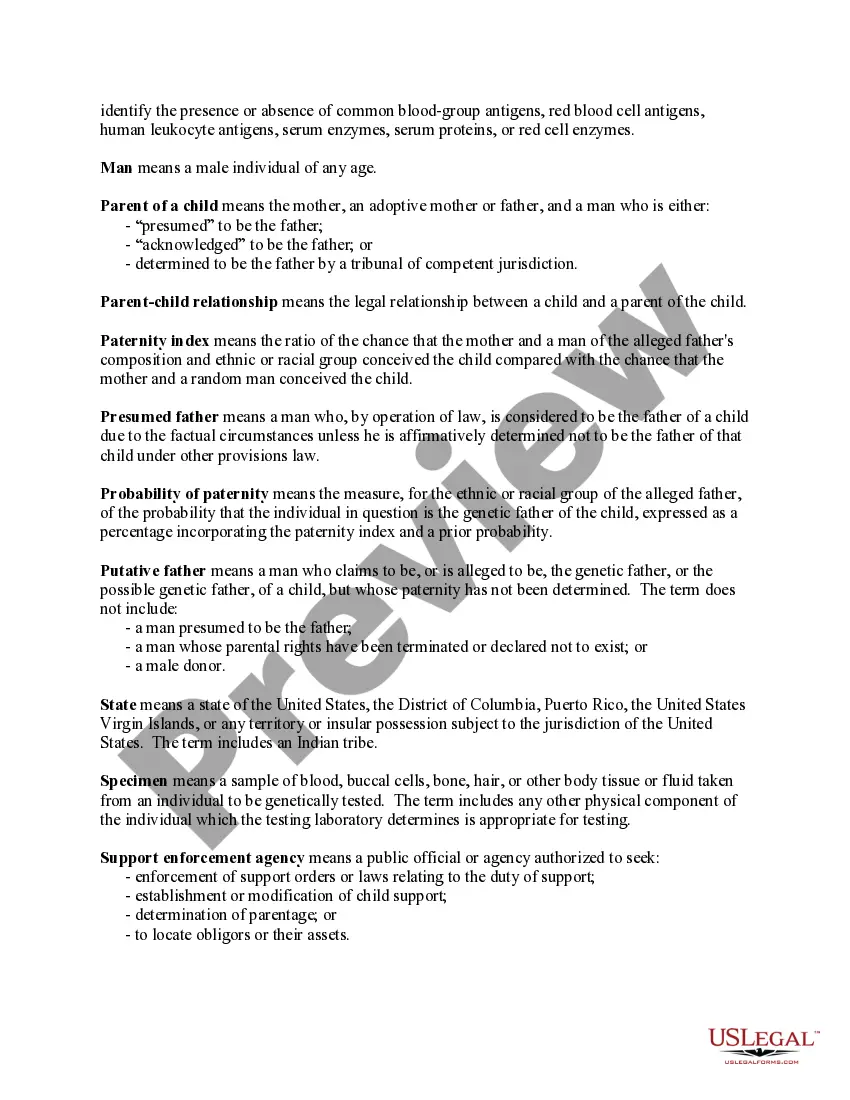
- Definitions of key terms related to parentage, such as biological father, legal father, and putative father.
- Frequently asked questions about paternity and its implications for parents and children.
- Details on voluntary establishment of paternity and necessary court actions.
- Guidance on undoing a paternity acknowledgment if there are doubts.
- Information on child custody, visitation, and support linked to paternity cases.
- A summary of state-specific paternity laws and resources.


Common use cases
This handbook is particularly useful when you need to establish paternity for a child born to unmarried parents. It is applicable in various scenarios such as seeking child support, obtaining health insurance benefits for the child, or wanting to create a legal father-child relationship. If there are disagreements between the parents about paternity or if a father is hesitant to accept responsibility, this handbook can guide you through the necessary steps to resolve these issues, including court proceedings if required.
Intended users of this form
This handbook is intended for:
- Unmarried parents seeking to establish paternity legally.
- Individuals unsure of their rights and responsibilities regarding paternity issues.
- Attorneys and legal professionals assisting clients with paternity cases.
- Social service providers and child support agencies involved in paternity establishment.
How to complete this form
To use this handbook effectively, follow these steps:
- Read the introduction to familiarize yourself with the basics of paternity law.
- Review the definitions section to understand the terminology used throughout the handbook.
- Consult the frequently asked questions for common inquiries regarding paternity.
- Follow the guidance on voluntary establishment of paternity if both parents are in agreement.
- Refer to the court action section if disputes arise and legal procedures are needed.
- Contact local child support enforcement agencies for assistance with establishing paternity in your jurisdiction.
Notarization guidance
This form does not typically require notarization unless specified by local law. However, it is advisable to check your stateâs regulations to ensure compliance.
Get your form ready online
Our built-in tools help you complete, sign, share, and store your documents in one place.
Make edits, fill in missing information, and update formatting in US Legal Forms—just like you would in MS Word.
Download a copy, print it, send it by email, or mail it via USPS—whatever works best for your next step.
Sign and collect signatures with our SignNow integration. Send to multiple recipients, set reminders, and more. Go Premium to unlock E-Sign.
If this form requires notarization, complete it online through a secure video call—no need to meet a notary in person or wait for an appointment.
We protect your documents and personal data by following strict security and privacy standards.

Make edits, fill in missing information, and update formatting in US Legal Forms—just like you would in MS Word.

Download a copy, print it, send it by email, or mail it via USPS—whatever works best for your next step.

Sign and collect signatures with our SignNow integration. Send to multiple recipients, set reminders, and more. Go Premium to unlock E-Sign.

If this form requires notarization, complete it online through a secure video call—no need to meet a notary in person or wait for an appointment.

We protect your documents and personal data by following strict security and privacy standards.
Common mistakes
When using the Paternity Law and Procedure Handbook, avoid these common mistakes:
- Assuming paternity is automatically established without taking necessary legal steps.
- Failing to consult a legal professional when unsure about paternity laws.
- Not following local procedures for voluntary acknowledgment of paternity.
- Missing deadlines for challenging or rescinding a paternity acknowledgment.
Benefits of completing this form online
Using this handbook online offers several advantages:
- Immediate access to important legal information without the need for in-person consultations.
- Editable digital format that allows you to input specific details relevant to your situation.
- Reliable resources compiled from licensed attorneys experienced in family law.
- The ability to navigate paternity issues at your own convenience, reducing stress and confusion.
Legal use & context
- The handbook serves as a guide to understanding paternity laws across the U.S.
- While it provides valuable resources, state-specific legal advice should be sought for individual cases.
- Understanding paternity laws helps ensure that necessary rights and responsibilities are addressed in legal proceedings.
What to keep in mind
Key takeaways from the Paternity Law and Procedure Handbook include:
- Establishing paternity is crucial for both parents and children regarding legal rights and responsibilities.
- The handbook provides step-by-step guidance for both voluntary and court-established paternity processes.
- State-specific information is essential to ensure compliance with local laws and regulations.
- It's important to act quickly if there are doubts about a paternity acknowledgment to avoid legal complications.
Looking for another form?



Form popularity
FAQ
Unmarried fathers in Hawaii have specific rights that can be asserted once paternity is established. These rights include seeking custody, visitation, and child support arrangements. Understanding these rights is essential, and the Hawaii Paternity Law and Procedure Handbook provides valuable insights into how unmarried fathers can navigate their responsibilities and legal standing.
Typically, the necessary parties for a paternity test include the child and the presumed father. The mother’s presence is not mandatory, but her involvement can help address any future legal matters. To navigate these complexities effectively, many turn to the Hawaii Paternity Law and Procedure Handbook for guidance.
Hawaii's paternity laws are designed to establish legal parentage, which is crucial for both the child and the father. According to the Hawaii Paternity Law and Procedure Handbook, paternity can be established either through scientific testing or legal acknowledgment. Once paternity is established, the father gains legal rights and responsibilities for the child.
The mother does not have to be present for a paternity test to take place. The test can be conducted using DNA samples from the child and the presumed father. Yet, having her involvement can provide additional context that is valuable for understanding rights and obligations outlined in the Hawaii Paternity Law and Procedure Handbook.
Yes, you can initiate a paternity test without the mother's presence, as long as you have the child and the presumed father's DNA sample. In many cases, the test can proceed with just these two parties involved. However, involving the mother may help clarify legal rights and responsibilities later according to the Hawaii Paternity Law and Procedure Handbook.
Legally, you are considered a father in Hawaii if you have established paternity through recognition, marriage to the mother, or a court order. The Hawaii Paternity Law and Procedure Handbook outlines these criteria, ensuring that fathers know their rights and responsibilities. It’s essential to understand that being involved in the child's life and supporting them financially also contributes to legal fatherhood. For more detailed guidance, US Legal Forms can provide you with access to the necessary legal documents.
To establish paternity in Hawaii, the best approach is to sign a voluntary acknowledgment of paternity form. This process ensures that both parents agree on the child's fatherhood and aligns with the Hawaii Paternity Law and Procedure Handbook. When needed, you can also seek legal assistance for DNA testing or court orders to confirm paternity. Utilizing resources like US Legal Forms can help streamline this process and provide the necessary documents.
Establishing paternity in Hawaii involves legal acknowledgment by both parents, either voluntarily or through court. The Hawaii Paternity Law and Procedure Handbook provides clear steps to ensure your paternity is recognized, which is crucial for custody, inheritance, and child support matters. It's important to follow the official procedures to protect everyone's rights involved.
To add a father's name to a birth certificate in Hawaii, you will need to complete a 'Paternity Acknowledgement' form and submit it to the Department of Health. This process is streamlined and outlined in the Hawaii Paternity Law and Procedure Handbook. Ensuring accurate documentation helps secure the child's legal rights and benefits.
Yes, you can obtain a paternity test without a lawyer in Hawaii. Testing facilities offer services for individuals who wish to confirm paternity independently. However, using the Hawaii Paternity Law and Procedure Handbook can provide you with essential information on how to handle test results legally and what steps to take next.