Hawaii Provisions With Interpretive Statements
Description
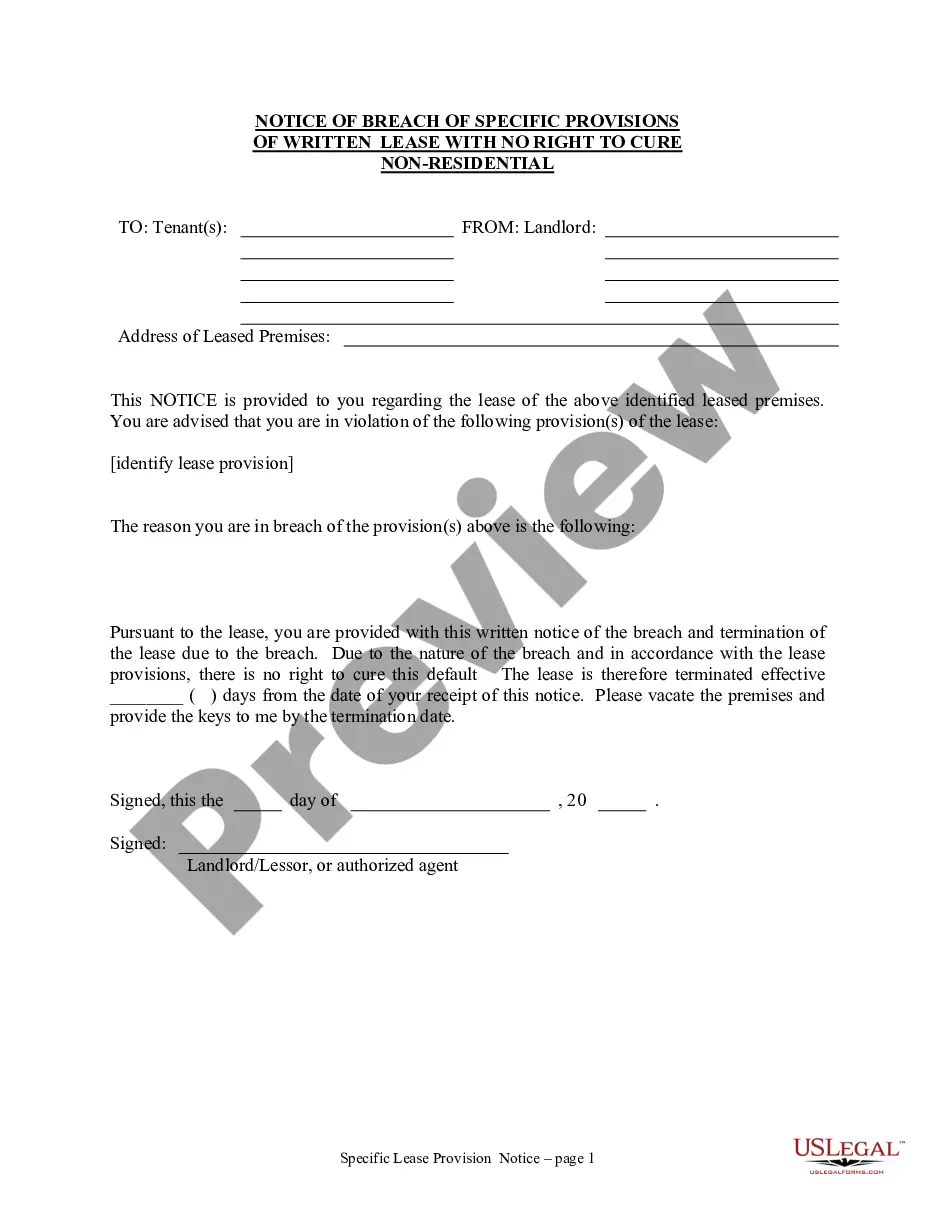


Get your form ready online
Our built-in tools help you complete, sign, share, and store your documents in one place.
Make edits, fill in missing information, and update formatting in US Legal Forms—just like you would in MS Word.
Download a copy, print it, send it by email, or mail it via USPS—whatever works best for your next step.
Sign and collect signatures with our SignNow integration. Send to multiple recipients, set reminders, and more. Go Premium to unlock E-Sign.
If this form requires notarization, complete it online through a secure video call—no need to meet a notary in person or wait for an appointment.
We protect your documents and personal data by following strict security and privacy standards.

Make edits, fill in missing information, and update formatting in US Legal Forms—just like you would in MS Word.

Download a copy, print it, send it by email, or mail it via USPS—whatever works best for your next step.

Sign and collect signatures with our SignNow integration. Send to multiple recipients, set reminders, and more. Go Premium to unlock E-Sign.

If this form requires notarization, complete it online through a secure video call—no need to meet a notary in person or wait for an appointment.

We protect your documents and personal data by following strict security and privacy standards.
Looking for another form?


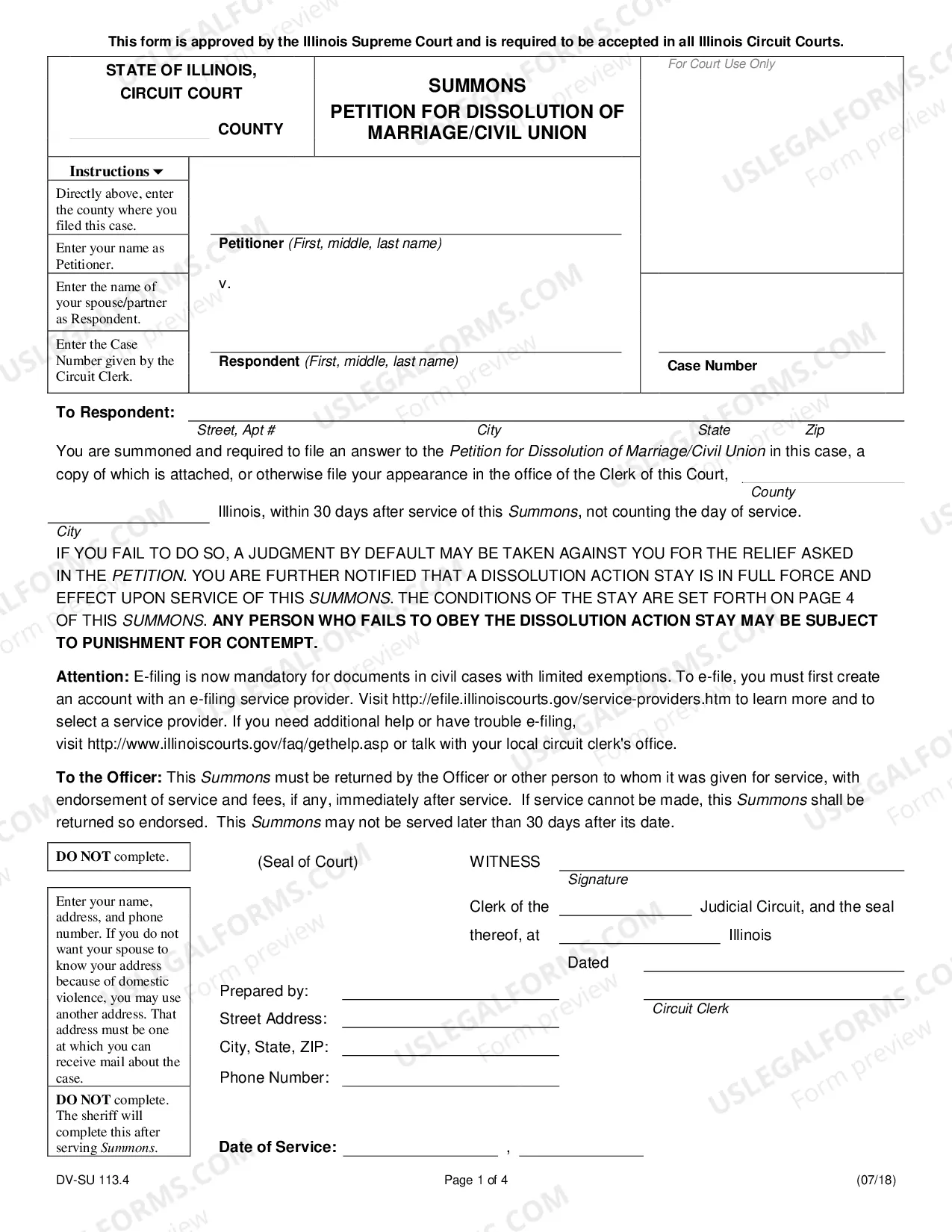

How to fill out Hawaii Notice Of Breach Of Written Lease For Violating Specific Provisions Of Lease With No Right To Cure For Nonresidential Property From Landlord To Tenant?
- If you're an existing US Legal Forms user, log in to your account and find your required document in the library. Ensure your subscription is active; if not, renew it based on your chosen payment plan.
- For new users, start by browsing the Preview mode and reviewing the form descriptions. Confirm you're selecting the correct form that aligns with your legal requirements and jurisdiction.
- Search for alternative templates if the initial one doesn't meet your needs. Utilize the Search tab above to find the right document.
- Once you've selected the ideal form, click the Buy Now button to choose a subscription plan. You'll need to create an account to gain access to the full library.
- Proceed to purchase by entering your payment information, either via credit card or PayPal.
- Finally, download the completed form and save it to your device. You can access it anytime from the My Forms section of your account.
In conclusion, US Legal Forms stands out with its extensive library of over 85,000 customizable legal forms, enabling quick and efficient document execution. By following these steps, you can easily navigate the process and ensure you receive the necessary paperwork.
Start simplifying your legal documentation process today by visiting US Legal Forms to find the resources you need!
Form popularity
FAQ
The benefit of the code of ethics for nurses with interpretive statements document lies in its ability to provide guidance and clarity on ethical responsibilities within nursing practice. It helps maintain trust between patients and nurses, fostering professionalism in the field. By referring to Hawaii provisions with interpretive statements, nursing professionals can ensure their practices reflect the highest ethical standards.
The code of ethics for nurses with interpretive statements deals with ethical principles that guide nursing practice, including responsibilities to patients, families, and society. It provides context and clarity to complicated ethical dilemmas. Understanding these Hawaii provisions with interpretive statements equips nurses with the tools they need to handle ethical issues with confidence.
The purpose of the Code of Ethics in nursing is to provide a framework for ethical decision-making, promoting professionalism and accountability in nursing practice. It ensures that nurses maintain the highest standards of care for their patients. By integrating Hawaii provisions with interpretive statements into their practice, nurses can better navigate ethical challenges.
Provision 6.2 of the ANA Code of Ethics focuses on the responsibility of nurses to inform and educate their patients. This provision recognizes the role of nurses in promoting health education and facilitating patient understanding. By referencing Hawaii provisions with interpretive statements, nurses can deepen their comprehension of ethical educational practices in nursing.
ANA Code of Ethics Provision 3.1 guides nurses by emphasizing their commitment to the patient's dignity and rights. It encourages nurses to advocate for patients, ensuring their needs are prioritized in decision-making. By understanding Hawaii provisions with interpretive statements, nurses can enhance their ethical practice and support patient-centered care effectively.
The main purpose of the Code of Ethics in healthcare is to outline the ethical obligations of healthcare providers to ensure patient care is respectful, compassionate, and just. It serves as a foundation for ethical decision-making and professional accountability. Incorporating Hawaii provisions with interpretive statements into this code strengthens its relevance in diverse practice settings.
Provision 4.4 of the ANA Code of Ethics addresses the relationship between the nurse and the healthcare team. It highlights the need for collaboration, respect, and shared responsibility among healthcare professionals. Hawaii provisions with interpretive statements align with this principle by defining ethical guidelines for teamwork in nursing practice.
Provision 9 of the ANA Code of Ethics emphasizes the importance of the profession's integrity, the ethical principles of nursing, and the social contract between nurses and society. It guides nurses to advocate for social justice and health equity. Understanding Hawaii provisions with interpretive statements can provide clarity on applying these ethical standards in specific situations.