Limited Companies
Description

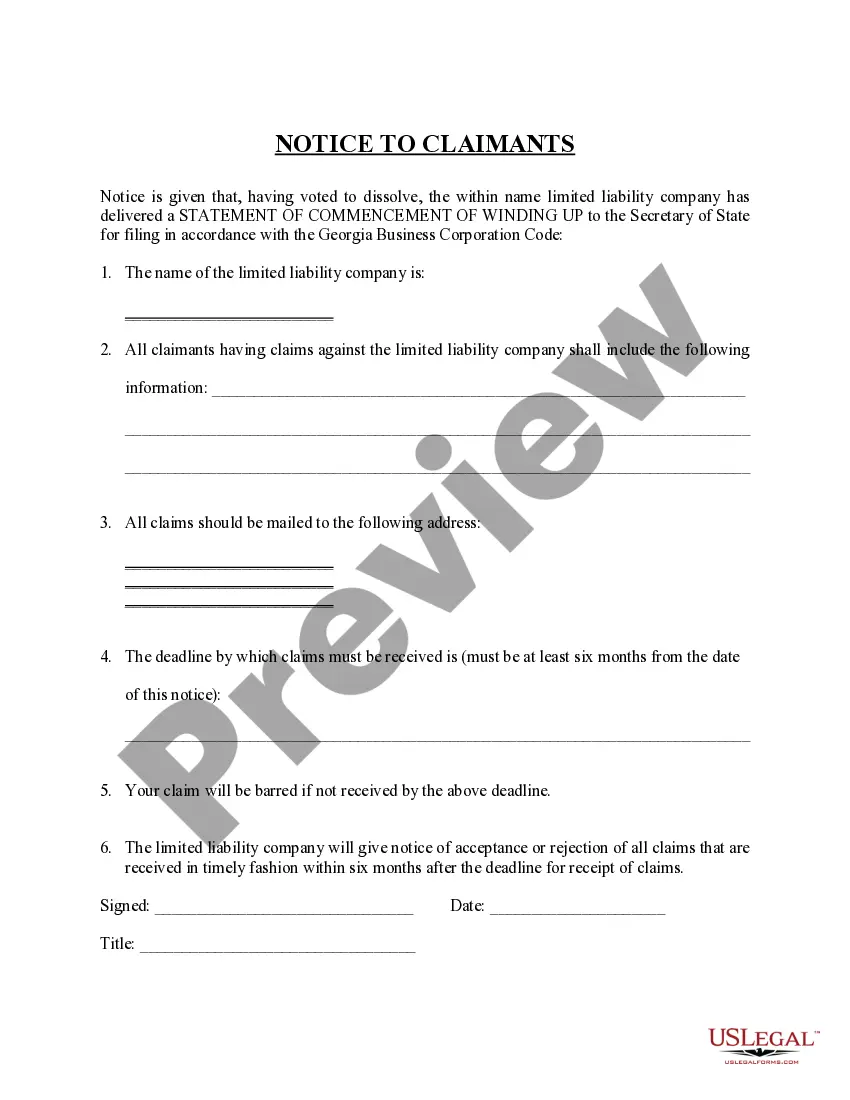

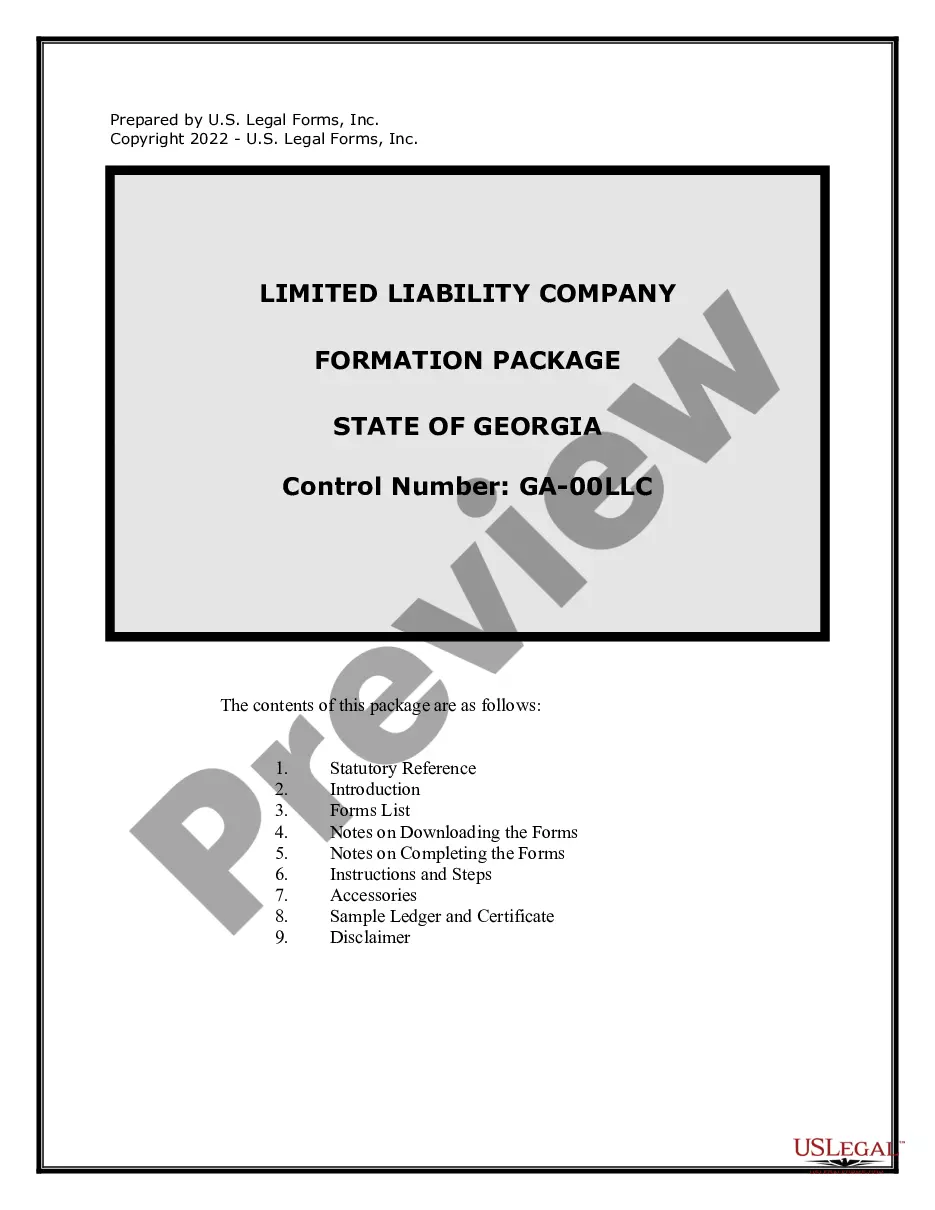
Get your form ready online
Our built-in tools help you complete, sign, share, and store your documents in one place.
Make edits, fill in missing information, and update formatting in US Legal Forms—just like you would in MS Word.
Download a copy, print it, send it by email, or mail it via USPS—whatever works best for your next step.
Sign and collect signatures with our SignNow integration. Send to multiple recipients, set reminders, and more. Go Premium to unlock E-Sign.
If this form requires notarization, complete it online through a secure video call—no need to meet a notary in person or wait for an appointment.
We protect your documents and personal data by following strict security and privacy standards.

Make edits, fill in missing information, and update formatting in US Legal Forms—just like you would in MS Word.

Download a copy, print it, send it by email, or mail it via USPS—whatever works best for your next step.

Sign and collect signatures with our SignNow integration. Send to multiple recipients, set reminders, and more. Go Premium to unlock E-Sign.

If this form requires notarization, complete it online through a secure video call—no need to meet a notary in person or wait for an appointment.

We protect your documents and personal data by following strict security and privacy standards.
Looking for another form?

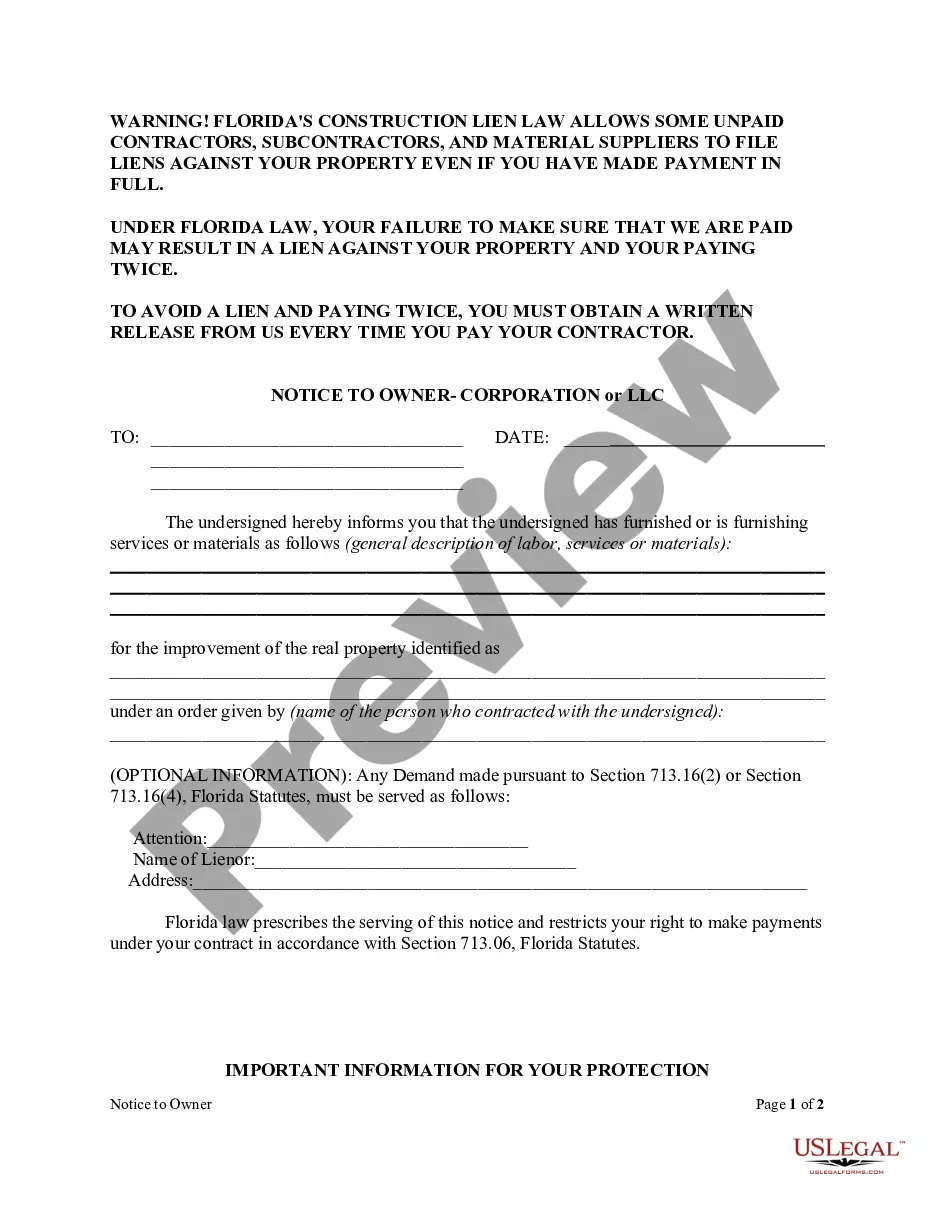



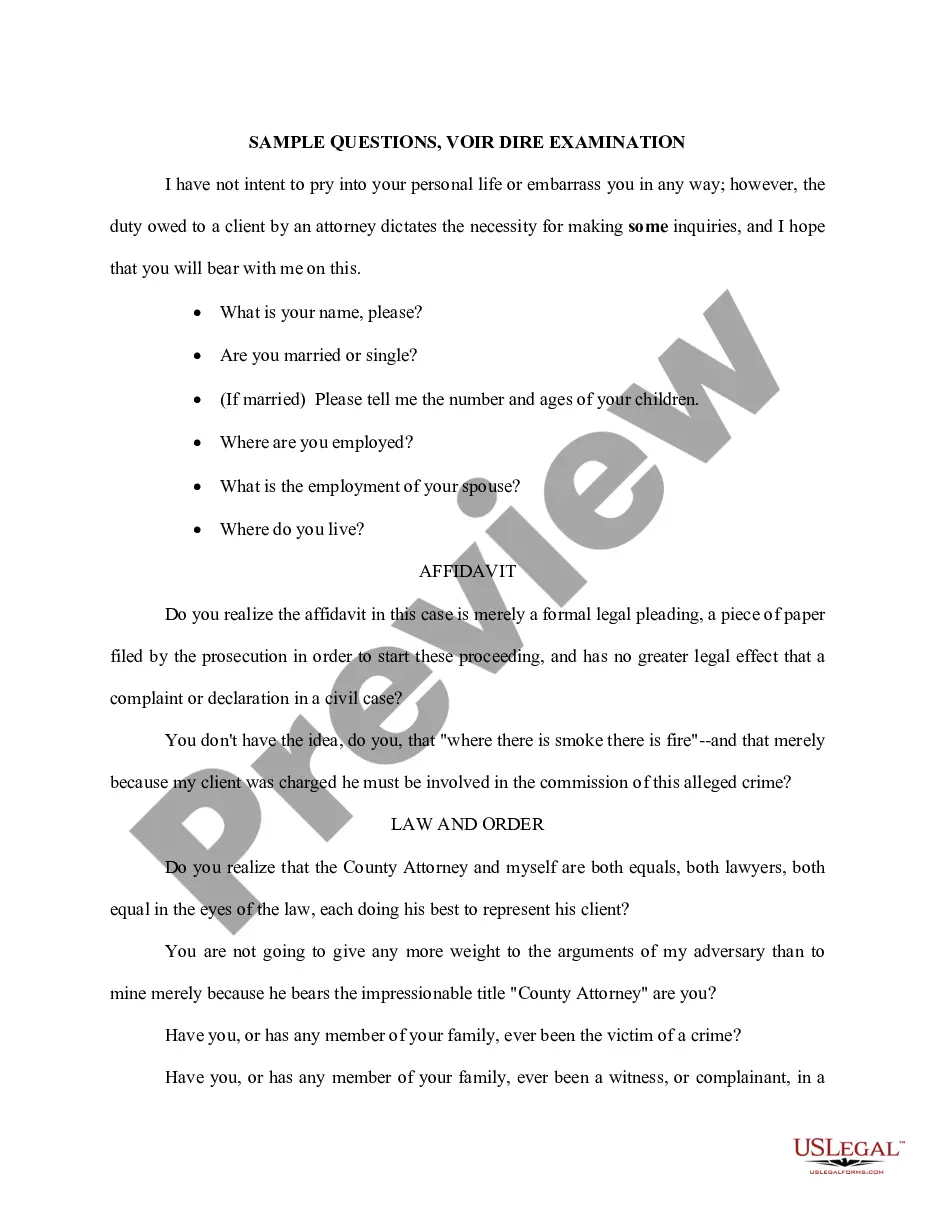


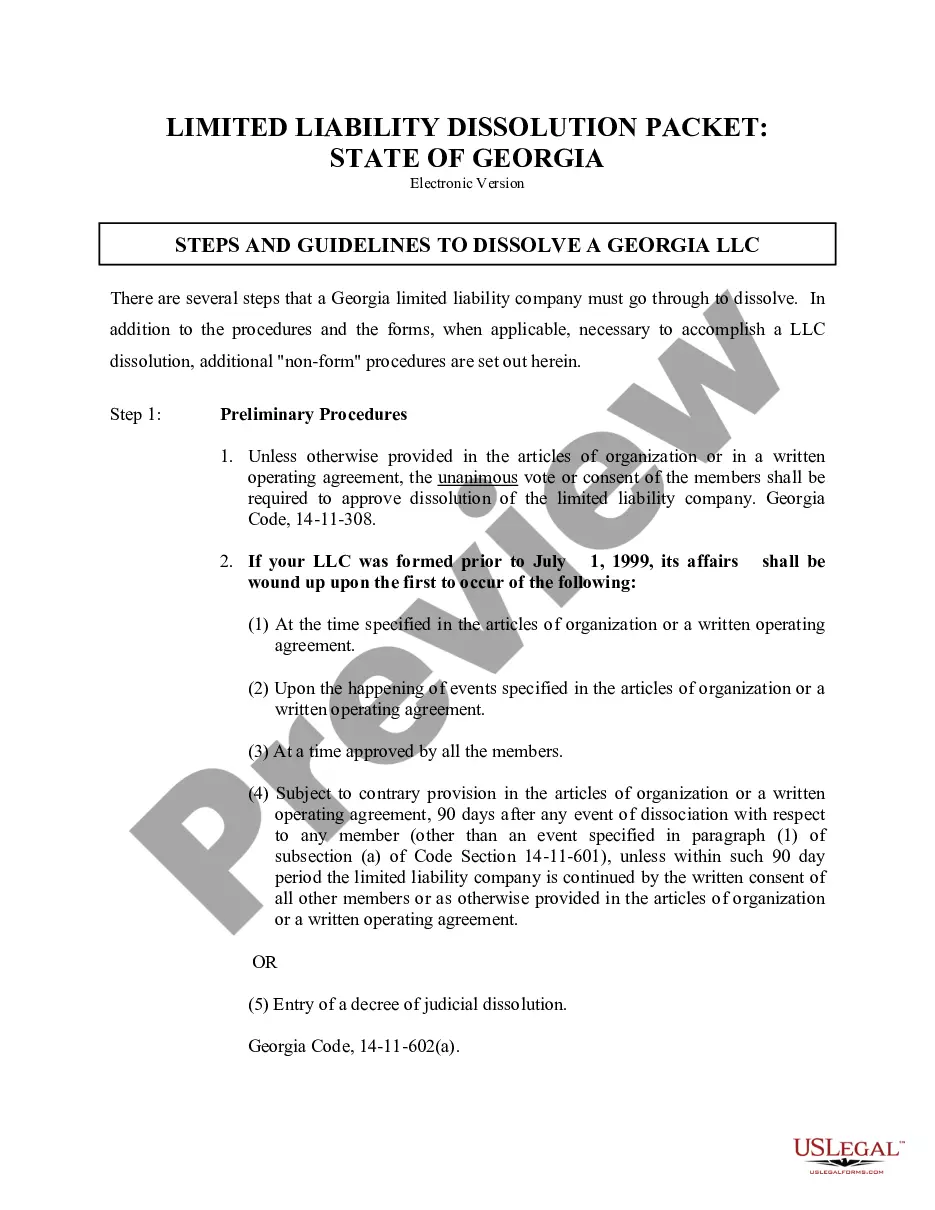
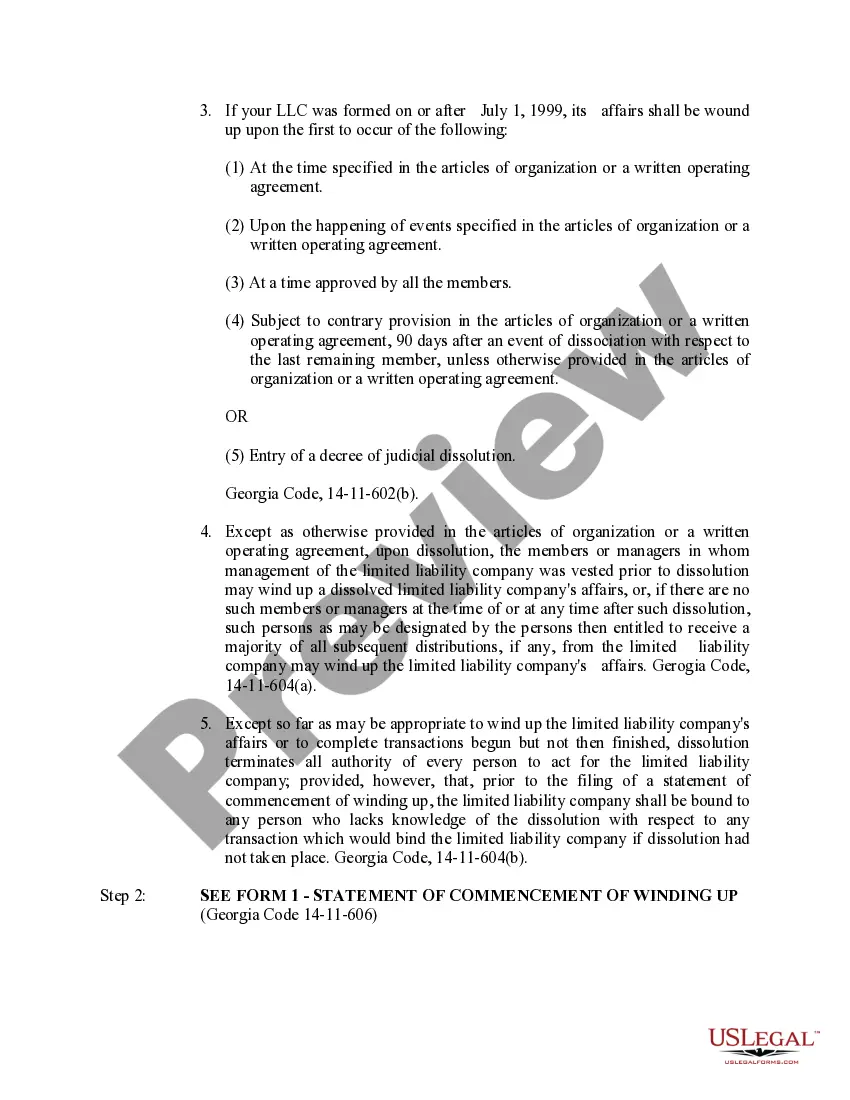
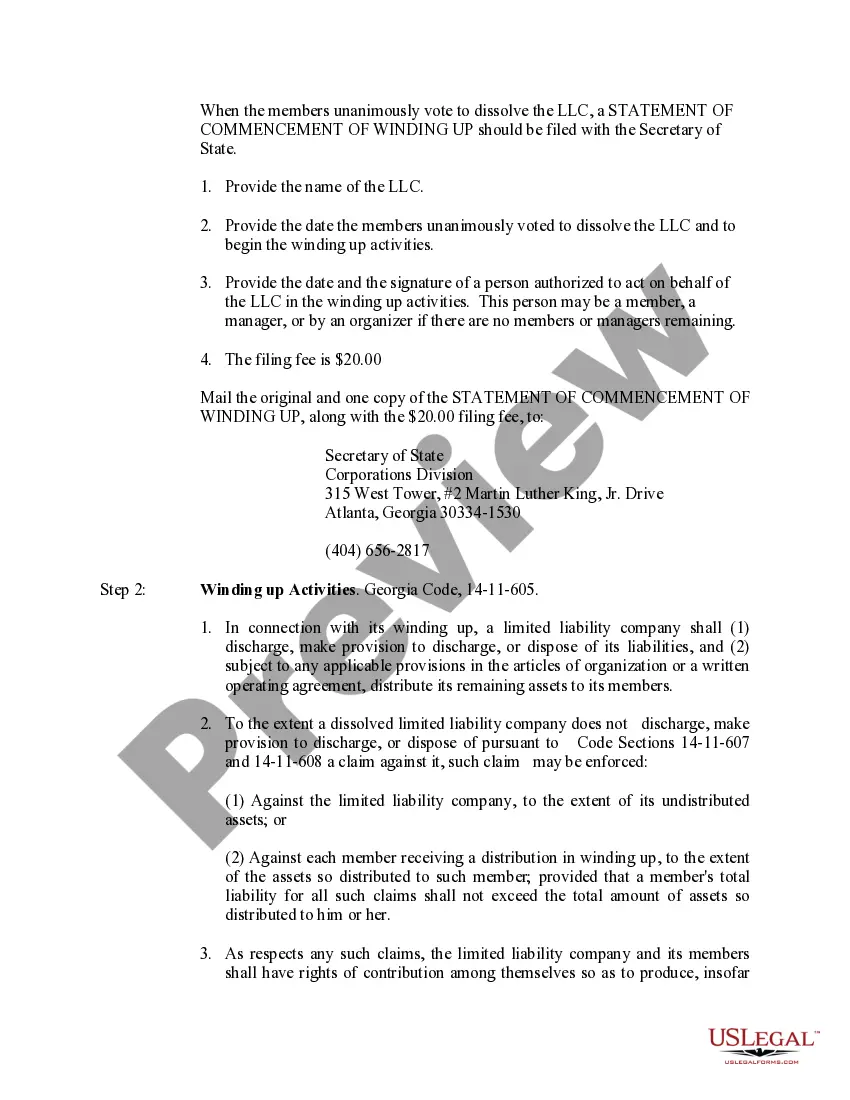
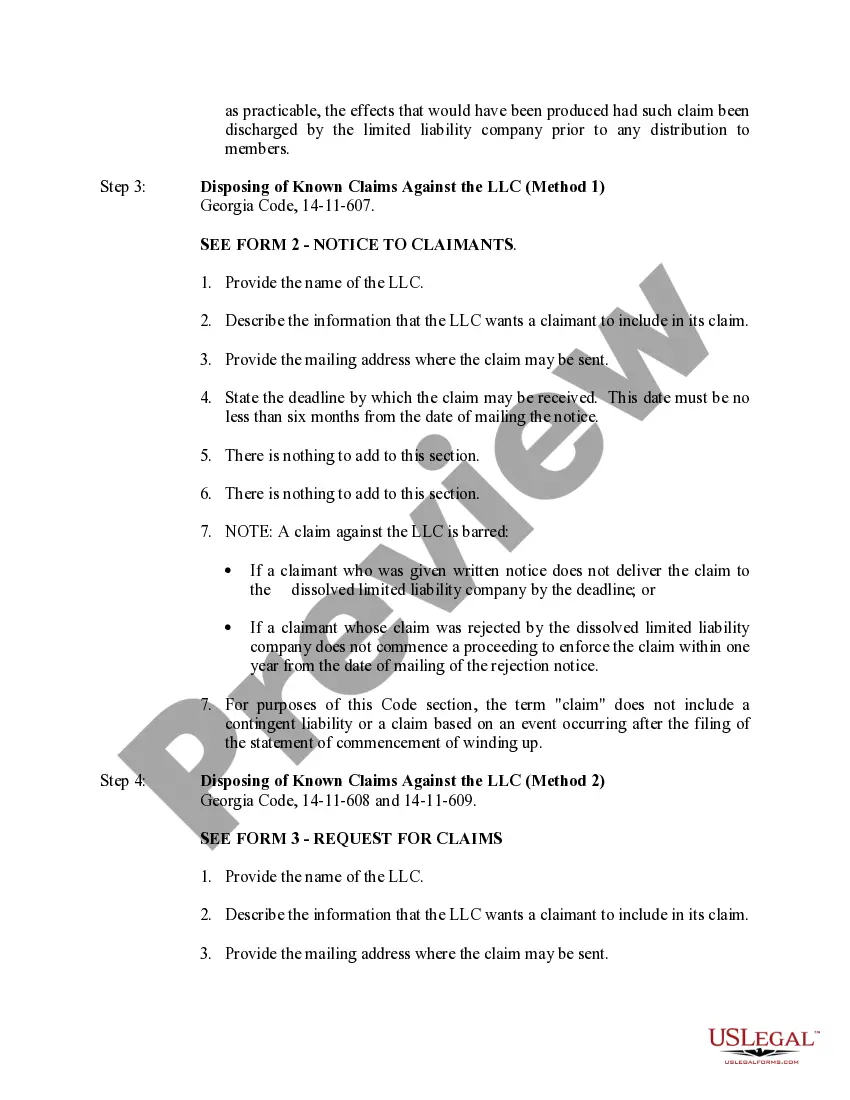
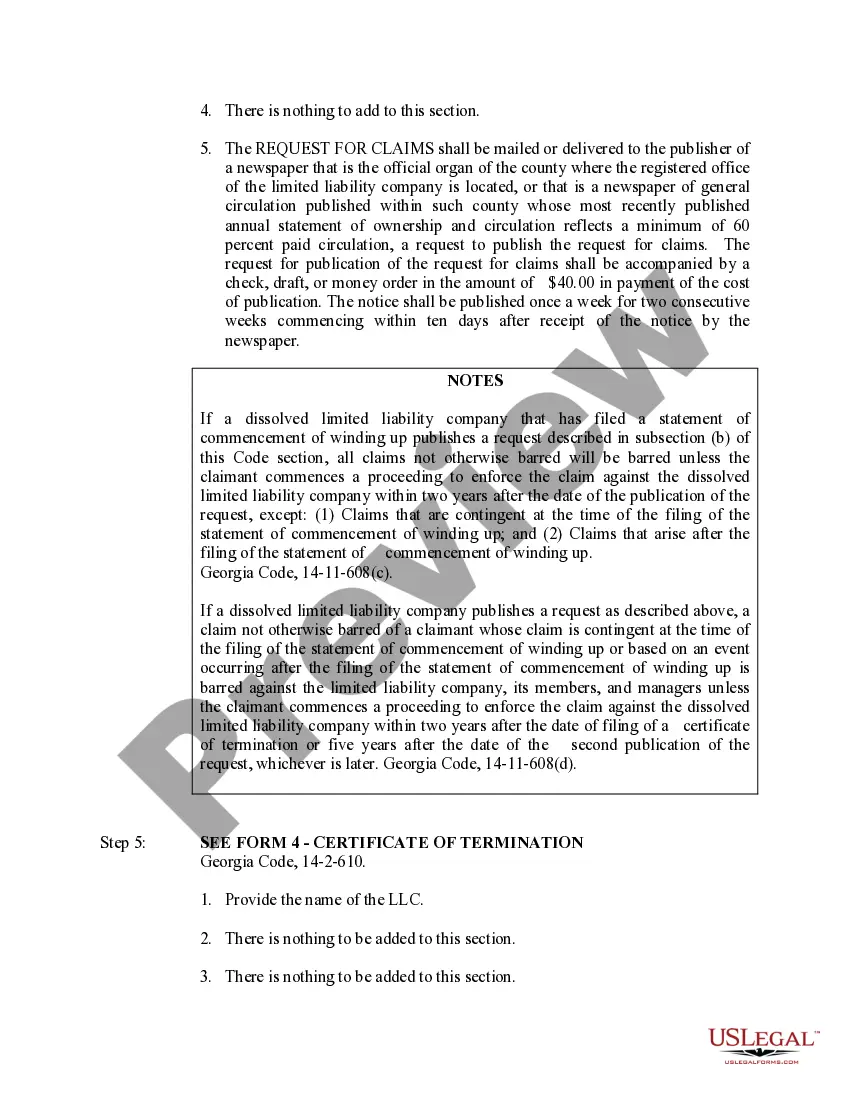
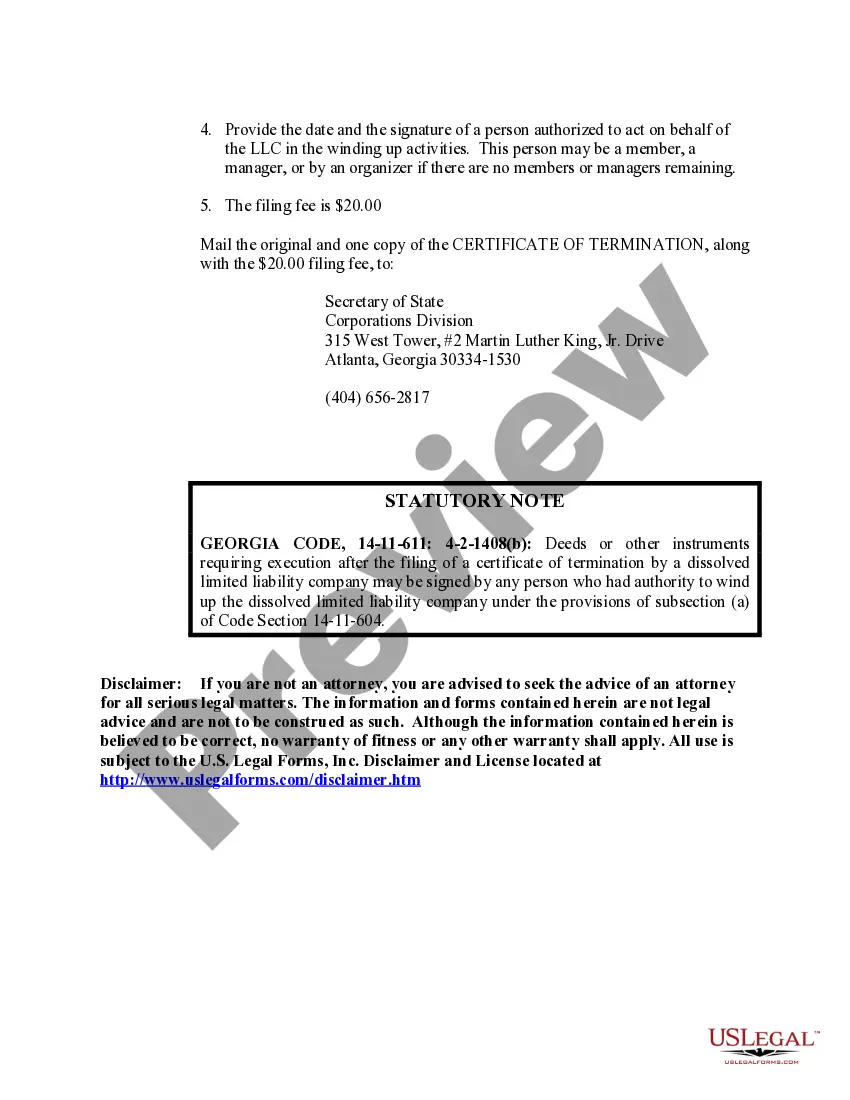
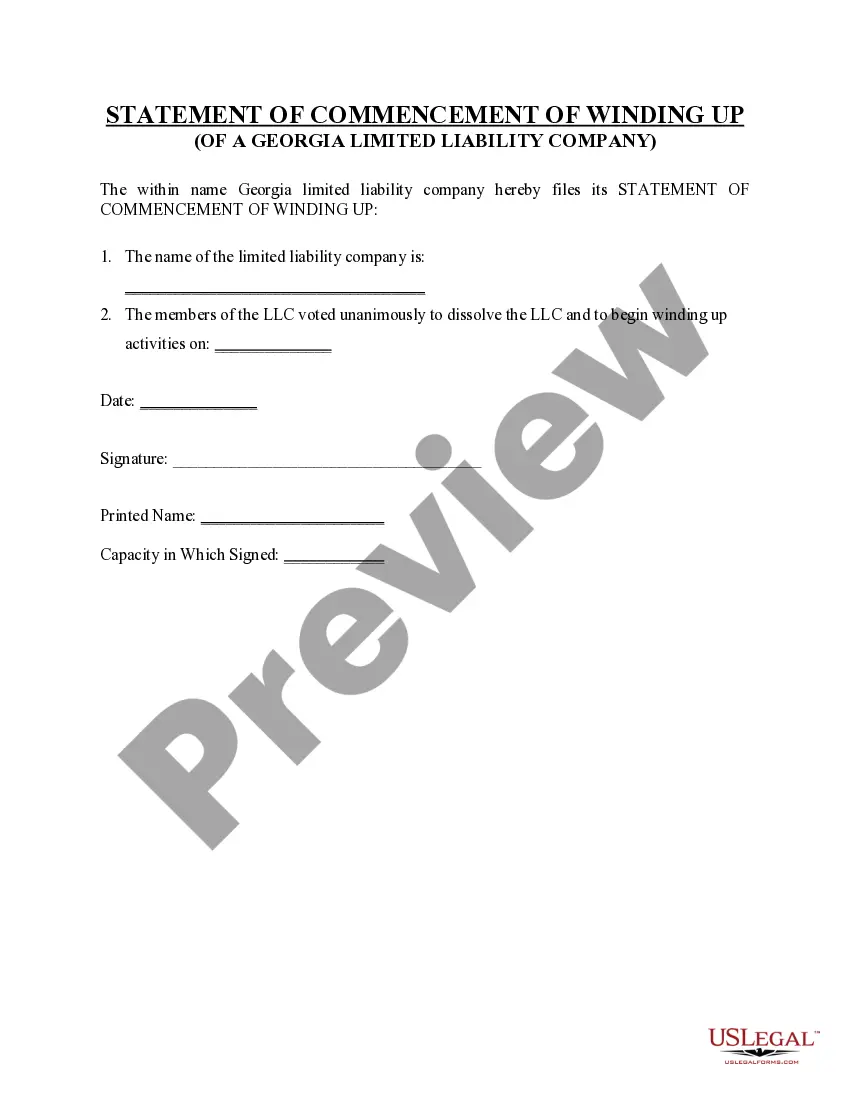
How to fill out Georgia Dissolution Package To Dissolve Limited Liability Company LLC?
- If you are a returning user, log in to your account. Ensure your subscription is active before downloading the required form template directly to your device.
- For new users, begin by browsing our extensive online library. Check the Preview mode and form description to confirm you've selected the correct document that complies with your local jurisdiction.
- If you need to look for a different template, utilize the Search tab to find the right one. Once you identify a suitable form, proceed to the next step.
- Purchase the document by clicking the Buy Now button. Select a subscription plan that best fits your needs, and create an account to access our resources.
- Complete your purchase by entering your payment information, either through credit or PayPal.
- After purchasing, download your form to your device. You can access it anytime under the My Forms section of your profile.
In conclusion, US Legal Forms significantly enhances the ease of managing limited companies by providing a wealth of legal resources at your fingertips. Whether you're seeking support for form completion from premium experts or accessing thousands of legal templates, you've made the right choice.
Start your journey today with US Legal Forms and take control of your limited company documentation effortlessly.
Form popularity
FAQ
If you're unsure whether your LLC is categorized as an S Corp, C Corp, or partnership, consider the tax treatments and operational structures involved. An LLC can elect to be treated as an S Corp or C Corp for tax purposes, allowing for different benefits. On the other hand, if no election is made, it may default to partnership status for taxation. Reviewing this with a financial advisor can provide clarity tailored to your limited company's situation.
Determining whether your Limited Liability Company (LLC) is classified as an S Corp or C Corp involves understanding the tax structure you have chosen. By default, LLCs are treated as sole proprietorships or partnerships for tax purposes. However, you can elect to be taxed as an S Corp or C Corp under IRS rules. It's wise to consult with a tax advisor for tailored guidance based on your limited company's structure.
Limited companies are required to file specific documents annually, which may include income reports and financial disclosures. Additionally, they must report any changes in ownership or corporate structure. Filing these documents in a timely manner is crucial to maintain your company's good standing and avoid penalties. You can simplify this process with tools and resources from US Legal Forms to ensure compliance.
Limited companies must file several important documents to maintain legal compliance. Common filings include annual reports, financial statements, and tax returns. Depending on the state, additional documents may be required, such as articles of incorporation or operating agreements. Staying organized with these filings helps ensure that your limited company operates smoothly.
Yes, Apple Inc. is structured as a limited company, specifically a publicly traded corporation. This means that its owners, or shareholders, have limited liability for the company's debts. As a limited company, Apple can raise capital through stock sales, which has helped it grow into a leading technology giant. Understanding how large corporations operate as limited companies can provide useful insights for your business endeavors.
A limited company is a specific type of business structure where the liability of its owners is limited to their investment in the company. This format is popular among entrepreneurs and small business owners who want to protect their personal assets. Limited companies can operate in various industries, including retail, services, and technology, providing flexibility and growth potential. It's a great option for those looking to build a sustainable business.
life example of a limited liability company is 'XYZ Innovations LLC.' This business operates in technology consulting and enjoys the benefits of being a limited company, such as personal liability protection for its owners. In this structure, if the company faces financial issues, the owners’ personal assets remain safe. This highlights one of the key advantages of limited companies.
The differences between LLCs and limited companies primarily revolve around regulations and operational structure. An LLC, or Limited Liability Company, generally provides more flexibility in management and tax treatment, while a limited company is often bound by stricter regulations. Essentially, both structures protect owners from personal liability, but their operational frameworks differ. Exploring these options through platforms like uslegalforms can simplify your decision-making process.
The primary difference lies in the legal structure and formation of limited companies versus LLCs. While both offer limited liability protection, a limited company is a more formal entity often subject to specific regulations and reporting requirements. An LLC, on the other hand, tends to have more flexibility in management and taxation. Therefore, understanding these distinctions helps you make informed decisions for your business.
To be a limited company means that the company's financial liabilities are separate from the personal finances of its owners. This structure provides a layer of protection and reduces the risk individuals face when engaging in business. Moreover, being a limited company can enhance your credibility with customers, suppliers, and investors. Ultimately, this can lead to greater trust and opportunities in your industry.