Ga Disclosure Statement Without Recovery
Description
Get your form ready online
Our built-in tools help you complete, sign, share, and store your documents in one place.
Make edits, fill in missing information, and update formatting in US Legal Forms—just like you would in MS Word.
Download a copy, print it, send it by email, or mail it via USPS—whatever works best for your next step.
Sign and collect signatures with our SignNow integration. Send to multiple recipients, set reminders, and more. Go Premium to unlock E-Sign.
If this form requires notarization, complete it online through a secure video call—no need to meet a notary in person or wait for an appointment.
We protect your documents and personal data by following strict security and privacy standards.

Make edits, fill in missing information, and update formatting in US Legal Forms—just like you would in MS Word.

Download a copy, print it, send it by email, or mail it via USPS—whatever works best for your next step.

Sign and collect signatures with our SignNow integration. Send to multiple recipients, set reminders, and more. Go Premium to unlock E-Sign.

If this form requires notarization, complete it online through a secure video call—no need to meet a notary in person or wait for an appointment.

We protect your documents and personal data by following strict security and privacy standards.
Looking for another form?






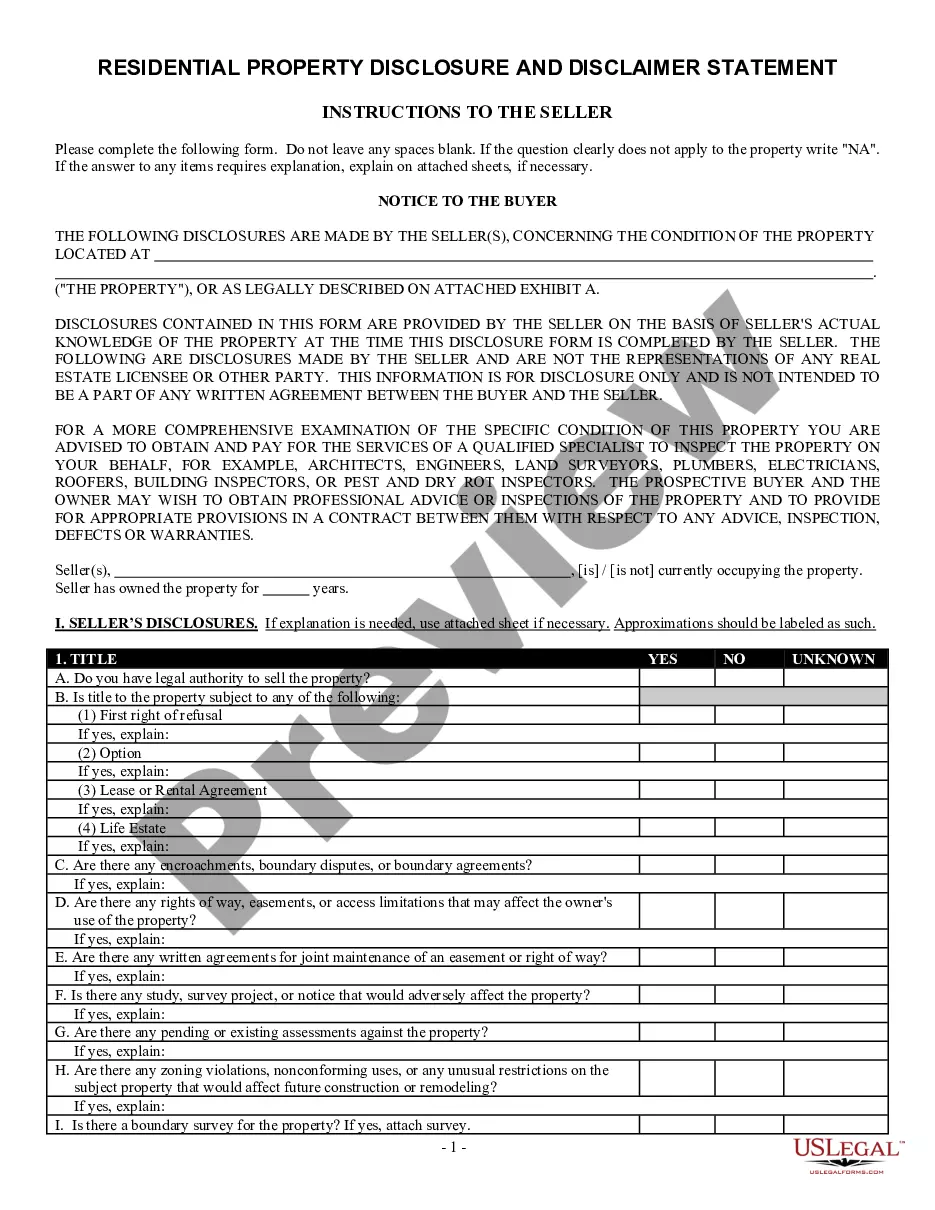
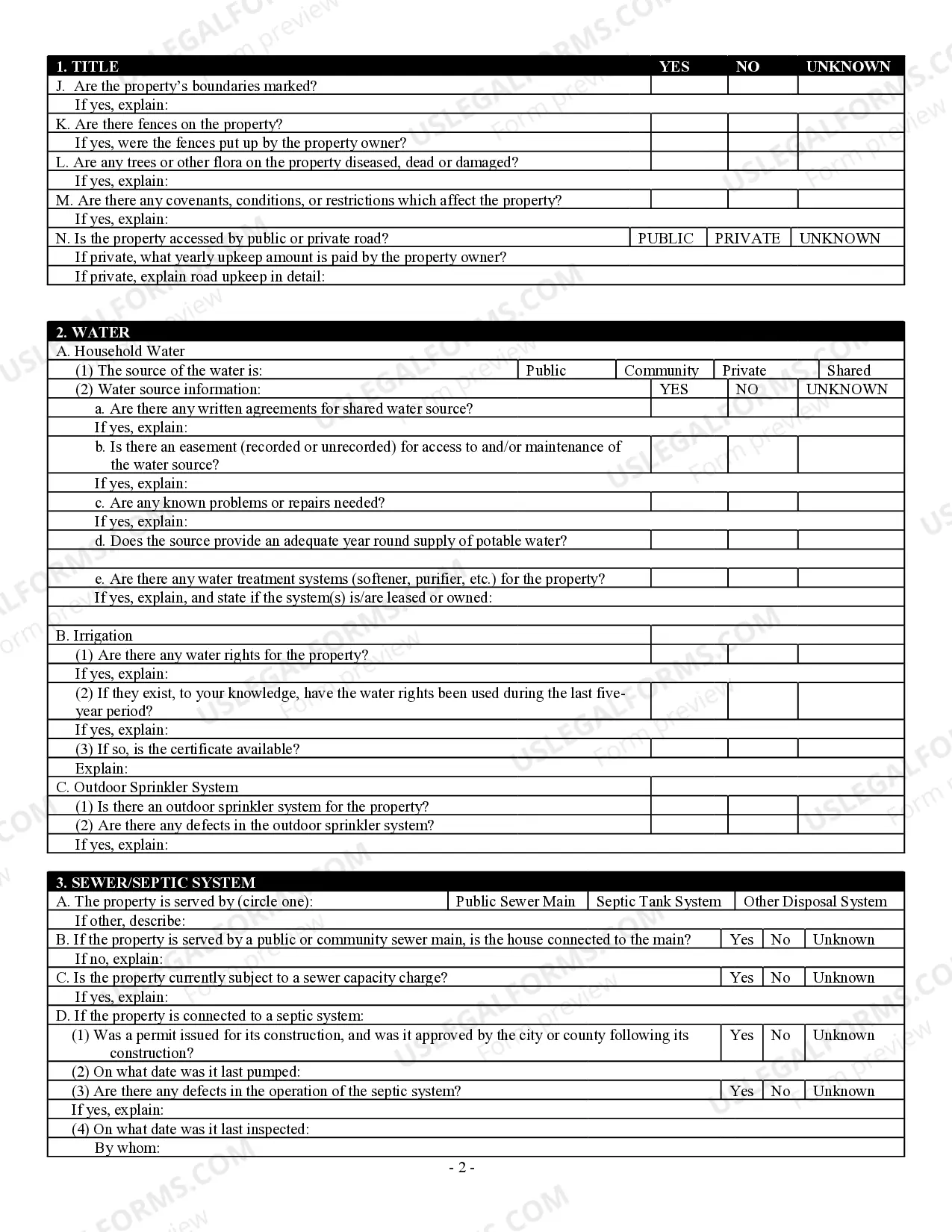
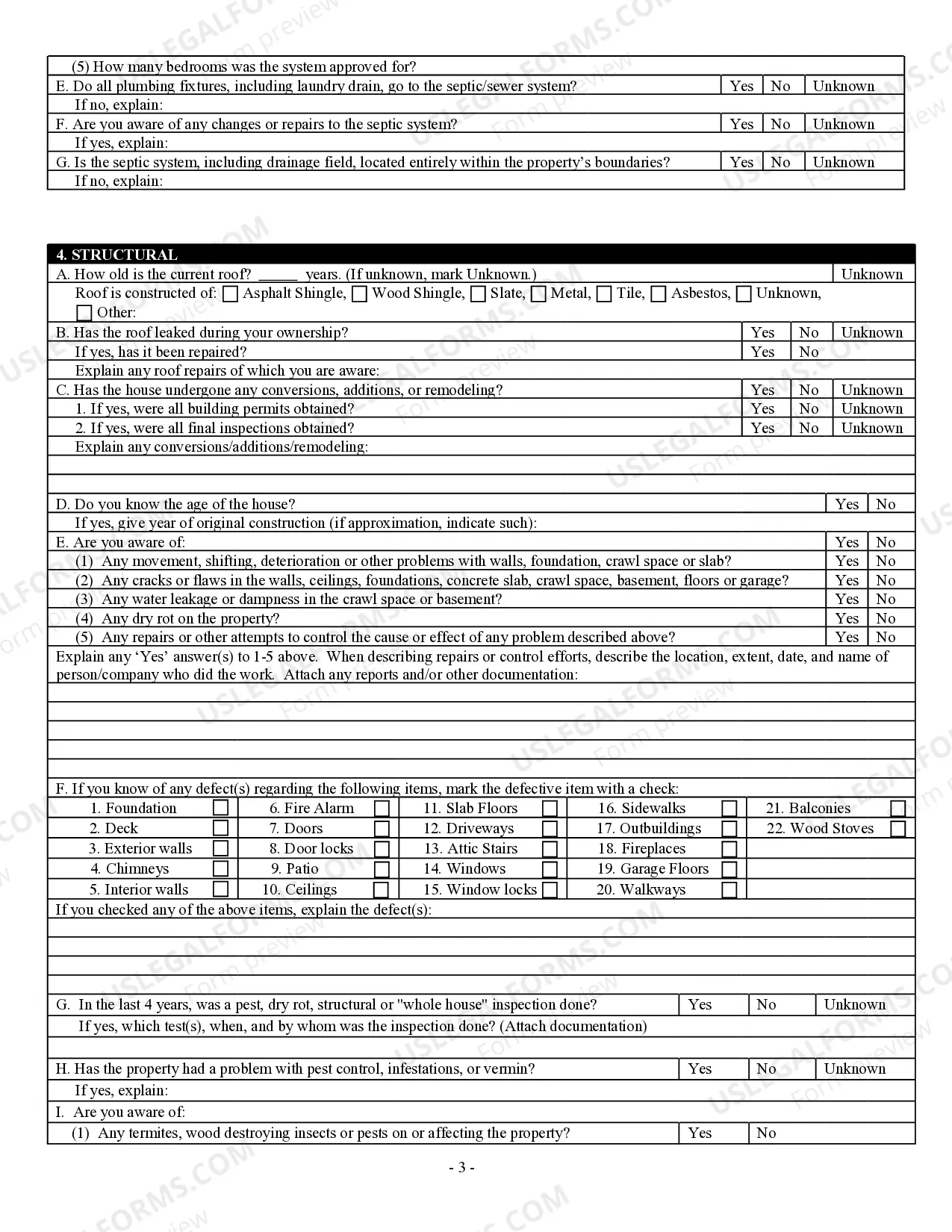
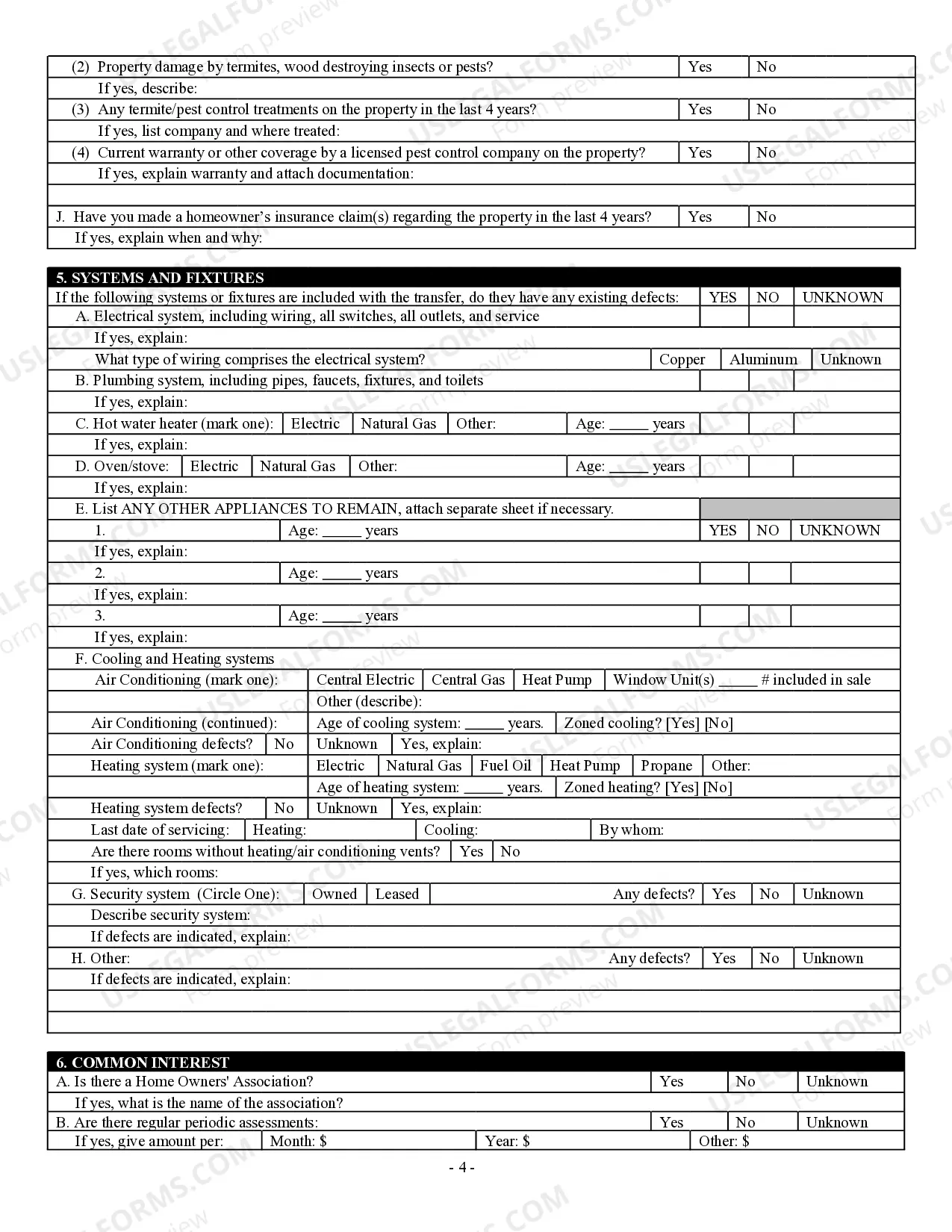
How to fill out Georgia Residential Real Estate Sales Disclosure Statement?
Obtaining a reliable source for the most up-to-date and suitable legal templates is a significant part of managing red tape.
Locating the correct legal documents necessitates accuracy and careful consideration, which is why it is essential to obtain samples of Ga Disclosure Statement Without Recovery exclusively from trustworthy providers, such as US Legal Forms. An incorrect template will squander your time and prolong your situation. With US Legal Forms, you have minimal concerns.
Once you have the form on your device, you can modify it using the editor or print it out and fill it in manually. Eliminate the stress associated with your legal documentation. Browse the extensive US Legal Forms library to discover legal templates, assess their relevance to your situation, and download them instantly.
- Utilize the catalog navigation or search bar to find your template.
- Examine the form’s details to determine if it meets your state's and area's requirements.
- Check the form preview, if available, to confirm the template is what you are looking for.
- Continue searching and seek the appropriate document if the Ga Disclosure Statement Without Recovery does not meet your requirements.
- Once you are confident about the form’s applicability, download it.
- If you are an authorized user, click Log in to verify and access your selected forms in My documents.
- If you do not have an account yet, click Buy now to acquire the template.
- Choose the pricing plan that aligns with your preferences.
- Continue to the registration process to complete your purchase.
- Conclude your purchase by selecting a payment method (credit card or PayPal).
- Choose the document format for downloading Ga Disclosure Statement Without Recovery.
Form popularity
FAQ
A lack of a seller disclosure can raise red flags for buyers. It may lead them to question the property's condition and your honesty, potentially leading to negotiation issues or even legal disputes. Without a Georgia disclosure statement without recovery, buyers might feel uncertain about what they are purchasing, which could deter them from making an offer. Using platforms like uslegalforms can help you create the required disclosures easily and ensure a smoother selling process.
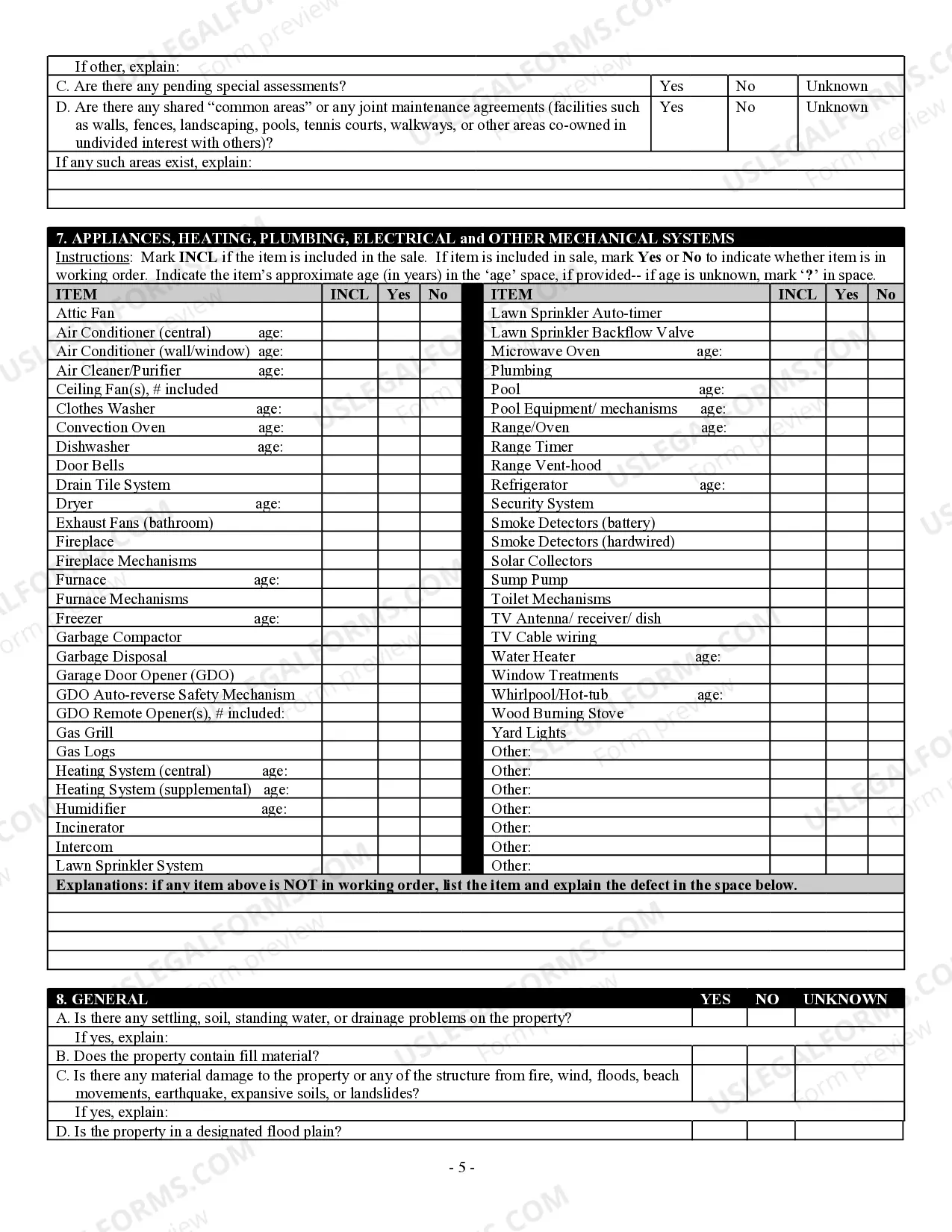
When selling a house in Georgia, you must provide a Georgia disclosure statement without recovery. This includes information about the property's condition, any known defects, and past pest infestations. Additionally, you should disclose if the property has had any major repairs or issues, like roof leaks or mold. Ensuring transparency helps protect you from future legal issues and builds trust with potential buyers.
In Georgia, property may be considered abandoned if it has been unoccupied for a certain period, typically around 12 months. However, this can vary based on specific circumstances and usage. To ensure you’re aware of your rights regarding abandoned property, refer to the Ga disclosure statement without recovery for guidance.
The 7 year fence law in Georgia states that if a fence is maintained for seven years, it may establish a boundary line, even if it does not align with the original property line. This law helps resolve disputes regarding property boundaries. Understanding your rights in relation to the Ga disclosure statement without recovery can provide clarity.
You can sue a seller in Georgia for failing to disclose material defects, but the case must demonstrate that the seller knowingly withheld information. Proper documentation and evidence are crucial for a successful claim. To navigate these complexities, consider exploring the Ga disclosure statement without recovery through uslegalforms.
Yes, property disclosures are generally required in Georgia when selling real estate. Sellers must disclose known defects and other significant issues that could affect the property's value. Familiarizing yourself with the Ga disclosure statement without recovery can help you understand your obligations as a seller.
Mowing your land does not automatically grant a neighbor any claim to it in Georgia. However, continuous and open use might lead to claims of adverse possession over time. It's wise to document property boundaries and consult resources like uslegalforms for clarity on the Ga disclosure statement without recovery.
The 7 year adverse possession period in Georgia allows a person to claim ownership of land if they have openly occupied it for seven continuous years. This occupation must be without permission from the actual owner. If you think you might be affected by this, understanding the nuances of the Ga disclosure statement without recovery can be beneficial.
In Georgia, you generally cannot remove a neighbor's fence without permission, even if it encroaches on your property. It's essential to check property lines and communicate with your neighbor first. If there is a dispute, consider consulting a legal expert for guidance on the Ga disclosure statement without recovery.