Ga Disclosure Statement For Dbs
Description
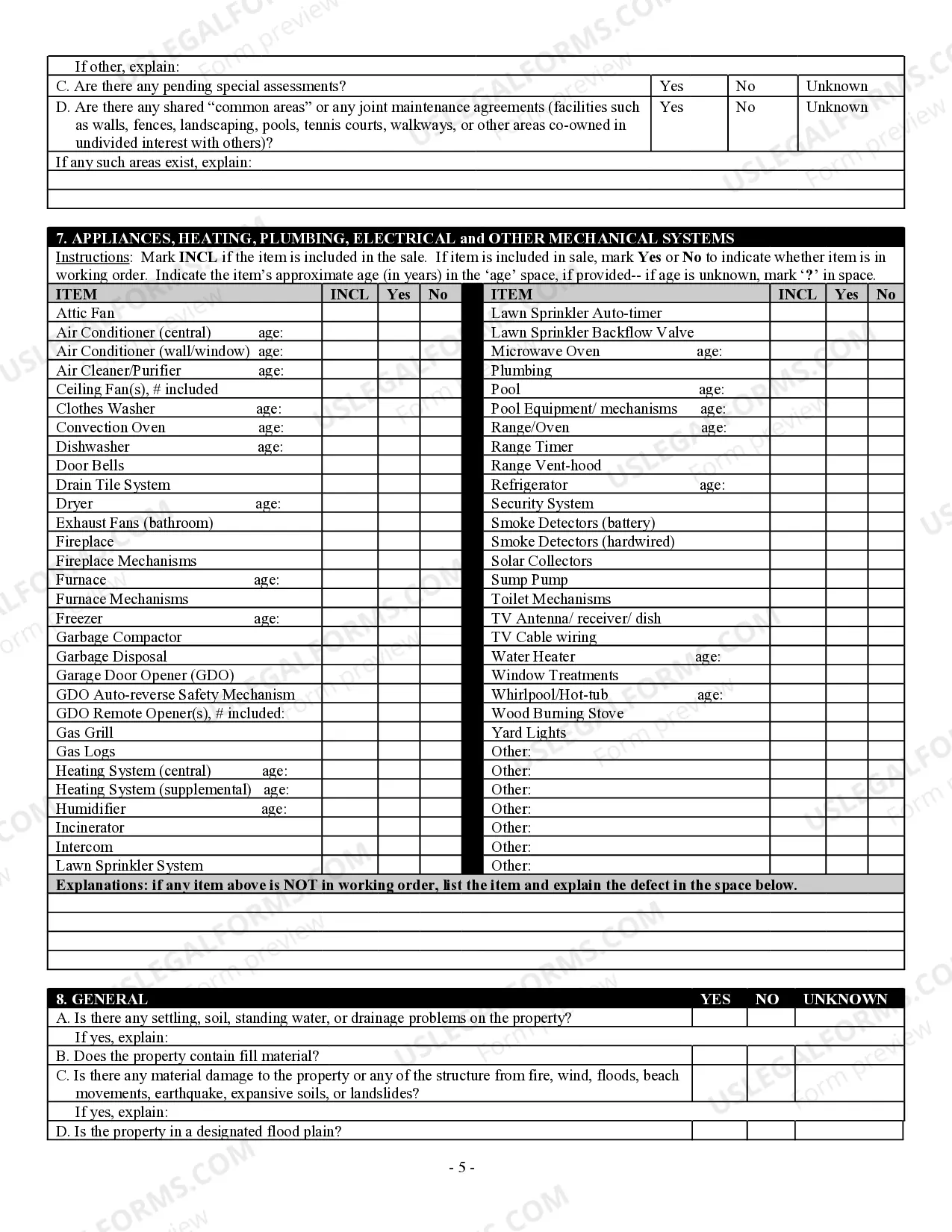
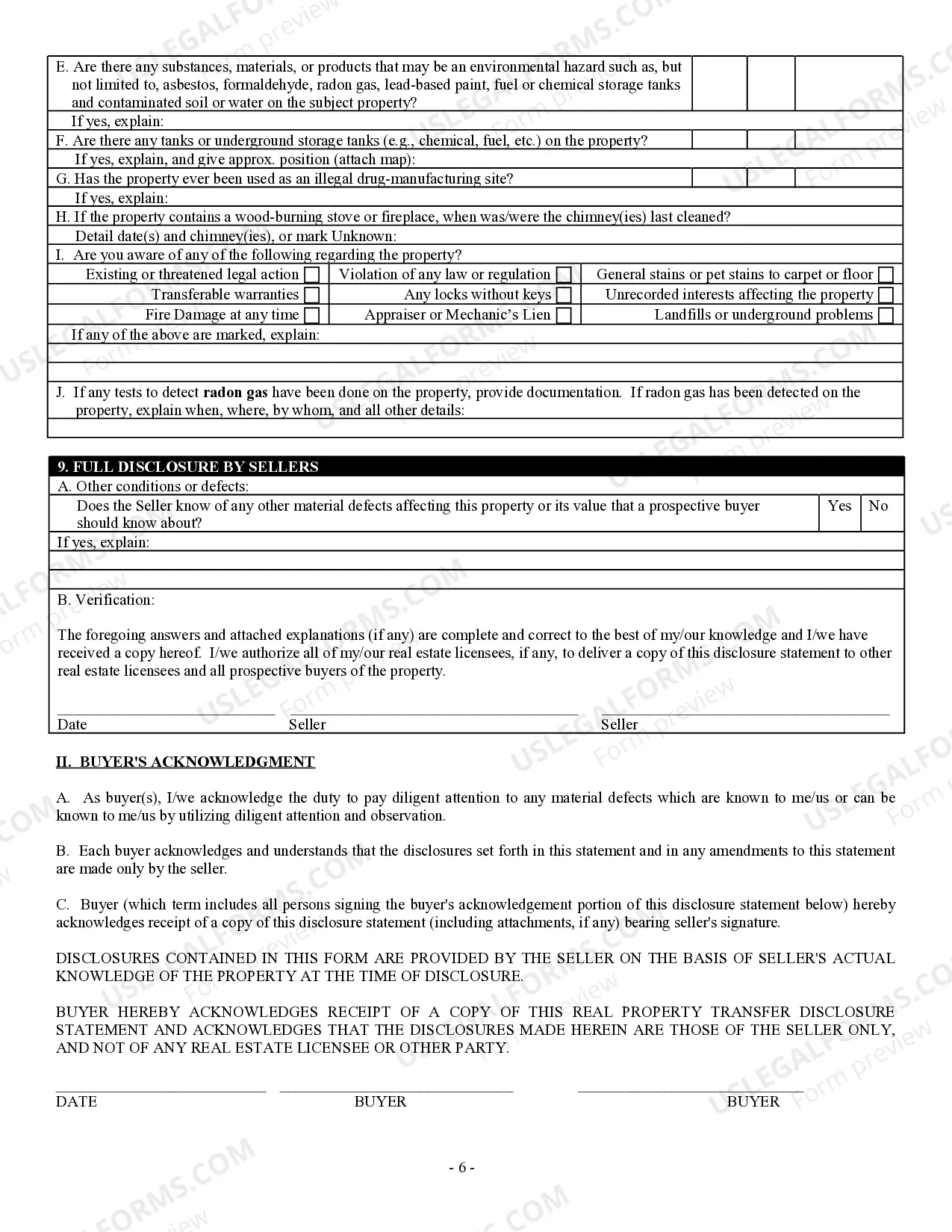
Get your form ready online
Our built-in tools help you complete, sign, share, and store your documents in one place.
Make edits, fill in missing information, and update formatting in US Legal Forms—just like you would in MS Word.
Download a copy, print it, send it by email, or mail it via USPS—whatever works best for your next step.
Sign and collect signatures with our SignNow integration. Send to multiple recipients, set reminders, and more. Go Premium to unlock E-Sign.
If this form requires notarization, complete it online through a secure video call—no need to meet a notary in person or wait for an appointment.
We protect your documents and personal data by following strict security and privacy standards.

Make edits, fill in missing information, and update formatting in US Legal Forms—just like you would in MS Word.

Download a copy, print it, send it by email, or mail it via USPS—whatever works best for your next step.

Sign and collect signatures with our SignNow integration. Send to multiple recipients, set reminders, and more. Go Premium to unlock E-Sign.

If this form requires notarization, complete it online through a secure video call—no need to meet a notary in person or wait for an appointment.

We protect your documents and personal data by following strict security and privacy standards.
Looking for another form?


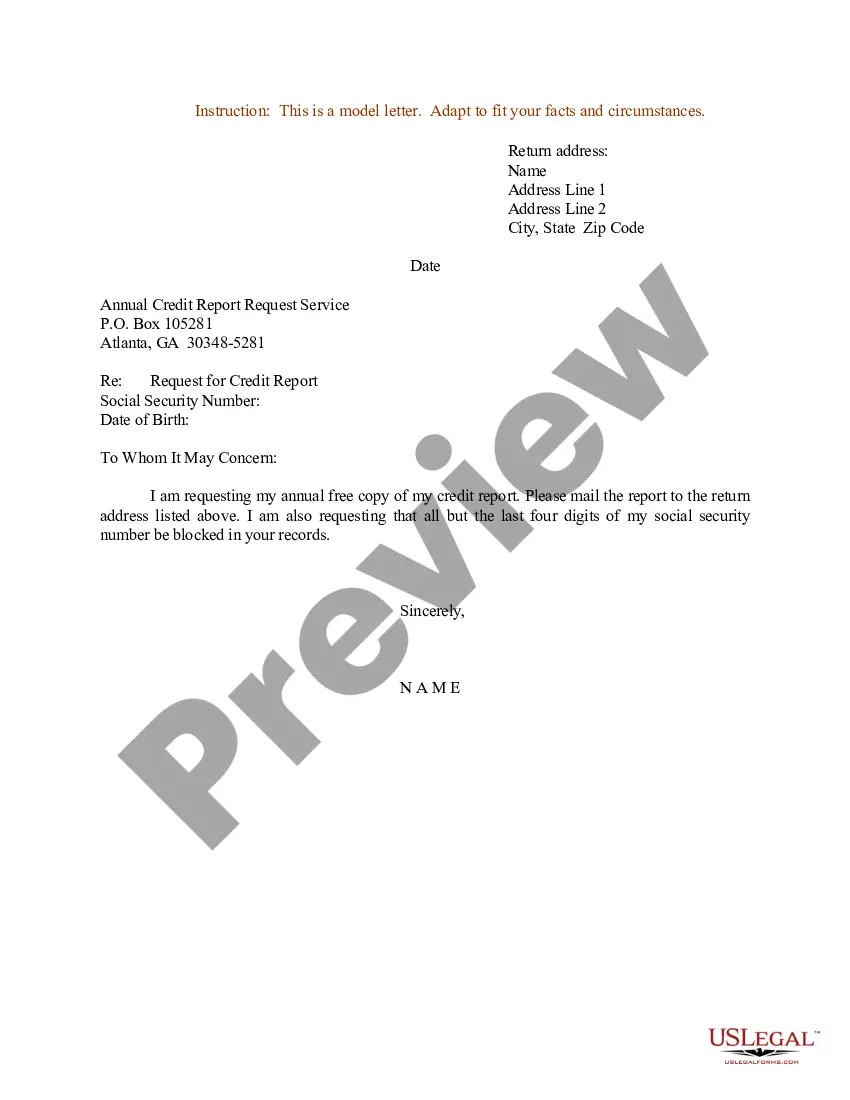
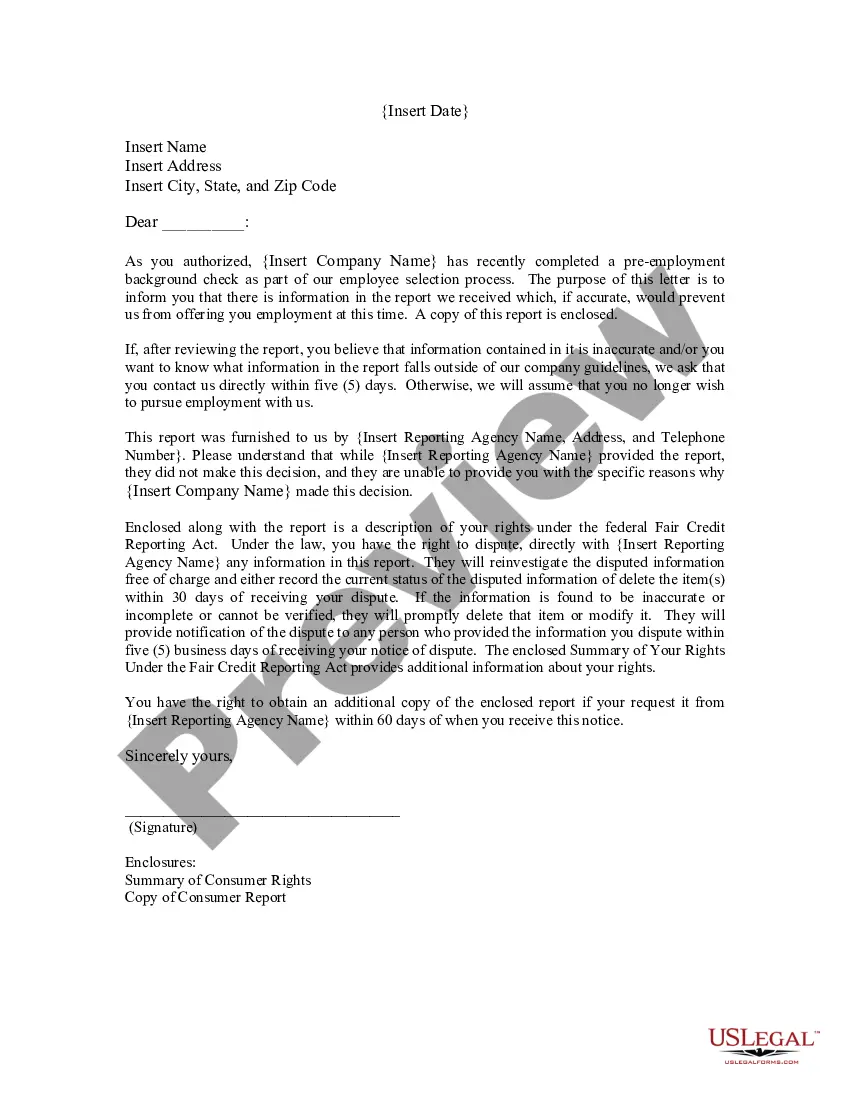

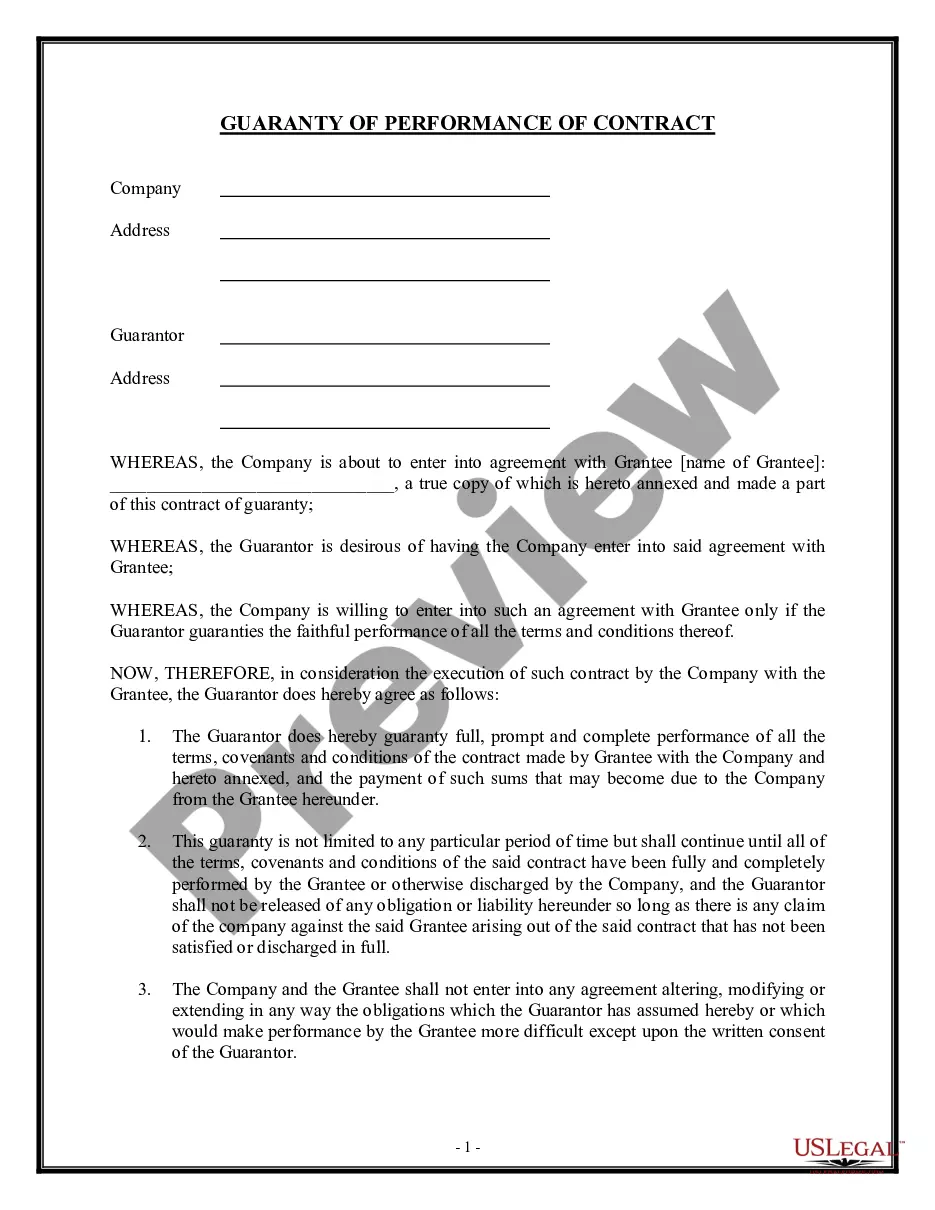
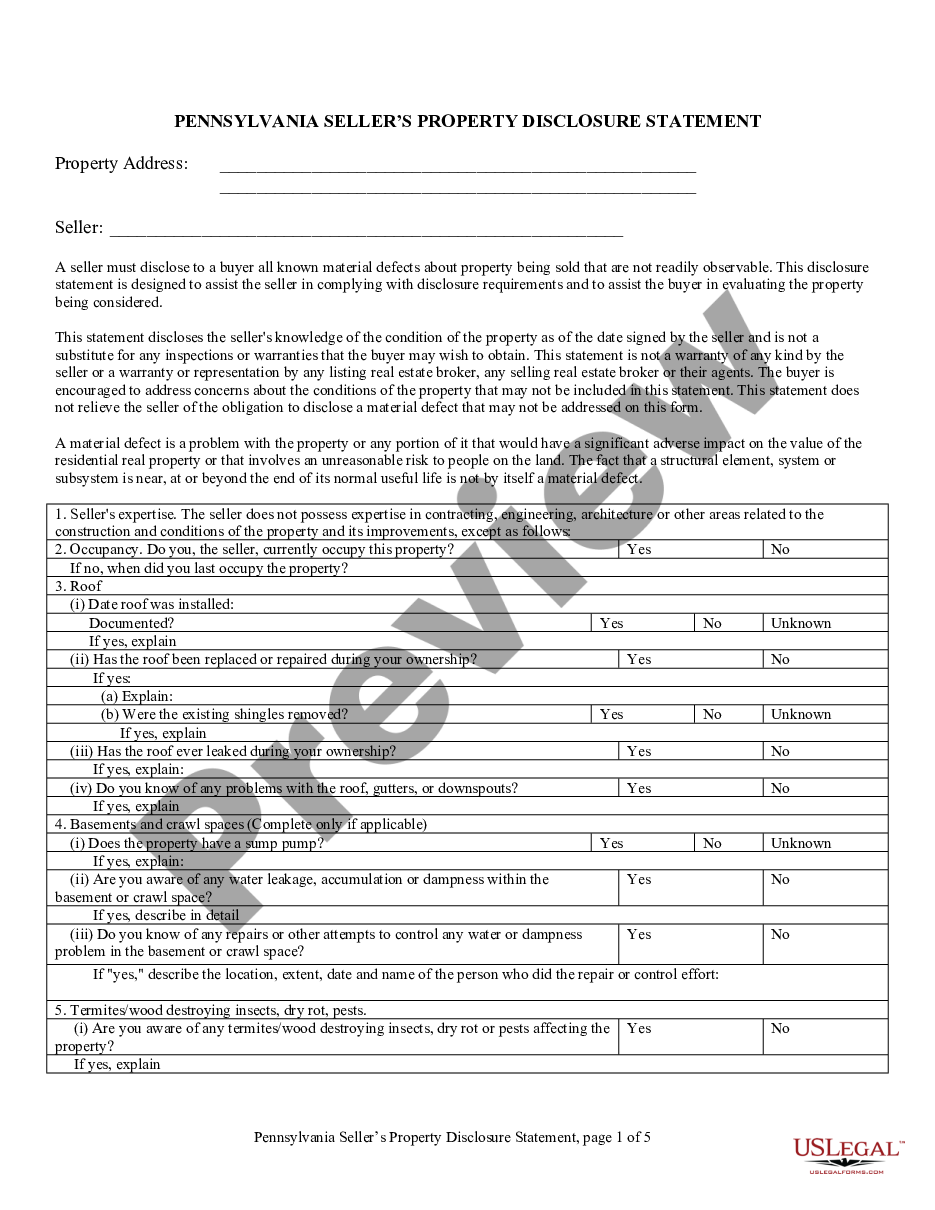

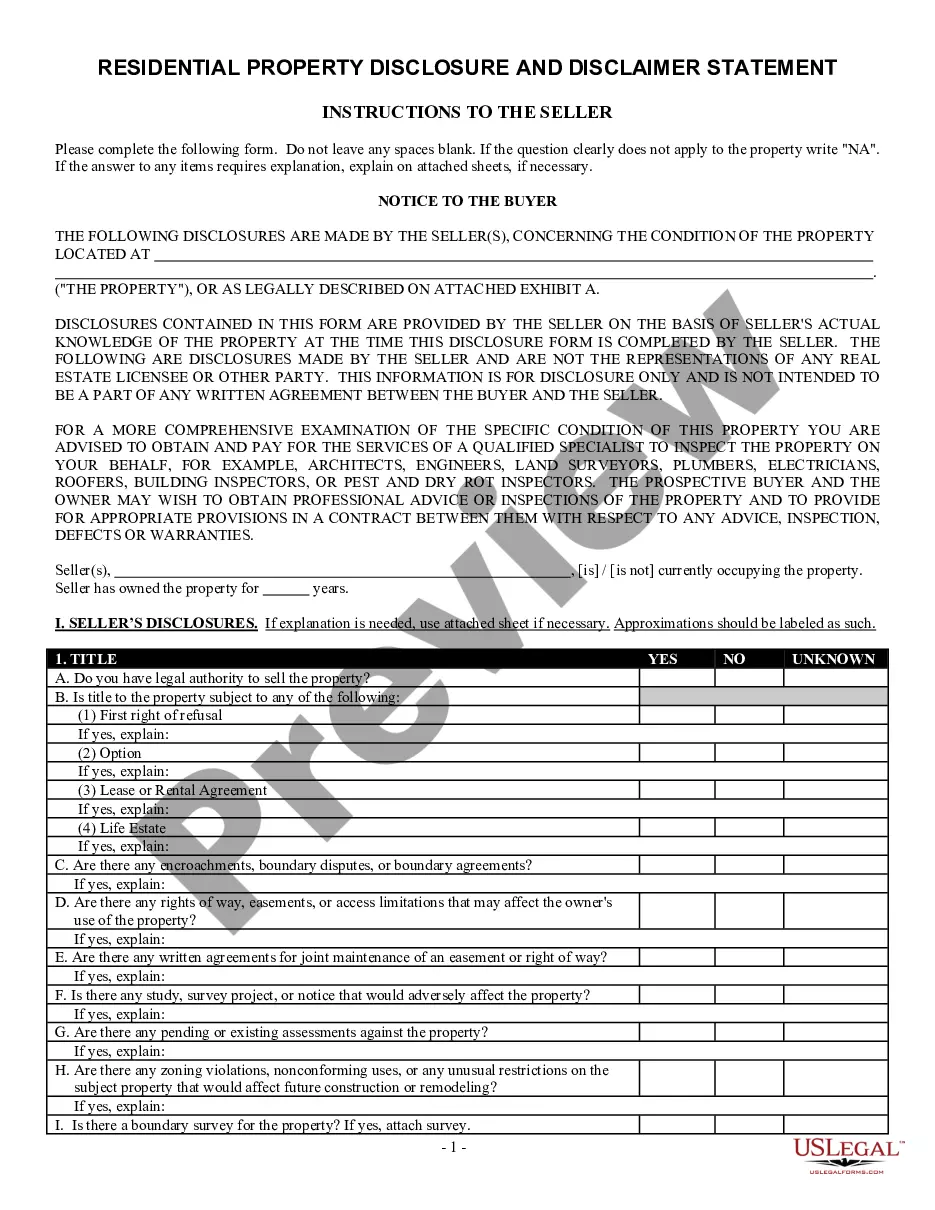
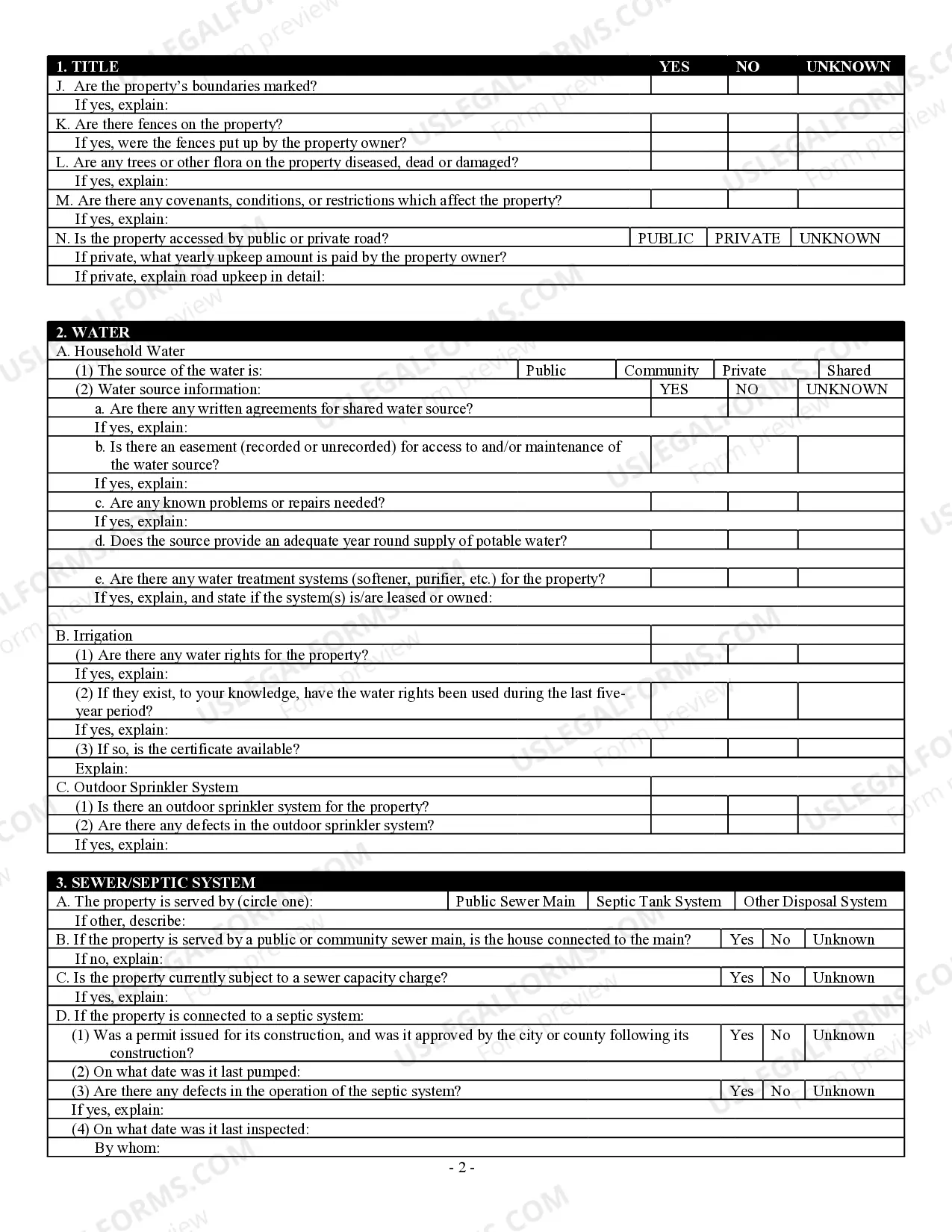
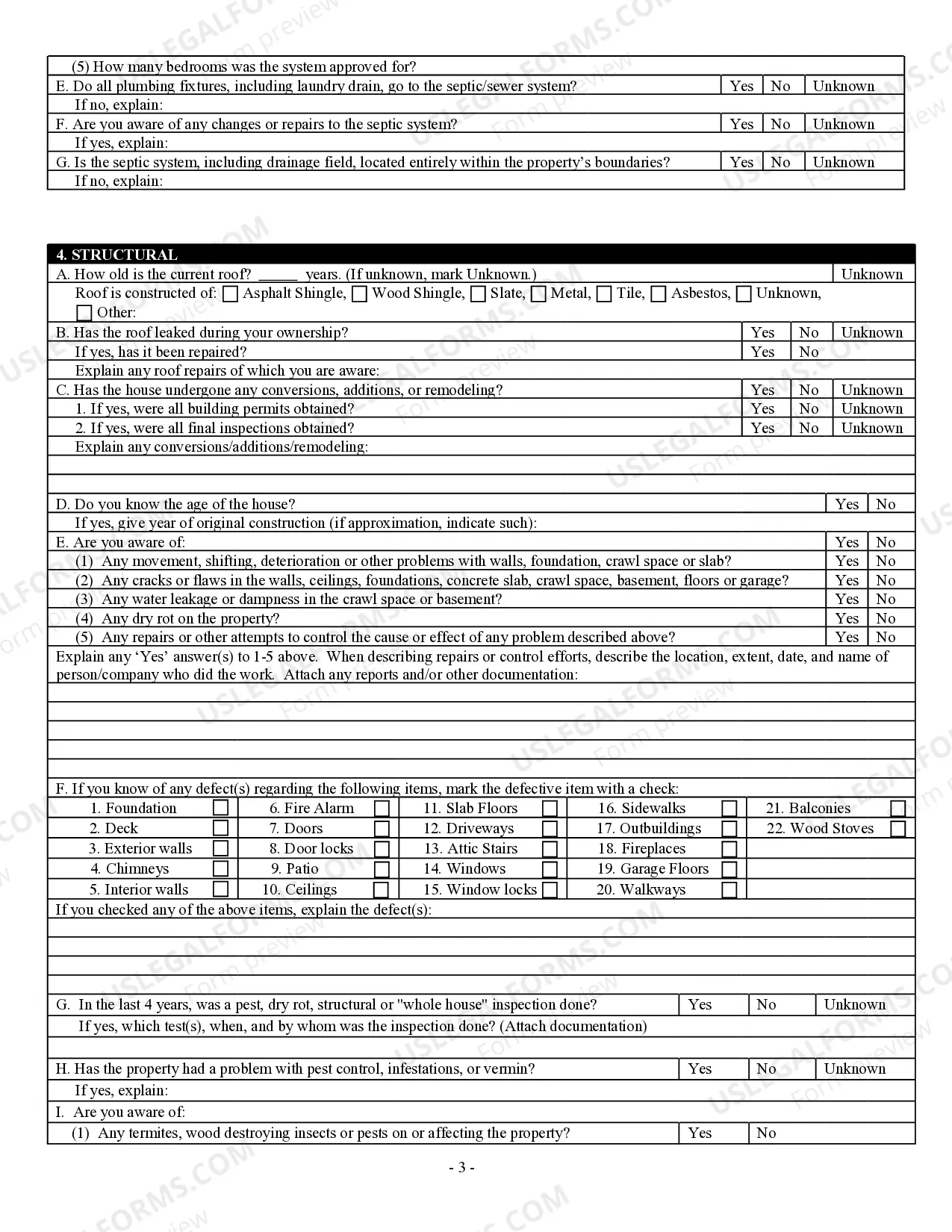
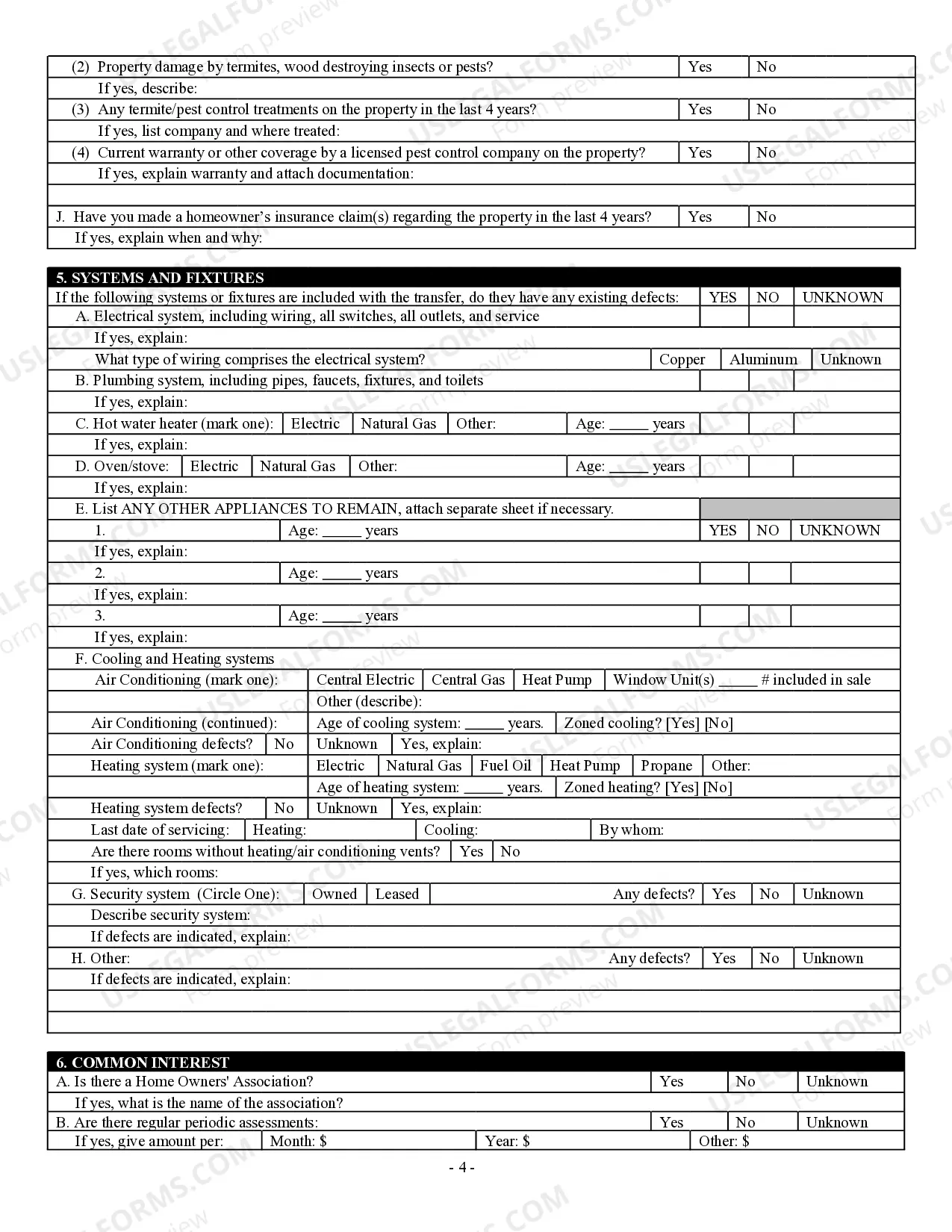
How to fill out Georgia Residential Real Estate Sales Disclosure Statement?
Regardless of whether it is for professional reasons or personal matters, everyone must handle legal circumstances at some point in their lives.
Completing legal paperwork requires meticulous focus, starting with selecting the correct form template. For instance, if you choose an incorrect edition of the Ga Disclosure Statement For Dbs, it will be rejected upon submission.
With an extensive US Legal Forms catalog available, you won’t need to waste time searching for the appropriate sample online. Utilize the library’s user-friendly navigation to find the right document for any situation.
- Acquire the sample you need by using the search bar or catalog browsing.
- Review the form’s details to confirm it suits your situation, jurisdiction, and locality.
- Click on the form’s preview to inspect it.
- If it is the wrong document, return to the search feature to locate the Ga Disclosure Statement For Dbs template you need.
- Obtain the file when it meets your specifications.
- If you possess a US Legal Forms account, simply click Log in to access previously stored templates in My documents.
- If you do not yet have an account, you can acquire the form by clicking Buy now.
- Select the appropriate pricing option.
- Complete the account registration form.
- Choose your payment method: you can use a credit card or PayPal.
- Select the file format you desire and download the Ga Disclosure Statement For Dbs.
- Once saved, you can fill out the form using editing software or print it and complete it by hand.
Form popularity
FAQ
Disclosures are indeed required in Georgia for real estate transactions. Sellers must fill out a Georgia disclosure statement for dbs to disclose any material facts about the property. This requirement protects buyers and encourages honesty in real estate dealings. If you need assistance with drafting or understanding disclosures, consider our platform for helpful templates and guidance.
Yes, Georgia is considered a full disclosure state. This means sellers must provide a Georgia disclosure statement for dbs detailing any known issues or defects with the property. Full disclosure fosters trust between buyers and sellers, ensuring both parties understand the property's condition. This approach also helps reduce the risk of legal disputes after the sale.
A Medicaid disclosure form is a document that outlines financial and personal information related to Medicaid eligibility. This form helps determine if an individual qualifies for Medicaid assistance for healthcare services. Understanding this form is essential for applicants, as it ensures compliance with state regulations. For guidance, you can refer to our resources on completing the Georgia disclosure statement for dbs.
Yes, property disclosures are required in Georgia. Sellers must complete a Georgia disclosure statement for dbs to inform potential buyers about the condition of the property. This document covers various aspects, such as structural issues, pest problems, and any known defects. By providing this information, sellers promote transparency and help buyers make informed decisions.
While Georgia law does not require a seller to fill out a formal disclosure form, it's still a good idea to complete a disclosure statement. A seller should make sure that their buyer is fully informed about the condition of the house.
They must disclose to home buyers "All adverse material facts pertaining to the physical condition of the property and improvements located on such property." This might include such issues as basic material defects, environmental contamination, and any facts that statutes or regulations require to disclosure of, if ...
Under Georgia Law, a seller does not need to disclose obvious defects, that a previous resident had a non-transmittable disease, or that a violent death occurred on the property.
Although the law requires California residents to disclose any death that's occurred in the home within the last three years, it's best practice for a seller to disclose anything they know about the home, a real estate agent said.
Georgia Death Disclosure Georgia has no requirement to disclose death.