60 Days Away
Description

Get your form ready online
Our built-in tools help you complete, sign, share, and store your documents in one place.
Make edits, fill in missing information, and update formatting in US Legal Forms—just like you would in MS Word.
Download a copy, print it, send it by email, or mail it via USPS—whatever works best for your next step.
Sign and collect signatures with our SignNow integration. Send to multiple recipients, set reminders, and more. Go Premium to unlock E-Sign.
If this form requires notarization, complete it online through a secure video call—no need to meet a notary in person or wait for an appointment.
We protect your documents and personal data by following strict security and privacy standards.

Make edits, fill in missing information, and update formatting in US Legal Forms—just like you would in MS Word.

Download a copy, print it, send it by email, or mail it via USPS—whatever works best for your next step.

Sign and collect signatures with our SignNow integration. Send to multiple recipients, set reminders, and more. Go Premium to unlock E-Sign.

If this form requires notarization, complete it online through a secure video call—no need to meet a notary in person or wait for an appointment.

We protect your documents and personal data by following strict security and privacy standards.
Looking for another form?
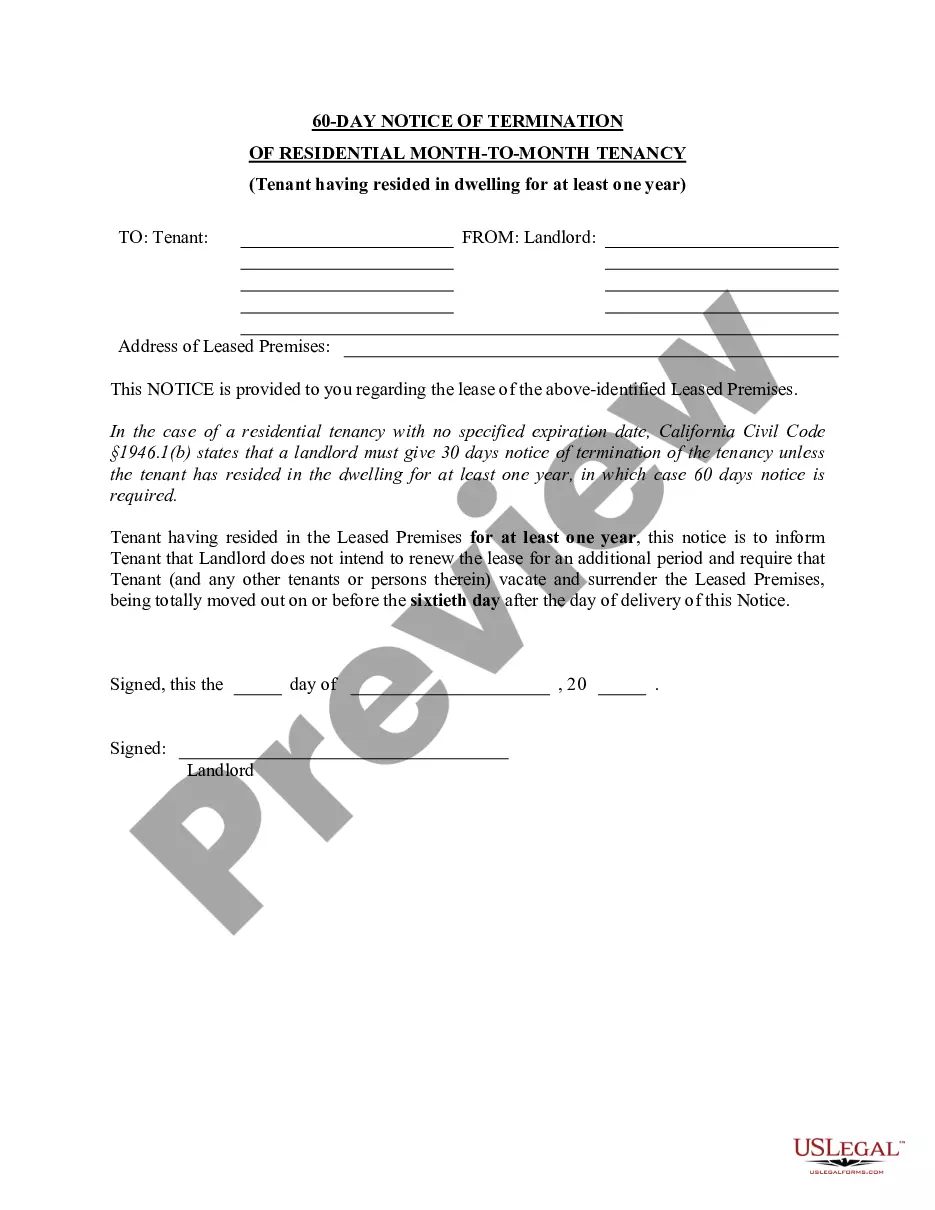





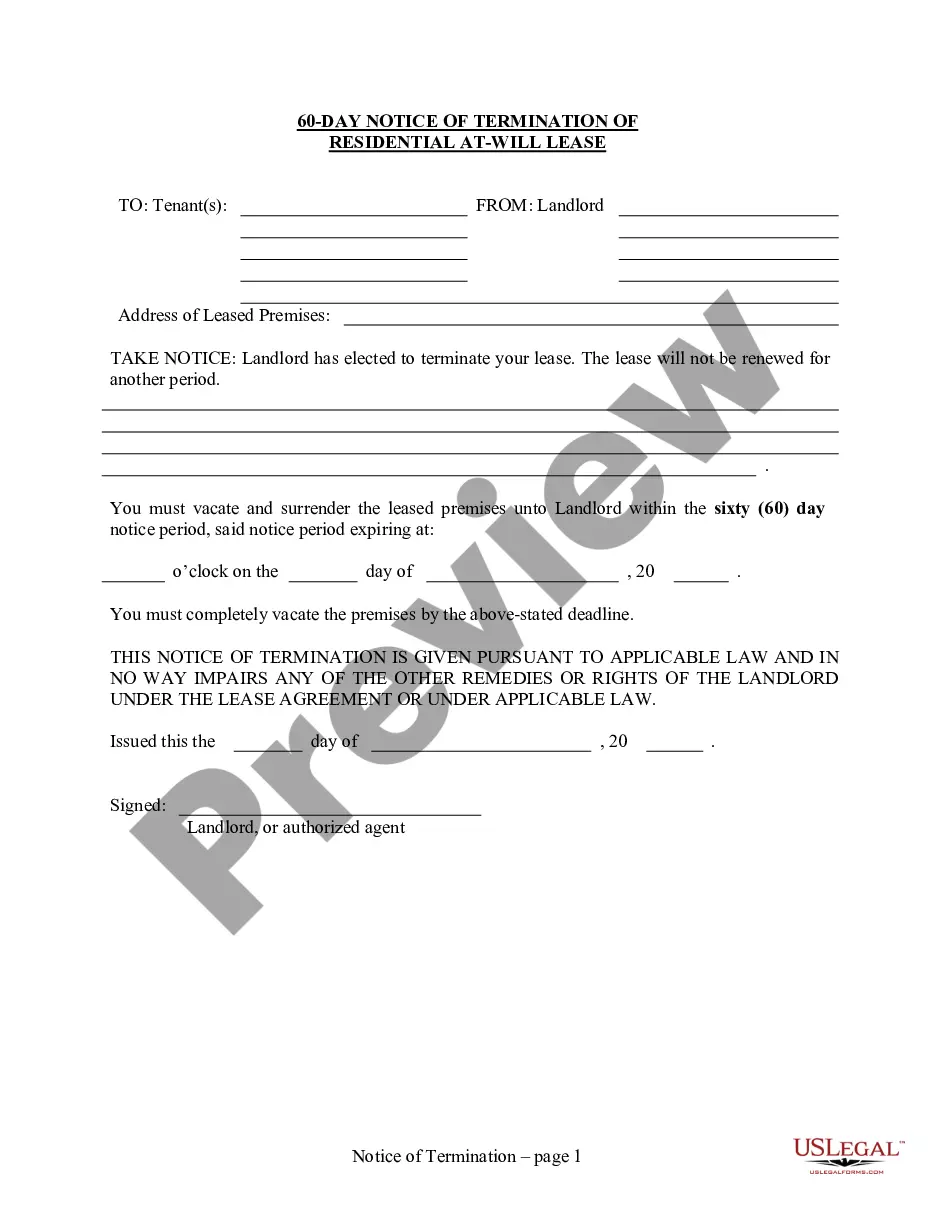
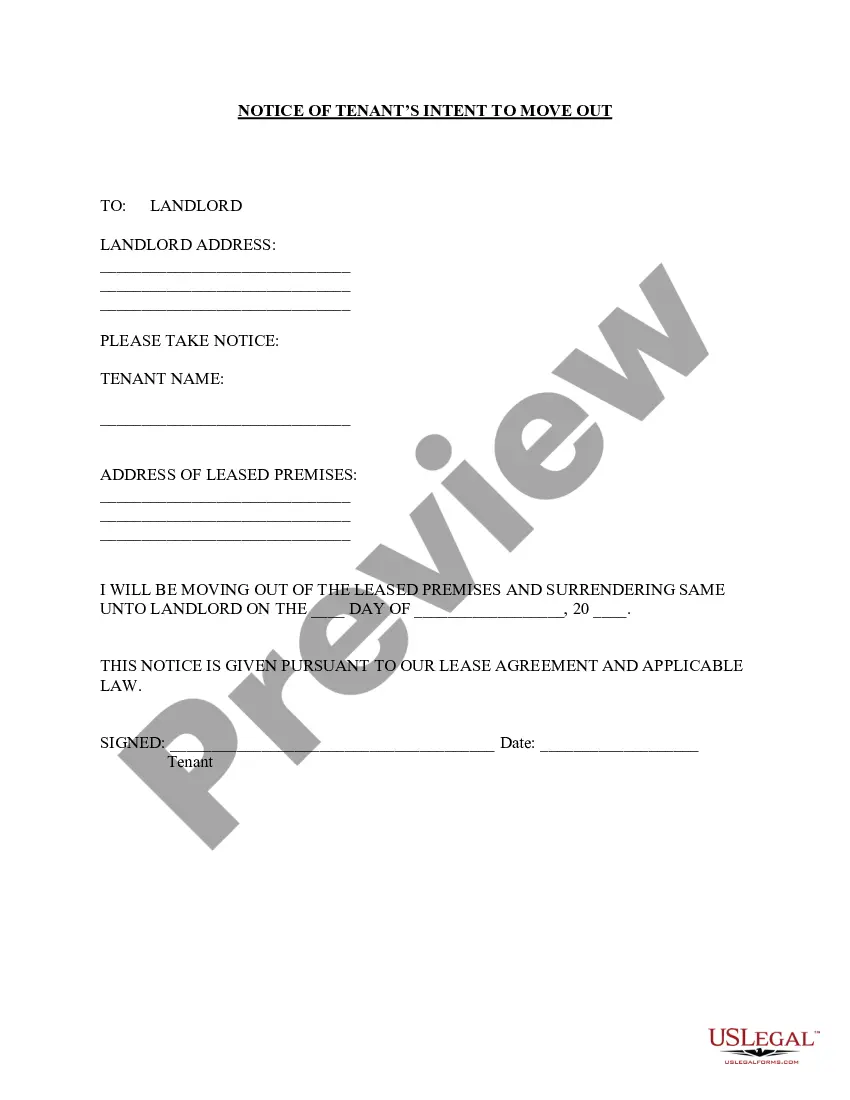
How to fill out Georgia 60 Day Notice To Terminate At-Will Lease From Landlord To Tenant?
- Log in to your account if you're a returning user and ensure your subscription is active. Download the needed form template directly to your device by selecting the Download button.
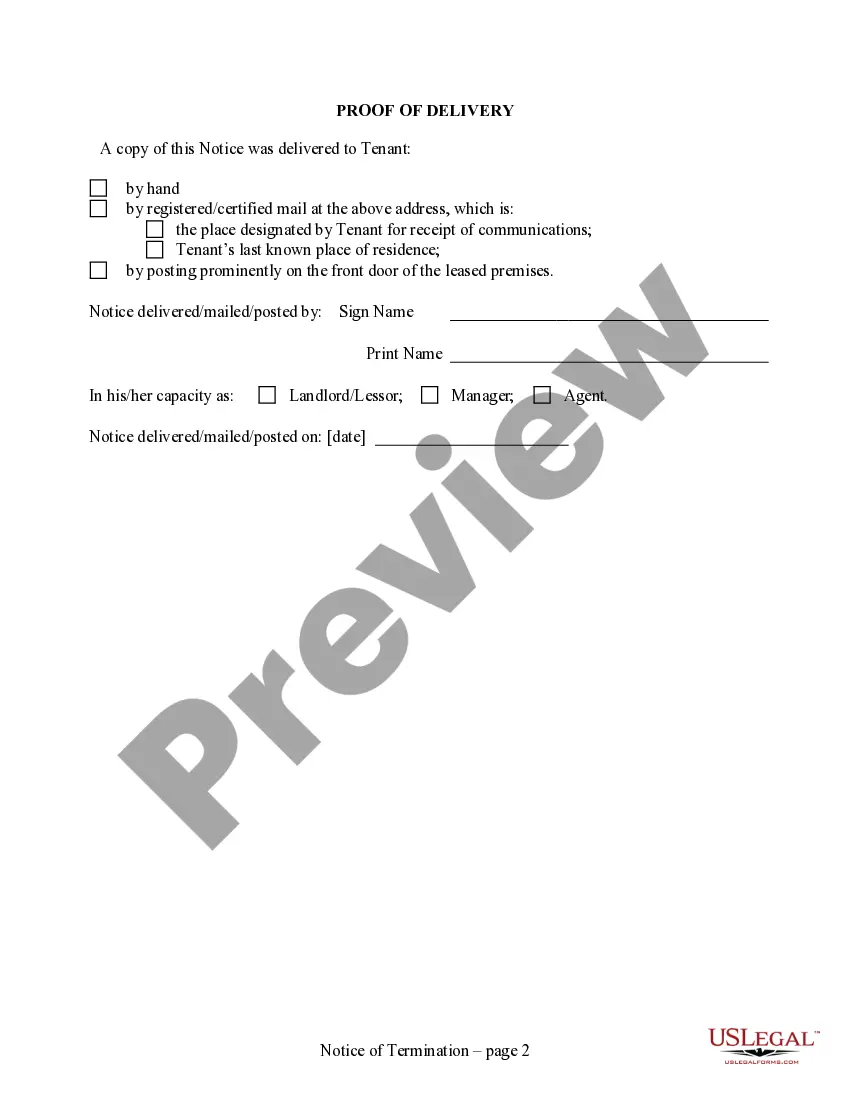
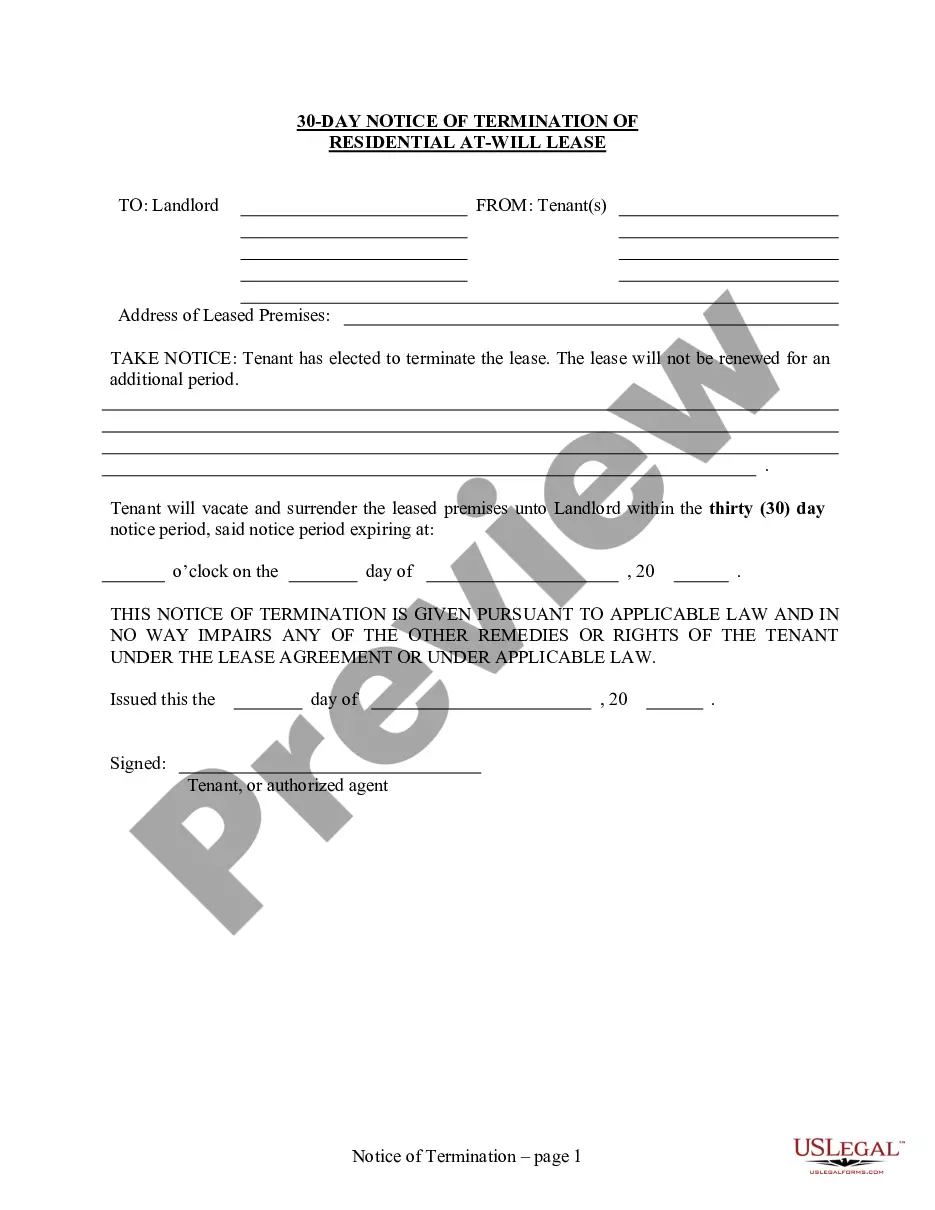
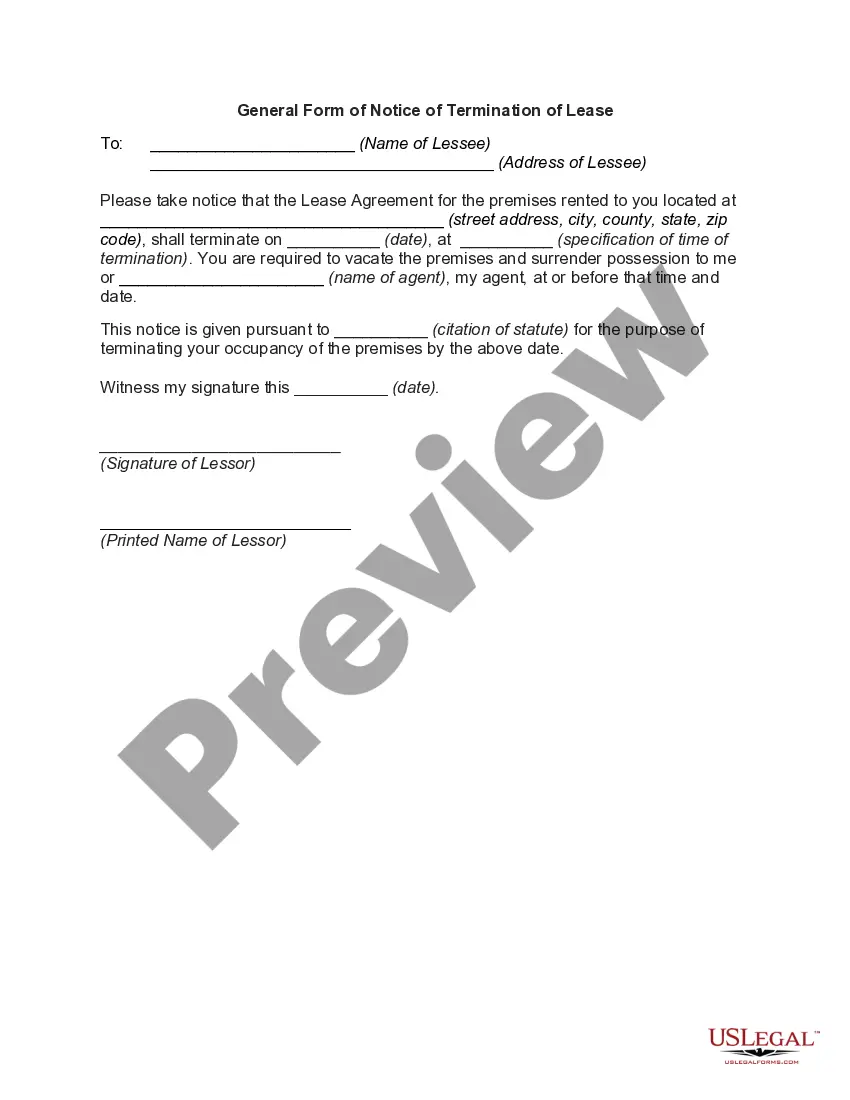
- For new users, start by reviewing the Preview mode and description of the forms. Confirm that you've selected the correct template that fits your needs and local regulations.
- If you need a different template, use the Search feature to find the appropriate one. Once you've found it, proceed to the next step.
- Purchase the desired document by clicking on the Buy Now button, selecting a subscription plan that suits you, and registering for an account to access the library.
- Complete your purchase by entering your credit card details or using your PayPal account to finalize the subscription.
- Download your form after payment. You can access it at any time from the My Forms section in your profile for convenience.
US Legal Forms offers a robust collection of over 85,000 editable legal templates, significantly more than competitors. With premium expert assistance available, users can ensure their documents are not only accurate but legally sound as well.
Start your journey to hassle-free legal documentation today. Sign up for US Legal Forms, and take advantage of this extensive library for all your legal needs!
Form popularity
FAQ
Yes, you still need to report your 1099-R even if it was associated with a rollover. This helps the IRS track your transactions and prevents potential penalties. Ensuring proper reporting from the outset can save you stress, particularly if you're 60 days away from a tax deadline.
An IRS letter requesting 60 days typically indicates they need more time to evaluate your tax return or specific information related to your case. This is part of their standard procedure to ensure all details are correct. Knowing you are 60 days away from a decision can help you prepare for potential outcomes.
The waiting period of 60 days for your tax refund can be frustrating, but the IRS has specific processing times to ensure accuracy. If your return is flagged for review, it may extend the processing time. Staying informed about your tax return can help ease the wait.
Generally, a 60-day rollover is not considered a taxable event as long as you complete it within the allowed timeframe. However, if you miss that deadline, it may become taxable. Consulting resources from US Legal Forms can clarify how to handle rollovers effectively.
The IRS may take up to 60 days to complete their review process, particularly for complex returns or if they require additional information. It's prudent to check your status online or contact them if you have been waiting for an extended period. Being prepared can alleviate some anxiety during this timeframe.
Reporting a 60-day rollover requires submitting Form 5498 and Form 1099-R by the appropriate deadlines. These forms help the IRS track your retirement account transactions accurately. Make sure to keep copies of all documents, as you may be asked to provide them if you're 60 days away from an audit.
While it may seem like a standard waiting period, the IRS review process can be unpredictable. Some returns might be reviewed faster, but some may indeed take up to 60 days or longer due to various factors. Understanding this timeline can help you manage your expectations better.
Yes, all rollovers typically need to be reported on your tax return. This includes any 60-day rollovers you may have completed. Failing to report properly could result in complications, so it’s advisable to consult resources from US Legal Forms to guide you through this reporting process.
To report a 60-day rollover, you will need to include specific details when filing your tax return. Make sure to fill out the appropriate forms, like Form 1099-R, depending on the nature of the rollover. Simply put, if you made a 60-day rollover, be prepared to keep thorough documentation to avoid issues down the line.
The time it takes for the IRS to review documents can vary greatly, depending on the complexity of your case. In many instances, you may be 60 days away from hearing back from the IRS, especially for returns that require detailed scrutiny or additional information. Patience is key during this process.