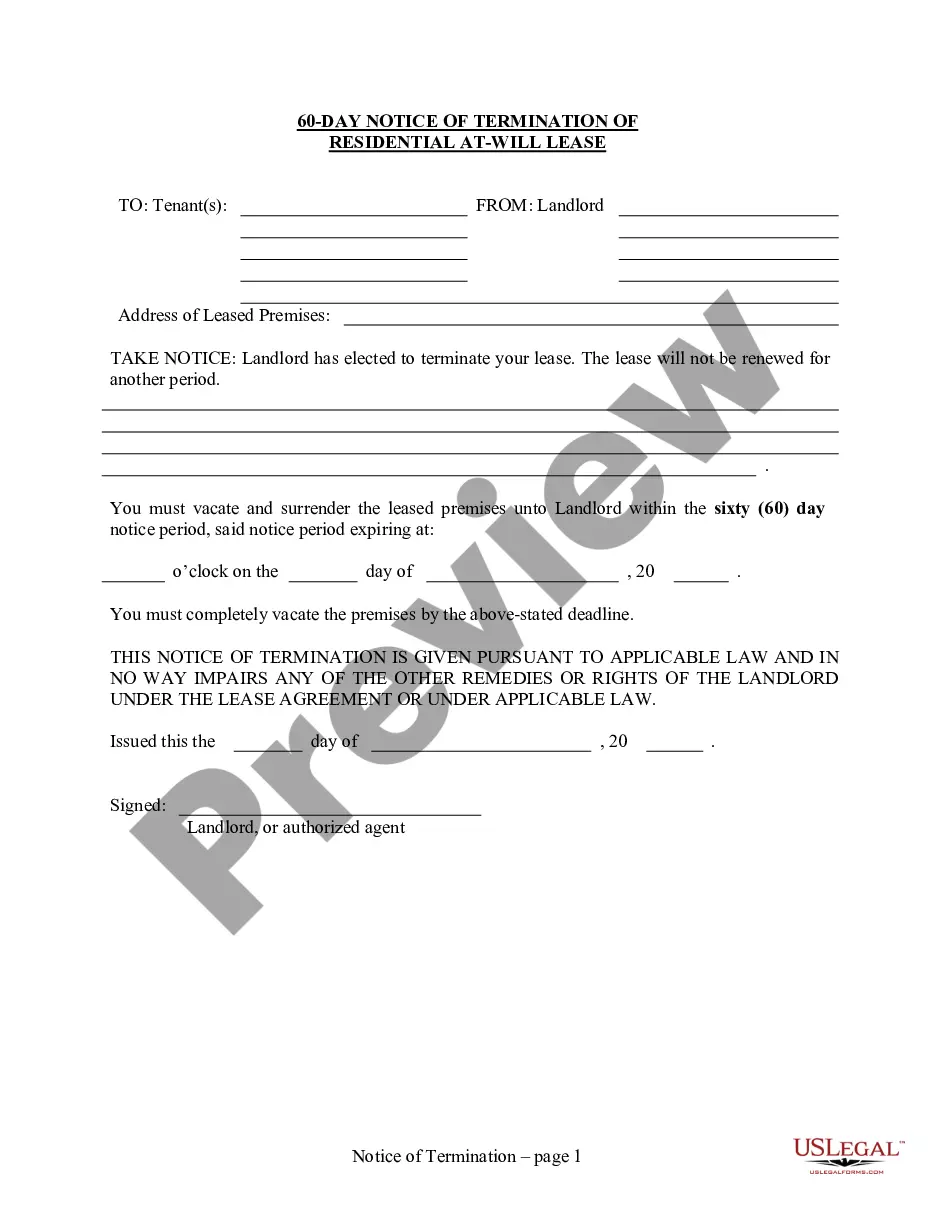
60 Day Notice Form California
Description

Get your form ready online
Our built-in tools help you complete, sign, share, and store your documents in one place.
Make edits, fill in missing information, and update formatting in US Legal Forms—just like you would in MS Word.
Download a copy, print it, send it by email, or mail it via USPS—whatever works best for your next step.
Sign and collect signatures with our SignNow integration. Send to multiple recipients, set reminders, and more. Go Premium to unlock E-Sign.
If this form requires notarization, complete it online through a secure video call—no need to meet a notary in person or wait for an appointment.
We protect your documents and personal data by following strict security and privacy standards.

Make edits, fill in missing information, and update formatting in US Legal Forms—just like you would in MS Word.

Download a copy, print it, send it by email, or mail it via USPS—whatever works best for your next step.

Sign and collect signatures with our SignNow integration. Send to multiple recipients, set reminders, and more. Go Premium to unlock E-Sign.

If this form requires notarization, complete it online through a secure video call—no need to meet a notary in person or wait for an appointment.

We protect your documents and personal data by following strict security and privacy standards.
Looking for another form?
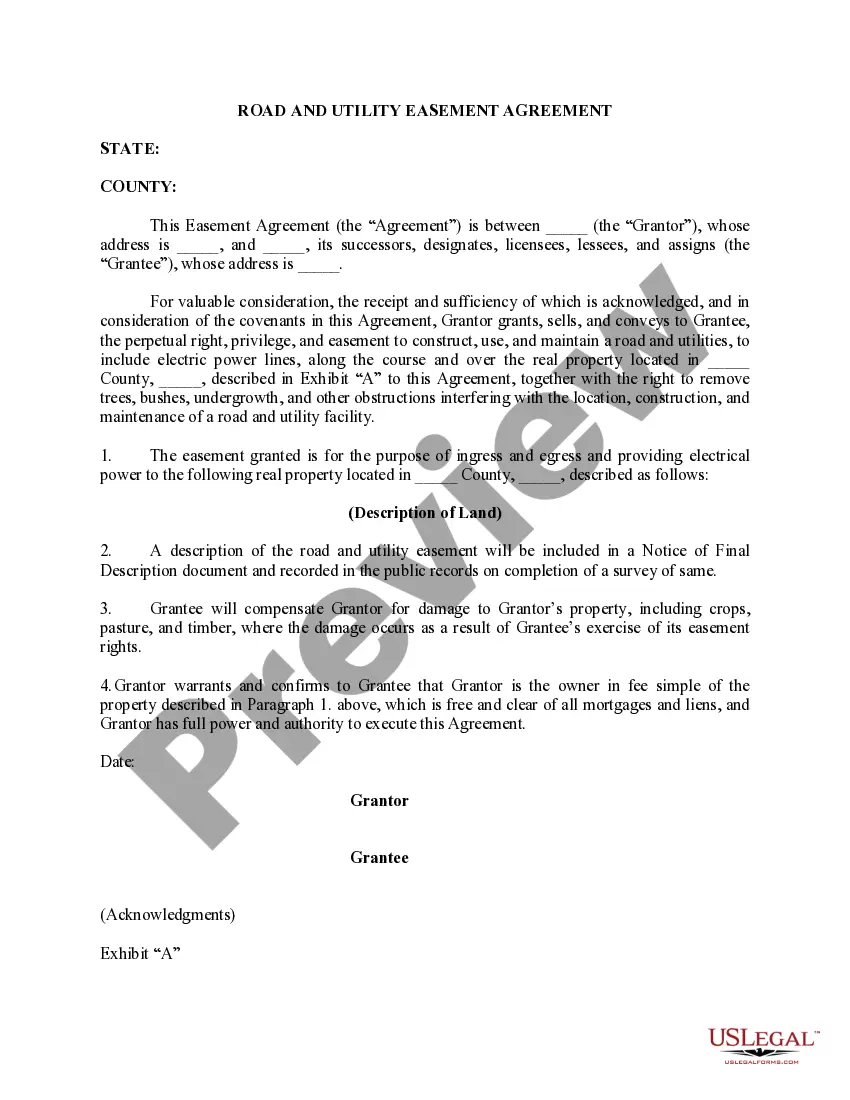


How to fill out Georgia 60 Day Notice To Terminate At-Will Lease From Landlord To Tenant?
Accessing legal document templates that comply with both federal and local regulations is crucial, and the web presents a multitude of choices to select from.
However, what's the benefit of spending time looking for the appropriate 60 Day Notice Form California sample online when the US Legal Forms digital repository already consolidates such templates in one location.
US Legal Forms is the largest online legal database featuring over 85,000 fillable templates created by attorneys for various business and personal circumstances.
All templates available through US Legal Forms are reusable. To download and complete earlier acquired forms, access the My documents section in your account. Experience the most comprehensive and user-friendly legal documentation service!
- They are easy to navigate with all documents categorized by state and intended use.
- Our experts stay updated with legislative modifications, ensuring that your form is current and compliant when you obtain a 60 Day Notice Form California from our site.
- Acquiring a 60 Day Notice Form California is quick and straightforward for both existing and new users.
- If you possess an account with an active subscription, Log In and save the document template you require in the desired format.
- If you are unfamiliar with our website, follow the steps outlined below.
Form popularity
FAQ
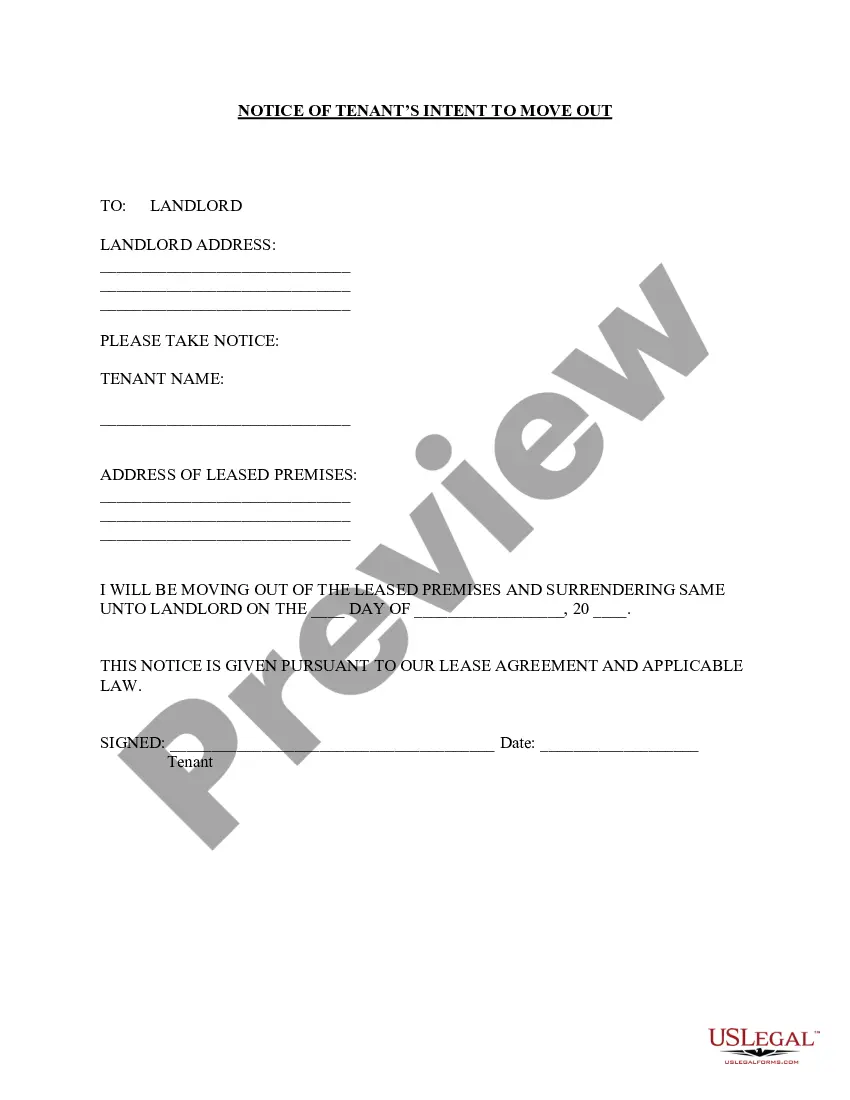
When writing a 60-day notice to a tenant in California, start by clearly stating the tenant's name and property address. Follow this with a formal statement indicating the notice period and the last day the tenant may occupy the property. It's advisable to utilize a reliable 60 day notice form California to ensure that all legal requirements are met and to enhance clarity. Make sure to sign and date the notice as well, to confirm its authenticity.
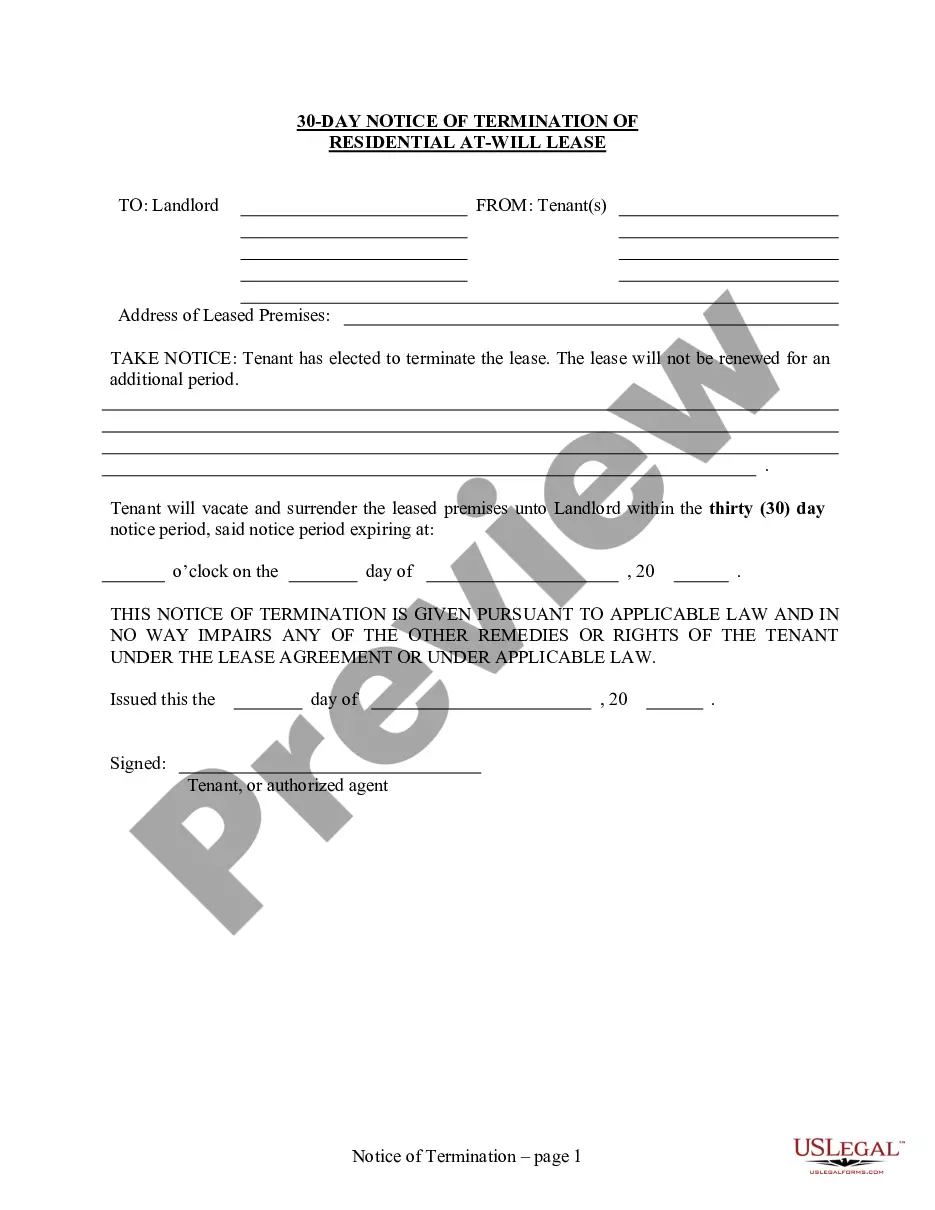
A typical template for a 60-day notice from a tenant includes several key components. Begin with your name, address, and the date, followed by your landlord's details. Clearly state your intention to terminate your tenancy and the specific moving-out date, while ensuring to follow a proper 60 day notice form California. You should also keep a copy for your records and send it in a way that provides proof of delivery.
To write a 60-day vacate letter, start by addressing your landlord clearly, stating your intention to vacate the property. Next, include the date you wish to move out and ensure it aligns with the 60-day requirement. Using a structured 60 day notice form California can help you format the letter correctly, ensuring you cover all necessary points without missing important details. Finally, sign the letter to formalize your request.
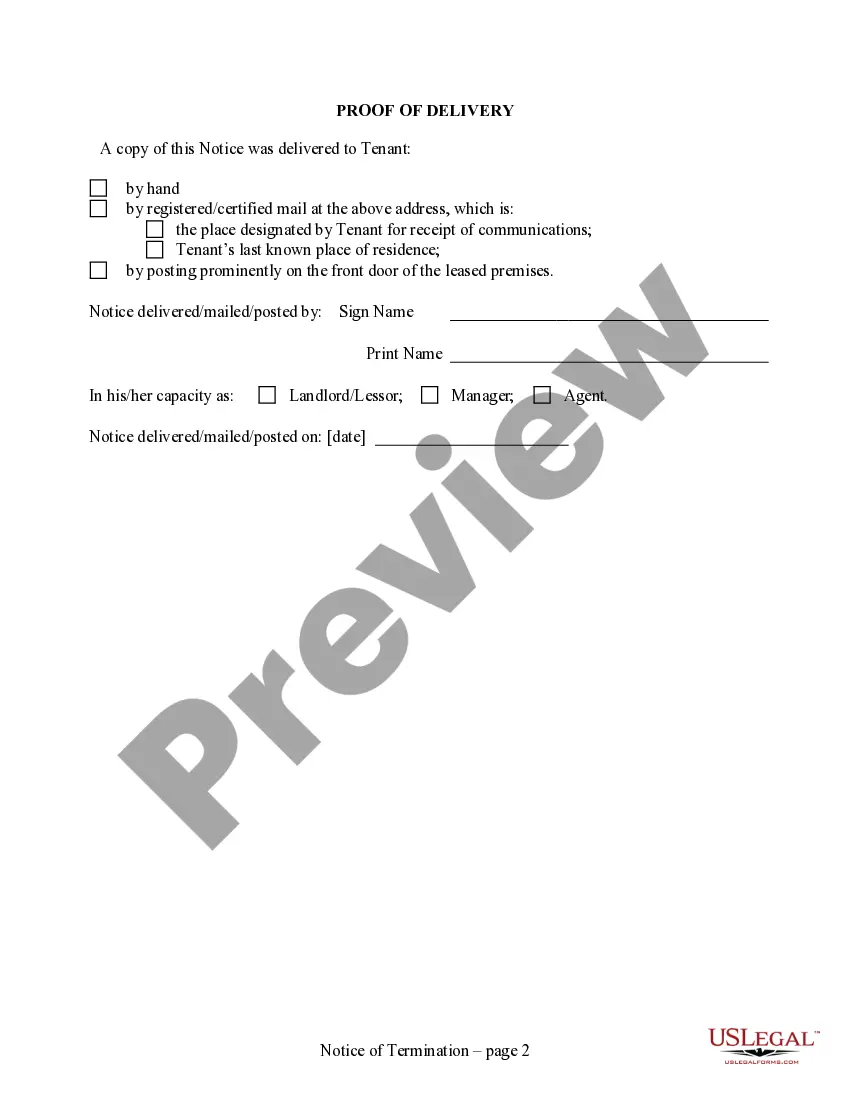
To count a 60-day notice in California, you begin on the day you deliver the notice to your tenant. This notice must be a full 60 days, excluding the delivery date, and ensure that you track weekends and holidays. It is essential to provide this notice in writing and to use a proper 60 day notice form California to avoid any confusion. Always consider sending the notice via certified mail for extra confirmation.
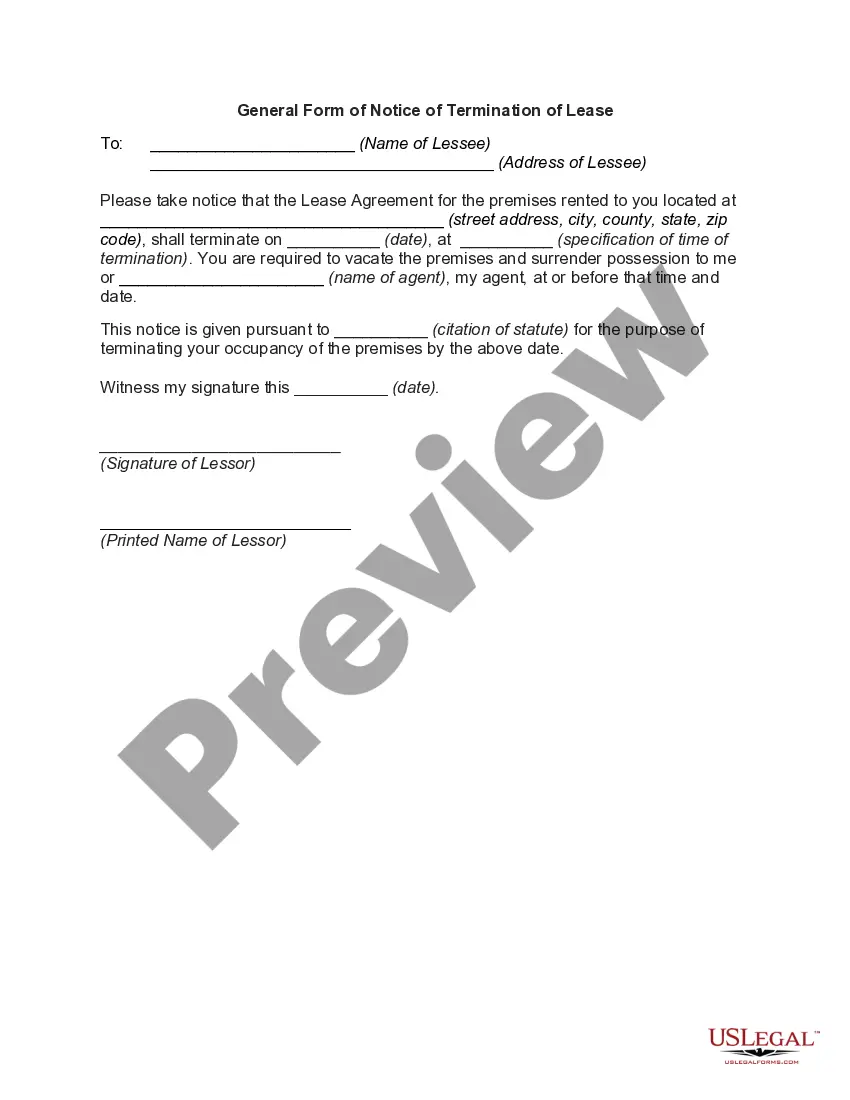
An example of a notice to vacate letter includes your name, address, today's date, and your landlord's name and address. It states your intent to vacate the property and includes the specific move-out date, aligning with the requirements of a 60 day notice form California. Always remember to request confirmation of receipt to ensure clarity and keep a copy for your records. You can access easy-to-use examples through US Legal Forms.
Writing a 60 day vacate letter involves stating your intent to leave clearly and professionally. Start with your information, include the date, and then your landlord’s details, followed by a statement indicating you’re giving a 60-day notice. Reference the lease or rental agreement, and ensure you request confirmation of your notice to avoid any disputes. You can find templates on the 60 day notice form California for guidance.
Navigating around a 60-day notice to vacate can be tricky but there are options. If you face specific circumstances, like a financial hardship, discuss these openly with your landlord. In some cases, they may agree to a shorter notice. For clear guidelines, refer to the 60 day notice form California on US Legal Forms which provides templates and advice tailored to your situation.
When writing a letter to ask someone to leave your house, be direct and polite. Clearly state your request to vacate, along with the specific date by which they should leave, using the format of a 60 day notice form California. It’s important to mention any arrangements for returning their property or deposits. Effective communication is key to ensuring a smooth transition.
To write a 60-day move out letter, start with your address and the date at the top. Include the landlord's address next, and then clearly state your intention to vacate the property, referencing the 60 day notice form California. Be sure to include your departure date and ask for confirmation of receipt. This ensures both parties are on the same page regarding your move-out timeline.
Yes, a 60-day notice to vacate is legal in California, provided it complies with local and state laws. This notice is typically required when a landlord wants a tenant to leave after the lease has ended. It is a proactive way to manage rental agreements and ensure all parties are informed. Using a properly structured 60 day notice form California can help prevent misunderstandings and legal issues.