Real Estate Developer - Tradução
Description

Get your form ready online
Our built-in tools help you complete, sign, share, and store your documents in one place.
Make edits, fill in missing information, and update formatting in US Legal Forms—just like you would in MS Word.
Download a copy, print it, send it by email, or mail it via USPS—whatever works best for your next step.
Sign and collect signatures with our SignNow integration. Send to multiple recipients, set reminders, and more. Go Premium to unlock E-Sign.
If this form requires notarization, complete it online through a secure video call—no need to meet a notary in person or wait for an appointment.
We protect your documents and personal data by following strict security and privacy standards.

Make edits, fill in missing information, and update formatting in US Legal Forms—just like you would in MS Word.

Download a copy, print it, send it by email, or mail it via USPS—whatever works best for your next step.

Sign and collect signatures with our SignNow integration. Send to multiple recipients, set reminders, and more. Go Premium to unlock E-Sign.

If this form requires notarization, complete it online through a secure video call—no need to meet a notary in person or wait for an appointment.

We protect your documents and personal data by following strict security and privacy standards.
Looking for another form?
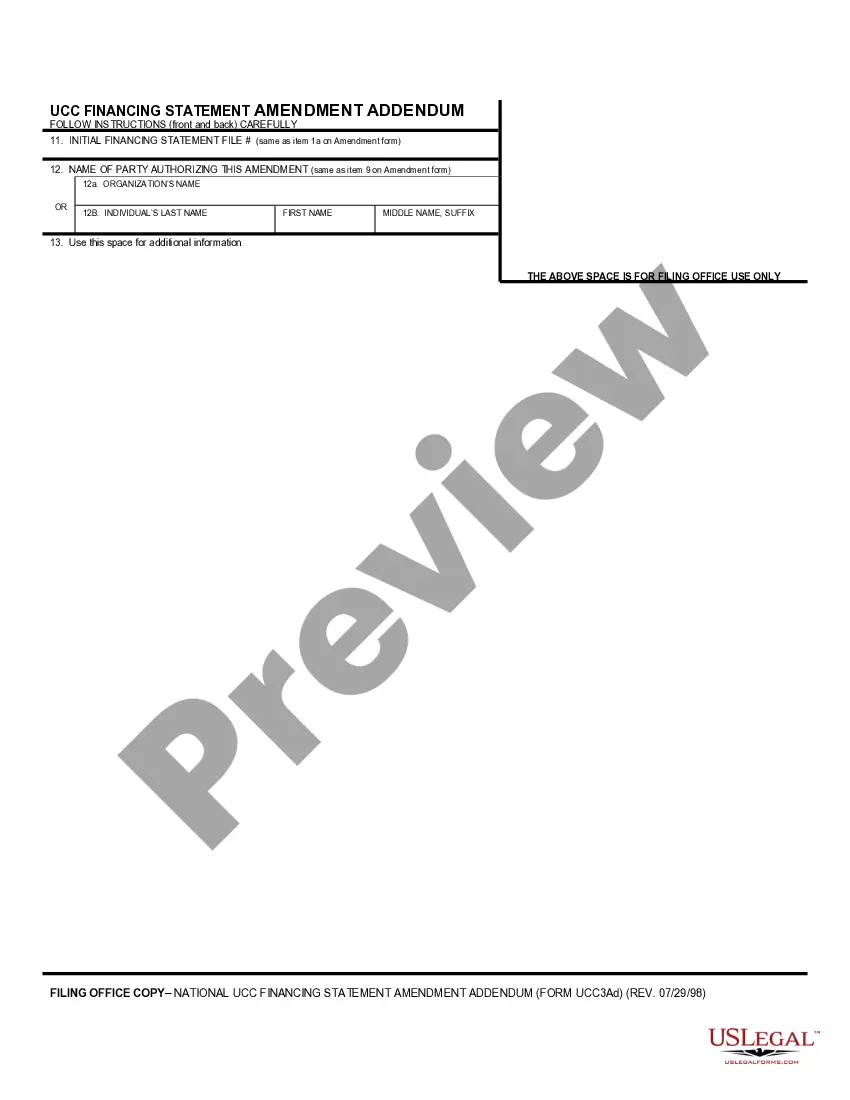



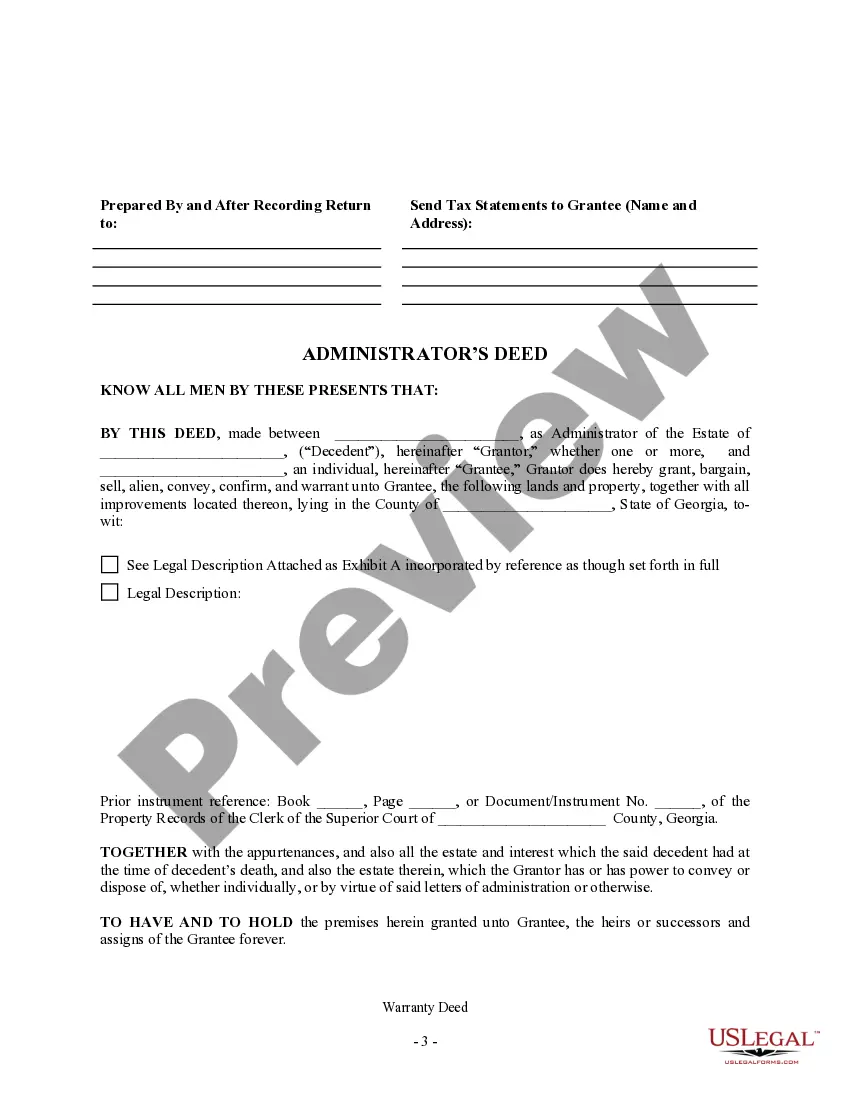
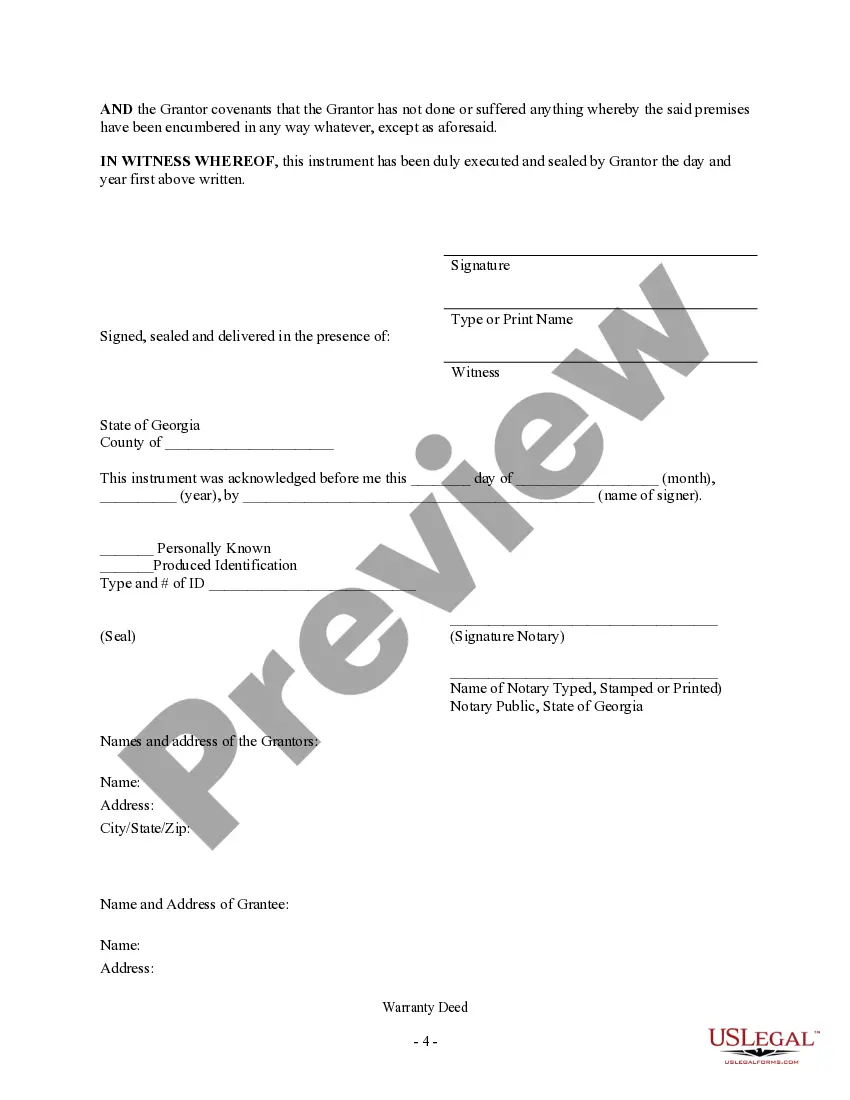
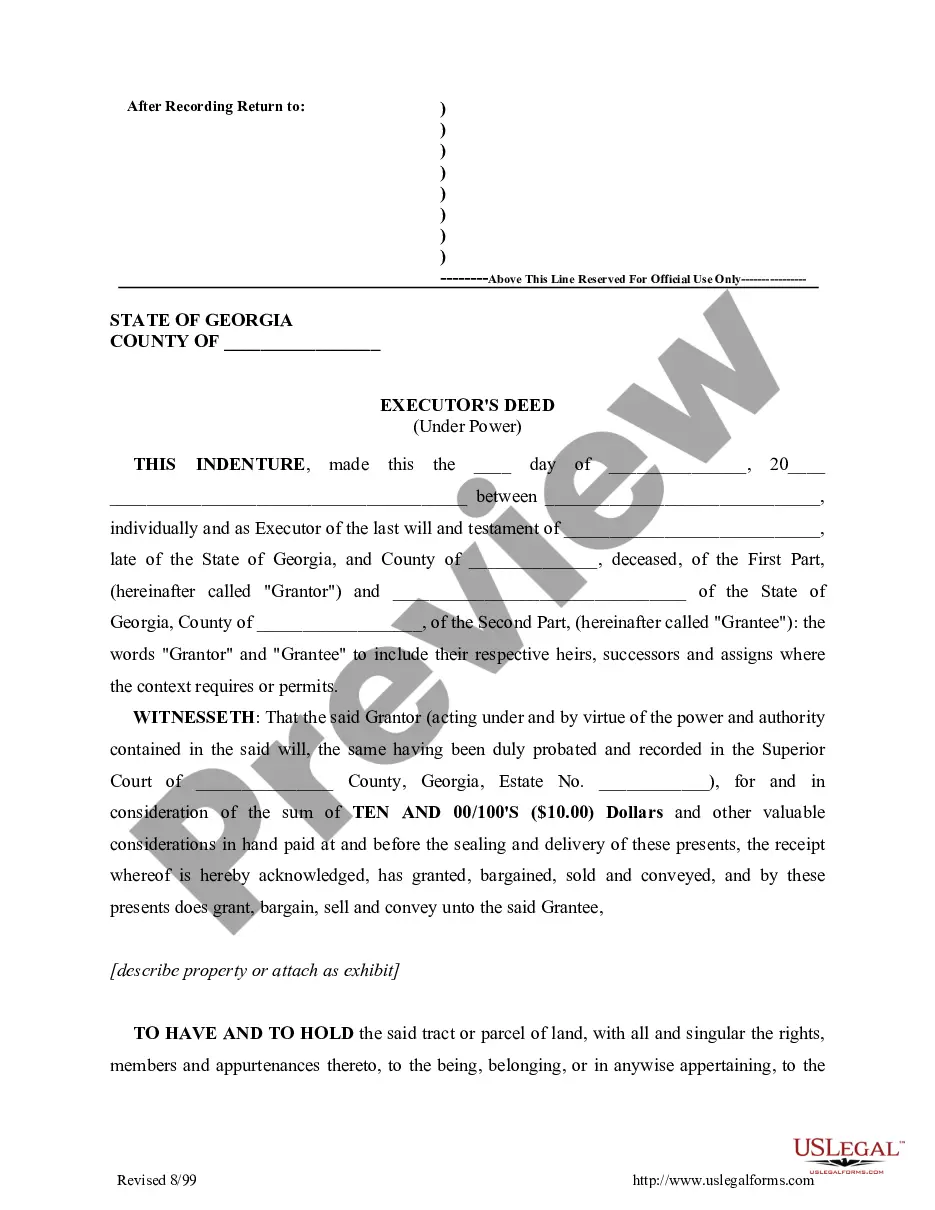
How to fill out Georgia Administrator's Deed?
- If you are an existing user, log into your account and locate the desired form template, then click the Download button. Make sure your subscription is active; if it’s expired, renew it according to your payment plan.
- For first-time users, start by previewing the form description to confirm it aligns with your specific needs and meets local jurisdiction requirements.
- If you require a different template, utilize the Search tab above to find alternatives that best suit your situation.
- Next, purchase the document by selecting the Buy Now button and choosing a subscription plan that fits your requirements. You will need to create an account for full access to the library.
- Process your payment by entering your credit card information or opting to pay through your PayPal account.
- Finally, download the form and save it on your device, which allows you to access it later in the My Forms section of your profile.
Using US Legal Forms offers significant advantages, thanks to its expansive collection of over 85,000 editable legal forms and packages. This resource not only empowers users to generate legal documents quickly but also ensures they are comprehensive and legally sound.
Start leveraging US Legal Forms today to enhance your real estate development projects with the legal documents you need!
Form popularity
FAQ
The NAICS code for a real estate developer falls under 236117, specifically for residential building construction. This code helps classify businesses engaged in residential development, whether single-family homes or multi-family units. Understanding this classification can benefit your business operations and reporting. To find legal documents needed for compliance, explore the offerings on US Legal Forms that relate to real estate development.
To enter the field as a real estate developer, begin by gaining relevant education in real estate, business, or finance. Pursue internships or entry-level positions that provide exposure to the development process. Networking is essential, so connect with experienced developers and industry professionals. Consider using platforms like US Legal Forms to find resources that simplify legal aspects of real estate development.
Yes, Donald Trump is indeed a real estate developer and has been involved in various high-profile projects. His ventures include luxury hotels, residential complexes, and golf courses. As a real estate developer - tradução, he has made significant impacts on urban landscapes and real estate markets. His brand represents a blend of real estate and entertainment, showcasing the diverse roles a developer can play in the industry.
Development fees typically range from 5% to 15% of total real estate costs. These fees cover various aspects such as project management, legal expenses, and application fees. If you are considering entering the real estate market or working with developers, understanding these costs is crucial. Uslegalforms can provide essential resources to help clarify development fees and guide you through the financial aspects.
A real estate developer is responsible for overseeing the entire process of property development. This includes securing land, obtaining the necessary permits, and supervising construction. The work of a real estate developer - tradução not only shapes neighborhoods but also contributes to the local economy. They bring together resources and expertise to create residential, commercial, or mixed-use properties.
The code for a real estate developer typically refers to identification codes used for various operational purposes, such as zoning or classification in public records. This code can vary by jurisdiction, and it often dictates regulations that developers must follow. For clarity, it is advisable to consult local government resources or platforms like uslegalforms to find the specific codes applicable in your area.
In many states, real estate developers do not require a specific license. However, certain aspects, like construction and real estate brokerage, may necessitate licenses or certifications. It is essential for a real estate developer - tradução to be aware of local regulations and requirements to ensure compliance and smooth project execution.
Becoming a real estate developer can be rewarding for individuals who enjoy taking risks and managing complex projects. The potential for significant financial gains and the satisfaction of creating new spaces can be motivating factors. However, it requires a solid understanding of the market and a commitment to learning, making it a worthwhile endeavor for the right person.
Real estate developers typically profit by purchasing land, constructing buildings, and then selling or leasing these properties. They invest in projects that add value over time, often targeting areas with growing demand. By carefully analyzing market trends and managing construction costs, a real estate developer - tradução can maximize returns.