Post Nuptial Agreement Georgia Foreign Agent Law
Description
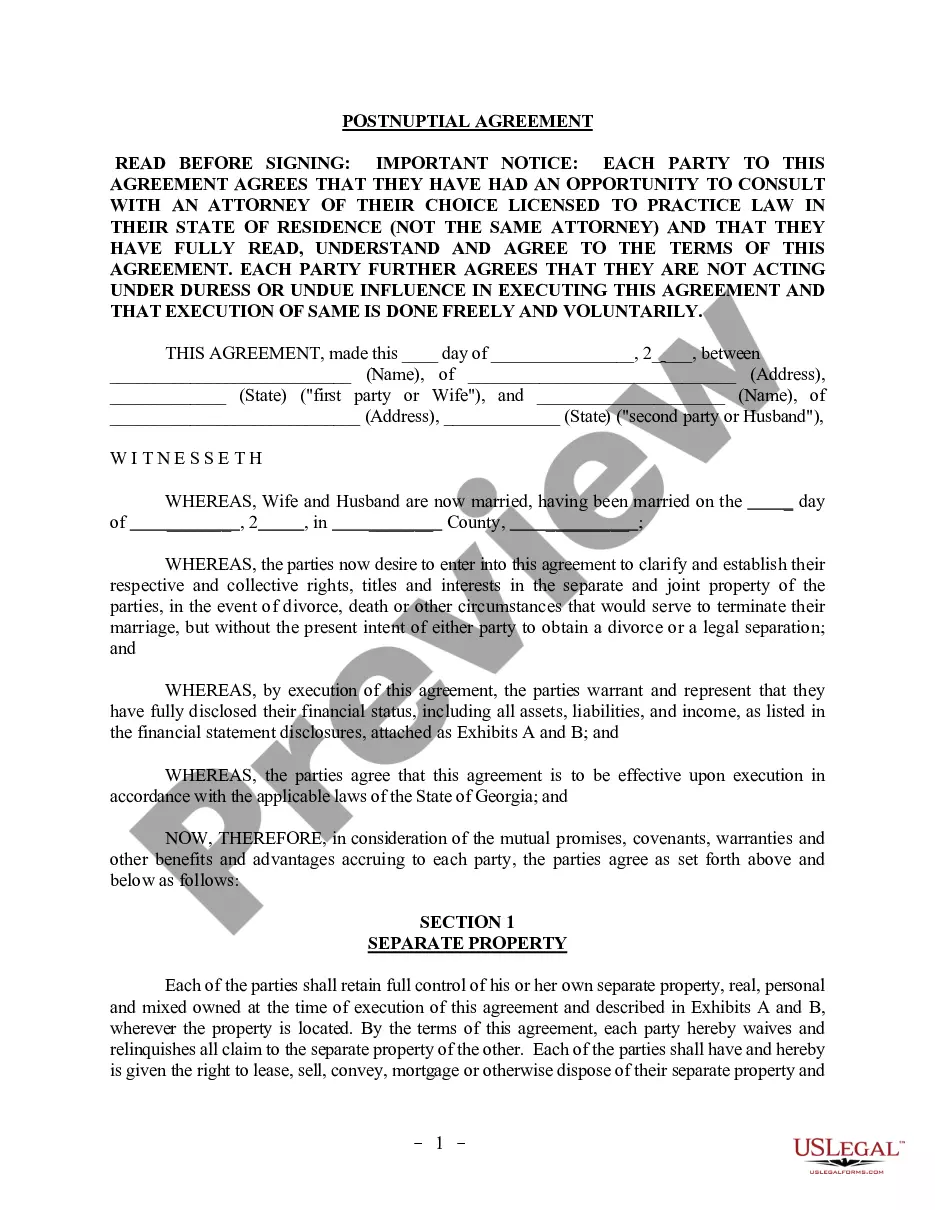
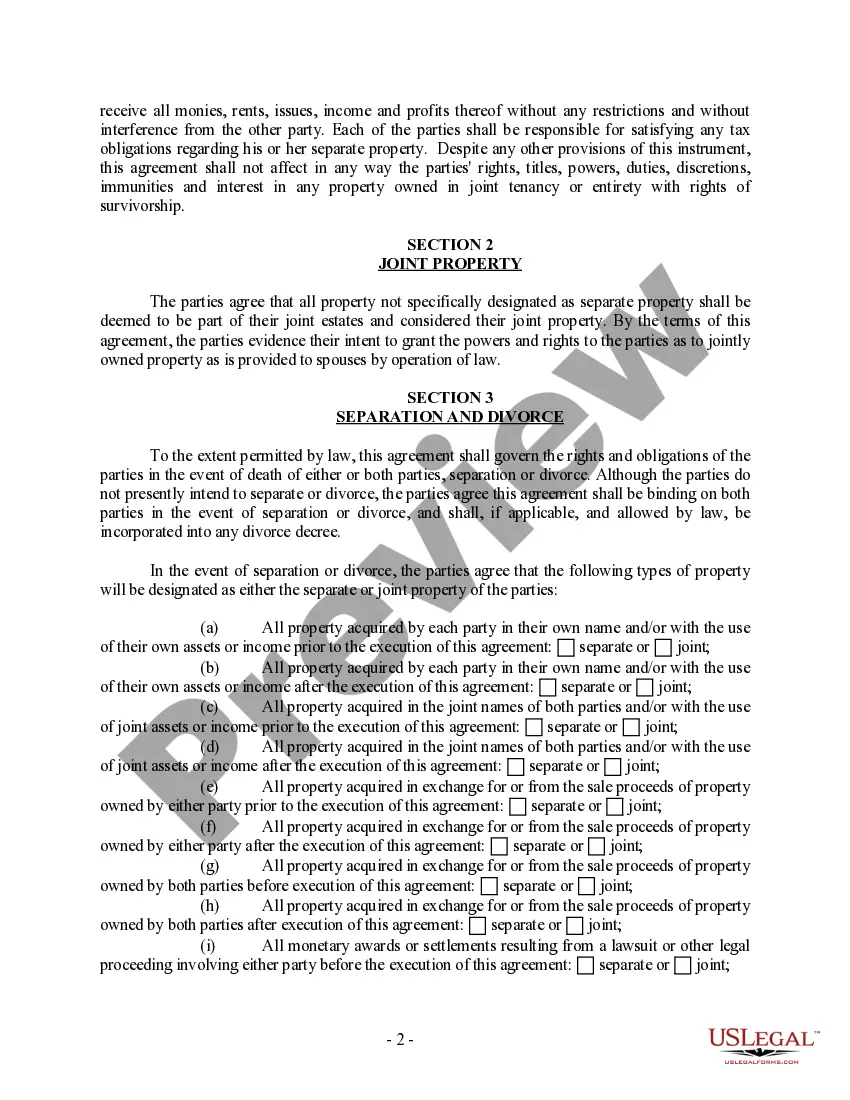
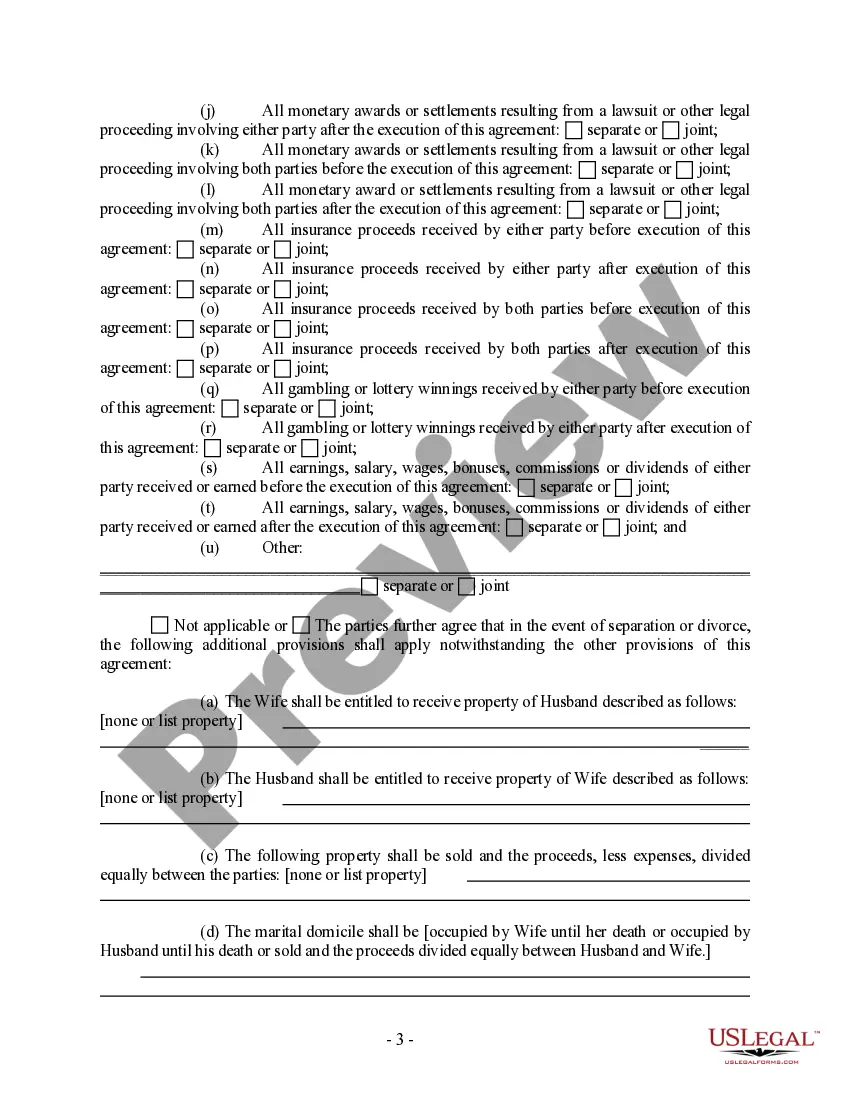
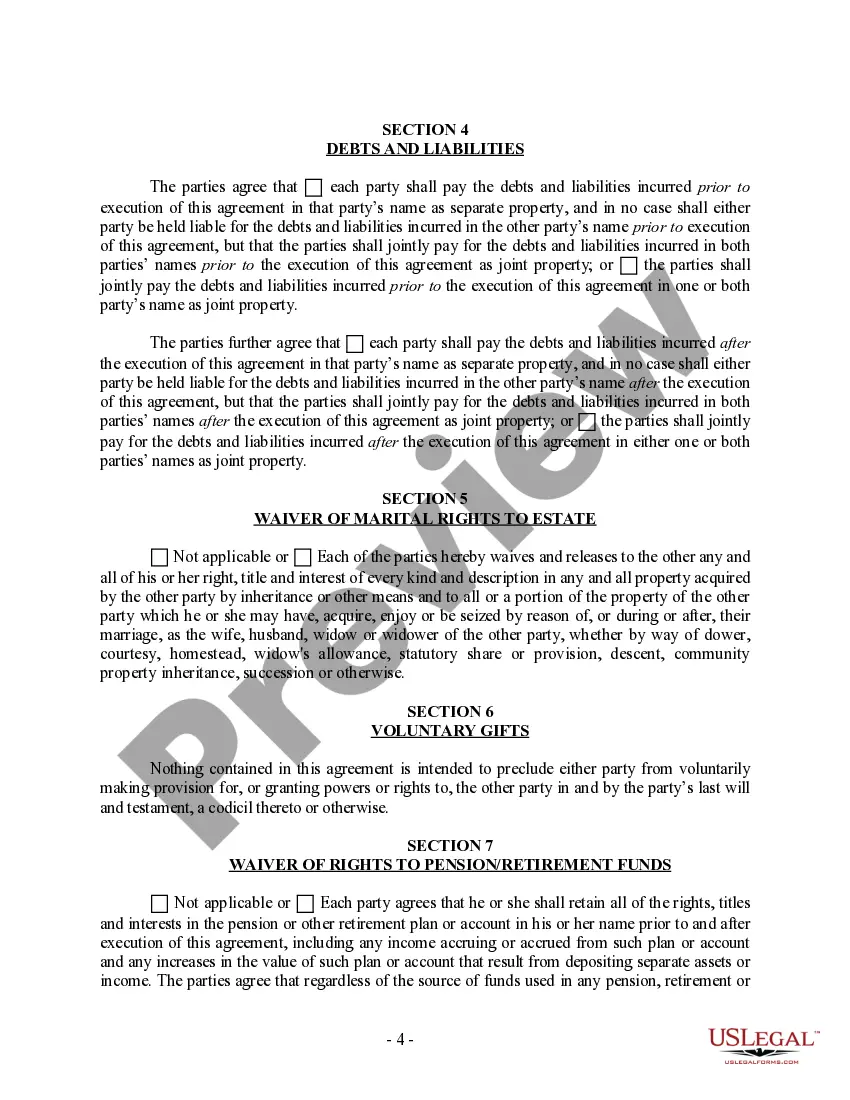

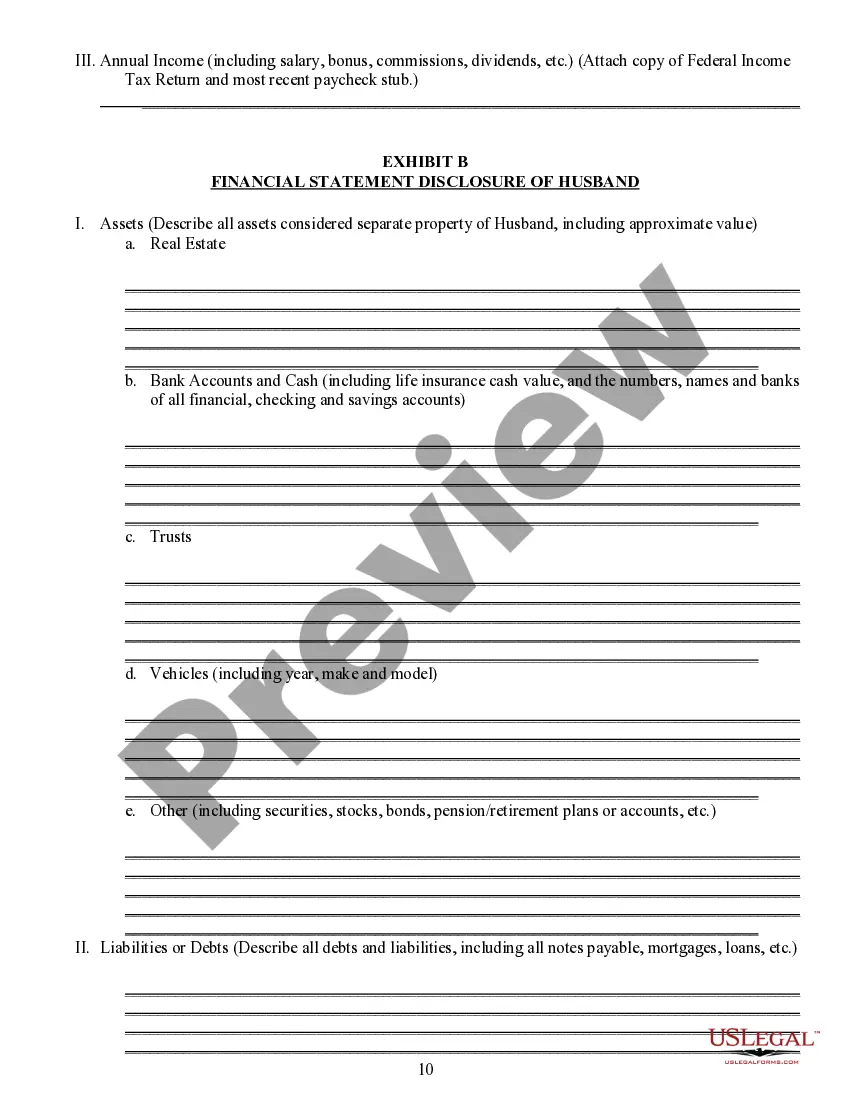

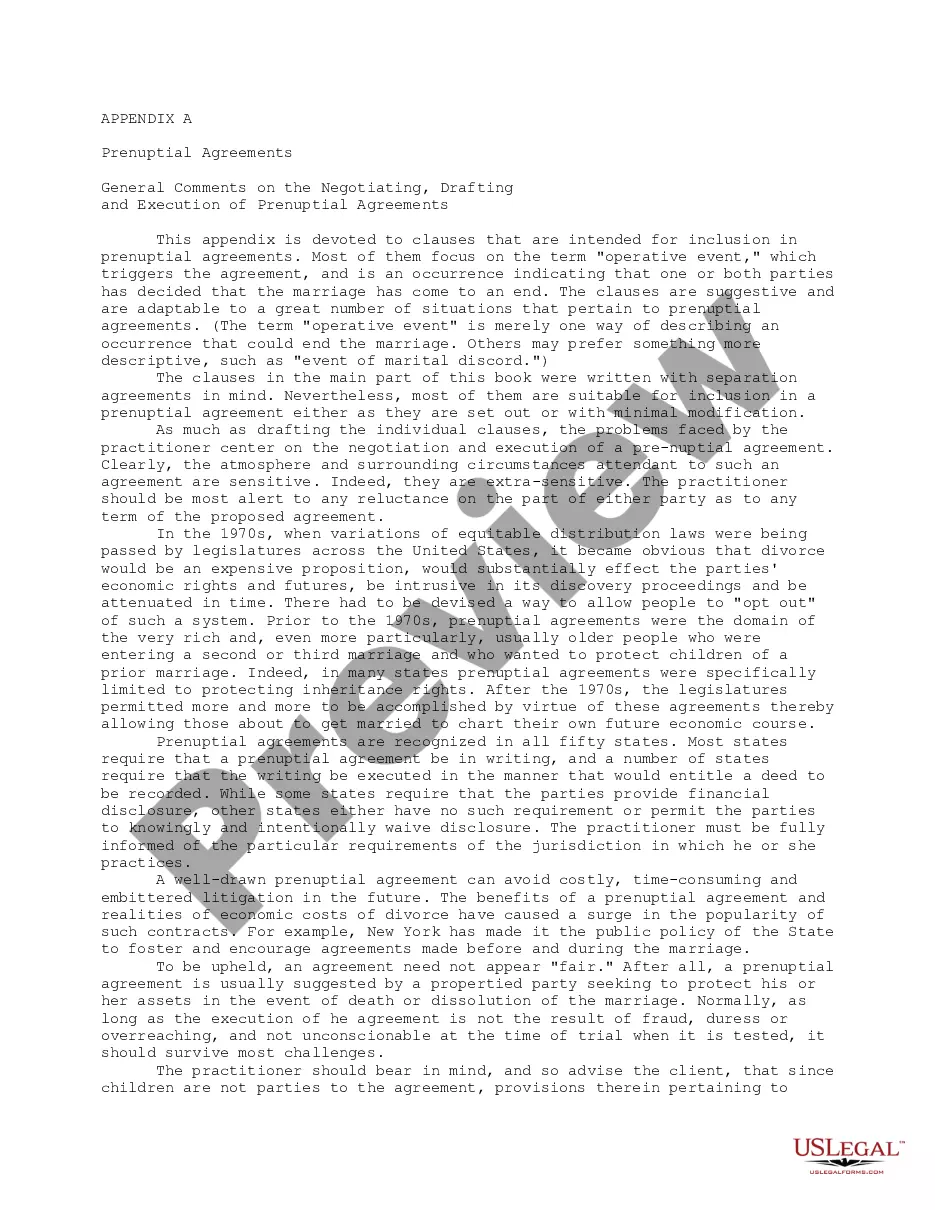
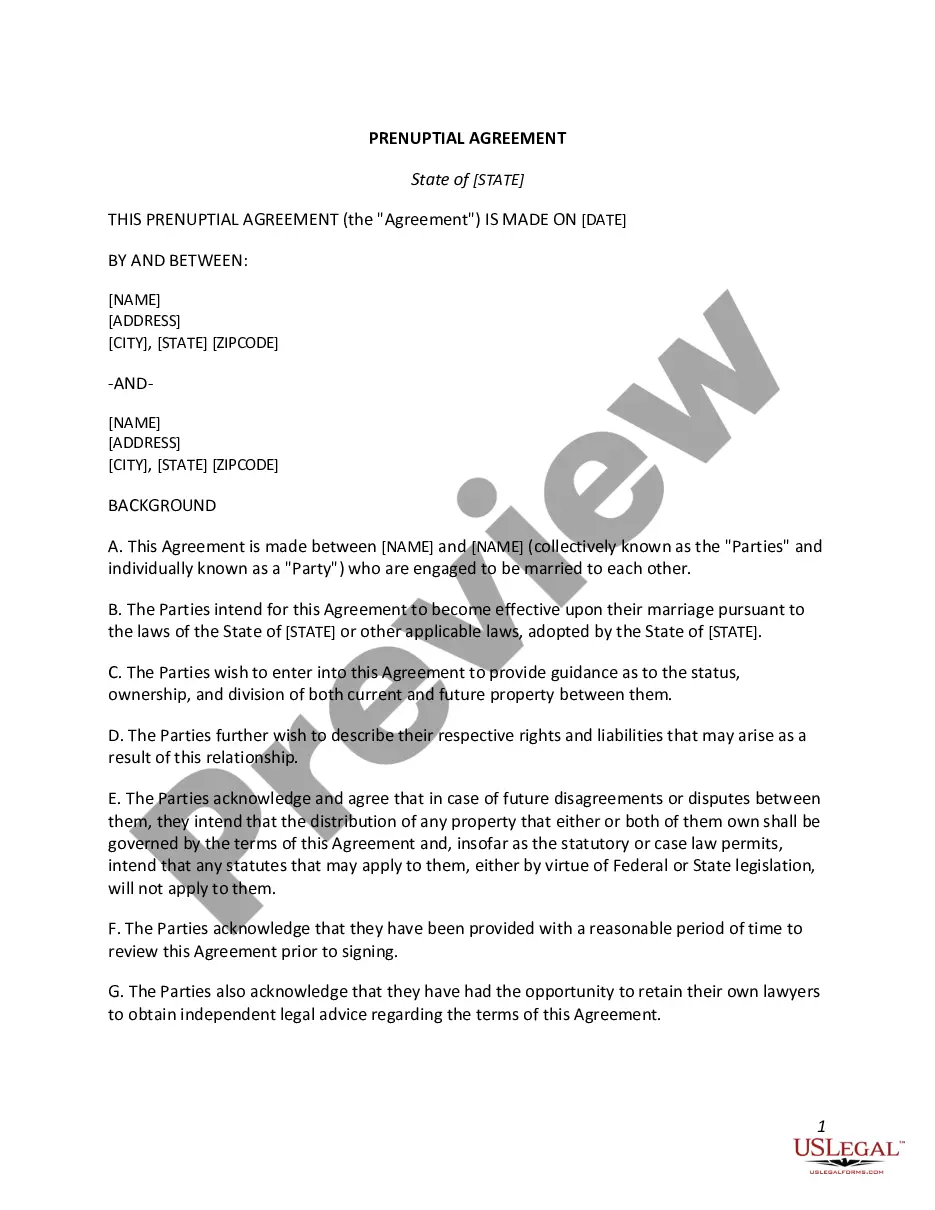
Get your form ready online
Our built-in tools help you complete, sign, share, and store your documents in one place.
Make edits, fill in missing information, and update formatting in US Legal Forms—just like you would in MS Word.
Download a copy, print it, send it by email, or mail it via USPS—whatever works best for your next step.
Sign and collect signatures with our SignNow integration. Send to multiple recipients, set reminders, and more. Go Premium to unlock E-Sign.
If this form requires notarization, complete it online through a secure video call—no need to meet a notary in person or wait for an appointment.
We protect your documents and personal data by following strict security and privacy standards.

Make edits, fill in missing information, and update formatting in US Legal Forms—just like you would in MS Word.

Download a copy, print it, send it by email, or mail it via USPS—whatever works best for your next step.

Sign and collect signatures with our SignNow integration. Send to multiple recipients, set reminders, and more. Go Premium to unlock E-Sign.

If this form requires notarization, complete it online through a secure video call—no need to meet a notary in person or wait for an appointment.

We protect your documents and personal data by following strict security and privacy standards.
Looking for another form?








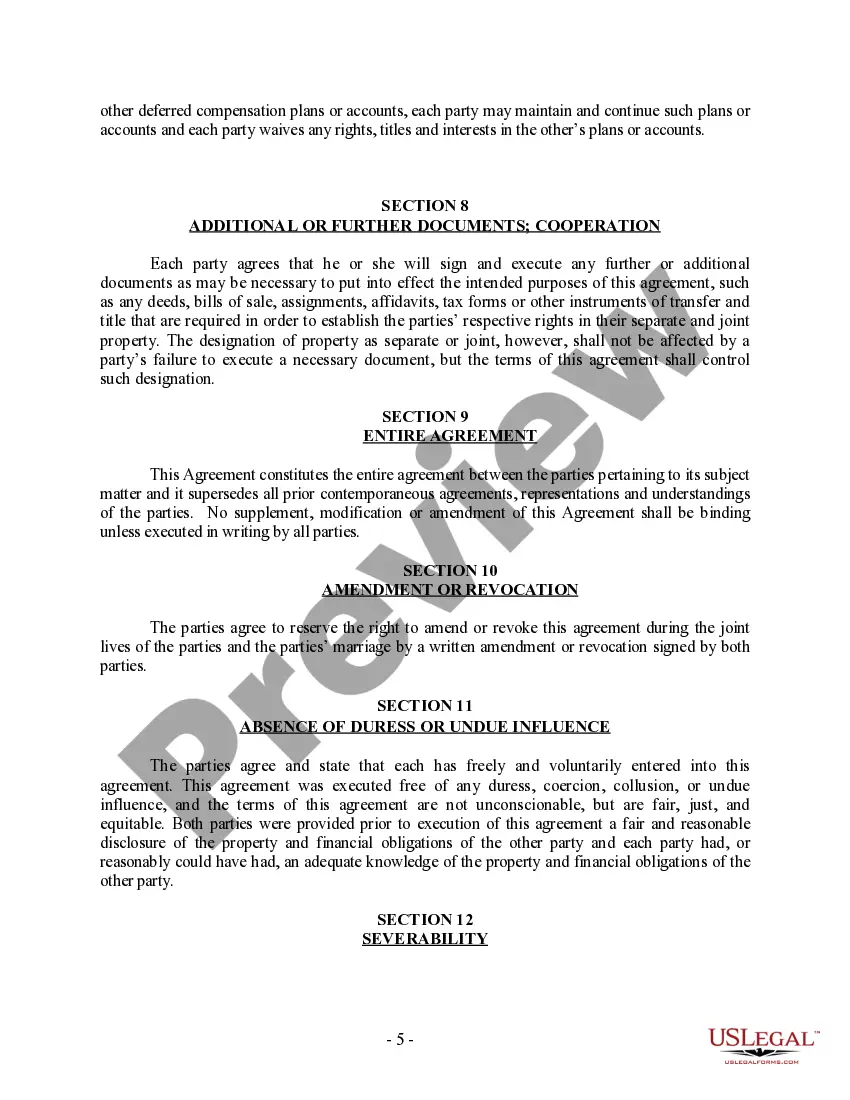
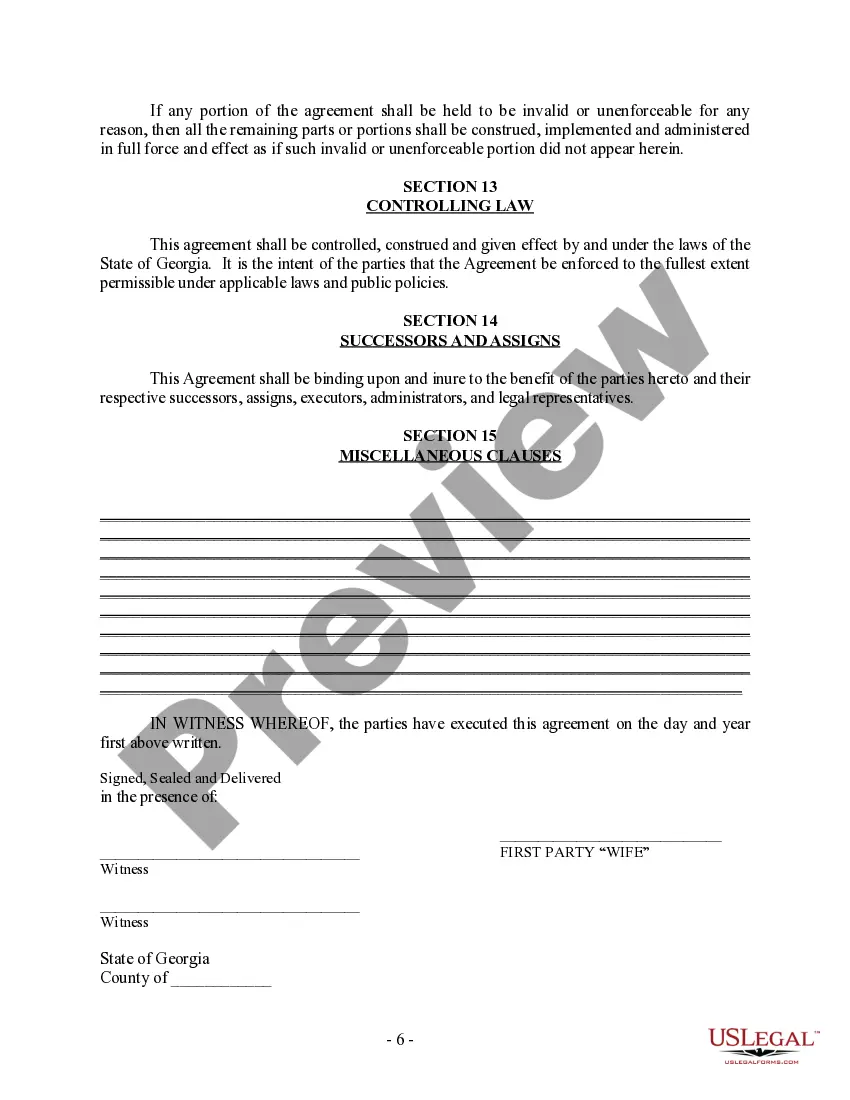
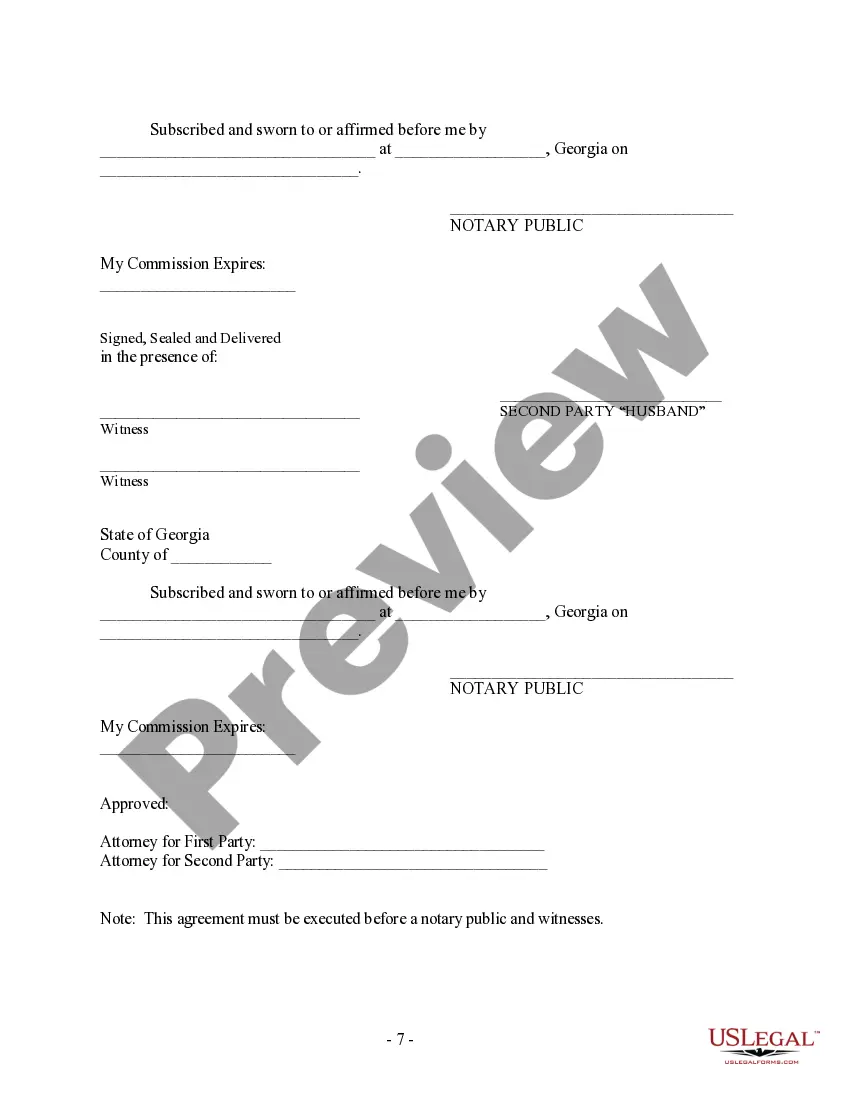
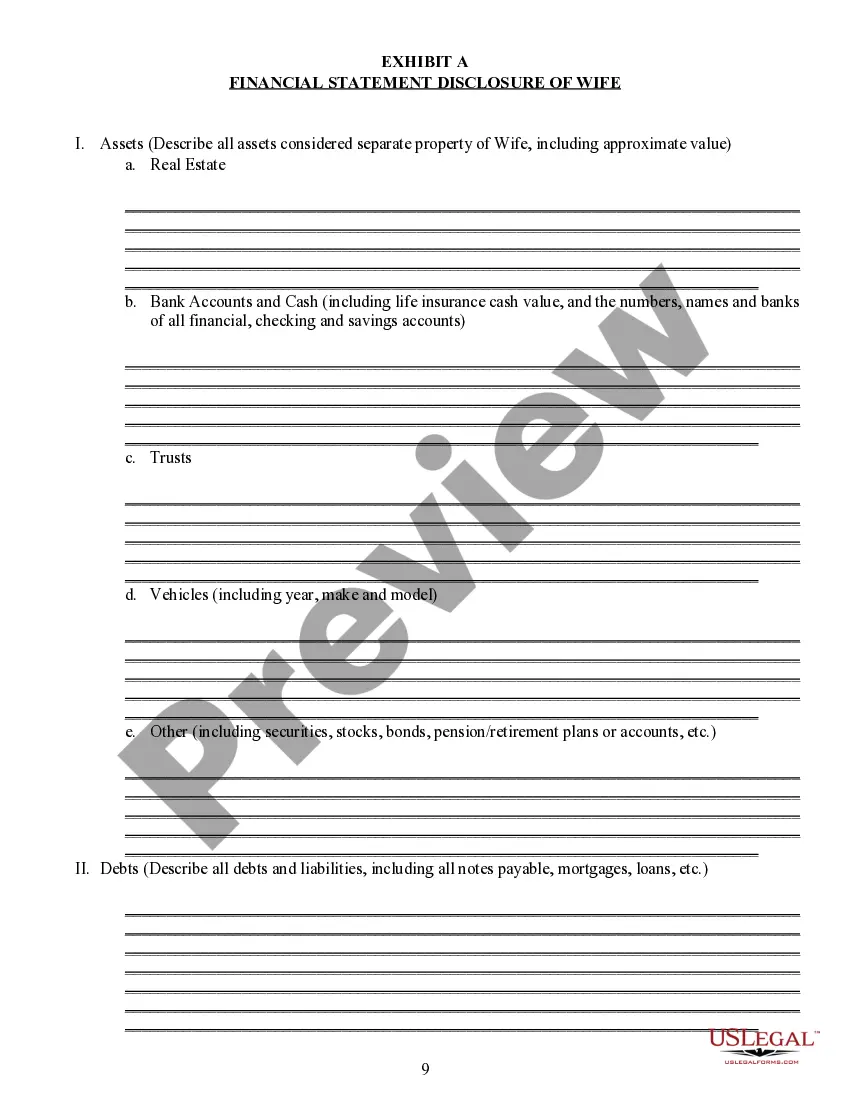
How to fill out Georgia Postnuptial Property Agreement?
Whether for professional objectives or personal issues, everyone must manage legal circumstances eventually in their life.
Filling out legal documents requires meticulous attention, beginning with selecting the correct form template.
With a vast US Legal Forms catalog available, you no longer need to waste time searching for the correct template online. Utilize the library’s simple navigation to find the right form for any situation.
- Locate the template you need using the search bar or catalog browsing.
- Review the form’s details to ensure it corresponds with your situation, state, and county.
- Click on the form’s preview to examine it.
- If it is not the right document, return to the search function to find the Post Nuptial Agreement Georgia Foreign Agent Law template you require.
- Obtain the template if it fulfills your needs.
- If you already have a US Legal Forms account, just click Log in to access previously saved templates in My documents.
- If you haven’t created an account yet, you may download the form by clicking Buy now.
- Select the suitable pricing option.
- Complete the profile registration form.
- Choose your payment method: you can utilize a debit card or PayPal account.
- Select the file format you desire and download the Post Nuptial Agreement Georgia Foreign Agent Law.
- Once saved, you can fill out the form using editing software or print it and complete it manually.
Form popularity
FAQ
Georgia Requirements for Postnuptial Agreements One spouse cannot be coerced or threatened into signing a postnuptial agreement. There must be full and fair disclosure for a postnuptial agreement to be valid. This means that all assets, liabilities, and income from both parties must be disclosed to the other.
A postnuptial agreement can create rules for many different things should the couple divorce. Asset and property division. Investments. Inheritance. Premarital assets. Debts. Retirement and 401(k) accounts. Child custody and child support. Alimony or spousal support.
Generally speaking, to make a postnuptial agreement valid, both parties' signatures need to be notarized. Some state laws may impose additional requirements, such as a requirement that the parties' signatures be witnessed.
When writing a postnuptial agreement, you must provide the following information about both parties: The first party's name. The second party's name. Marriage date. The city and state where you were married. Your joint address. Information about existing children. ... Acknowledgment of full financial disclosure.
Many couples assume they must hire a divorce lawyer to draw up a postnup, but this isn't necessarily true. If you and your spouse are on good terms and can communicate openly about your finances, you may be able to create the agreement yourselves.