Will With Trust For Minor Child

Description



Get your form ready online
Our built-in tools help you complete, sign, share, and store your documents in one place.
Make edits, fill in missing information, and update formatting in US Legal Forms—just like you would in MS Word.
Download a copy, print it, send it by email, or mail it via USPS—whatever works best for your next step.
Sign and collect signatures with our SignNow integration. Send to multiple recipients, set reminders, and more. Go Premium to unlock E-Sign.
If this form requires notarization, complete it online through a secure video call—no need to meet a notary in person or wait for an appointment.
We protect your documents and personal data by following strict security and privacy standards.

Make edits, fill in missing information, and update formatting in US Legal Forms—just like you would in MS Word.

Download a copy, print it, send it by email, or mail it via USPS—whatever works best for your next step.

Sign and collect signatures with our SignNow integration. Send to multiple recipients, set reminders, and more. Go Premium to unlock E-Sign.

If this form requires notarization, complete it online through a secure video call—no need to meet a notary in person or wait for an appointment.

We protect your documents and personal data by following strict security and privacy standards.
Looking for another form?
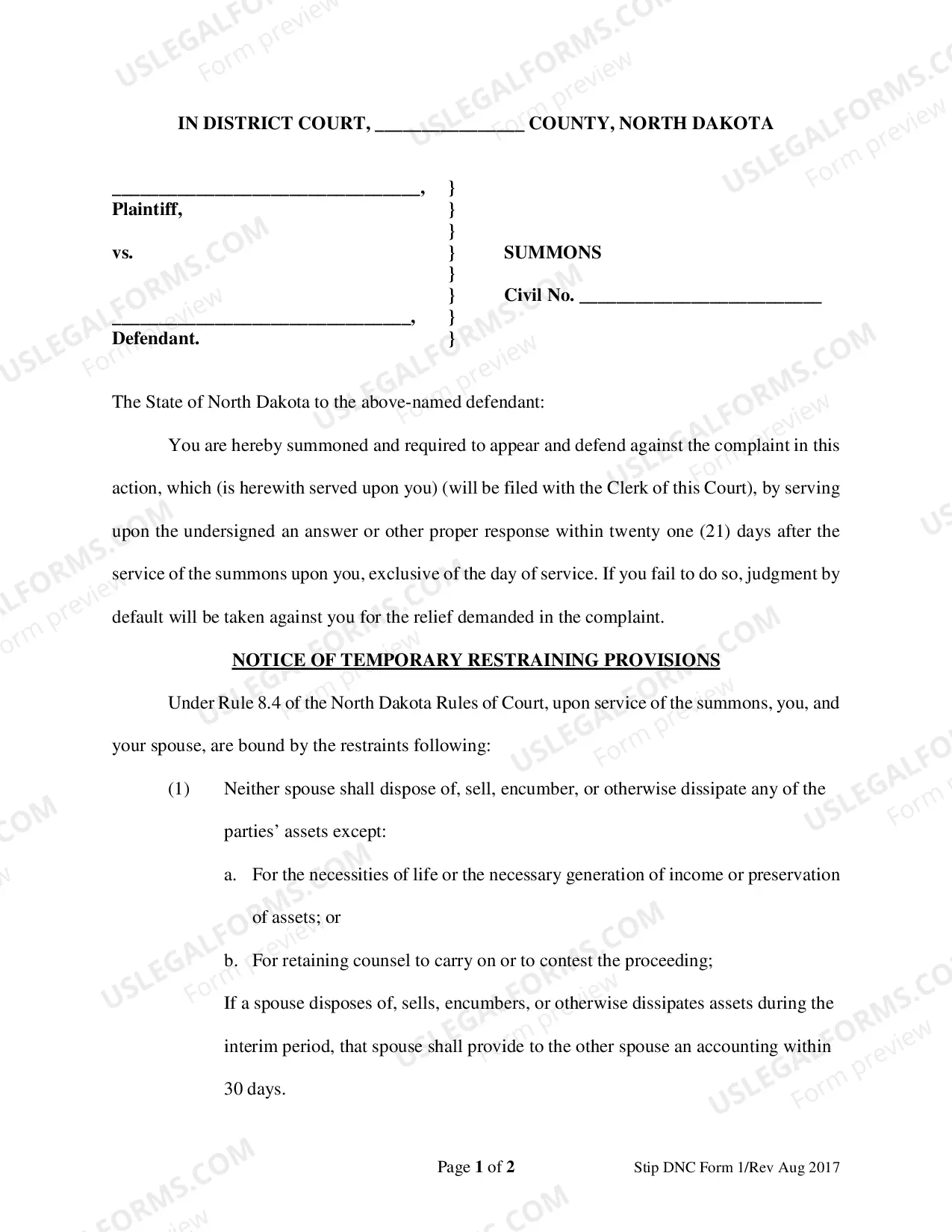
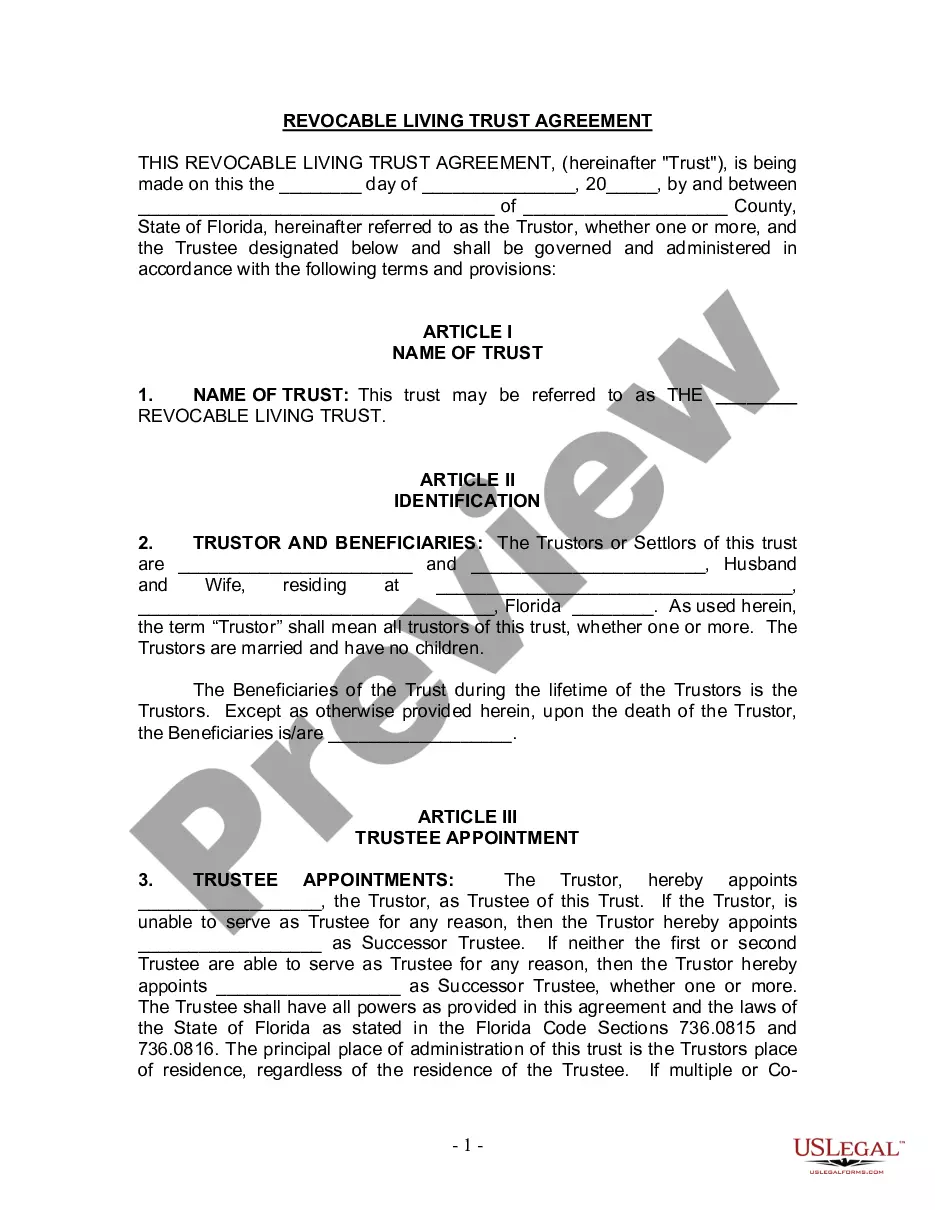



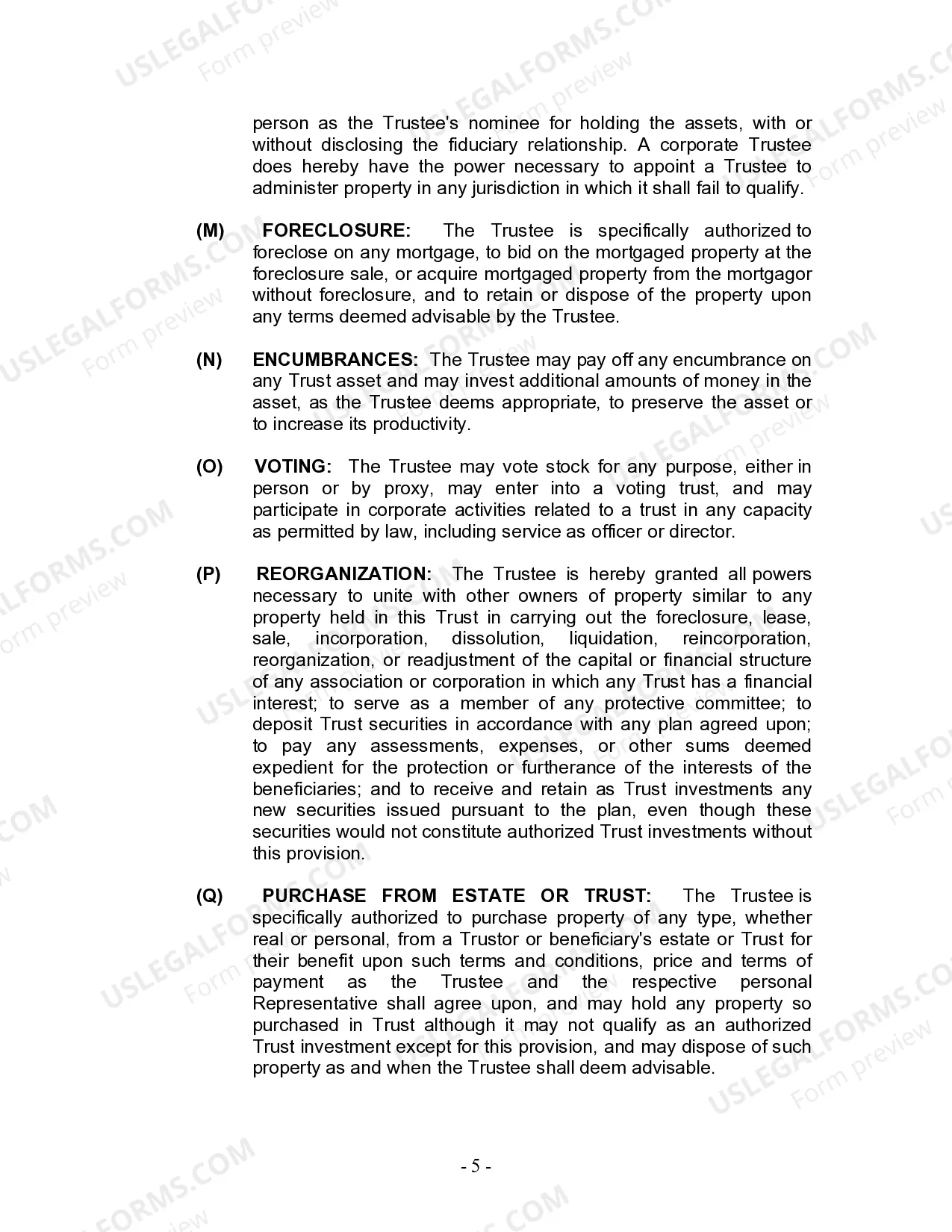
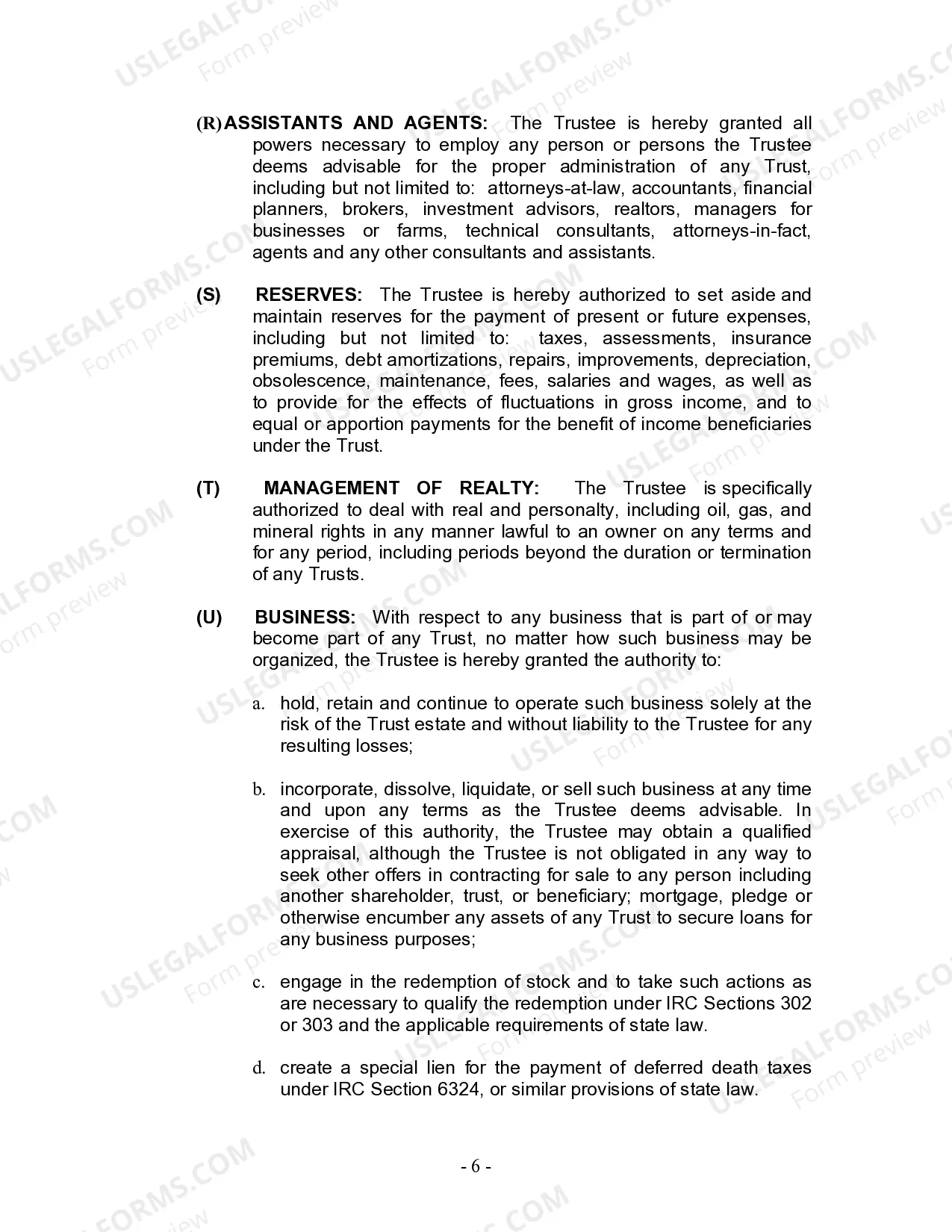
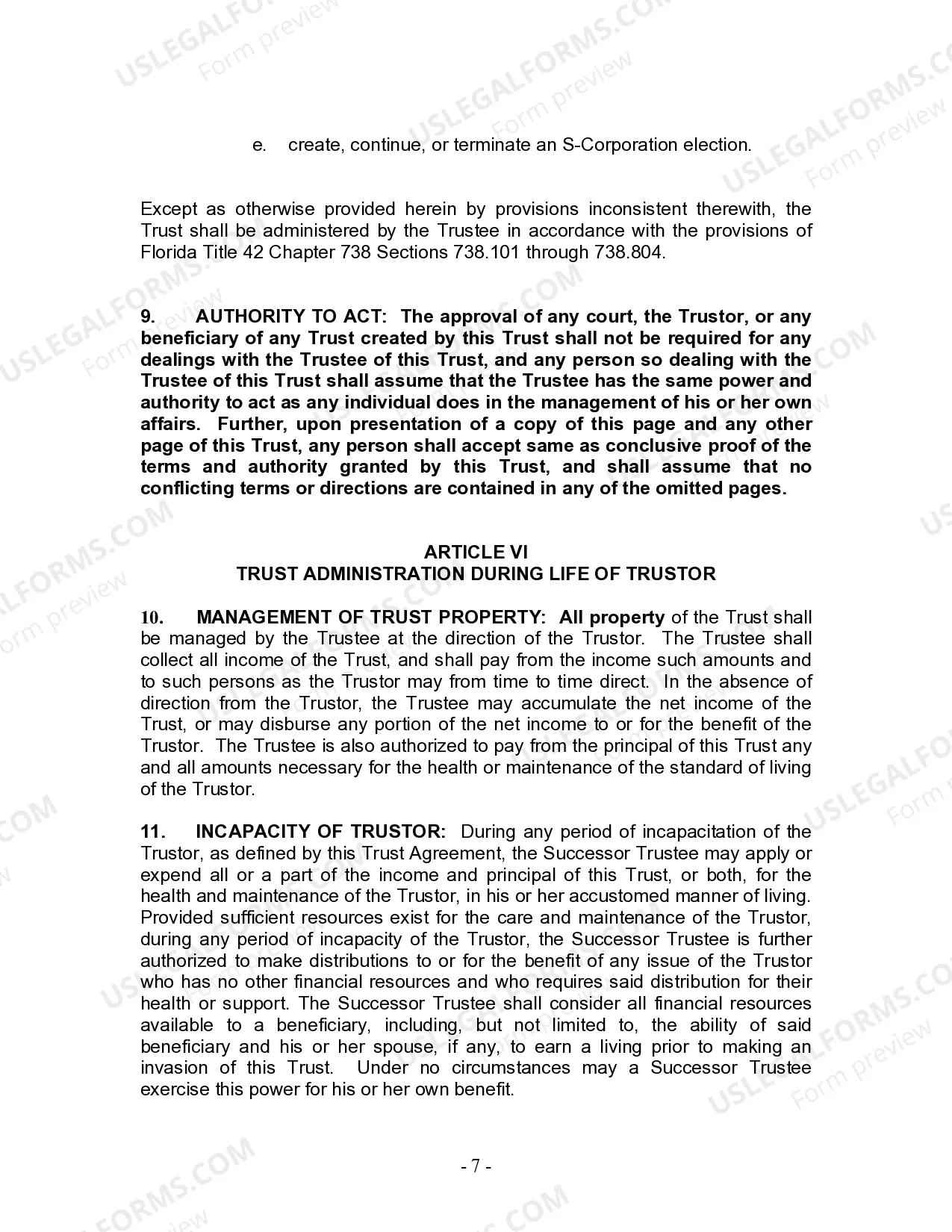
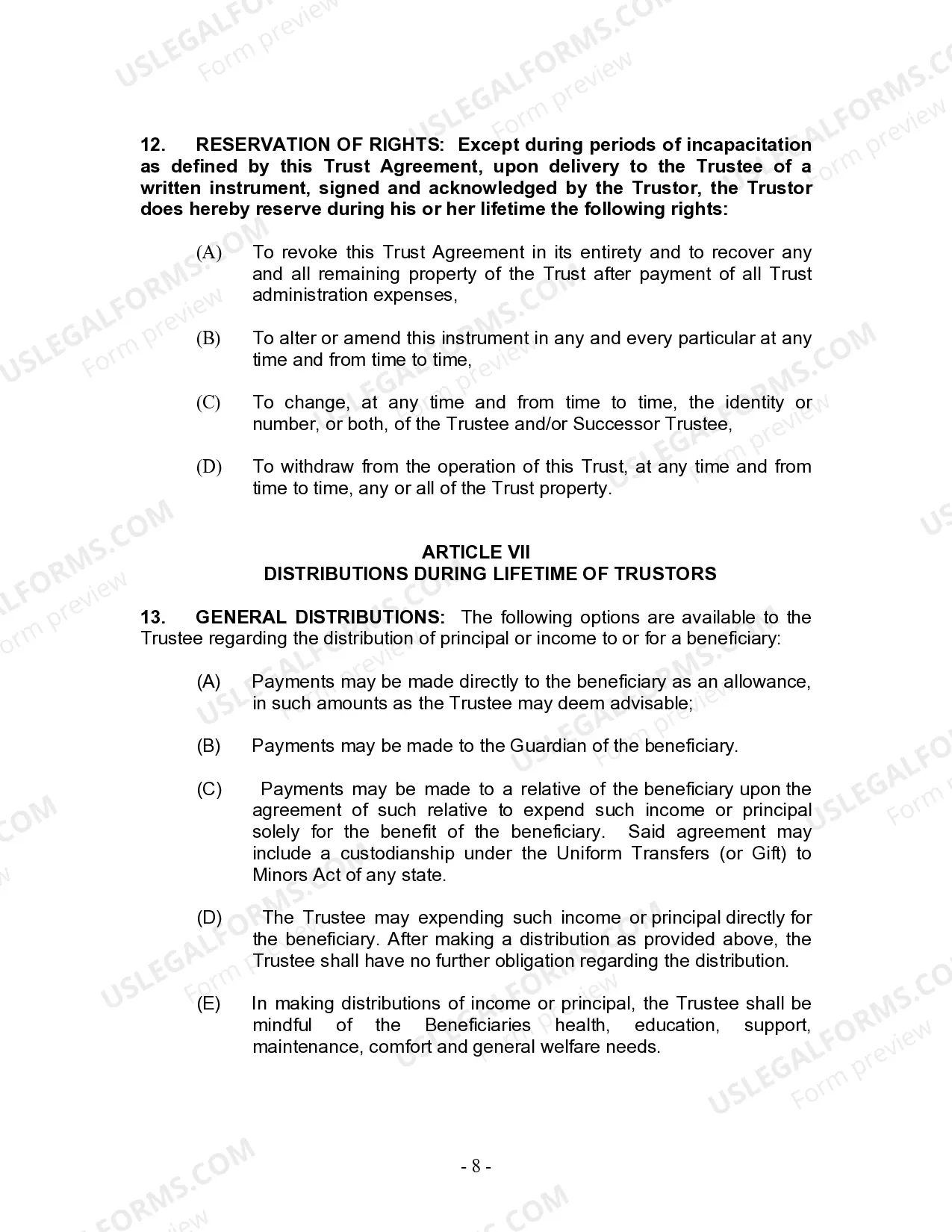
How to fill out Florida Living Trust For Husband And Wife With Minor And Or Adult Children?
Managing legal documents and processes can be a lengthy addition to your day. A Will With Trust For Minor Child and similar documents typically necessitate that you locate them and figure out how to fill them out accurately.
Consequently, whether you are addressing financial, legal, or personal issues, utilizing a comprehensive and user-friendly online directory of forms readily available will greatly assist you.
US Legal Forms stands out as the premier online resource for legal documents, boasting over 85,000 state-specific templates and a range of tools to help you complete your paperwork swiftly.
Browse through the collection of relevant documents accessible to you with just one click.
Then, follow the steps below to complete your document: Confirm you have the correct form by utilizing the Review feature and reading the form description. Click Buy Now when ready, and select the monthly subscription plan that meets your requirements. Choose Download, then fill out, sign, and print the form. US Legal Forms has 25 years of expertise assisting users in managing their legal documents. Acquire the form you need today and streamline any process effortlessly.
- US Legal Forms offers state- and county-specific documents available for download at any time.
- Protect your document management processes with a superior service that enables you to create any form in minutes without additional or concealed charges.
- Simply Log In to your account, search for Will With Trust For Minor Child, and download it immediately from the My documents section.
- You can also access forms you have previously downloaded.
- Is this your first experience with US Legal Forms? Sign up and create an account in just a few minutes to gain access to the form catalog and Will With Trust For Minor Child.
Form popularity
FAQ
Therefore, if a minor is a beneficiary, their inheritance must be placed in a trust or custodial account. A guardianship or conservatorship can also be created, depending on the circumstances. Creating a trust for minor children's inheritances is one of the most common choices.
Minors, because they are not legally adults, are not allowed to handle their own legal or financial affairs, including receiving inheritances. Therefore, if a minor is a beneficiary, their inheritance must be placed in a trust or custodial account.
You can name a legal minor as the beneficiary of a trust. That's particularly important because, if you want to leave assets to a minor, a trust is how you'll do it.
Estate planning tools like wills and trusts are the best options for leaving money to your children because you can outline how and when your children will receive the money.
Consider a lifetime trust. First, if you give your children the right to withdraw trust money, it becomes their own money and is subject to their creditors as well as their divorcing spouse. Keeping the monies in trust for the child's lifetime will provide better liability protection.