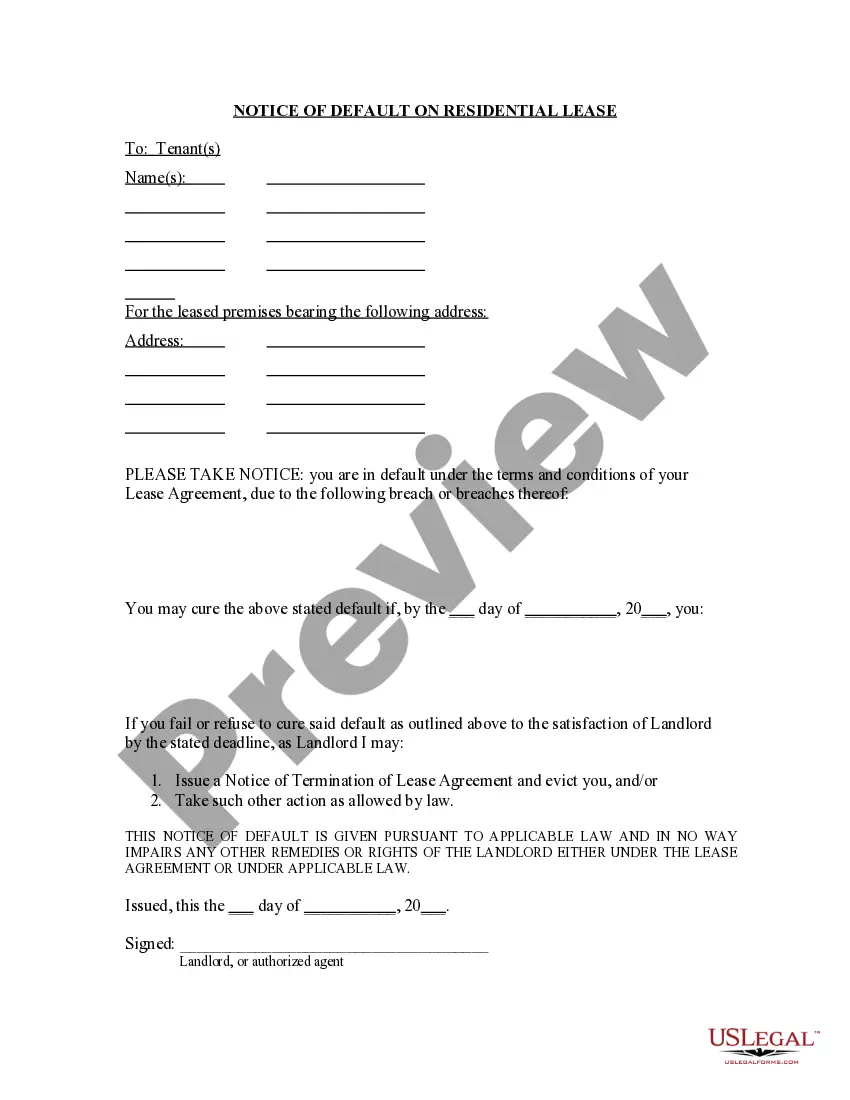
Default On Lease Payment
Description

Get your form ready online
Our built-in tools help you complete, sign, share, and store your documents in one place.
Make edits, fill in missing information, and update formatting in US Legal Forms—just like you would in MS Word.
Download a copy, print it, send it by email, or mail it via USPS—whatever works best for your next step.
Sign and collect signatures with our SignNow integration. Send to multiple recipients, set reminders, and more. Go Premium to unlock E-Sign.
If this form requires notarization, complete it online through a secure video call—no need to meet a notary in person or wait for an appointment.
We protect your documents and personal data by following strict security and privacy standards.

Make edits, fill in missing information, and update formatting in US Legal Forms—just like you would in MS Word.

Download a copy, print it, send it by email, or mail it via USPS—whatever works best for your next step.

Sign and collect signatures with our SignNow integration. Send to multiple recipients, set reminders, and more. Go Premium to unlock E-Sign.

If this form requires notarization, complete it online through a secure video call—no need to meet a notary in person or wait for an appointment.

We protect your documents and personal data by following strict security and privacy standards.
Looking for another form?


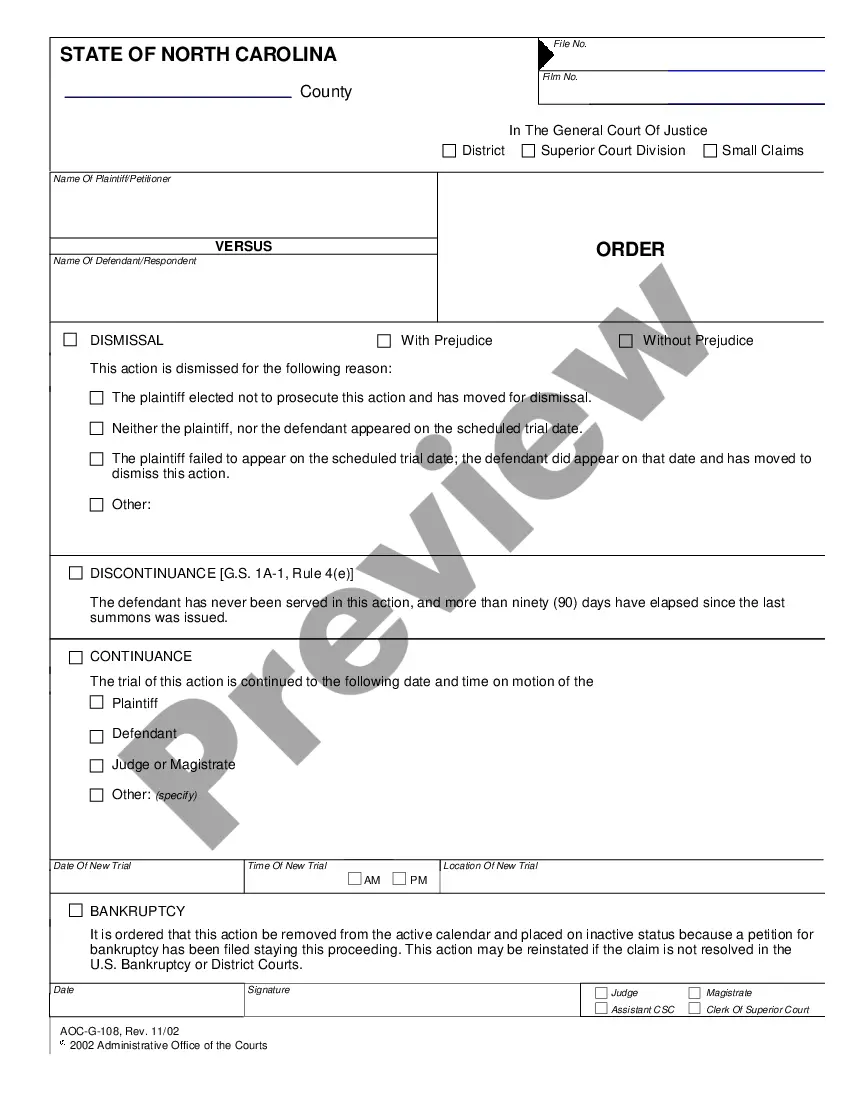

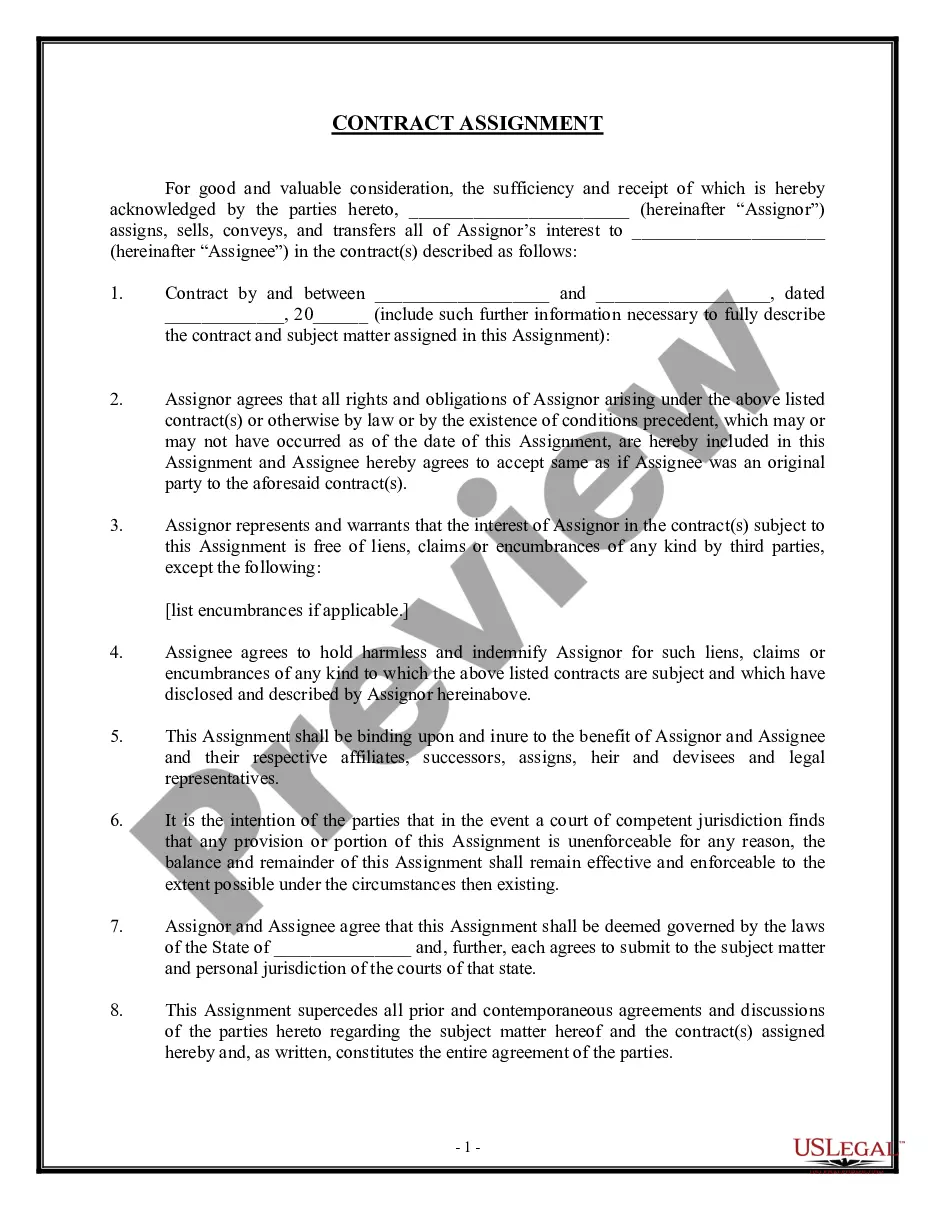
How to fill out Florida Notice Of Default On Residential Lease?
Managing legal documents can be exasperating, even for the most seasoned professionals.
When you're seeking a Default On Lease Payment and lack the time to search for the correct and current version, the process can be challenging.
US Legal Forms caters to all your requirements, from personal to business paperwork, all in one place.
Utilize advanced tools to complete and manage your Default On Lease Payment.
Here are the steps to follow after obtaining the form you need: Validate that this is the correct form by previewing it and reading its description. Ensure the template is recognized in your state or county. Click Buy Now when you're ready. Select a subscription plan. Choose the file format you require, and Download, complete, eSign, print, and submit your documents. Take advantage of the US Legal Forms online library, backed by 25 years of experience and trustworthiness. Streamline your document management process today into a straightforward and user-friendly experience.
- Access a valuable resource pool of articles, guides, and manuals related to your situation and requirements.
- Save time and effort searching for the documents you need by using US Legal Forms’ sophisticated search and Preview tool to acquire Default On Lease Payment.
- If you're a member, Log In to your US Legal Forms account, search for the form, and obtain it.
- Check the My documents tab to review documents you have previously downloaded and to manage your files as you prefer.
- If this is your first time using US Legal Forms, create a free account and gain unrestricted access to all benefits of the library.
- A comprehensive online form repository could revolutionize the way anyone addresses these matters effectively.
- US Legal Forms is a frontrunner in online legal documentation, featuring over 85,000 state-specific legal forms available at any time.
- With US Legal Forms, you can access state- or county-specific legal and organizational documents.
Form popularity
FAQ
Yes, you can default on a car lease by missing payments or failing to comply with the lease agreement. Defaulting on a lease payment can result in repossession of the vehicle and a negative impact on your credit score. If you find yourself in this situation, it’s crucial to reach out to the leasing company to discuss your options. Additionally, USLegalForms can provide valuable resources to help you navigate this process smoothly.
Yes, you can default on a lease if you fail to make timely rent payments or violate lease terms. When you default on a lease payment, the landlord may initiate legal actions, which can lead to eviction. It’s essential to communicate with your landlord to explore options before falling behind. If you're facing difficulties, consider using USLegalForms to understand your rights and find solutions.
If you default on a car lease, the leasing company may repossess the vehicle, which can lead to additional fees and legal actions. You will also face negative impacts on your credit score, making it difficult to obtain future financing. To navigate this situation effectively, consider utilizing the resources offered by uslegalforms, which can help you understand your rights and options regarding your lease.
While we do not recommend defaulting on a lease, it typically occurs when a tenant stops making payments altogether or fails to abide by the lease terms. This action can lead to eviction and legal complications. If you are facing financial difficulties, it is better to communicate with your landlord or seek help from uslegalforms to explore your options. Open dialogue may help you find a solution without defaulting.
Yes, defaulting on a lease payment can negatively impact your credit score. When a landlord reports your missed payments to credit bureaus, it reflects poorly on your credit history. This may make it more challenging to secure loans or rental agreements in the future. To protect your credit, consider seeking assistance from uslegalforms for guidance on managing lease obligations.
Here is an example of a rent amount clause in a lease: "The Tenant agrees to pay $12,000 as rent, to be paid as follows: $1,000 per month, due on the 1st day of each month. Payment of the first month's rent and any security deposit is due upon the signing of this Lease by the Tenant.
For example, the original tenant might have put holes in the wall to make a new passageway or undertaken other major work on the property. At the end of the lease, the new tenant must fix those issues and return the property to the condition that it was in at the start of the lease.
Default tenancy is shared. You and other customers all have VM's on the same hypervisor, and the separation is programmatic. Dedicated tenancy means you're the only customer running anything on that host.
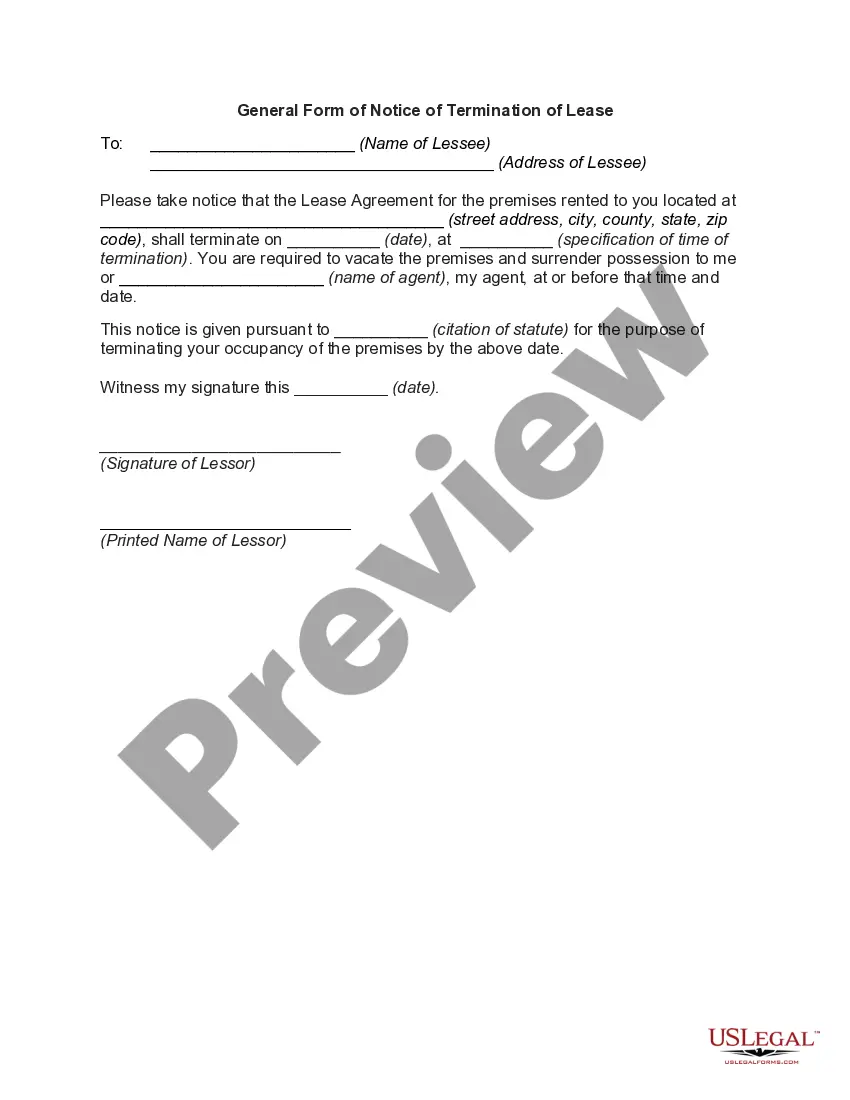
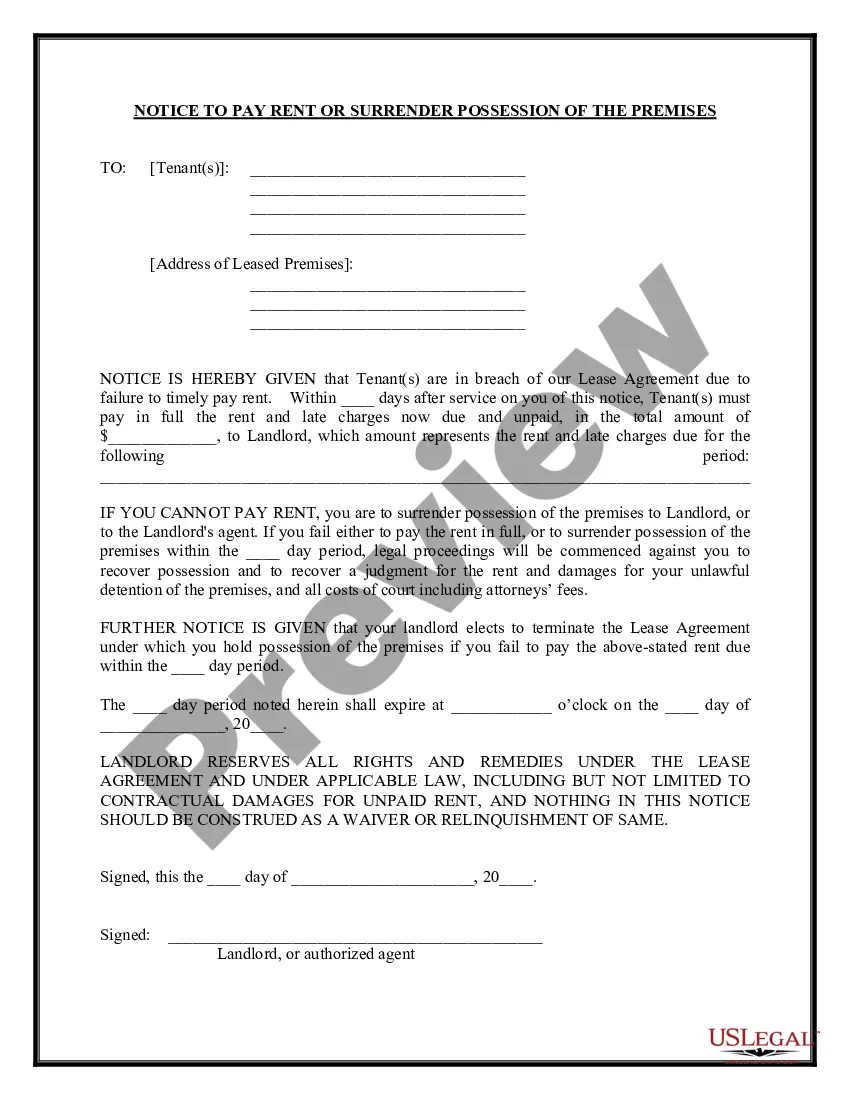
A ?default? is a failure to comply with a provision in the lease. ?Curing? or ?remedying? the default means correcting the failure or omission. A common example is a failure to pay the rent on time.
Breaches may include, but are not limited to, failure to pay Rent, engaging in any unlawful activity, damaging or otherwise destroying Property or any common areas therein, or violation of any part or sub-part of this Lease.