Notice Intent Enter Landlord For 2 Years
Description
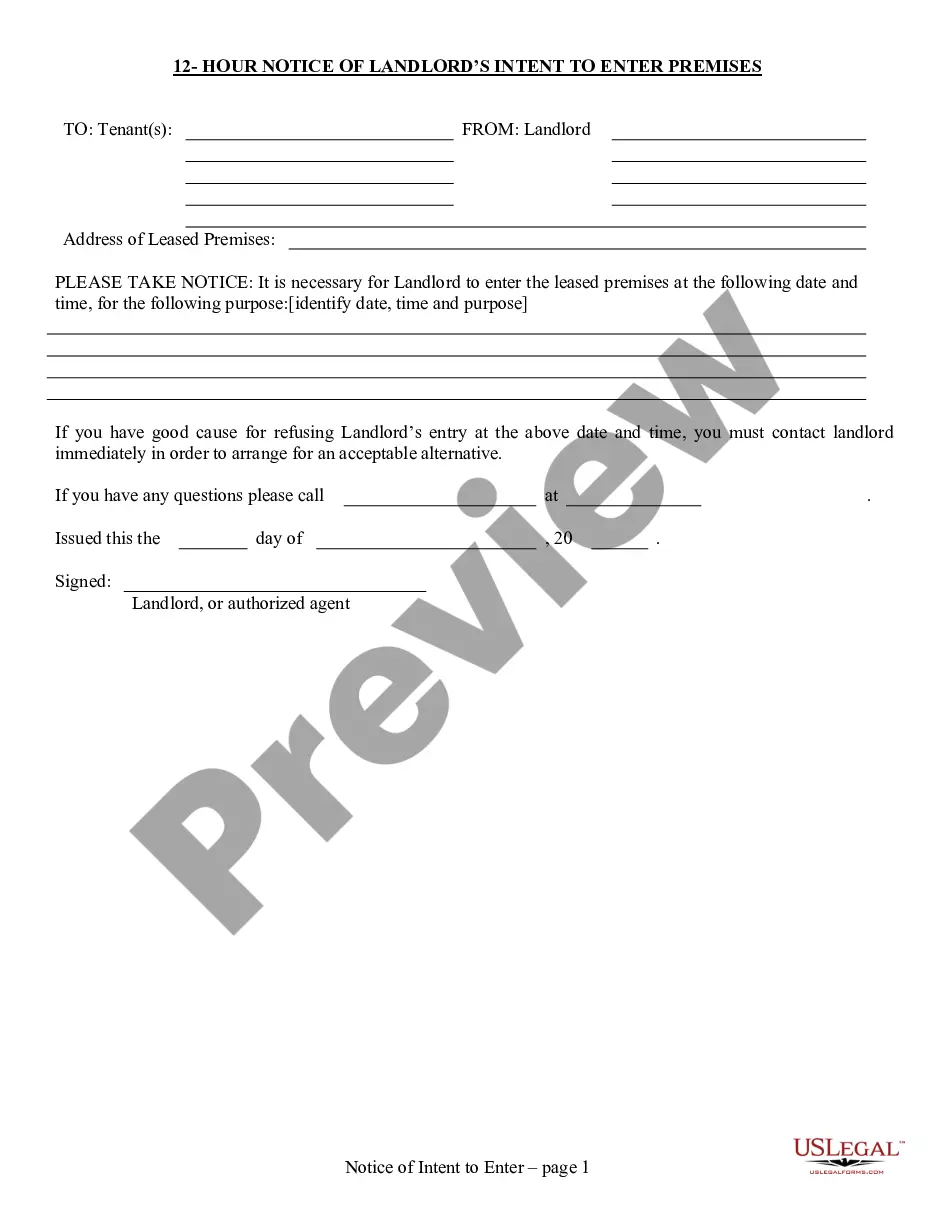
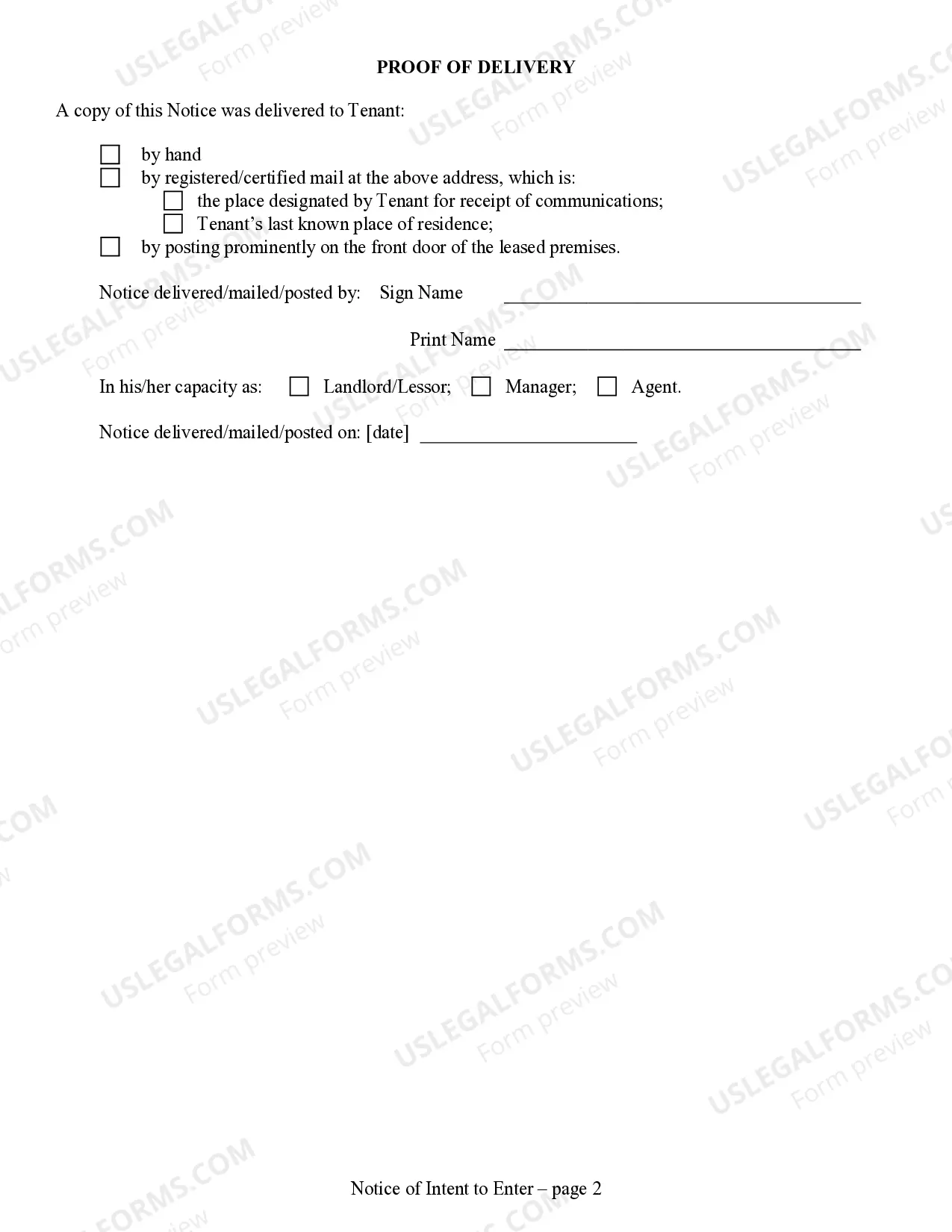
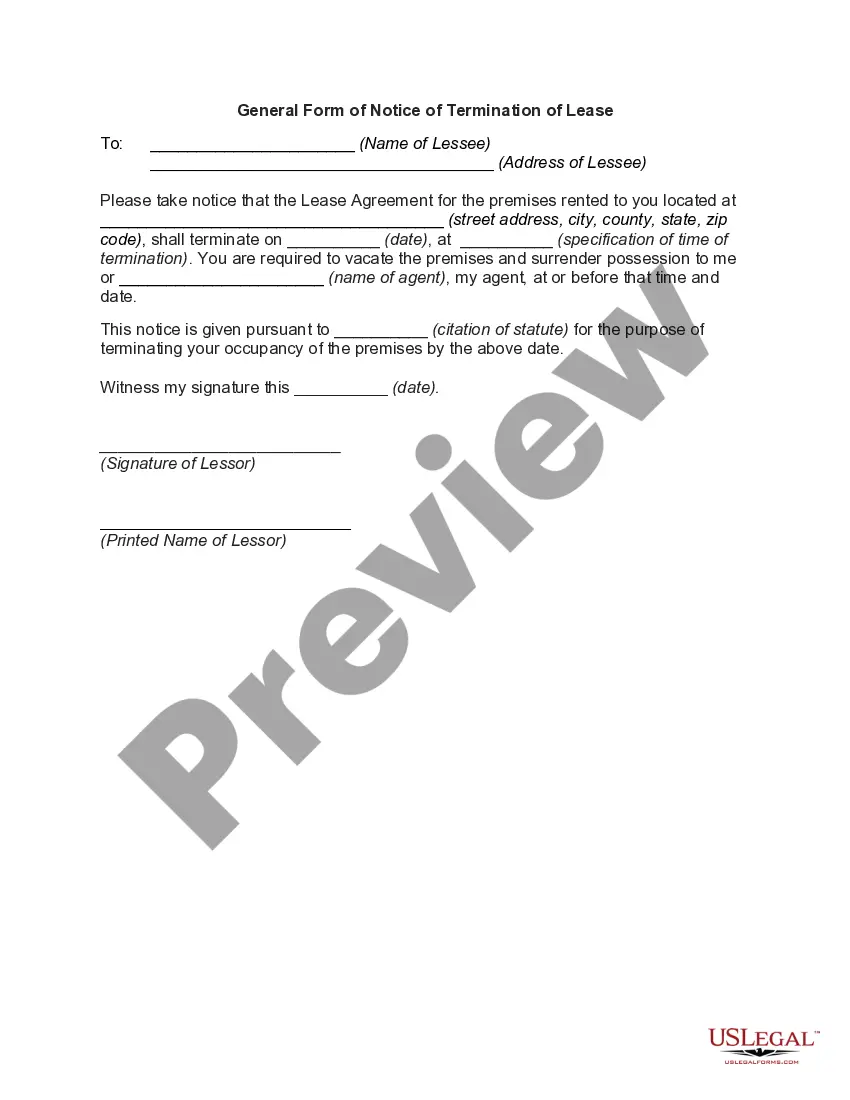
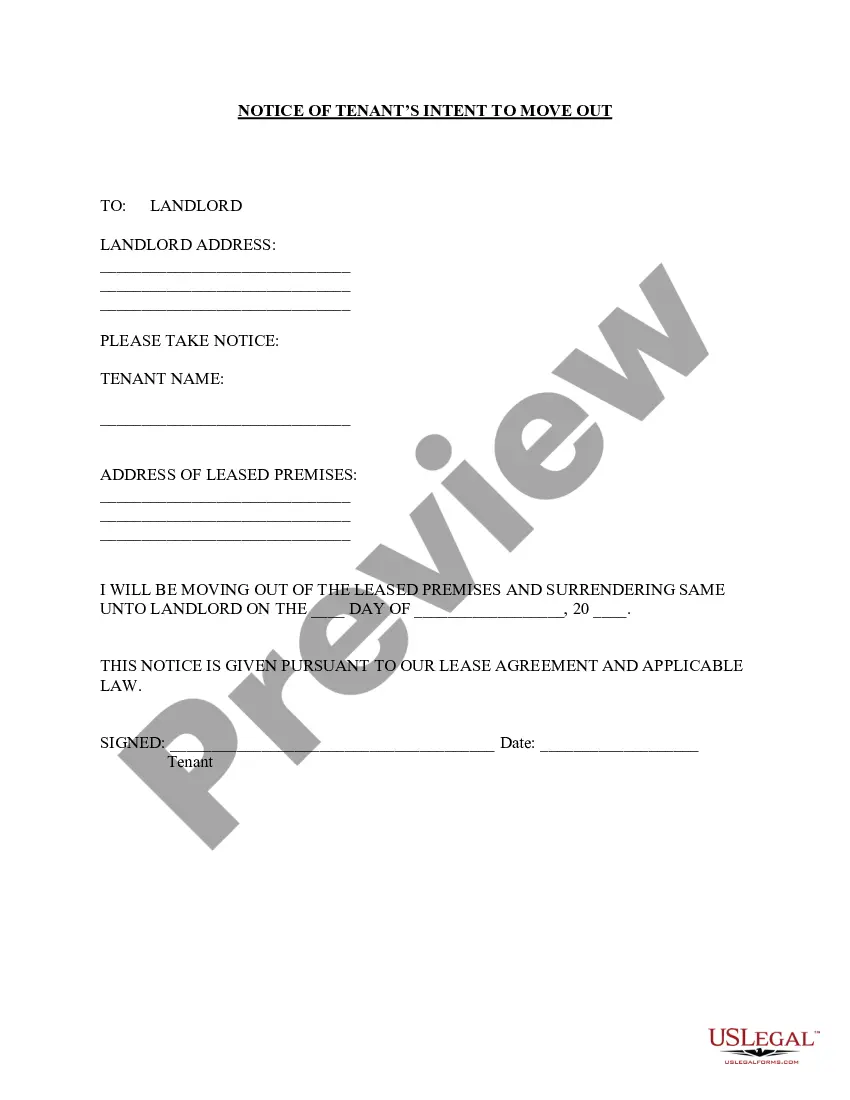

Get your form ready online
Our built-in tools help you complete, sign, share, and store your documents in one place.
Make edits, fill in missing information, and update formatting in US Legal Forms—just like you would in MS Word.
Download a copy, print it, send it by email, or mail it via USPS—whatever works best for your next step.
Sign and collect signatures with our SignNow integration. Send to multiple recipients, set reminders, and more. Go Premium to unlock E-Sign.
If this form requires notarization, complete it online through a secure video call—no need to meet a notary in person or wait for an appointment.
We protect your documents and personal data by following strict security and privacy standards.

Make edits, fill in missing information, and update formatting in US Legal Forms—just like you would in MS Word.

Download a copy, print it, send it by email, or mail it via USPS—whatever works best for your next step.

Sign and collect signatures with our SignNow integration. Send to multiple recipients, set reminders, and more. Go Premium to unlock E-Sign.

If this form requires notarization, complete it online through a secure video call—no need to meet a notary in person or wait for an appointment.

We protect your documents and personal data by following strict security and privacy standards.
Looking for another form?







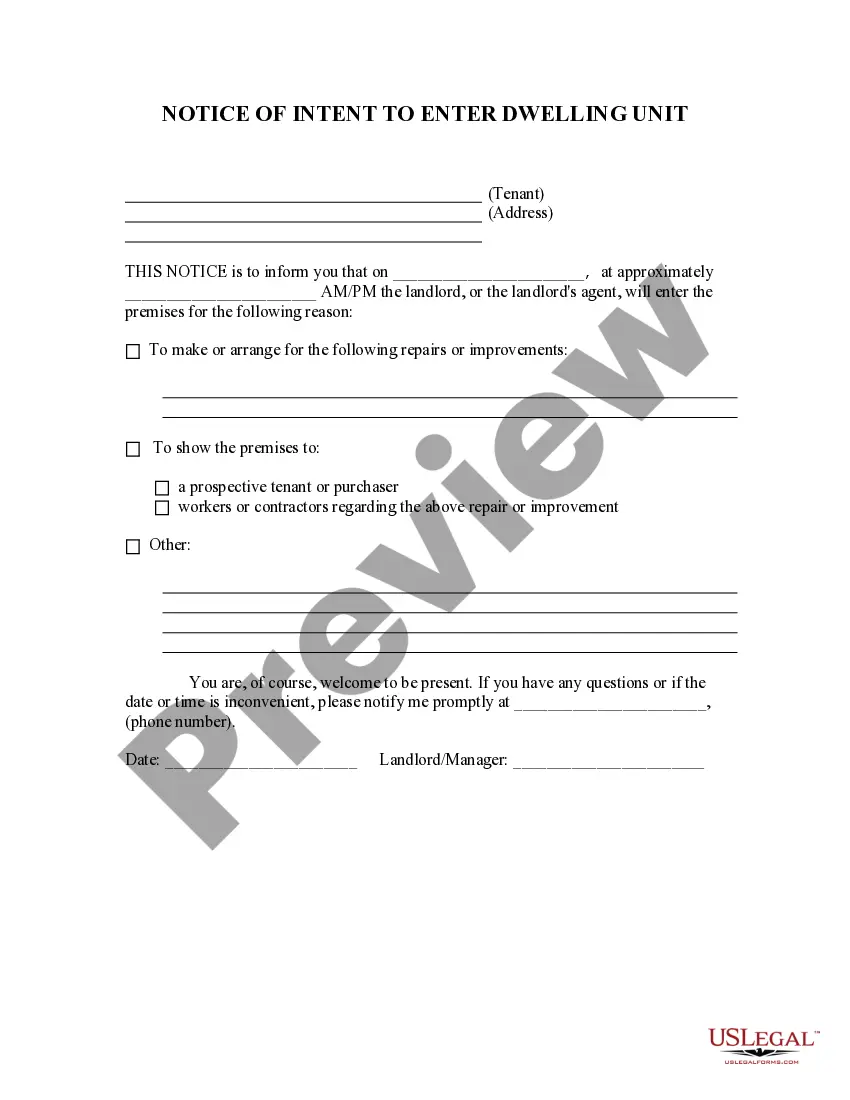
How to fill out Florida 12 Hour Notice Of Landlord's Intent To Enter Premises For Residential From Landlord To Tenant?
- Step 1: If you're a returning user, log in to your account to access previously used forms. Ensure your subscription is active; if not, consider renewing your plan.
- Step 2: For first-time users, start by checking the preview mode and form description of the necessary document to confirm it meets your local regulations.
- Step 3: Search for alternative templates if needed. Use the Search tab to find any legal forms that better suit your requirements.
- Step 4: Purchase the document by selecting the 'Buy Now' button. Choose a subscription plan that fits your needs, which will require creating an account for full access.
- Step 5: Complete your transaction with your credit card details or PayPal for a seamless payment experience.
- Step 6: Download the completed form to your device to fill it out. You can also find your form in the My Forms section of your profile for future reference.
In conclusion, US Legal Forms empowers users with a robust collection of over 85,000 legal templates, making it easier to navigate the complexities of the law. The platform not only saves time but also ensures the precision of your legal documents.
Start accessing your legal forms today with US Legal Forms and take the stress out of paperwork!
Form popularity
FAQ
A tenant can refuse a landlord's request for a showing if proper notice is not given. Landlords are generally required to provide advance notice before showing the property. If you feel uncomfortable about a showing, it’s important to express your concerns. Being clear about your circumstances is vital, especially when referencing the 'Notice intent enter landlord for 2 years.'
In Florida, it is illegal for a landlord to enter a tenant's property without permission or proper notice. Additionally, landlords cannot retaliate against tenants for asserting their rights or engaging in lawful activities. This understanding is essential for a healthy landlord-tenant relationship. Always be informed about your rights to ensure that landlords do not violate them.
In Florida, a landlord can enter your home if they give you proper notice, usually 24 hours in advance, and have a legitimate reason. If they attempt to enter without notice, you can remind them of your rights. Clear communication can help maintain a good relationship while asserting your boundaries. This aligns with the 'Notice intent enter landlord for 2 years' guideline.
A tenant can deny entry to a landlord if the landlord fails to provide proper notice or enters the property without justification. In such cases, it's important to reference your legal rights as a tenant. You should remain calm yet firm in your communications. Always keep records of any notices or conversations related to your tenancy.
In Florida, you can refuse your landlord entry under certain circumstances. If they do not provide adequate notice or have a valid reason for entering, you have the right to deny access. Remember that the law requires landlords to respect your privacy and follow legal protocols. Always communicate clearly and document your discussions.
When crafting a notice letter to your landlord, it's crucial to include specific details. Start with your name, address, and date. Clearly state your intent regarding entering the property, as this can help avoid misunderstandings. Utilize the phrase 'Notice intent enter landlord for 2 years' to reinforce your position.
To refuse your landlord access, clearly communicate your reasons in writing, citing lack of proper notice. Make sure your response aligns with local laws, including any regulations around the Notice intent enter landlord for 2 years. Document your communications to have a record of your refusal. If the situation escalates, consider seeking legal advice to protect your rights as a tenant.
In New York, it is illegal for a landlord to retaliate against a tenant for exercising their legal rights. For example, a landlord cannot evict a tenant or refuse repairs simply because the tenant has filed a complaint. Also, landlords may not enter a rental property without proper notice unless it's an emergency, in compliance with the Notice intent enter landlord for 2 years guidelines. Knowing these rights helps tenants feel secure and informed.
A landlord can refuse a tenant under certain conditions, such as a tenant having a history of rent non-payment or damaging property. Additionally, if a tenant violates lease terms or local laws, a landlord may have grounds to deny a lease renewal. It's crucial for landlords to document these reasons clearly to protect their interests. Understanding these factors helps both parties navigate the Notice intent enter landlord for 2 years.
In New York, a tenant can refuse a landlord entry if the landlord does not provide proper notice. Typically, landlords must give at least 24 hours' notice before entering a rental unit, unless there is an emergency. If a landlord attempts to enter without proper notice or consent, a tenant can assert their right to refuse entry. This ensures that tenants maintain their rights under the Notice intent enter landlord for 2 years.