Florida Notice Eviction Without Contract
Description




Get your form ready online
Our built-in tools help you complete, sign, share, and store your documents in one place.
Make edits, fill in missing information, and update formatting in US Legal Forms—just like you would in MS Word.
Download a copy, print it, send it by email, or mail it via USPS—whatever works best for your next step.
Sign and collect signatures with our SignNow integration. Send to multiple recipients, set reminders, and more. Go Premium to unlock E-Sign.
If this form requires notarization, complete it online through a secure video call—no need to meet a notary in person or wait for an appointment.
We protect your documents and personal data by following strict security and privacy standards.

Make edits, fill in missing information, and update formatting in US Legal Forms—just like you would in MS Word.

Download a copy, print it, send it by email, or mail it via USPS—whatever works best for your next step.

Sign and collect signatures with our SignNow integration. Send to multiple recipients, set reminders, and more. Go Premium to unlock E-Sign.

If this form requires notarization, complete it online through a secure video call—no need to meet a notary in person or wait for an appointment.

We protect your documents and personal data by following strict security and privacy standards.
Looking for another form?




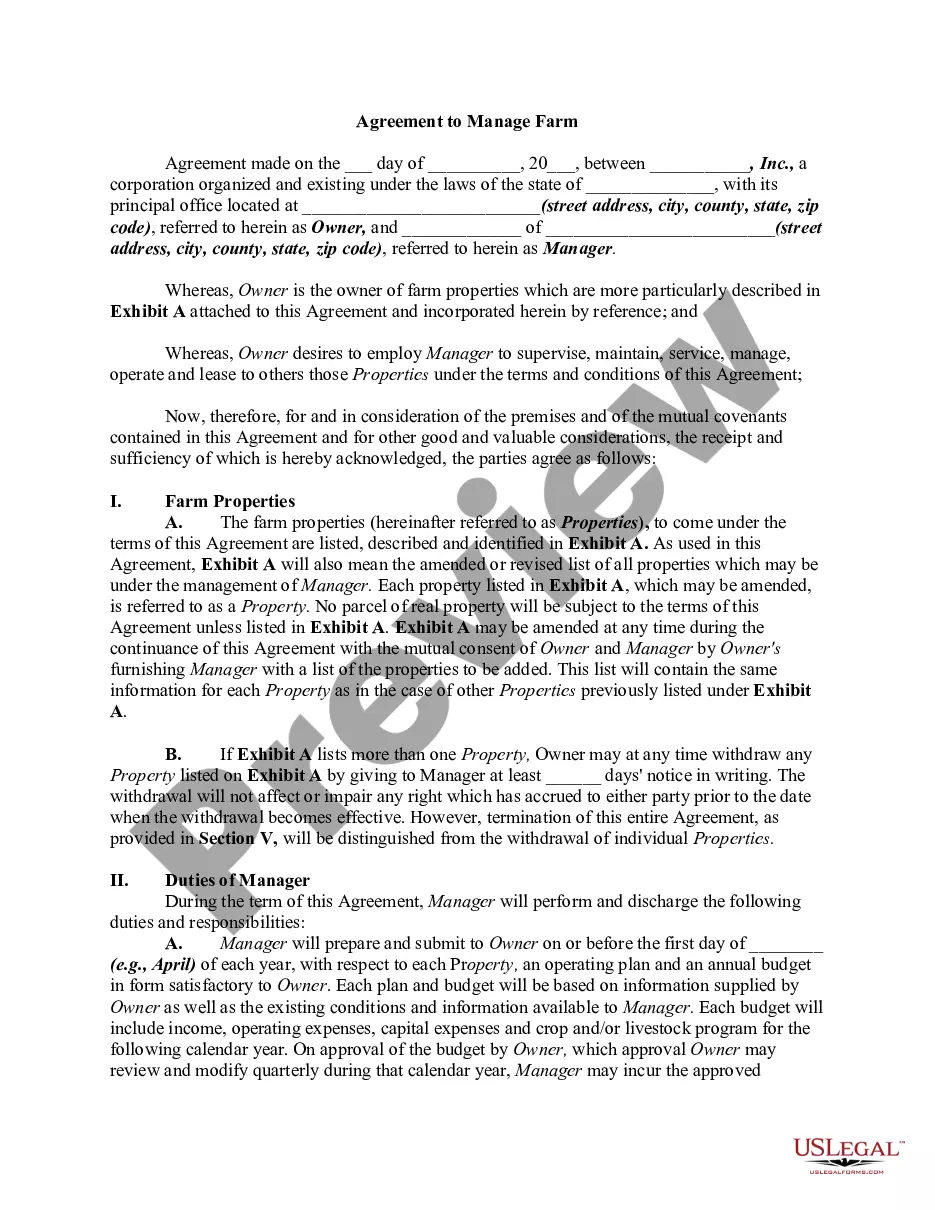
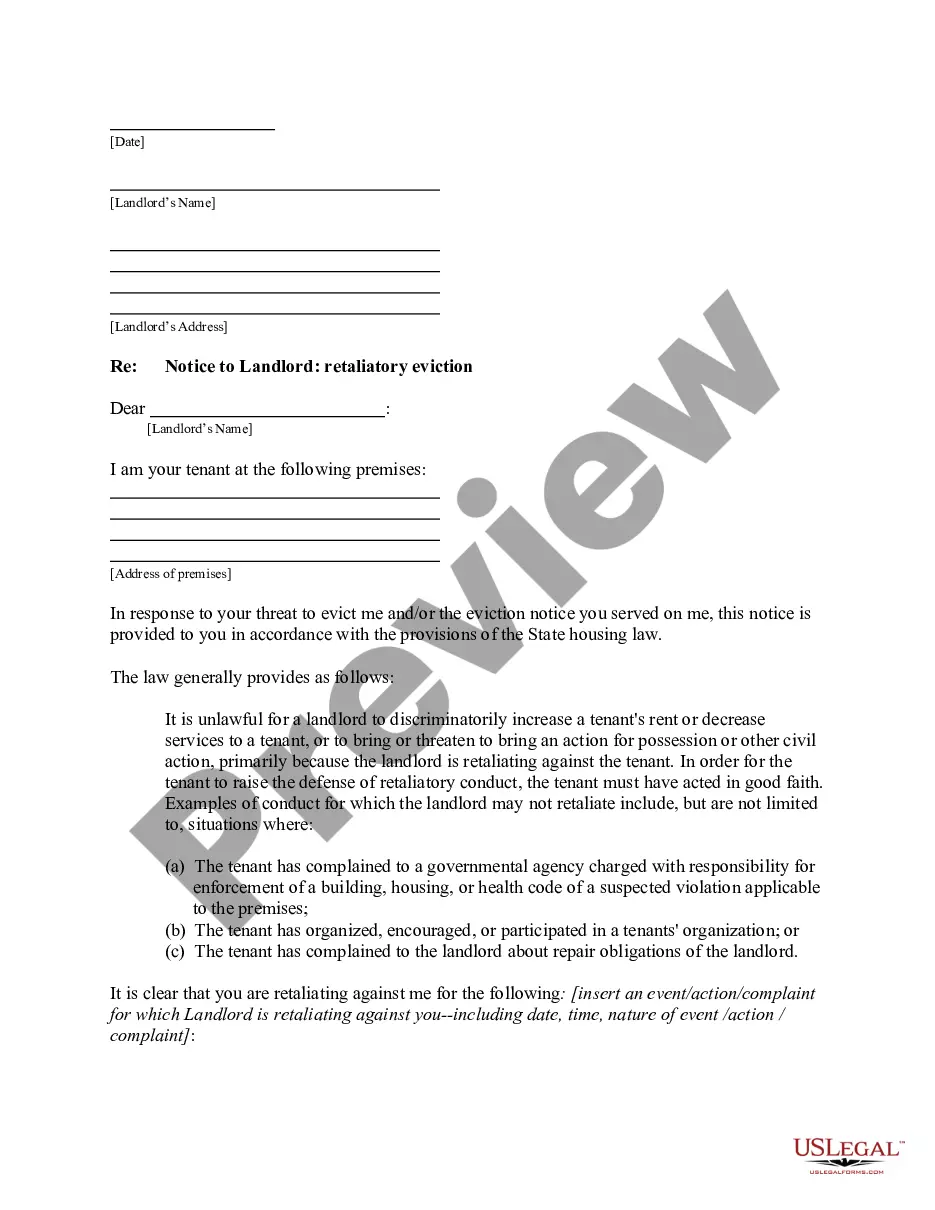
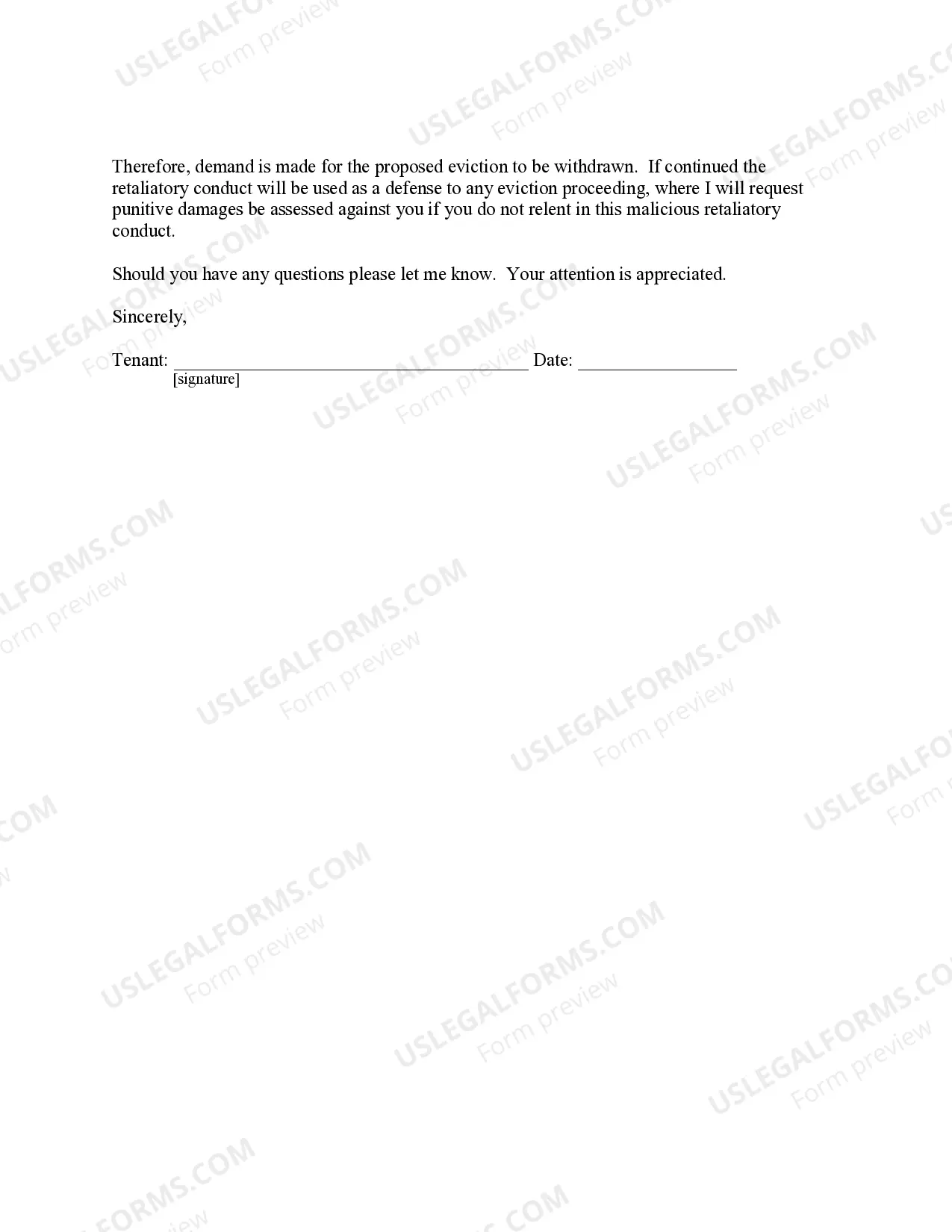
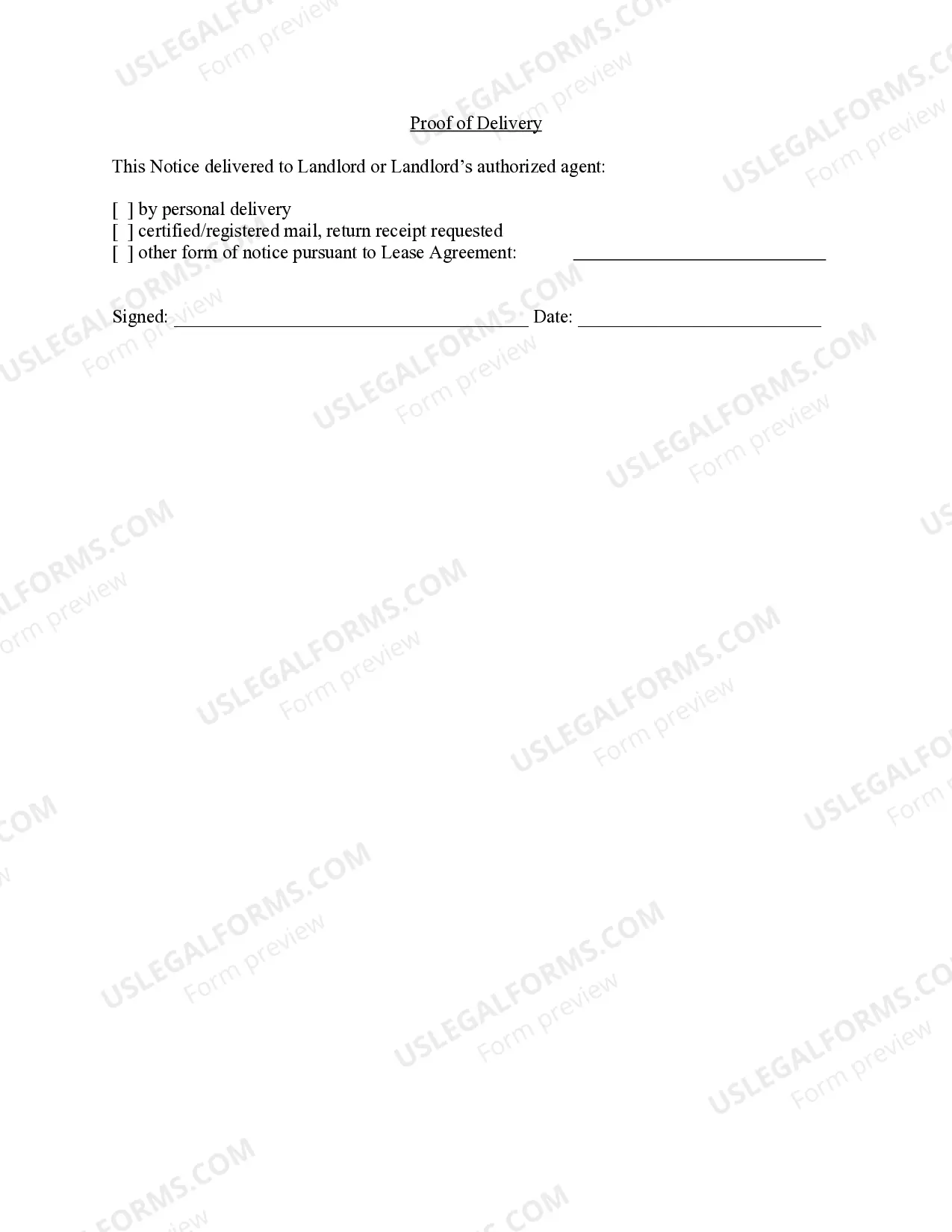
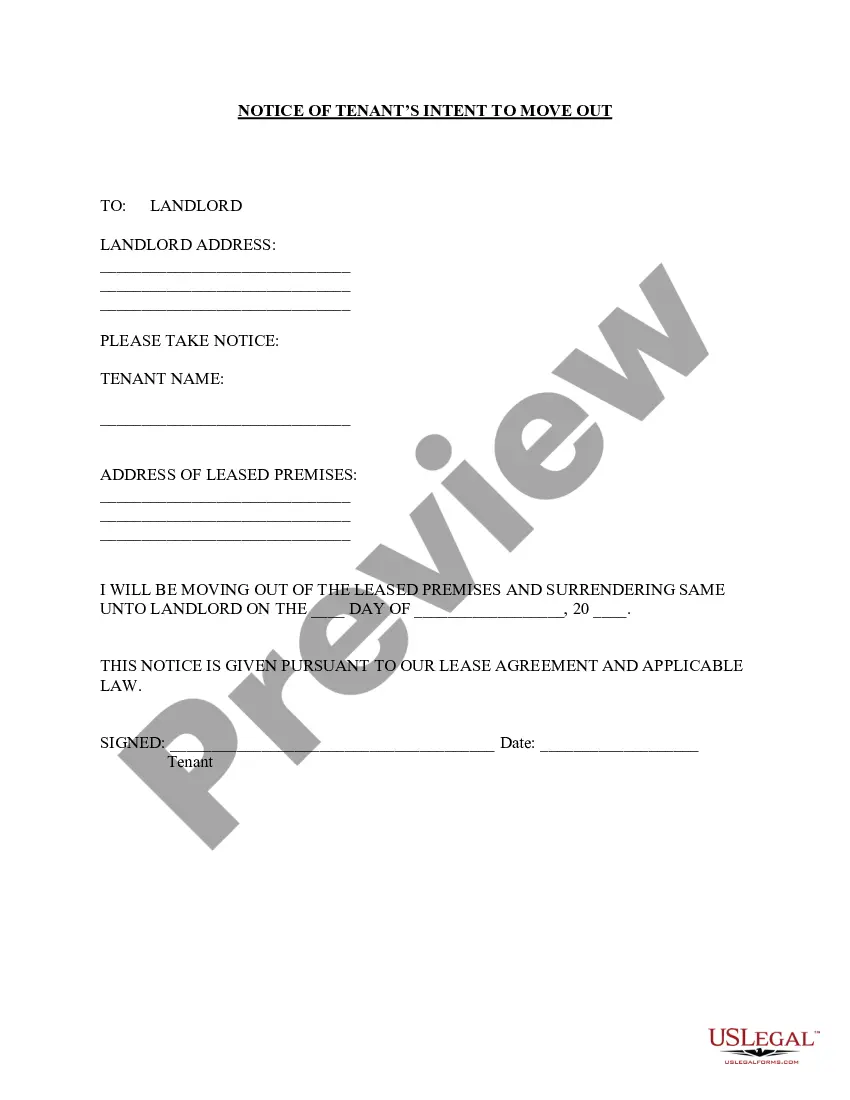
How to fill out Florida Letter From Tenant To Landlord Containing Notice To Landlord To Cease Retaliatory Threats To Evict Or Retaliatory Eviction?
Locating a reliable source for the most up-to-date and pertinent legal templates is part of the challenge of navigating bureaucracy.
Selecting the appropriate legal documents necessitates precision and meticulousness, which is why it's crucial to obtain Florida Notice Eviction Without Contract samples exclusively from reputable sources, such as US Legal Forms. An incorrect template can squander your time and prolong your current situation. With US Legal Forms, you have minimal concerns.
Once you have the form on your device, you can edit it using the editor or print it to complete it manually. Eliminate the hassle associated with your legal paperwork. Explore the vast US Legal Forms catalog to find legal samples, assess their relevance to your circumstances, and download them immediately.
- Utilize the catalog navigation or search bar to find your template.
- Examine the form’s description to confirm it meets your state and county requirements.
- Check the form preview, if available, to verify it is the document you need.
- Return to the search to locate the correct document if the Florida Notice Eviction Without Contract does not fulfill your needs.
- If you are confident about the form’s applicability, download it.
- As an authorized customer, click Log in to verify your identity and access your chosen templates in My documents.
- If you haven't created an account yet, click Buy now to purchase the template.
- Select the pricing option that meets your requirements.
- Proceed to the registration to complete your transaction.
- Finalize your purchase by selecting a payment method (credit card or PayPal).
- Choose the document format for downloading Florida Notice Eviction Without Contract.
Form popularity
FAQ
Yes, you can be evicted even if you don't have a formal contract. In Florida, landlords can proceed with eviction based on the occupancy status and local laws. To protect yourself and understand your rights, it's important to have a clear Florida notice eviction without contract prepared. US Legal Forms offers templates that can assist you in creating this document correctly, ensuring you are informed and compliant with the law.
To write an eviction notice without a lease, you should clearly state the reason for the eviction, include the date by which the tenant must vacate, and ensure the notice complies with Florida law. You can use a template from US Legal Forms to help structure your notice properly. This way, you can ensure that your Florida notice eviction without contract is legally sound and effective. Remember, clarity and precision are key in these documents.
Writing an eviction notice in Florida requires specific information to comply with state law. Start with a Florida notice eviction without contract, clearly stating the reason for eviction and the deadline by which the tenant must vacate. Use clear language, and make sure to include your contact information for any questions. For assistance, consider using the uslegalforms platform to access templates that ensure your notice meets legal requirements.
To vacate a tenant without a contract, you must follow the legal process in Florida. Begin by providing a Florida notice eviction without contract, detailing the reason for eviction and the timeframe for the tenant to leave. Ensure you deliver this notice properly, as this step is crucial in maintaining your legal rights. If the tenant does not comply, you may need to file an eviction action in court.
To evict someone in Florida without a lease, you must serve a Florida notice eviction without contract. This notice informs the tenant that they need to vacate the property. You typically start with a three-day notice for non-payment of rent or a 15-day notice for other violations. If the tenant does not comply, you can file an eviction lawsuit in court to formalize the eviction process.
Florida Eviction Summons and Complaint The landlord needs to file and serve an Eviction Summons and Complaint notice. This is if the tenant fails to comply or to leave the property. A copy of the notice and certificate of service must be notarized by the court clerk.
The eviction process in Florida with no lease signed is much easier, as you simply need to serve the tenant an official notice to quit. You don't need to proceed to court as long as you give them time to vacate.
YOU ARE HEREBY NOTIFIED that your lease is terminated effective immediately. You shall have 7 days from the delivery of this letter to vacate the premises. YOU ARE HEREBY NOTIFIED that the week-to-week month-to-month tenancy under which you hold the premises named above is hereby terminated.
Unlike an Eviction, a Homeowner does not have to give notice to the Family member or individual that they are trying to remove. This is because there is no Landlord/Tenant Relationship. Once you file the Unlawful Detainer, they have 5 days to respond.
Florida law allows for a legal action know as an Ejectment to remove a non-rent paying person living in your home, who has not signed a lease and has no title or interest in the property. Often times, this involves a person whom you have allowed to live in your home and who later refuses to leave when asked.