Eviction Laws In Florida For Roommates
Description
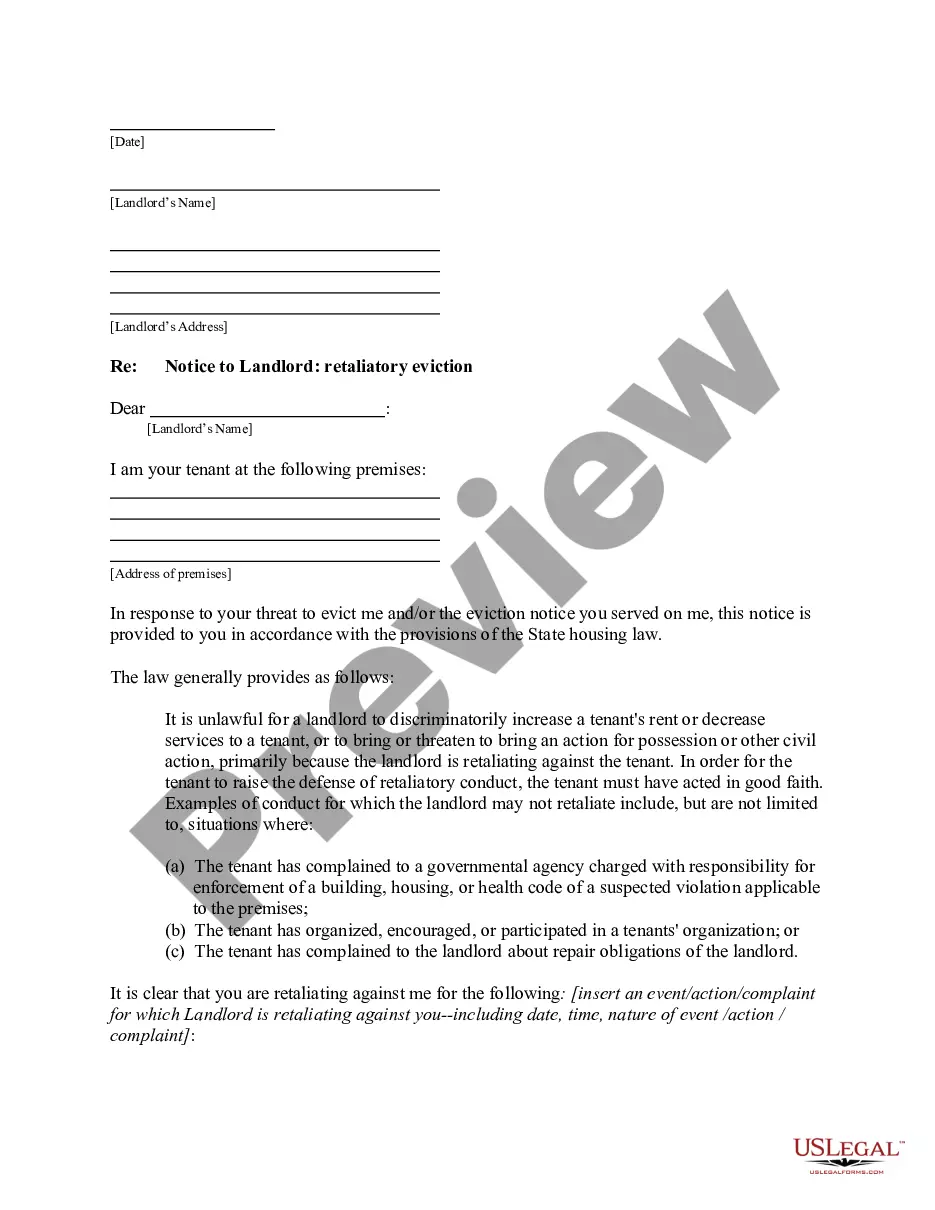
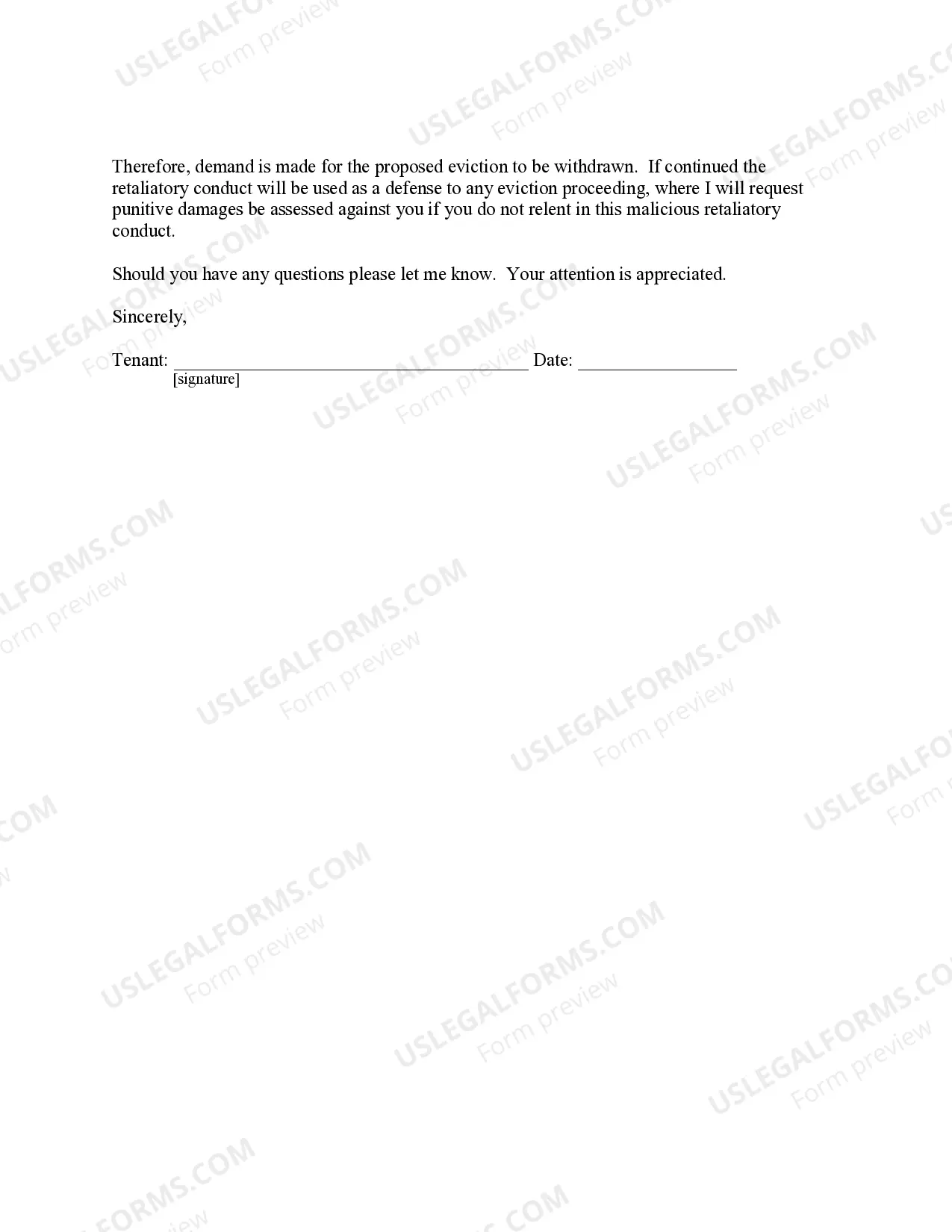
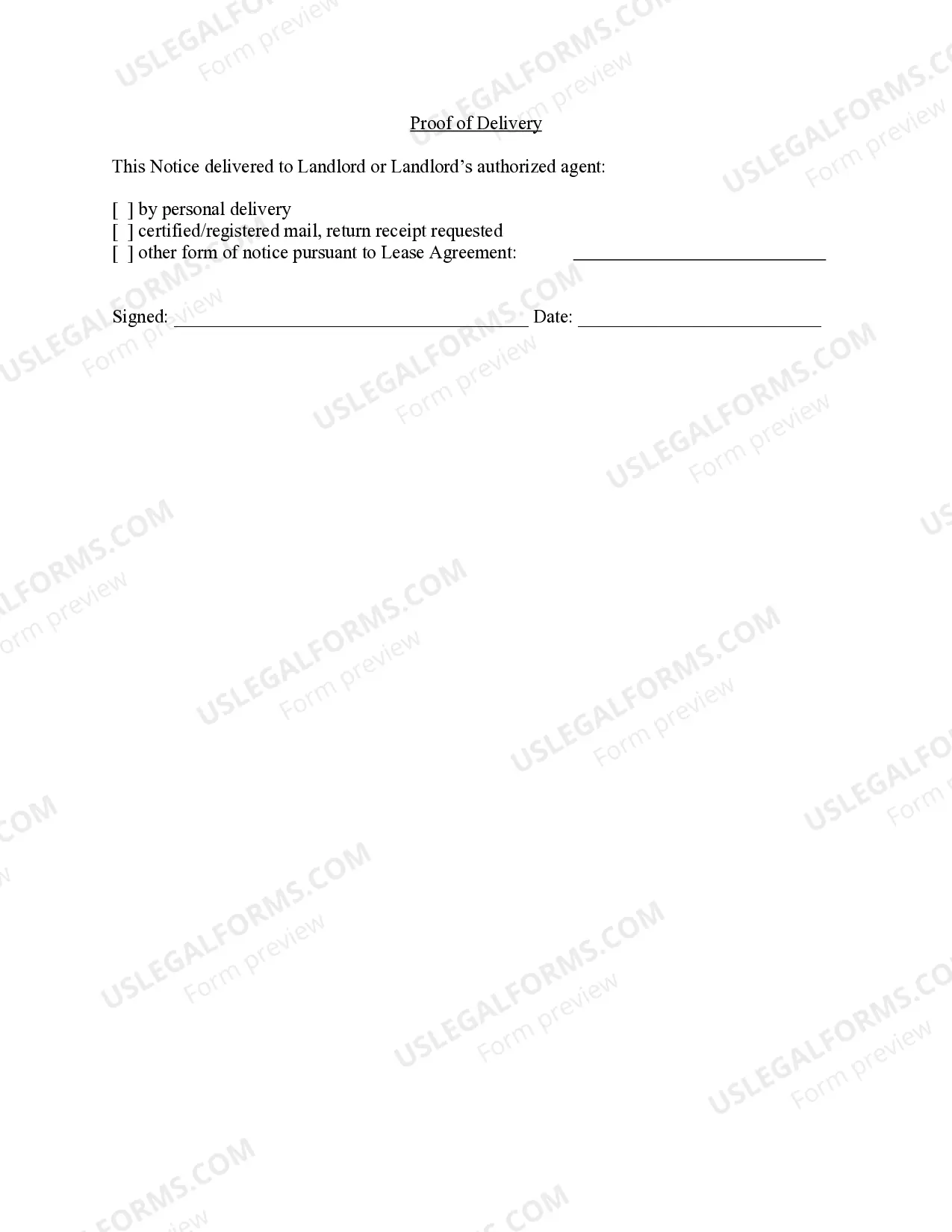

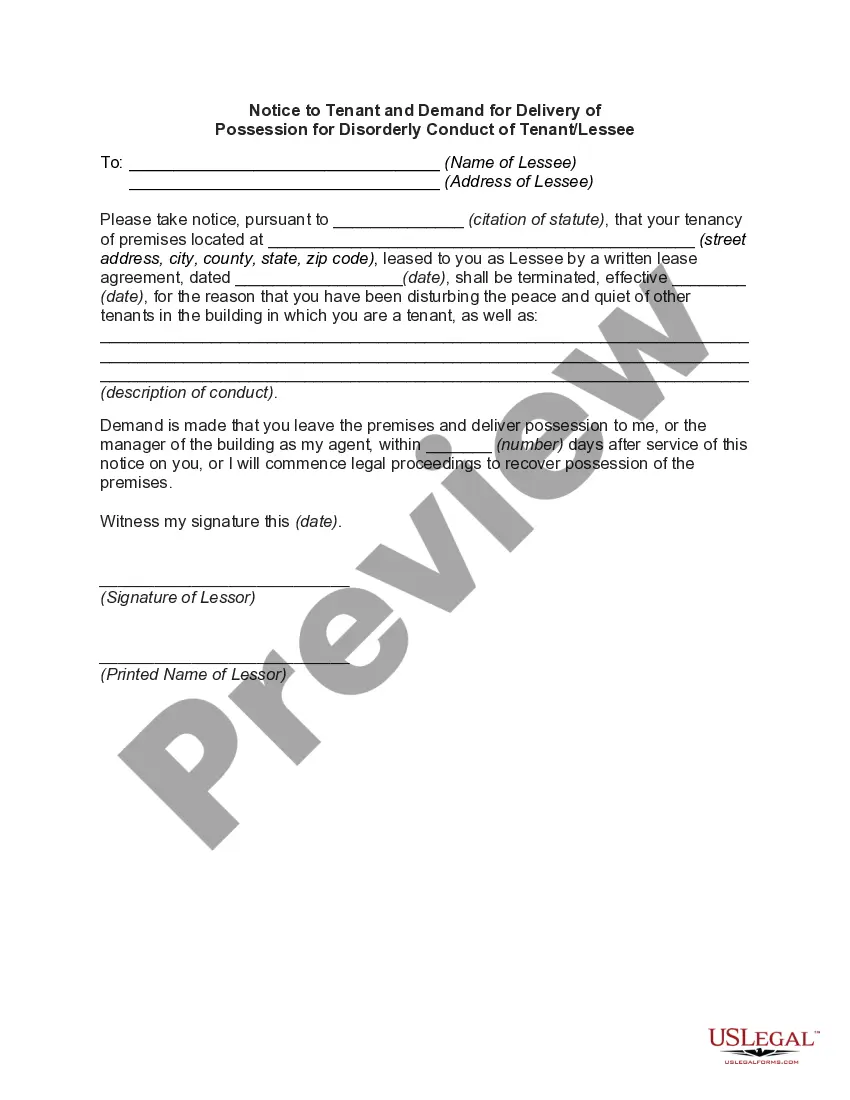
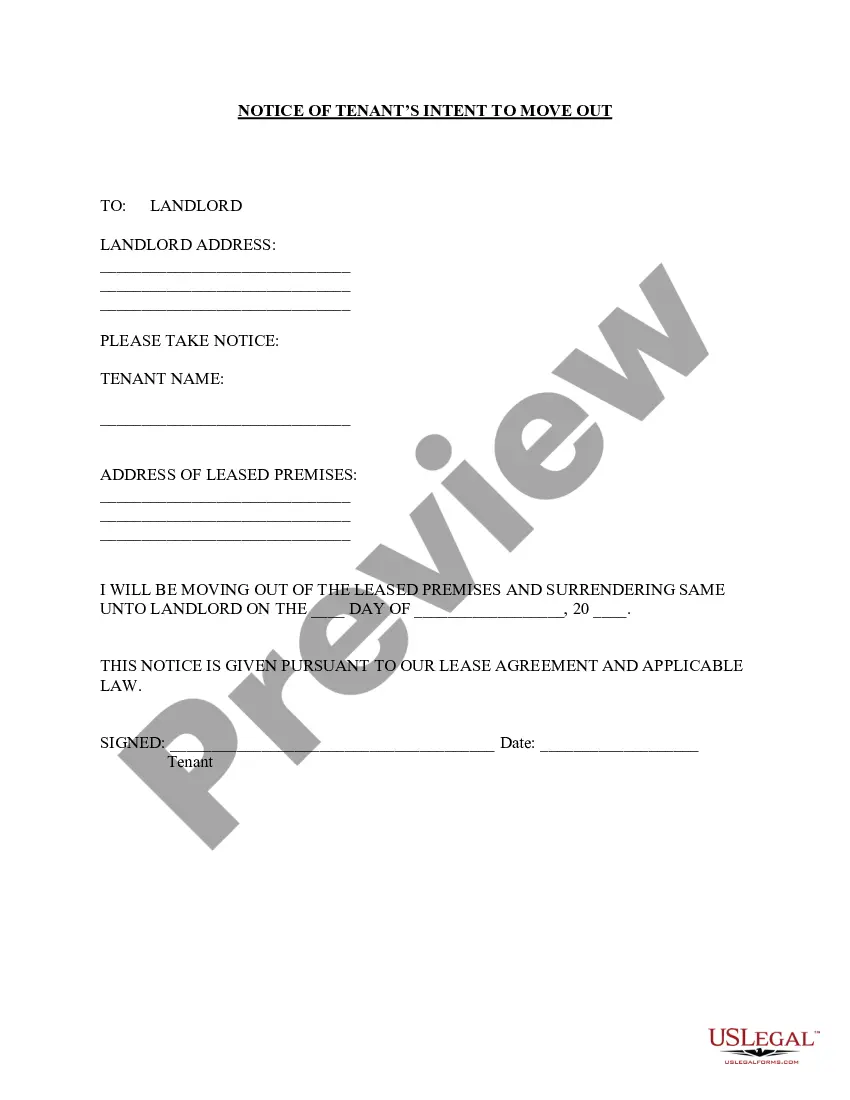


Get your form ready online
Our built-in tools help you complete, sign, share, and store your documents in one place.
Make edits, fill in missing information, and update formatting in US Legal Forms—just like you would in MS Word.
Download a copy, print it, send it by email, or mail it via USPS—whatever works best for your next step.
Sign and collect signatures with our SignNow integration. Send to multiple recipients, set reminders, and more. Go Premium to unlock E-Sign.
If this form requires notarization, complete it online through a secure video call—no need to meet a notary in person or wait for an appointment.
We protect your documents and personal data by following strict security and privacy standards.

Make edits, fill in missing information, and update formatting in US Legal Forms—just like you would in MS Word.

Download a copy, print it, send it by email, or mail it via USPS—whatever works best for your next step.

Sign and collect signatures with our SignNow integration. Send to multiple recipients, set reminders, and more. Go Premium to unlock E-Sign.

If this form requires notarization, complete it online through a secure video call—no need to meet a notary in person or wait for an appointment.

We protect your documents and personal data by following strict security and privacy standards.
Looking for another form?









How to fill out Florida Letter From Tenant To Landlord Containing Notice To Landlord To Cease Retaliatory Threats To Evict Or Retaliatory Eviction?
Handling legal paperwork and processes can be a lengthy addition to your schedule.
Eviction Regulations In Florida For Cohabitants and documents like it often necessitate you to look for them and figure out how to fill them out correctly.
As a result, whether you are managing financial, legal, or personal issues, utilizing a comprehensive and user-friendly online repository of forms when you require it will significantly help.
US Legal Forms is the premier online platform for legal templates, boasting over 85,000 state-specific documents and a variety of resources to help you complete your paperwork effortlessly.
Is this your first experience with US Legal Forms? Register and create your account in moments and you will gain access to the document library and Eviction Regulations In Florida For Cohabitants. Then, follow the instructions below to fill out your document: Make sure you have found the right form using the Preview option and examining the form description. Select Buy Now when ready, and pick the subscription plan that fits your requirements. Click Download, then fill out, sign, and print the document. US Legal Forms has twenty-five years of expertise assisting users in managing their legal documents. Find the document you need today and streamline any process without the hassle.
- Browse the collection of relevant documents available to you with a single click.
- US Legal Forms provides you with state- and county-specific documents available anytime for download.
- Secure your document management processes using a high-quality service that enables you to create any document within minutes without additional or hidden charges.
- Simply Log In to your account, search for Eviction Regulations In Florida For Cohabitants, and obtain it instantly in the My documents section.
- You can also access previously downloaded documents.
Form popularity
FAQ
If your roommate moves out before the lease concludes, eviction laws in Florida for roommates state that they are still liable for rent until the lease ends. Depending on your agreement, you may need to cover their share temporarily. It's advisable to have a conversation and explore options or even seek assistance from legal resources, such as USLegalForms, to handle the situation appropriately.
Yes, you can sue your roommate for not paying rent, but it's important to understand the eviction laws in Florida for roommates before taking this step. Filing a lawsuit could create tension in your living situation, so consider mediation or discussing payment arrangements first. If legal action becomes necessary, having the proper documentation will strengthen your case in court.
To evict a roommate in Florida, you first need to follow the state's eviction laws, which usually require providing written notice. Depending on the reason for the eviction, the notice period can vary, but ensure you keep communication respectful. If the roommate does not comply, you may need to file for formal eviction in court, which can be a complicated process, and that's where platforms like USLegalForms can assist you.
Under eviction laws in Florida for roommates, a roommate can leave, but they remain responsible for their share of the rent until the lease ends. If they vacate without notice, this could lead to financial consequences for both of you. It's essential to check your lease agreement and discuss the situation openly to find a solution that works for everyone.
In Florida, a guest may become a tenant if they have stayed for a certain period or have established a pattern of behavior indicating tenancy. Factors like receiving mail or paying rent contribute to this status, complicating compliance with eviction laws in Florida for roommates. Therefore, it's crucial to monitor the duration and nature of their stay. Services such as US Legal Forms can help you understand these nuances and provide templates for any legal documentation you may need.
Yes, a houseguest can refuse to leave if they believe they have the right to stay. To effectively address this situation, you should familiarize yourself with eviction laws in Florida for roommates. These laws outline the procedures you must follow to regain possession of your space. Utilizing resources like US Legal Forms can provide specific guidance on how to handle such disputes.
In Florida, whether you need to evict a houseguest depends on their status. If your houseguest has established residency, you may need to follow eviction laws in Florida for roommates. Understanding these laws will help you determine the proper steps for eviction. For assistance, consider using platforms like US Legal Forms, which provide resources to navigate these legal matters.
Generally, you cannot kick someone out of your house without providing proper notice, even if they are not on the lease. Florida law requires you to give a reasonable notice period, which varies based on the rental agreement. If they do not leave after the notice period, you may need to seek the assistance of the court system. It's advisable to consult resources that explain the eviction laws in Florida for roommates for guidance.
In Florida, a roommate can initiate eviction proceedings against another roommate if there is no lease or agreement in place stating otherwise. To do this, the initiating roommate must give proper notice to vacate. If the other party does not leave, the roommate can take legal action via the court system. Familiarize yourself with the eviction laws in Florida for roommates to ensure proper compliance.
Yes, your landlord can evict you if your roommate moves out, especially if the lease agreement states that the remaining tenant is responsible for the entire rent. If your name is on the lease, you may have rights that could protect you from eviction. However, it's essential to check the specific eviction laws in Florida for roommates for clarity on your situation.